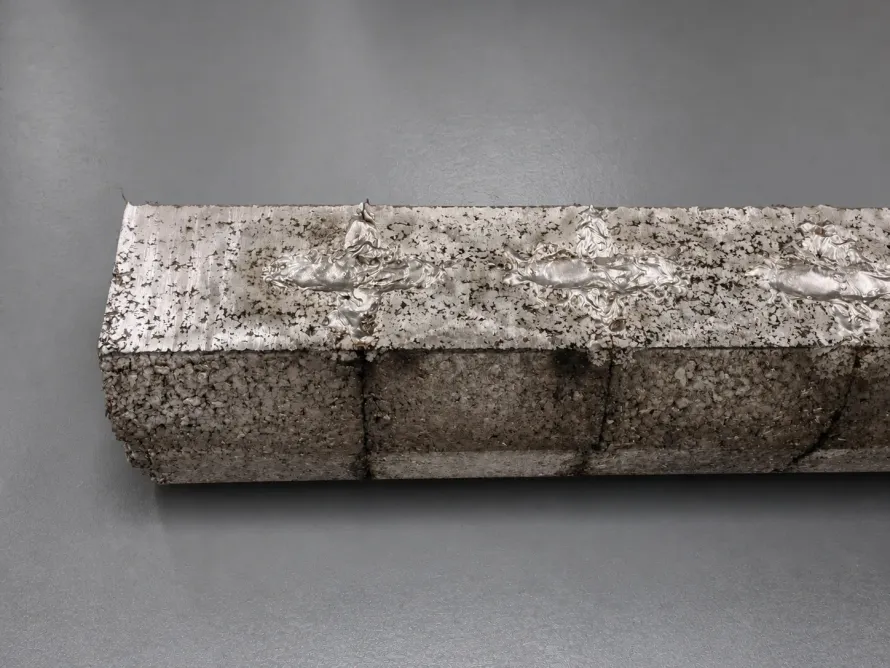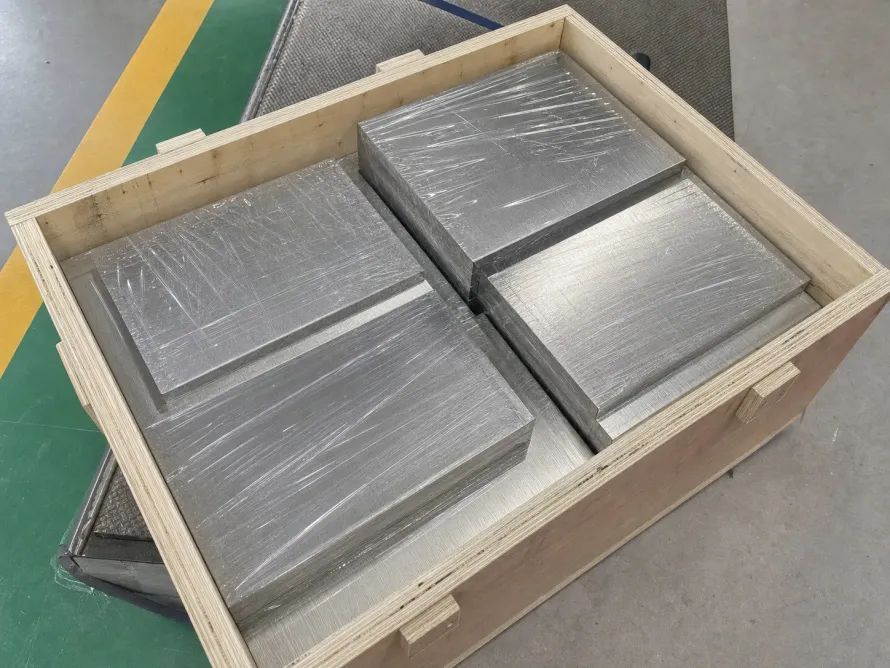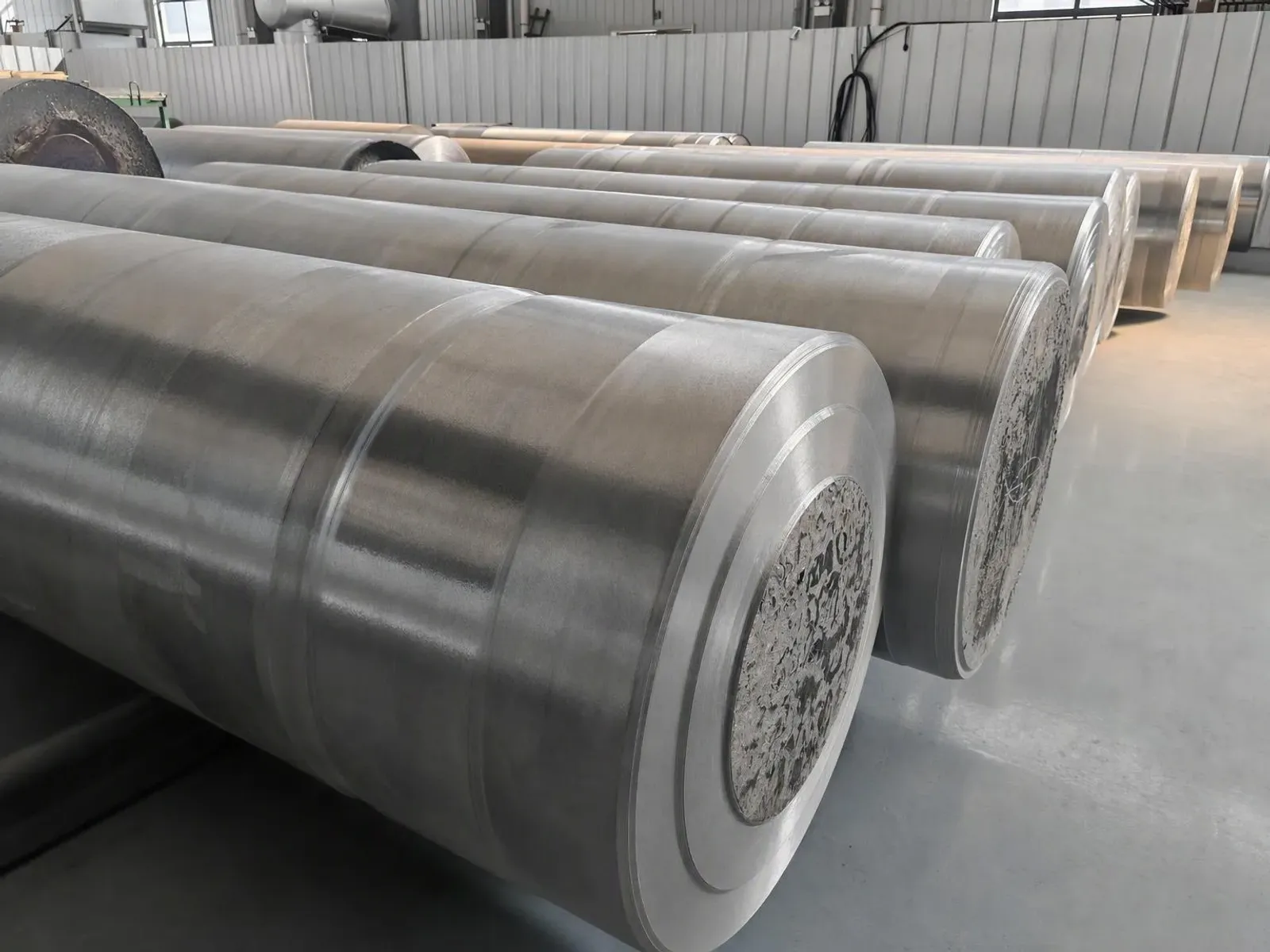
Generic billet-form context for the proposed titanium-project scope; this is not evidence of a project award, output or available inventory.
U.S. lawmakers announced the bipartisan National Critical Minerals Council Act on October 1, 2026. The available draft would create an interagency council in the Executive Office of the President, and titanium is on the federal critical-minerals list. For titanium producers and project developers, the immediate change is a proposal for coordinated federal strategy—not a new award, permit, procurement or supply result.
- Policy status: The measure is proposed legislation. The cited records do not show enactment or implementation.
- Titanium scope: The draft definition reaches projects that identify, mine, process, reprocess, reuse or recycle listed critical minerals, which includes titanium.
- Decision boundary: Funding alignment and project tracking are proposed council duties; they are not proof that a named titanium project has received money or approval.
What the proposal would coordinate
The draft would establish the National Critical Minerals Council inside the Executive Office of the President. Its proposed co-chairs are the Secretary of the Interior, the National Security Advisor and the Director of the National Economic Council. The membership list spans departments and agencies involved in mining, trade, finance, labor, research, environmental oversight and national security.
Its duties are coordination-heavy. The council would recommend alignment of agency budget requests with a national critical-minerals strategy, identify conflicting policies, track foreign investment, coordinate federal research, development, deployment, investment and commercialization funding priorities, and maintain a public-facing project dashboard. The draft also calls for a strategy and implementation report within one year after enactment.
That would give project developers a more centralized route for watching priorities and opportunities. It would not make the council a substitute for Congress, a permitting authority or an awarding agency.
Why titanium is within the proposed scope

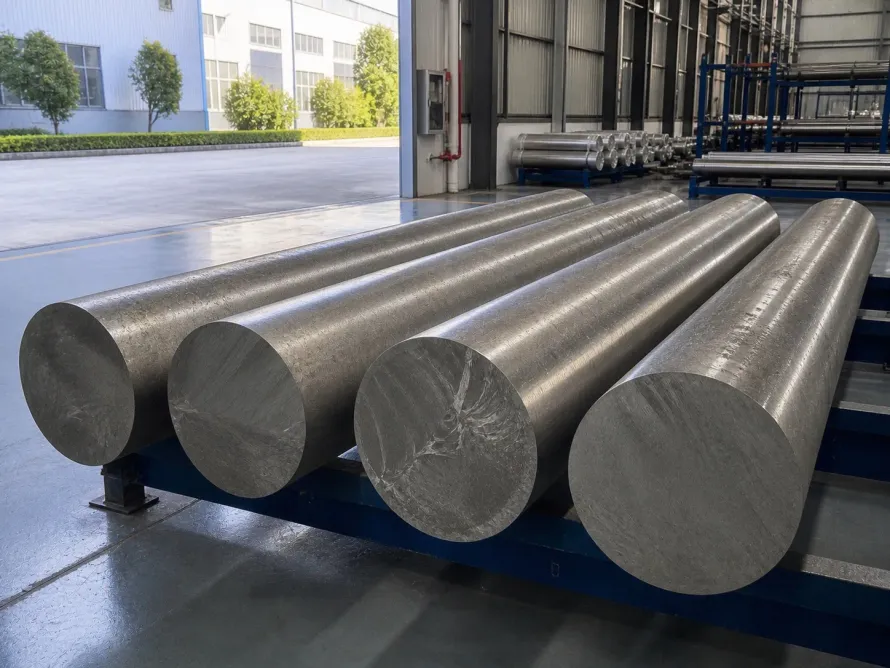
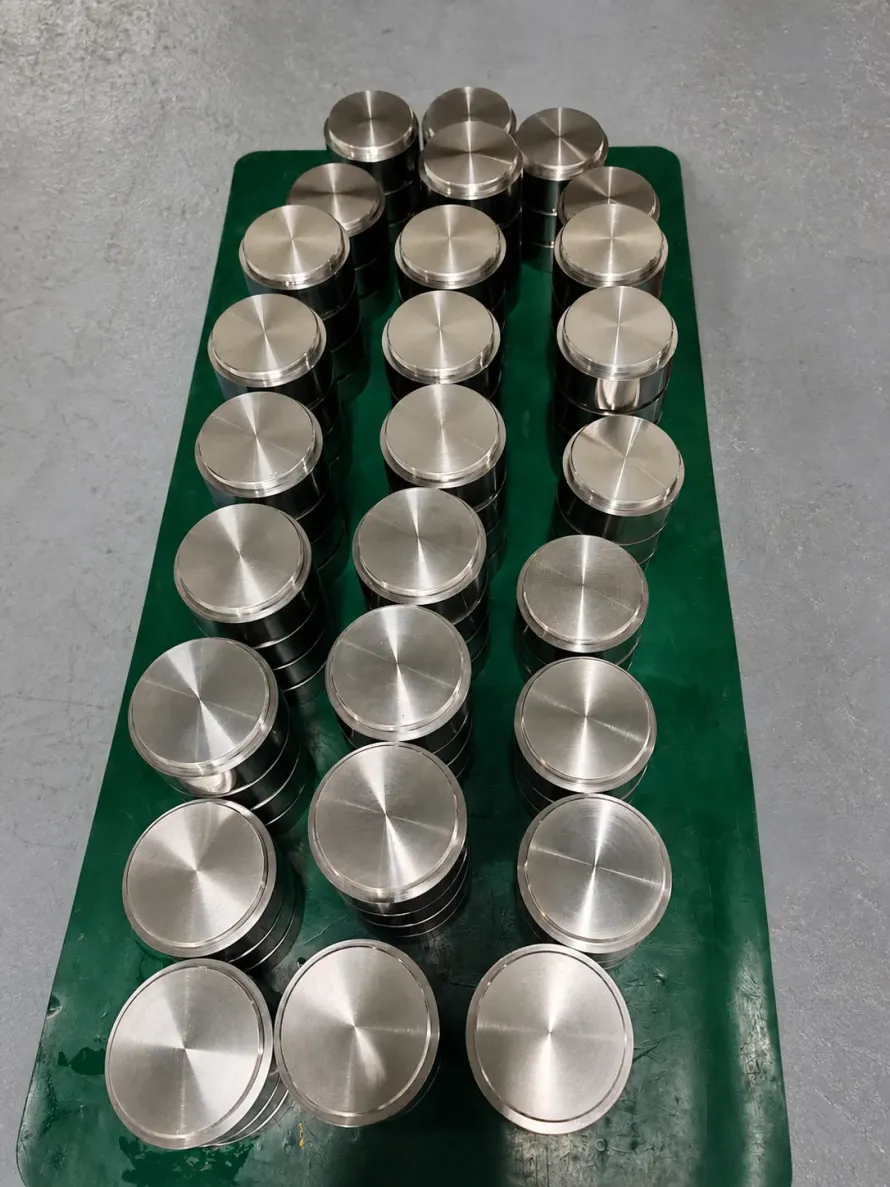
Generic titanium-processing context for the proposed scope; it is not a named U.S. project or evidence of funding, output or capacity.
The Federal Register’s final 2025 List of Critical Minerals includes titanium. The draft defines a critical mineral or material project broadly enough to cover identification, characterization, mining, extraction, processing, reprocessing, reuse and recycling.
Taken together, those texts put qualifying titanium-mineral, sponge-feedstock, processing and recycling projects inside the proposal’s policy scope. This is a scope connection, not a project decision: the cited draft names no titanium company, mine, processor, recycler, purchase or tonnage.
What buyers and developers should wait for
The next useful evidence is legislative and project-specific. A bill number, committee referral, revised text, vote and enactment would show whether the proposed structure is moving forward. Later appropriations, agency solicitations, awards, permits or named-project entries would be needed before assigning a funding or development effect to titanium.
Until then, sourcing teams should not change capacity, availability, lead-time or price assumptions because of this announcement alone. Public-affairs and project teams can still use it as a monitoring trigger: map relevant titanium activities to the draft project definition, then separate any future coordination signal from an actual appropriation, award, permit or procurement action.
Sources
- U.S. Senate office announcement, October 1, 2026 — accessed October 3, 2026.
- National Critical Minerals Council Act draft, NEW26429 63J — accessed October 3, 2026.
- Final 2025 List of Critical Minerals, Federal Register — published November 7, 2025; accessed October 3, 2026.