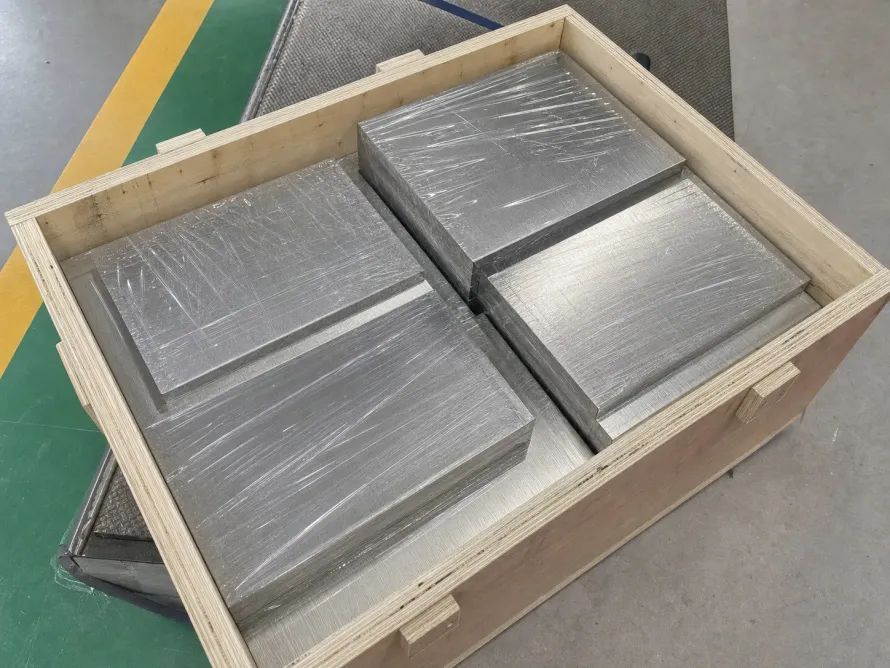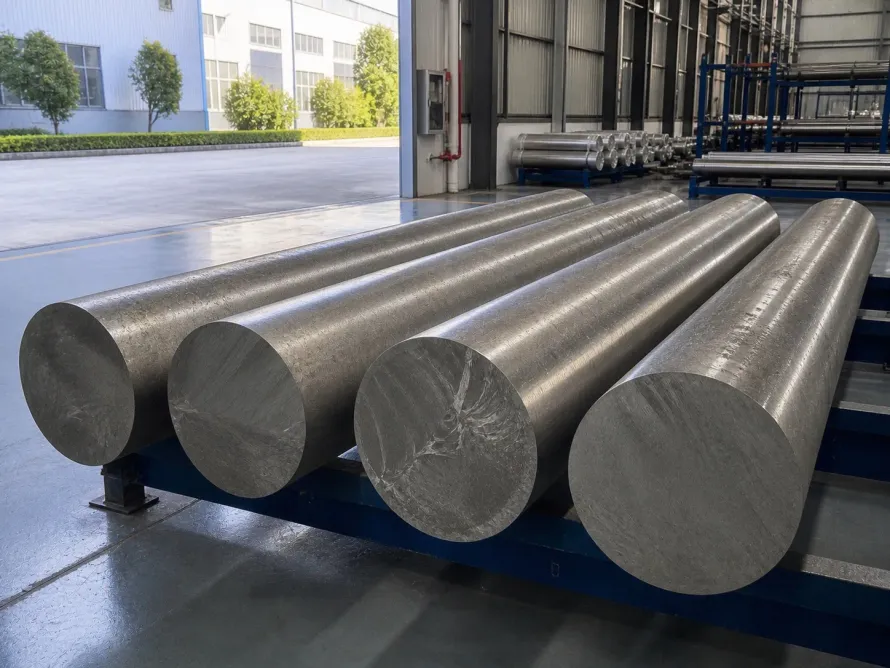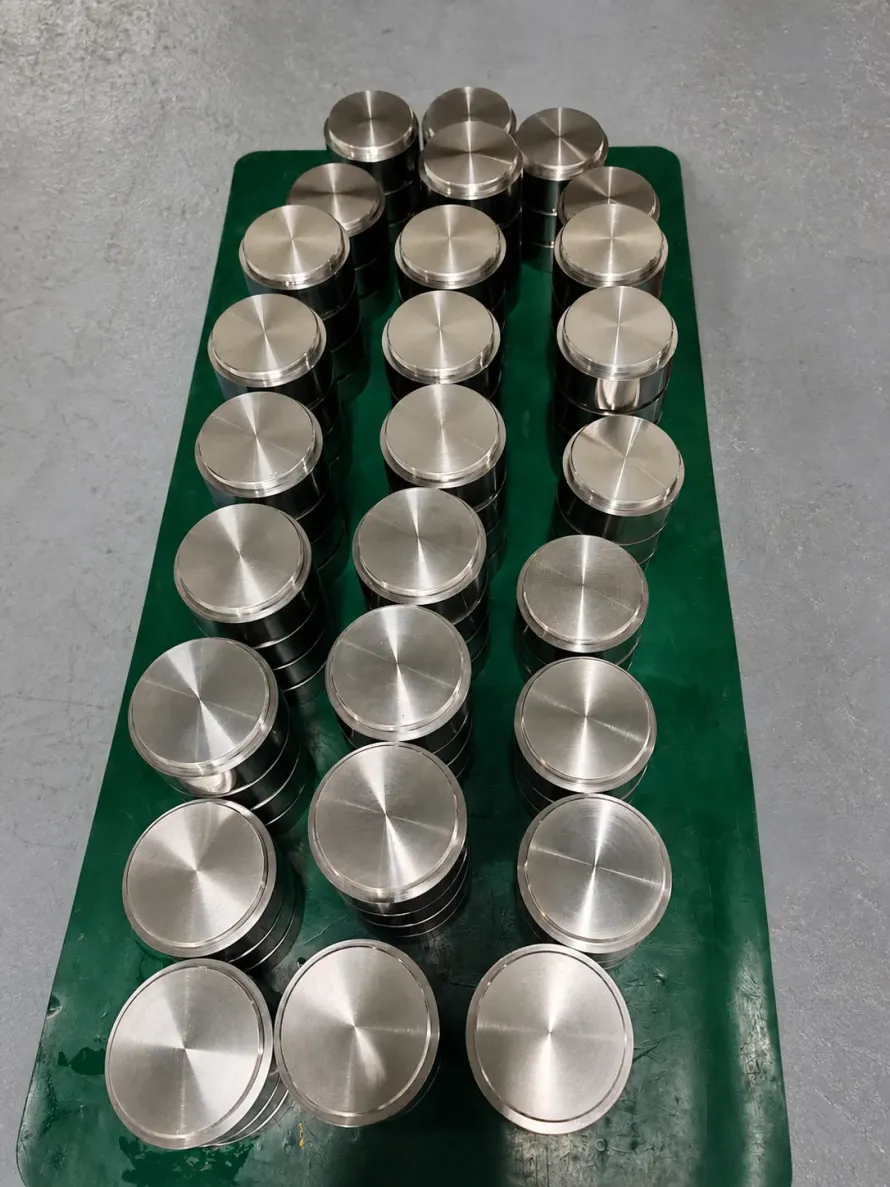
Generic titanium-related intermediate material; this is not Engebo ore, rutile concentrate, or project evidence.
Norway’s Ministry of Climate and Environment granted Engebø Rutile and Garnet a new, time-limited pollution permit on September 30. The permit governs tailings disposal for three years and allows up to 1.5 million tonnes of tailings per year in the Førdefjorden sea deposit. It restores a legal framework for continued operation as the earlier permit decisions were suspended, but it does not verify rutile concentrate output, product qualification, sales or a permit beyond the three-year term.
- Regulatory change: The new permit, not the earlier suspended decisions, now governs the company’s pollution-control and tailings-disposal authorization for three years.
- Volume boundary: The 1.5-million-tonne figures refer separately to an annual tailings ceiling and a stated annual ore production rate; neither is disclosed rutile output.
- Continuity risk: Regulatory permission does not resolve Nordic Mining’s financing position or prove stable production, customer acceptance or deliveries.
What the permit actually changes
The ministry says the three-year permit is the applicable decision going forward while it reassesses whether a broader, longer-term permit can be granted. The official announcement says that longer-term assessment is planned for early 2027. The new decision also keeps monitoring, reporting and emissions conditions in force and records negative environmental consequences associated with mining, waste-rock disposal and sea-tailings disposal.
For titanium-feedstock monitoring, the direct relevance is upstream. The ministry identifies Engebø as a rutile resource and says rutile is used for both pigment and titanium metal. The permit therefore removes one immediate legal obstacle to operating the mine and process plant. It does not by itself convert the resource into qualified, saleable rutile or titanium metal.
Why 1.5 million tonnes is not rutile output
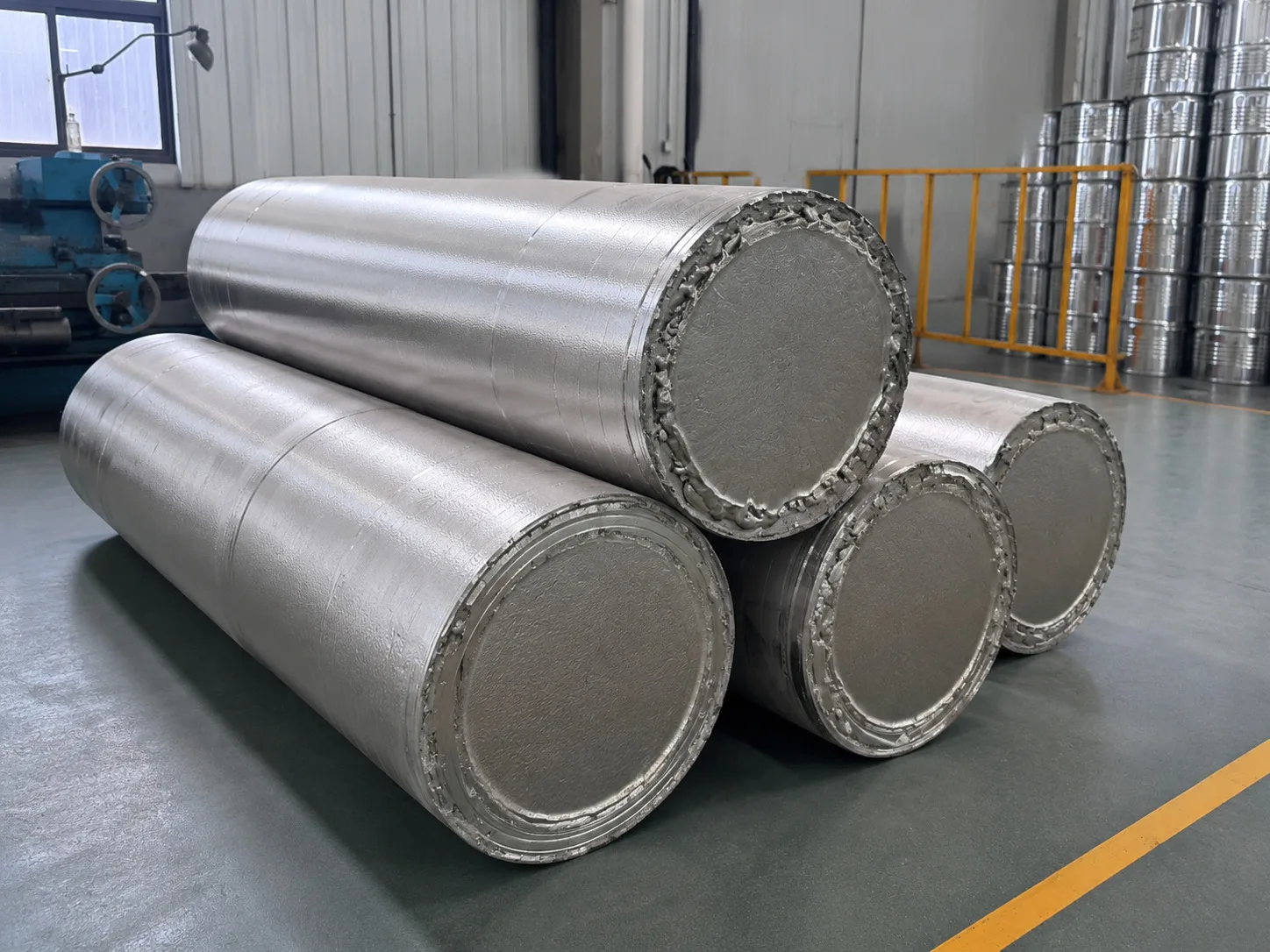
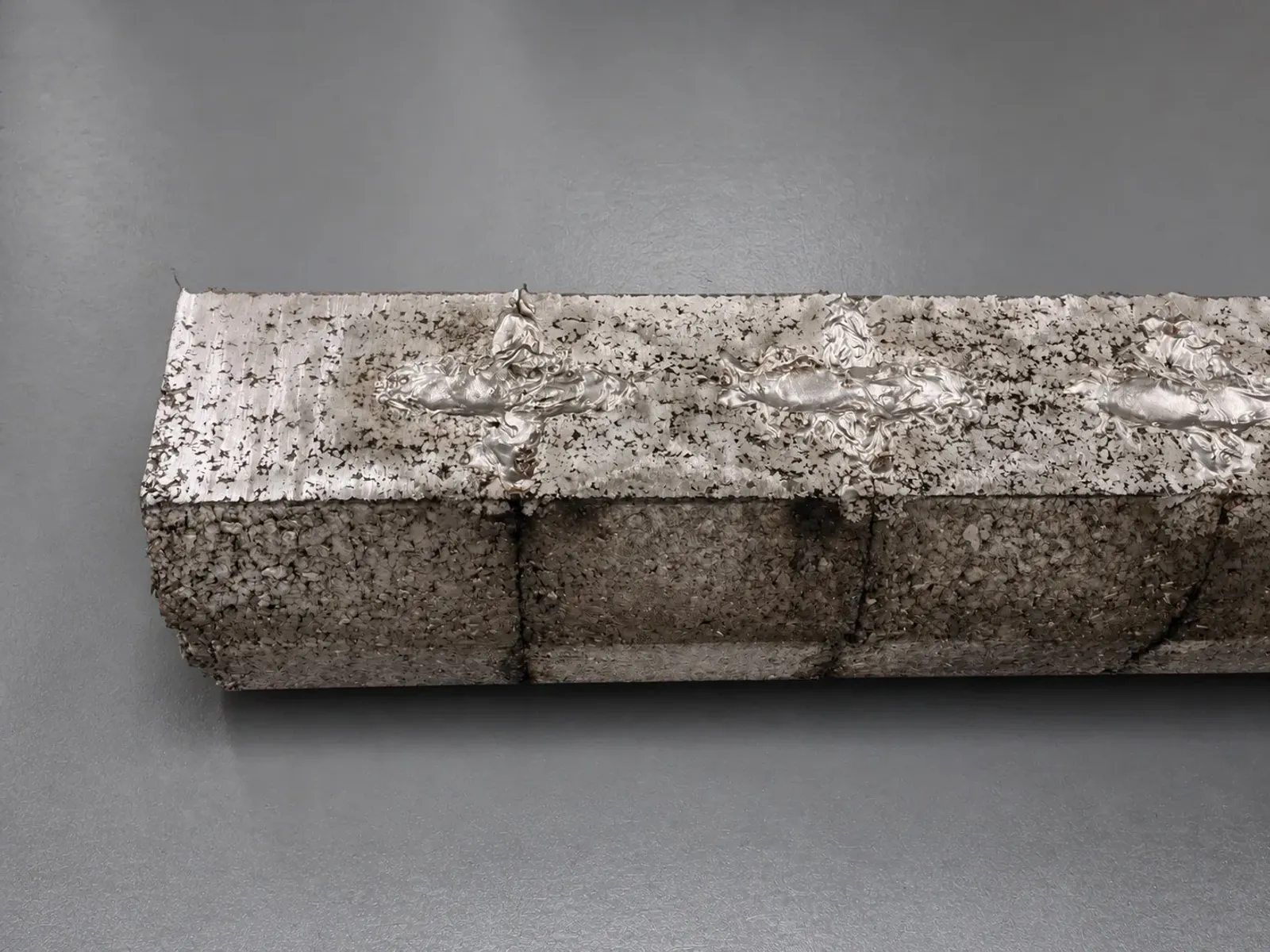
Generic downstream titanium billets; Engebo permit figures do not quantify metal output or shipments.
The decision uses 1.5 million tonnes in two different contexts. One is the maximum annual quantity of tailings permitted for sea disposal. The other is the stated annual ore production rate after the project reduced its planned pace. Tailings and ore are not rutile concentrate. Neither cited figure provides a verified conversion to rutile output.
That distinction blocks a common but invalid shortcut: treating the permit ceiling as new titanium feedstock volume. The cited pages establish the two material-stream figures, not a rutile-output calculation or a commercial-supply record.
Regulatory continuity does not settle financial continuity
Nordic Mining describes the decision as the regulatory framework required for continued operations and says production volumes have been increasing. Those are issuer statements, not government verification of output or sales. In the same release, the company says it has secured sufficient liquidity through mid-October while it pursues long-term financing and restructuring.
The two risks should therefore be tracked separately. The permit reduces near-term regulatory uncertainty for tailings disposal. Financing, operating performance and commercial acceptance remain independent conditions for dependable supply. A buyer should not treat progress on one condition as proof that the others are closed.
What would change the supply conclusion
The next evidence with decision value is specific: achieved ore throughput, rutile recovery, concentrate grade, qualified-product data, shipment or customer-acceptance records, and a durable financing outcome. The planned early-2027 permit review is a separate trigger because the current authorization is explicitly time-limited.
Until those records appear, the defensible conclusion is narrow. Engebø has a three-year legal route for the stated tailings disposal, preserving the possibility of continued rutile production. The permit is not a production certificate, a sales record or proof of long-term titanium-feedstock availability.
Sources
- Norwegian Ministry of Climate and Environment, “Gir ny tillatelse i Engebø-saken,” September 30, 2026; accessed October 1, 2026: https://www.regjeringen.no/no/aktuelt/gir-ny-tillatelse-i-engebo-saken/id3174103/
- Norwegian Ministry of Climate and Environment, “Engebø Rutile and Garnet AS – Vedtak om tillatelse til forurensende virksomhet etter forurensningsloven,” September 30, 2026; accessed October 1, 2026: https://www.regjeringen.no/contentassets/ed404c71367849898aad21b9527aeaed/engebo-rutile-and-garnet-as-vedtak-om-tillatelse-til-forurensende-virksomhet-etter-forurensningsloven.pdf
- Nordic Mining ASA, “Approval of temporary discharge permit,” September 30, 2026; accessed October 1, 2026: https://news.cision.com/nordic-mining-asa/r/nordic-mining-asa—approval-of-temporary-discharge-permit,c4403102