Jintian Titanium's RMB 300 Million Phase II Plan Does Not Yet Add Qualified Capacity
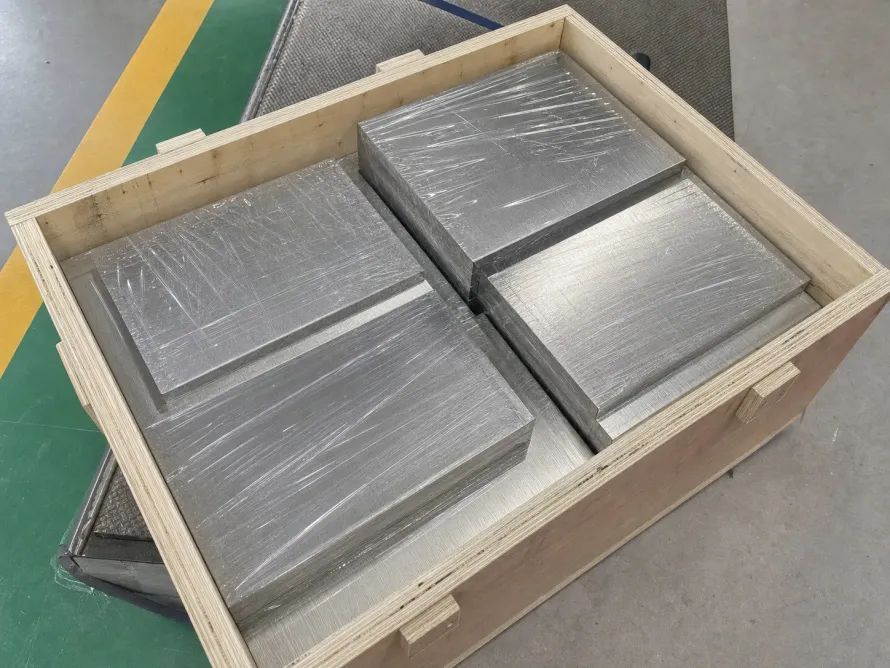
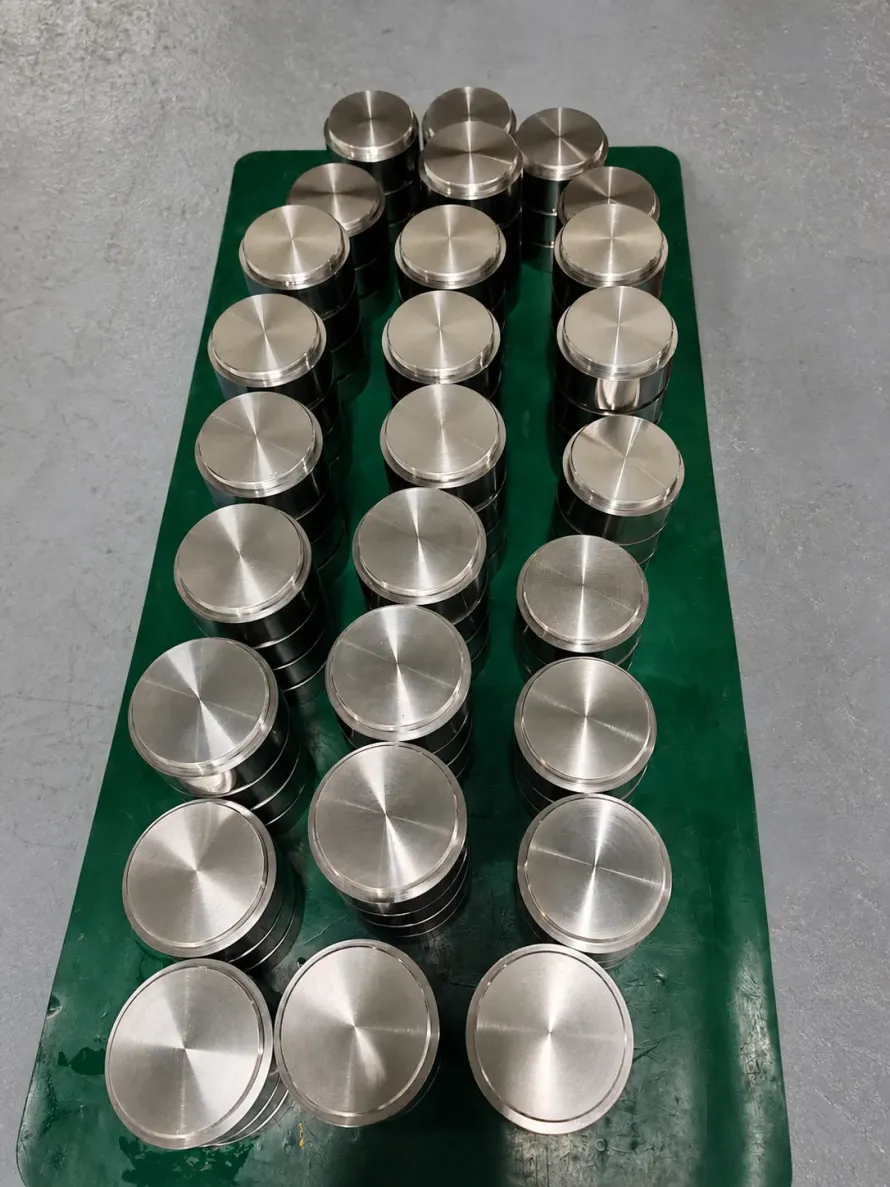
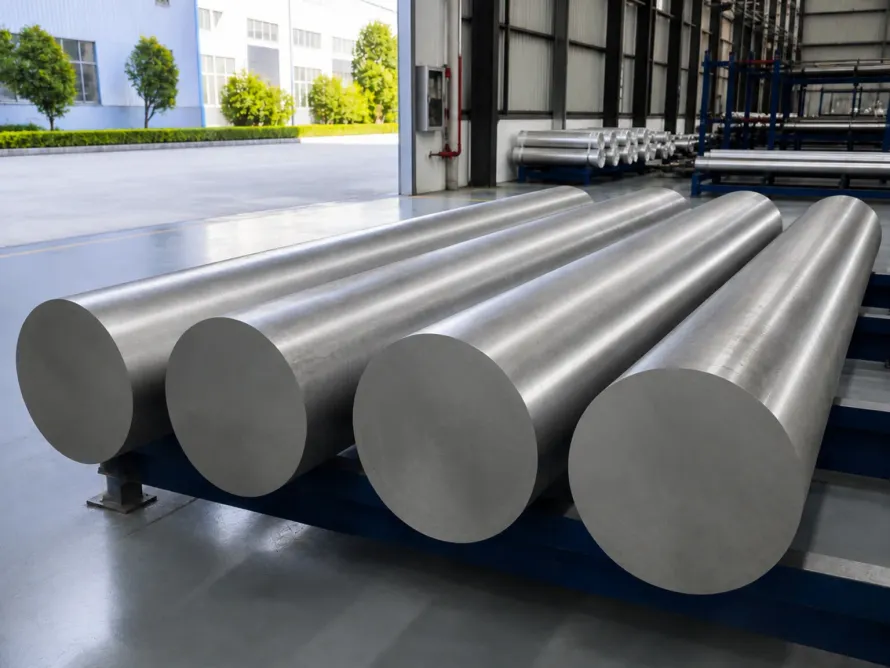
Generic titanium round-bar context; it does not show Jintian Titanium, Phase II output or available inventory.
Jintian Titanium disclosed a board-approved plan on September 15, 2026 to raise up to RMB 300 million through a simplified private placement, with the proposed proceeds intended for its Advanced Titanium Alloy Industrialization Project (Phase II). For titanium bar and forging buyers, this is a new financing milestone—not evidence that qualified capacity, released product or delivery slots now exist. The issuer says the transaction still needs Shanghai Stock Exchange review and China Securities Regulatory Commission registration consent.
- What changed: the board approved the financing proposals on September 14 and the company disclosed them the next day.
- What remains open: final proceeds, physical project progress, equipment validation, product-and-route qualification, accepted yield, ramp and customer allocation are separate gates.
- Buyer implication: keep current approved-source and delivery assumptions until evidence closes the gates relevant to the ordered product.
What the September disclosure actually establishes
The saved issuer announcements establish four bounded facts. First, Jintian Titanium’s board approved the related simplified-placement proposals on September 14. Second, the documents were disclosed through the Shanghai Stock Exchange website on September 15. Third, the issuer used assumptions of no more than 25 million shares and RMB 300 million in gross proceeds before fees for its dilution analysis. It explicitly describes both numbers as estimates subject to the final registered issuance. Fourth, the intended use of the proposed funds is Phase II of the advanced titanium-alloy industrialization project.
Those facts do not collapse into one “new capacity” claim. The company says disclosure of the plan is not substantive approval; the issuance still requires exchange review and regulatory registration. It also distinguishes preliminary work before funds arrive from faster project implementation after funding. A buyer therefore has no basis in this saved disclosure to treat RMB 300 million as cash already received, equipment already installed, or tonnage already available.
The source identifies the Phase II project, but the saved page does not give an incremental-tonnage figure, a product-form or section-size envelope, a qualification-completion date, or a customer-allocated delivery date. That absence matters for large-section bar and forging decisions: a project label cannot substitute for an order-specific capability statement.
Phase I shows why equipment status is not product release
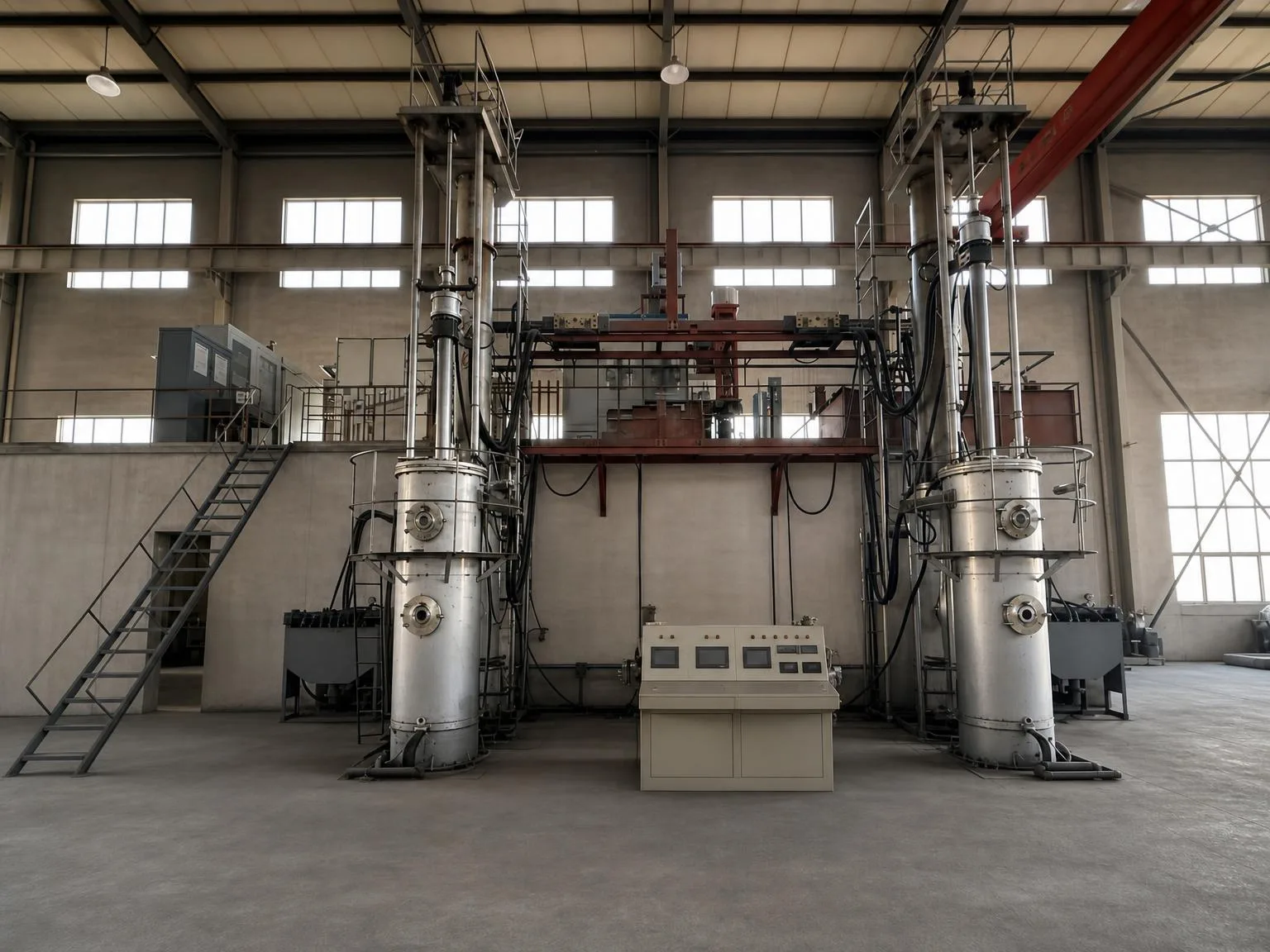
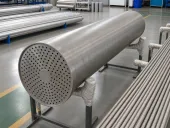
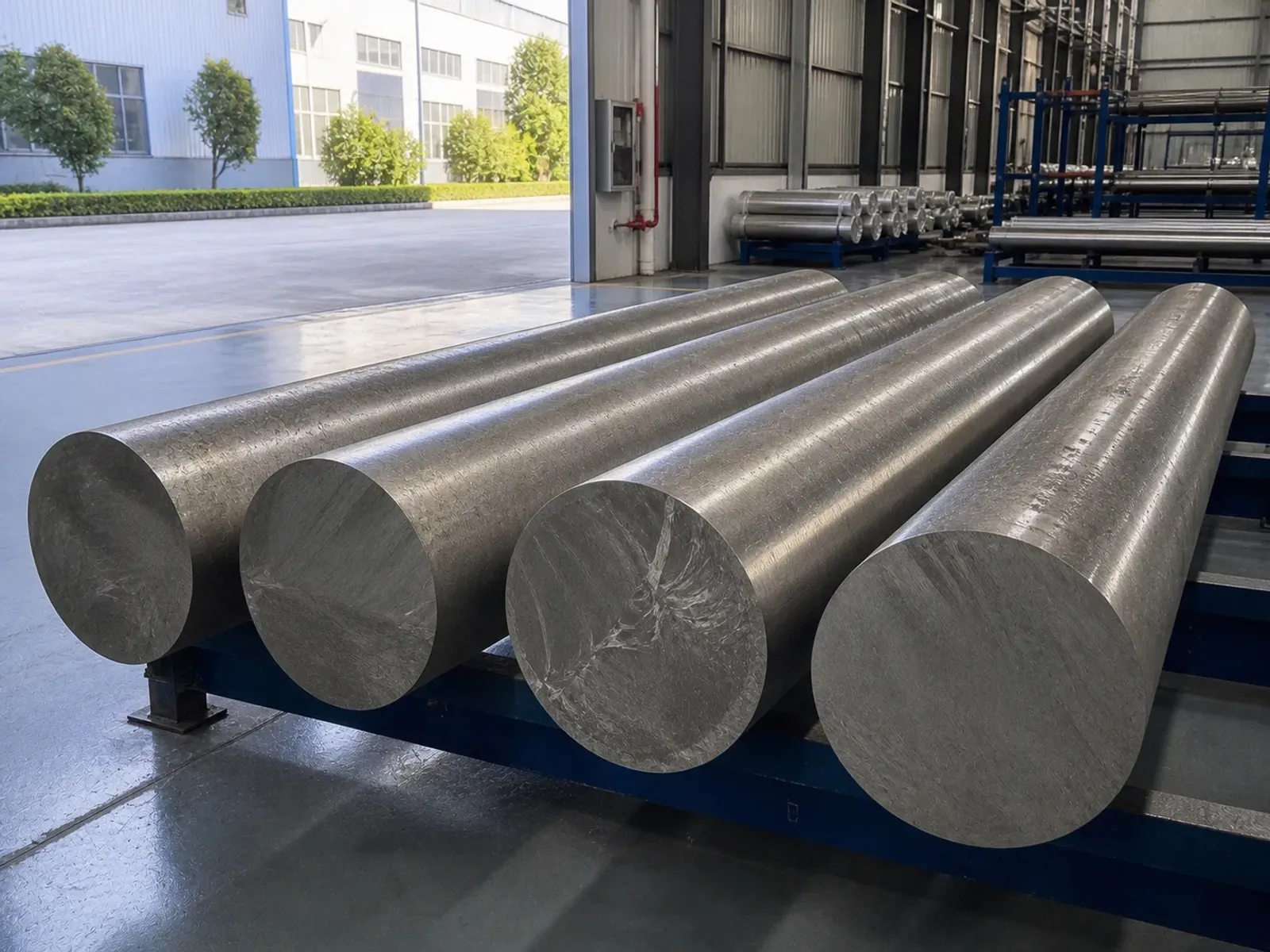
Generic equipment-stage illustration; it is not Jintian Titanium equipment and does not evidence commissioning, validation or production capacity.
The same disclosure page provides a useful company-specific comparator. For Phase I, Jintian Titanium says main works and major equipment began reaching their intended usable condition in May 2026. Yet the company also says new key equipment must pass review and validation before scale production, and that capacity then has to ramp progressively.
As of July 31, Phase I key equipment was still under review and validation, and the project had not achieved scale production. This does not predict how long Phase II will take. It does show that, in the issuer’s own reporting, “usable equipment,” “validated equipment,” “scale production” and “ramped capacity” are distinct states.
For buyers, this is stronger than a generic warning. It is direct evidence that even physical completion milestones at this producer do not automatically answer whether a particular alloy, section, process route or inspection envelope is released for supply.
Use a financing-to-qualified-output evidence ladder
Treat each milestone as a separate evidence request:
- Transaction status: exchange review, registration consent, final pricing, actual shares issued and net proceeds received.
- Physical project status: permits where applicable, equipment procurement, installation, commissioning and acceptance.
- Equipment validation: documented approval of the equipment for the intended production and quality-control route.
- Capability envelope: product form, alloy and condition, section range, melting and conversion route, heat treatment, inspection and nondestructive-testing limits.
- Product and customer qualification: qualification authority, applicable specification or customer route, status, limitations and change-control requirements.
- Saleable output: accepted yield, stable production rate, released inventory and the share actually allocable to a buyer’s program.
The September announcement closes only the first, early part of this ladder: a board-approved plan was disclosed. It does not close exchange review or registration, and it provides no evidence for the downstream product-release gates.
What should change in a sourcing file now
Record the announcement as a monitored future-capacity signal, with “announced” as its current status. Do not enter the assumed RMB 300 million as completed funding or convert it into tonnes. Do not change an approved-source list, shorten a lead-time assumption or promise a reservation slot solely because the project has been named.
If the project is potentially relevant, ask for the exact product form, maximum section, alloy-condition range, process route, heat-treatment envelope, inspection and NDT capability, qualification authority, validation status, accepted yield and allocation basis. Expand the review to orders and records only after confirming that the requested product falls inside that envelope.
Later disclosures could materially change the conclusion: exchange approval, registration consent, issuance completion, actual proceeds, construction and commissioning updates, equipment-validation completion, qualified product lists, stable accepted output or customer allocation. Until then, the responsible interpretation is narrow: Jintian Titanium has announced a financing path for Phase II, but the filing does not yet add qualified bar or forging capacity to a buyer’s plan.
Sources
- Hunan Xiangtou Jintian Titanium Technology Co., Ltd., announcements 2026-017 to 2026-021, published September 15, 2026 and accessed September 14, 2026 UTC: https://paper.cnstock.com/html/2026-09/15/content_2269019.htm
FAQ
# Which exchange, registration, pricing, proceeds, and project-permit gates must close before the plan can fund physical capacity?
# Which product forms, section sizes, alloy grades, routes, heat-treatment, inspection, and NDT envelopes does the full filing actually support?
# What equipment acceptance, process qualification, customer approval, accepted-yield, and allocation evidence is required before buyers change delivery assumptions?
Need this material? Get a factory-direct quote.