Type something to search...

Tiro powder benchmark release evidence

Manufacturing and Technology
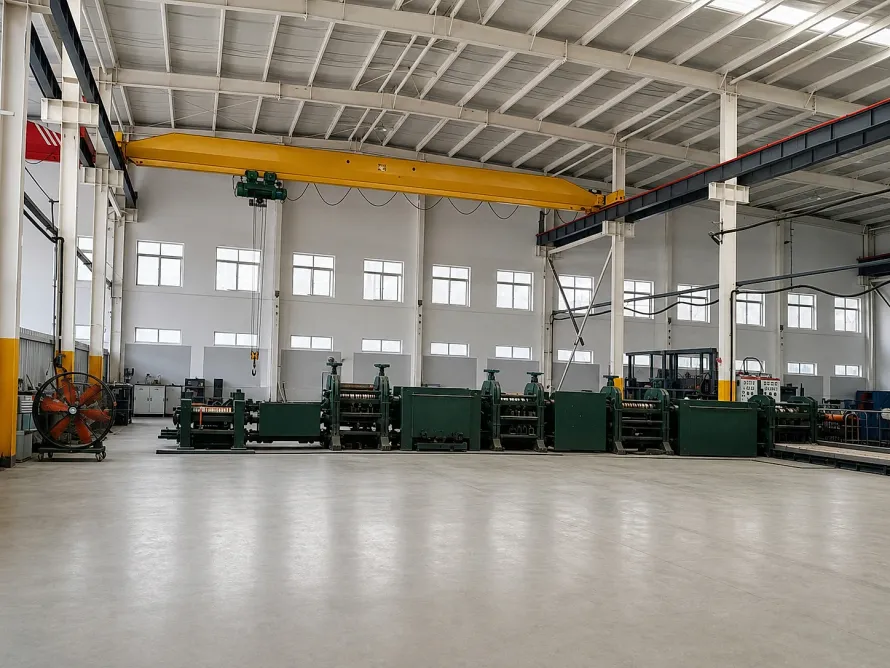
Generic titanium processing workshop, used here to illustrate that powder innovation still has to pass through controlled manufacturing and release evidence.
By Jason/ On 13 Jul, 2026

TiRO Powder Benchmark Release Evidence for Titanium Buyers

On 2026-07-08, the Advanced Manufacturing Cooperative Research Centre announced a project led by Coogee Titanium with the University of Queensland to assess TiRO powder for high-quality titanium components. VoxelMatters reported the project value as AU$677,000 (US$469,000) on 2026-07-09. The public facts are specific enough to matter for buyers. The project will benchmark TiRO powder against gas atomised and hydride-dehydride powder, study how magnesium and chlorine trace impurities affect microstructure and mechanical performance, and test powder through Laser Powder Bed Fusion, written here as L-PBF/LPBF, and Hot Isostatic Pressing, or HIP. AMCRC framed the work as a step toward an Australian titanium component supply chain from raw materials to finished parts, with possible use in aerospace, defence and medical manufacturing. That is a serious supply-chain signal. It is not a release decision. For titanium product buyers, the useful question is not whether a national powder route sounds promising. The useful question is whether the benchmark data can be converted into a release file for the exact powder lot, build route, HIP cycle, machined part or finished component being purchased. Benchmarking Is Not ReleaseCoogee Titanium describes TiRO as a titanium powder process developed with CSIRO, using a continuous route for direct powder production. Metal AM also describes TiRO as Titanium Recovery from Oxide and notes its direct titanium powder production route. Those process claims help explain why the project is interesting: if a lower-emission or lower-cost feedstock route can be proven, it could change where powder buyers look for supply. But titanium qualification does not move on process promise alone. Powder has to become a controlled input. The input has to survive a manufacturing route. The route has to produce stable microstructure and properties. Then the output has to match the buyer's product form and release language. That is why the AMCRC project is valuable even before it publishes final data. It identifies the right comparison problem. TiRO powder is not being treated as interchangeable because it is local or because it comes from a different process. It is being benchmarked against gas atomised and HDH powder, with impurity effects and downstream manufacturing routes placed in the same evidence path. For procurement teams, that changes the reading of the news. The project is not a shortcut around qualification. It is a reminder that any new titanium powder source has to earn its way into the buyer's approved route through evidence that can be reviewed, repeated and tied to product release. This is the same discipline behind the restart-to-release evidence for titanium powder and capacity-to-release evidence buyers already apply to existing powder supply. The Benchmark-to-Release File A practical buyer response is to ask for a benchmark-to-release file. This is not a marketing summary. It is the evidence bridge between a research result and a released titanium product.Evidence layer Buyer question Why it mattersFeedstock identity Which TiRO powder lot, chemistry range and production route are being evaluated? A process name is not enough for qualification unless the material boundary is clear.Benchmark baseline Which gas atomised and HDH powders were used as comparators? A benchmark only helps buyers if the baseline resembles the powder already qualified or commercially available.Impurity map How were magnesium and chlorine measured, and how did they affect microstructure or mechanical performance? Trace impurity effects can decide whether a feedstock is suitable for aerospace, defence, medical or industrial use.Powder condition What particle size distribution, morphology, flowability, oxygen and handling data travel with the lot? Powder performance in AM or HIP routes depends on more than the alloy name.Manufacturing route Was the material tested through L-PBF/LPBF, HIP, or both, and under what fixed process windows? A powder result is not a part result until it is tied to the route that will make the product.Post-processing bridge What heat treatment, HIP cycle, machining allowance and surface condition were used after consolidation or printing? Finished titanium products often fail or pass through the downstream route, not at the powder headline.Property proof Which microstructure, tensile, fatigue, density, chemistry and inspection records support the result? Buyers need product-relevant evidence, not only feedstock characterization.Release language What CoA, MTR/MTC, concession status and change-control rules will be available for customer shipments? The final document has to say what is actually released, not just what was successfully tested.This framework matters because titanium buyers rarely buy "powder innovation" as an end product. They buy powder for AM. They buy HIP-consolidated preforms. They buy bars, plates, tubes, forgings or machined titanium components that may inherit risk from a powder route. In each case, the benchmark file has to travel forward until it meets the product release decision. What Buyers Should Not OverreadThe current public record does not show final TiRO benchmark results, customer qualification approvals, powder size ranges, full chemistry tables, mechanical-property data, HIP cycle parameters, L-PBF/LPBF build files, production allocations or customer certificates. It also does not show that any specific aerospace, defence or medical component has been released from the project. That limitation is not a weakness in the news. It is the stage of the work. The project is designed to generate the evidence that would later let buyers judge whether TiRO powder can move from research, trial builds and benchmark coupons into a controlled supply route. The next RFQ should therefore avoid broad questions such as "Is this local titanium powder qualified?" Better questions are sharper: Which benchmark powders were used? What impurity levels were measured? Which L-PBF/LPBF and HIP process windows were locked? Which product form is the data meant to support? What certificate language will be available? What process or chemistry change triggers buyer notification? For a titanium product supplier, the same logic applies downstream. If a buyer asks about parts linked to a newer powder route, the answer should not stop at feedstock origin. It should connect the powder lot to conversion route, heat treatment, inspection, machining, retained samples, CoA, MTR/MTC wording and change control, the same way an AM data-package release evidence file or a heat-treatment-to-release evidence file closes the loop. The restrained conclusion is the useful one. The Coogee, University of Queensland and AMCRC project is a credible powder-to-component signal. It becomes buyer-ready supply only when the benchmark work turns into a release file that quality teams can attach to a real powder lot, AM build, HIP part or finished titanium product.

Ready to Start Your Project?

Get factory-direct pricing on titanium products. No minimum order.

Get a Free Quote
Quick Inquiry