Type something to search...

Titanium repair stock release

Aerospace and Defense
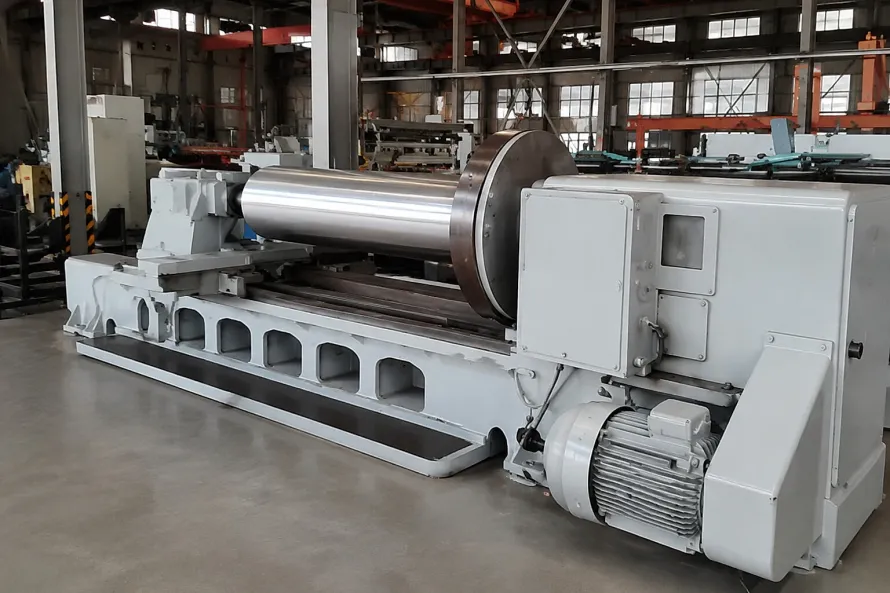
Industrial metal processing equipment in a titanium workshop, illustrating why point-of-need manufacturing still needs a controlled release route.
By Jason/ On 07 Jul, 2026

RIMPAC 2026 Turns Titanium Spares Into a Point-of-Need Release Question

RIMPAC 2026 is not a titanium parts announcement. That boundary matters. The current signal is broader: the Naval Postgraduate School says CAMRE is taking advanced manufacturing systems aboard ships and across Hawaii during the June 24-July 31 exercise to produce replacement parts, support distributed logistics and test fleet-readiness workflows. Phillips is also deploying a containerized Haas TM-1P CNC machine integrated with Meltio Blue wire-laser metal additive manufacturing aboard USS Essex (LHD-2), while 3YOURMIND is supporting the digital thread that routes part requests and production tasks across a distributed network. For titanium buyers, the useful conclusion is not that ships can now print qualified titanium parts anywhere. The stronger conclusion is that point-of-need manufacturing makes the release record mobile. A titanium spare, repair blank, deposited feature or machined replacement is only useful when material identity, process route, atmosphere control, inspection and release authority travel with the work. Why The RIMPAC Signal Matters NPS frames the RIMPAC effort as a complete expeditionary manufacturing workflow, not a single machine demonstration. The network is meant to receive a digital request, identify available production capacity, manufacture through distributed nodes, transport the item and deliver it to operational forces. NPS also says JAMC will integrate metal additive manufacturing systems aboard four naval vessels through JAMS, assigning production and tracking parts from fabrication through delivery. That workflow changes the procurement question. In a normal titanium order, buyers can usually separate the product form from the production site: bar, tube, plate, forging, machined part, MTR/MTC, heat treatment, NDT, dimensional report and packaging record. In a distributed repair or replacement workflow, those layers compress into a moving cell. The buyer or design authority has to know whether the machine, material, operator, digital file, environment and inspection method are all inside the approved boundary. Capability Is Not Release Authority Meltio's own materials information lists titanium alloys including Ti-6Al-4V Grade 5, Ti-6Al-4V Grade 23 and Ti 5553, which makes the RIMPAC wire-laser AM story relevant to titanium product markets. But material compatibility is not the same as part qualification. That distinction is especially important for titanium. The material is valuable in aerospace, marine, medical and chemical applications because of its strength-to-weight ratio and corrosion resistance, but it is also sensitive to processing discipline. NPS notes that earlier expeditionary AM work found consumables such as shielding gas could become limiting factors. For titanium, shielding and atmosphere records are not background details; they can be part of the release evidence.The same caution applies to machining after deposition or repair. A hybrid cell that can add material and machine it back to shape still has to prove the geometry, surface condition, heat input, post-processing route and acceptance method for the actual part. The Point-of-Need Release File For titanium products, a practical release file for distributed manufacturing should answer seven questions before a part or repair is accepted (see our earlier reads on the digital-inventory release file and the site-transfer release file).Evidence layer Buyer or authority question Records to requestPart authority Is this part allowed to be produced or repaired outside the original supply chain? Approved part list, design authority, criticality class, repair or substitution boundaryMaterial input Which titanium alloy and lot entered the cell? Wire, powder, bar or blank certificate; Ti-6Al-4V or other grade record; storage and condition checkMachine and route Is the point-of-need cell inside the approved process route? Machine ID, deposition head, CNC setup, software and parameter version, calibration and workholding recordEnvironment and consumables How was titanium protected during processing? Shielding or inert gas record, chamber or local atmosphere notes, contamination control, consumable traceabilityBuild, repair and machining What was actually done to the part? Build log, repair dimensions, machining plan, heat input, operator record, post-processing routeInspection and acceptance How was the part accepted? Dimensional report, NDT/CT/PMI where relevant, acceptance criteria, concession record, final release signatureDigital thread and delivery Did the record stay connected to the item? Request ID, traveler, photos, labels, delivery record, receiving inspection and configuration updateThis file is not only for naval work. The same logic applies when an export buyer asks a titanium supplier for repair stock, near-net-shape blanks, oversized machining stock, replacement components or material prepared for downstream additive manufacturing. What Changes For Titanium Suppliers Suppliers should not market conventional titanium products as automatically ready for point-of-need AM. That would blur the boundary between material supply and part release. They can, however, make their titanium products easier to use in these workflows. Round bar, tube, plate, forgings and machined blanks should carry readable lot identity, chemistry, mechanical properties, heat-treatment state, dimensional allowance, surface condition and packaging records. If the material is intended as repair stock or feedstock for a downstream cell, the certificate should say what the supplier is proving and what remains with the buyer, AM operator or design authority. For wire or powder routes, the gap is even sharper (see our wire-to-release evidence file). The buyer needs to know not only the alloy and certificate, but also whether the material condition, storage, contamination controls, processing window and inspection plan match the route being used.The Procurement Takeaway RIMPAC 2026 shows that advanced manufacturing is moving from laboratory capability toward networked logistics. For titanium products, that makes speed only one part of the story. The real buyer question is whether the release evidence can move as fast as the manufacturing cell. If the material record, process route, atmosphere control, inspection method and authority boundary do not travel together, a point-of-need titanium part is still only a capability demonstration. If they do, distributed manufacturing can become a controlled route for repair, replacement and sustainment without pretending that every printed or restored metal component is already qualified.

Ready to Start Your Project?

Get factory-direct pricing on titanium products. No minimum order.

Get a Free Quote
Quick Inquiry