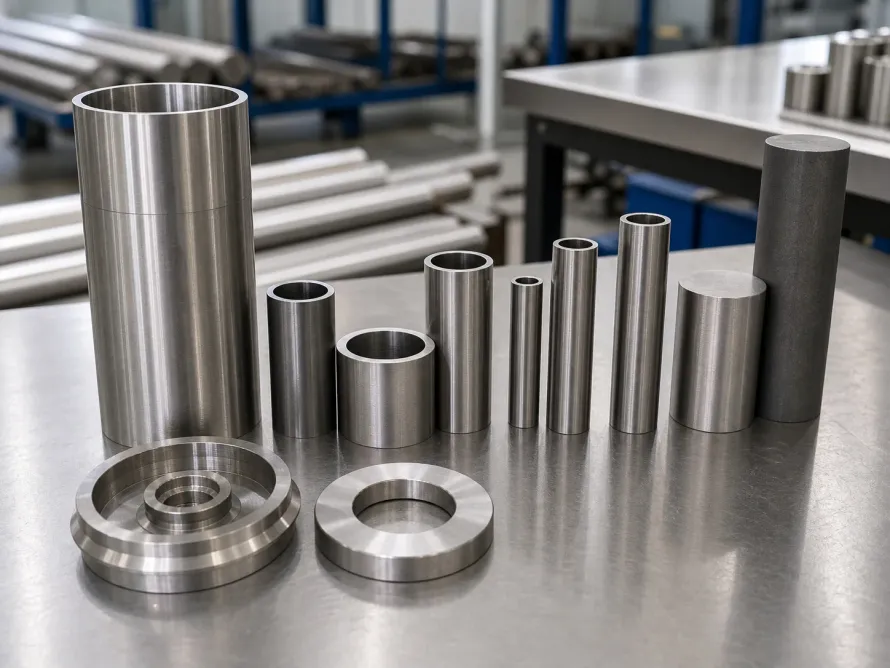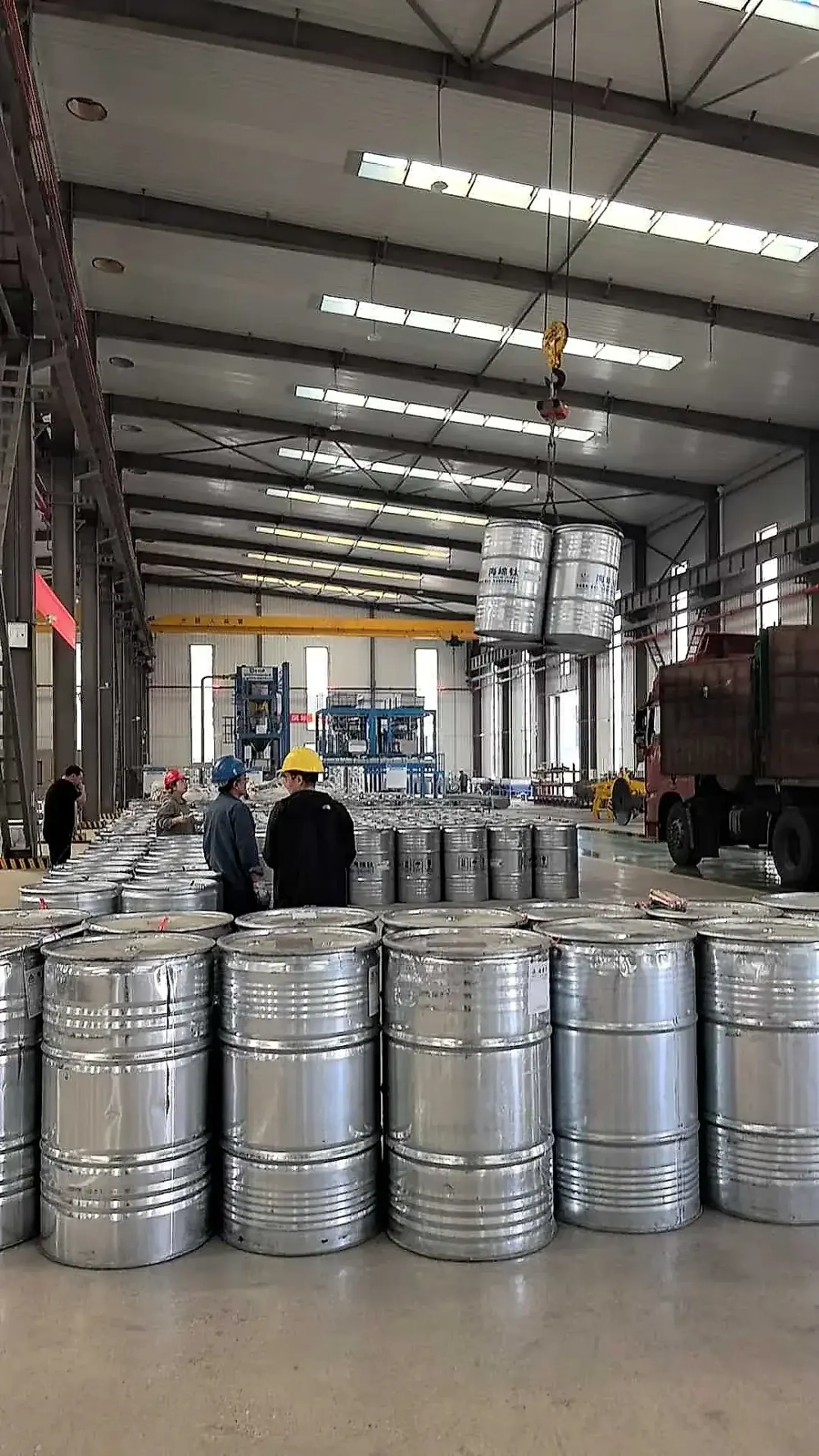
As commercial aircraft delivery backlogs continue to stress global manufacturing cadences, upstream raw material security has attracted major private industrial capital. Capital investments are accelerating. In late October 2026, advanced materials enterprise American Advanced Materials (AAM) announced the completion of a $12.5 million seed financing round. The funding marks an important milestone. Amity Ventures led the investment, joined by Human Capital, Anti Fund, and Powerset.
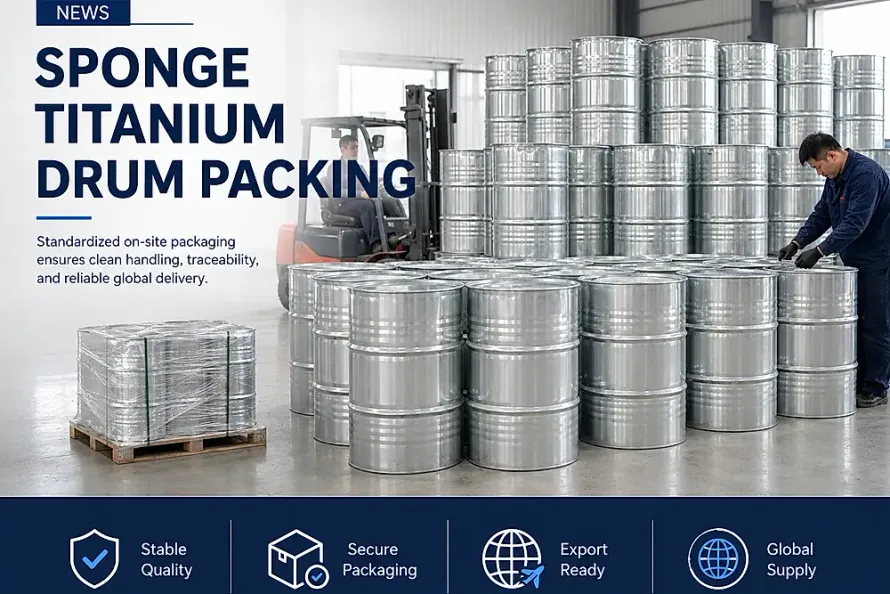
AAM plans to deploy the fresh capital into front-end engineering and design (FEED) for an industrial-scale manufacturing plant targeting an annual capacity of 20,000 tonnes. Planned capacity is substantial. The commercial venture aims to rebuild domestic titanium sponge production, filling a capability gap that has persisted since the 2020 idling of the Henderson facility in Nevada left the United States without active primary sponge reduction for 6 years. Backed by signed customer letters of intent (LOIs) exceeding $1 billion, the initiative reflects urgent aerospace and defense demand for resilient raw material sourcing. Demand is intense.
However, moving from seed capitalization to producing aerospace-qualified titanium sponge involves steep chemical hurdles and lengthy flight-worthiness qualification programs. Timelines cannot be rushed. Drawing upon decades of melting practice across China’s titanium production cluster, this analysis examines the core engineering barriers of sponge reduction and provides practical guidelines for international buyers evaluating raw titanium purity. Quality requires rigorous control.
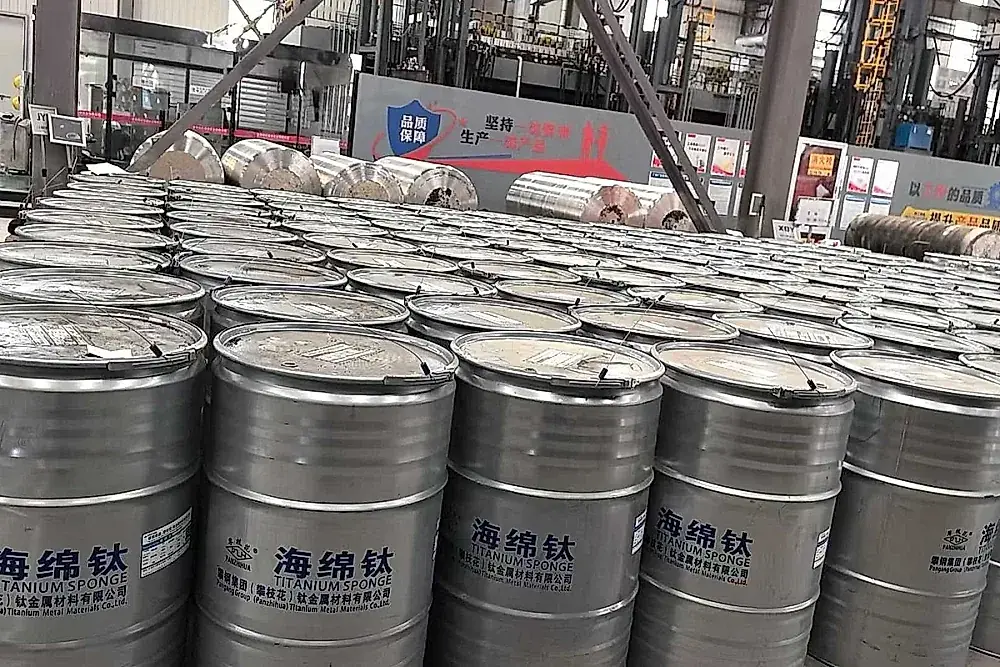
Technical Barriers in Domestic Sponge Reshoring: Energy, Halogens, and OEM Audits
Since titanium achieved commercial viability, the magnesiothermic reduction route—the Kroll process—has served as the dominant global production standard. The process is demanding. The metallurgical sequence involves boiling chlorination of rutile or upgraded slag into titanium tetrachloride ($\text{TiCl}_4$), multi-stage fractional vacuum distillation, high-temperature magnesium reduction, and vacuum distillation to separate magnesium chloride ($\text{MgCl}_2$). Operational complexity is high.
Establishing a viable domestic reduction plant demands continuous energy access and strict environmental containment. Regulatory compliance is strict. Every 1 ton of sponge requires significant electrical power and an efficient closed-loop electrolytic magnesium recycling cell. If anhydrous magnesium chloride cannot be electrolyzed on-site, purchasing virgin magnesium escalates production costs beyond viable market levels. Costs dictate viability. Furthermore, volatile $\text{TiCl}_4$ liquid poses severe safety hazards, subjecting bulk storage and pressurized transport pipelines to stringent OSHA reviews. Regulatory oversight is extensive.
The most challenging hurdle involves downstream customer qualification. Qualification takes time. Refining titanium sponge is merely the preliminary processing tier. Converting raw sponge into flight-critical ingots for jet engine compressor disks or main landing gear forgings requires formal material specification approval from airframe primes like Boeing, Airbus, and GE Aerospace. Approvals are exacting. This qualification framework typically demands 3 to 5 years of continuous production lot testing to prove absolute freedom from Low-Density Inclusions (LDI), hard alpha defects, and high-density contaminants. Integrity is paramount.
Mill Operations: Grade 0 Feedstock and Triple-VAR Defect Elimination
In downstream melting and mill conversion, sponge grade directly governs finished machining yields and ultrasonic rejection rates. Raw purity dictates success. Established mills across the titanium production cluster enforce strict raw material segregation and melting practices to protect finished product integrity. Disciplined standards prevent defects.
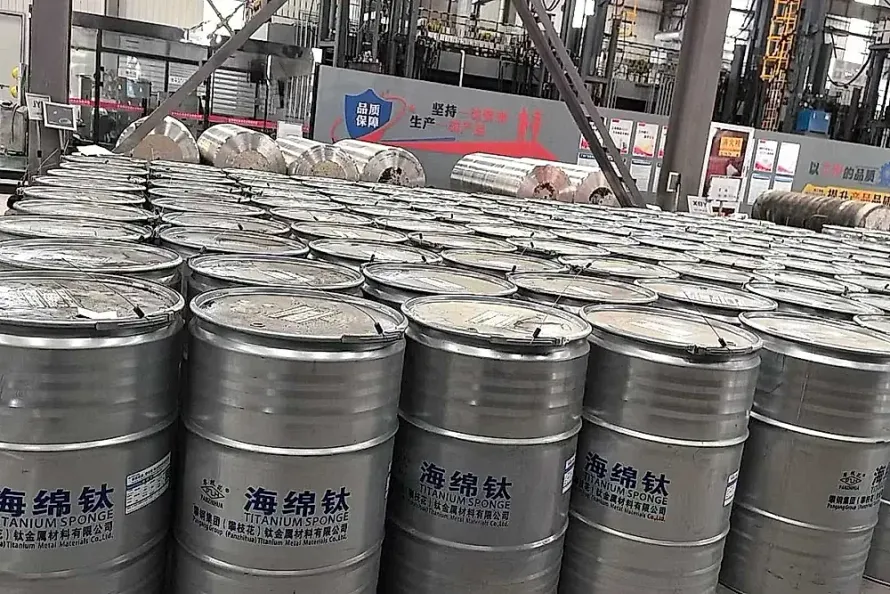
First, verified provenance and strict grading are mandatory. Material selection is strict. When processing titanium for aerospace fasteners, medical implant bars, or spherical gas atomization powder wire, facilities select exclusively Grade 0A or Grade 0 high-purity small-particle sponge. Sponge comes from vetted primary smelters. Receiving protocols prohibit unverified scrap or blend mixtures. Off-grade scrap (revert) inevitably introduces interstitial oxygen (O) spikes, triggering cold-rolling edge cracks and wire drawing fractures. Uncontrolled scrap ruins heats.
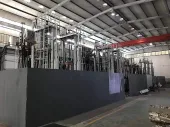
Second, triple vacuum arc remelting (3x VAR) provides structural homogeneity. Refining eliminates inclusions. For flight-critical forgings and high-purity powder feedstock, production lines employ a standardized 3x VAR cycle:
- First Melt: Grade 0 small-particle sponge is blended with master alloys, hydraulically pressed into consumable electrode briquettes, and melted under vacuum below $0.1\text{ Pa}$ to volatilize residual chlorides and moisture;
- Second Melt: Inverting the primary ingot and remelting promotes complete liquid pool mixing, ensuring uniform distribution of aluminum and vanadium elements;
- Third Melt: Controlled finishing melt rates and electromagnetic stirring hold ingot interstitial oxygen strictly at $\text{O} \le 0.05%$ (500ppm), completely dissolving refractory particles and eliminating Low-Density Inclusions (LDI) and High-Density Inclusions (HDI).
Third, long-term archiving of furnace process logs guarantees traceability. Records remain permanent. Melters archive digital vacuum graphs, arc current dynamics, and crop-ratio records for every ingot heat. Heat records are secure. When international aerospace buyers conduct incoming audits, partner mills provide complete operational logs matching chemical analysis values across a material test certificate (MTC).
Technical Comparison: Commercial vs. Aerospace Sponge Specifications
To help engineering procurement leads and supply chain directors establish objective receiving standards, the following table details key differences between industrial and aerospace titanium sponge:
| Quality Parameter | Commercial Industrial Sponge | Rotating Aerospace Sponge | Certified Partner Facility Protocol | Buyer Acceptance & Traceability Protocol |
|---|---|---|---|---|
| Standard Grade | GB/T 2524 Grade 1–3 / ASTM B299 | GB/T 2524 Grade 0A–0 / ASTM B299 Low-Gas | Primary Grade 0 feedstock; zero revert blending | Verify smelter batch certificates and lot test sheets |
| Brinell Hardness (HBW) | 100 to 120 HBW | 80 to 90 HBW maximum | Routine sampling of incoming compact hardness | Hardness spikes directly indicate elevated oxygen |
| Oxygen Limit (O) | 0.08% to 0.12% (800–1200 ppm) | $\le 0.04%$ to $0.06%$ (400–600 ppm) | Ingot interstitial oxygen held at $\text{O} \le 0.05%$ | Require full-cross-section gas fusion analysis |
| Melting Sequence | 1 to 2 VAR passes or single-melt EB | Mandatory 3x Vacuum Arc Remelting (3x VAR) | Enforce complete 3-pass VAR processing | Beware low quotes omitting the final refining melt |
| Ultrasonic Testing (NDT) | Contact pulse-echo testing (Class B/C) | Multi-channel immersion UT (AMS 2631 Class AA) | 100% immersion UT scanning on finish billets | State UT acceptance class explicitly in contracts |
International Procurement Strategy: Auditing Tier-2 Melt Sources
The financing round announced by AAM reflects western supply chain aspirations for primary mineral independence. Reshoring takes years. However, over the next 3 to 5 years, global aerospace mill capacity will continue to rely upon integrated smelting, forging, and rolling ecosystems. Industrial scale remains vital.
For international procurement teams facing tight component delivery milestones, the pragmatic mitigation strategy involves auditing secondary and tertiary raw material chains:
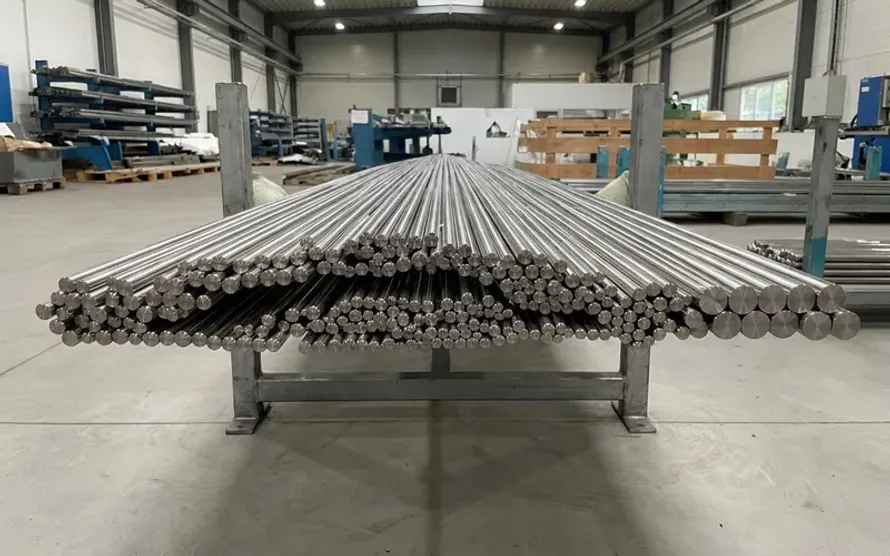
- Demand Verified Melt Records: When ordering Grade 5 (Ti-6Al-4V) bar stock or structural Titanium Forgings, require certified sponge lot tracking and VAR furnace digital logs alongside standard material test certificates;
- Scrutinize Off-Market Pricing: Quotations undercutting prevailing raw material benchmarks by 15% frequently signal unverified scrap blending, omitted VAR melting cycles, or degraded chemistry;
- Engage Upfront Engineering Audits: Utilize the integrated engineering expertise of the titanium production cluster to verify alloy grades and ultrasonic inspection standards before placing volume purchase orders.
Before committing to long-term mill reservations, procurement teams are invited to utilize our Pre-RFQ Drawing & Specification Audit Portal for expert engineering review. You can also visit our dedicated AM Titanium Powder Feedstock Bar & Wire page for low-oxygen wire data. Engineering consultation is readily available.
Related Products & Services
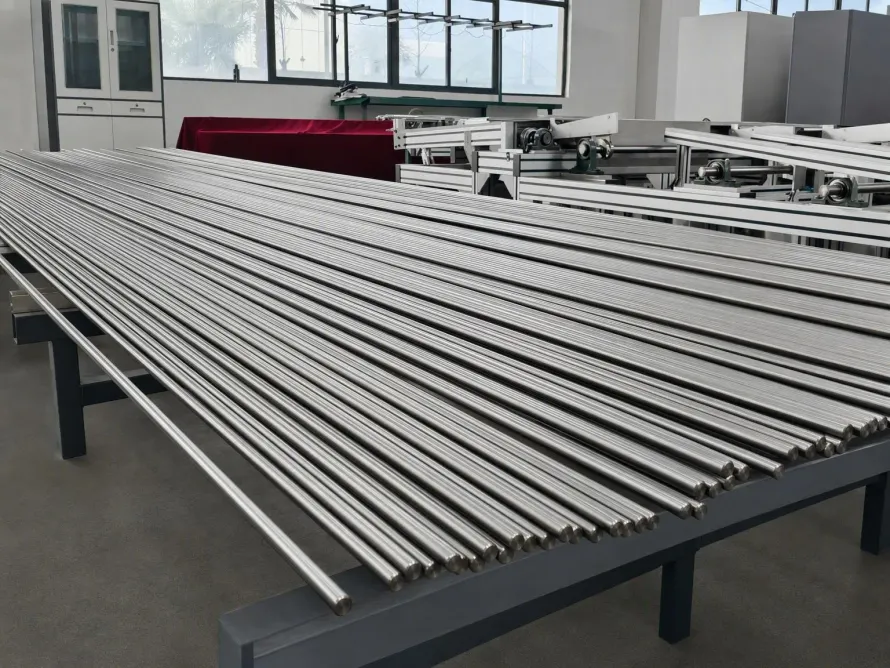
- Spherical Powder Feedstock Titanium Bars and Wires: Triple-melted 3x VAR raw material with oxygen controlled under 500ppm.
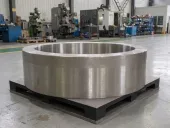
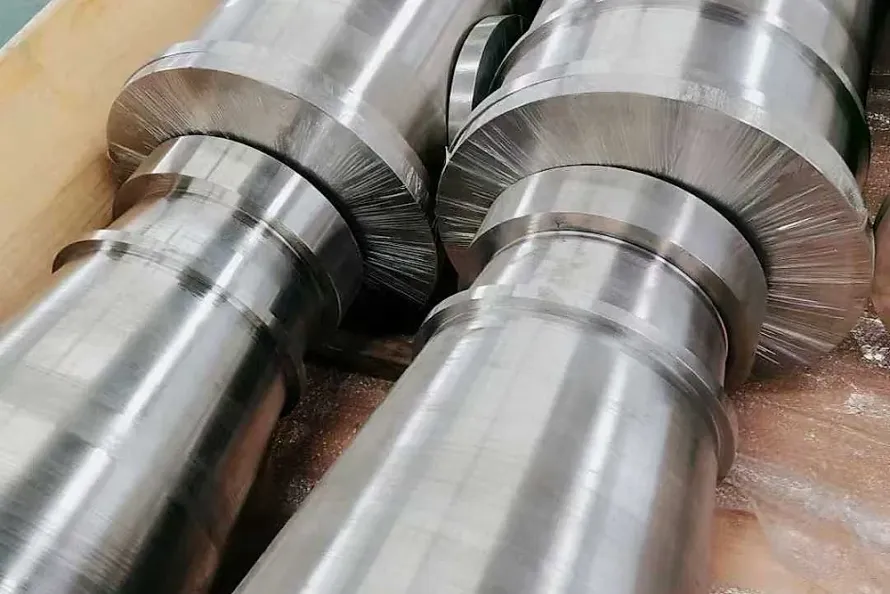
- Aerospace and Industrial Titanium Forgings: High-integrity discs, forged rings, and custom blocks with 100% ultrasonic testing.
- Grade 5 (Ti-6Al-4V) Material Specification Guide: Engineering reference for aerospace-grade and industrial Ti-6Al-4V alloy properties.
- Titanium Weight and Engineering Calculator: Online tool for estimating billet cut weights and machining allowances.
- Pre-RFQ Drawing Audit and Engineering RFQ: Submit drawings for technical specification verification and project quotations.