Heading into late October 2026, the global titanium metal supply chain exhibits a pronounced market bifurcation. Market segments are diverging. On one side, driven by steady output from primary chlorination hubs and balanced general industrial demand, domestic spot prices for Grade 0 industrial titanium sponge have hovered near USD 6.30 to 6.75/kg, resting against operational energy and reduction-agent cost floors.
On the other side, the aerospace and defense sector presents an entirely different reality. High-end demand remains vigorous. Accelerated commercial narrowbody delivery schedules and expanded defense programs continue to strain capacity for AMS 4928 certified, low-interstitial Grade 5 (Ti-6Al-4V) ingots and billets produced via triple Vacuum Arc Remelting (3x VAR).
Pricing trajectories have decoupled. Context separates each grade. Drawing from operational metrics across the titanium production cluster, this analysis examines the price transmission dynamics between raw sponge and finished aerospace titanium products.
Feedstock Divergence: Commercial Sponge Floors vs. High-Purity Scarcity
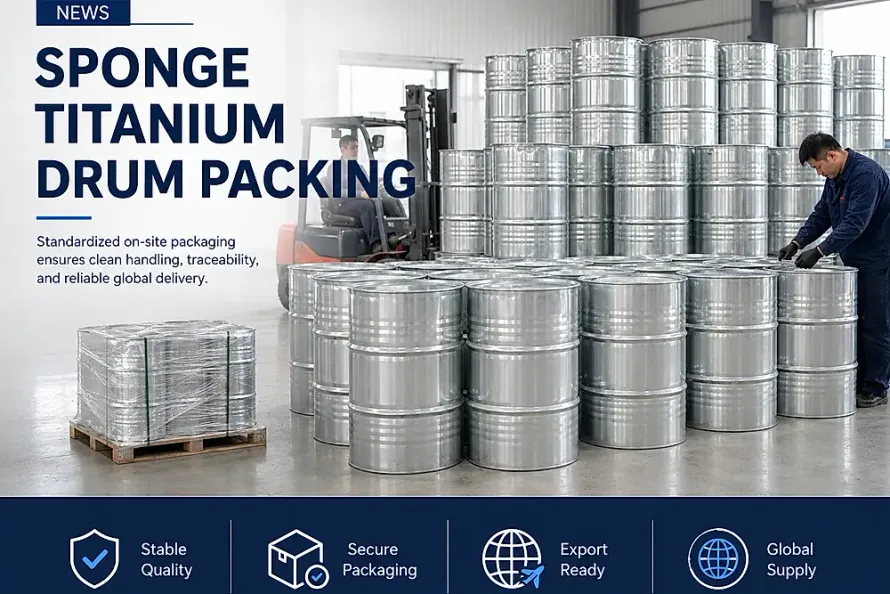
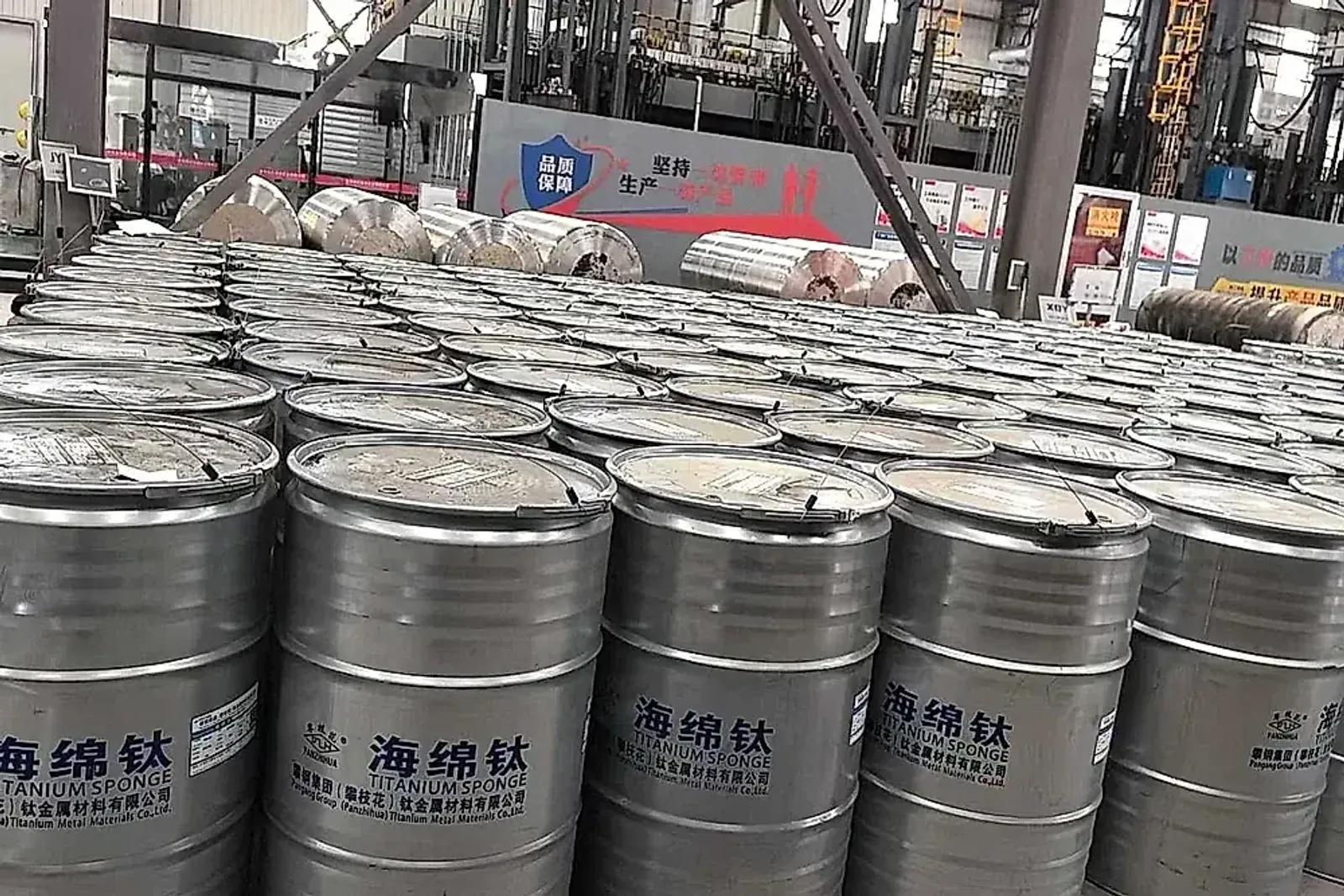
At the upstream metal stage, primary sponge supply remained stable through the second half of 2026. Pricing shows greater moderation. Commercial Grade 0 and Grade 1 sponge feeds the industrial chemical heat exchanger, hardware, and MMO electrochemical anode sectors, establishing a steady transaction range between USD 6.30 and 6.75/kg.
However, sponge destined for aerospace flight hardware cannot be grouped with standard industrial feedstock. Purity thresholds remain extreme. Commercial aircraft OEMs and defense contractors enforce stringent controls on bulk purity and interstitial limits.
Raw materials require careful screening. Purity is a hard metric. Aerospace specifications mandate strict limits on iron (Fe) $\le 0.05%$ and carbon (C) $\le 0.02%$, along with severe restrictions on particle size distribution and residual chlorides. Only a select group of certified chlorination producers can reliably deliver this premium grade.
Melting Process Barriers: The Fixed Premium of Triple VAR (3x VAR)
Procurement teams entering the titanium market often ask why aerospace Grade 5 (Ti-6Al-4V) bar and billet quotes stay elevated while commodity sponge softens. Operational facts supply the answer.
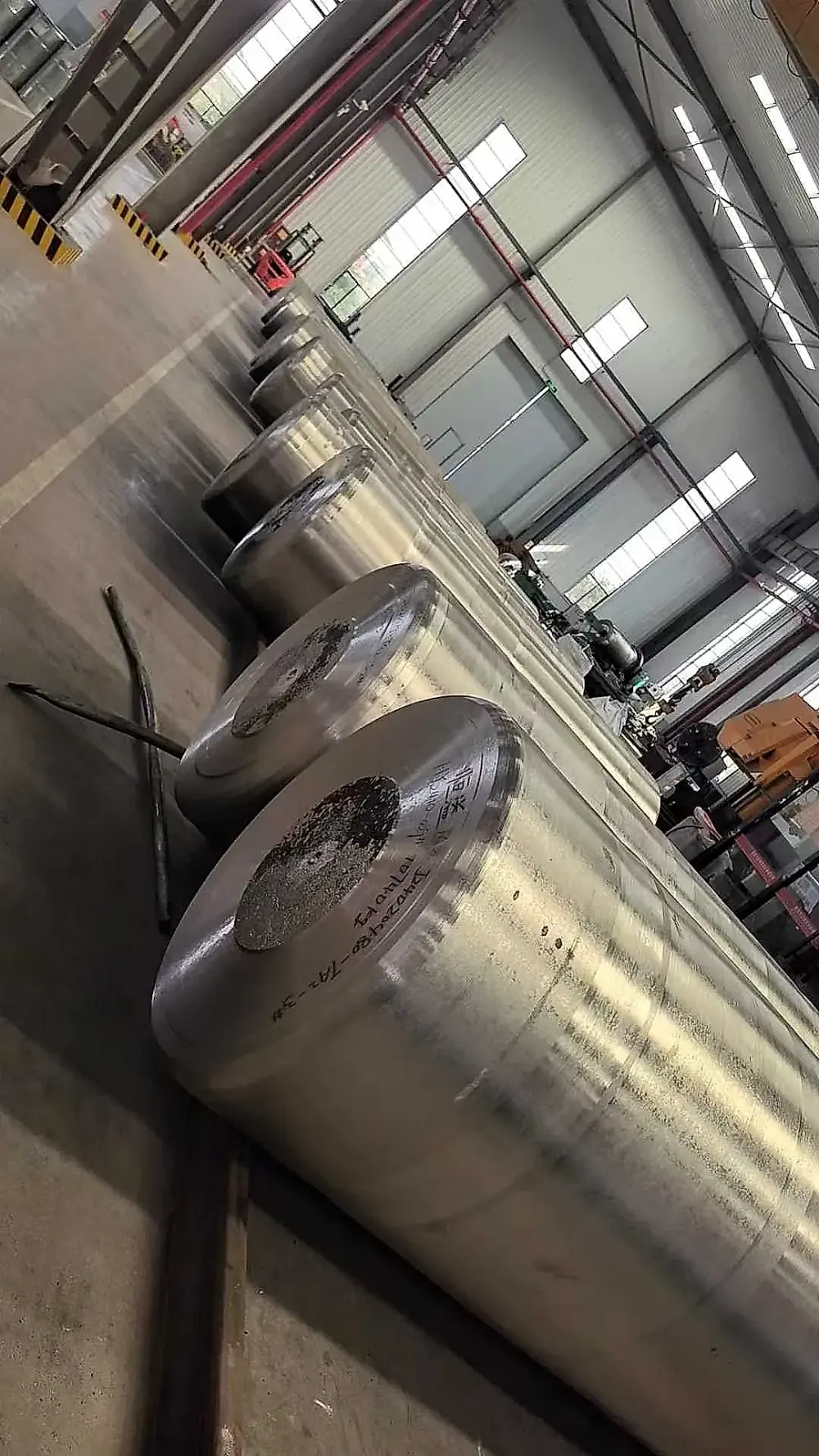
Melting forms the primary cost divide. Melting steps cannot be skipped. Metallurgical records from melt shops confirm that regional manufacturing centers heavily on Vacuum Arc Remelting (VAR). Standard CP titanium and commercial alloys undergo single or double VAR melting to satisfy ASTM B348 or ASTM B265 standards.
Aerospace flight hardware requires a far stricter approach. Costs accumulate at every step. Specifications universally mandate triple Vacuum Arc Remelting (3x VAR). Each additional remelt incurs electrode preparation, top and bottom crop losses, vacuum energy consumption, and surface peeling scrap. This 3x VAR process introduces an immediate incremental melt premium of USD 0.70 to 2.10/kg at the ingot stage alone.
Furthermore, 3x VAR processing ensures oxygen remains controlled at $\le 0.13%$ while eliminating Low-Density Inclusions (LDI, such as titanium nitrides) and High-Density Inclusions (HDI, such as tungsten or molybdenum particles). Furnaces face heavy scheduling loads. Because qualified VAR vacuum furnaces operate at high utilization, aerospace lead times remain stretched at 8 to 12 weeks.
Price Transmission Cycles and Quotation Windows
For global procurement managers sourcing mill products, tracking the pricing lag from the production source is essential for budget discipline. Timing determines procurement success.
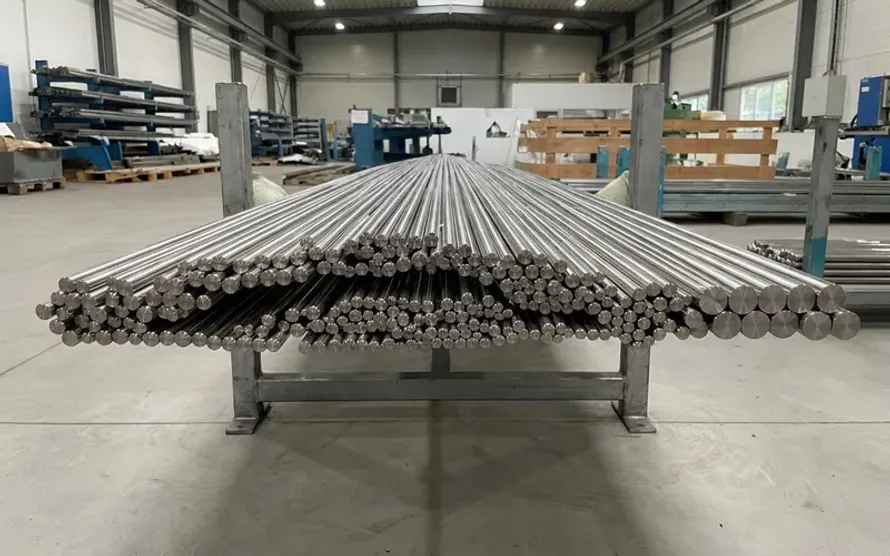
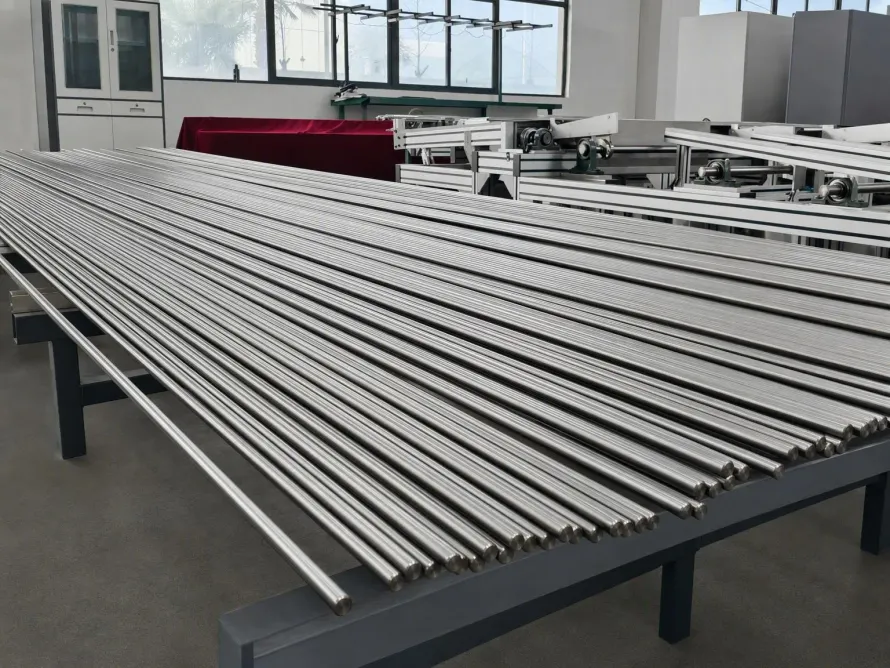
Transmission follows a measurable timeline. Mill metrics confirm that upstream sponge price movements take 1 to 3 weeks to flow into quotations for billet, Precision Titanium Bars, plate, and industrial titanium tubing.
Large melt facilities maintain 1 to 2 months of strategic sponge inventory. Inventory buffers smooth transitions. Higher-cost sponge inventory must cycle through production before lower-cost material reflects in spot pricing.
Amid material volatility, standard mill quotations from consortium facilities carry an active validity window of only 1 to 7 days. Validity windows remain narrow. When upstream sponge prices experience sudden adjustments, mills switch to real-time pricing to manage market risk.
Comparative Specifications: Industrial vs. Aerospace Titanium Products
To assist purchasing coordinators in distinguishing between commercial grades and aerospace-certified materials, the following table details key differences for the fourth quarter of 2026: The comparison is transparent.
| Evaluation Metric | General Industrial Titanium (Gr. 2 / Gr. 5) | Aerospace Flight Titanium (AMS 4928 / 3x VAR) | Key Sourcing Priorities for Buyers |
|---|---|---|---|
| Sponge Feedstock Grade | Standard Grade 0 or Grade 1 Sponge | Premium small-granule sponge; low Fe/Cl | Verify original sponge heat certifications |
| Melting Procedure | 1 to 2 VAR vacuum remelt cycles | Strict 3x Vacuum Arc Remelting (3x VAR) | Audit melt logs to eliminate dual-melt substitution |
| Benchmark Spot Level | Approx. USD 15.50 to 17.00/kg (Standard bar) | Engineered premium with rigorous inspection | Evaluate diameter tolerance and finish together |
| Transmission Lag | Adjusts within 1 to 3 weeks of sponge moves | Highly rigid; dictated by long-term capacity | Focus on allocated capacity reservations |
| Quote Validity Window | 1 to 7 calendar days (Real-time in volatility) | 7 to 14 days (Based on reserved furnace slots) | Finalize technical reviews within the quote window |
| Release Certification | A material test certificate (MTC), standard UT report | Full-pedigree MTC, heat trace | Validate documented Beta-transus temperature |
Strategic Sourcing Guidance for Global Procurement Teams
Navigating this bifurcated market landscape requires a tailored sourcing strategy. Sourcing demands clear segmentation.
Procurement teams must separate project demands. Sourcing paths must stay distinct. For desalination plants, hydrometallurgical autoclaves, and chemical heat exchangers, the current price floor on industrial sponge creates an attractive purchasing window. Buyers can place bulk orders for standard plate and pipe, capitalizing on available mill capacity.
Conversely, for aerospace structural parts, medical implants, and defense components, buyers should avoid expecting sponge price declines to lower finished product costs. Low bids carry hidden risks. Bids submitted significantly below prevailing market levels often signal the use of uncertified scrap, omitted VAR cycles, or unverified industrial sponge.
We invite you to request transparent pricing through our Pre-RFQ Technical Review and Quotation Channel to connect directly with senior metallurgists. Customer support is rapid and clear.
Related Products & Services
- Aerospace and Industrial Titanium Bar Catalog: ASTM B348 and AMS 4928 billets and precision ground rods.
- Grade 5 (Ti-6Al-4V) Structural Alloy Data: Engineering properties for the leading aerospace structural titanium alloy.
- Titanium Engineering and Weight Calculator: Calculate exact theoretical weights and material consumption for mill products.