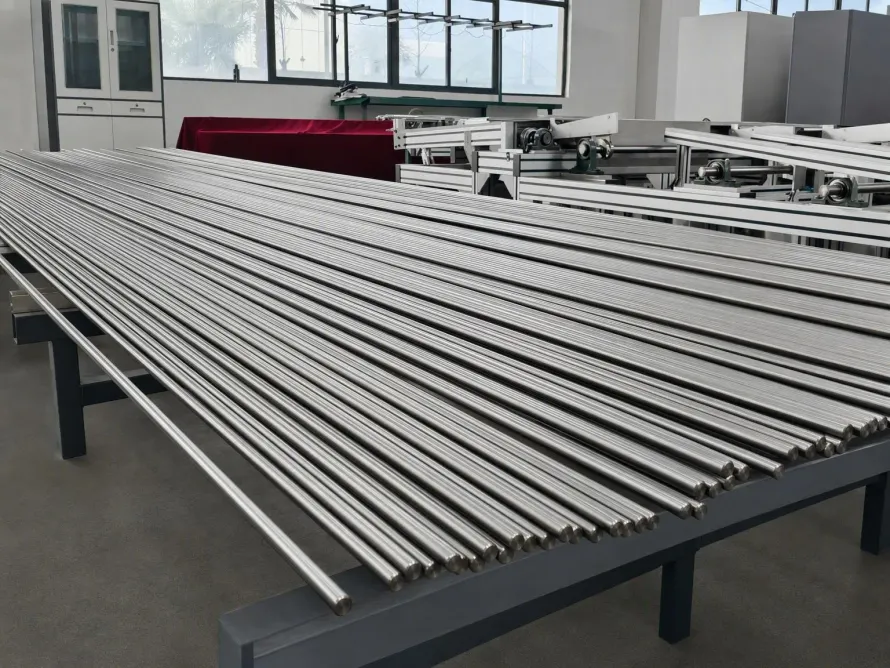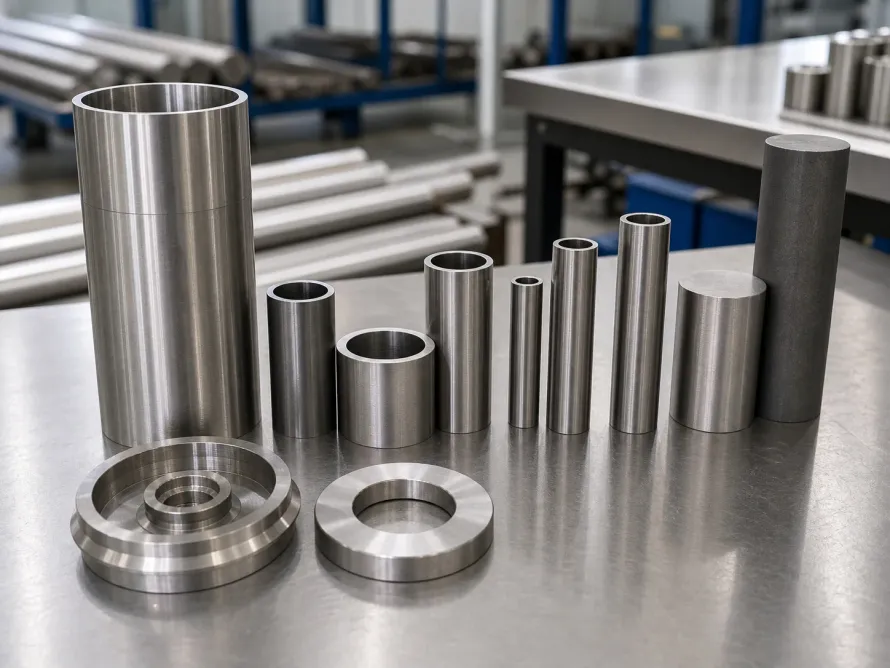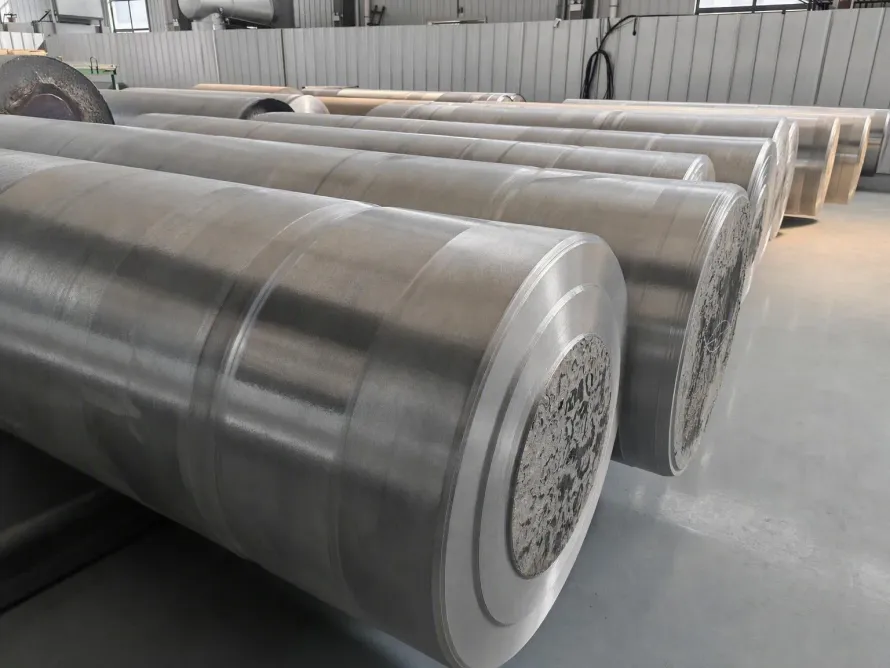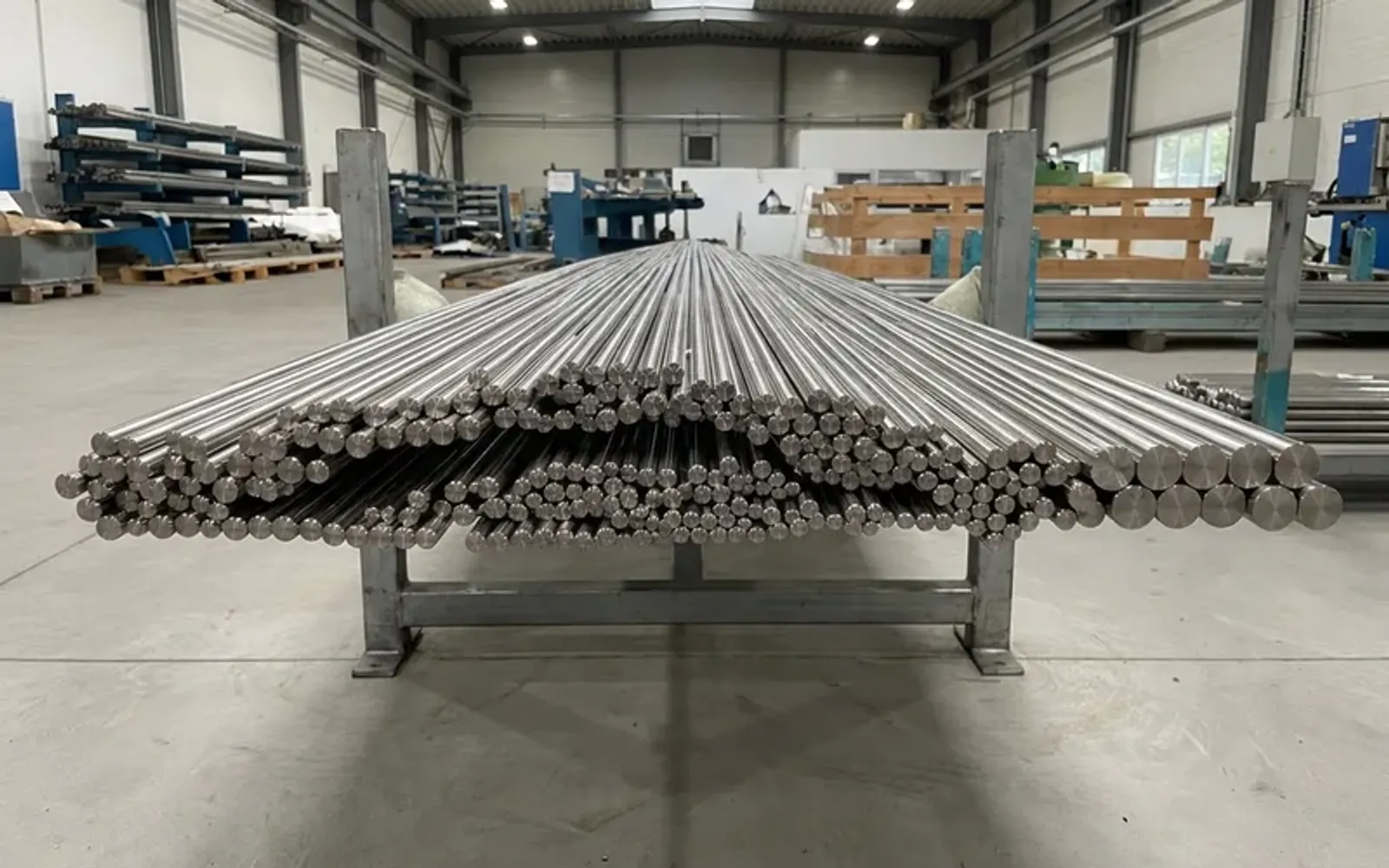
When procuring titanium bars, plates, or seamless tubes, international procurement teams routinely compare multi-vendor quotations. In a typical scenario for ASTM B348 Grade 5 (Ti-6Al-4V) bars, reputable tier-1 consortium mills quote within a tight range of $26 to $30 per kilogram, reflecting current raw material, VAR electrical melting tariffs, and certified ultrasonic inspection costs.
Inevitably, however, an outlier vendor submits an aggressive bid at $18 to $21 per kilogram—promising full compliance and a material test certificate (MTC).
In high-performance metallurgy, there are no commercial miracles that detach finished product costs from the price of virgin titanium sponge. Drawing on operational data across foundries, this report examines the physical transmission lag of sponge pricing and uncovers the dangerous metallurgical reality behind unrealistically cheap titanium: scrap-induced interstitial oxygen contamination.
1. The 1–3 Week Physical Price Transmission Mechanism
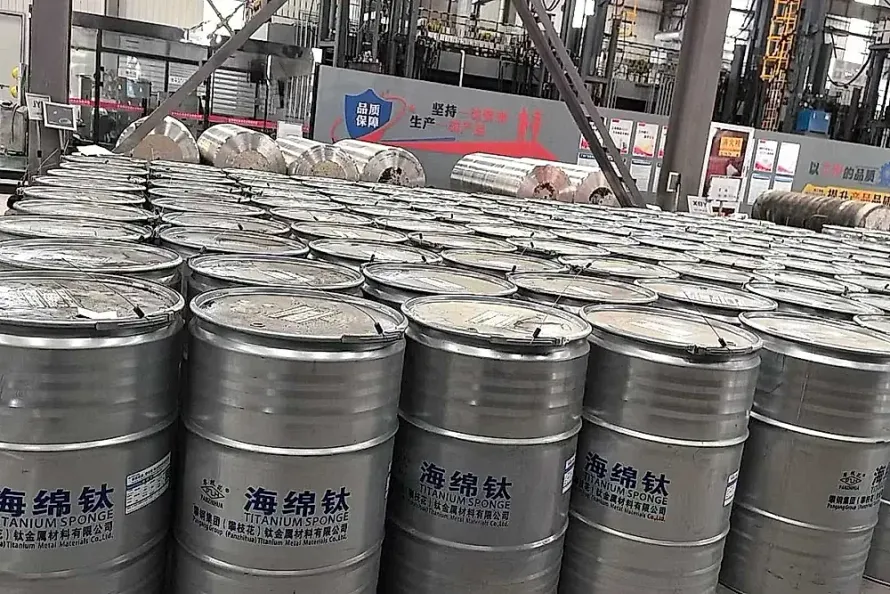
Titanium sponge (produced via the Kroll process reducing $\text{TiCl}_4$ with magnesium) is the foundational commodity input. Prices fluctuate based on energy tariffs, magnesium ingot costs, and mining outputs from tier-1 producers (e.g., Yunnan Titanium, Jinda Titanium, and Xiangrun).
When sponge prices rise or fall, that price shift cannot physically transfer to finished mill products overnight.
[Raw Sponge Price Shift]
         │ (Takes 1–3 Weeks to Transmit)
         ▼
[Ingot Melting (VAR 1-3 heats: 24–72h)]
         ▼
[Billet Forging & Conditioning (7–10 days)]
         ▼
[Continuous Rolling / Pilgering / Drawing (10–14 days)]
         ▼
[Finished Certified Product Quote]- Ingot Inventory Lock: Melting an aerospace-grade ingot takes 24 to 72 hours, consuming 3 to 15 metric tons of 0-grade sponge, master alloys (Al-V 55/65/75), and heavy industrial electricity. Mills purchase sponge on monthly contracts; current work-in-progress is physically tethered to the cost basis of ingots melted 30 to 60 days prior.
- The Transmission Window: Real-world price adjustments take 1 to 3 weeks to filter through billets into plate, sheet, bar, and tube quotes. A supplier offering a steep discount claiming ‘sponge prices plummeted yesterday’ is misrepresenting production reality.
2. The Anatomy of an Outlier Quote: Scrap Blending & The Oxygen Trap
How can an outlier vendor quote $19/kg when virgin 0-grade sponge plus VAR melting costs alone approach that threshold? The only mathematical lever is uncertified scrap blending.
The Scrap Economy
- Virgin 0-Grade Sponge: Sourced from certified producers with strict interstitial controls (Oxygen $\le 0.05%$, Nitrogen $\le 0.01%$, Brinell Hardness $\le 100\text{ HB}$).
- Unsorted Machine Swarf & Reverts: Scrap turnings, edge trimmings, and spent chemical equipment can be purchased from recycling yards at $6 to $10 per kilogram—a 60% to 70% discount compared to virgin sponge.
When scrap is melted in a VAR or induction skull furnace without sophisticated vacuum degassing and chemical sorting:
- Oxygen Pickup: Titanium is an active getter of atmospheric gases at temperatures above $400^\circ\text{C}$. Machining chips are saturated with cutting fluids and oxidized micro-surfaces. During remelting, this oxygen dissolves interstitially into the titanium crystal lattice.
- The Embrittlement Disaster: While nominal alloying elements (6% Al, 4% V) may pass broad spectrometer scans, dissolved oxygen dramatically increases yield strength while destroying fracture toughness and ductility.
[Interstitial Oxygen Impact on Ti-6Al-4V]
Oxygen Level: 0.12% ──> Elongation: 16% (High Ductility, Excellent Formability)
Oxygen Level: 0.18% ──> Elongation: 12% (Standard Industrial Grade)
Oxygen Level: 0.24% ──> Elongation: 6%  (BRITTLE: Catastrophic Cracking in Service)
3. Real-World Failure: How Scrap Contamination Destroys Parts
A European valve manufacturer procured “bargain” Grade 5 round bars for high-pressure cryogenic stems. Chemical certificates claimed full ASTM B348 compliance:
- The Machining Phase: The material exhibited severe tool chatter, premature carbide insert chipping, and tearing instead of clean chip curls.
- The Pressure Test: At 350 bar proof testing, three valve stems suffered sudden catastrophic brittle fracture without any macroscopic necking or plastic yield.
- Failure Analysis: Independent SEM fractography revealed brittle transgranular cleavage. Gas fusion testing confirmed Oxygen content of 0.26% (violating the 0.20% ASTM limit and the 0.13% ELI standard), alongside localized micro-segregation of iron-rich beta flecks derived from unseparated machine shop scrap.
The buyer saved $3,500 on raw materials but incurred over $85,000 in machining downtime, scrapped assemblies, and liquidated damages.
4. How to Spot Scrap Contamination on an MTC
When auditing titanium quotes and incoming mill test certificates, engineering buyers should enforce this 4-step checklist:
- Verify Sponge Grade Source: Authentic consortium mills document the sponge manufacturer and grade (0-grade Yunnan or Jinda). Inquire directly: “What percentage of scrap was charged in this heat?” Premium heats must use 100% virgin sponge or certified clean in-house revert loops.
- Scrutinize the Oxygen Reading: In Ti-6Al-4V Grade 5, virgin 0-grade melts typically register 0.14% to 0.17% Oxygen. If an MTC displays exactly 0.198% (hovering just beneath the 0.200% legal limit) or leaves the field blank, scrap blending is virtually guaranteed.
- Cross-Check Elongation ($A%$) & Reduction of Area ($Z%$): High oxygen elevates tensile strength while depressing elongation. If tensile strength is suspiciously high ($>1050\text{ MPa}$ for annealed Gr5) but elongation is hovering near the $10%$ minimum, the material is brittle.
- Demand Retained Sample Verification: Ask the supplier whether sealed physical samples are kept for every melted heat, so that inert gas fusion tests can be re-run from the parent heat if a field issue occurs.