On bill-of-materials sheets for chemical reactors, vacuum vessels, and offshore structures, design engineers routinely calculate minimum wall thicknesses and round to the nearest whole integer. They call out 7 mm, 9 mm, 11 mm, or 13 mm. Calculations seem solid. Yet in raw material sourcing, buyers hit an immediate wall: primary service centers stock none of these odd gauges.
Inventory is zero.
Insisting on exact odd thicknesses stretches delivery lead times from 2–3 days for stock sheets to 4–6 weeks for custom rolling. Production stops. Costs also jump as rolling mills assess setup surcharges and require billet minimum orders. Why does the titanium industry strictly stock even gauges like 6 mm, 8 mm, 10 mm, 12 mm, and 14 mm? How can engineers align drawings with supply reality?
Gauge Spans and the Cold-to-Hot Rolling Boundary
Understanding warehouse inventory begins on the mill floor. Process physics govern availability. Industrial titanium flat products span 0.1 mm to 300 mm in thickness, with the operational boundary between cold-rolled sheet and hot-rolled plate falling at approximately 2.5 mm to 3.0 mm:
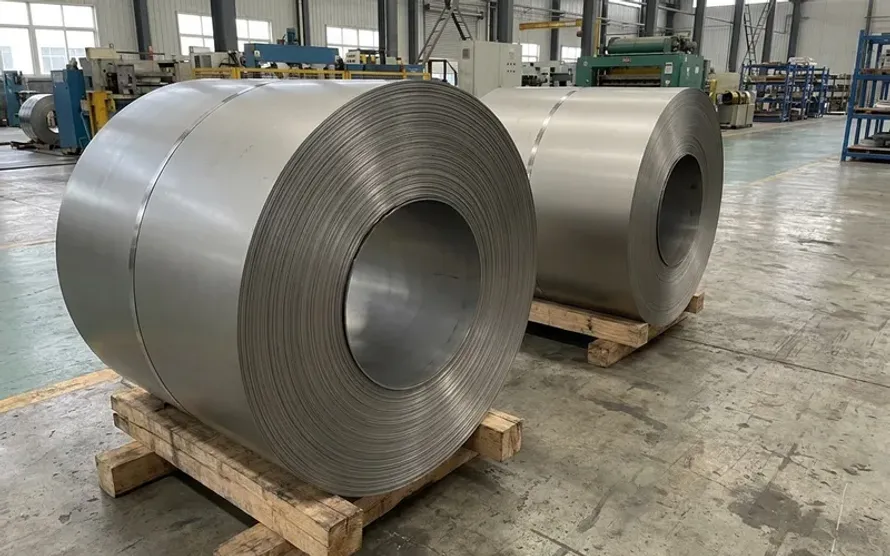
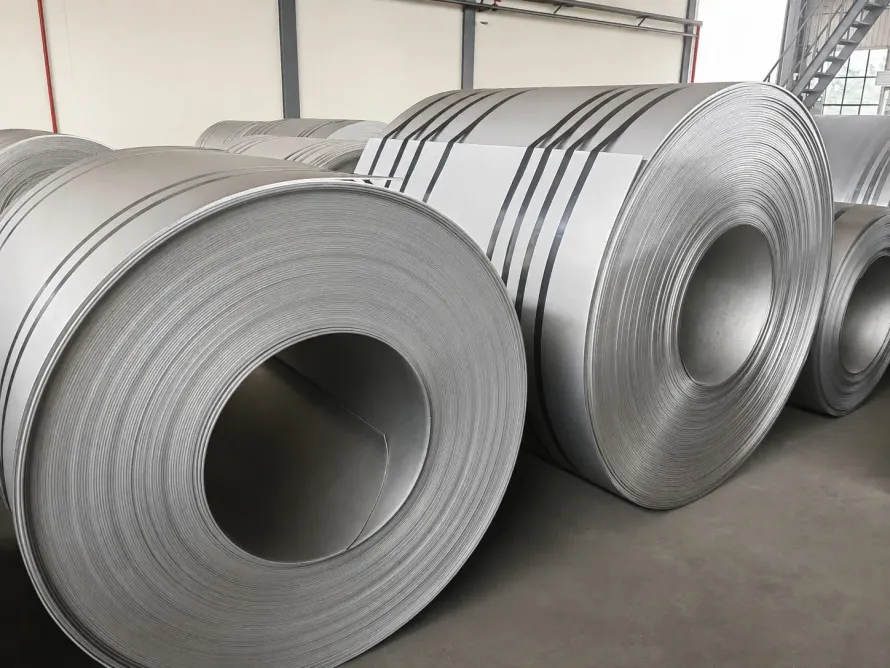
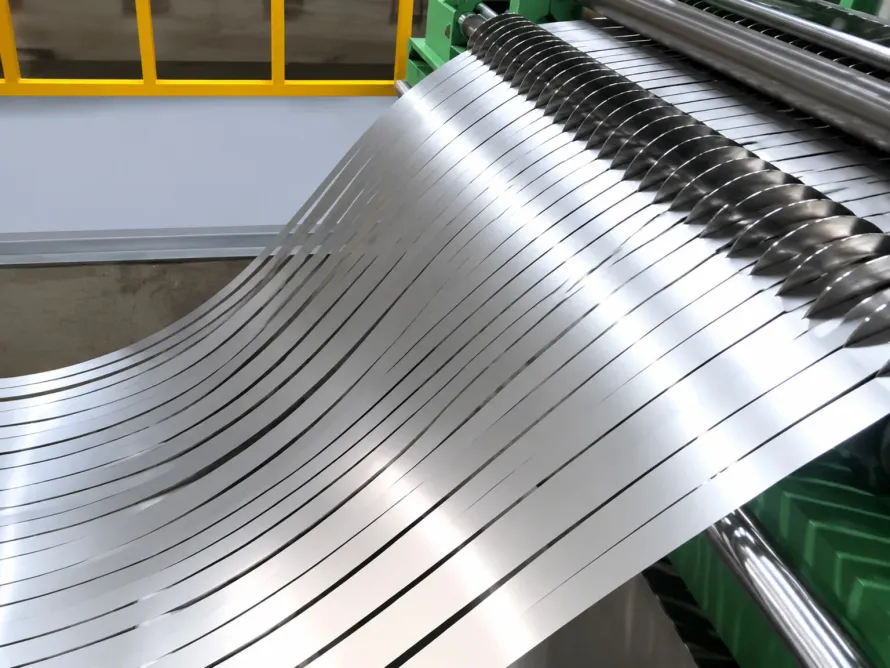
- 0.1 mm to 2.5 mm (Cold-Rolled Sheet and Strip): Produced from hot-rolled coiled strip that is vacuum-annealed and acid-pickled before cold reduction on multi-roll precision cluster mills. Cold working delivers tight micrometer-level gauge tolerances and smooth surfaces, serving plate heat exchangers and electrochemical anodes.
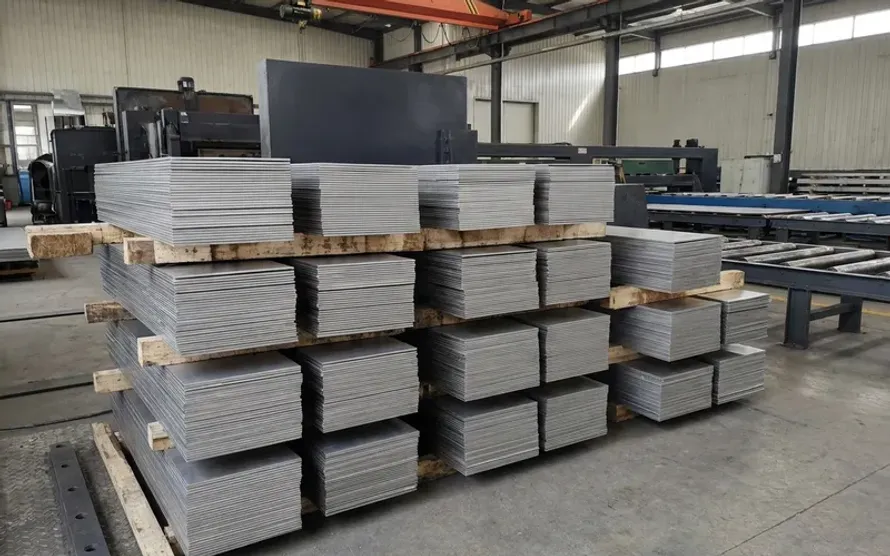
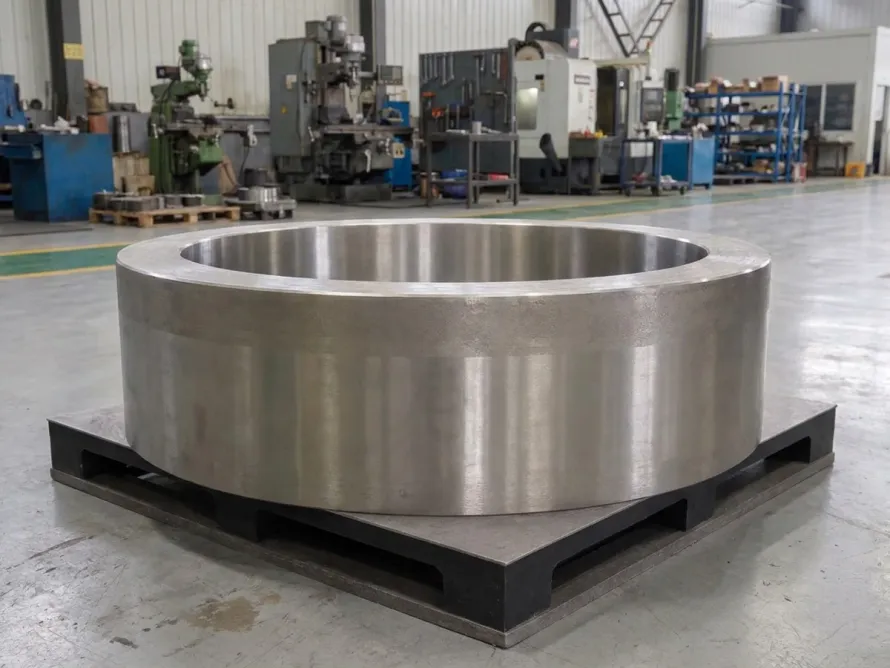
- 3.0 mm to 300 mm (Hot-Rolled Plate and Heavy Slabs): Converted from forged slabs or vacuum arc remelted (VAR) ingots. Stock is heated below the beta transus and rolled on reversible four-high heavy plate mills. This gauge segment serves pressure vessel shells, tubesheets, and storage tank walls.
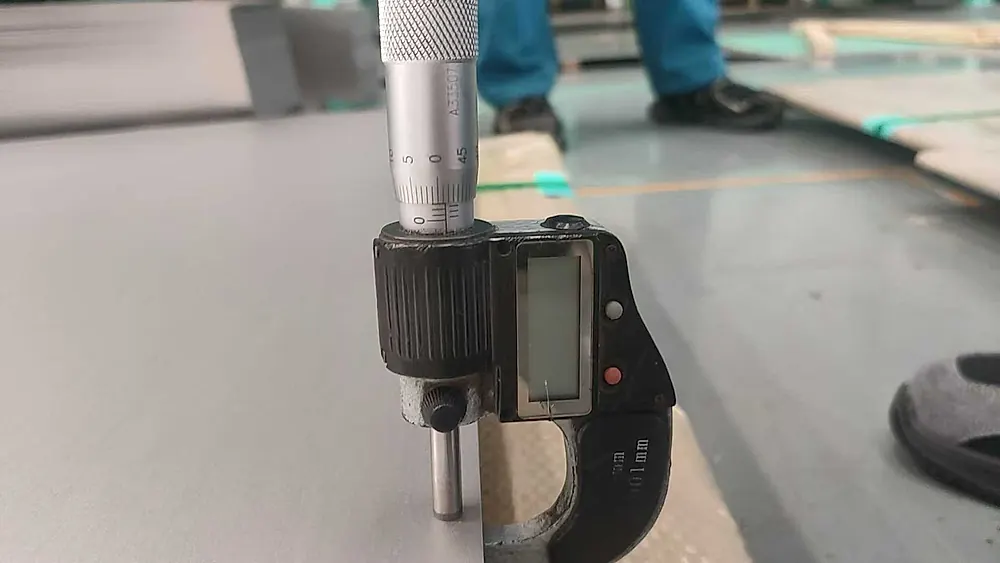
For hot-rolled plate measuring 3.0 mm and thicker, mill roller tables, guide shoes, and roll gap settings are standardized around even-millimeter reductions. Standard roll schedules dominate. Inserting a custom 7 mm or 11 mm campaign requires halting production, resetting roll screws, and sacrificing test coupons for destructive mechanical testing. Yield losses escalate rapidly.
Why 7/9/11/13 mm Plates Are Excluded from Warehouse Stock
Audits of mill warehouse inventory and global RFQ records reveal that odd intermediate thicknesses (specifically 7 mm, 9 mm, 11 mm, and 13 mm) are absent from routine inventory shelves. Turnover drives warehouse stocking. Service centers configure floor space to satisfy urgent emergency repairs and rapid fabrication runs:
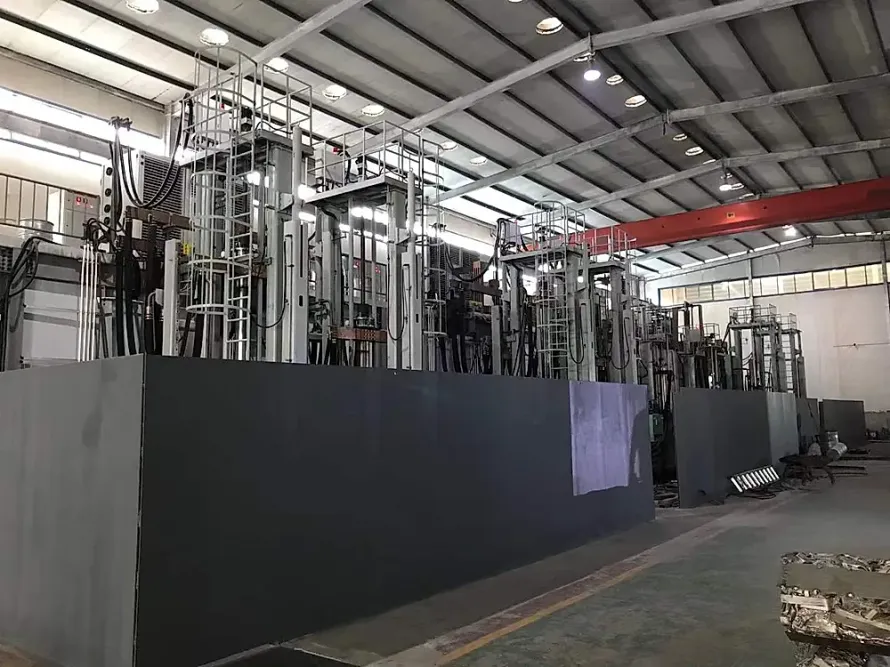
- Roll Gap Draft and Acid Descaling Losses: Titanium forms a brittle oxygen-enriched alpha-case layer during atmospheric heating. Plates must be descaled in molten caustic baths and continuous nitric-hydrofluoric acid baths, stripping 0.1 mm to 0.2 mm per face. Rolling a 7 mm plate requires exiting the mill at 7.4 mm; maintaining this narrow tolerance window on heavy four-high stands yields far higher rejection rates than rolling standard 8 mm or 6 mm plates.
- Capital Liquidity and Interchangeability: Even-gauge plates offer broad functional interchangeability. An 8 mm plate covers engineered design needs from 7.2 mm to 8.0 mm with minimal weight penalty, whereas stocking 20 tonnes of 7 mm plate risks locking up tens of thousands of USD for months without turnover.
- Minimum Order Quantities (MOQs): Rolling a custom heat requires starting from a forged titanium slab weighing at least 1.5 to 3.0 tonnes. When a buyer requests only three 7 mm plates (roughly 300 kg), mills cannot schedule an isolated melt, forcing the order into a multi-week consolidation queue.
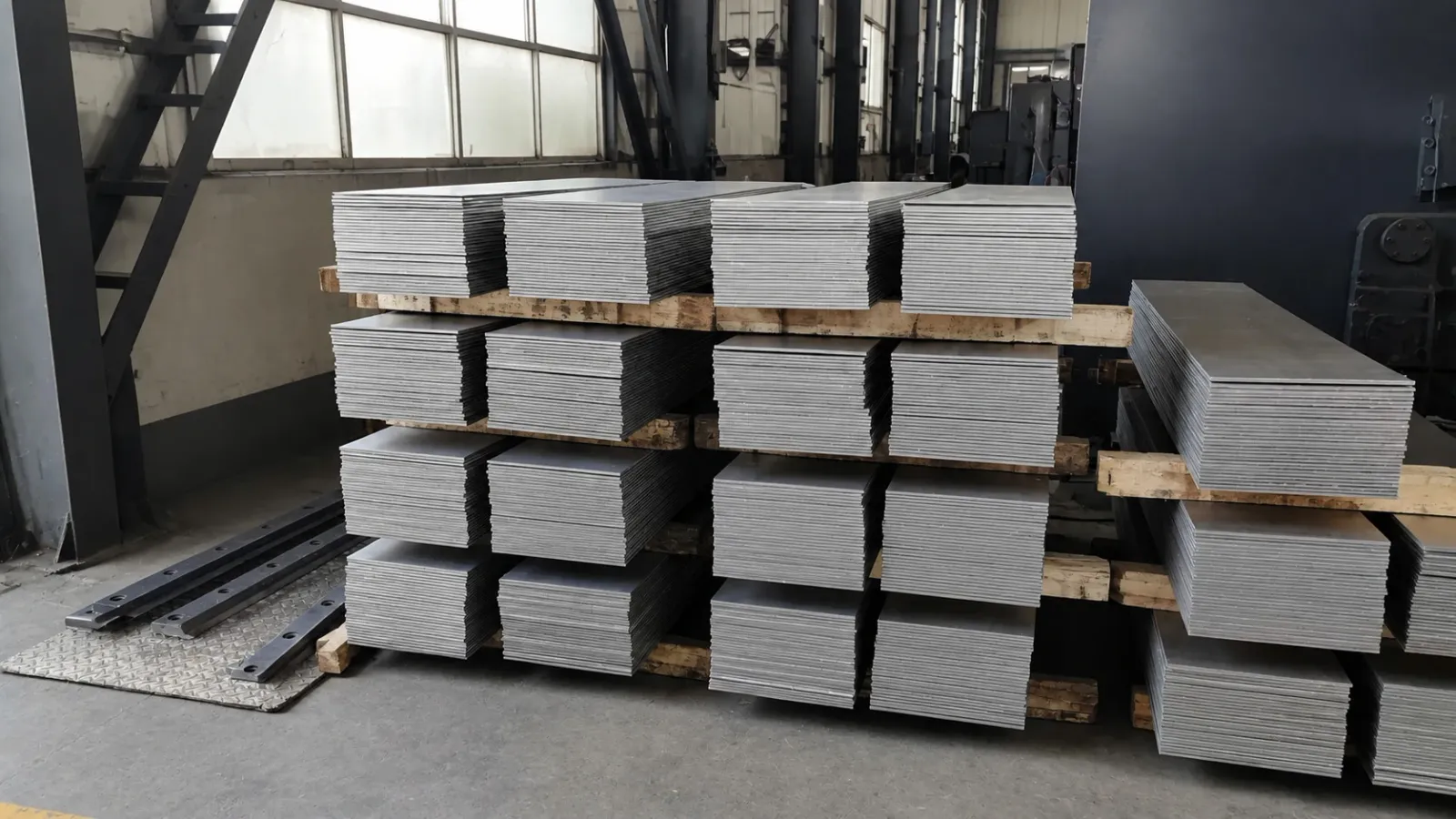
Ordering odd gauges doubles lead times. Production schedules suffer. In contrast, sourcing adjacent even stock requires only 2–3 days for saw cutting and packing.
Titanium Plate Gauge, Processing Route, and Inventory Matrix
To assist mechanical design engineers in reviewing material callouts prior to drawing freeze, the following matrix compares processing routes, warehouse availability, and practical substitution options for commercial pure Grade 2 and alloyed Grade 5 (Ti-6Al-4V):
| Nominal Thickness Range | Primary Rolling & Heat Treatment Route | Mill Stock Availability | Standard Lead Time | Engineering Sourcing Recommendation |
|---|---|---|---|---|
| 0.5 – 2.0 mm | Multi-pass cold rolling + vacuum stress-relief annealing + bright leveling | Abundant stock (0.5/0.8/1.0/1.2/1.5/2.0 mm) | 2–3 days | Specify titanium sheets and cold-rolled plates sheared from standard coils; inspect flatness |
| 2.5 – 3.0 mm | Cold-to-hot transition boundary (cold-rolled sheet or pickled hot-rolled plate) | Abundant stock (2.5 mm and 3.0 mm standard) | 2–3 days | State clearly whether cold-rolled or descaled hot-rolled finish is required for seal faces |
| 4.0 – 6.0 mm | Reversible four-high hot rolling + solution annealing + blasted/pickled finish | Abundant stock (4.0 mm, 5.0 mm, 6.0 mm) | 2–3 days | Common pressure vessel gauges; verify permissible variations in ASTM B265 Table 2 |
| 7.0 mm (Odd) | Dedicated hot rolling campaign + double-sided surface grinding | No standard stock (custom rolling, MOQ $\ge 500\text{ kg}$) | 4–6 weeks | Up-gauge to standard 8.0 mm stock; or machine down 8.0 mm plate to drawing spec |
| 8.0 – 10.0 mm | Heavy plate hot rolling + roller leveling + dual ultrasonic inspection | Abundant stock (8.0 mm and 10.0 mm warehouse stock) | 2–3 days | Primary gauge for tubesheets and vessel dished heads; ship directly from floor inventory |
| 9.0 mm (Odd) | Dedicated hot rolling or Blanchard milling from 12 mm stock plate | No standard stock (requires mill booking or milling) | 4–6 weeks | Up-gauge to 10.0 mm stock plate, utilizing added thickness as corrosion allowance |
| 11.0 / 13.0 mm | Slab reheat + four-high reversible rolling | No standard stock (consumes entire slab ingot) | 4–6 weeks | Up-gauge to 12.0 mm or 14.0 mm stock, reducing effective procurement cost per kg |
| 14.0 – 40.0 mm | Open-die cogging + heavy plate rolling + 100% ultrasonic testing | Abundant stock (14/16/18/20/25/30/40 mm) | 2–3 days | Verify internal volumetric soundness and grain structure per material test certificate (MTC) |
Bypassing the 7 mm, 9 mm, 11 mm, and 13 mm odd-gauge gaps in favor of standard stock shortens procurement cycles by over 80%. Design strategy must adapt.
Three Actionable Strategies for Buyers Facing Odd-Gauge Drawings
When customer specifications or engineering drawings are already frozen, procurement teams should deploy three proven workarounds:
1. Up-Gauging to the Next Even Increment
Changing 7 mm to 8 mm, or 9 mm to 10 mm, is standard practice in international pressure vessel engineering. Strength increases safely. The additional 1 mm of wall thickness provides added corrosion margin in aggressive media. Because even-gauge plates are mass-produced in continuous campaigns, their unit pricing is typically USD 0.80–1.50/kg lower than custom-rolled odd gauges, offsetting the minimal raw material weight increase.
2. Sizing Down via Surface Machining
If installation geometry is constrained by groove clearances or tight weight allowances that mandate 9.0 mm or 11.0 mm, buyers should pull 10 mm or 12 mm stock plates and machine down both faces on a CNC gantry mill or rotary surface grinder. Turnaround takes only 2–3 days. Machining swarf is generated. However, compared to stalling an assembly line for 4–6 weeks waiting for custom mill rolling, the operational savings are decisive. Engineers can use our titanium weight and engineering calculator to verify rough-cut weights and machining allowances.
3. Auditing ASTM B265 Thickness Tolerances
Designers sometimes call out 7 mm assuming nominal gauges guarantee zero under-tolerance. Tolerances deserve close attention. Under ASTM B265 Table 2, hot-rolled titanium plates measuring 1000 mm to 1500 mm wide in the 6.0 mm to 10.0 mm thickness range carry permissible thickness variations of approximately $\pm 0.35\text{ mm}$. Receiving teams must measure plates with digital micrometers across multiple edge points. Factoring standard mill tolerance envelopes into engineering designs often reveals that applications seemingly calling for 7.2 mm or 8.8 mm can safely utilize standard 8 mm or 10 mm plates within allowable negative tolerance margins.
Related Products & Services
Aligning plate callouts with mill inventory parameters safeguards project budgets and delivery milestones. Technical review prevents surprises. Buyers can explore complementary technical resources:
- Explore inventory dimensions: Visit our titanium sheets, strips, and plates category to inspect available warehouse sizes and cutting services;
- Compare commercial grades: Review mechanical properties on the Grade 2 commercial pure titanium specification page;
- Calculate material volume: Use our engineering calculation tools to estimate plate weights and cutting yields;
- Request drawing review: If you hold custom drawings or need immediate stock substitution advice, visit our request for quote and technical audit portal to receive 3.1 MTC documentation and engineering feedback within 2 hours.