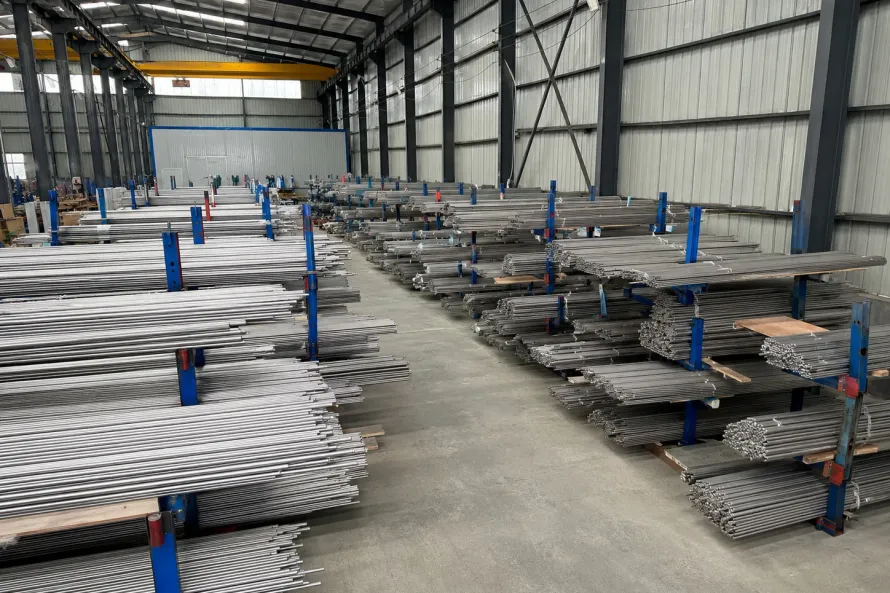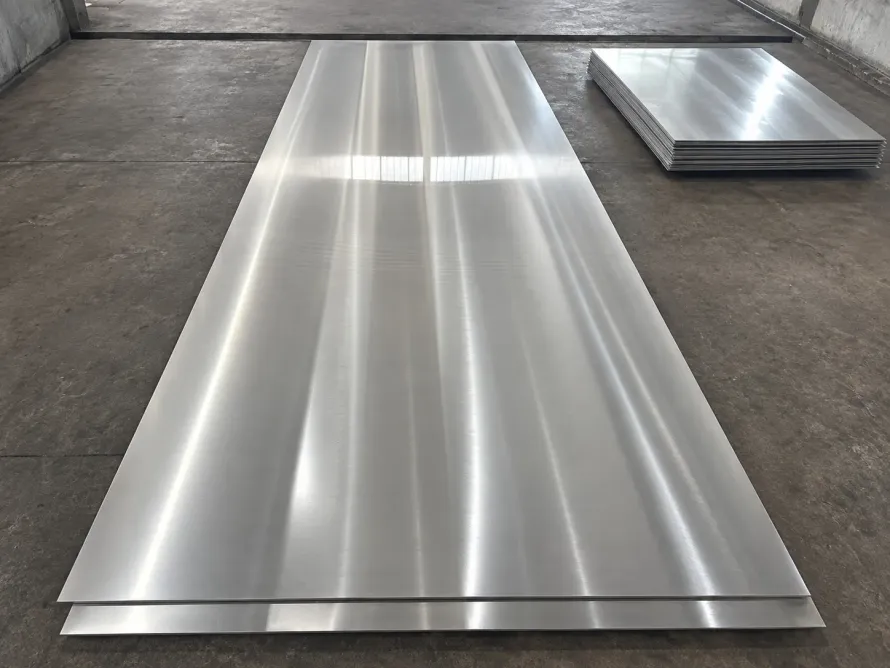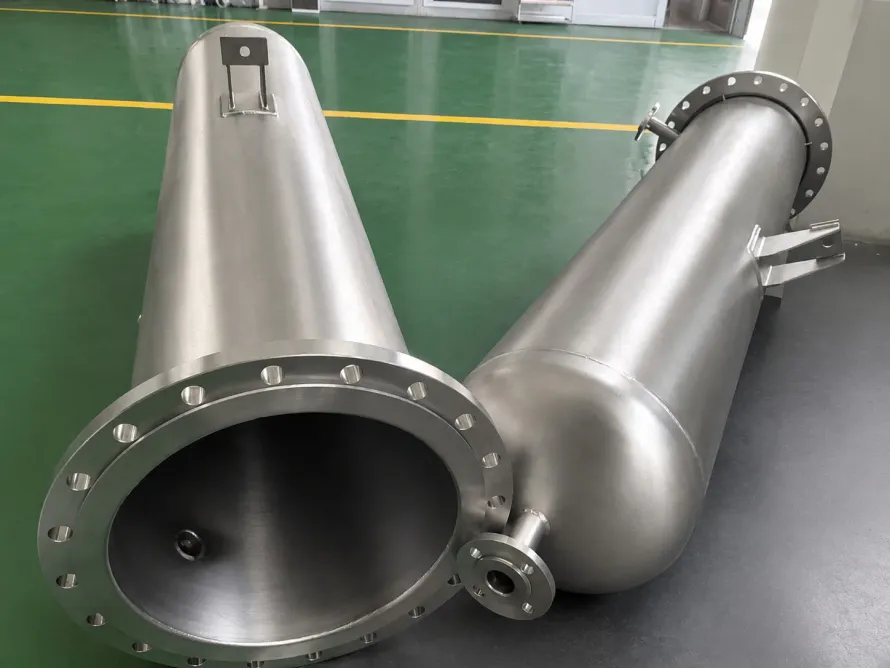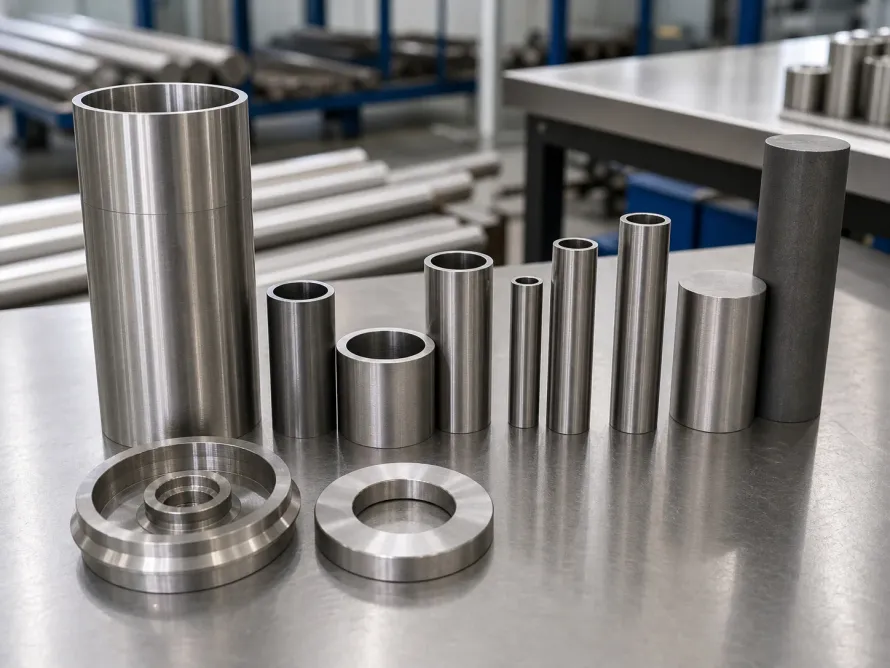
Generic billet-processing context; not material for Biman’s A350 order.
Airbus announced on October 7 that Biman Bangladesh Airlines had signed a firm order for ten aircraft: four A350-900 widebodies and six A321neos. For titanium suppliers, the defensible new signal is narrow but real: four additional A350-900 aircraft are now attached to a named customer order. The announcement does not disclose delivery slots, production serial numbers, tier work packages, titanium grades or purchase orders, so it is not evidence of current titanium demand or a basis for a tonnage forecast.
- Signal: Treat the four A350-900s as future program exposure, not booked titanium sales.
- Quantity: Do not multiply the aircraft count by Airbus’s historical 14% figure: that percentage refers to airframe structural mass, not total aircraft mass or raw-material input.
- Trigger: Watch for delivery/MSN allocation, tier awards and material releases before changing capacity or inventory plans.
What the firm order changes
The Airbus order announcement establishes the customer, the firm status and the aircraft mix. It also says the aircraft are intended to support Biman’s plans for North America and destinations in Europe and the Middle East.
That is enough to move the item beyond a memorandum or general fleet intention. It is not enough to locate material demand in time. Airbus did not publish the order’s delivery sequence, production MSNs or the suppliers that will receive related work. A mill, forger, fastener maker or machine shop therefore cannot connect the four aircraft to a specific RFQ, melt campaign or shipment window from this announcement alone.
Where titanium enters the A350 evidence chain
Generic machined-shaft illustration; these are not identified as titanium or A350 parts.
The material link is supported independently of the order. Airbus’s current A350 family page says the airframe uses more than 70% advanced materials and explicitly lists titanium components. A 2013 Airbus FAST special on the A350 identifies titanium seat rails and lower-fuselage frames and states that titanium represented 14% of the airframe structure’s mass in that design account.
Airbus’s 2025 circularity review adds current manufacturing examples. It names pylons, engines and landing gear as primary titanium-alloy applications and says 32 titanium door-latch shafts are additively manufactured for each A350. It also describes titanium-wire directed-energy deposition for near-net-shape parts.
Together, these sources support a program-level titanium connection. They do not identify which of those applications are allocated to Biman’s aircraft, which suppliers hold them, or whether the relevant parts will be forged, machined from billet, additively manufactured or sourced through another route.
Why 14% is not a tonnage forecast
The denominator matters. Airbus’s 14% statement is explicitly a share of airframe structural mass. It is not 14% of operating empty weight, maximum take-off weight, finished aircraft mass or purchased metal input. Applying it to any of those figures would change the meaning of the source.
A procurement estimate would also need a current, variant-specific structural-mass denominator; a verified material split; finished-part weights; buy-to-fly ratios; machining and scrap yields; additive-manufacturing scope; and recycled-content assumptions. None appears in the order announcement. The 2013 statement remains useful for showing that titanium is material to the A350 design, but its age and denominator rule out a credible quantity calculation for this order.
What suppliers can monitor next
The first useful transition is from aircraft order to production identity: delivery slots and MSNs. The next is commercial allocation: which tier holds each work package and which approved sources, grades and product forms apply. Only then do material-release dates, purchase orders and shipment schedules become traceable.
For near-term planning, keep the four aircraft in a program-opportunity register with no tonnage attached. Revisit capacity or inventory only when one of those downstream records appears. This preserves the order’s genuine signal without converting it into demand that Airbus has not reported.