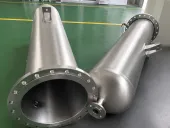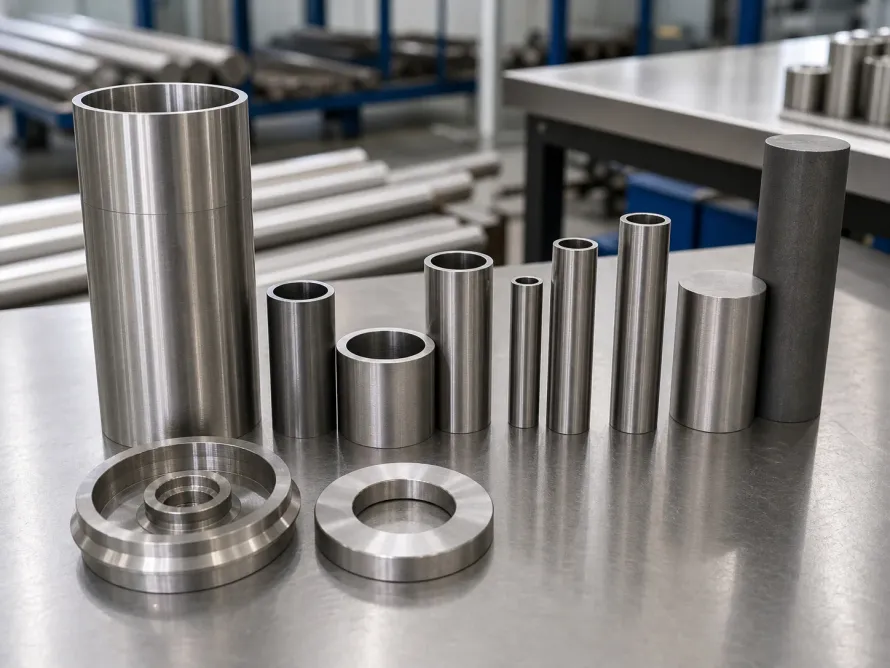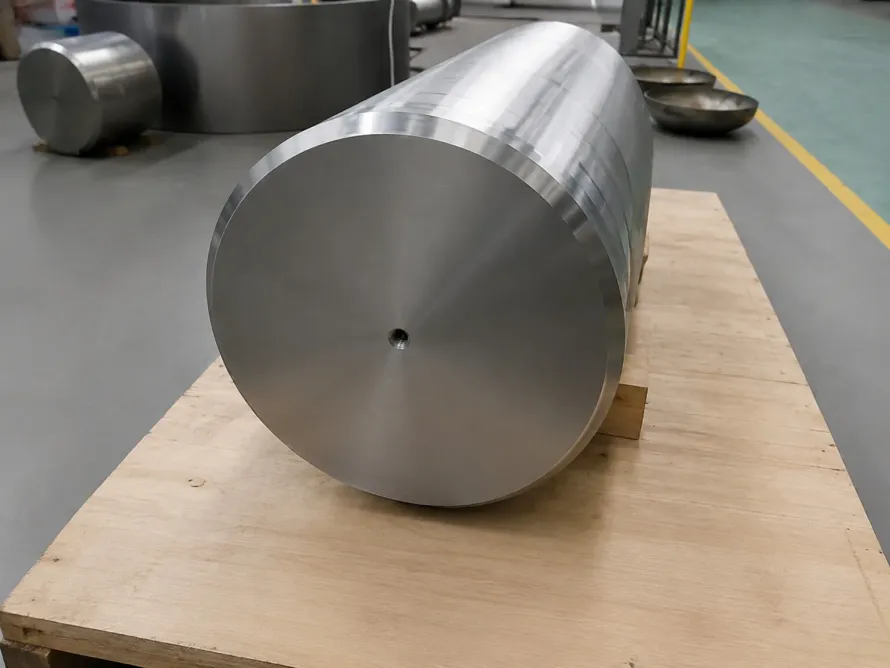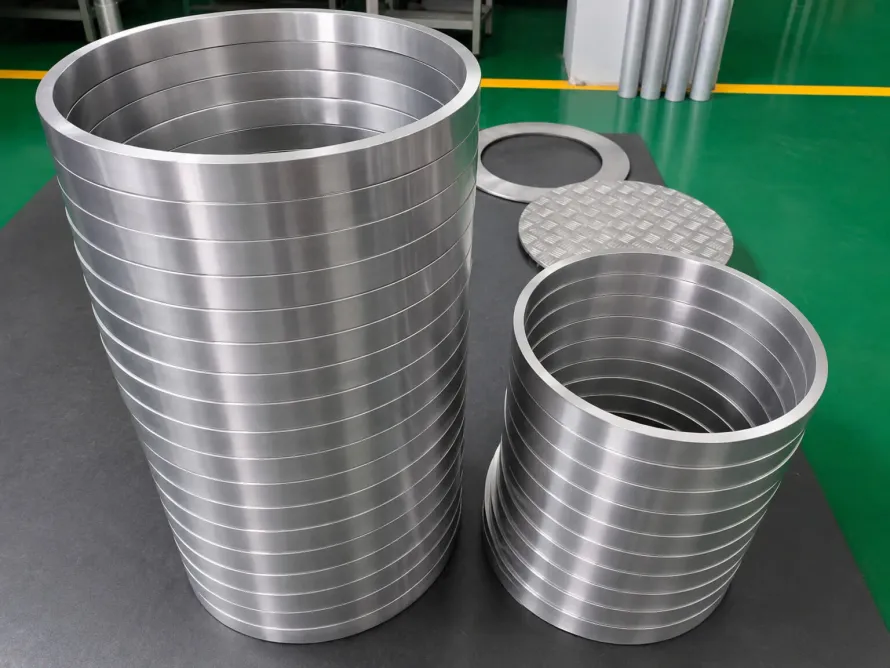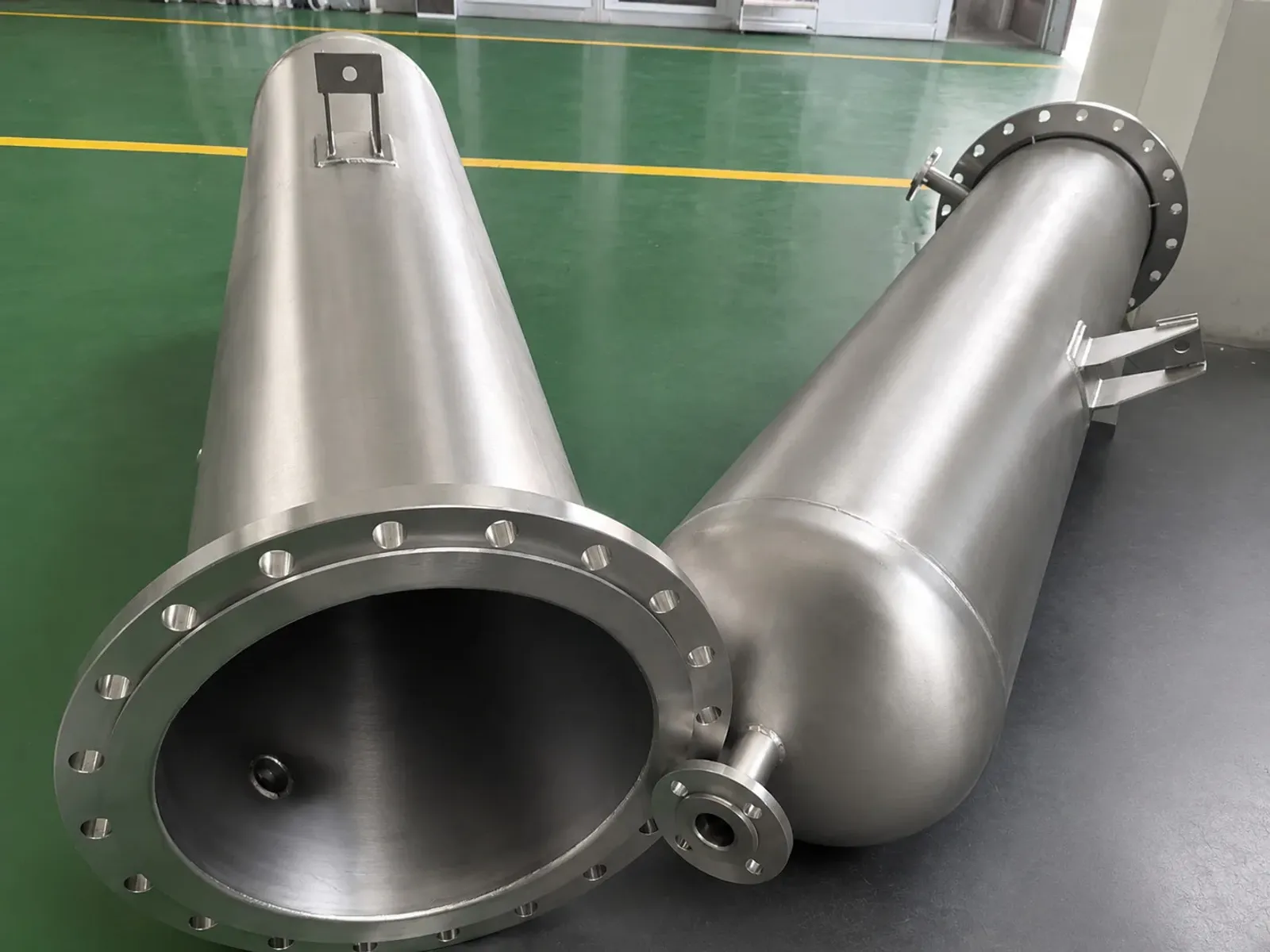
Generic titanium shell components shown for form context; these are not DAVINCI or NASA test hardware.
NASA disclosed on September 24 that an engineering model of its DAVINCI Venus descent probe had completed a furnace test campaign that ran from August 28 to September 10. The vessel was heated to 869 °F (465 °C) over about one hour and completed six thermal cycles. NASA identifies a titanium shell as the planned enclosure around the probe’s instruments, but the mission is still seeking approval to enter final design and fabrication.
A rapid furnace cycle reproduced the planned descent heating rate
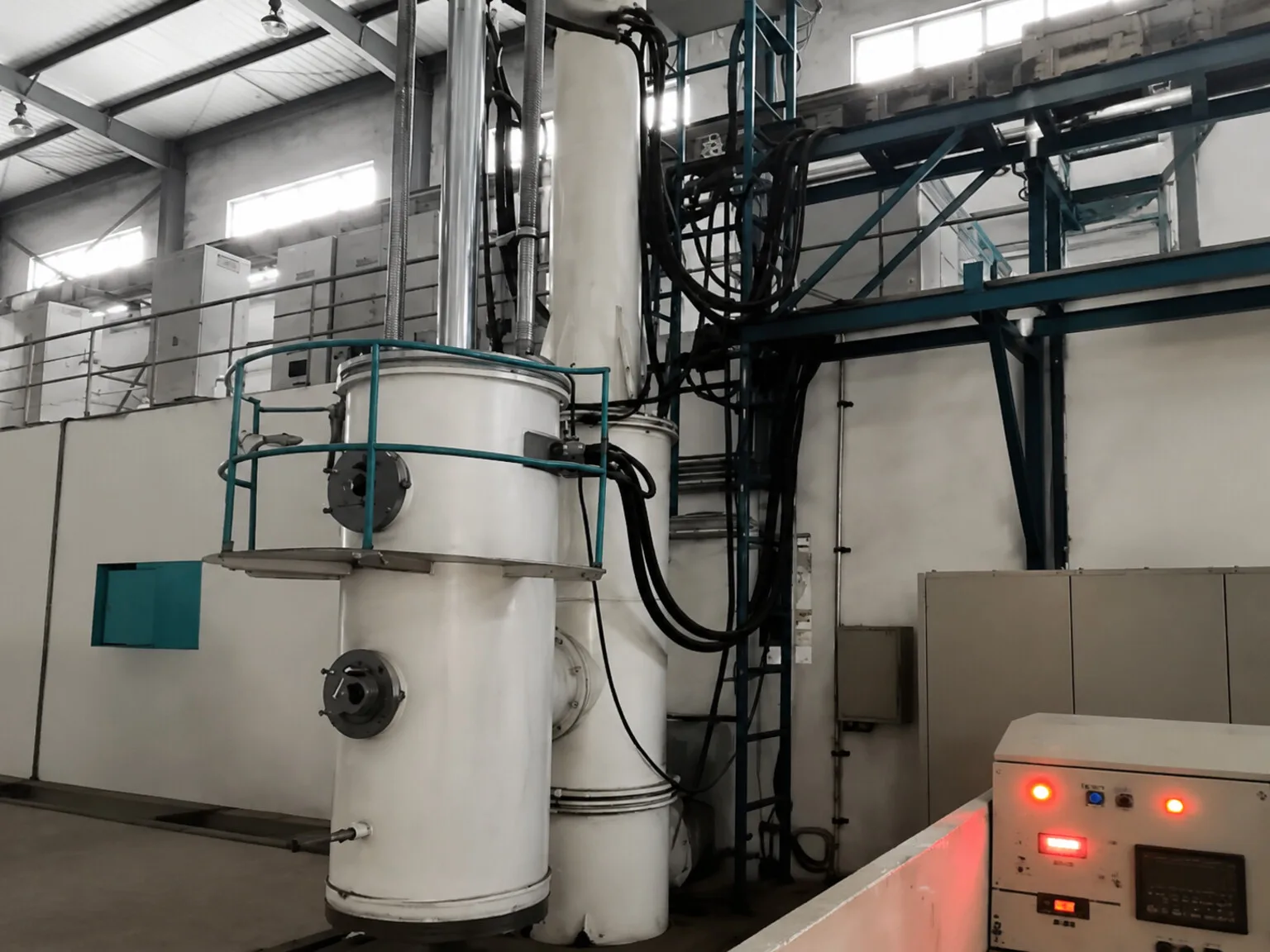
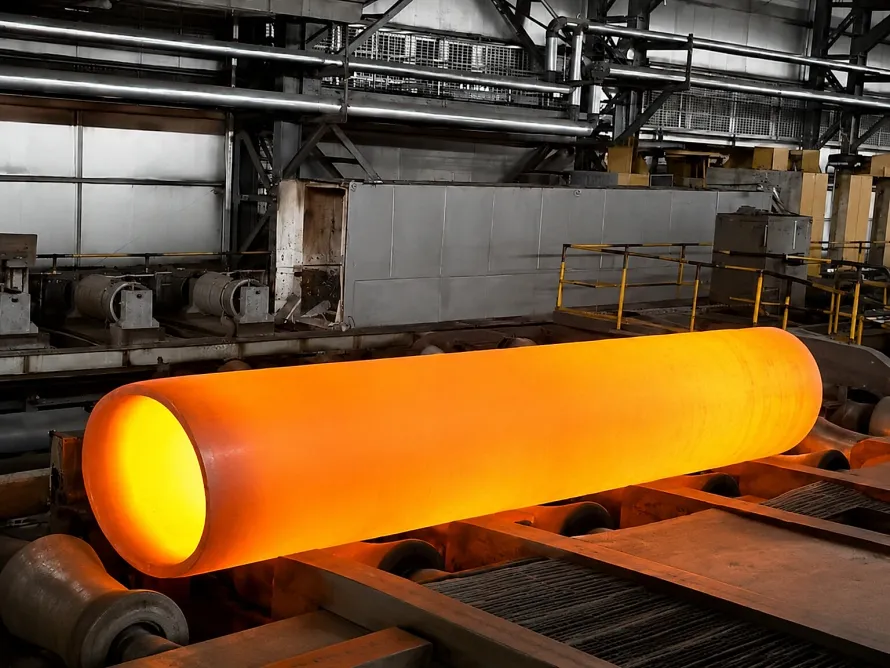
Generic furnace equipment shown for thermal-test context; this is not the DAVINCI test facility or apparatus.
NASA took the yoga-ball-sized engineering vessel to Rex Heat Treat in Bedford, Pennsylvania, a facility capable of reaching Venus-like temperatures at the required rate. In a ceramic-lined chamber, the team raised the model to 869 °F (465 °C) over about one hour—the pace expected during descent through Venus’s atmosphere—and repeated the cycle five more times.
NASA says the vessel completed all six cycles unscathed. Simulated instrument hardware sat inside the model, while more than 100 thermal sensors recorded its response. That setup made the campaign a system-level engineering test of the vessel and its internal instrument environment under the stated heating profile; the disclosure does not establish separate qualification of the titanium material itself.
The titanium shell encloses a deliberately open instrument system
NASA describes the flight probe as encased in a corrosion-resistant, strong-yet-lightweight titanium shell. Inside that shell, the planned instrument suite will sample Venus’s atmosphere, while cameras and a radio system will collect and return data.
The engineering problem is not simply to seal the instruments away from the environment. NASA says the system must protect them from overwhelming heat while allowing high-temperature gases to enter through special inlet ports for analysis. The titanium enclosure therefore sits within a system that must reconcile instrument protection with controlled atmospheric access.
NASA counts the heat and imaging campaigns as 2026 milestones
The heat campaign followed a separate summer 2026 test of the probe’s imaging system. NASA says the mission has now met both of its major milestones for the year.
The update does not specify the titanium alloy, shell mass, manufacturing route or production configuration. It documents an engineering-system milestone for the planned probe, not separate qualification of the material or the final flight hardware.
Sources
- NASA, “NASA’s DAVINCI Beats Heat in Preparation for Blistering Venus Descent,” published September 24, 2026; accessed September 26, 2026: https://science.nasa.gov/blogs/davinci/2026/09/24/nasas-davinci-beats-heat-in-preparation-for-blistering-venus-descent/