Entering 2026, the global commercial aerospace manufacturing sector faces an unprecedented production ramp. Production schedules remain dense.
With leading airframers sitting on historic order backlogs, Airbus is accelerating production of its single-aisle A320 family toward 75 aircraft per month. Boeing and global airlines are expanding widebody and narrowbody delivery schedules in parallel. Commercial market analyses indicate that the global aerospace titanium market has expanded to between $4.2 billion and $5.1 billion in 2026, maintaining an annual growth rate of roughly 8%. Commercial demand continues unabated.
Yet beneath this headline delivery surge, the global titanium supply chain is grappling with a pronounced structural bifurcation. Market contradictions grow sharper.
On one hand, total global capacity for general industrial titanium sponge remains plentiful. General warehouse supply stays stable. On the other hand, certified flight-critical titanium alloys qualified for commercial aircraft primary structures, landing gear, fasteners, and gas turbine compressor stages face acute bottlenecks in high-purity melting throughput and lengthy airworthiness audit pipelines. The supply balance tilts sharply. Drawing on empirical data from certified partner facilities in aerospace bar rolling, immersion ultrasonic testing, and ultra-low oxygen control, this report examines the underlying structural challenges and provides actionable procurement guidance. Operational diligence proves decisive.
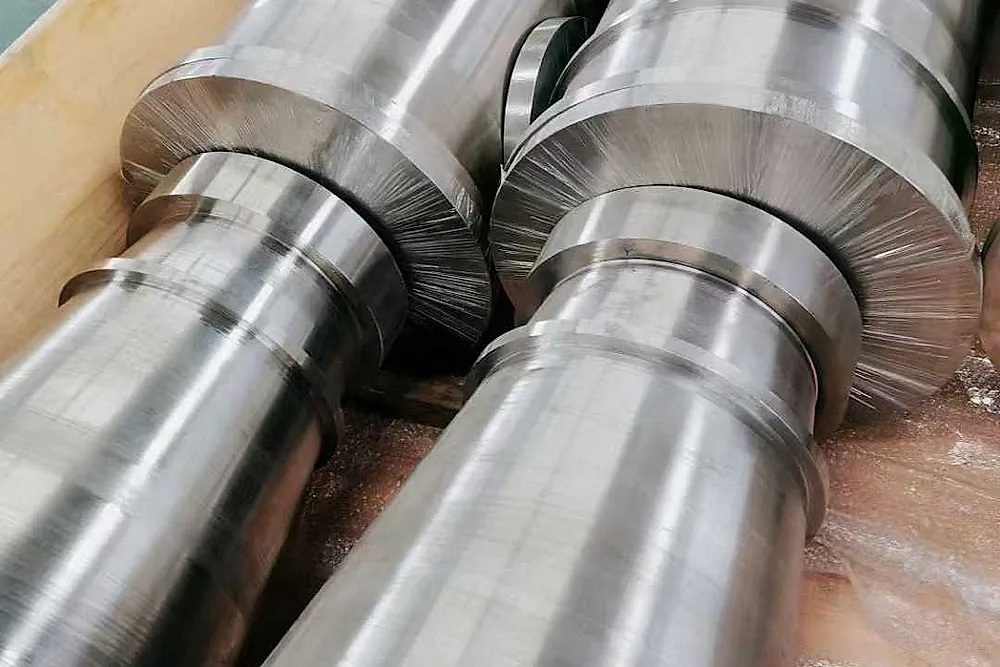
The Supply Chain Bifurcation: Headline Tonnage vs Qualified Capacity
In metal market analysis, equating aggregate titanium production with aerospace-qualified supply is a frequent miscalculation. The two sectors differ fundamentally.
The titanium industry is divided into two distinct operational tiers. Market segmentation remains rigid. More than 90% of global titanium mineral ores are mined for titanium dioxide (TiO2) white pigment used in paints, coatings, and plastics. Less than 10% of high-grade rutile feeds metallic titanium sponge production, and only an elite fraction of that sponge satisfies aerospace and defense specifications. High-grade feedstocks remain scarce.
In the first half of 2026, aggregate industrial titanium sponge output across primary producing nations exceeded 140,000 tonnes, marking an increase of more than 10% year-on-year. Production growth held steady. However, general industrial demand has been temperate, creating comfortable stock levels for standard industrial mill products. Industrial markets stay balanced.
Across commercial aviation, the supply-demand equation tells a contrasting story:
- Airworthiness Qualification Barriers: Commercial flight hardware is governed by stringent civil aviation authorities, including the FAA and EASA. For landing gear beams, wing-to-fuselage fittings, and compressor disks, the underlying raw material source, melt parameters, and forging thermomechanical routes are frozen under OEM specifications. Switching suppliers requires extensive testing.
- Allied Supply Chain Diversification: Western OEMs are actively diversifying their sourcing footprints. Japanese producer Osaka Titanium Technologies is advancing an expansion of its aerospace-grade titanium sponge capacity from 40,000 to 50,000 tonnes annually, slated for completion by FY2027. Furthermore, alternative rutile deposits like the Kasiya project in Malawi are progressing through validation phases with Western processors. Yet bringing new sponge and ingot capacity through OEM audits takes years. Qualification timelines remain extended.
Technical Bottlenecks: Triple VAR Melting and 100% Immersion Ultrasonic Testing
Why cannot standard industrial titanium fill commercial aerospace requirements? The divergence centers on metallurgical cleanliness, interstitial gas control, and non-destructive testing resolution. Requirements remain exacting.
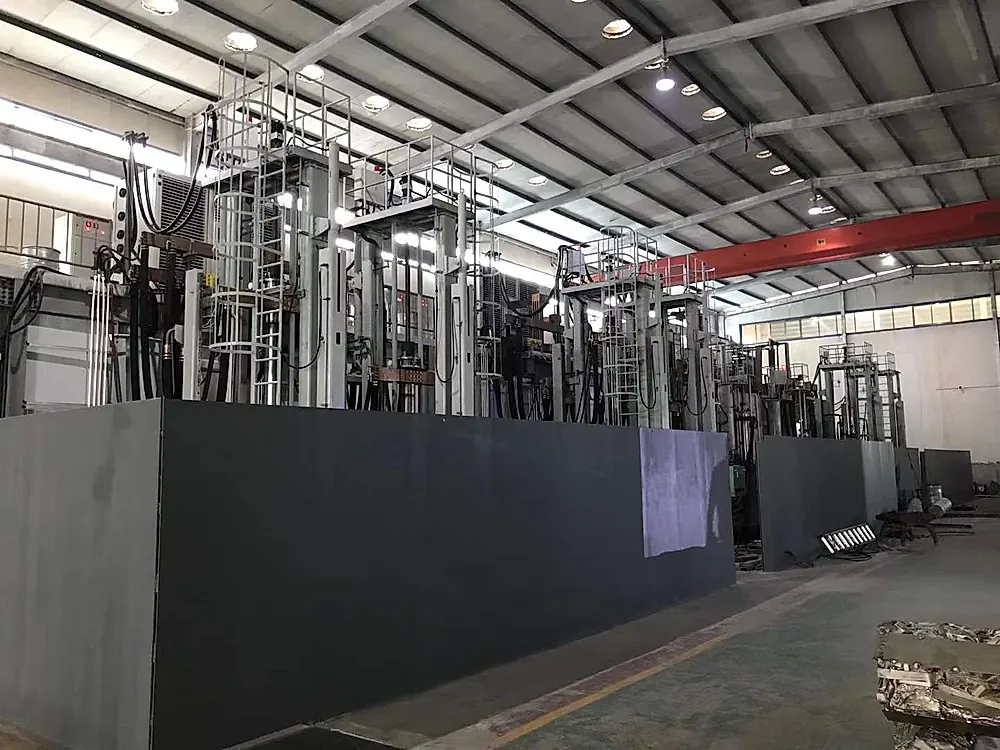
Drawing on production data from certified partner facilities, manufacturing titanium bars and forgings conforming to AMS 4928 Grade 5 (Ti-6Al-4V) and Grade 23 (Ti-6Al-4V ELI) requires overcoming three technical hurdles:
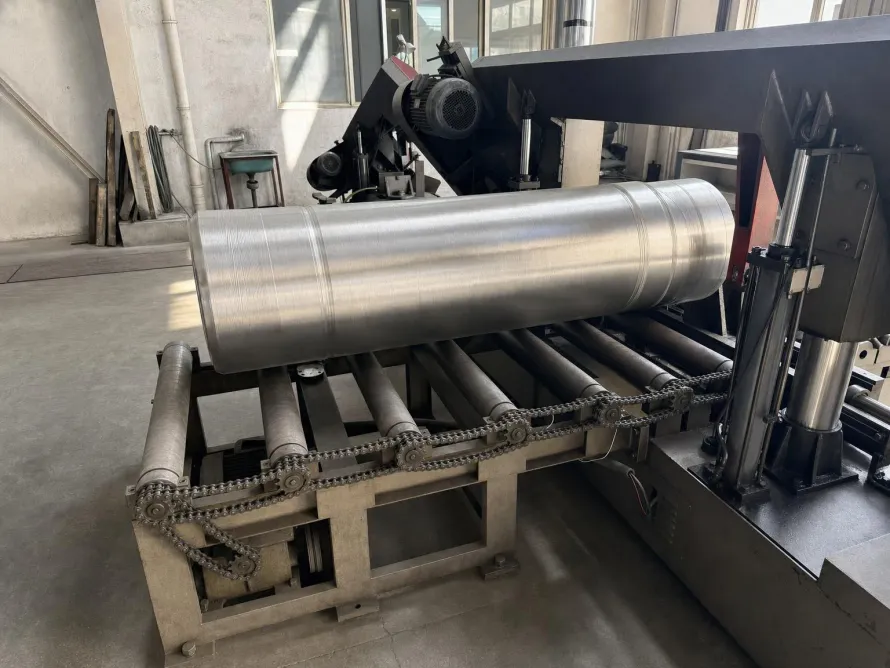
- Triple Vacuum Arc Remelting (3x VAR) Cleanliness: Standard chemical-grade titanium typically undergoes single or double vacuum melting. Aerospace structural components and atomization feedstock demand high-vacuum triple arc remelting. Thermal processing requirements stay strict. Multiple melt passes eliminate low-density interstitial inclusions (LDI) and high-density metallic inclusions (HDI) while holding oxygen strictly to O ≤ 0.08% or O ≤ 0.05% for ELI grades. This prevents macro-segregation and guarantees high-cycle fatigue life. Material endurance stays dependable.
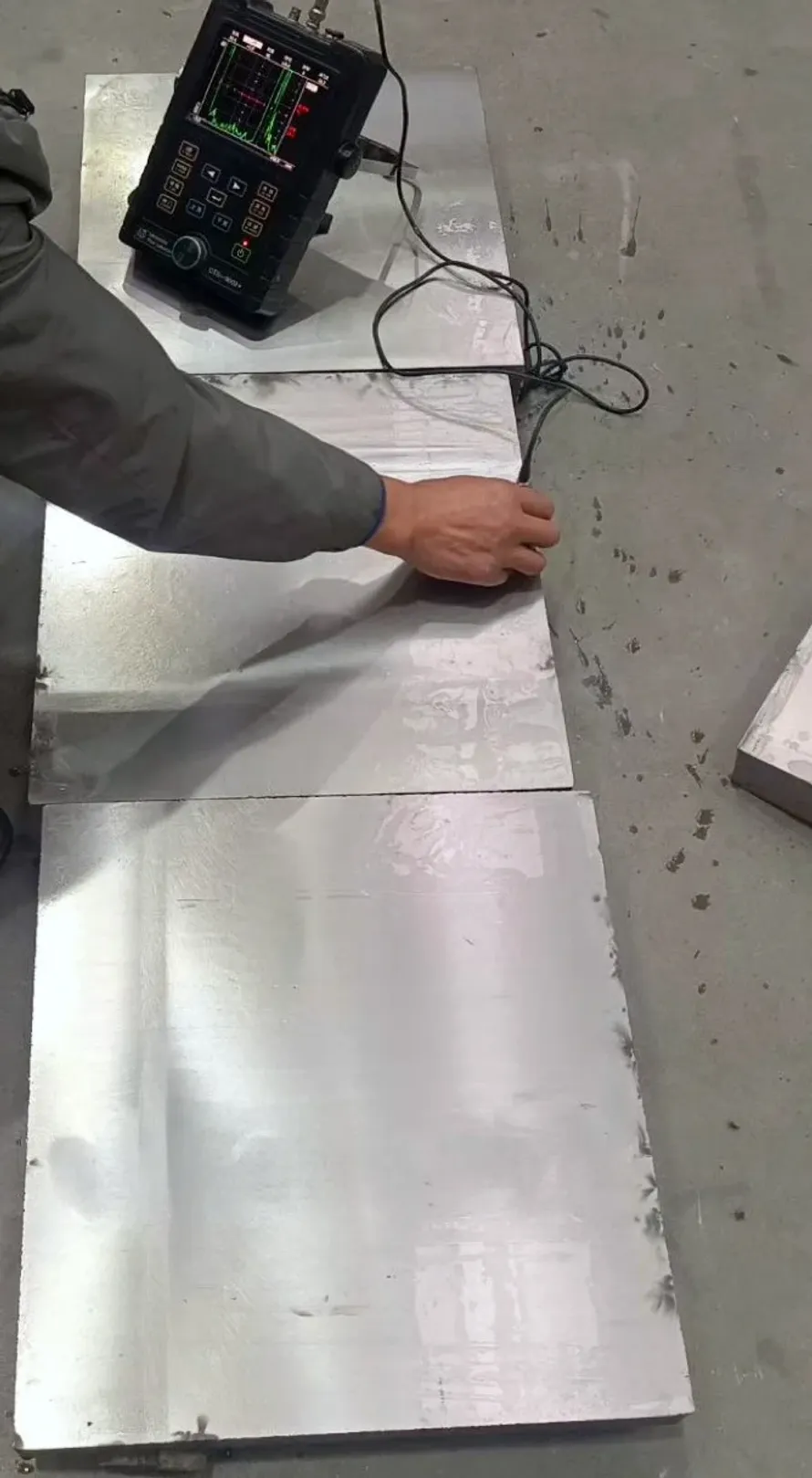
- 100% Immersion Ultrasonic Testing (Immersion UT): Aerospace structural bars and billets undergo automated immersion ultrasonic scanning prior to dispatch, meeting AMS 2631 Class AA or Class A defect limits. Automated scanning with focused transducers detects micro-defects down to sub-millimeter flat-bottom hole equivalents, accompanied by third-party NDT certifications. Testing records remain comprehensive.
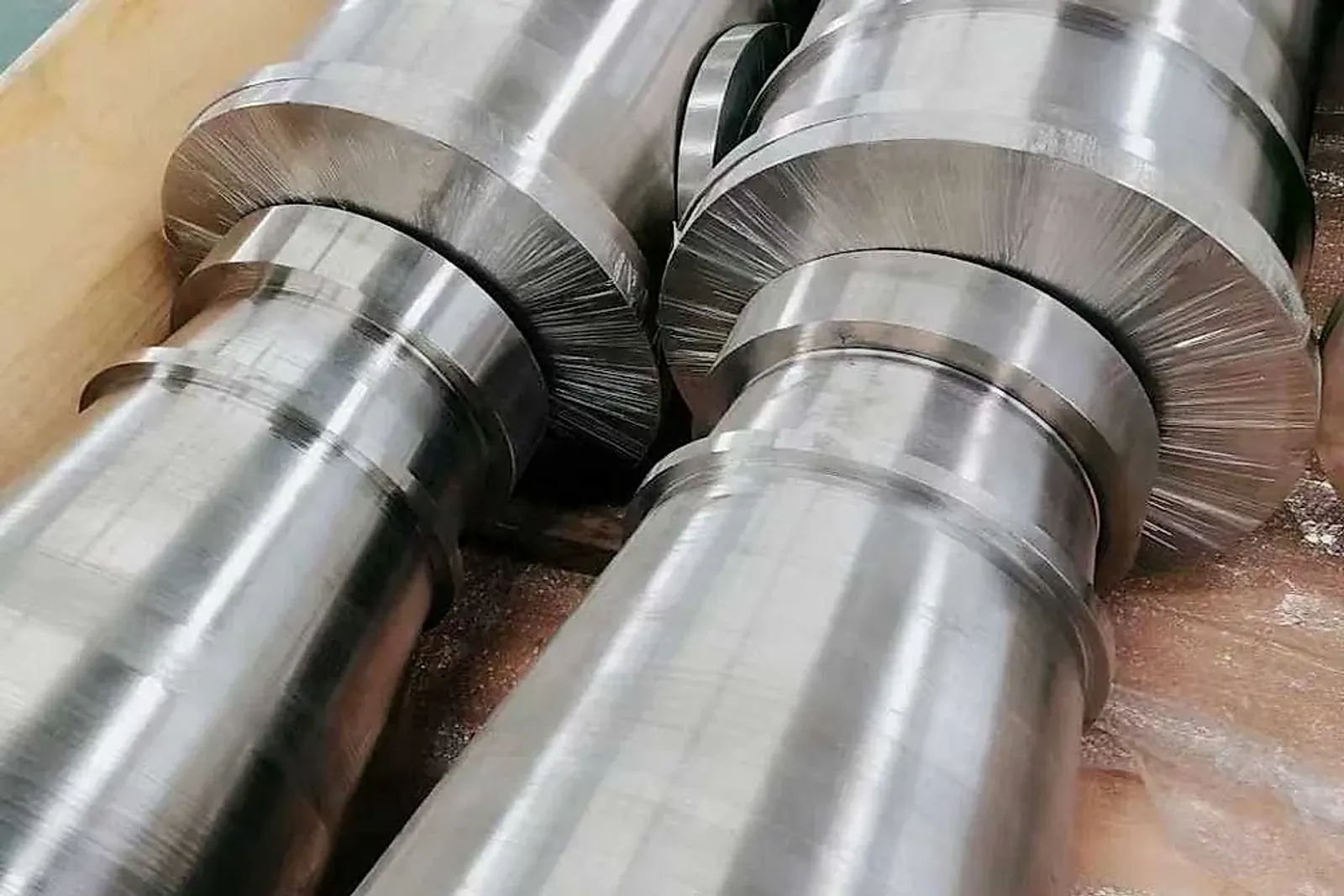
- Microstructural Grain Refinement: Aerospace billet breakdown and finish forging require tight temperature-deformation control on high-capacity forging presses. Finished bars and forgings must exhibit an equiaxed alpha-beta microstructure with grain sizes meeting ASTM E112 grain size 8 to 10, preventing coarse Widmanstätten plates. Microstructures stay uniform.
Technical Matrix: Industrial vs Aerospace-Qualified Ti-6Al-4V
The table below contrasts the technical specifications governing standard industrial titanium and aerospace-qualified material:
| Quality & Technical Criterion | Industrial Ti-6Al-4V (ASTM B348) | Aerospace Ti-6Al-4V (AMS 4928 / Airworthiness) | Procurement Impact & Risk Analysis |
|---|---|---|---|
| Melting Route & Passes | 1x to 2x Vacuum Arc Remelting (1x-2x VAR) | Mandatory >= 3x VAR or PAM+VAR | Eliminates micro-porosity, LDI, and HDI defects |
| Interstitial Gas Limits | O <= 0.20%, H <= 0.015%, N <= 0.05% | O <= 0.08% (ELI <= 0.05%), H <= 0.0125% | Low oxygen elevates cryogenic fracture toughness |
| Ultrasonic Inspection (NDT) | Manual contact ultrasonic scan (Class B/C) | 100% automated immersion UT (Class AA/A) | Class AA detects minute internal acoustic reflectors |
| Microstructural Classification | Basic macro-structure check | Equiaxed α+β grain size ASTM 8–10 | Prevents brittle boundary phases, boosting fatigue limits |
| Traceability Dossier | Standard Mill Test Certificate (MTC) | Heat-by-heat tracking, heat-treat charts, NDT files | Civil airworthiness audits require unbroken records |
| Buy-to-Fly & Near Net Shape | Traditional saw cutting + heavy machining | Precision die forging, AM powder feedstock | Additive manufacturing slashes material scrap rates |
| Lead Times & Price Basis | Standard warehouse stock; 2 to 4 weeks | Extended lead times (12 to 26 weeks); 30%–80%+ premium | Driven by specialized furnace capacity and testing |
Data metrics contrast sharply. Technical boundaries remain distinct.
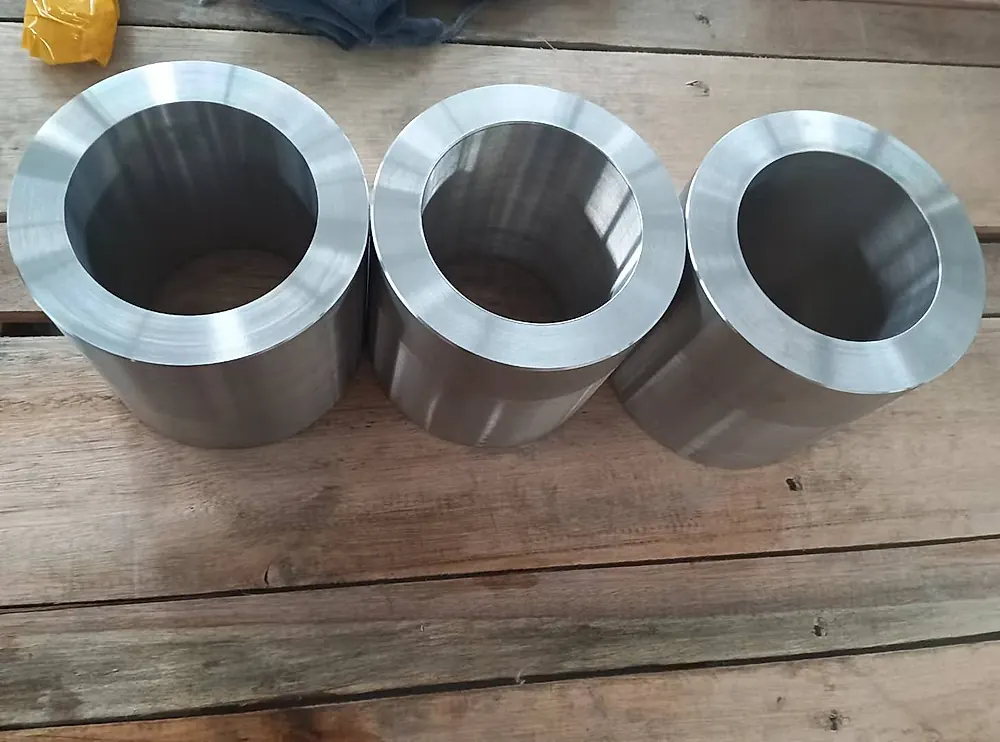
Mitigation Strategies: Additive Manufacturing and Procurement Best Practices
To navigate lengthy qualification lead times and high material costs, aerospace component manufacturers are adopting proactive strategies. Sourcing methods are evolving.
1. Scaling Additive Manufacturing Powder and Wire Feedstocks
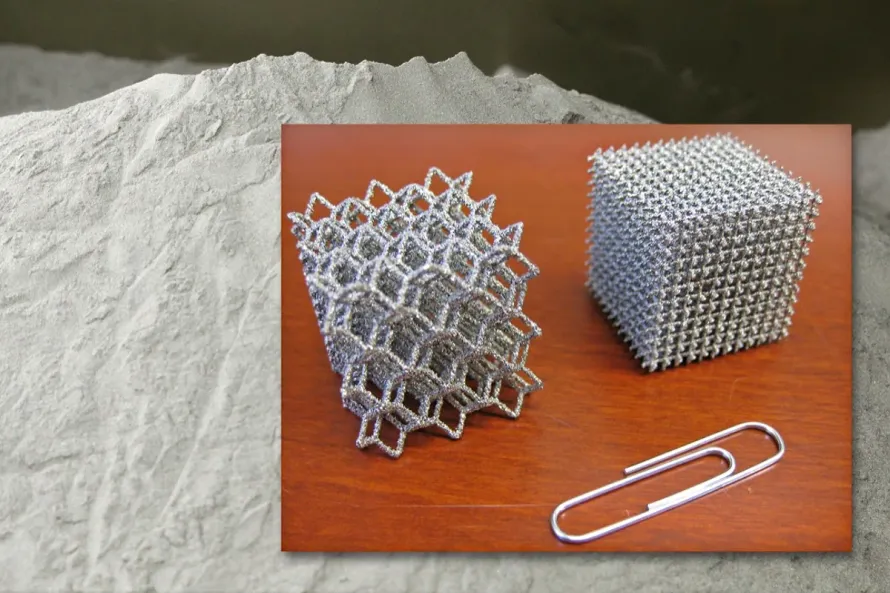
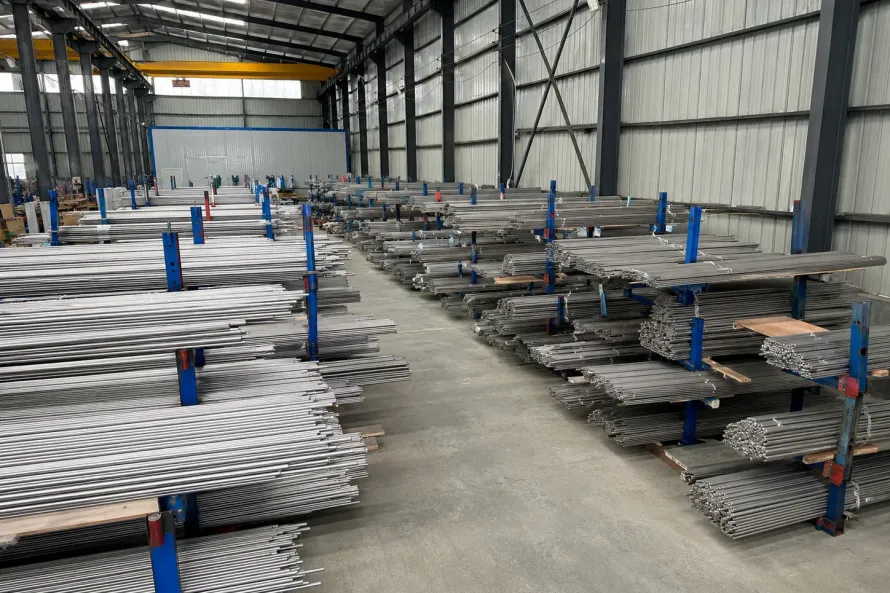
Traditional aerospace structural forgings machined on 5-axis CNC mills routinely turn over 80% of high-grade alloy into chips, yielding buy-to-fly ratios of 8:1 to 15:1. Material waste remains substantial. To curb raw material consumption, the aerospace industry is transitioning complex internal geometries toward metal 3D printing. Technology advances rapidly. Certified partner facilities utilize their 3x VAR high-purity melting lines to produce dedicated AM spherical powder feedstock bars and wires for EIGA and PREP processes. Diameters are held within tight tolerances (≤ 0.15 mm), maintaining ultra-low oxygen chemistry and clean draw-lubricant-free surfaces to support buy-to-fly ratios below 1.5:1. Component yields improve dramatically.
2. Guarding Against Unverified Low-Price Stock Material
In a divided market, distributors occasionally offer Ti-6Al-4V bar at prices well below prevailing rates under the guise of AMS 4928 compliance. Buyers must exercise caution. Discount lots often consist of double-melted commercial stock or unsegregated revert additions that sit near the upper boundary for oxygen and interstitial gases. Operational risks run high. When subjected to high-cycle flight loads, unverified stock can initiate premature fatigue cracks. Failure modes remain dangerous. Procurement teams must demand complete traceability dossiers with heat numbers, full interstitial gas analyses, mechanical test reports, microstructural images, and 100% immersion UT certifications before placing purchase orders. Documentation audits are mandatory.
3. Deploying Agile Prototype Forging and Pre-RFQ Reviews
Relying exclusively on Tier-1 aerospace prime allocations can stall prototype and sub-tier production schedules. Production timing suffers. Leveraging an integrated supply-chain platform connected to certified partner mills enables aerospace machine shops to secure custom-sized aerospace titanium forgings, precision-ground bars, and ring rollings in flexible lot quantities. Production flexibility remains high.
Summary & Complimentary Drawing Review Support
The commercial aviation ramp of 2026 underscores that titanium supply security depends on high-purity melting, microstructural control, and rigorous quality tracking. Technical discipline dictates success.
When planning new aircraft components, precision CNC machining, or additive manufacturing programs, visit /factory/ to examine certified partner manufacturing capabilities. You can also visit /get-quote/ to submit your component drawings and material specifications for a Complimentary Pre-RFQ Drawing & Specification Audit, where engineering teams verify alloy grades, heat treatments, and NDT requirements to ensure timely delivery. Technical teams respond promptly.
Related Products & Services
- Titanium Bars & Wires for AM Powder Feedstock: High-purity ultra-low oxygen Ti-6Al-4V wire and bar.
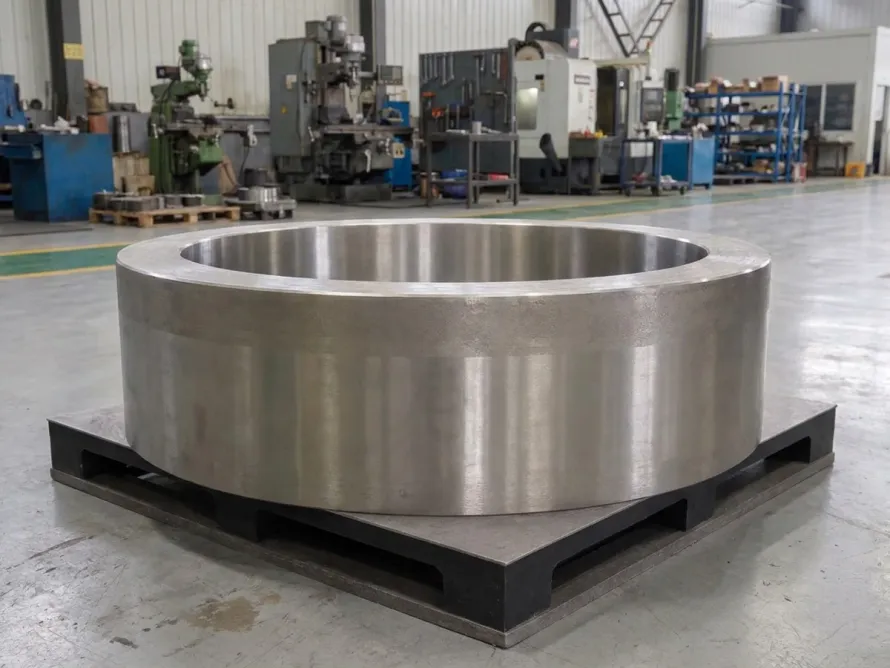
- Aerospace Titanium Forgings & Rings: AMS 4928 compliant open-die forgings and seamless rolled rings.
- Ti-6Al-4V Grade 5 Material Specifications: Baseline aerospace structural titanium alloy.
- Ti-6Al-4V ELI Grade 23 Specifications: Extra-low interstitial alloy engineered for fracture toughness.
Sources
- AMS 4928: Titanium Alloy Bars, Wire, Forgings, Rings, and Drawn Shapes 6Al - 4V Annealed.
- ASTM B348: Standard Specification for Titanium and Titanium Alloy Bars and Billets.
- Boyer, R. R. (1996). An overview on the use of titanium in the aerospace industry. Materials Science and Engineering: A, 213(1-2), 103-114.