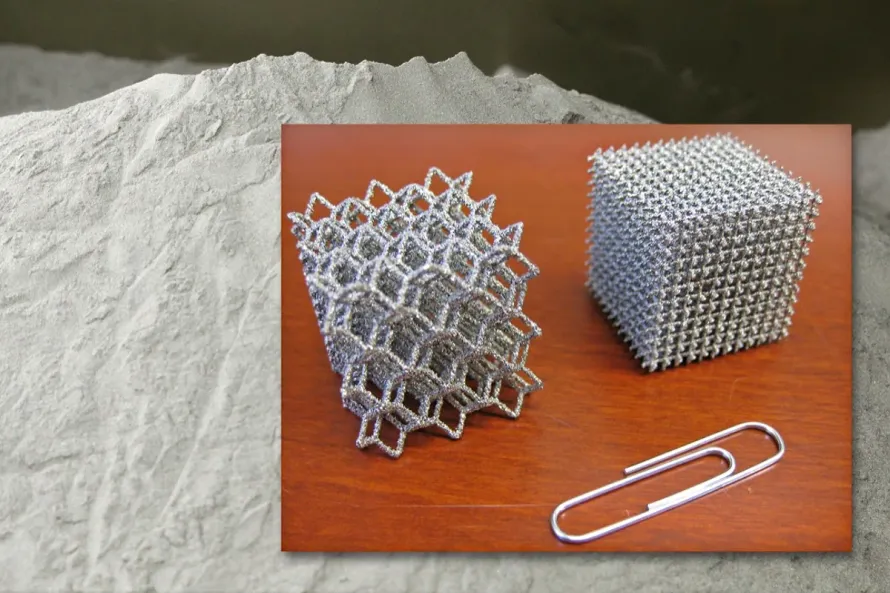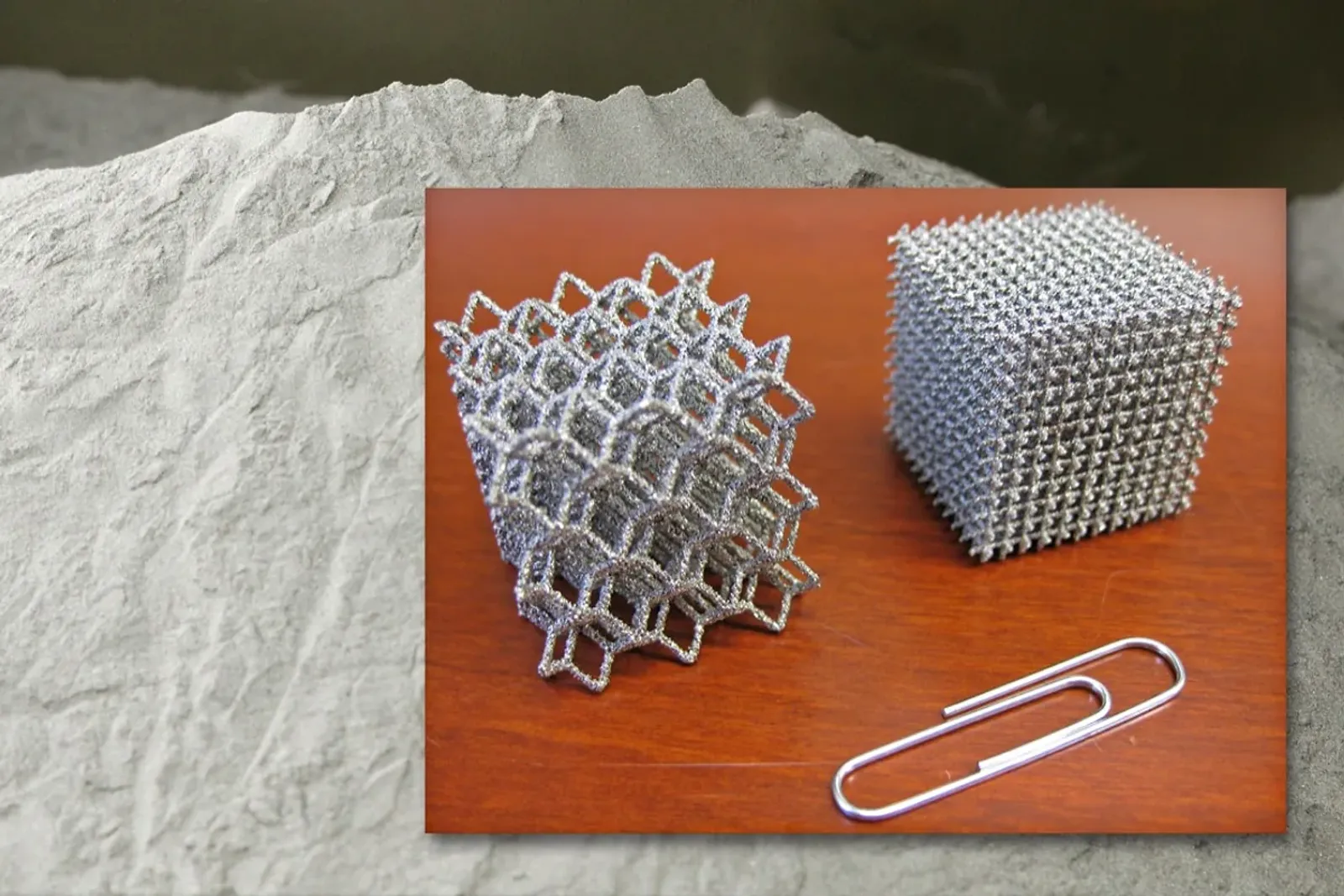
On November 9, 2026, advanced plasma technology developer PyroGenesis Inc. announced a competitive-bid commercial contract with a tier-one global aerospace leader. Under this agreement, PyroGenesis will supply coarse-cut (45–150 μm) Ti-6Al-4V (Grade 5 titanium alloy) spherical powder produced via its patented NexGen™ plasma atomization process for an aerospace research and development program. The contract represents an industry benchmark.
This award closely follows an October 22, 2026 repeat order from a U.S. original equipment manufacturer (OEM) for directed energy deposition (DED) coarse titanium powder. The market signal is unmistakable.
Aerospace supply-chain modernization is accelerating.
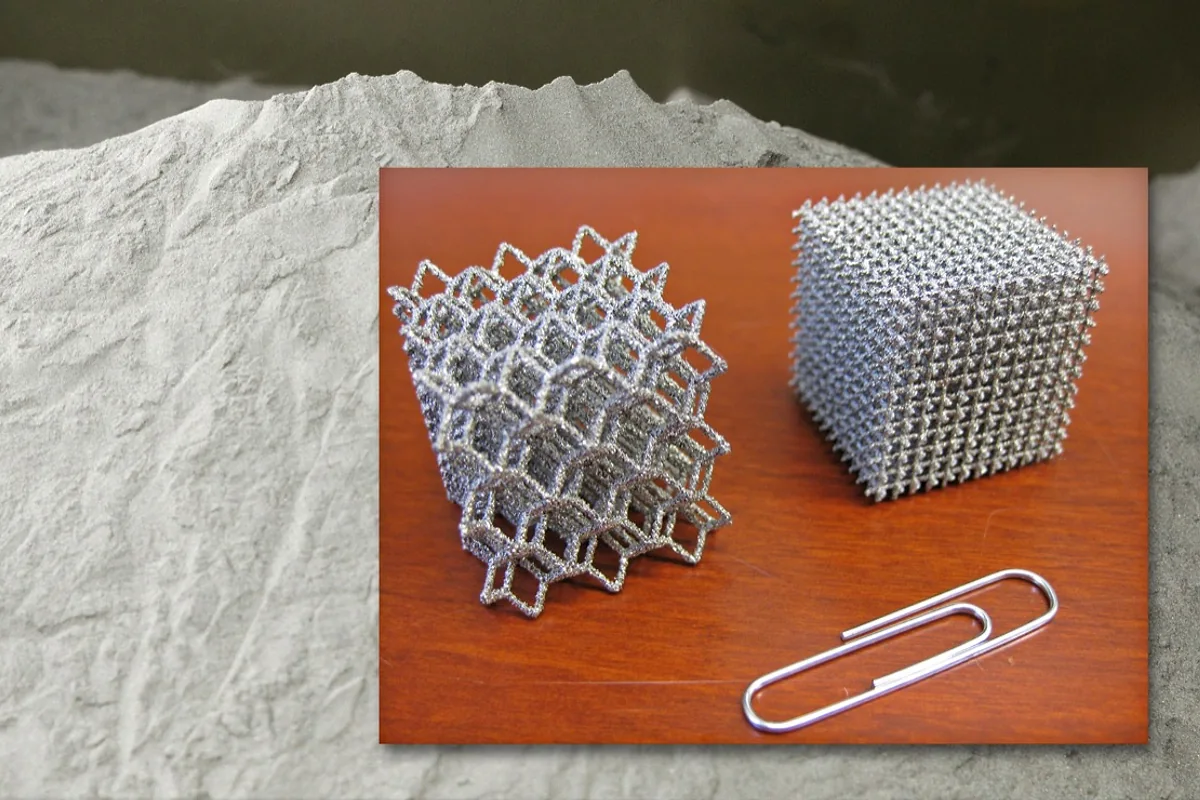
Why Aerospace Additive Sourcing Is Pivoting to 45–150 μm Coarse Powder
For years, industrial additive manufacturing headlines focused primarily on 15–53 μm spherical powders engineered for laser powder bed fusion (LPBF). Technology paths are diverging.
However, when fabricating commercial transport fuselage bulkheads, pylon fittings, and rocket stage adapters, LPBF is constrained by build-chamber dimensions and slow build rates below $0.25\text{ kg/h}$. Build envelopes limit throughput. To produce heavy aerospace structural components weighing tens or hundreds of kilograms, aerospace prime contractors are scaling directed energy deposition (DED / LMD) and wire-arc additive manufacturing.
In multi-kilowatt directed energy deposition systems, 45–150 μm coarse-cut spherical titanium powder offers decisive engineering advantages. Advantages are evident.
- Superior Hall Flowmeter Flowability: Coarse particles exhibit minimal inter-particle friction, ensuring pulse-free delivery through coaxial nozzles under inert carrier gas. Powder delivery remains stable.
- Reduced Interstitial Oxygen Pickup: Specific surface area is substantially lower than 15–53 μm cuts, preventing excessive oxygen absorption around high-energy melt pools. Purity is maintained.
- High Deposition Efficiency: Supported by multi-kilowatt fiber lasers or plasma arcs, DED deposition rates easily reach $2.0\text{ to }10.0\text{ kg/h}$, outperforming powder-bed speeds by more than 20 times. Productivity increases exponentially.
Technical Comparison: DED Coarse Powder vs. LPBF Fine Powder vs. Heavy Die Forgings
When evaluating structural airframe components, engineering teams should evaluate key parameters across manufacturing routes. Contrasts are pronounced.
| Evaluation Metric | DED Coarse Powder (45–150 μm) | LPBF Fine Powder (15–53 μm) | Heavy Hydraulic Die Forgings | Supply Chain & Inspection Focus |
|---|---|---|---|---|
| Primary Process | Directed energy deposition (powder-fed DED) | Laser powder bed fusion (LPBF) | Heavy hydraulic forging + CNC roughing | Process defines preform delivery lead time |
| Deposition Rate | $2.0\text{ to }10.0\text{ kg/h}$ | $0.05\text{ to }0.25\text{ kg/h}$ | Subtractive machining only | Coarse powder suits meter-scale structural frames |
| Buy-to-Fly Ratio (BTF) | $1.5:1\text{ to }2.5:1$ | $1.2:1\text{ to }2.0:1$ | $10:1\text{ to }25:1$ (massive scrap chips) | Additive eliminates high-value titanium waste |
| Production Lead Time | $4\text{ to }8\text{ weeks}$ (near-net-shape preform) | $2\text{ to }4\text{ weeks}$ (small complex parts) | $40\text{ to }52\text{ weeks}$ (forging press queue) | Additive bypasses prolonged forging queues |
| Critical Powder Metrics | Hall flow $\le 30\text{ s}/50\text{g}$, sphericity $\ge 92%$ | Hall flow $\le 25\text{ s}/50\text{g}$, minimal satellites | Ultrasonic testing (UT) per AMS 2631 AA | Verify MTC lot oxygen pickup across runs |
| Target Aerospace Parts | Wing spar ribs, pylon lugs, structural bulkheads | Turbine swirlers, conformal cooling ducts | Engine disks, main landing gear outer cylinders | Correlate cross-sectional fatigue toughness |
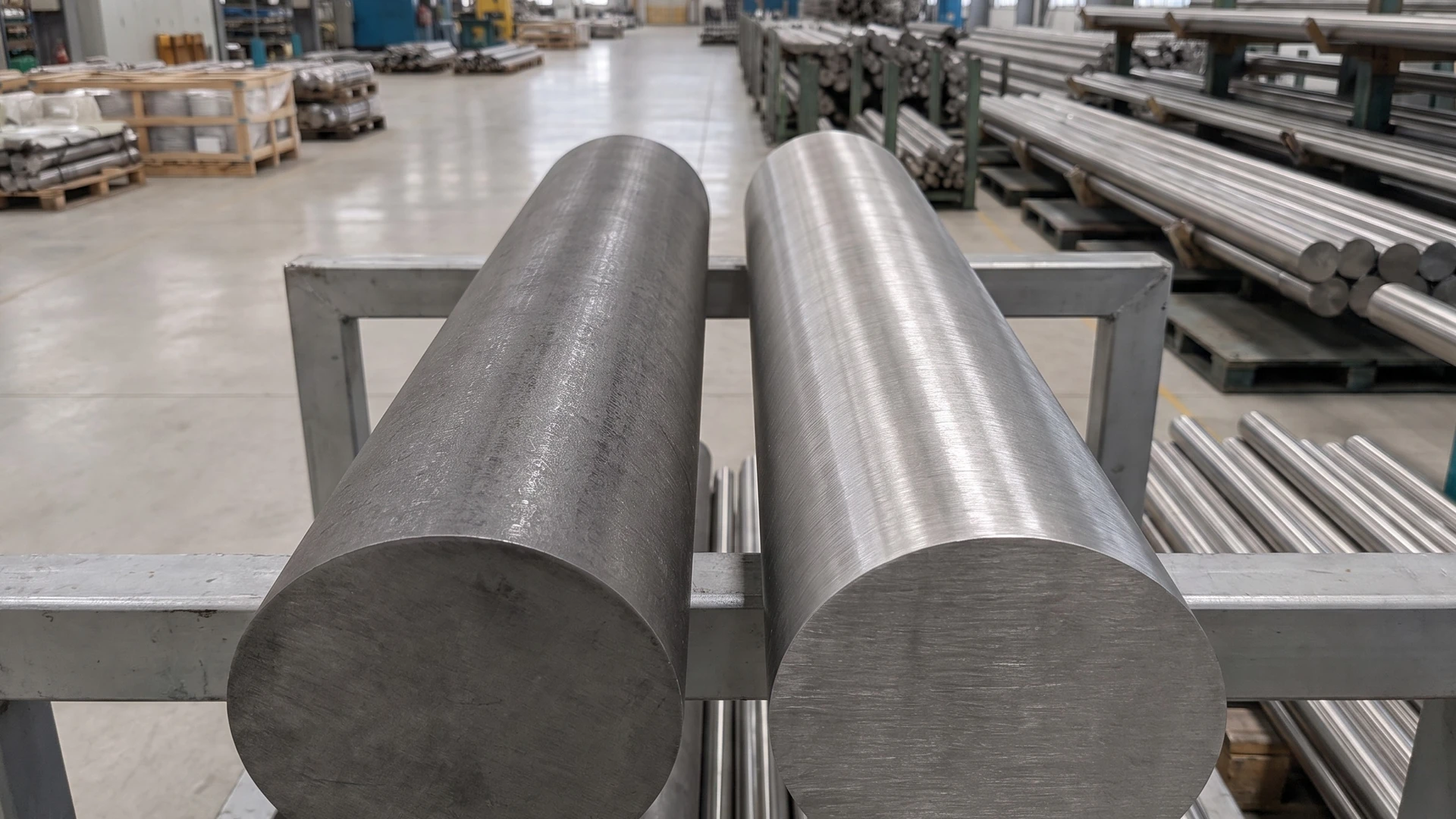
Feedstock Bar Metallurgy: 3x VAR Low-Oxygen Precursor Requirements
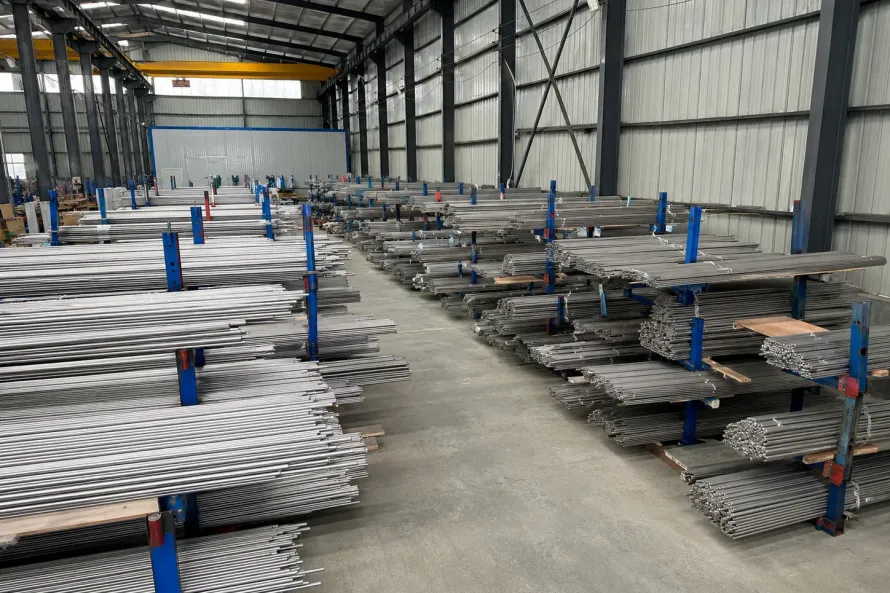
Whether using PyroGenesis NexGen™ plasma torch atomization, electrode induction gas atomization (EIGA), or plasma rotating electrode processes (PREP), atomization equipment cannot refine or deoxidize molten metal. Feedstock quality is paramount.
According to technical baseline data from certified partner facilities, when aerospace Ti-6Al-4V bars are melted by plasma arcs and atomized by inert gas jets, the huge surge in specific surface area inevitably introduces $150\text{ to }300\text{ ppm}$ ($0.015%\text{ to }0.030%$) of interstitial process oxygen. Oxygen pickup requires strict controls.
Consequently, qualified atomization facilities impose rigorous purity standards on precursor AM spherical powder feedstock titanium bars:
- Premium Grade 0 Sponge Charge: Sponge titanium charges must exclusively use low-iron, low-oxygen Grade 0 domestic sponge without recycled scrap blend. Charge discipline is rigorous.
- Triple Vacuum Arc Remelting (3x VAR): Ingots must undergo three sequential VAR melts to ensure microscopic homogeneity of aluminum and vanadium across all axes while eliminating high-density inclusions (HDI) and low-density inclusions (LDI).
- Sub-0.12% Oxygen Baseline: Feedstock precision ground titanium bars must leave the mill with oxygen controlled between $0.10%\text{ and }0.12%$. If feedstock enters atomization near the standard $0.18%$ ceiling, atomized powders and finished additive components will exceed the $\le 0.20%$ maximum limit established by ASTM F2924 and ASTM F3001, causing catastrophic loss of fracture toughness.
Specifications cannot be compromised.
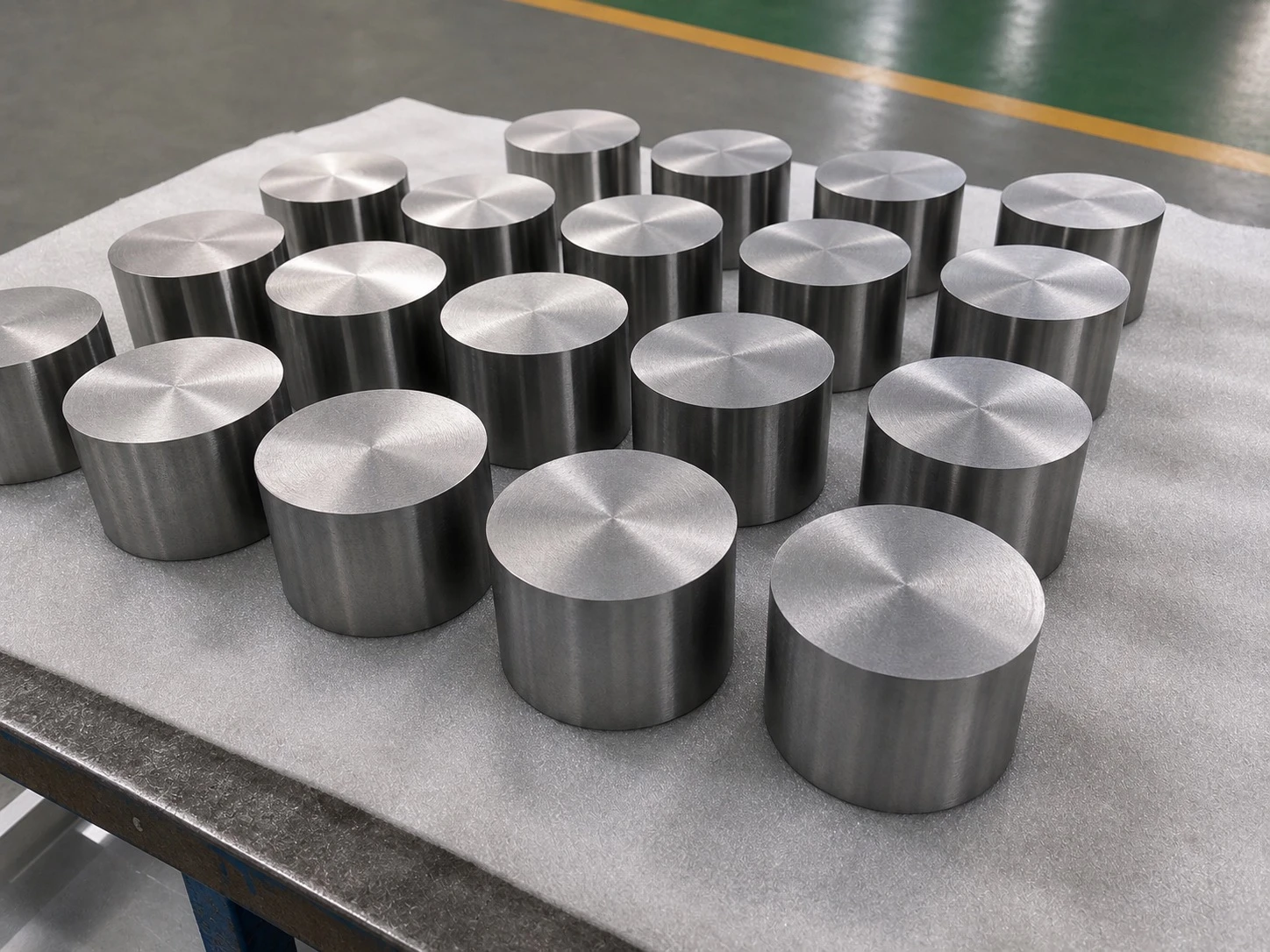
Supply-Chain Perspective: Bypassing the 40–52 Week Forging Bottleneck
Surging commercial narrowbody and widebody build rates have pushed heavy aerospace forging capacity across hydraulic presses over 10,000 tonnes to historic limits. Capacity pressure is severe.
For aerospace procurement coordinators, heavy die-forged titanium components face lead times extending from 40 to 52 weeks, with dedicated hard tooling costing several hundred thousand dollars. Tooling costs are substantial. If flight testing necessitates an engineering change order (ECO), tooling must be completely scrapped.
Direct energy deposition utilizing PyroGenesis coarse-cut powder combined with multi-axis CNC machining offers aerospace prime contractors an agile supply-chain alternative. Economic gains are clear. Tool-less additive manufacturing delivers qualified near-net preforms in 4 to 8 weeks, significantly shortening prototype milestones. Lead-time advantages are substantial. In contrast to milling a 200 kg solid forging billet down into a 15 kg structural bracket, DED compresses buy-to-fly ratios below 2:1, saving valuable titanium alloy stock and reducing machine-shop spindle hours.
As an integrated titanium supply-chain platform working with certified partner facilities, our engineering group supports powder atomizers and aerospace contractors worldwide. Purity traceability is guaranteed.
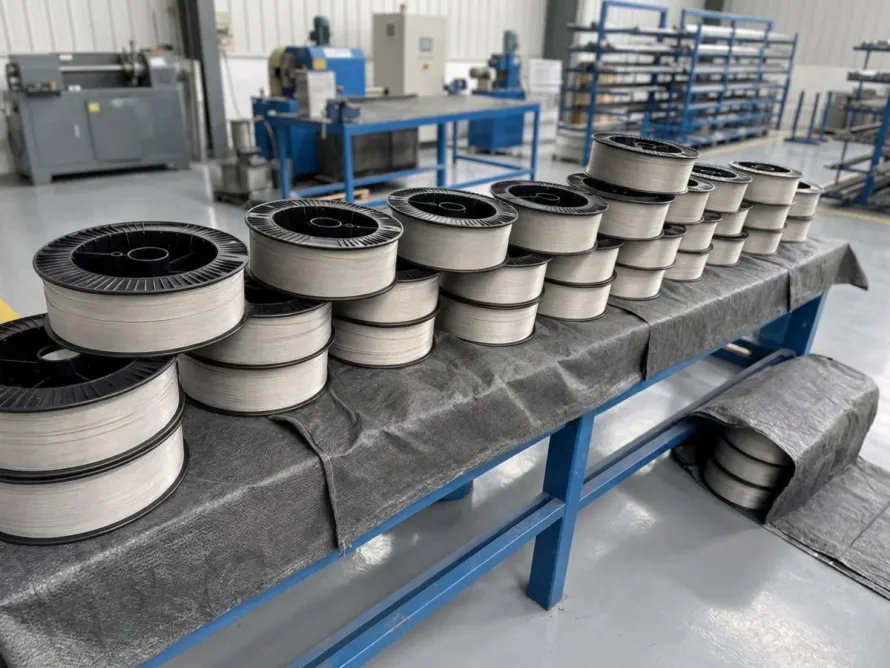
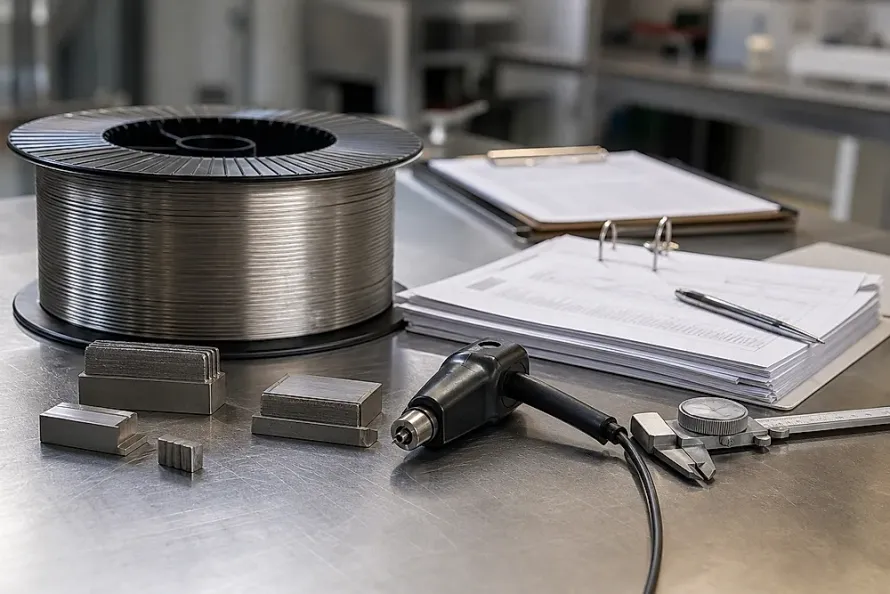
We maintain inventory of low-oxygen 3x VAR feedstock bars and spool-wound wires for additive manufacturing, supported by material test certificate (MTC) documentation with heat-lot traceability. Material traceability is verified. Engineers can submit drawings at /get-quote/ to request specification audits or calculate volume-to-weight conversions at /tools/.