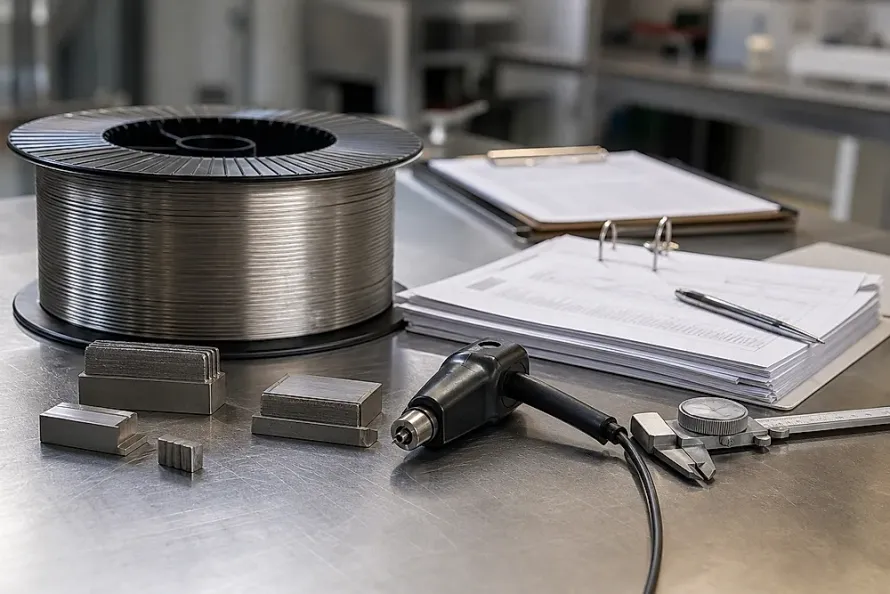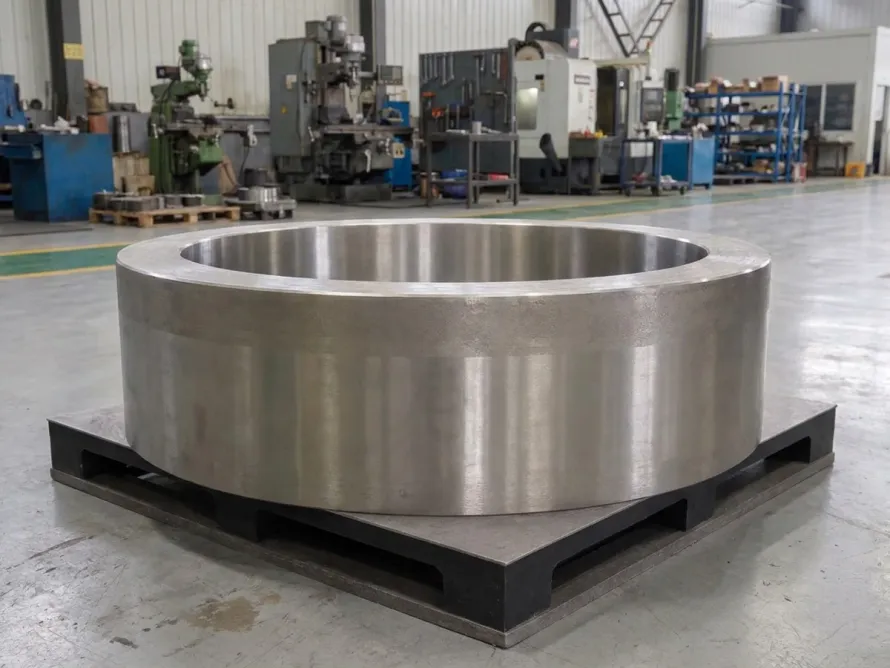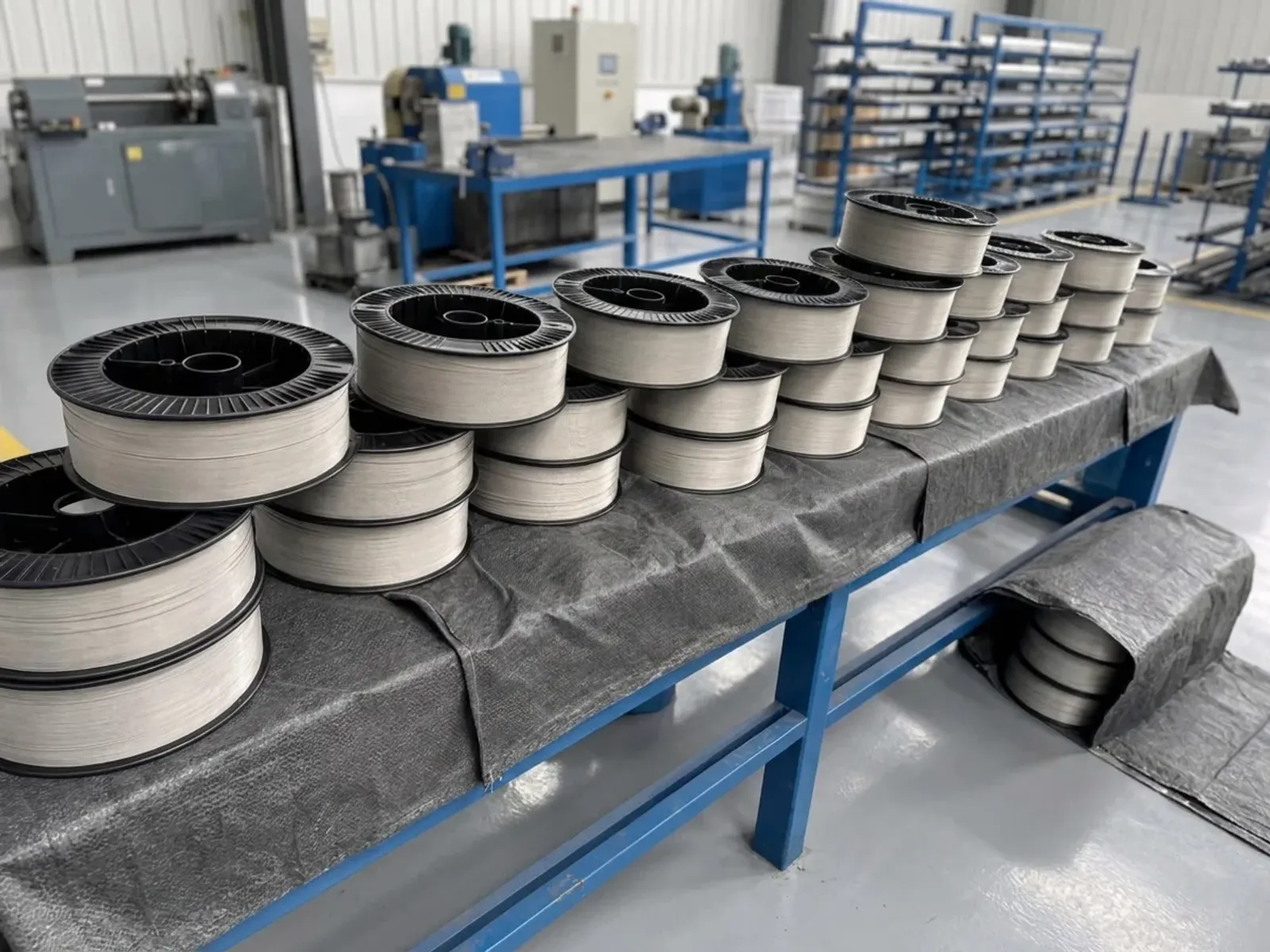
In late October 2026, global commercial aerospace propulsion giant Rolls-Royce Plc issued a landmark additive manufacturing purchase order to Norsk Titanium. Technology reached a breakthrough. The contract covers structural aerospace engine evaluation parts manufactured via proprietary Rapid Plasma Deposition® (RPD®) using Grade 5 (Ti-6Al-4V) alloy wire, while formally approving Norsk Titanium as a qualified supplier for Rolls-Royce development activities.
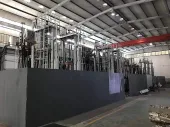
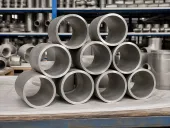
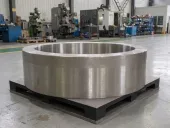
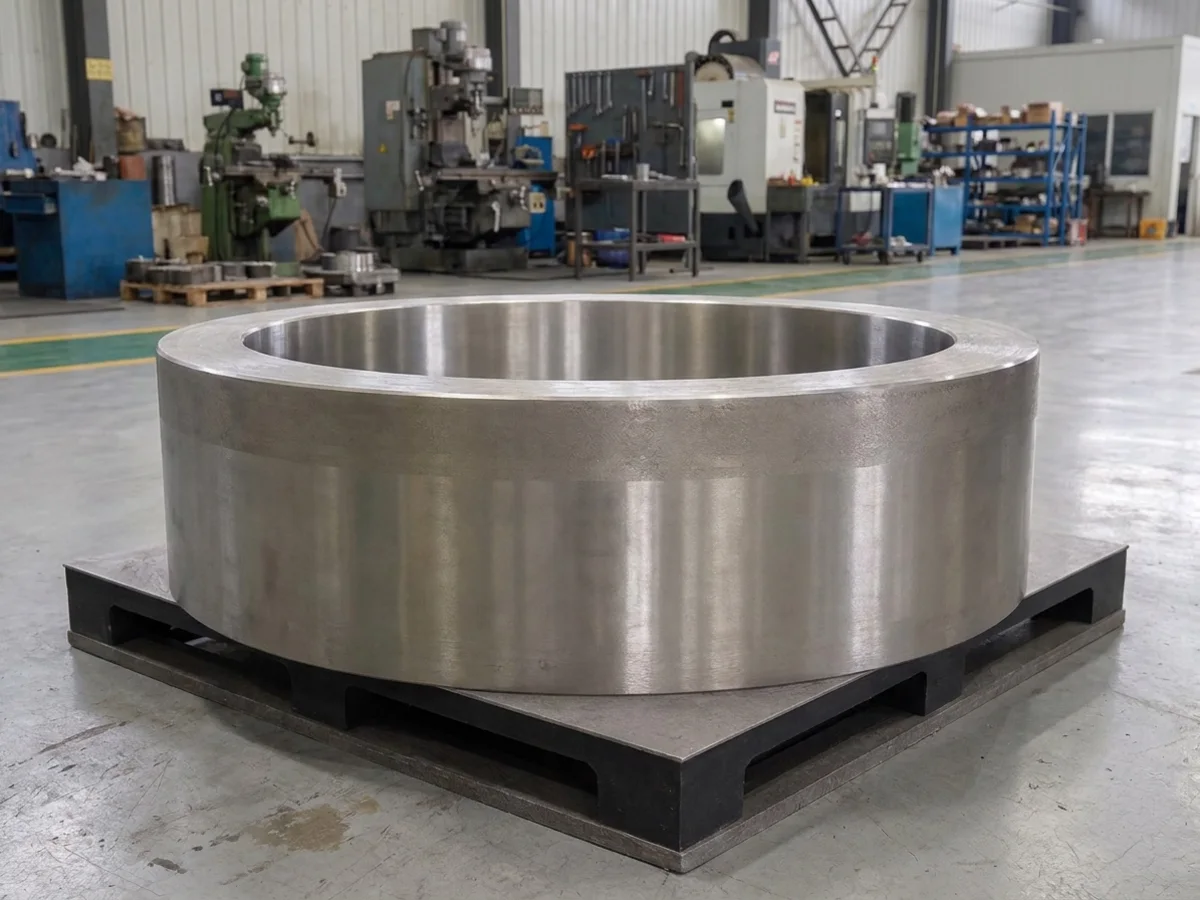 Figure 1: Near-net-shape aerospace Ti-6Al-4V structural component compared with traditional die forgings (wire-DED slashes buy-to-fly ratios below 3:1).
Under this collaborative program, the preform deposition takes place at Norsk Titanium’s engineering center in Hønefoss, Norway, while high-precision five-axis machining is performed across its German partner network. Cooperation is tight. This development signals that commercial aero-engine OEMs are accelerating the transition of heavy structural titanium components away from capital-heavy hydraulic press die forging toward agile wire-based directed energy deposition (DED).
Aerospace Forging Bottlenecks and DED Near-Net-Shape Solutions
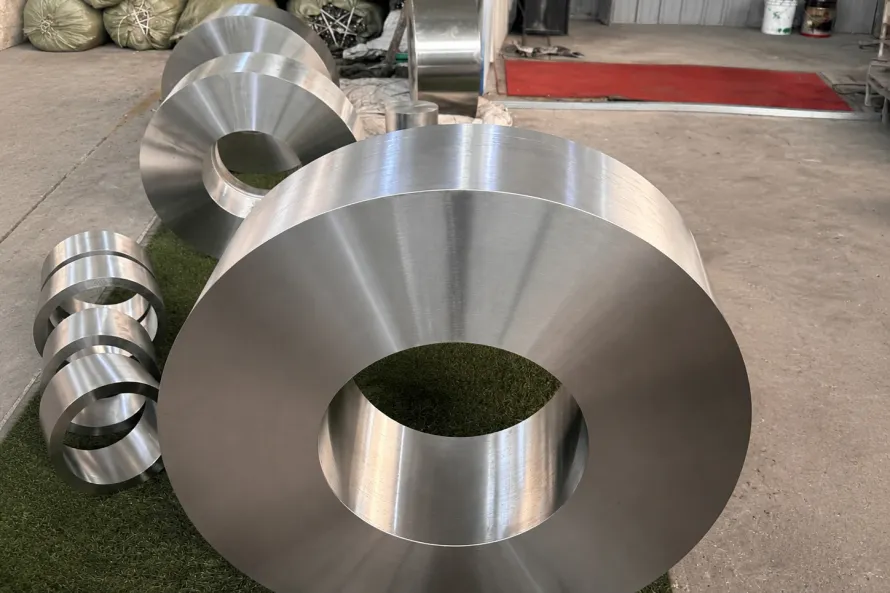
For decades, jet engine fan case mount lugs, casing flanges, and structural brackets have relied on massive titanium forgings. Tooling is extremely expensive. To produce a finished 20 kg titanium structural fitting, engine machine shops routinely purchase over 250 kg of raw forged billet or thick plate, enduring an alarming buy-to-fly ratio between 12:1 and 15:1. Up to 90% of high-grade aerospace titanium turns into machining swarf.
Equally problematic are crippling lead times across the forging supply chain. Heavy titanium die forgings require multi-million-dollar tooling and 40 to 60 weeks from tool kickoff to First Article Inspection (FAI). Lead times are long. As commercial airliner delivery rates ramp up under severe pressure, traditional forging bottlenecks directly threaten final engine deliveries.
Rapid Plasma Deposition operates as an advanced wire-fed directed energy deposition (Wire-DED) process. Utilizing dual plasma torches under inert argon shielding, it melts continuously fed titanium wire along 3D CAD toolpaths to build near-net-shape preforms layer by layer. Material yield is high. This process collapses the buy-to-fly ratio down to 2:1 to 3:1, slashes raw material waste by 70%, and compresses preform delivery lead times down to 8 to 12 weeks. Lead times drop dramatically.
Baoji Feedstock Quality Control: Low-Oxygen Wire and Straightness Redlines
Wire-feed additive manufacturing is far more demanding than ordinary welding. Standards are uncompromising. Aero-engine structural parts demand zero macro-defects and high fatigue strength. In continuous plasma molten pools, liquid titanium exhibits intense affinity for ambient interstitial gases.
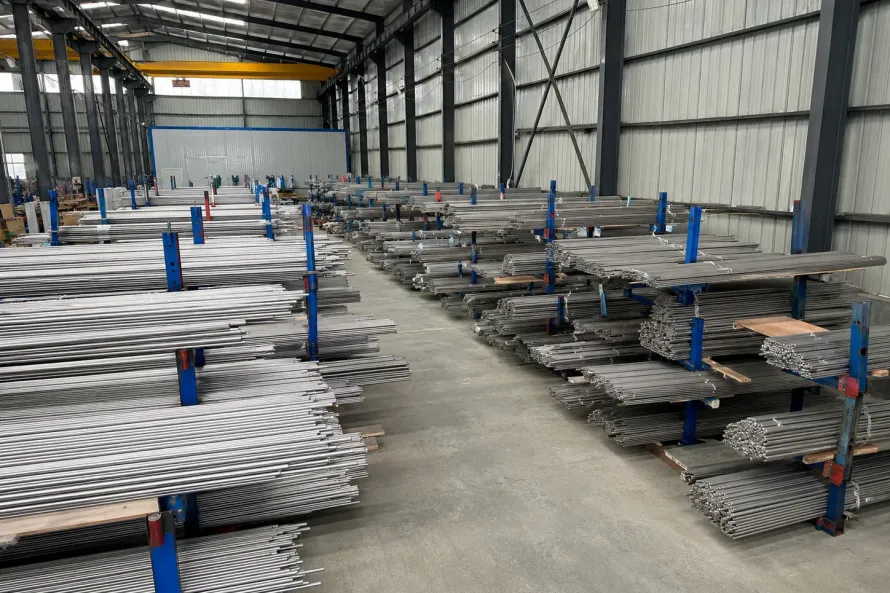
Operational data from Baoji specialized alloy wire processing facilities highlights these strict parameters (Evidence: oe_v1_c3425941edf49e2154c3f56c): for Wire-Arc Additive Manufacturing (WAAM) and wire-based plasma DED, additive manufacturing titanium feed wire requires continuous, fully enclosed, oil-free cold drawing. Drawing is crucial.
- Interstitial Element Thresholds: Strict argon shielding and continuous vacuum bright annealing lock oxygen content at O≤0.13% and residual hydrogen at H≤0.003%, prohibiting lubricant carbon residue to eradicate melt spatter and micro-fissures;
- Feeding Straightness & Jamming Prevention: Spooled wire from 0.8mm to 3.2mm in diameter undergoes online eddy-current inspection and multi-roll precision straightening to eliminate residual spring-back, guaranteeing zero wire-feeder jamming across hours of robotic deposition.
At the melt ingot stage (Evidence: oe_v1_1aa4a081c03e4b742d4d2726), aerospace-grade Ti-6Al-4V demands triple vacuum arc remelting (3x VAR). Melting is key. Multiple vacuum remelting passes eradicate low-density inclusions (LDI) and high-density tungsten inclusions (HDI), adding approximately $1.5 to $2.5 per kg to provide homogeneous metallurgy for subsequent Hot Isostatic Pressing (HIP).
Technical and Economic Comparison of Titanium Aero Structural Routes
To assist aerospace procurement leads in evaluating manufacturing trade-offs, the following engineering matrix contrasts three primary production routes for large Ti-6Al-4V airframe and engine hardware. Comparisons are stark.
| Evaluation Metric | Closed Die Forging | Wire-Fed DED (RPD / WAAM) | Subtractive CNC Billet Milling |
|---|---|---|---|
| Typical Buy-to-Fly Ratio | 10:1 to 15:1 (heavy machining volume) | 2:1 to 3:1 (near-net-shape deposition) | 15:1 to 25:1 (hogged out from thick plate) |
| First Article Lead Time | 40 to 60 weeks (die manufacturing dependency) | 8 to 12 weeks (digital CAD-to-part deposition) | 16 to 24 weeks (raw plate stock & machining hours) |
| Initial Tooling Investment | Extreme ($150,000–$500,000 per die set) | Minimal (flexible fixture clamping only) | Low (standard CNC machine workholding) |
| Microstructure & Performance | Continuous flow lines, isotropic, highest fatigue | Columnar prior-beta grains, requires HIP | Homogeneous stock, but high machining distortion |
| Primary NDT Inspection Focus | Forging laps and internal un-bonded inclusions | Inter-pass lack of fusion and porosity via CT | Residual stress distortion and machining notches |
Technology progresses fast. While heavy die forgings retain their supremacy in life-critical rotating turbine disks, wire-DED is rapidly displacing forgings across stationary engine brackets and external structural mounts.
Supply Chain Quality Auditing for Aerospace Additive Parts
The Rolls-Royce purchase order demonstrates that tier-one propulsion manufacturers are transitioning additive technology from laboratory testing into commercial service. Requirements are rigorous.
When sourcing additive titanium preforms or machined components, aerospace procurement teams should implement three quality verification gates. Rigor prevents failure.
- Trace Triple-VAR Ingot Pedigree: Reject commercial scrap-melted feed wire. Raw material must be backed by an EN 10204 3.1 Mill Test Certificate (MTC) documenting 3x VAR melt heat numbers and trace interstitial gas testing.
- Mandate Hot Isostatic Pressing (HIP): Wire-DED preforms must undergo HIP thermal treatment at 900–920°C and 100–120 MPa to heal internal gas micro-voids, restoring elongation above 10%.
- Coordinate Five-Axis CNC Machining Offsets: Due to characteristic weld bead surface ripple, preforms require 1.5mm to 3.0mm of single-side machining stock to prevent un-machined as-deposited surface remnants.
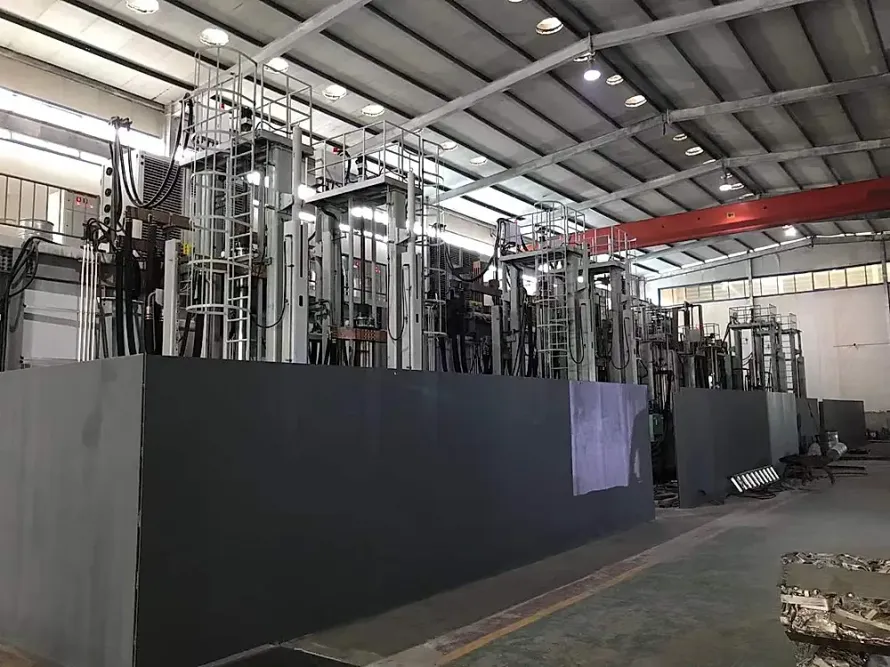
To inspect vacuum melting furnaces, cleanroom wire drawing cells, and ultrasonic testing equipment, visit our Baoji consortium manufacturing and testing facility. Engineers seeking alloy selection advice or pre-RFQ drawing reviews can consult with our chief metallurgist via our official technical RFQ desk.