Entering early November 2026, the global titanium supply chain has transitioned from third-quarter sideways consolidation into a cost-push pricing cycle driven by upstream raw material inputs. International market indicators show benchmark spot quotations for high-grade titanium sponge rebounding to approximately $7,516 per metric ton (scaling to roughly $7,806 per metric ton for high-purity grades). Cost support is firm. This upward movement does not reflect sudden demand surges in downstream industrial sectors; rather, it is compressed by rising prices for magnesium reducing agents alongside regional industrial electricity tariff adjustments. Cost pressures transmit quickly.
In response, primary melting and rolling facilities are tightening commercial terms across downstream mill products. In addition to passing through 2% to 4% cost adjustments on Grade 5 (Ti-6Al-4V) bars and heavy structural plate, processors are compressing formal commercial quote validity windows from the historical 30-day baseline down to 7 to 14 days, with urgent spot inquiries restricted to just 5 days. Quoting windows are narrowing. B2B procurement teams must understand the physical lag governing raw material pass-through and implement defensive sourcing protocols to protect project budgets and delivery milestones. Prudent planning is essential.
The Physical Time Lag: Why Mill Quotes Trail Sponge Volatility by 1 to 3 Weeks
Procurement officers frequently encounter two puzzling scenarios during commodity shifts: why mill quotations do not jump immediately after news of a sponge price hike breaks, and why plate and bar quotes continue rising after spot sponge has stabilized. Timing disconnects are common. This phenomenon stems directly from the non-compressible manufacturing throughput time required to convert porous sponge into aerospace-grade or chemical-grade mill stock. Heavy metallurgy takes time.
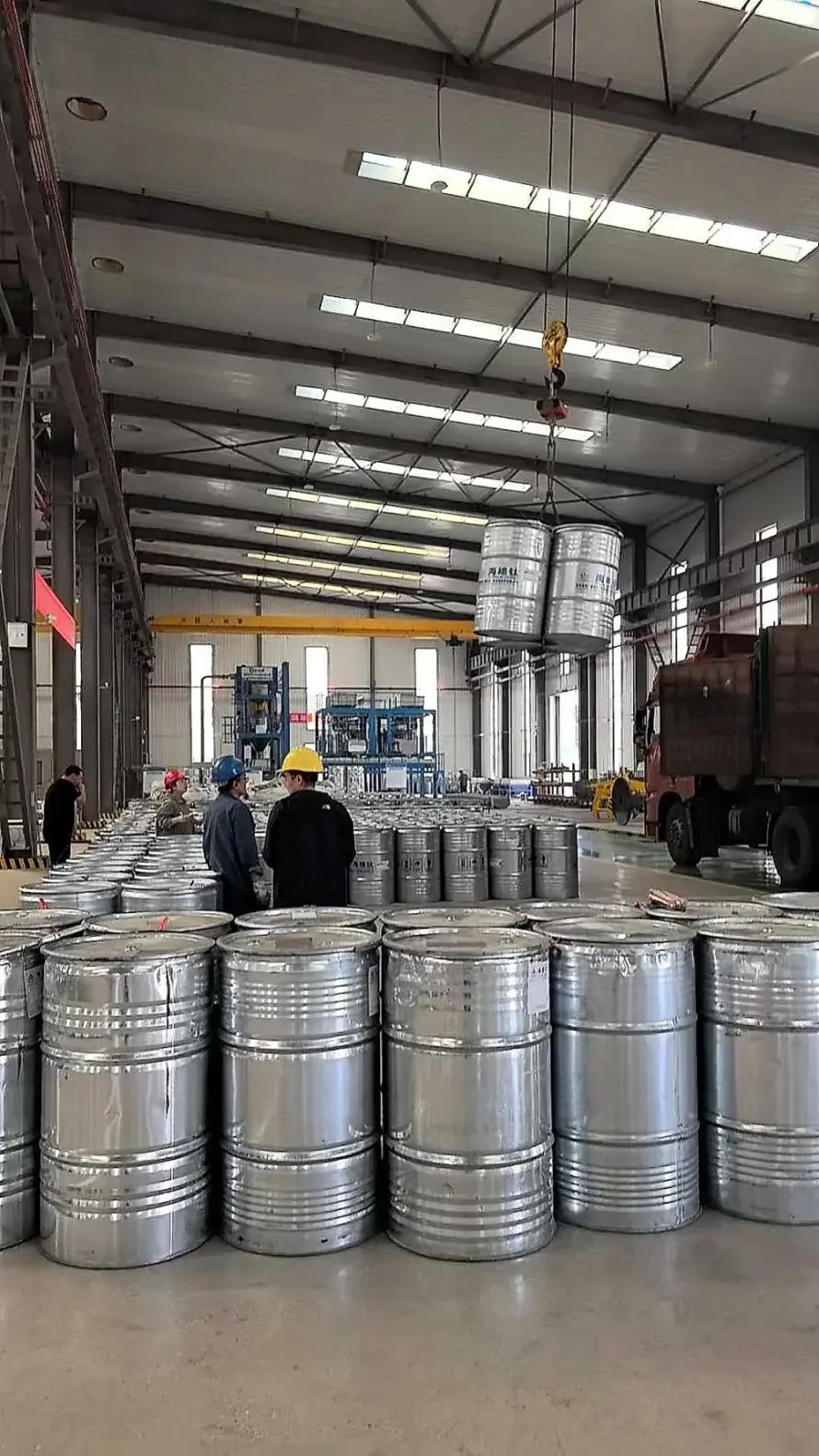
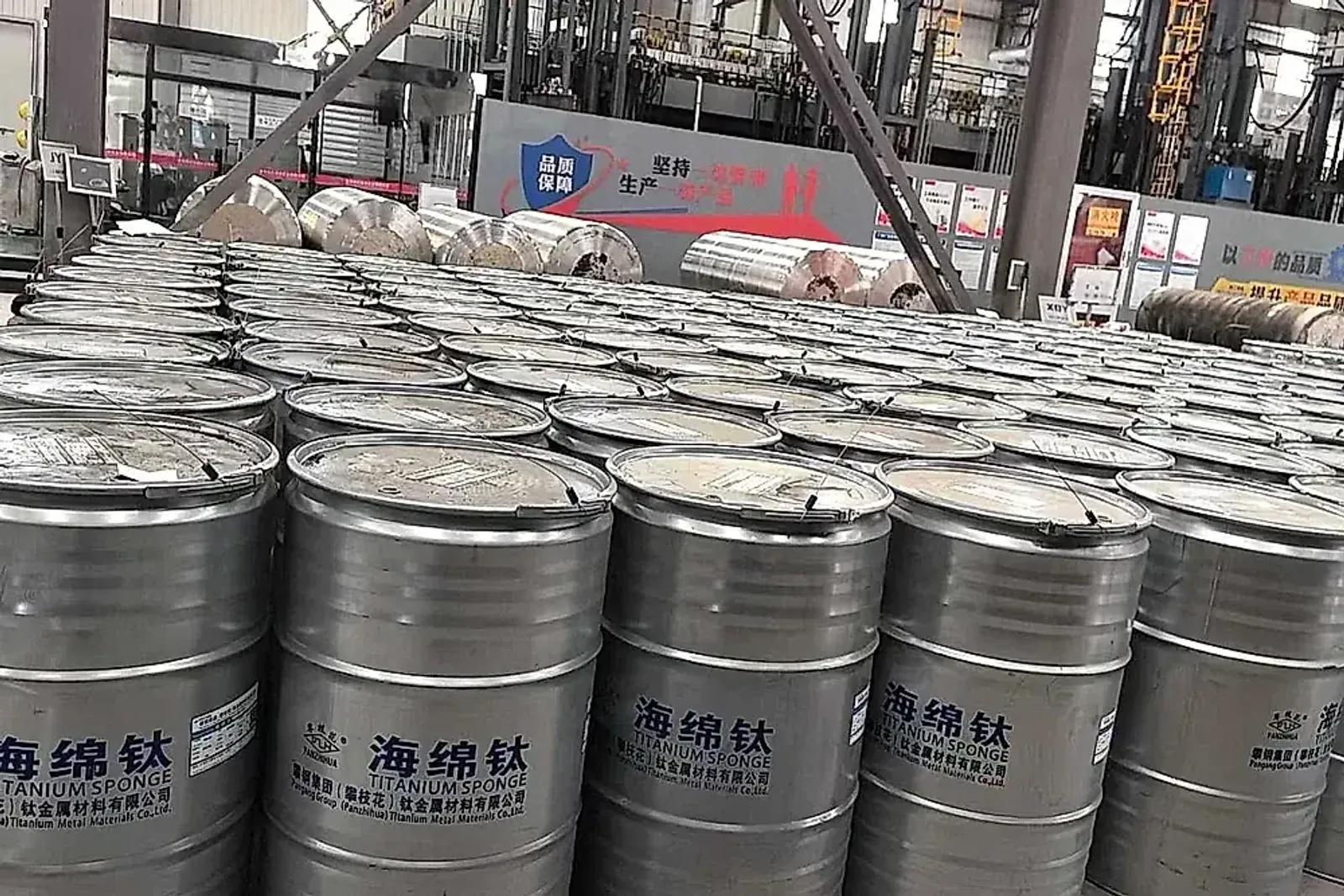
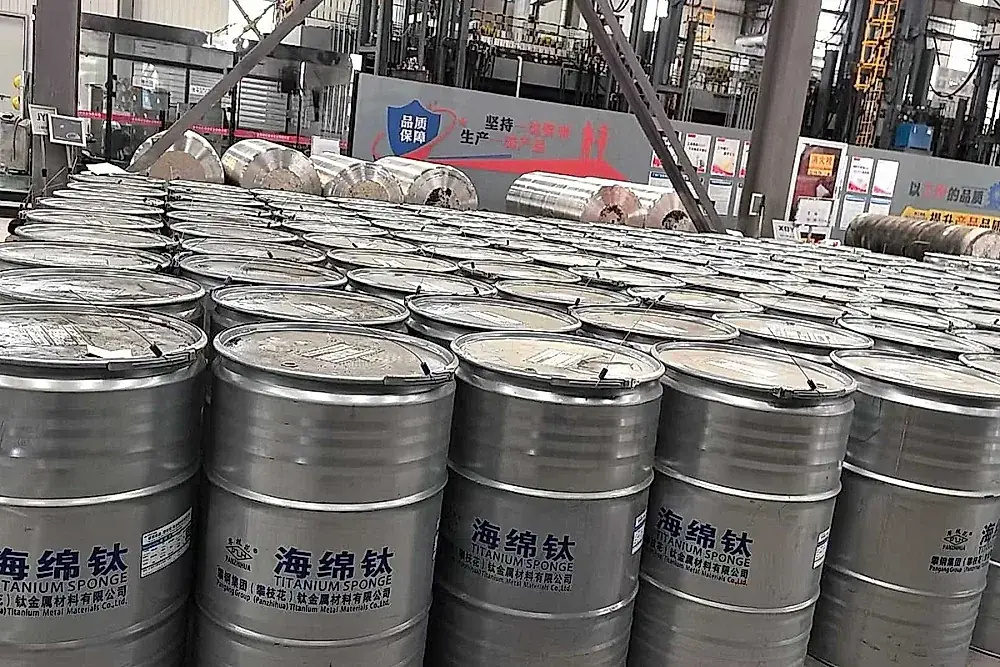 Figure 1: Argon-purged steel drums containing certified titanium sponge segregated by producer heat lots, preserving interstitial chemistry and full heat traceability.
Operational data from certified partner processing platforms indicate that sponge price fluctuations typically require a 1-to-3-week lag (spanning 7 to 21 calendar days) to propagate into billet and finished mill products: The cadence is fixed.
- Electrode Compacting and Vacuum Arc Remelting (VAR, 5–7 Days): Titanium sponge cannot be poured directly into conventional furnaces. Raw sponge must be weighed against strict chemical limits (utilizing 0-grade and 1-grade feedstocks), blended with high-purity aluminum and vanadium master alloys, hydraulically compacted into dense briquettes under thousands of tons of pressure, and welded into continuous consumable electrodes. Producing a sound ingot requires 2 or 3 successive VAR remelts to ensure chemical homogeneity, requiring nearly a full week of furnace capacity. Melting standards are strict.
- Ingot Peeling and Billet Cogging (5–10 Days): As-cast ingots carry surface chill defects and coarse dendritic skin that must be lathe-peeled (removing 0.3% to 0.8% of the surface layer). Ingots are then heated below the beta transus and transferred to open-die forging hydraulic presses for repeated upset-and-draw cogging passes to break down coarse cast grain structures into rectangular rolling slabs or round forging billets. Forging consumes machine hours.
- Finish Rolling and Non-Destructive Testing (4–7 Days): Billet stock is rolled into plate, sheet, or bar form on continuous or sheet mills, followed by vacuum annealing to relieve residual rolling stress, roll straightening, chemical descaling, and 100% ultrasonic non-destructive testing. Testing cannot be bypassed.
Because mills process work-in-progress inventories purchased at earlier average input costs, initial spot sponge increases are absorbed by existing buffer stock. Inventories dampen spikes. Once existing feedstock batches are depleted and replenished at current market rates, finished mill product quotes adjust in a single stepped correction. Price adjustments step up.
Pass-Through Sensitivity and Quote Validity Windows Across Titanium Product Forms
Varying degrees of processing complexity and value-added manufacturing determine how sensitive different titanium forms are to raw sponge cost movements. Product structures differ widely. Understanding this distribution allows buyers to evaluate supplier price adjustments objectively:
| Product Form | Representative Dimensions | Raw Material Share (Sponge & Alloys) | Cost Transmission Lag | Typical Quote Validity Window (Nov 2026) | Strategic Procurement Recommendation |
|---|---|---|---|---|---|
| Heavy Plate & Large Forgings | Thickness ≥ 20 mm plate, seamless rolled rings | 55% to 70% (Extremely High) | 1 to 2 Weeks | 5 to 7 Days | Highly vulnerable to raw sponge swings; lock ingot batch reservations upon drawing approval |
| Hot-Rolled & Peeled Bar | Diameter 20–150 mm ASTM B348 Titanium Bar | 45% to 60% (High) | 1 to 2 Weeks | 7 to 10 Days | Prioritize standard diameter stock peeled from warehouse master bars to bypass ingot lead times |
| Seamless Heat Exchanger Tubing | ASTM B338 Titanium Tubes (OD 19/25 mm) | 35% to 45% (Moderate) | 2 to 3 Weeks | 10 to 14 Days | High cold-rolling and heat-treatment share; verify tube hollow billet availability in advance |
| Ultra-Thin Foil & Precision Strip | Thickness 0.01–0.05 mm Sendzimir foil | 15% to 25% (Low) | 3 to 4 Weeks | 14 to 30 Days | Value driven by 20-high cold rolling and vacuum bright annealing; pricing remains largely insulated |
The Low-Price Trap: Risks of High-Oxygen Scrap and Revert Blending
During cost-push cycles when benchmark mills raise prices, the spot market frequently sees anomalous low-cost quotes surface from non-qualified sources. Cheap quotes allure buyers. These unrealistic discounts almost invariably point to covert material substitution: blending uncleaned, unverified titanium scrap (revert turnings and industrial offcuts) into the melt charge. The quality risks are severe.
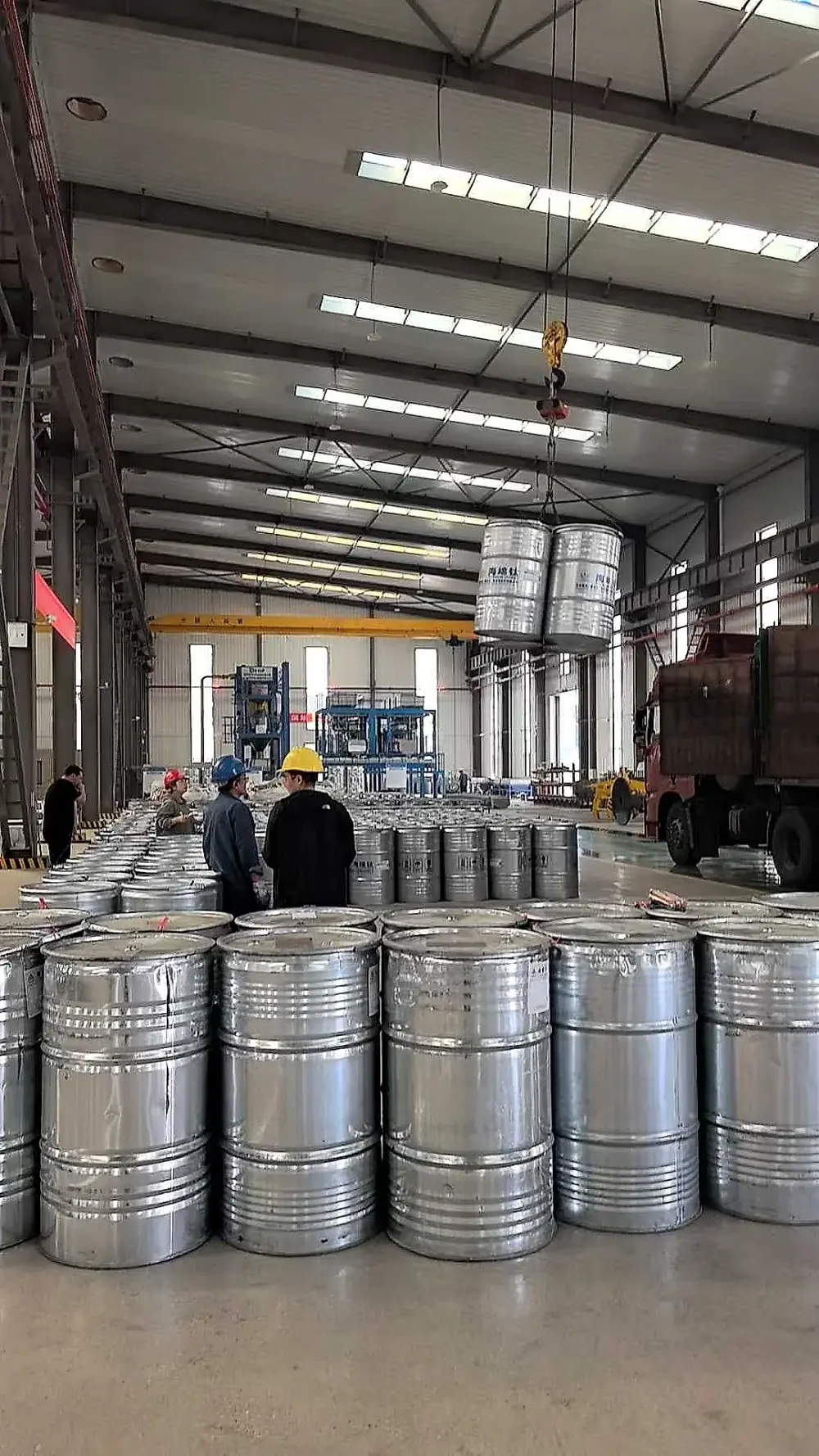 Figure 2: Industrial Kroll process vacuum distillation facility producing high-purity virgin titanium sponge, preventing uncontrolled scrap contaminants from compromising aerospace alloys.
Quality audits show that certified processing facilities supplying industrial titanium plates and flight-critical bars strictly consume virgin Kroll-process 0-grade and 1-grade sponge. Chemistry governs performance. When unauthorized workshops blend oily machine chips or unverified scrap into consumable electrodes to cut costs, the following irreversible metallurgical defects occur:
- Interstitial Oxygen (O) and Nitrogen (N) Contamination: Machine turnings exposed to cutting fluids and air carry heavy surface oxide and moisture films, driving oxygen content in the remelted ingot past 0.25% or even 0.35%. While surface hardness and nominal tensile strength increase, tensile elongation plummets from normal values above 20% down below 8%, causing catastrophic brittle cracking during stamping, roll forming, or cold bending. Ductility is severely compromised.
- Hard-Alpha and High-Density Inclusions: Carbide tool fragments and nitrided turnings trapped in unclassified scrap fail to dissolve completely during routine VAR melting, creating hard-alpha inclusions (HDI) or low-density inclusions (LDI). These metallurgical discontinuities act as primary fatigue crack initiation sites in dynamic aerospace components and high-pressure chemical reactors. The risk cannot be ignored.
- Broken Heat Traceability: Legitimate shipments must be accompanied by an MTC detailing heat-specific chemical and mechanical test results tied to the melt lot. Scrap-heavy ingots lack authentic furnace melting logs and fail independent chemical spectroscopy and metallographic cross-section audits. Paperwork fails verification.
Defensive Procurement Protocols for Volatile Raw Material Cycles
To maintain project budgets and schedule certainty against compressed quote validity windows, procurement organizations should adopt proactive sourcing controls: Proactive strategy is critical.
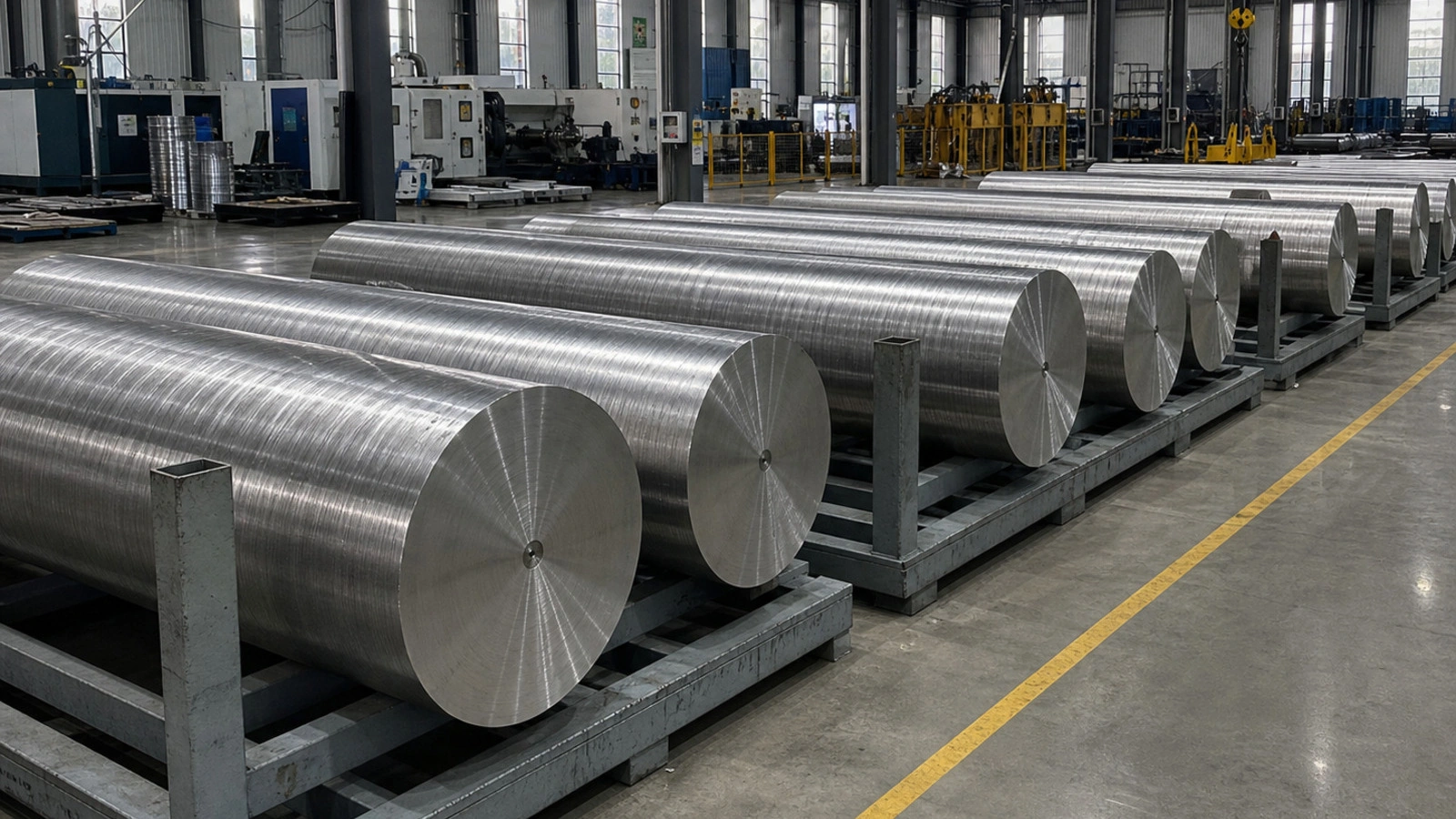 Figure 3: Every packaged titanium bundle bears verifiable melt heat numbers and grade tags matching the accompanying material test certificate (MTC).
- Standardize on Nominal Mill Dimensions: Whenever engineering design allows, specify standard plate thicknesses (such as 4 mm, 6 mm, 8 mm, and 10 mm) and standard tube diameters. Standard sizes are supported by master stock held at integrated supply chain platforms, allowing immediate cutting without waiting for new ingot melt campaigns during rising price cycles.
- Implement Staged Confirmation and Reservation Agreements: For ongoing capital projects, establish framework agreements with formula-based price adjustment clauses tied to independent sponge indices. Lock baseline ingot capacity for the initial production run with an advance commitment while establishing fixed lead times for subsequent releases.
- Mandate MTC Heat Traceability and Third-Party Chemical Verification: Inspect every material test certificate (MTC) for genuine melt heat numbers, multi-point interstitial gas chemistry, and tensile data. For mission-critical lots, retain independent third-party laboratories to perform confirmatory testing on oxygen and nitrogen before releasing final payments. Rigorous verification is vital.
Before issuing formal RFQs, engineering teams can calculate gross raw material weights using the site’s engineering calculation and unit weight tools; or submit part drawings and material specifications directly to the complimentary drawing review and quotation channel to identify the most stable stock configurations and reliable furnace schedules.