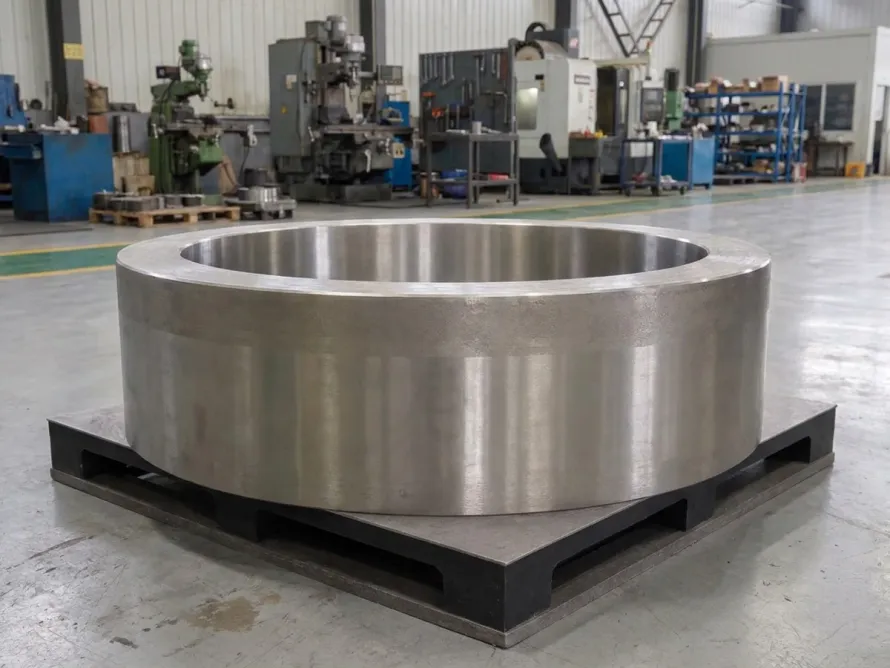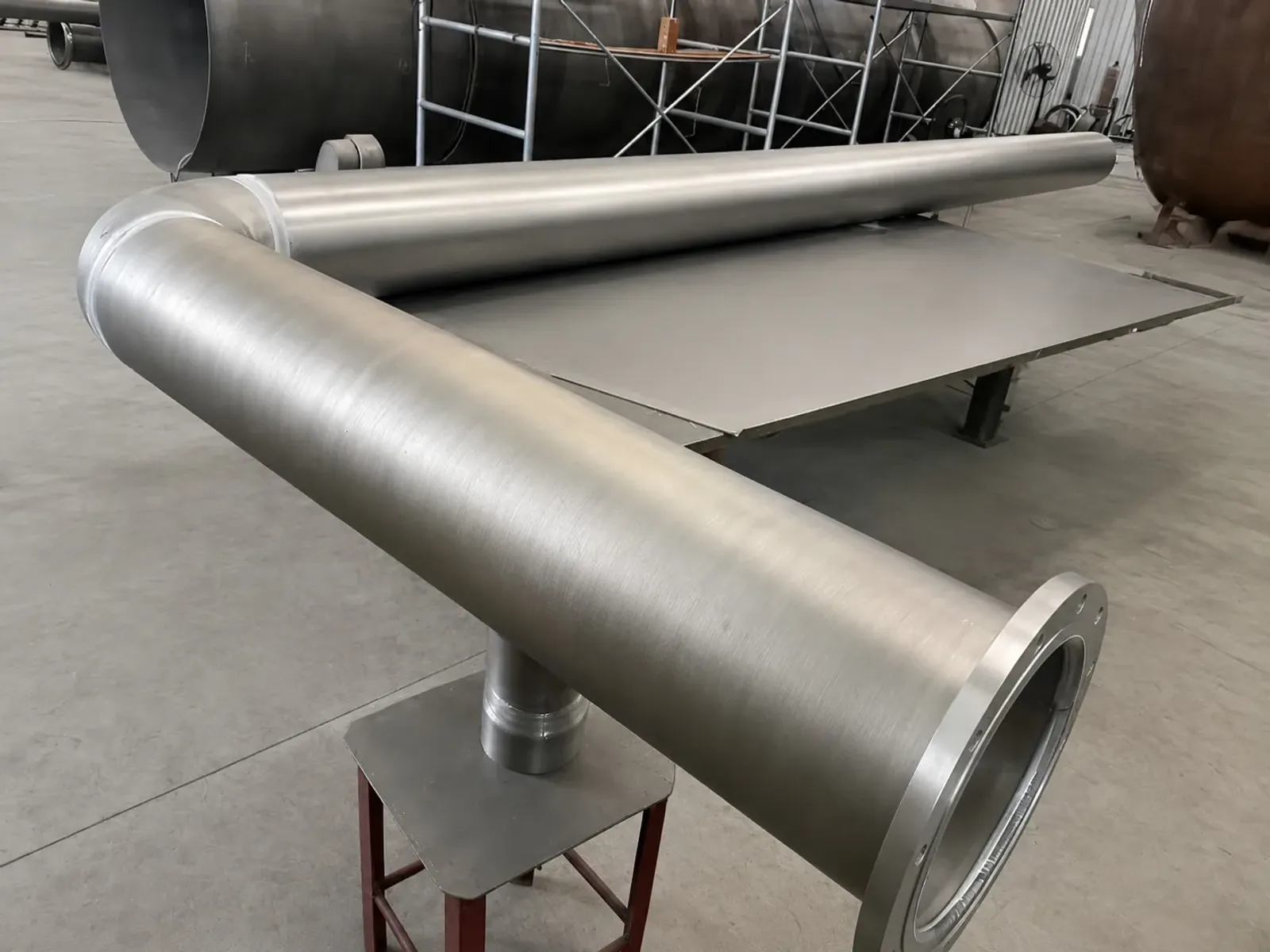
Illustrative fabricated titanium pipe component—not the F-110 duct named in the SAM.gov notice.
The October 26 SAM.gov posting is an active presolicitation, not an award or purchase order, for a titanium exhaust duct used in the F-110 engine afterburner. The notice identifies a potential quantity range and monthly delivery language, but it also states that qualification requirements and export controls apply and that any government obligation depends on appropriated funds.
- Potential quantity: line item 0001 is stated as one each, with a minimum of one and a maximum of five.
- Delivery language: the notice calls for one each per month beginning on or before January 30, 2027.
- Commercial boundary: the posting is still a presolicitation. It does not establish an award, an obligated quantity, a contract value or available funding.
The notice defines a component and a planning range
The official record is Notice ID SPRTA127R0092, titled “Duct Exhaust Aircraft.” It was first published on October 26, 2026, and the record labels it “Presolicitation (Original).” Its item description identifies titanium as the material, an afterburner exhaust duct as the function and the F-110 as the engine application.
For line item 0001, the notice gives one each with a minimum of one and a maximum of five. That range is useful for opportunity screening, but it is not booked demand. A presolicitation can be followed by a solicitation, amendment, cancellation or award with different legally controlling terms.
Monthly delivery language is not an awarded schedule
The record states a required delivery rate of one each per month beginning on or before January 30, 2027. Suppliers can use that statement to test whether their routing, inspection and lead-time assumptions deserve further work. They should not treat it as a production release.
There is no award in the frozen record. The notice also says the government’s obligation is contingent on appropriated funds being available. Until a solicitation and award establish the controlling quantity, price, funding and delivery terms, the monthly language remains a proposed requirement rather than a committed order.
Qualification is a separate gate from machining capability
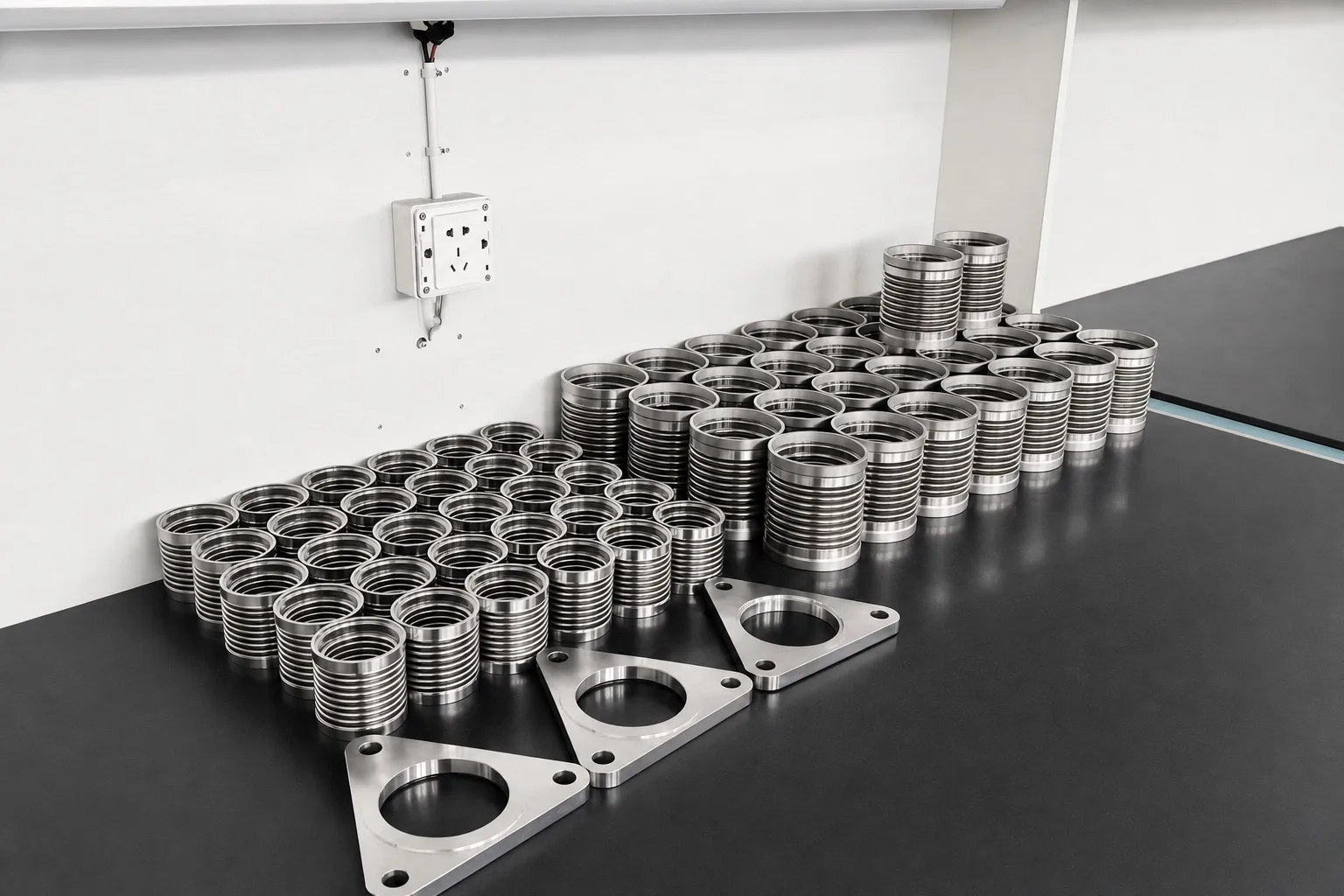
Illustrative components on a workbench; qualification terms must be verified in the controlling procurement documents.
The posting explicitly marks qualification requirements and export-control requirements as applicable. Those two flags matter because the ability to form or machine titanium does not, by itself, establish eligibility for this requirement.
The frozen record does not provide enough detail to decide whether a particular supplier’s approval, technical-data access or qualification status is current. A bid/no-bid decision therefore needs the applicable solicitation package and source-approval evidence. The same caution applies to inspection, acceptance and any first-article obligations: they should be read from the controlling procurement documents, not inferred from the material and part description alone.
What the notice changes for suppliers
The information gain is narrow but practical. Aerospace titanium-component suppliers now have an official opportunity record that ties a titanium afterburner duct to a stated quantity range, a monthly delivery concept and explicit qualification and export-control gates.
That is enough to justify monitoring the notice and checking qualification readiness. It is not enough to claim a new titanium order, guaranteed demand, supplier capacity, inventory or future deliveries. The next decision-changing evidence would be a formal solicitation or amendment, followed by an award or cancellation record, with the final line items, approval conditions, inspection terms, funded quantity and delivery schedule.