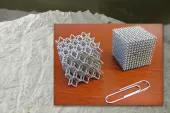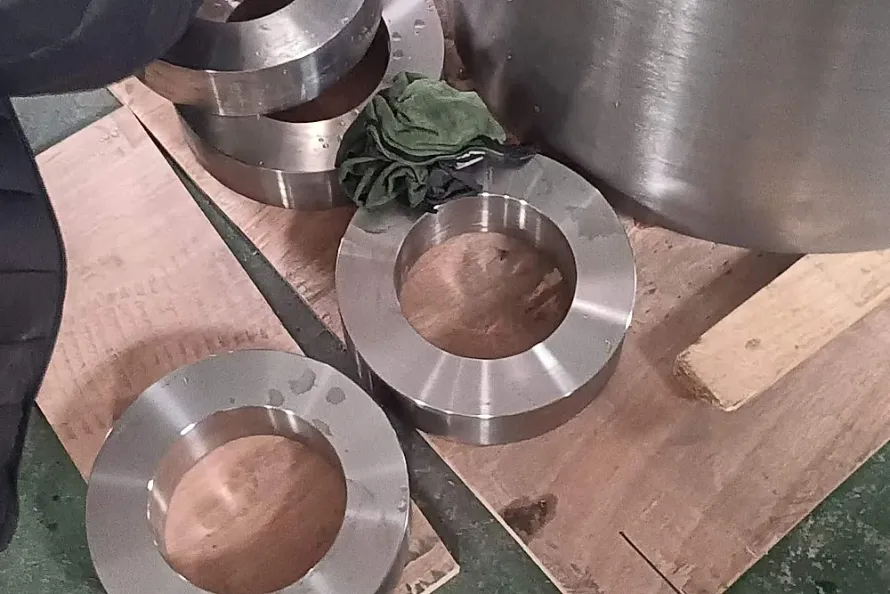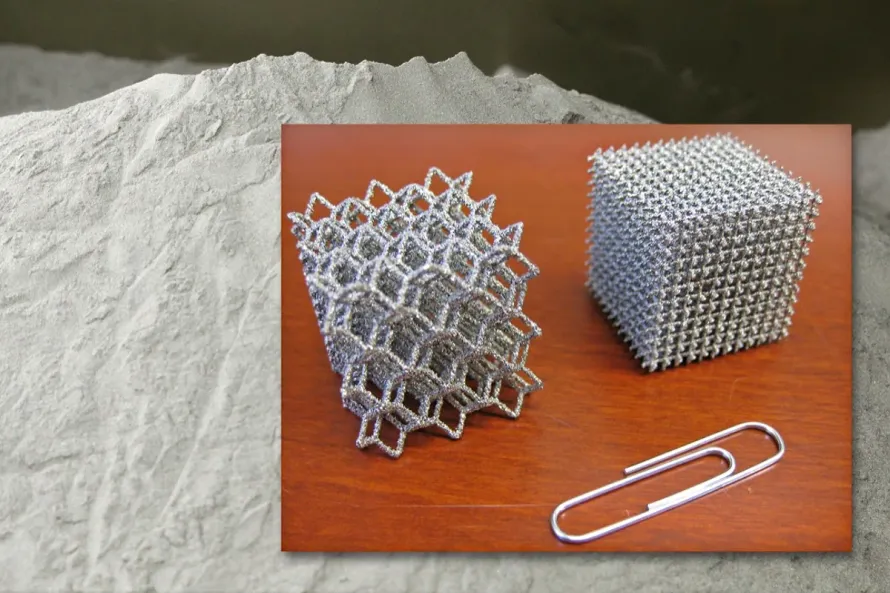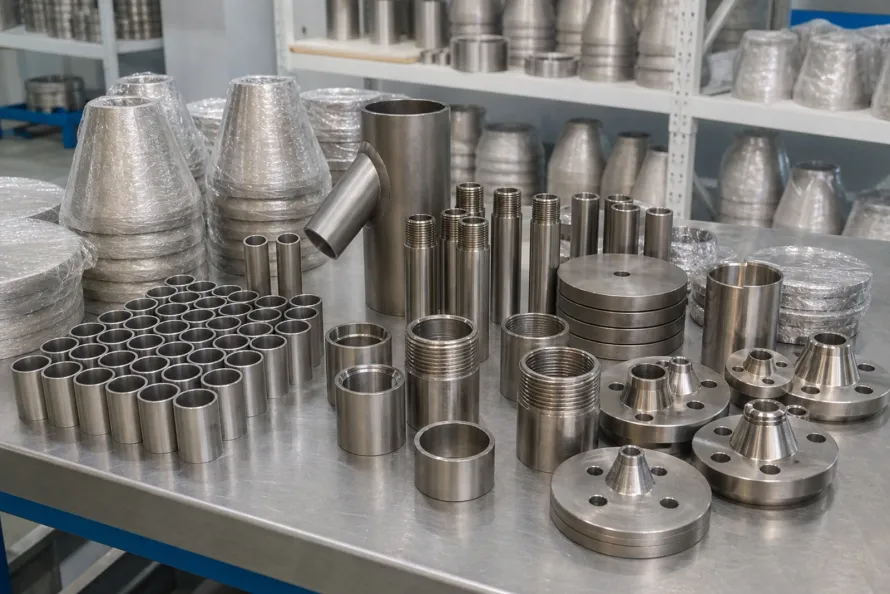
In November 2026, the advanced materials defense sector marked a milestone. Advanced manufacturing firm IperionX confirmed active fulfillment under an $18.5 million task order framework with the U.S. Army Ground Vehicle Systems Center (GVSC). Deliveries encompass combat vehicle track pins, high-strength defense fasteners, and spherical titanium alloy powders for additive manufacturing. This milestone demonstrates actionable U.S. military procurement in re-shoring critical mineral components.
This is a significant step. However, while defense procurement leads celebrate advances in solid-state powder metallurgy, seasoned titanium metallurgists view the market with grounded pragmatism. Industrial realities remain uncompromising. Beneath the headline-grabbing domestic pilot orders, the Western defense industrial base remains deeply exposed to a structural import bottleneck in aerospace-grade titanium sponge.
Technical Feasibility vs. Structural Ceilings in the $18.5M Task Order
The $18.5 million Army procurement focuses on non-melt reduction technologies like hydrogen-assisted magnesiothermic reduction (HAMR). These pathways convert minerals or scrap into near-net powders and fasteners, bypassing energy-intensive Kroll sponge distillation and multi-pass VAR melting. The technological leap is substantial.
Nevertheless, military hardware enforces a strict hierarchical pyramid:
- Success in Compact Fasteners and Pins: Track pins and threaded hardware experience predictable mechanical loads and compact geometries. They are ideal candidates for hot isostatic pressing (HIP) or automated cold heading. Part qualification is straightforward.
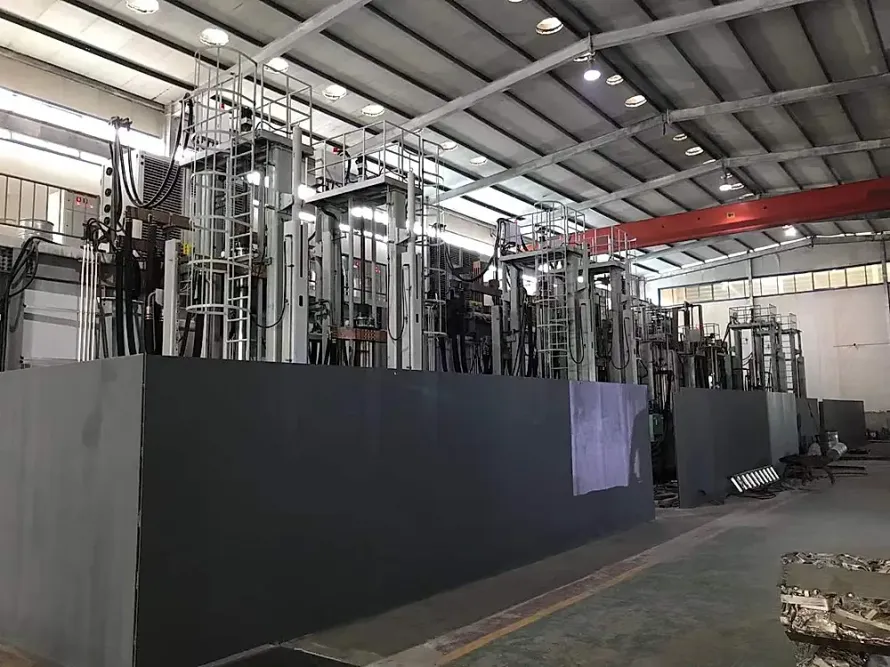
- The Rigid Barrier of Heavy Primary Structures: Main wing spars, fuselage carry-through bulkheads, helicopter mast forgings, and turbofan rotor discs require massive single-piece ingots forged under heavy hydraulic presses. Heavy forgings cannot be bypassed. These safety-critical parts mandate extreme fracture toughness, low-cycle fatigue (LCF) resistance, and uniform grain flow that solid-state powder routes have not yet certified for flight.
The Global Two-Tier Sponge Market: Industrial Glut vs. Aerospace Premium
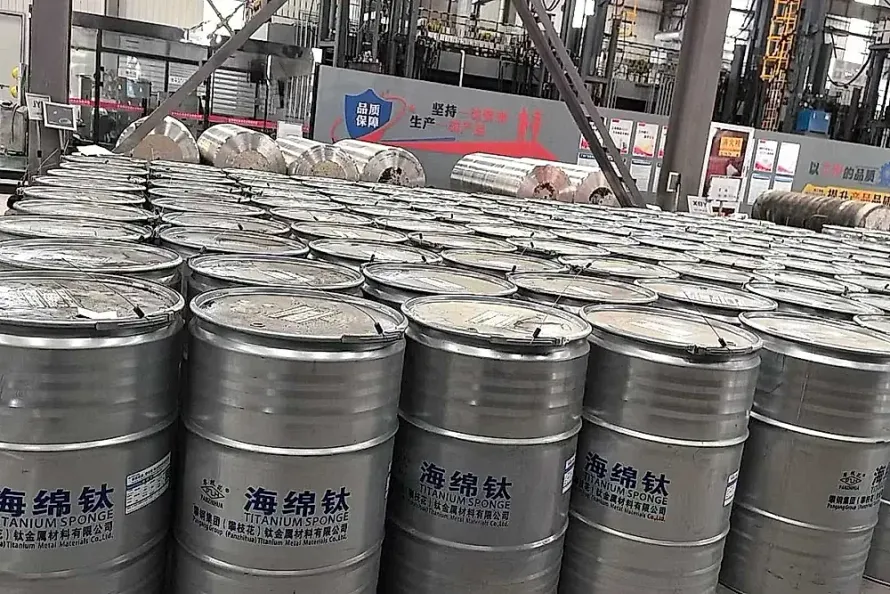
The global titanium market is defined by a sharp bifurcated price and quality split. The market division is stark. While standard industrial-grade sponge faces aggressive pricing competition across overseas chemical markets, aerospace-qualified, low-oxygen Grade 0 sponge commands sustained price premiums.
| Evaluation Metric | Traditional Kroll Vacuum Arc Remelting (VAR) | Emerging Solid-State Powder & Near-Net Shape |
|---|---|---|
| Primary Process Route | Purified TiCl4 reduction → 3x VAR arc remelt | Thermochemical reduction → gas atomization / HIP |
| Core Target Hardware | Compressor discs, wing carry-through beams, heavy forgings | Track pins, specialty fasteners, thin-wall lattice brackets |
| Interstitial Oxygen Control | Strict O ≤ 0.13% to 0.15% (extra-low interstitial ELI) | Dependent on feed purity, wider oxygen sensitivity range |
| Airworthiness Heritage | AS9100 / Full AMS / Decades of flight-hour validation | Case-by-case tactical waivers, no broad civil certs |
| Throughput & Unit Weight | Tens of thousands of tonnes annually, single ingots exceeding 10 tonnes | Hundreds of tonnes per facility, small batch items |
The technical contrast is evident. Following the idling of primary commercial sponge assets in Nevada, domestic U.S. aerospace sponge smelting remains virtually zero. To keep Boeing commercial lines and defense production moving, Western converters import heavily from trusted partners like Osaka Titanium and Toho Titanium in Japan, as well as plants in Kazakhstan. Primary raw materials remain offshore.
Certified Production Insights: MTC Traceability and Scrap Dilution Hazards
As an integrated titanium supply-chain platform working with certified partner facilities in China’s main titanium production cluster, we frequently observe overseas buyers falling into marketing hype or unauthorized raw material substitutions. Engineering vigilance is paramount. Certified machine shops enforce strict quality controls:
-
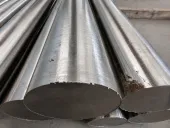
Virgin Sponge Integrity Over Low-Cost Scrap Blends: When ordering Grade 5 (Ti-6Al-4V) titanium bars per AMS 4928 or ASTM B348, tier-1 facilities melt exclusively with 100% virgin class 0 or class 1 sponge. Questionable quotes undercut by 15% to 20% often conceal recycled shop turnings blended into the melt compact. Scrap additions introduce brittle hard-alpha nitrogen inclusions that cause catastrophic delayed micro-cracking in service. Contamination risks remain hidden.
-
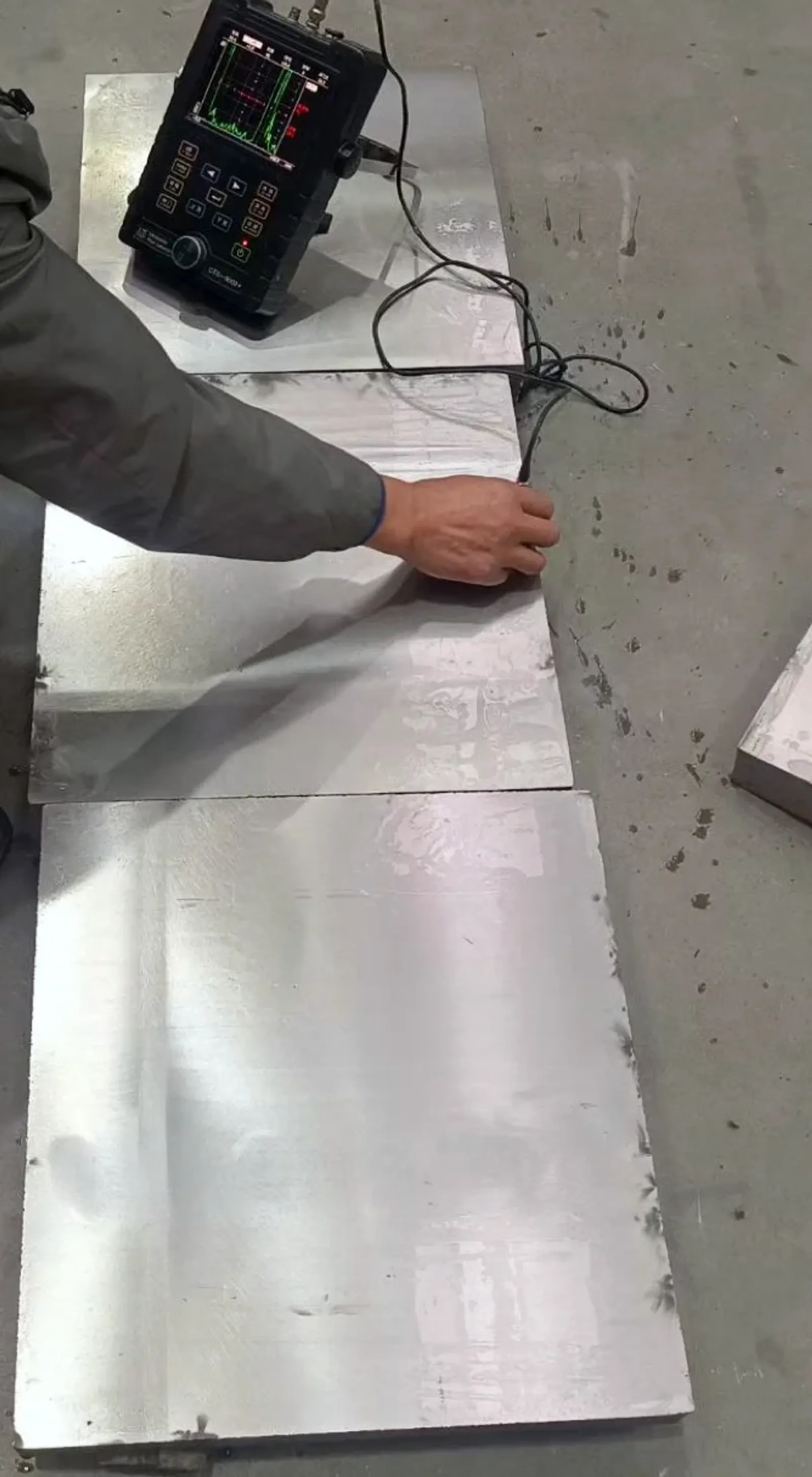
100% Immersion Ultrasonic Testing (Immersion UT): Bars and billet stock intended for precision defense components must undergo 100% water-immersion ultrasonic testing per AMS 2631 Class A1 or Class A. Sound penetrates the core. This inspection confirms zero mid-radius voids, center-burst defects, or segregation white spots, with each ultrasonic record cross-referenced to the heat lot on the material test certificate (MTC).
-
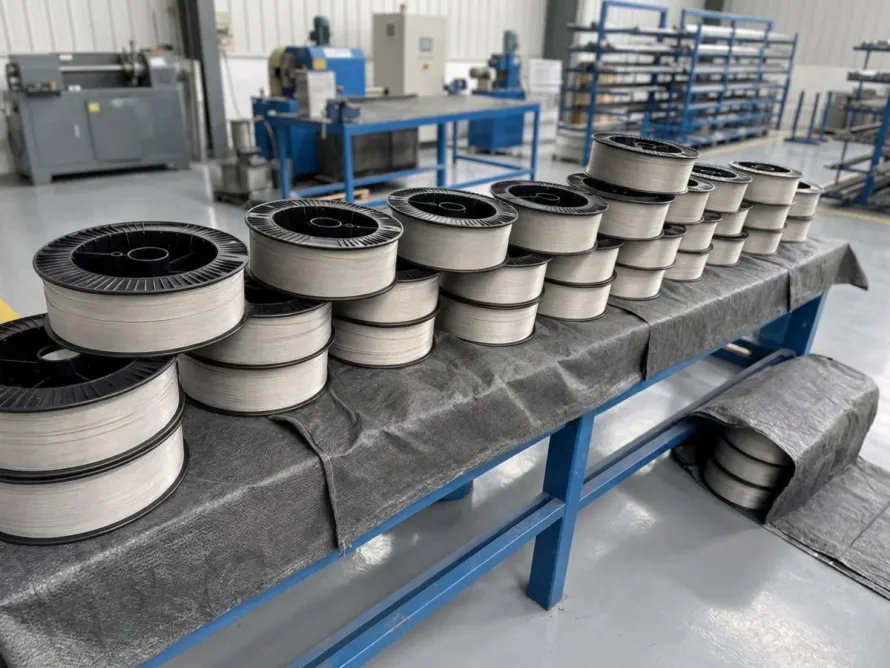
Cold Heading Titanium Wire for Aerospace Fasteners: For manufacturing aircraft screws and armor pins, wire drawing lines utilize enclosed oil-free drawing, online eddy-current testing, and high-vacuum bright annealing. This process eliminates hydrogen embrittlement and surface carbon pickups, preventing head shearing during high-speed cold heading. Tooling setup determines yield.
Actionable Sourcing Checklist for Defense & Aerospace Buyers
Amid shifting geopolitical supply landscapes, prudent procurement engineers must evaluate raw metallurgy over conceptual claims. Diligent verification ensures success.
- Verify Virgin Sponge Heat Lot Lineage: Require original mill melt logs verifying sponge lot numbers and interstitial gas analysis (O, N, H, C) before authorizing bar conversion.
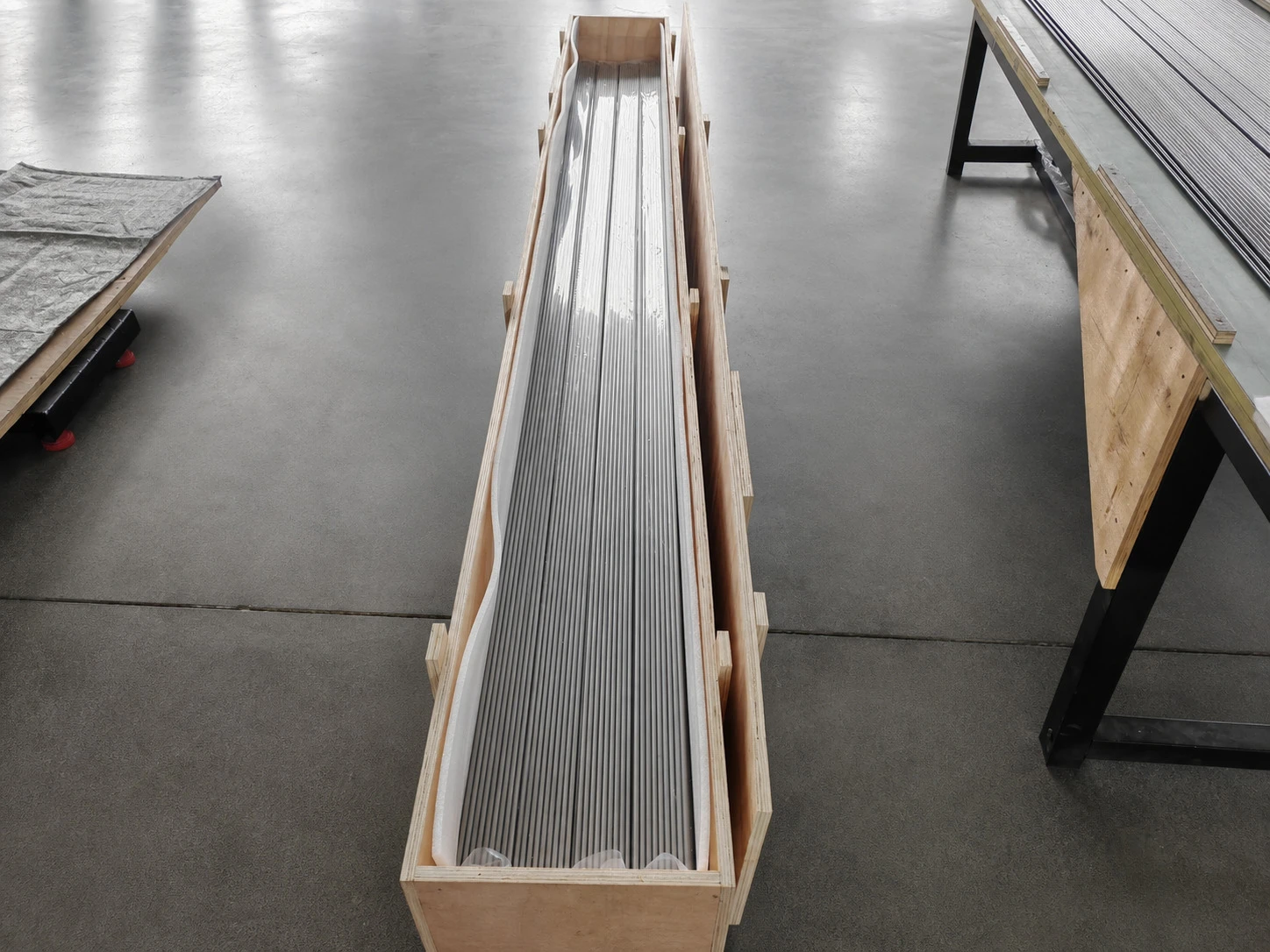
- Mandate Calibrated Straightness and Chamfering: For automated Swiss-lathe fastener machining, require bar straightness ≤ 1.0 mm/m and 45° deburred end chamfers.
You can get a quote with your part drawings and technical specifications for an engineering evaluation by our metallurgical team, or review our nuts and bolts product catalog, precision titanium rods inventory, and certified partner facilities for reliable defense supply chain solutions. Engineers respond promptly.
Related Products & Services
- Titanium Fasteners, Bolts & Defense Screws: Precision cold-headed and roll-threaded components built to strict defense standards.
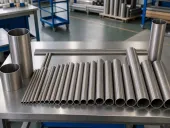
- Precision Titanium Bars & Aerospace Billets: Ground round bars and forged square billets verified by 100% immersion UT.
- Grade 5 (Ti-6Al-4V) Titanium Alloy: The industry benchmark high-strength aerospace and structural alloy.
- Certified Partner Facilities Overview: Advanced vacuum arc remelting, multi-directional forging, and NDT laboratory facilities.
- Pre-RFQ Drawing & Specification Audit: Free technical review of alloy temper, MTC compliance, and delivery scheduling.