In early November 2026, metal additive manufacturing pioneer Norsk Titanium released its operational and financial update for the third quarter of 2026. The aerospace sector is shifting.
The announcement highlighted two major commercial milestones. Industry progress is evident. Serial production deliveries of structural titanium components to commercial aircraft programs at Airbus doubled year-over-year. Concurrently, Norsk Titanium completed the physical delivery and factory installation of its first Rapid Plasma Deposition (RPD®) industrial machine at Airbus’s manufacturing hub in Varel, Germany.
Simultaneously, global aero-engine manufacturer Rolls-Royce placed a formal purchase order with Norsk Titanium for a civil aerospace engine component. This milestone is crucial. It marks the formal entry of plasma wire-fed near-net-shape technology into demanding rotating turbine engine supply chain qualifications.
Norsk Titanium is also advancing a $4.2 million titanium structural component contract for the U.S. Navy and secured qualification awards for high-rate missile defense programs targeted for 2027 to 2028. Commercial momentum is building rapidly.
These breakthroughs demonstrate that chronic structural forging bottlenecks facing Western aerospace primes are being resolved through plasma wire directed energy deposition (DED). The technological transition is profound.
The Buy-to-Fly Crisis: Shifting from 15:1 Forging Subtraction to 2:1 Near-Net Deposition
Conventional aerospace titanium component manufacturing faces acute supply-chain constraints. Resource waste is unsustainable.
On modern widebody twin-aisle airliners such as the Boeing 787 and Airbus A350, titanium alloys comprise 14% to 15% of structural airframe weight. Alloy utilization is substantial. For large critical components—including wing root fittings, cabin door surround structures, and main landing gear brackets—industry standard practice has relied on multi-ton open-die hydraulic forgings or oversized plate hogouts.
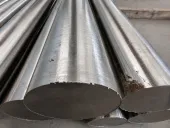
Because raw forgings require broad envelope allowances, the starting rough block often weighs thousands of kilograms while final machined geometry weighs mere hundreds. Material loss is staggering. The buy-to-fly ratio routinely reaches 10:1 to 15:1.
Consequently, 85% to 90% of prime aerospace-grade titanium sponge is converted into low-value milling scrap. Milling losses are excessive. In addition to compounding aircraft production costs, this severe yield loss has stretched forging lead times out to 50 to 70 weeks amid structural raw sponge constraints. Lead-time delays are endemic.
Norsk Titanium’s patented RPD process utilizes an inert argon chamber where Grade 5 (Ti-6Al-4V) wire feedstock is melted by dual plasma torches at high deposition rates of 5 to 10 kg/h. The preform geometry closely matches final part dimensions, compressing the buy-to-fly ratio below 2:1, eliminating more than 70% of CNC roughing time, and reducing delivery lead times by months. Production efficiency improves dramatically.
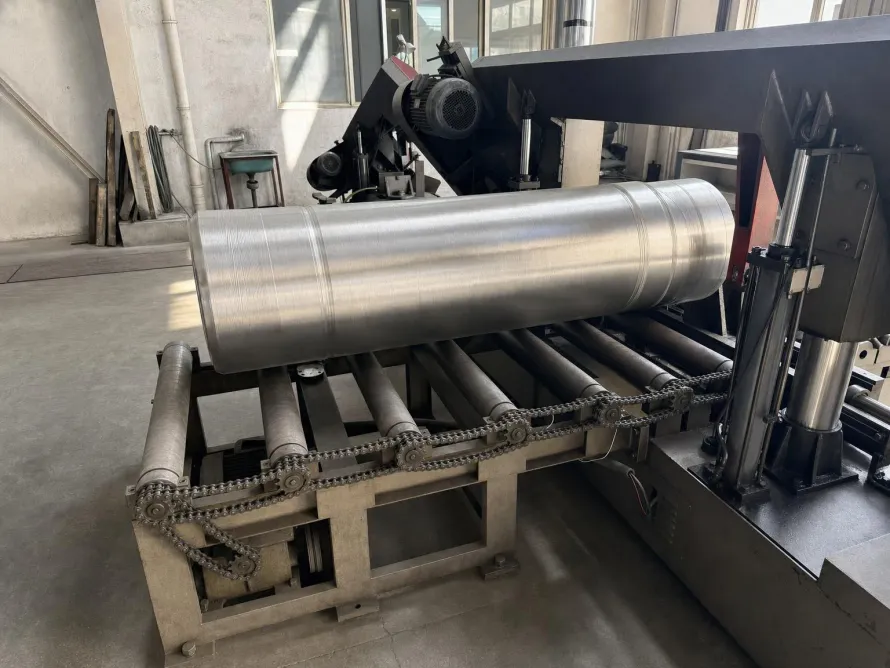
Upstream Metallurgy: 3x VAR Remelting and High-Purity Additive Wire Controls
Successful wire-fed additive manufacturing depends entirely on the metallurgical cleanliness and dimensional precision of the wire feedstock. Feedstock quality dictates print integrity.
In plasma-arc melt pools, wire melting occurs within milliseconds. The reaction is instantaneous. If microscopic hard-alpha nitrogen inclusions or low-density voids exist in the parent wire, they transfer directly into the deposit, serving as initiation sites for fatigue cracking.
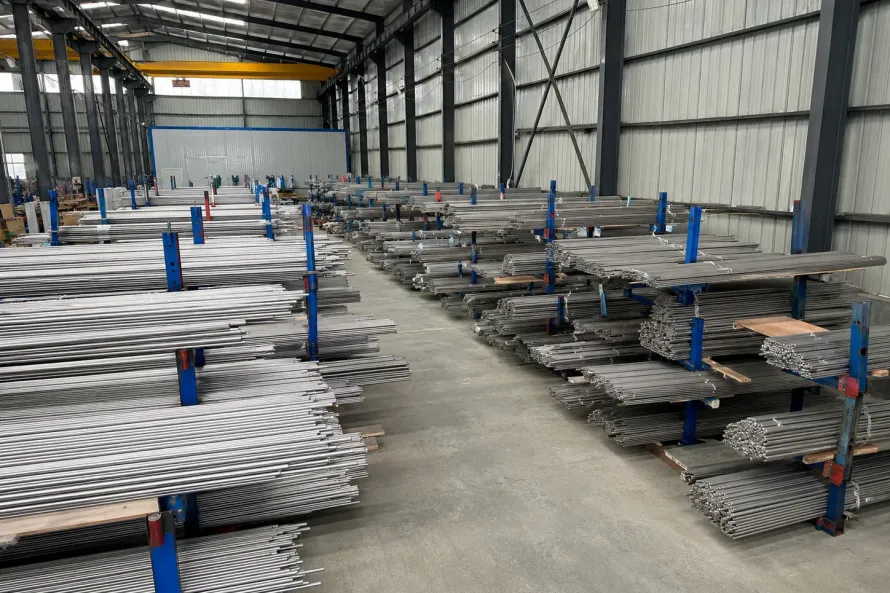
Certified partner facilities producing aerospace titanium wire and electrode bar stock for atomization enforce strict quality barriers:
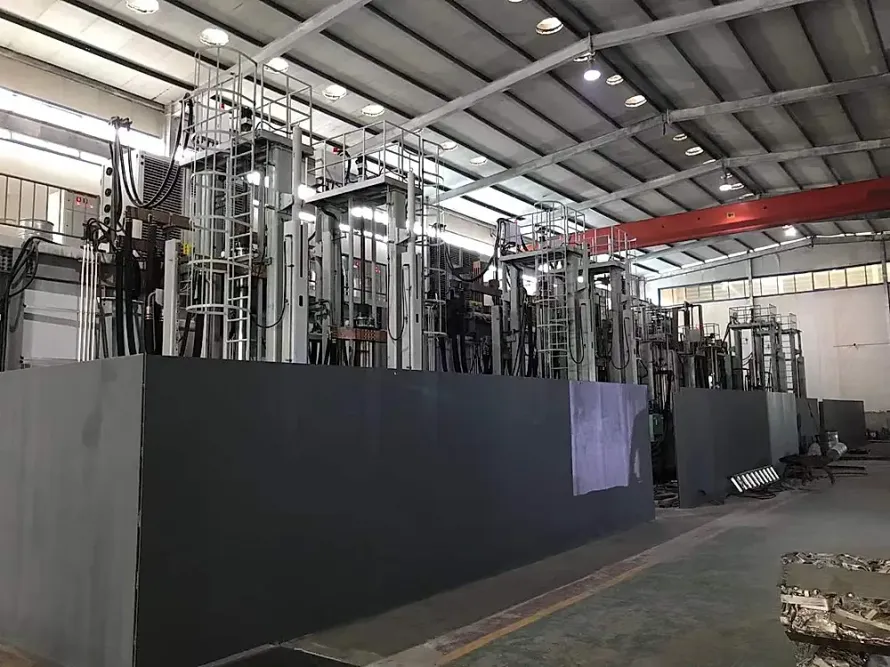
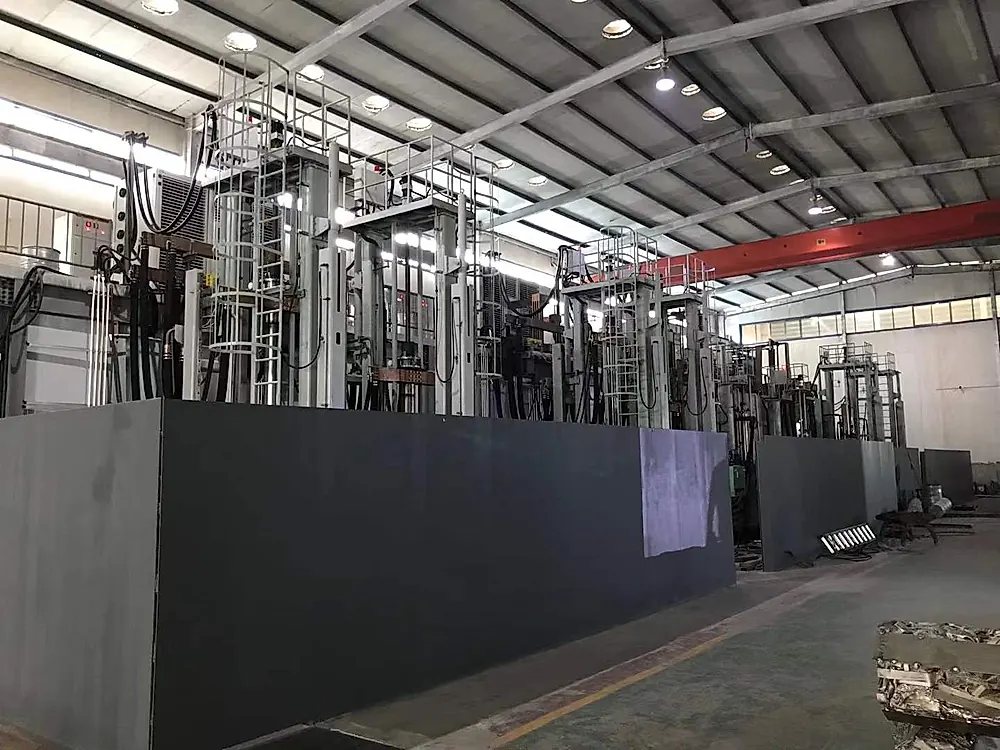
- Triple vacuum arc remelting (3x VAR): All aerospace-grade Ti-6Al-4V master ingots undergo three consecutive VAR melt cycles. Secondary scrap remelt is excluded. Multiple remelts ensure uniform radial and axial alloying distribution while completely dissolving high-density inclusions (HDI) like tungsten and tantalum particles.
- Narrow ultra-low oxygen windows: For fatigue-critical aerostructures, procurement defaults to Grade 23 (Ti-6Al-4V ELI) extra-low interstitial alloy wire, maintaining oxygen between $0.10% - 0.13%$. Composition limits are rigid. An oxygen increase of merely $0.02%$ drastically reduces room-temperature fracture toughness.
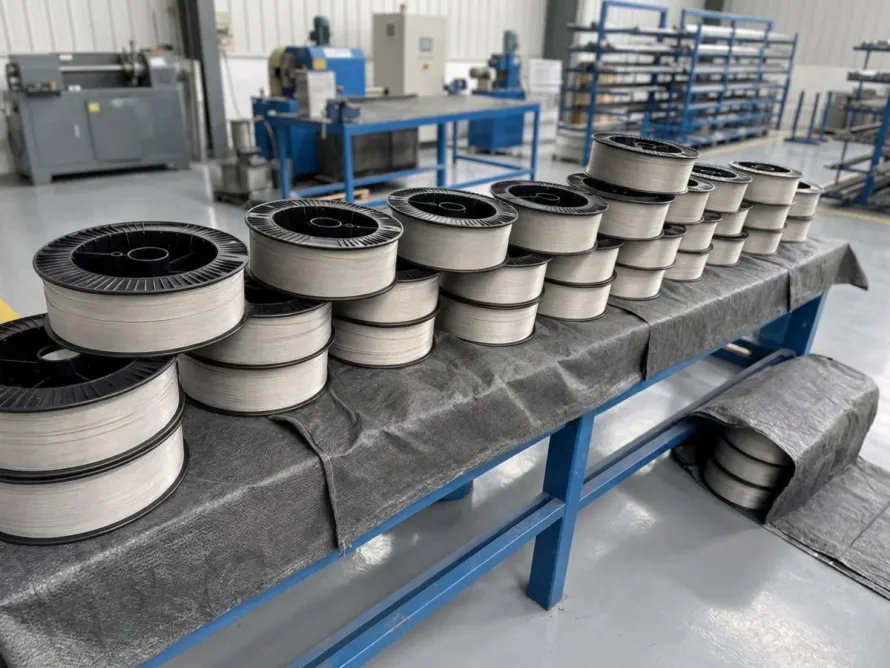
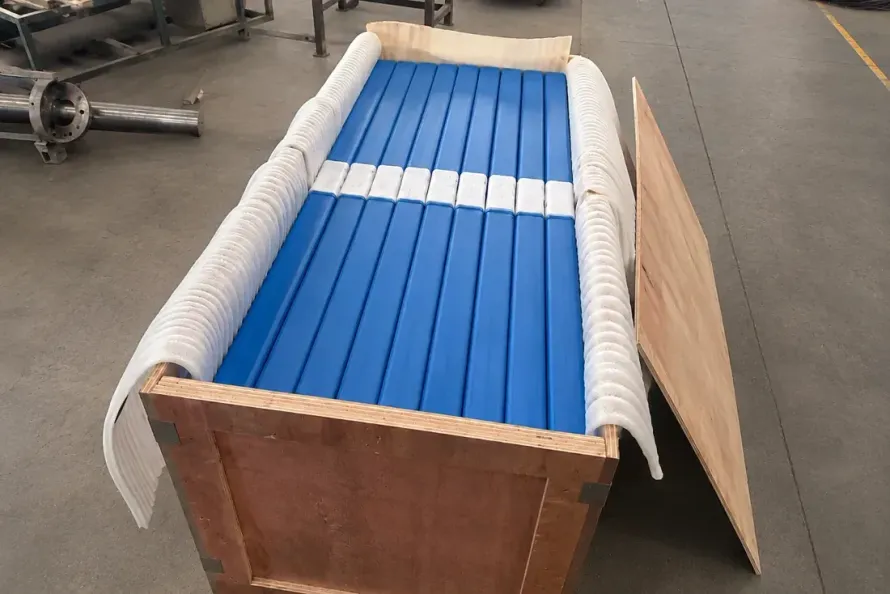
- Centerless drawing and oil-free cleanliness: Wire spools are drawn through precision carbide dies to an average surface roughness of $Ra \le 0.8,\mu\text{m}$. In-line multi-stage ultrasonic baths remove all residual drawing lubricants and graphite. Surfaces are spotless. Hydrocarbon residue decomposes under plasma temperatures, introducing hydrogen porosity into the molten pool.
- Spool geometry tolerances (Cast & Helix): High-speed wire feeders demand strict limits on free ring diameter (Cast) and pitch lift (Helix). Feed stability must be flawless. Excessive helix causes wire cast deviation, pulling the tip away from the plasma focal spot and inducing unfused voids.
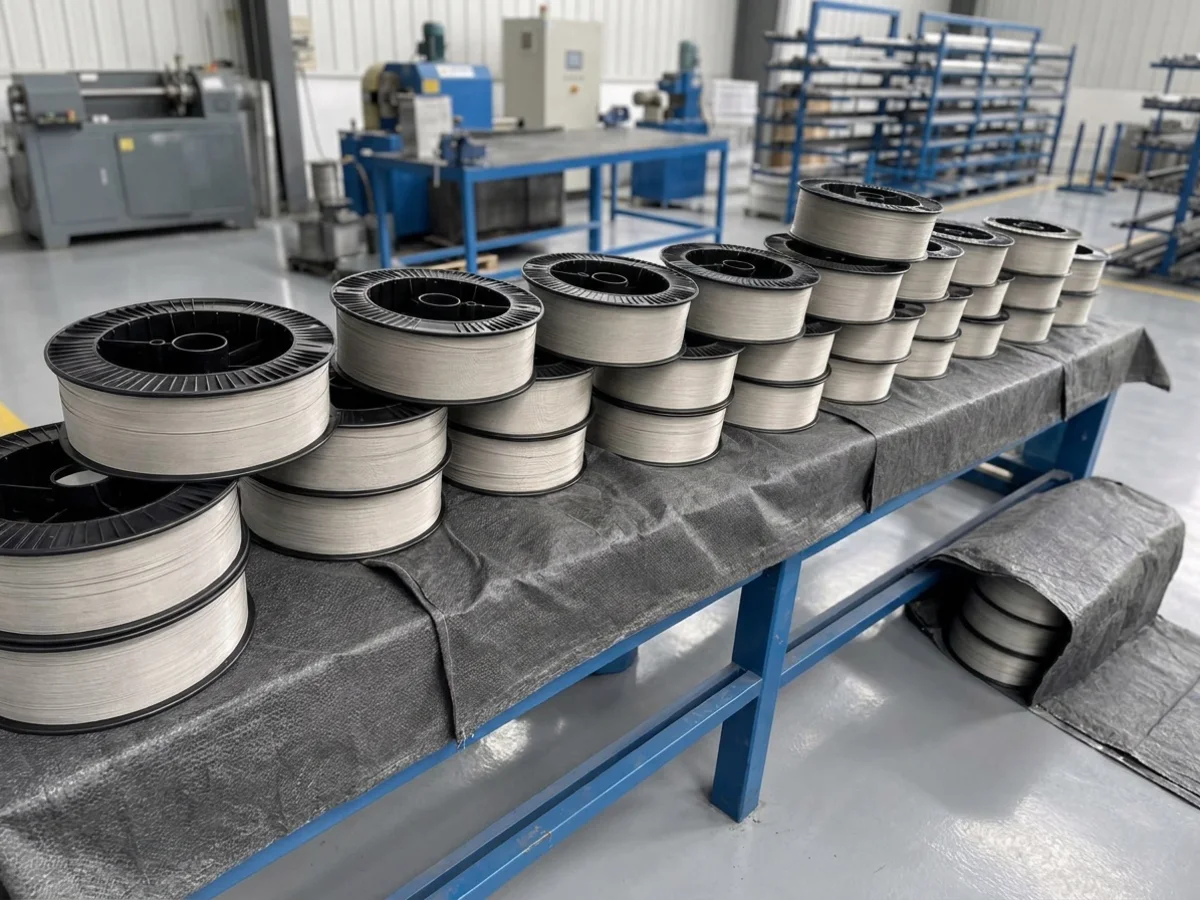
Aerospace Structural Fabrication: Traditional Forging vs RPD Plasma Wire DED
The following matrix compares traditional forging subtraction with RPD wire-fed plasma directed energy deposition across operational parameters:
| Comparison Metric | Traditional Open-Die / Heavy Plate Hogout | RPD Wire Plasma Additive Deposition | Feedstock Metallurgical Control | Supply Chain & Lead-Time Impact |
|---|---|---|---|---|
| Typical Buy-to-Fly Ratio | 10:1 to 15:1 (over 85% machined into scrap) | 1.5:1 to 2.0:1 (near-net-shape with minimal skin margin) | Requires 3x VAR melt ingot; zero HDI tolerance | Slashes raw sponge demand by 70%, cushioning raw price spikes |
| Preform Lead Time | 40 to 60 weeks (bottlenecked by hydraulic press capacity) | 6 to 10 weeks (automated multi-axis deposition) | Spool helix control and continuous feedability are essential | Dramatically accelerates aircraft development cycles |
| Feedstock Format | Large forged billets, rolled bars, heavy plates | Coiled wire spools (1.6 mm to 3.2 mm diameter) | Ultrasonic degreasing; ultra-low interstitial oxygen ($\text{O} \le 0.13%$) | Drives rising demand for precision drawn spooled wire |
| Thermal Post-Processing | Stress relief anneal + CNC finish machining | Mandatory Hot Isostatic Pressing (HIP) + Solution/Age | HIP seals internal voids; grain size held to ASTM 7 or finer | Requires coordinated access to high-pressure HIP autoclaves |
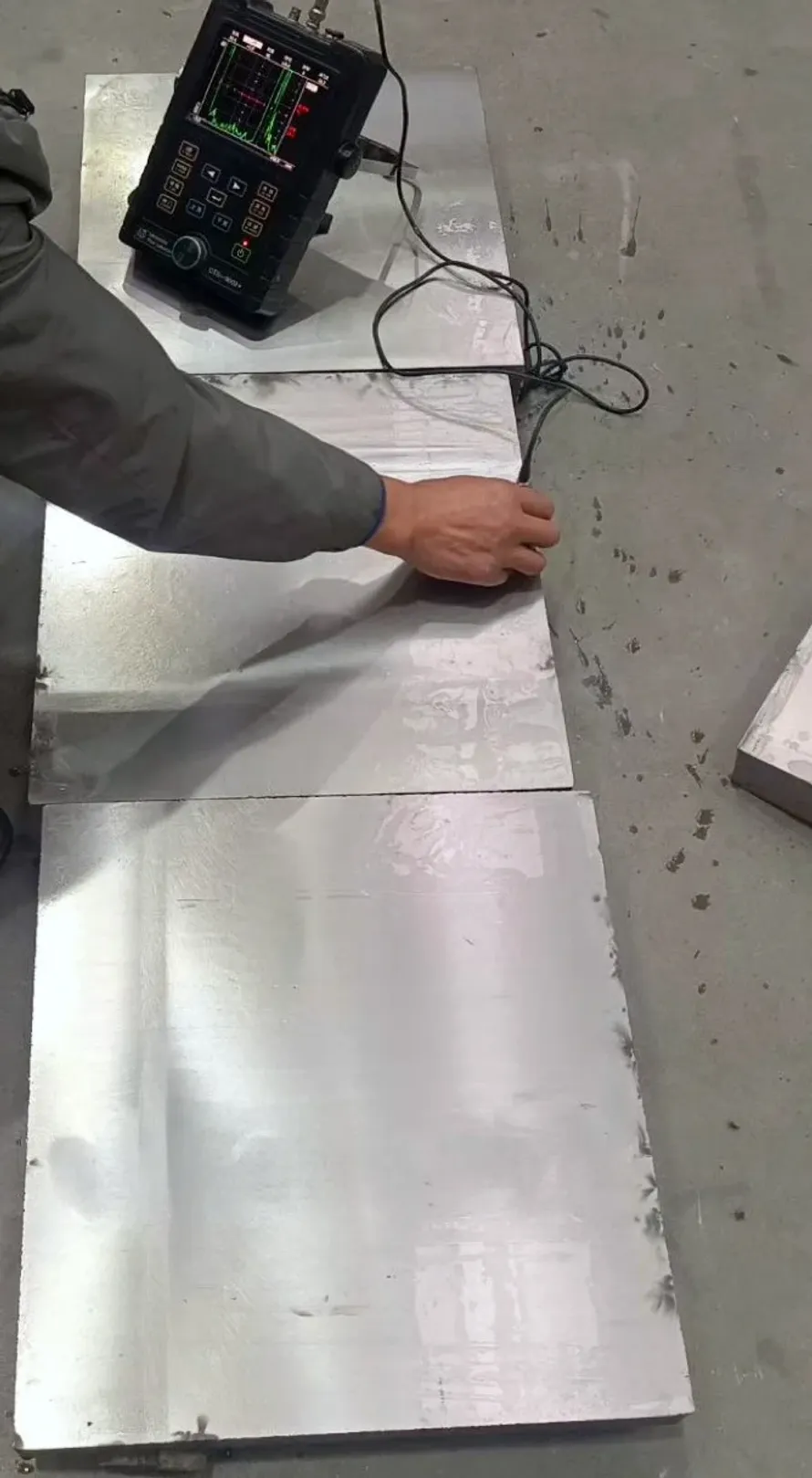
| Primary Target Parts | Landing gear beams, wing root lugs, engine disks | Airframe frames, engine external brackets, subsea housings | 100% ultrasonic and eddy current inspection | High initial capital cost offset by massive life-cycle savings |
The industrialization of RPD does not diminish titanium supply chain volumes. Instead, it reallocates demand toward high-value precision spooled wires and spherical powder feedstock. Industry transformation is accelerating.
Procurement Guidelines for International Aerospace Buyers
With Airbus installing machines at Varel and Rolls-Royce qualifying components, procurement teams must align specifications with additive wire metallurgy. Proactive steps are essential:
- Mandate 3x VAR melt certification: Technical agreements for spooled wire and precision bar stock should require certified three-stage VAR processing accompanied by furnace melt logs. Traceability must be comprehensive.
- Require dual-stage interstitial gas verification: Beyond mill ingot chemistry, Material Test Certificates (MTC) must document post-drawing re-testing of carbon (C), hydrogen (H), oxygen (O), and nitrogen (N). Contamination must be prevented.
- Perform spool feedability qualifications: Prior to volume delivery, conduct dynamic feed tests on automated wire feed systems to evaluate friction and spool cast stability. Wire feeding must remain smooth.
To evaluate titanium wire spools or precision ground bars for additive manufacturing (WAAM/DED) and rotating aero-components, review our certified partner facility capabilities and quality certifications. You can also submit engineering specifications for technical audit and request MTC documentation via our online RFQ portal. Technical support is dedicated.
Related Products & Services
- Aerospace Titanium Spooled & Straight Wire: High-purity Ti-6Al-4V and Ti-6242 spooled wire from 0.1 mm to 6.0 mm OD.
- Additive Manufacturing Feedstock Bars & Plasma Wire: Triple-VAR refined precision ground bars for atomization and deposition.
- Ti-6Al-4V (Grade 5) Alloy Specifications: Core mechanical properties, heat treatment data, and ELI interstitial controls.
Sources
- Norsk Titanium AS: Third Quarter 2026 Operational and Financial Update, Oslo Børs Announcement, November 2026.
- Boyer, R. R. (2010). Attributes, characteristics, and applications of titanium and its alloys. JOM, 62(5), 21-24.
- Ingelbrecht, C., et al. (2022). Wire Arc and Plasma Additive Manufacturing of Titanium Components for Aerospace Applications. Additive Manufacturing, 48, 102450.
- ASTM F3001: Standard Specification for Additive Manufacturing Titanium-6 Aluminum-4 Vanadium with Powder Bed Fusion.