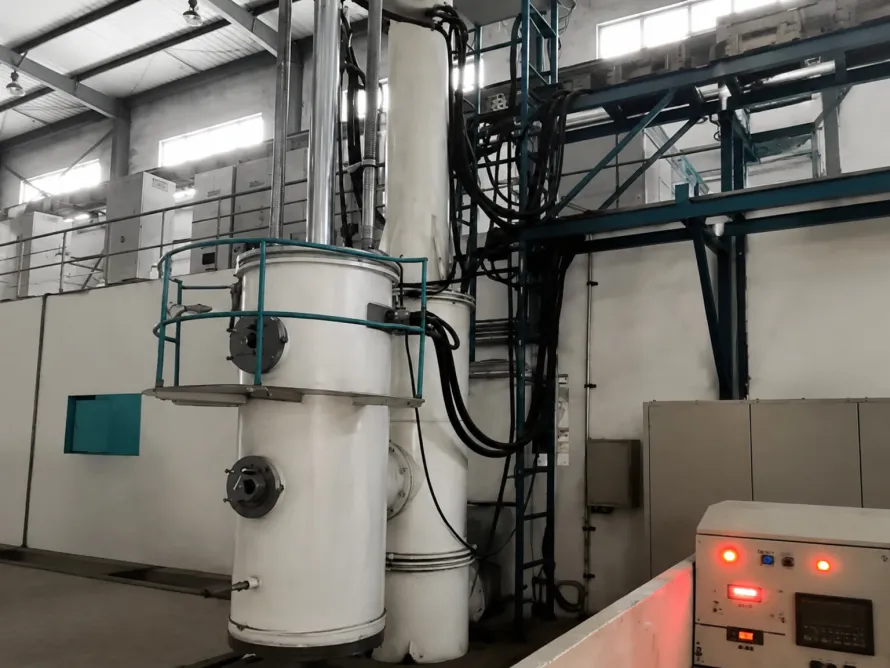
In megawatt-scale green hydrogen projects, Proton Exchange Membrane (PEM) water electrolyzers lead energy transition systems. Quality determines durability. Their rapid dynamic response, high current density, and compact footprint make them ideal for direct coupling with fluctuating renewable power. However, the PEM electrolyzer anode operates under brutal electrochemical conditions: sulfuric acidic media (pH 1-2), vigorous oxygen evolution, potentials exceeding 1.8V vs RHE, and operational temperatures up to 80°C. These factors eliminate conventional stainless steels and nickel alloys, making high-purity titanium the sole engineering choice for metallic bipolar plates and anodic Porous Transport Layers (PTL).
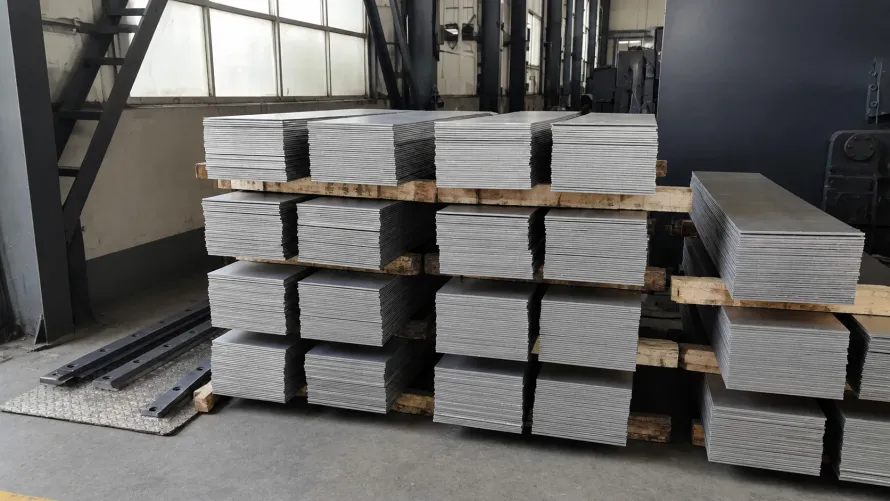
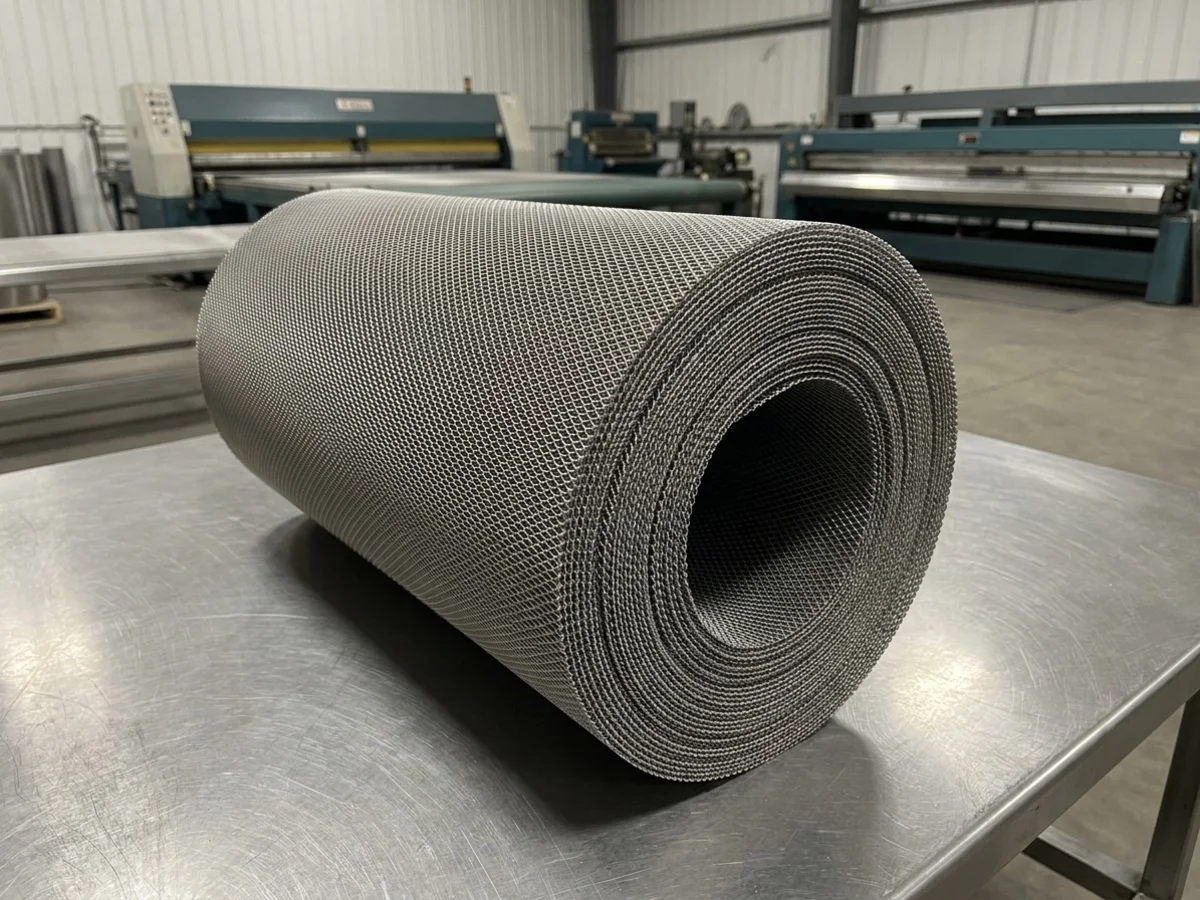 Figure 1: High-flatness porous sintered titanium felt and diffusion media produced on Baoji lines (porosity 55%–70%, double-sided plasma de-burred to ensure burrs ≤5μm).
As commercial electrolyzer stacks scale toward multi-megawatt capacities, mechanical engineers and procurement specialists face stringent bill-of-materials (BOM) challenges. Risks are severe. Micro-channel stamping fractures, PTL micro-burr membrane punctures, and interfacial contact resistance escalation represent the most frequent field failure mechanisms.
Bipolar Plate Stamping: Microstructural Control of Ultra-Thin Gr1 Titanium Foil
PEM metallic bipolar plates continue to push toward extreme lightweight gauges from 0.05mm to 0.15mm. Thickness is reduced drastically. Across these ultra-thin foils, high-speed progressive micro-stamping or high-pressure hydroforming must press dense serpentine flow channels featuring depths of 0.2mm to 0.5mm and rib widths below 0.8mm.
Standard commercial titanium foils regularly develop localized necking, orange peel tearing, and micro-cracks at tight channel radius corners. Scrap rates spike quickly. This failure stems from coarse recrystallized grain structures and severe crystallographic texture anisotropy induced during cold rolling.
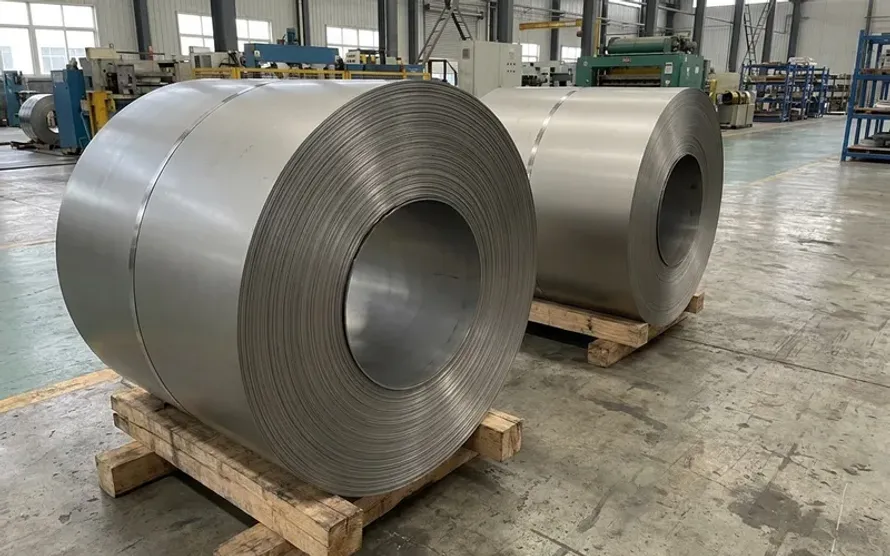
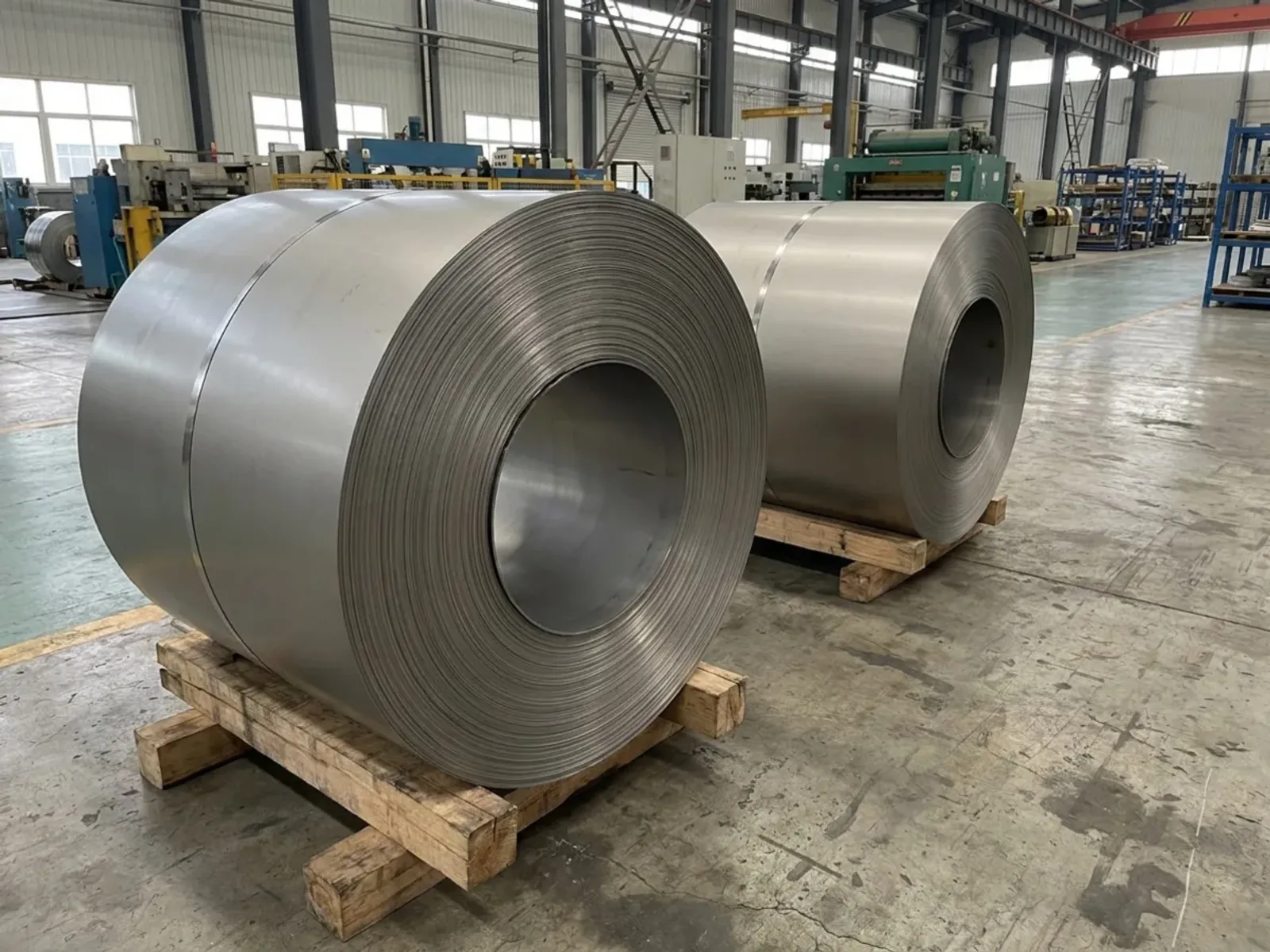
According to operational production data from Baoji specialized titanium processing facilities (Evidence: oe_v1_f1c0a0e0f5f08cac2ae6a073), 0.05mm to 0.15mm ultra-thin titanium foils (ASTM B265 Grade 1) engineered for PEM electrolyzers and fuel cell bipolar plates must undergo continuous high-vacuum or hydrogen bright annealing. Annealing is critical.
- Recrystallization Grain Size: Strictly refined to ASTM 9–11 microcrystalline scale (average grain diameter below 15μm) to guarantee uniform grain boundary slip during deep drawing;
- Elongation & Work Hardening: Tensile elongation A50 reliably exceeds 35%, with yield-to-tensile ratio (YS/TS) controlled between 0.70 and 0.75;
- Surface Smoothness: Surface roughness is held below Ra≤0.15μm, preventing surface micro-notches from triggering localized stress concentration and securing zero-fracture forming across complex flow fields.
This strict metallurgical control supports high-aspect-ratio bipolar plate stamping worldwide. Results are proven.
Anodic PTL Sintered Titanium Media: Plasma De-burring and Membrane Safety Limits
Positioned between the membrane electrode assembly (MEA) and the bipolar plate, the Porous Transport Layer (PTL) conducts liquid water into catalyst layers, expels evolved oxygen gas, and provides electrical and thermal pathways. Conductivity is vital.
The anode PTL typically employs sintered titanium fiber felt or porous sintered titanium powder sheets ranging from 0.25mm to 1.5mm in thickness. Pores are microscopic. However, during cell compression, the PTL frequently becomes the primary culprit behind physical puncture of expensive perfluorosulfonic acid membranes (Nafion, 50-175μm thick).
Factory metallurgical evidence underscores this mechanical hazard (Evidence: oe_v1_44abebba42e025f6f44cd17e): porous sintered titanium felt and porous sintered titanium filter and diffusion media destined for PEM anode service must undergo precision two-way roller leveling and double-sided plasma de-burring before dispatch. Puncture is catastrophic.
- Thickness Uniformity Tolerance: Full-sheet thickness tolerance is held within ±0.02mm across the entire active area to eliminate localized compression peaks;
- Micro-Burr Threshold: Confocal laser scanning verifies that no hard protruding metal burr exceeds 5μm in height. Under stack clamping stresses of 2.5 MPa, any sharp un-melted titanium fiber burr will pierce through thin proton exchange membranes, causing catastrophic hydrogen-oxygen gas crossover and immediate cell short-circuiting.
PEM Electrolyzer Titanium Material Procurement Specification Matrix
To assist procurement engineers in establishing comprehensive technical purchase agreements, the following engineering matrix summarizes verified quality thresholds across PEM electrolyzer titanium components. Alignment is vital.
| Cell Component | Recommended Alloy & Form | Dimensional & Surface Tolerances | Core Microstructural Parameters | Typical Assembly & Operational Failure Mode | Mandatory Mill Verification Documentation |
|---|---|---|---|---|---|
| Anode Bipolar Plate Substrate | ASTM B265 Grade 1 Pure Titanium Strip/Foil (Bright Annealed) | Thickness: 0.05–0.15mm Tolerance: ±0.003mm Surface: Ra≤0.15μm | Grain size: ASTM 9–11 Elongation: A50≥35% Yield ratio: ≤0.75 | Coarse grains causing orange peel tearing; channel corner wall thinning (>20%) causing pressure burst | EN 10204 3.1 MTC (chemistry & tensile), 3D optical interferometry roughness scan, Erichsen cupping test |
| Anode Porous Transport Layer (PTL) | Commercially Pure Titanium (Grade 1 High-Purity Sintered Fiber Felt) | Thickness: 0.25–1.0mm Tolerance: ±0.02mm Porosity: 55%–70% | Fiber diameter: 20–50μm Maximum burr: ≤5μm Mean pore size: 10–30μm | Un-deburred fiber burrs puncturing Nafion membrane; uneven pore distribution causing localized water starvation | Bubble-point pore distribution report, cross-sectional thickness map, plasma de-burring visual inspection |
| Cathode Bipolar Plate Substrate | ASTM B265 Grade 1 or Coated Titanium Foil (Balanced Cost & Hydride Resistance) | Thickness: 0.08–0.20mm Tolerance: ±0.005mm Surface: Ra≤0.20μm | Grain size: ASTM 8–10 Elongation: A50≥30% Hydrogen limit: H≤0.003% | Hydrogen ingress causing delayed hydride embrittlement cracking; cumulative stack dimensional tolerance stackup | Inert gas fusion residual hydrogen certificate, intergranular corrosion report, I-Unit flatness verification |
Implementing these rigorous technical controls elevates electrolyzer stack assembly yields above 99.5%. Standards must rule.
Hydrogen Industry Market Dynamics and Procurement Guidelines
Global mill inquiry patterns highlight rapid macroeconomic shifts across advanced sectors (Evidence: oe_v1_88a2a9c68ce81f7e4ac3eda4): over the past twelve months, the fastest-growing titanium purchasing inquiries have centered on consumer electronics structures and green hydrogen PEM electrolyzer stacks. Market trends are clear. Concurrently, legacy chemical commodity pipe orders have plateaued.
When managing procurement agreements for PEM titanium hardware, supply chain managers should enforce three preventative measures. Caution prevents waste.
- Screen for Low-Grade Scrap Titanium: Deep micro-channel stamping possesses zero tolerance for elevated interstitial elements. Low-cost foils melted from scrap often sit near chemistry ceiling limits, triggering brittle stamping fractures. Demand raw material pedigree traced to virgin sponge titanium double-melted ingots.
- Lock In Flatness and Residual Coiling Stress: Progressive die feeding demands high coil strip shape integrity. Purchase orders should stipulate flatness within 15 I-Units to prevent camber, edge wave, and tracking misalignment during continuous high-speed stamping.
- Coordinate Substrate Tolerances with Protective PVD Coatings: Bare titanium oxidizes into an insulating passivation film under anodic conditions. Protective coatings (5–20nm of platinum, iridium oxide, or TiN) require immaculate, degreased, oxide-free substrates to prevent film peeling during 80,000-hour operational lifespans.
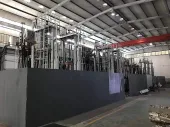
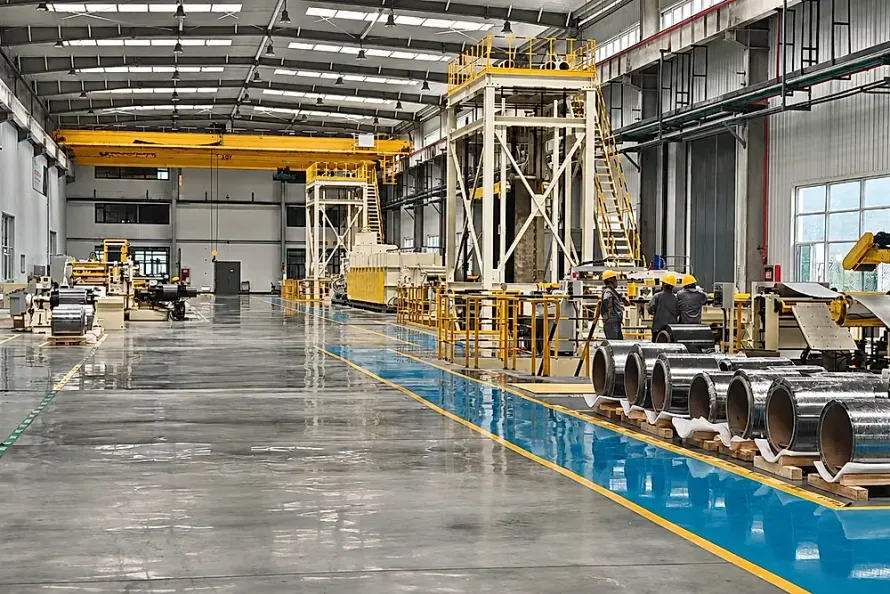
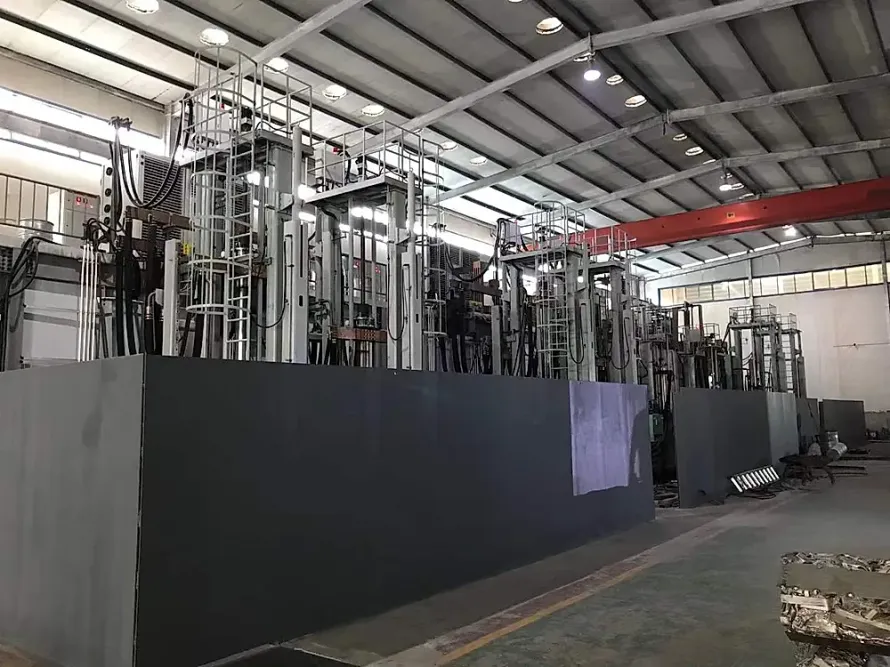
To inspect precision Sendzimir cold-rolling setups, vacuum annealing capabilities, and cleanroom packaging facilities, engineers can review our Baoji manufacturing lines and testing protocols. Prior to finalizing stamping tooling and purchasing orders, submit your dimensional drawings through our engineering inquiry and quotation desk to receive a complimentary pre-RFQ stamping and PTL assembly risk audit.