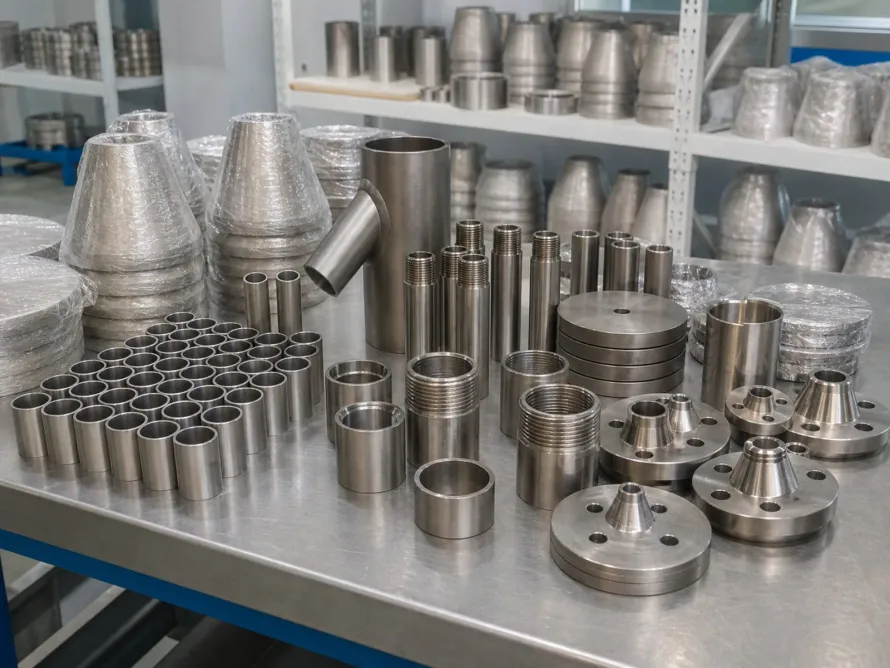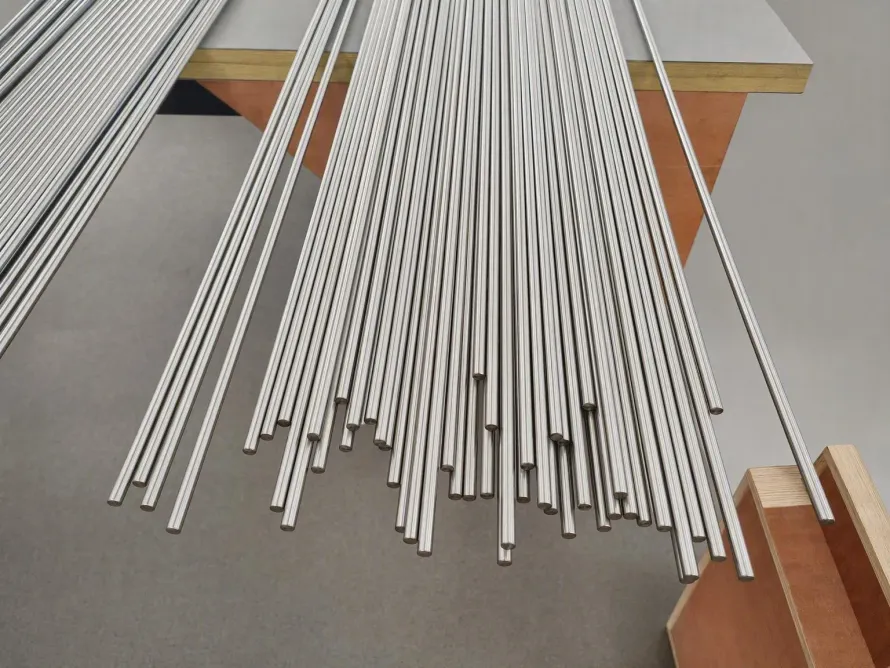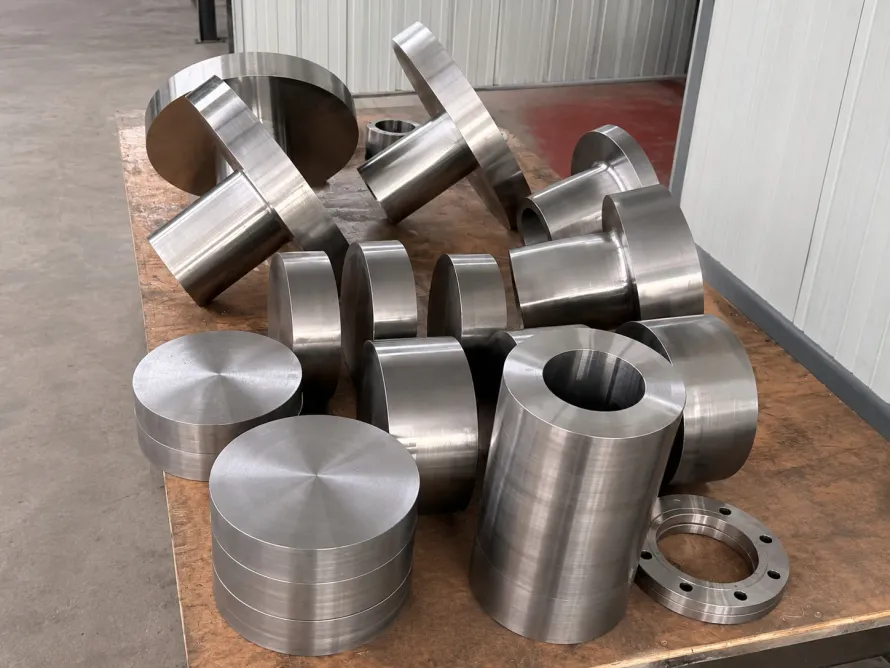
Generic machined titanium parts illustrate subtractive manufacturing context; they are not NCT07841067 jaw plates or clinical evidence.
ClinicalTrials.gov first posted NCT07841067 on September 25, 2026. The record describes a randomized comparison of patient-specific Grade 5 titanium-alloy plates made by additive manufacturing and milling for Le Fort I jaw surgery in Cairo. Its planned enrollment is 12, its start date is still estimated as October 1, and the registry currently reports no results.
- Registry state: The record is labelled recruiting, but both the 12-participant enrollment and October 1 start are estimates; the posting does not report an actual enrollment count or completed procedure.
- Planned comparison: Both arms use patient-specific Grade 5 titanium-alloy plates with the same guide-and-screw workflow described in the record, while the stated manufacturing route differs between 3D printing and milling.
- Evidence boundary: Surgical-transfer accuracy is the primary outcome, with operative time and immediate stability as secondary outcomes. ClinicalTrials.gov currently posts no results for any of them.
What the two arms are designed to hold constant

Generic subtractive-machining context for the milled comparator; this is not the trial’s equipment, material or jaw-plate process.
The protocol uses randomized parallel groups. One arm receives 3D-printed, additively manufactured patient-specific plates; the active-comparator arm receives milled, subtractively manufactured patient-specific plates. Both are described as Grade 5 titanium alloy.
The registered intervention descriptions also share the same surgical framework: a customized CAD/CAM cutting guide establishes 16 pre-drilled reference holes, eight per side, and the plates are secured with 2.0-mm screws. This matters because the proposed comparison is not simply “printed metal versus machined metal” in isolation. The record sets the manufacturing route inside a common patient-specific planning, guide, hole and fixation workflow.
The design is single-masked, with the outcomes assessor masked. The registry alone does not show whether all manufacturing, geometry, finishing or operator variables will be equivalent in practice.
The primary endpoint is transfer accuracy, not material strength
The primary outcome is the accuracy of surgical transfer: how closely the postoperative maxillary position matches the virtual plan. The protocol says postoperative CT will be registered to the plan and deviations will be measured at the upper central incisor and first molars in vertical, anteroposterior and mediolateral directions during the first postoperative week.
The secondary outcomes are operative time and immediate postoperative stability. Operative time runs from the first incision to final closure; stability is assessed by comparing the postoperative position with the virtual plan. These outcomes may eventually distinguish how the two plate routes perform within this workflow, but they do not by themselves constitute a general test of Grade 5 titanium strength, fatigue life or corrosion behavior.
“Recruiting” is a registry status, not a comparative result
The current record labels the study recruiting, gives an estimated enrollment of 12 and keeps October 1, 2026 as an estimated start. ClinicalTrials.gov also reports hasResults=false. Those fields support a new protocol-status update, not a claim that 12 people have enrolled, surgery has begun or either plate route has performed better.
For medical titanium design, quality and sourcing teams, the useful action is to place NCT07841067 on a results watchlist. A future route-selection or supplier-release judgment would still need actual enrollment and completed outcomes, plus separate evidence for material traceability, route-specific manufacturing validation, device regulatory status and supplier controls. The registry posting establishes the comparison plan; it does not establish clinical superiority, approval, cost, supply or titanium demand.
Sources
- ClinicalTrials.gov API, “Assessment of the Three-Dimensional Surgical Accuracy and Operative Time of 3D-Printed Versus Milled Patient-Specific Titanium Plates in Le Fort I Osteotomy: A Randomized Clinical Trial,” first posted September 25, 2026; accessed September 27, 2026: https://clinicaltrials.gov/api/v2/studies/NCT07841067
- ClinicalTrials.gov public record, NCT07841067, first posted September 25, 2026; accessed September 27, 2026: https://clinicaltrials.gov/study/NCT07841067