IperionX's Fastener Tests: Why Titanium Buyers Need a Fastener-to-Platform Release File
IperionX’s June 1, 2026 titanium fastener announcement is not just a lighter-than-steel story. For buyers of titanium bars, machined components, forgings, and finished fasteners, the more useful signal is that a promising mechanical test result still has to be converted into a release file that matches the actual platform, joint, lot, and inspection route.
IperionX said testing by the U.S. Army DEVCOM Ground Vehicle Systems Center and Westmoreland Mechanical Testing & Research evaluated Ti-6Al-4V titanium fasteners against comparable SAE Grade 8 steel fasteners. The company reported that 3/4-10 x 3.0-inch titanium fasteners demonstrated 563 to 615 ft-lbf yield torque, compared with 480 to 502 ft-lbf for SAE Grade 8 steel under the same program. It also said WMTR tensile testing under ASTM F606/F606M-25a confirmed 135 to 137 ksi yield strength and 149 to 152 ksi ultimate tensile strength, and that Ti-6Al-4V is typically 40% to 45% lighter than steel.
Those numbers matter. They make the news more concrete than a generic “titanium is strategic” headline. But they do not remove the buyer’s next responsibility: deciding whether a tested fastener can be released into a specific platform, torque procedure, service environment, and maintenance record.
The Result Is Product-Level, Not Platform Approval
The strongest part of the announcement is that it moves the discussion from raw material promise to product-level validation. Titanium suppliers often talk about strength-to-weight ratio, corrosion resistance, domestic supply, or powder-to-product manufacturing. A fastener test is narrower and more useful because it asks whether a finished part can meet a recognizable benchmark under a named test program.
That is still different from platform approval. A defense, aerospace, marine, or industrial buyer cannot treat a torque-to-yield result as a blanket replacement rule. The buyer still has to know the joint design, thread engagement, clamp load, mating material, galvanic boundary, coating or lubrication condition, installation tooling, maintenance procedure, and service environment.
For titanium processors, this distinction is important. A material certificate proves a heat, chemistry, and mechanical-property basis. A product test proves a sample set under a defined method. A release file has to connect both to the actual lot and use case.
Why Fasteners Are Not Just Small Bar Stock
Fasteners are easy to underestimate because they are physically small. In procurement terms, they are not small. They are repeat-order components that often sit at the edge of structural responsibility, field maintenance, corrosion exposure, and installation discipline.
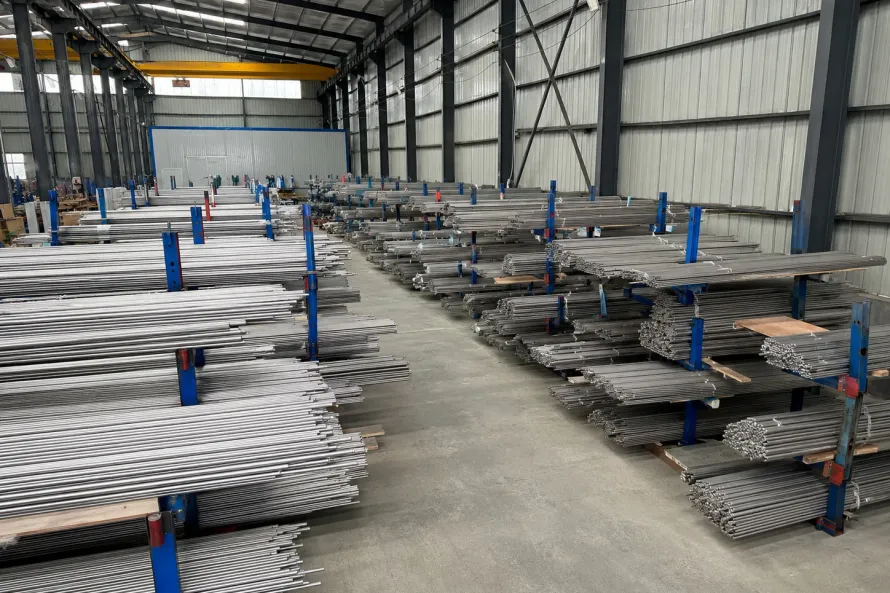
A titanium bar supplier can support the chain with heat traceability, chemistry, mechanical properties, straightness, surface condition, and packaging records. A machining supplier can add thread form, dimensional inspection, burr control, surface finish, cleaning, and lot segregation. A fastener producer has to go further: it must show that the finished geometry, processing route, and mechanical performance remain stable enough for the intended joint.
This is where titanium substitution gets serious. Replacing a steel fastener with a titanium fastener is not only a material decision. It changes mass, corrosion behavior, stiffness, installation response, torque window, and sometimes the way technicians read risk. The mechanical result may open the door, but the release file keeps the door from being mistaken for a finished qualification.
A Fastener-to-Platform Release File
The reusable file should not be a thick binder built for its own sake. It should be a compact chain of evidence that lets a buyer answer one question: can this fastener lot be connected to this platform responsibility without guessing?
| Evidence layer | What the buyer should verify |
|---|---|
| Material and route identity | Alloy, heat or powder lot, production route, process revision, and whether the part is made from bar stock, powder metallurgy, forging, or another controlled route. |
| Drawing and thread boundary | Drawing revision, thread class, dimensional tolerance, surface finish, head geometry, shank length, washer or nut interface, and any controlled installation feature. |
| Mechanical test bridge | Tensile, torque-to-yield, torque-tension, hardness, fatigue, or other tests tied to the same size family, process route, and release lot. |
| Installation condition | Torque procedure, lubrication, coating, tool setting, preload target, reuse rule, and maintenance responsibility. |
| Service environment | Corrosion exposure, temperature, vibration, galvanic pairing, contact material, cleaning chemistry, and expected inspection interval. |
| Lot release package | Certificate of conformity, material test report, inspection report, nonconformance closure, packaging label, and serial or batch traceability. |
| Change control | Any change in feedstock source, process route, thread method, surface treatment, subcontractor, test method, packaging, or drawing revision. |
This framework matters even when a buyer is not purchasing IperionX fasteners. A titanium distributor selling bars for fastener machining, a shop machining titanium threaded components, and a supplier offering titanium forgings all face the same buyer question: where does the responsibility move from material availability to finished-part release?
What Titanium Suppliers Can Own
Titanium suppliers should be careful not to overclaim platform approval. The stronger commercial position is to own the evidence they can genuinely control.
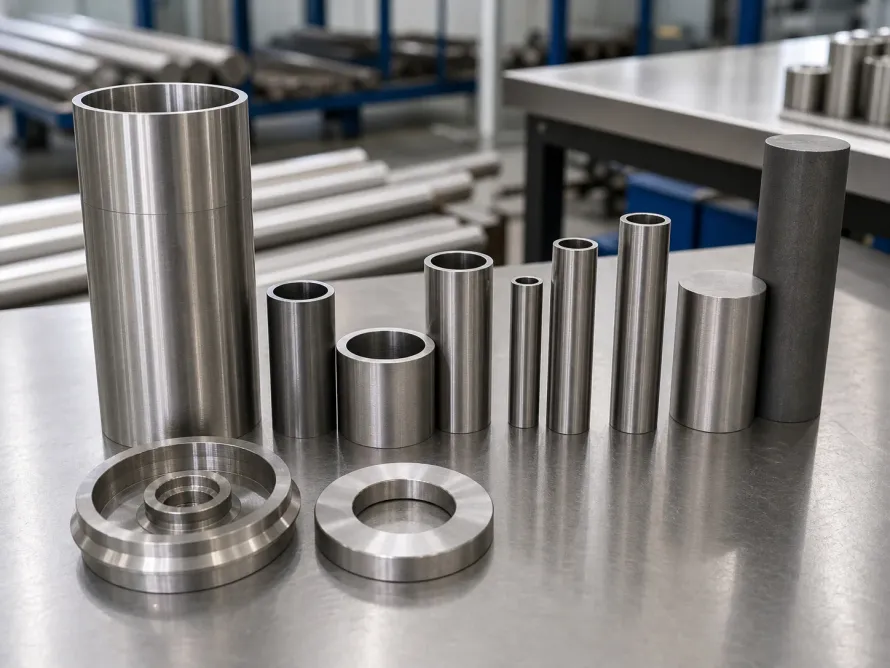
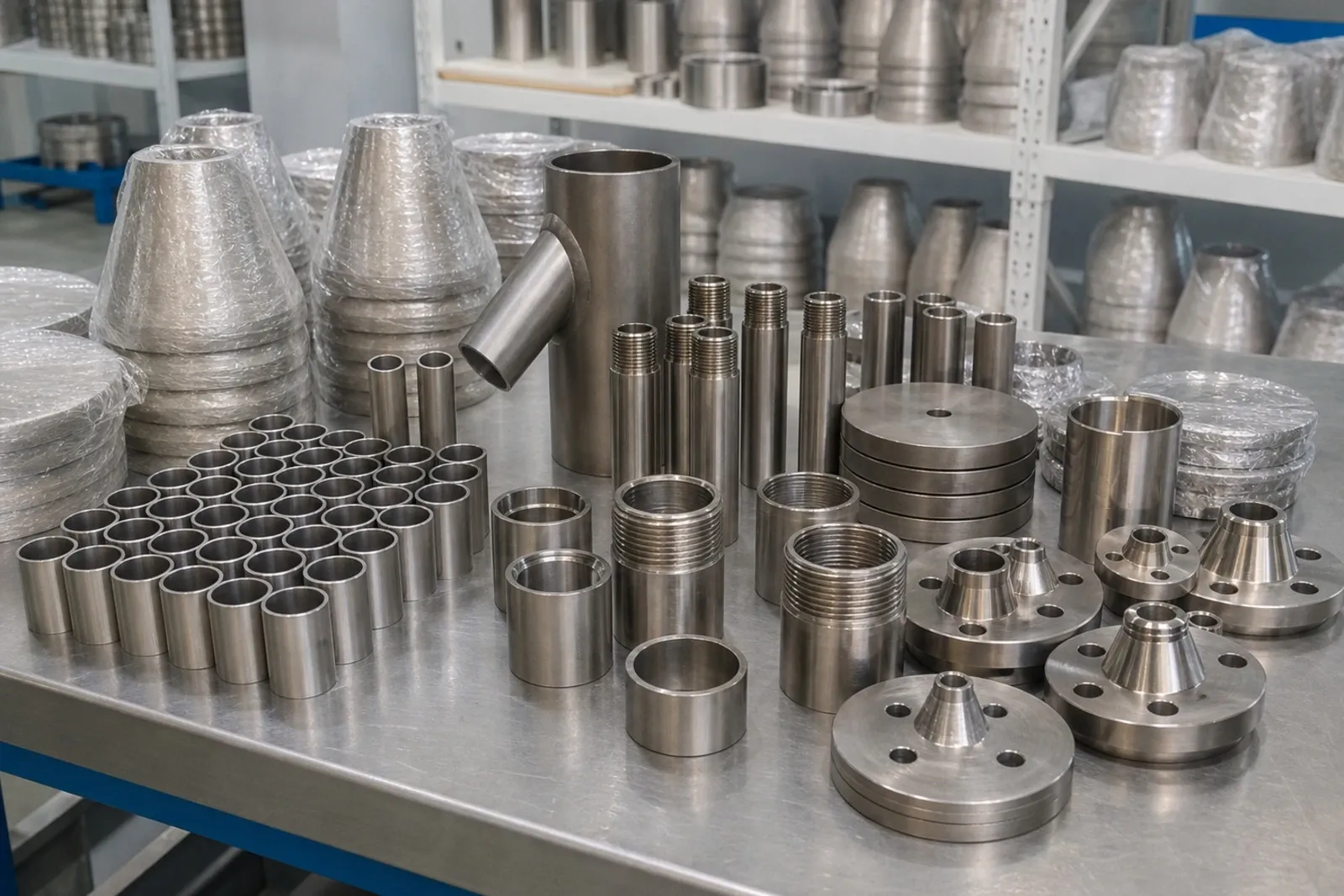
For bars, tubes, plates, and forgings, that means clean material identity, heat traceability, dimensional stability, surface condition clarity, and records that can survive downstream machining. For machined titanium components, it means drawing control, process revision, inspection method, burr and cleanliness control, packaging, and lot release discipline. For finished fasteners, it means matching the production route to the mechanical and installation evidence that the buyer will actually need.
The IperionX announcement also shows why suppliers should separate “tested against a benchmark” from “released for a platform.” The first can be a valuable technical milestone. The second belongs to a controlled customer approval path.
What Buyers Should Not Overread
The test results do not prove that every titanium fastener can replace every SAE Grade 8 steel fastener. They do not prove price, delivery, fatigue life, corrosion behavior in every assembly, or approval for any specific aircraft, vehicle, vessel, tool, or industrial system. They also do not make a powder-to-product route interchangeable with a billet, forged, or machined route without evidence.
That restraint does not weaken the story. It makes the story more useful. Titanium adoption often fails when teams jump from material advantage to application confidence too quickly. A fastener may be lighter and strong enough in a test, but the buyer still needs a record that explains how the part was made, inspected, installed, and controlled after delivery.
The practical test is simple: can a quality reviewer connect the delivered fastener lot to the platform, joint, test method, installation condition, and change-control boundary without calling five people?
If the answer is yes, the buyer has moved beyond a headline into a usable release file. If the answer is no, the buyer may have a promising titanium fastener, but not yet a dependable substitution decision.
FAQ
# What is a fastener-to-platform release file for titanium buyers?
# Why do titanium fastener test results not equal platform approval?
# What should buyers request before replacing steel fasteners with titanium fasteners?
# How can titanium bar or machining suppliers support finished-fastener qualification?
# What should buyers avoid assuming from IperionX's fastener announcement?
Need this material? Get a factory-direct quote.