Alleima's Tube Mill 2026: Why Titanium Tube Buyers Need a Service-Envelope Evidence File
Alleima’s latest tube-capacity news is not a titanium tube announcement. That distinction matters. The useful signal for titanium buyers is not that one more source of tube supply has appeared, but that demanding tube markets are being organized around service environment, documented process control, inspection proof, and long-term application risk.
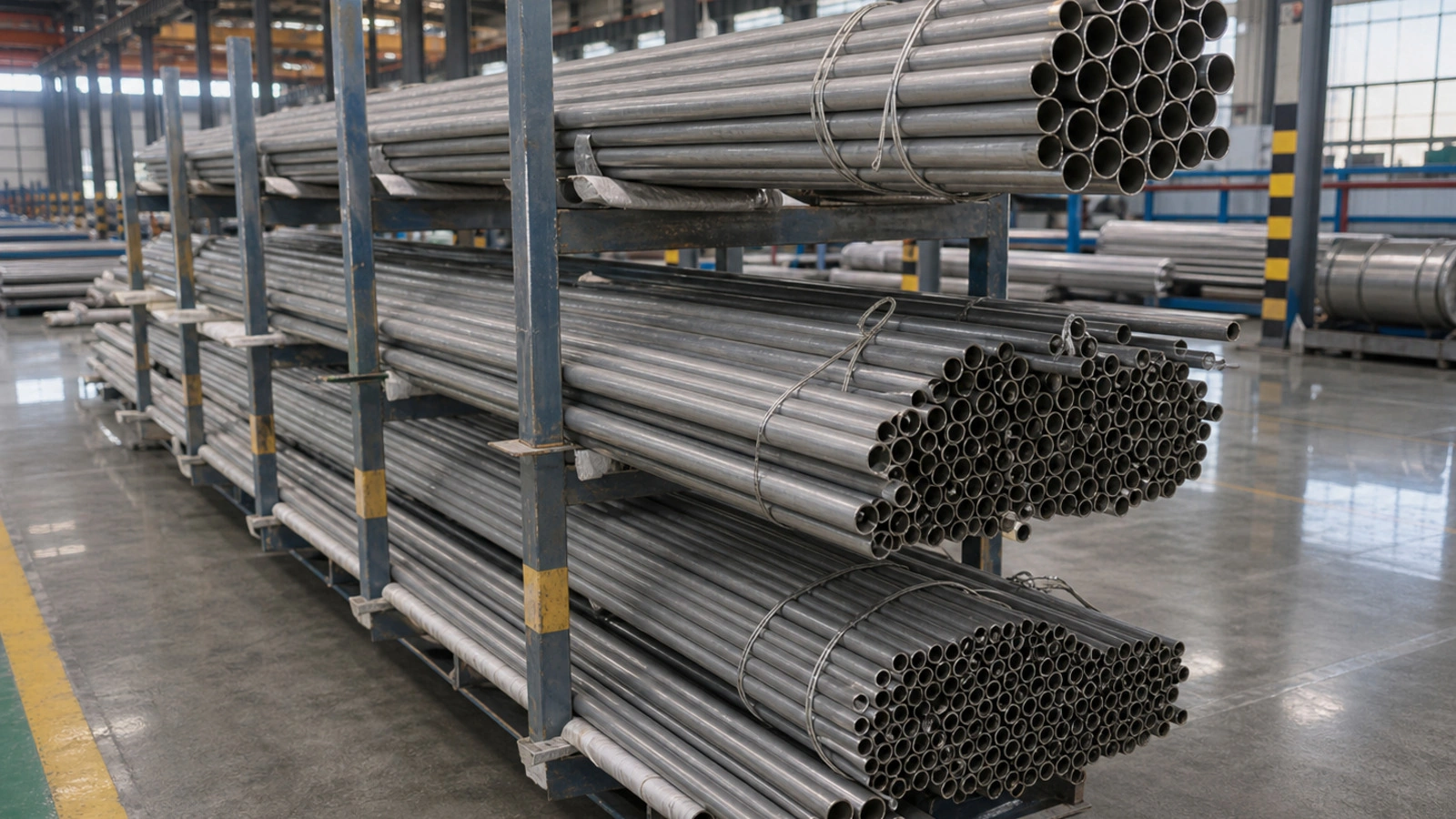
Alleima announced on 2026-06-03 that the Tube Mill 2026 facility in Sandviken, Sweden, had been inaugurated on 2026-06-02. The company described the project as an approximately SEK 330 million investment aimed at conventional nuclear power and small modular reactors, with the upgraded and reopened facility increasing steam generator tube production capacity by approximately 60% and becoming operational during 2026.
That is a nuclear steam generator tube story, not a titanium stock story. Alleima’s own steam generator tube page describes production in premium seamless stainless steel and high nickel alloy steam generator tubing, with an outer-diameter range of 10-25.4 mm for the listed portfolio. The point for titanium tube buyers is adjacent but important: when a tube enters a severe service environment, the purchase order cannot be governed by diameter, grade label, and delivery date alone.
Tube Capacity Is Becoming Service-Specific
The tube market often looks simple from a distance. Buyers ask for a grade, an outside diameter, a wall thickness, a length, a standard, and a delivery schedule. Suppliers answer with stock, production route, certificate, and price. That workflow can work for low-risk replenishment.
It becomes weak when the tube is part of a condenser, heat exchanger, chemical-processing unit, energy system, pressure boundary, seawater service, chlorinated environment, or equipment package where corrosion, cleanliness, joining, inspection access, and tube-sheet fit all matter.
High-spec tube investments show the direction of travel. Capacity is not just “more tubes.” It is capacity inside a defined service envelope: alloy family, production route, inspection method, dimensional discipline, customer approval, documentation rhythm, and change-control boundary. Titanium tube buyers should borrow that logic even when they are not buying nuclear tubing.
For titanium, the trap is interchangeability. A titanium tube can be commercially described in a few words, yet technically depend on many hidden choices: seamless or welded route, grade, wall tolerance, surface condition, straightness, residual contamination, end preparation, cleaning, packaging, and the chemistry and temperature of the fluid it will see.
Why ASTM B338 Is a Starting Point, Not the Whole File
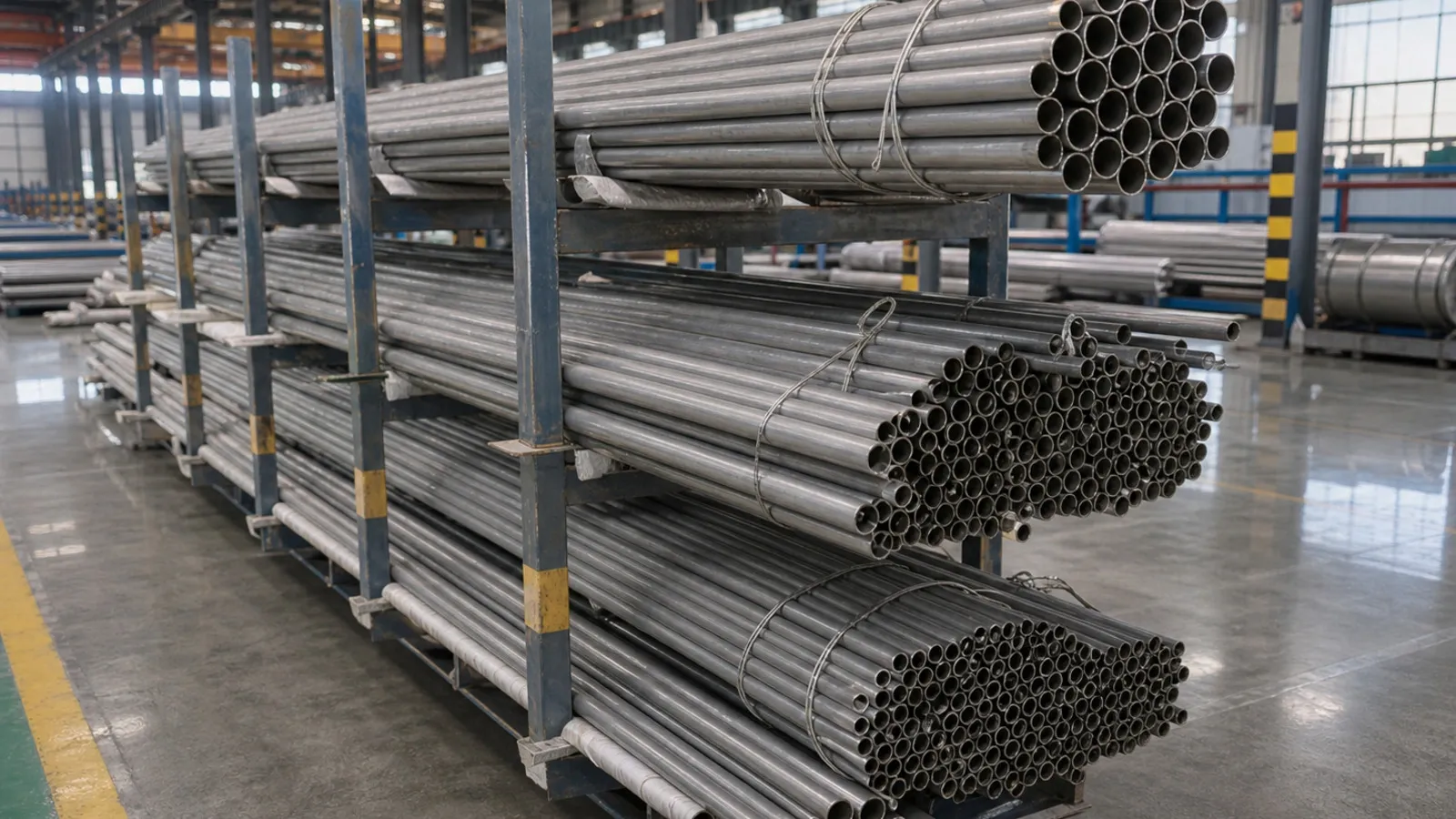
ASTM B338 is commonly referenced for seamless and welded titanium and titanium-alloy tubes for condensers and heat exchangers. The standard scope is valuable because it frames titanium tube purchasing around more than a generic “pipe” description. It points buyers toward tube form, grade basis, mechanical properties, and testing expectations.
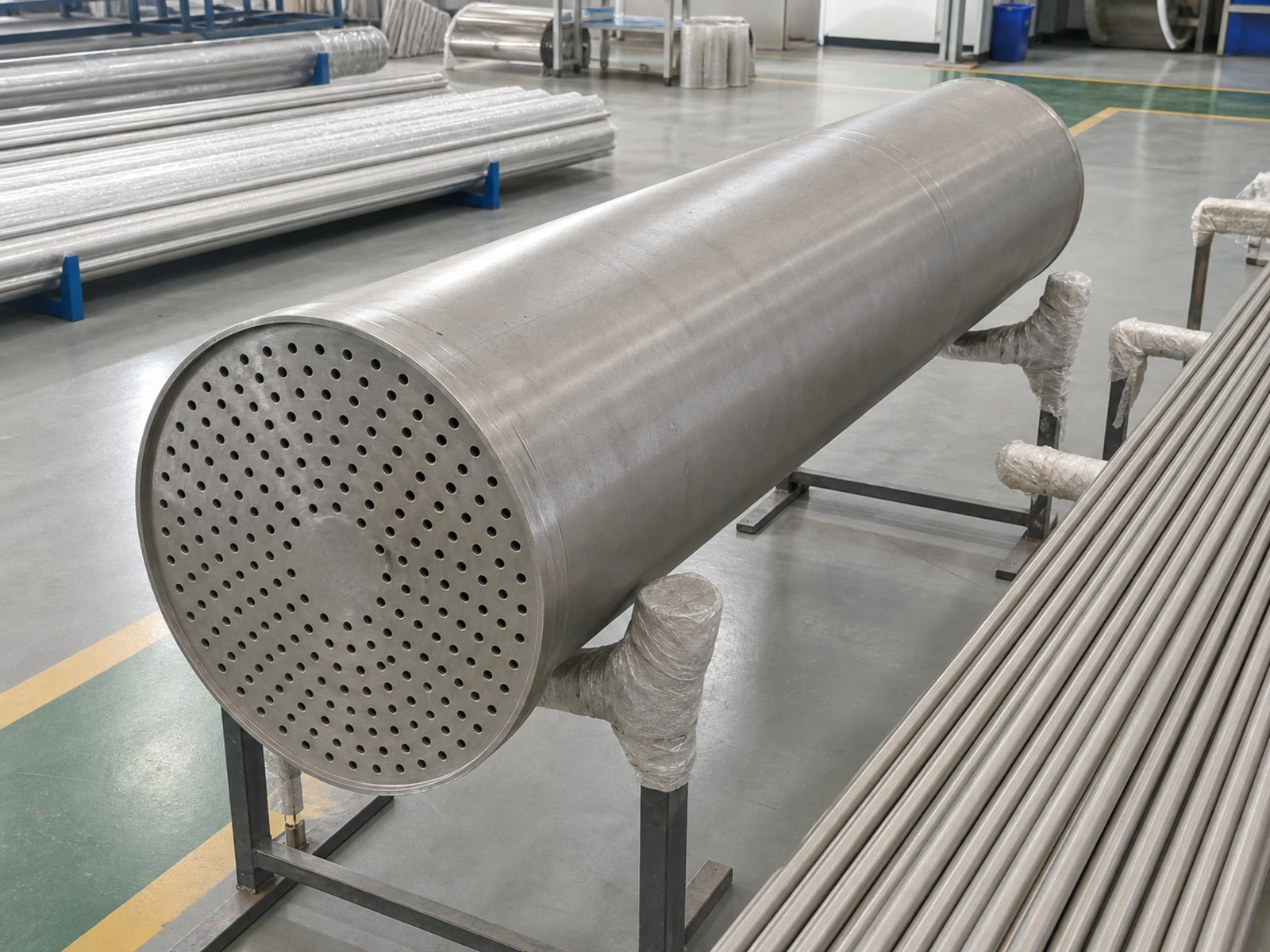
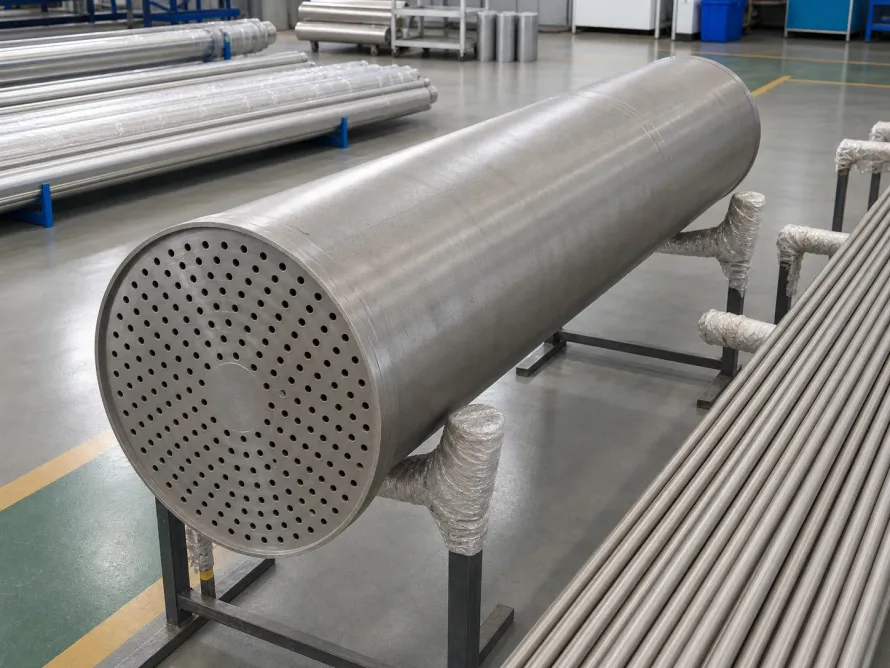
But a standard reference does not replace an application review. A buyer still has to connect the tube to the actual service envelope. What is the medium? What temperature and pressure range will the tube see? Is the problem seawater service, chloride chemistry, acid service, erosion, crevice corrosion, fouling, cleaning chemistry, galvanic pairing, or tube expansion into a tube sheet? Is the tube being supplied as straight length, U-bent tube, cut-to-length tube, assembled bundle input, or spare replacement stock?
Those questions are not academic. They decide which evidence belongs in the file. A mill test report can confirm material identity, chemistry, mechanical properties, and heat traceability. It does not automatically prove that the tube is clean enough for a specific process, that the surface condition matches the exchanger requirement, that tube-end handling is controlled, or that a route change will be visible before shipment.
A Service-Envelope Evidence File
The practical answer is a compact service-envelope evidence file. It should not be a decorative binder. It should be a buyer-readable chain that connects the tube being delivered to the environment where the tube will work.
| Evidence layer | What the buyer should verify |
|---|---|
| Material and standard basis | Titanium grade, product form, specification callout such as ASTM B338 when applicable, heat number, chemical and mechanical records, and any customer-specific supplement. |
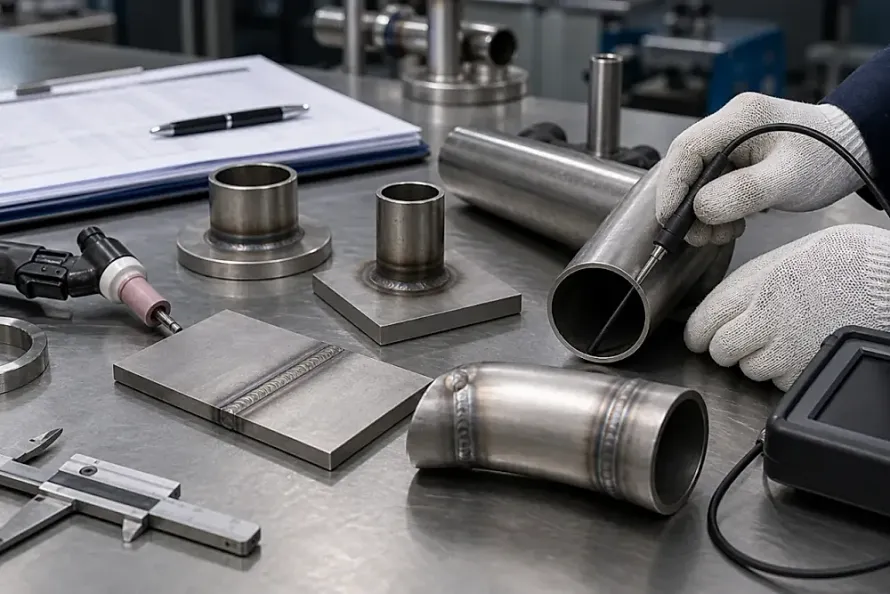
| Tube route and dimensions | Seamless or welded route, OD, wall thickness, length, straightness, ovality, end condition, U-bend status when relevant, and revision-controlled dimensional inspection. |
| Service envelope | Fluid chemistry, concentration, temperature, pressure, flow condition, cleaning chemistry, fouling risk, galvanic contact, and corrosion mechanism being designed against. |
| Inspection and test proof | Hydrostatic, pneumatic, eddy-current, ultrasonic, visual, dimensional, cleanliness, or other inspection evidence tied to the order and route, not only to a generic capability statement. |
| Surface and cleanliness control | Surface finish, pickling or polishing state, residual contamination control, handling marks, internal cleanliness, and packaging that protects the tube before installation. |
| Equipment interface | Tube-sheet fit, expansion or welding boundary, end preparation, bend radius, bundle assembly needs, spare-part match, and responsibility split between tube supplier and fabricator. |
| Release and change control | Certificate wording, lot labels, nonconformance closure, subcontracted process disclosure, route changes, inspection-method changes, and notification triggers before repeat supply. |
This framework is especially useful for export buyers. A distributor, EPC buyer, heat-exchanger fabricator, or maintenance team may not control every step of production. The evidence file gives them a way to ask for the right proof without pretending that every project needs the same document set.
What Titanium Suppliers Can Own
Titanium suppliers should not overclaim service performance that belongs to the equipment designer or end user. The stronger position is to own the evidence that a supplier can genuinely control.
For titanium tube supply, that means heat traceability, grade identity, route clarity, dimensional inspection, surface condition, packaging, and certificate consistency. For titanium plates, sheets, forgings, machined parts, and pressure-equipment components that sit near the same project, it means keeping related material records aligned so the buyer does not receive a tube file, a plate file, and a machined-part file that cannot be reconciled.
The supplier can also make the RFQ sharper. Instead of asking only for size and grade, a serious titanium tube RFQ should identify application, medium, temperature range, pressure range, standard, inspection expectation, end condition, packaging need, and certificate language. If the buyer cannot disclose the exact formula or process, the buyer can still define the corrosion or cleanliness concern in usable engineering language.
That is where supplier expertise becomes visible. A low-value response says, “We have titanium tube.” A better response asks which service envelope the tube must survive and which evidence the buyer needs before releasing the shipment.
What Buyers Should Not Overread
Alleima’s Tube Mill 2026 announcement does not prove new titanium tube capacity. It does not mean nuclear steam generator tubing and titanium heat-exchanger tubing share the same alloy, standard, approval route, or inspection file. It also does not mean every tube project needs nuclear-level documentation.
The lesson is narrower and more useful. In demanding markets, tube supply is being judged less as a generic commodity and more as a controlled route into a specific service environment. Titanium buyers in chemical processing, energy, desalination, marine equipment, industrial heat exchange, and maintenance replacement should treat that as a procurement discipline.
The practical test is simple: can a quality reviewer connect the delivered titanium tube lot to its grade, standard, route, inspection proof, surface condition, service chemistry, equipment interface, packaging, and change-control boundary without rebuilding the story after the shipment arrives?
If the answer is yes, the buyer has a service-envelope evidence file. If the answer is no, the buyer may have titanium tubes, but not yet a dependable release basis for the equipment that will use them.
FAQ
# What is a service-envelope evidence file for titanium tubes?
# Why is Alleima's Tube Mill 2026 relevant to titanium tube buyers?
# Does Tube Mill 2026 prove new titanium tube capacity?
# Why is ASTM B338 not enough by itself for titanium tube approval?
# What should titanium tube buyers request in an RFQ?
Need this material? Get a factory-direct quote.