According to joint regulatory announcements distributed via the London Stock Exchange and GlobeNewswire on November 23, 2026, titanium minerals and zircon producer Kenmare Resources plc and Abu Dhabi-based International Resources Holding RSC Ltd (IRH) reached an agreement in principle on the key financial terms of a pre-conditional possible all-cash offer valuing Kenmare’s ordinary share capital at approximately USD 464 million—representing an implied enterprise value near USD 640 million and a 52% premium over November 20, 2026 closing levels—while negotiating up to USD 25 million in interim operational financing. Gulf capital targeted mineral sands.
Keeping the disclosure strictly within its published regulatory boundaries, Kenmare’s board indicated it would be unanimously minded to recommend a formal offer on those terms, though the proposal is not yet a firm offer and remains subject to Mozambican government change-of-control and tax approvals ahead of an Irish Takeover Panel deadline on December 15, 2026. Because Kenmare’s Moma mine in Mozambique supplies roughly 6%–7% of global ilmenite alongside co-product zircon, chemical, marine, and precision engineering buyers locking 2027 supply contracts are evaluating what upstream mineral consolidation actually means for mill metal.
As an integrated titanium supply-chain platform working with certified partner facilities for global titanium and zirconium buyers, we break down the three metallurgical conversion gates separating heavy mineral sands from VAR titanium ingots and Zr702 chemical equipment stock. Conversion gates govern real pricing.
Gate One: Ilmenite Ore Cycles vs. Grade 0/1 Virgin Sponge—Spotting 10%–20% Scrap-Doped Quotes
Why has Kenmare navigated soft mineral-sands spot pricing that drew a 52% counter-cyclical takeover premium, while compliant pressure-vessel titanium plate and heat-exchanger tubing quotes refuse to drop in tandem? Pigment demand dominates ilmenite ore. Industrial sourcing managers structuring 2027 agreements must separate two distinct chemical chains:
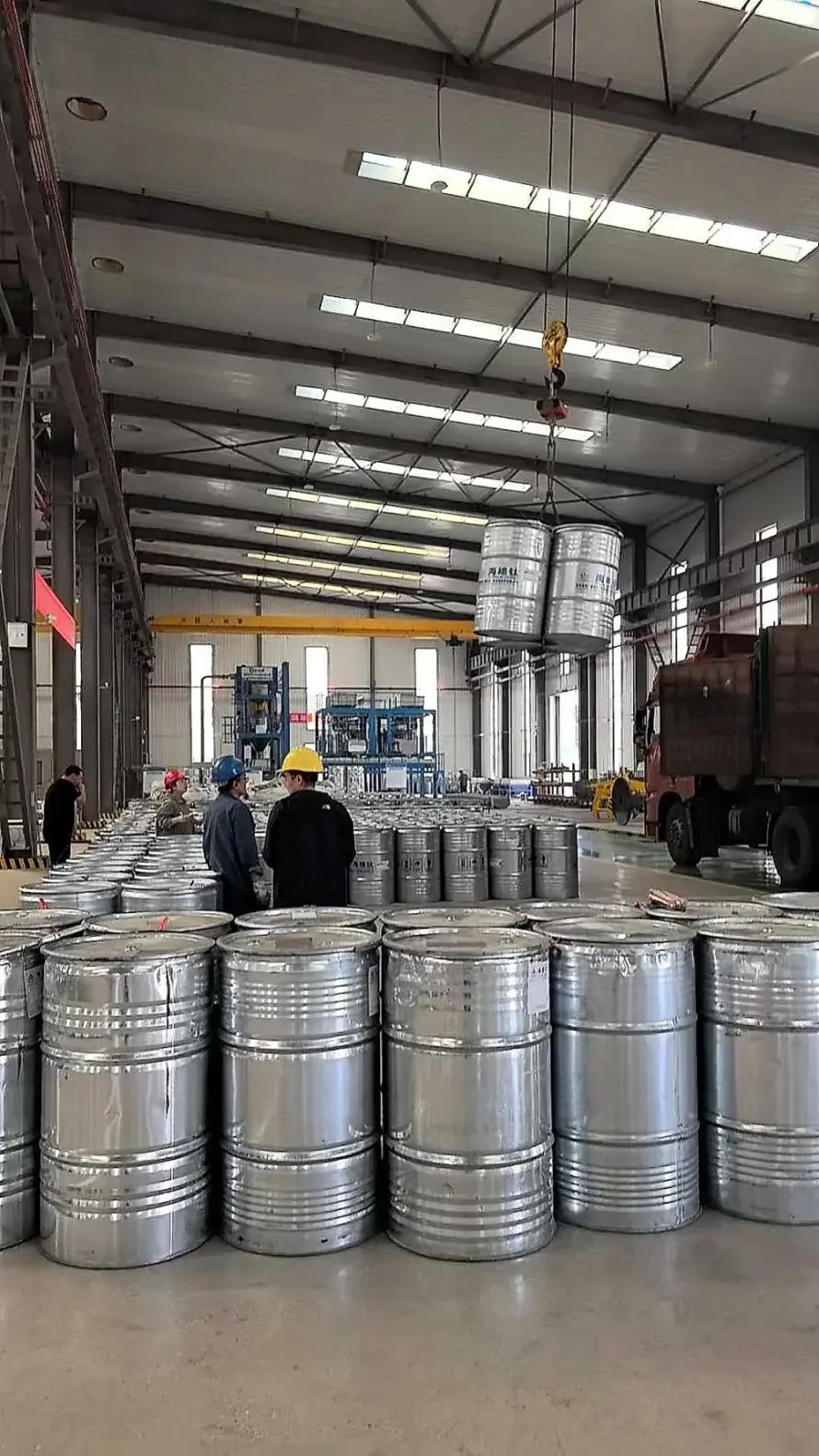
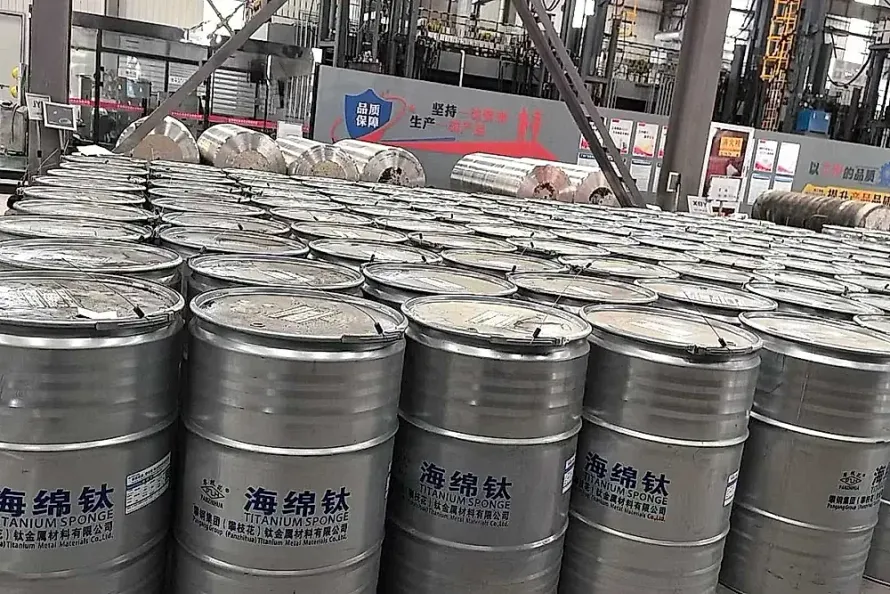
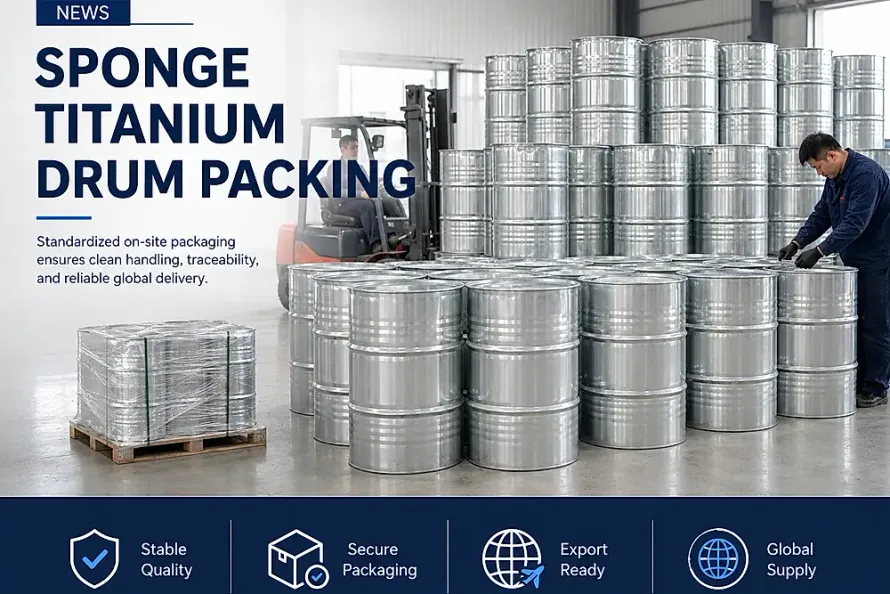
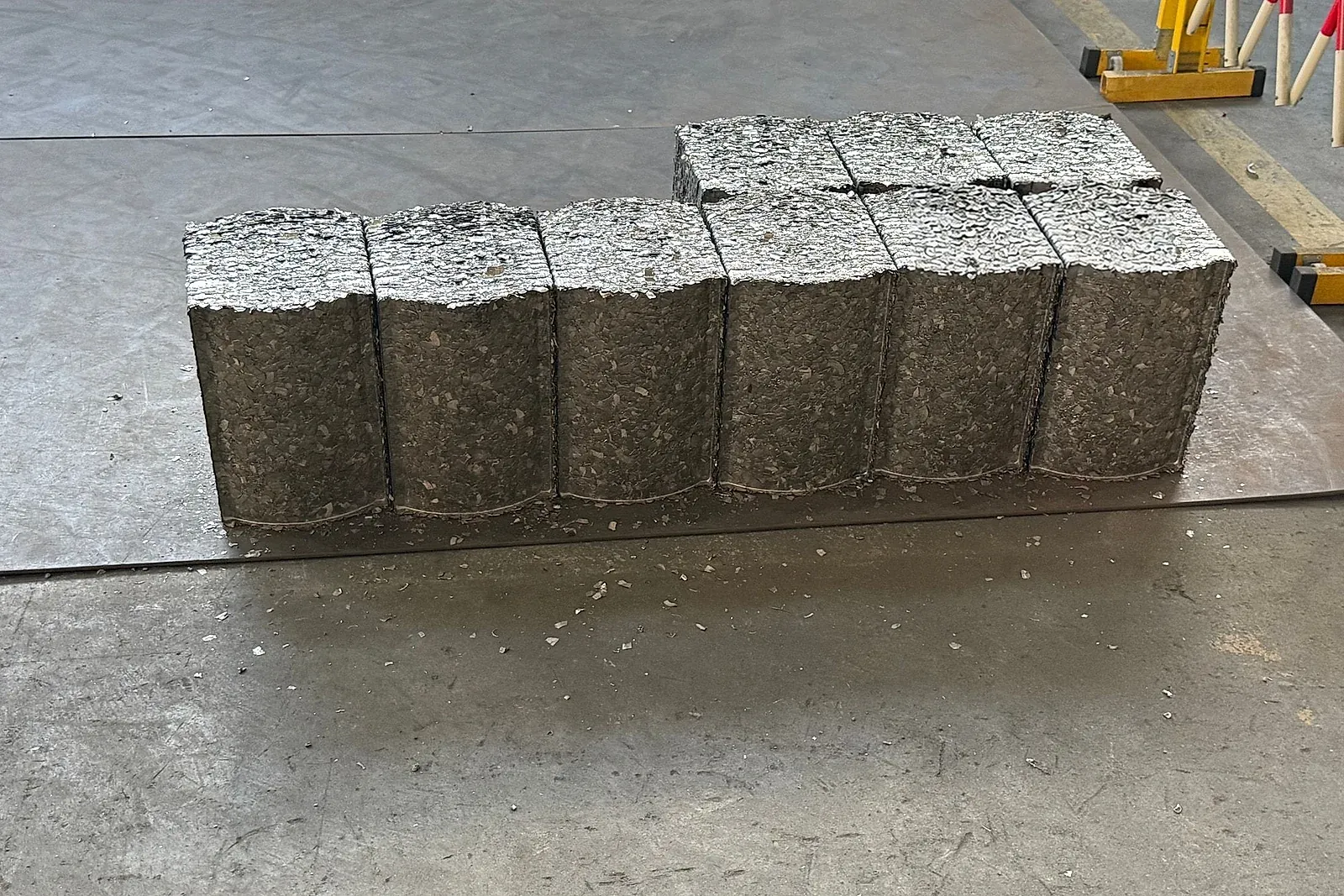
- The 90% TiO₂ Pigment Channel vs. Kroll Grade 0/1 Virgin Sponge: Over 90% of global ilmenite output flows into sulfate or chloride titanium dioxide (TiO₂) architectural coatings and plastics tied to construction cycles; metallic titanium feedstock must instead pass through multi-column titanium tetrachloride (TiCl₄) distillation and Kroll vacuum magnesium reduction. Certified partner melt shops charge 100% Grade 0 and Grade 1 virgin titanium sponge into 3–15 tonnes Vacuum Arc Remelting (VAR) ingots requiring 1–3 days furnace cycles, locking routine commercial interstitials within O ≤ 0.20%, N ≤ 0.05%, and H ≤ 0.015%. Virgin sponge protects fracture toughness.
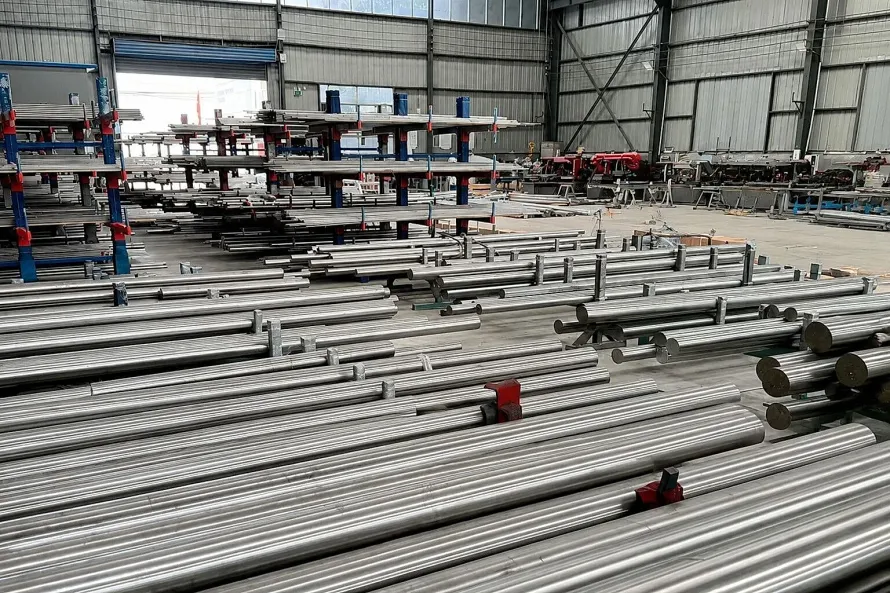
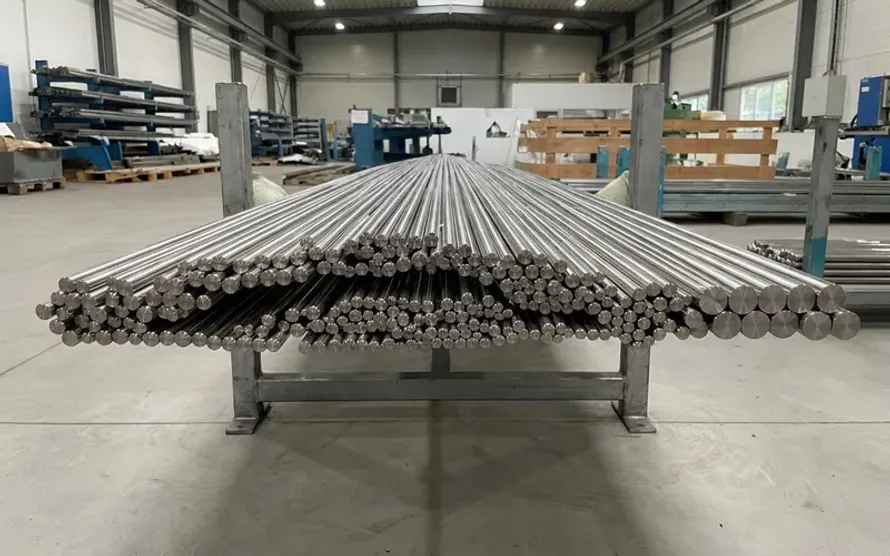
- Tracking the 1–3 Weeks Sponge Lag to Flag Revert-Scrap Dilution: Upstream virgin sponge fluctuations transmit to forging billets and ASTM B348 forged and rolled titanium round bars with a 1–3 weeks lag, while mill quotations carry a 1–7 days validity window; competing offers undercutting market baselines by 10%–20% nearly always substitute unverified machined revert scrap for virgin sponge and skip full non-destructive testing, driving oxygen spikes and cold-forming cracks. Cheap quotes hide scrap dilution.
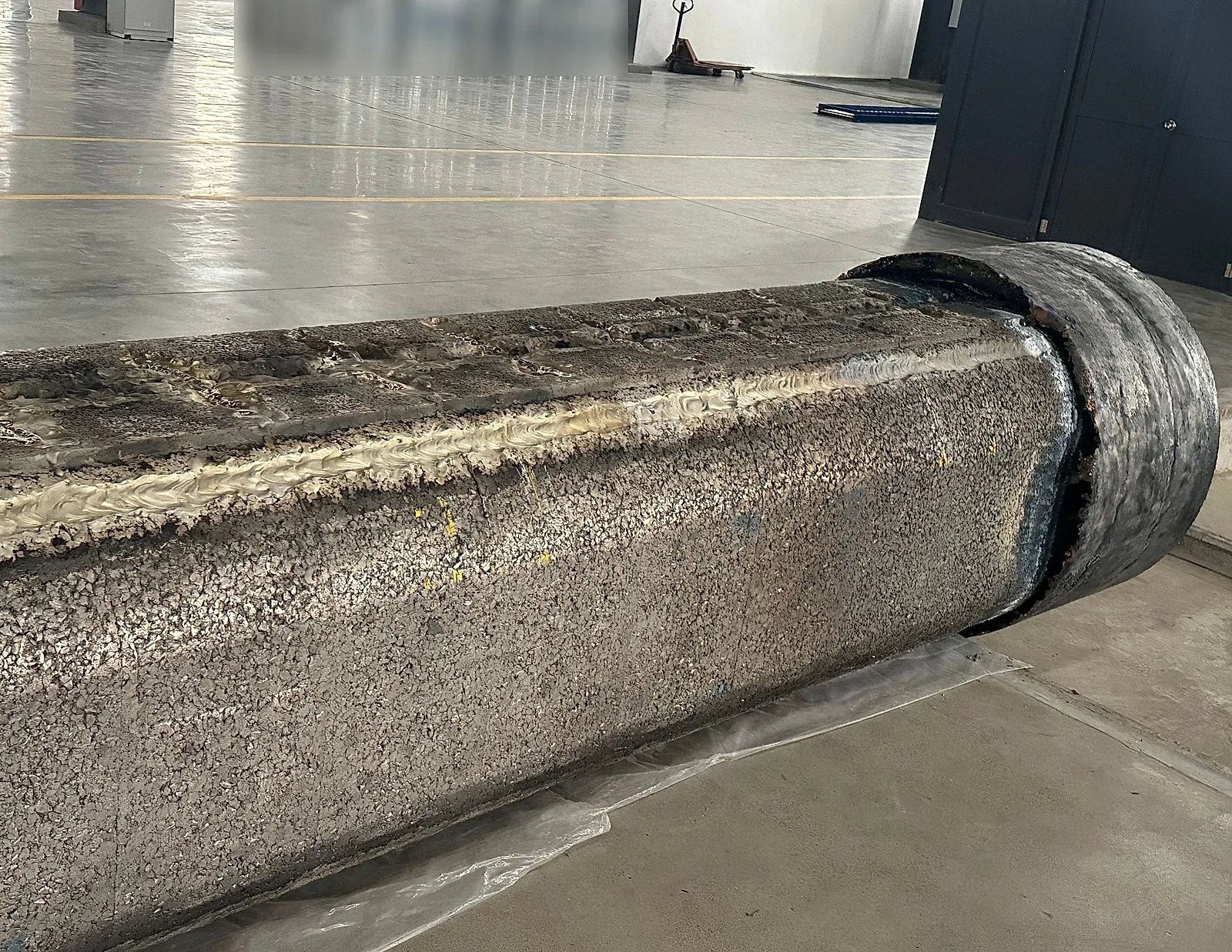 Figure 1: Full-length consumable VAR primary electrode plasma-welded under inert gas from 100% Grade 0 and Grade 1 virgin titanium sponge compacts at a certified partner melt shop. Bright, oxide-free weld seams and zero unverified revert scrap prevent oxygen segregation across 3–15 tonnes ingots. Clean electrodes produce uniform ingots.
Gate Two: Co-Product Zircon Sand to ASTM B551 / B523 Zr702 and 20-High Co-Rolling Controls
Heavy mineral sands deposits like Mozambique’s Moma operation also yield strategic co-product zircon sand—the primary mineral source for both nuclear fuel cladding and chemical-grade zirconium equipment handling boiling hydrochloric, acetic, and sulfuric acids. Titanium and zirconium complement corrosion service. For chemical process plants buying both reactive metals, two downstream conversion rules matter:
First, distinguish nuclear hafnium-free specs from chemical-grade Zr702 (UNS R60702) economics. Natural zircon sand contains 1.5%–3.0% hafnium (Hf); whereas nuclear reactors require costly solvent extraction to strip neutron-absorbing hafnium, chemical-grade ASTM B551 / ASTM B523 Zr702 zirconium plates, bars, and seamless tubes permit Hf ≤ 4.5% (Zr + Hf ≥ 99.2%, Fe + Cr ≤ 0.20%, O ≤ 0.16%), delivering unmatched resistance in hot reducing acids and urea synthesis without nuclear separation surcharges. Retained hafnium optimizes chemical budgets.
Second, enforce 100% PMI segregation where Zr702 and titanium share 20-high cold-rolling mills. Because zirconium and titanium share hexagonal close-packed (HCP) work-hardening and vacuum-annealing profiles, certified partner strip mills run 20-high Sendzimir cold-rolling stands that produce both ultra-thin titanium foils down to 0.005 mm and Zr702 chemical rupture-disc and micro-exchanger foils down to 0.01 mm; since pickled Grade 2 titanium and Zr702 look identical to the naked eye—yet form brittle, cracking welds if cross-welded—partner warehouses mandate 100% handheld XRF (PMI) verification on every coil, plate, and tube before crating. Mandatory PMI prevents catastrophic cross-welding.
| Supply-Chain Stage & Sourcing Case | Misreading Triggered by Upstream Mining Headlines | Metallurgical Conversion & Partner Line Reality | Buyer 2027 Contract Clause & IQC Gate |
|---|---|---|---|
| Ilmenite M&A & Soft Ore Spot (e.g., USD 464 million proposed bid) | Assuming abundant mill metal and accepting ultra-low quotes | 90% of ilmenite feeds TiO₂; metal locks Grade 0/1 virgin sponge | Mandate 100% virgin sponge VAR melts with O ≤ 0.20% |
| Sponge-to-Product Price Pass-Through (Quarterly locks & spot RFQs) | Benchmarking finished tubes/bars against daily ore indices | 1–3 weeks lag to mill stock; 10%–20% undercuts signal scrap | Align 1–7 days quote windows; require inert-gas fusion O/N/H logs |
| Co-Product Zircon Downstream Stock (Hot acid Zr702 equipment) | Confusing nuclear Hf-free cost with chemical UNS R60702 | Chemical grade retains Hf ≤ 4.5% (Zr + Hf ≥ 99.2%) on 20-high mills | Order to ASTM B551 / B523; run 100% incoming PMI Ti/Zr checks |
| Cross-Border Lot Release & Transit (Dual-source buffer shipments) | Checking packing lists alone without physical end stamps | VAR heat tags carry through to MTC issued 2–5 days post-test | Match stamped heat codes to original MTC; specify ISPM 15 crating |
Four Supply-Chain Audit Steps for 2027 Titanium and Zr702 Framework Contracts
Regardless of how IRH’s pre-conditional proposal for Kenmare Resources progresses ahead of the December 15, 2026 regulatory milestone, sovereign capital’s appetite for long-life titanium and zircon minerals underscores tightening upstream concentration. Upstream concentration rewards disciplined buyers. Procurement directors locking 2027 supply schedules can insulate operations through four steps:
- Write “100% Grade 0 / Grade 1 Virgin Sponge + VAR” Into Raw-Material Specs: Prohibit unapproved revert-scrap blending on pressure vessels, marine heat exchangers, and dynamic structural bar lots, requiring full Fe, C, N, H, and O assays on every Material Test Certificate (MTC). Virgin melt clauses block oxygen creep.
- Pair 1–3 Weeks Sponge Transmission Windows with Revolving Standard Stock: Lock multi-tonne coil and exchanger-tube runs (5–30 days typical mill production) during calm sponge windows, while pulling urgent maintenance spares from revolving even-gauge plate and core bar/tube stock. Smart scheduling trims buffer costs.
- Mandate Color-Coded Tagging and Separate Crates on Mixed Ti / Zr702 Shipments: Whenever a chemical plant orders Grade 2 titanium alongside Zr702 zirconium tubes or sheets, require color-coded end caps, 100% pre-shipment PMI logs, and physically separated crates to eliminate shop-floor welding mix-ups. Segregated crates stop weld failures.
- Verify Original MTCs Within 2–5 Days Post-Test and Sleeved ISPM 15 Export Crates: Formal MTC packages issue 2–5 days after chemical, tensile, and ultrasonic/hydrostatic testing with 100% heat/lot number traceability (independent SGS / TÜV witness re-testing available on request), packed in individual poly sleeves, EPE foam, and steel-strapped ISPM 15 plywood crates shipped FOB China main port. Full traceability secures incoming release.
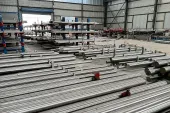
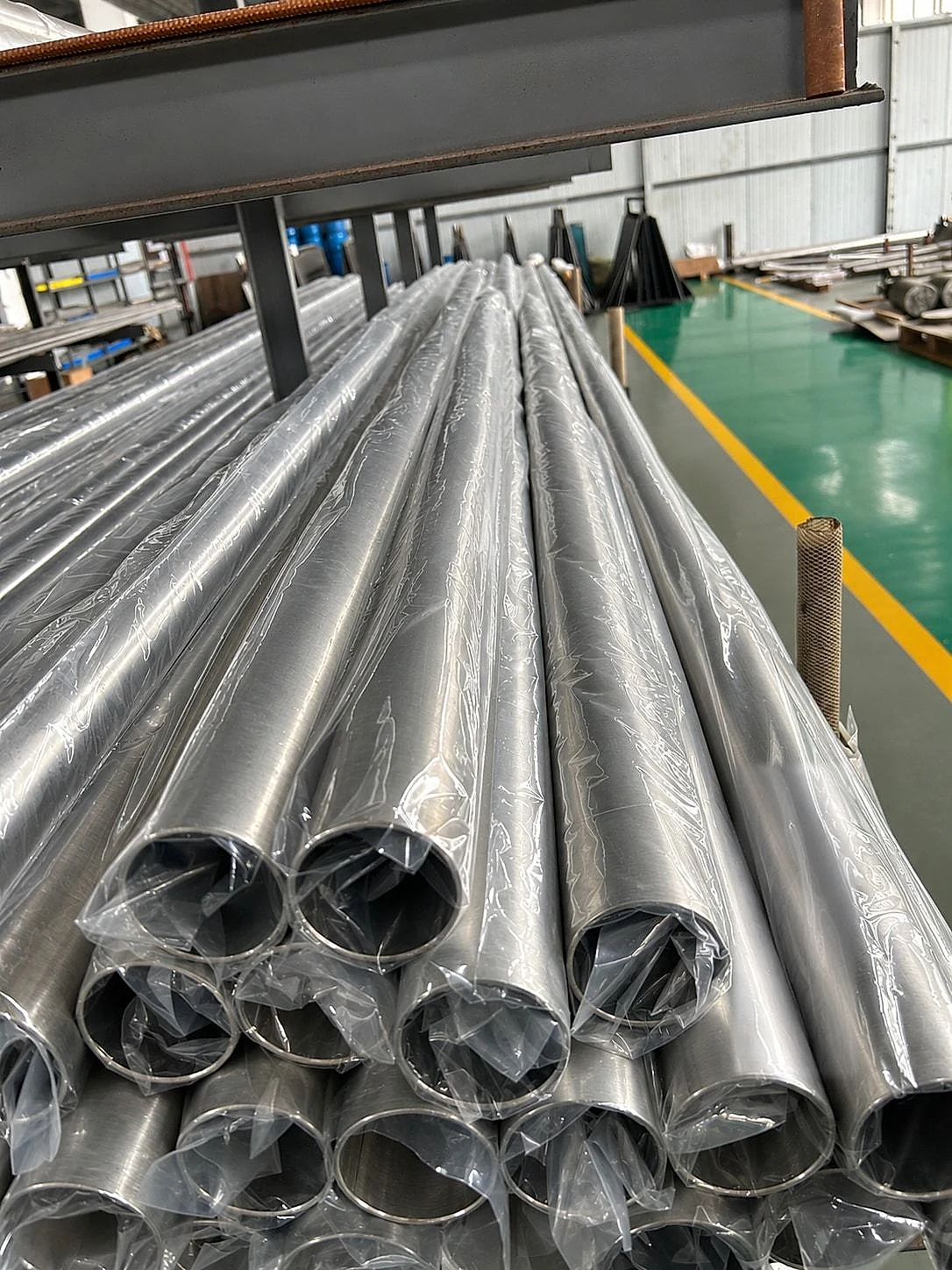 Figure 2: Heat-lot segregated ASTM B523 Zr702 (UNS R60702) seamless zirconium tubes protected inside individual polyethylene sleeves at a certified partner warehouse. Enforcing 100% XRF PMI sorting prior to crating eliminates titanium-zirconium mix-ups in chemical fabrication shops. Poly sleeves protect pickled surfaces.
If your sourcing or process engineering team is qualifying 2027 supply for virgin-sponge VAR titanium plates, bars, heat-exchanger tubes, or ASTM B551 / B523 Zr702 zirconium materials, submit your bill of materials via our online RFQ and complimentary MTC traceability audit portal to review live mill lead times and redacted MTC sample packages. Verified melt pedigrees protect plant uptime.