Carpenter's Titanium Surcharge Table: Why Buyers Need a Shipment-Date Quote Bridge
Carpenter Technology’s raw material surcharge page is not a titanium market forecast. It is also not a universal price list for every titanium bar, tube, plate, sheet, forging or machined part. But for buyers, its latest page and linked titanium table make one commercial point hard to ignore: when the surcharge applies at shipment, the quote file needs a bridge from alloy to product form to shipment date.
The Carpenter raw material surcharge page says it was updated on 2026-06-03 and that surcharges are generally updated by noon U.S. Eastern Time on the first business day of each month. The same page says surcharges are applicable at time of shipment unless otherwise stated at order entry. Its linked titanium surcharge table, last updated on 2026-04-01, lists the June column for 2026 with CP at USD 6.38/lb, Ti 6-4 at USD 6.05/lb, and Beta C at USD 7.60/lb.
That is enough to turn a routine quote review into a documentation problem. A buyer may ask for a kilogram price for titanium bar or a finished quote for machined components, but the supplier’s cost basis may contain a base price, a raw material surcharge, conversion work, inspection, certification, packaging, freight, duty, currency exposure and scrap allowance. If one of those elements changes by month while the order ships later, a simple quote line can hide the reason why the final invoice no longer looks like the first spreadsheet.
A surcharge is not the whole price
The most common mistake is to read a surcharge table as if it were the finished price of titanium. It is not. Carpenter’s policy describes a formula based on alloy chemistry, effective non-coverable yield from melt, and the delta between 1999 base values and current market values. It also says current market values come from industry publications and that Carpenter reserves the right to modify the current monthly surcharge if raw material prices fluctuate more than +/- 10% from the previous month.
For a titanium product buyer, the lesson is less about copying someone else’s number and more about separating price components. CP bar, Ti 6-4 plate, welded tube and a machined flange do not carry the same conversion path. Even if the raw material surcharge family is visible, the finished part still depends on melting route, mill form, size tolerance, heat treatment, machining loss, inspection route and certificate package.
That is why a credible quote record should show which part of the number is material surcharge, which part is conversion or processing, and which part is logistics or compliance. Without that split, procurement can only argue about the total price. With the split, procurement can ask a better question: which documented input changed between quote, order and shipment?

Shipment date is a commercial boundary
The shipment-date language matters because titanium orders often sit between two clocks. The first clock is the buyer’s approval clock: drawing release, supplier qualification, purchase order approval, quality review and import paperwork. The second clock is the supplier’s production clock: material allocation, cutting, processing, inspection, packing and shipment.
When the surcharge is applicable at time of shipment unless otherwise stated, the commercial boundary is not only the day the buyer asked for a quote. A quote made near the end of one month can be shipped after the next surcharge update. A blanket order can release material in separate lots. A machined component can consume gross input weight that is much higher than finished net weight. These are not accounting details; they are places where price evidence can break.
The answer is not to make every titanium quote longer. The answer is to attach a compact shipment-date quote bridge to the buyer file. That bridge should be short enough for a purchasing team to use, but specific enough that quality, finance and logistics can read the same record.
What the quote bridge should include
| Evidence item | Why it matters for titanium buyers |
|---|---|
| Alloy and surcharge family | CP, Ti 6-4 and Beta C do not necessarily sit under the same surcharge line or conversion route. |
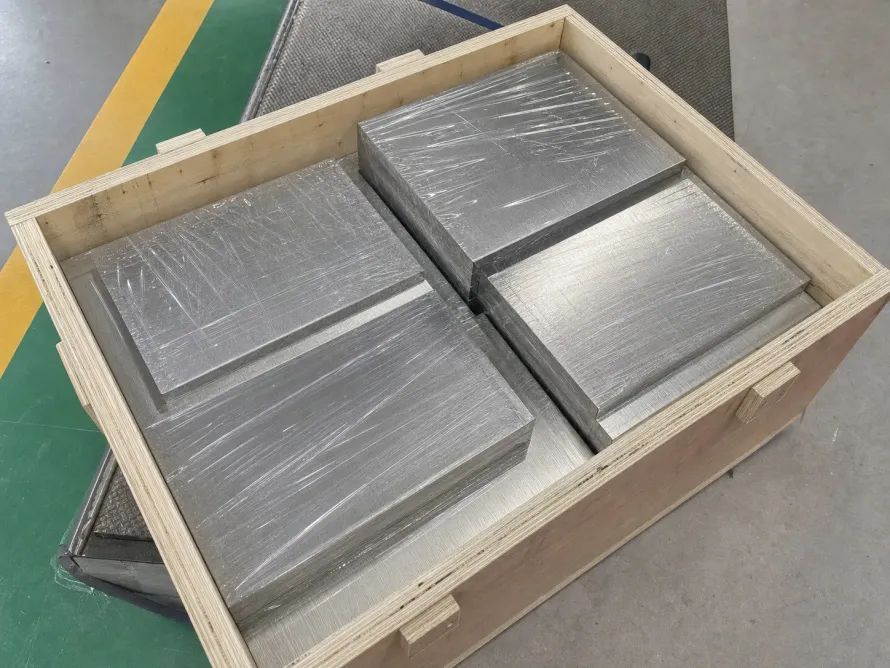
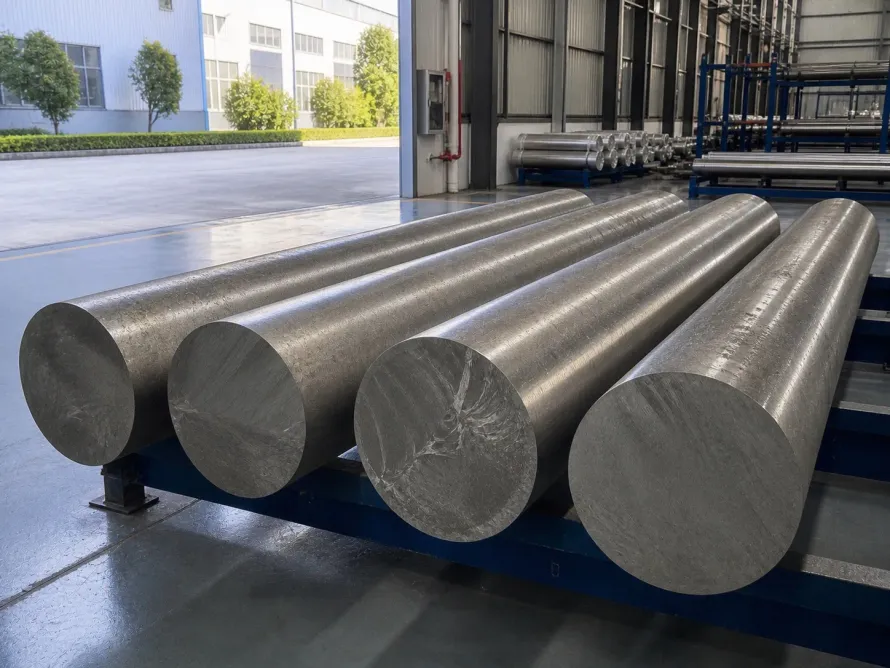
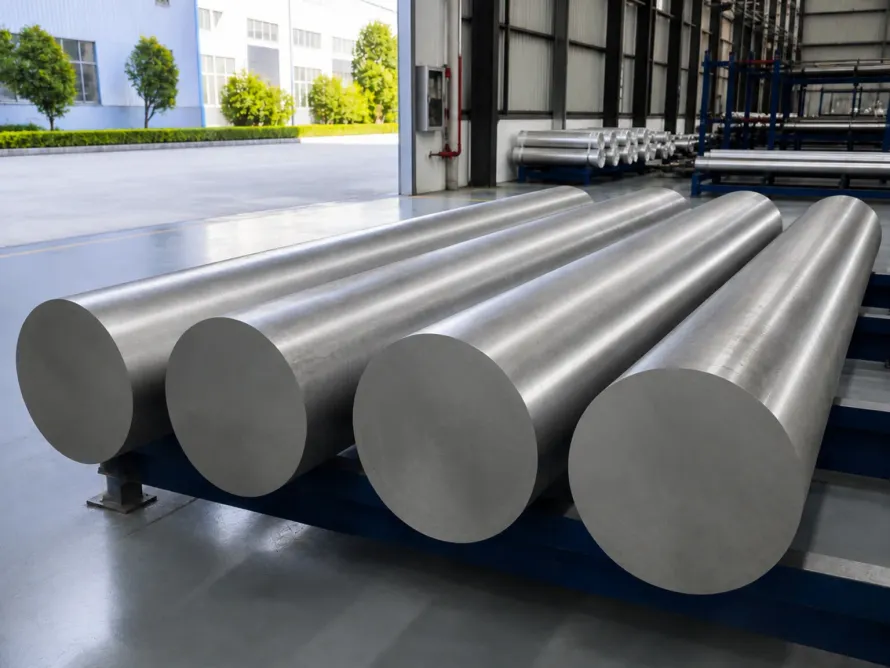
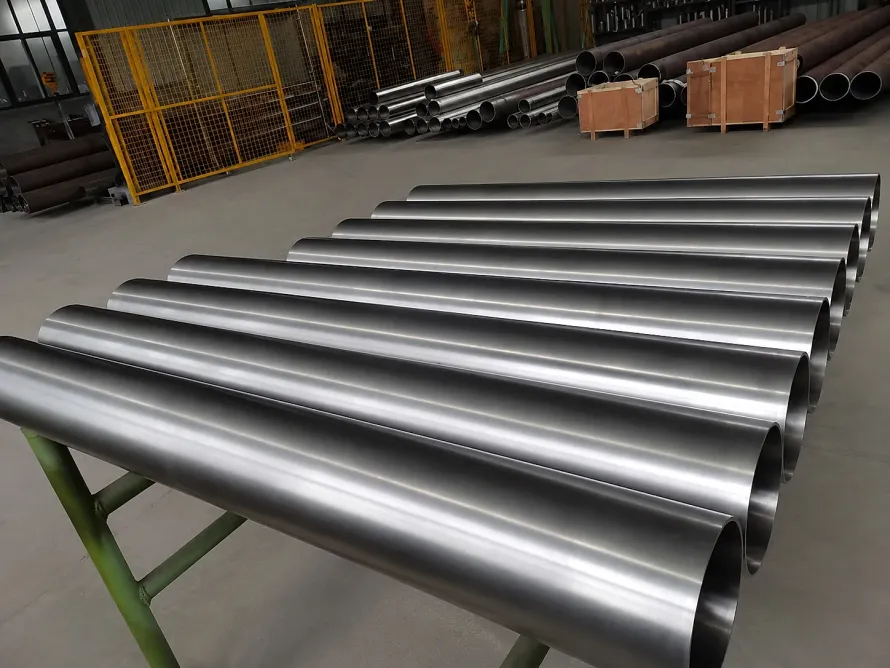
| Product form | Bar, tube, plate, sheet, forging and machined components can use different input stock, yield and inspection work. |
| Quote date, order date and shipment date | The record shows whether a monthly surcharge update could affect the final price. |
| Surcharge source and version | The file names the supplier policy page, the table date and the relevant month column instead of relying on memory. |
| Weight basis | Buyers can distinguish net finished weight from gross input weight, scrap allowance and minimum-charge logic. |
| Conversion and machining basis | Cutting, welding, heat treatment, turning, milling and special inspection should not be hidden inside a vague material line. |
| Certification and inspection | Mill certificate, dimensional report, chemical analysis, mechanical testing and traceability add cost and schedule obligations. |
| Freight, duty and currency | Export buyers need a clean separation between ex-works product price and landed-cost movement. |
| Change trigger | The quote should say what happens if the shipment month, alloy family, quantity, certificate requirement or delivery term changes. |
This structure gives both sides a cleaner negotiation surface. The buyer can challenge a surcharge, but the challenge is tied to a named source, a date and a product form. The seller can explain a price movement without turning the discussion into a vague claim about “the market.” The most useful file is not a large report. It is a traceable bridge from commercial promise to shipment reality.
Machined parts need gross-to-net clarity
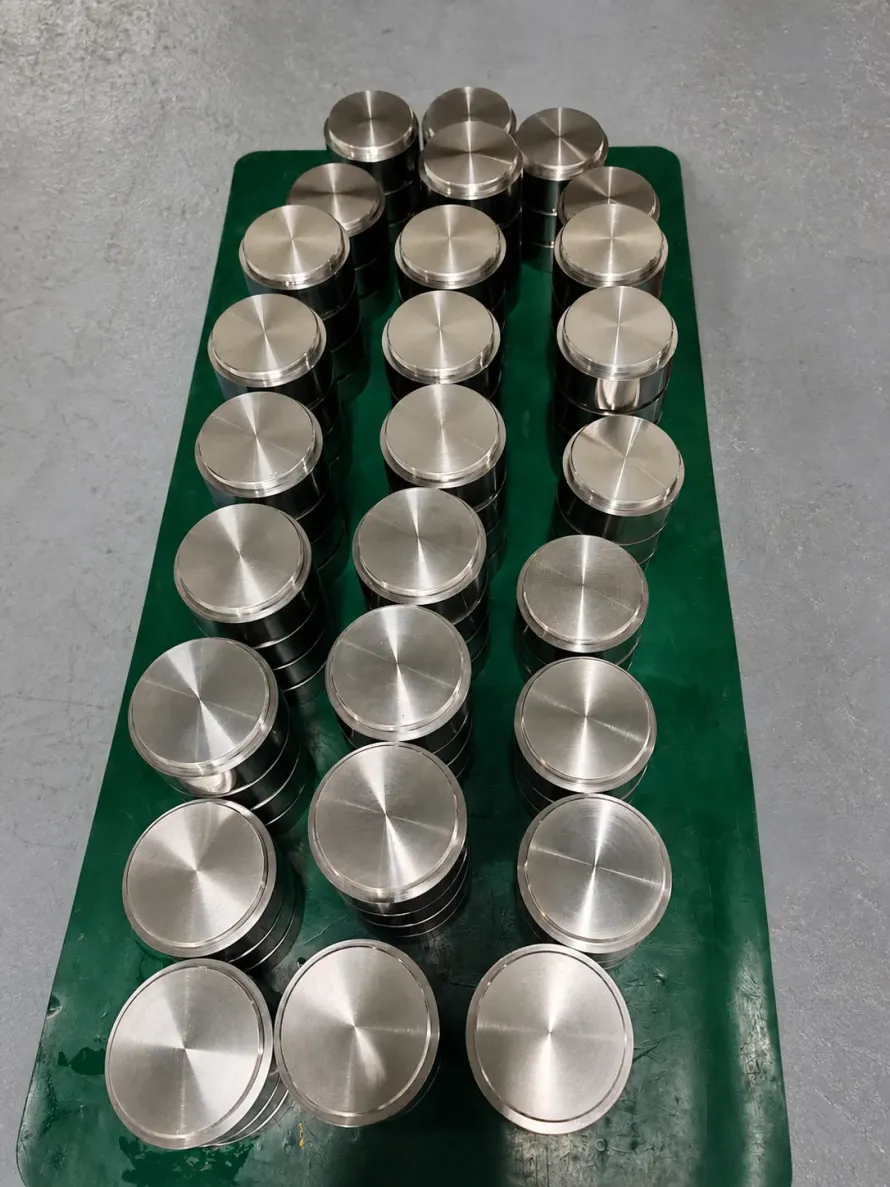
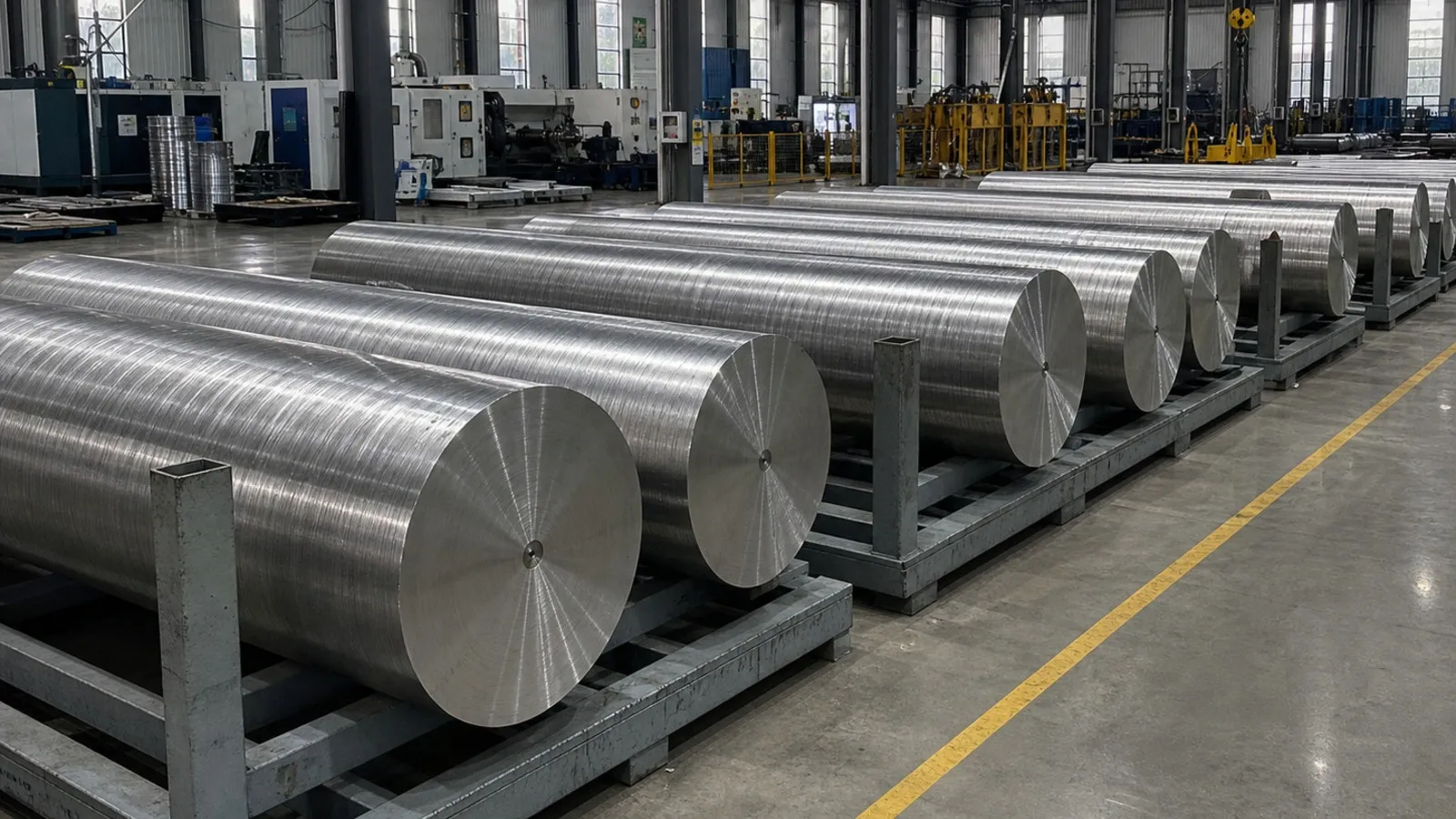
The bridge becomes more important when the order is not raw mill product. A buyer may purchase a finished sleeve, ring, flange or custom titanium component by piece, while the supplier buys or allocates bar, tube or plate by input weight. The machining route may remove material that never appears in the finished part. If the surcharge is discussed only against finished net weight, the buyer may miss the real material exposure behind the quote.
For machined titanium parts, the quote file should state the input stock form, the approximate gross-to-net logic, whether scrap is recoverable or priced into the job, and whether inspection is tied to the finished component or the source material. This does not require exposing every internal cost. It requires enough structure so the buyer can compare one supplier’s quote with another supplier’s quote without accidentally comparing different weight bases.

What buyers should not overread
There are limits to this signal. Carpenter’s table belongs to Carpenter’s own policy and product context. It should not be treated as a global titanium price, a substitute for supplier quotes, or a reliable benchmark for every Chinese, European or U.S. titanium processor. A distributor, job shop or export manufacturer may have different inventory timing, alloy coverage, freight terms, currency exposure and certification requirements.
The useful move is narrower and more practical: treat the public surcharge policy as proof that titanium price records need dates, versions and product-form logic. For buyers of titanium bars, tubes, plates, sheets, forgings and machined components, the surcharge line is only one part of the file. The buyer evidence file should connect the surcharge source to the actual item being purchased, the actual shipment date and the actual certificate package.
That discipline protects both sides. The buyer gets a more auditable quote comparison. The supplier gets a clearer way to explain why a shipment-time adjustment is legitimate or why it does not apply. In a titanium supply chain where alloy, form, processing route and delivery timing all matter, a shipment-date quote bridge is no longer paperwork decoration. It is the difference between a price argument and a documented purchasing decision.
Sources: Carpenter Technology raw material surcharge page; Carpenter Technology titanium raw material surcharge table
FAQ
# What is a shipment-date quote bridge for titanium buyers?
# Why does shipment date matter for titanium surcharges?
# Does Carpenter's titanium surcharge table equal a market price?
# What should buyers check for titanium bars, plates and tubes?
# Why do machined titanium parts need gross-to-net clarity?
Need this material? Get a factory-direct quote.