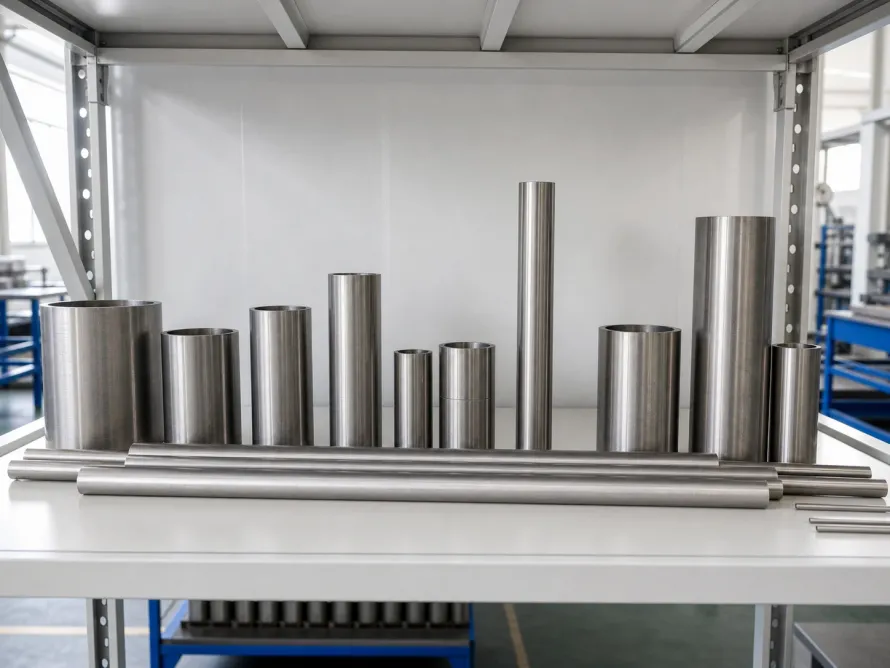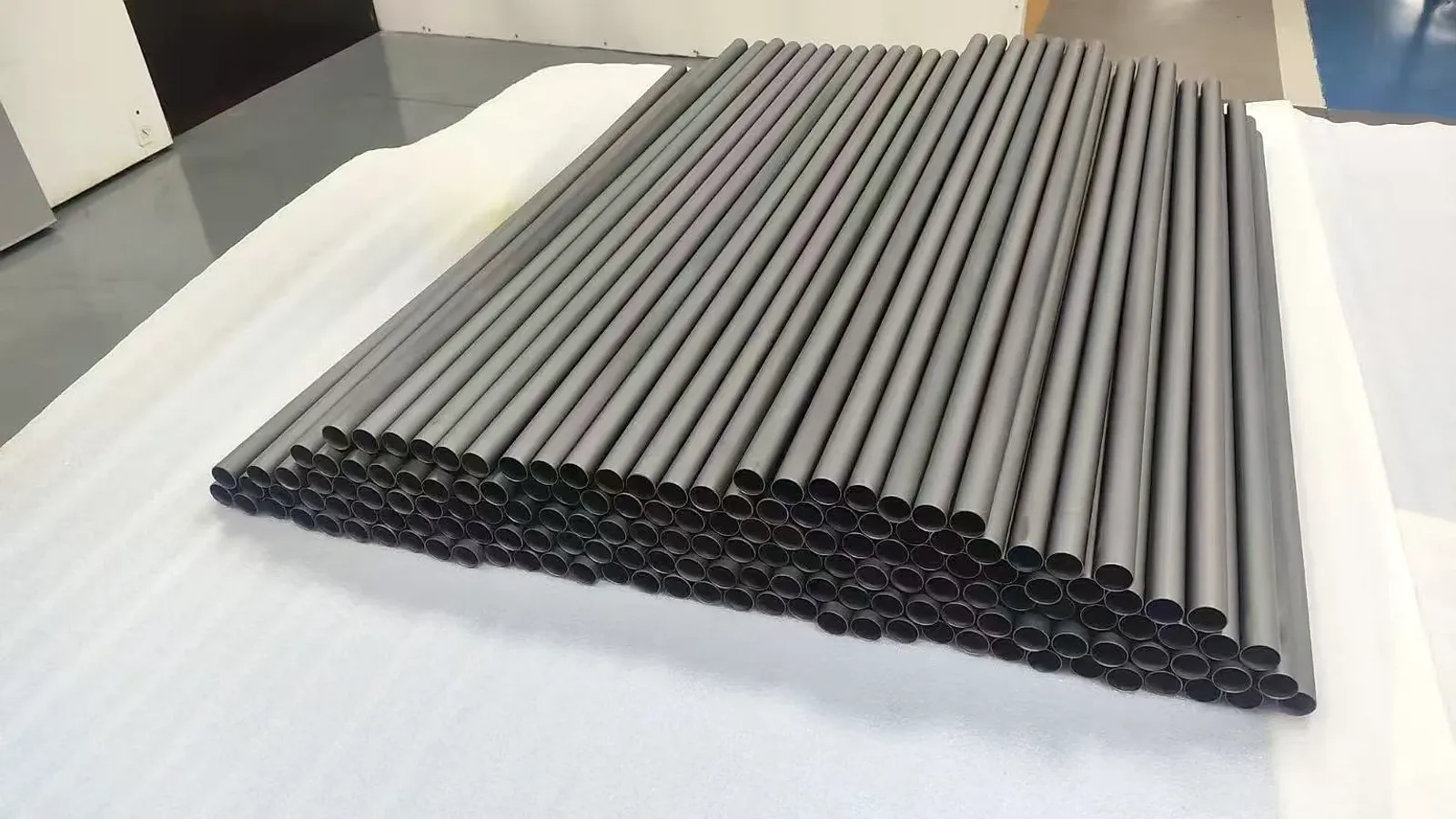
In the chlor-alkali sector, seawater electro-chlorination, hydrometallurgy, industrial wastewater remediation, and cathodic protection (ICCP) engineering, Mixed Metal Oxide (MMO) titanium anodes serve as the critical electrochemical components dictating overall cell energy efficiency, operating overpotential, and process safety. Electrode performance is vital. As precious metal oxide coatings—primarily based on ruthenium (Ru), iridium (Ir), and tantalum (Ta)—gradually consume across tens of thousands of operating hours under high current densities, plant engineering teams encounter a pivotal capital expenditure question: can spent titanium mesh, plate, or tubular assemblies be reliably stripped and recoated, or must operators scrap whole assemblies and purchase new units?
Concurrently, mechanical design teams occasionally ask whether higher-strength Grade 5 (Ti-6Al-4V) alloy can serve as an anode substrate to resist mechanical deformation. This is a hazardous misconception.
As an integrated titanium supply-chain platform working with certified partner facilities, we examine the metallurgical evaluation criteria, electrochemical stripping thresholds, and substrate compatibility requirements governing commercial MMO anode refurbishment. Prudent specifications prevent failure.
Why Grade 5 (Ti-6Al-4V) Must Never Be Used as an MMO Anode Substrate
In mechanical structural engineering and aerospace airframes, Ti-6Al-4V (Grade 5) is widely favored for its exceptional specific strength and fatigue resistance. Mechanical strength is undeniable. However, in electrochemical anode engineering, Grade 5 represents a strictly prohibited substrate material. Every industrial MMO anode unconditionally specifies commercially pure unalloyed titanium, predominantly Grade 1 (UNS R50250) or Grade 2 (UNS R50400). Metallurgical boundaries are absolute.
The failure mechanism stems directly from the two-phase microstructure of Grade 5 under severe anodic polarization:
- Preferential Phase Dissolution and De-alloying: Grade 5 features an alpha+beta two-phase microstructure containing 5.5%–6.75% aluminum (Al) and 3.5%–4.5% vanadium (V). Two phases behave differently. Under anodic overpotential in chloride-rich or sulfuric acid electrolytes, vanadium in the beta-phase and solid-solution aluminum in the alpha-phase exhibit far more negative standard oxidation potentials than titanium. Aluminum and vanadium dissolve selectively along intergranular phase boundaries, forming microscopic voids, pitting micro-channels, and galvanic micro-cells that rapidly destabilize the substrate.
- Dielectric Breakdown of Passivation Films: Commercially pure titanium (Grade 1/Grade 2) possesses a homogeneous single-phase alpha crystal lattice. Equipotential surfaces ensure stability. In aqueous solutions, pure titanium naturally forms a dense, continuous, and highly insulating rutile and anatase titanium dioxide (TiO2) barrier film, withstanding aqueous dielectric breakdown voltages up to 10 V–12 V. In contrast, the mixed oxide scale formed on Grade 5 contains lattice defects from aluminum and vanadium oxides, depressing the breakdown threshold and triggering localized dielectric puncture, arcing, and substrate burnout.
- Thermal Decomposition Diffusion Mismatch: Commercial MMO coatings require thermal decomposition at 450°C–520°C across 10 to 25 successive coating cycles. High-temperature sintering is mandatory. During thermal cycles, aluminum atoms in Grade 5 diffuse outward into the catalytic ruthenium-iridium matrix, forming electrochemically inert spinel oxides that rapidly deactivate electrocatalytic efficiency.
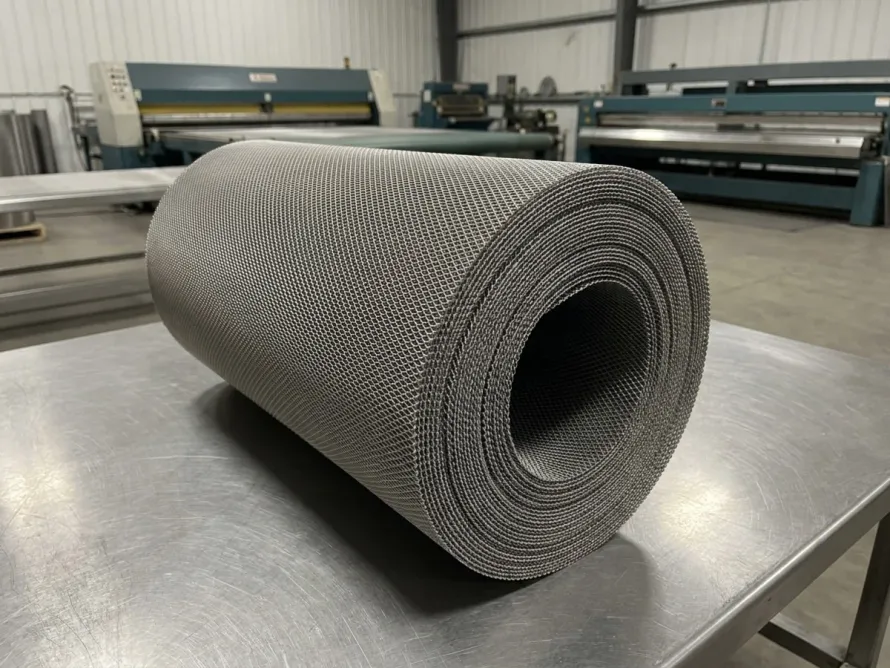
Consequently, international electrochemical standards mandate low-interstitial commercial purity sheet and mesh, prioritizing Grade 1 titanium plates and sheets for expanded mesh fabrication to guarantee low bulk ohmic resistance, uniform dielectric passivation, and reliable service life. Material purity is non-negotiable.
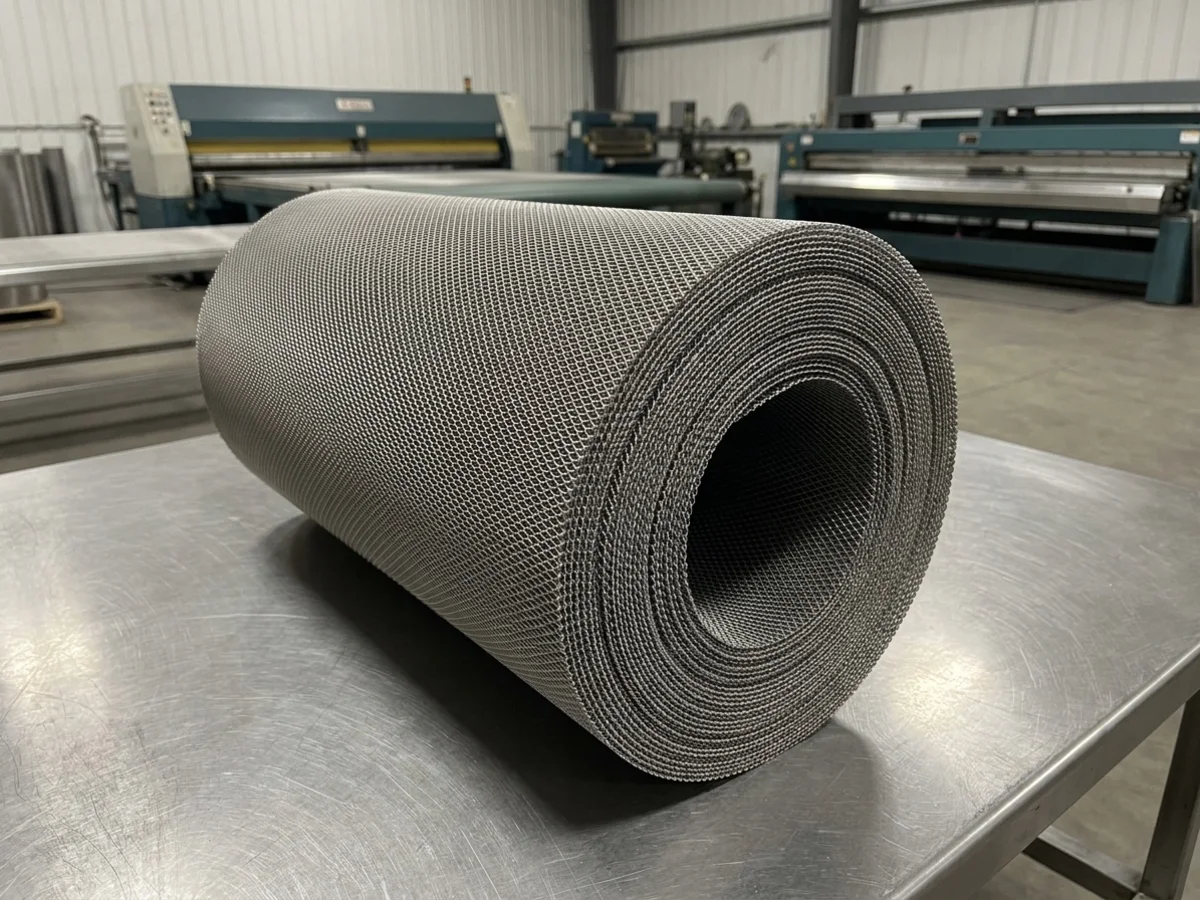 Figure 1: Expanded titanium mesh substrate precision-slit and stretched from high-purity Grade 1 titanium sheet. The single-phase alpha microstructure guarantees complete immunity to selective intergranular de-alloying.
Engineering Criteria for Substrate Refurbishment and Retirement
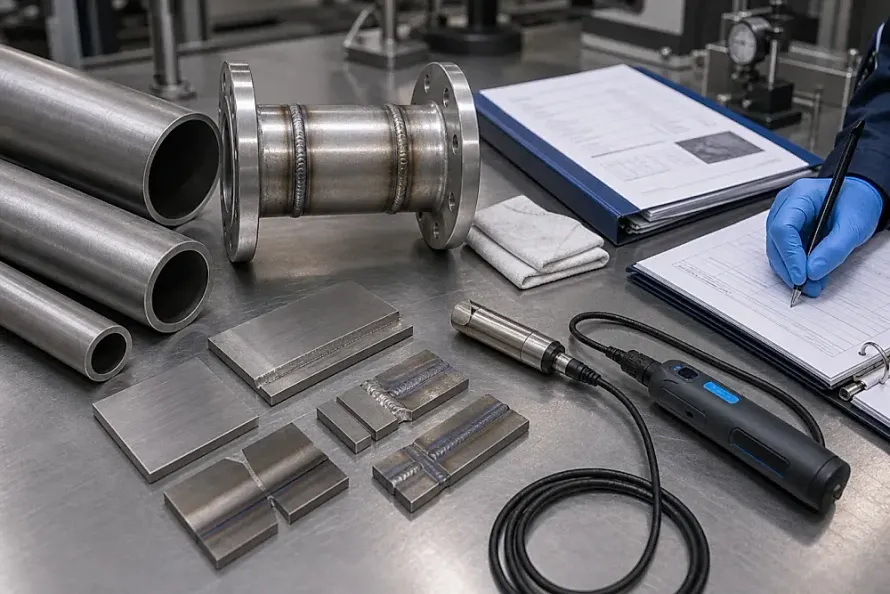
Not every anode retired from an electrochemical cell qualifies for recoating. Rigorous inspection is mandatory. Certified partner facilities conduct comprehensive metallurgical, structural, and dimensional evaluations before approving incoming anode batches for thermal refurbishment.
Industrial operational evidence confirms that residual oxide layers must be completely eradicated; direct over-coating over spent surfaces is strictly prohibited. Substrate cleanliness governs adhesion. Unstripped interfaces harbor spent micro-fines and entrained salts that ruin newly sintered bonds.
| Evaluation Metric | Qualified for Direct Stripping & Recoating | Requires Mechanical Straightening / Repair | Mandatory Scrapping (Non-Reusable) |
|---|---|---|---|
| Residual Wall Thickness | Metal loss <= 10% of nominal thickness | Metal loss 10% - 18%, no deep localized gouging | Metal loss > 20%, or presence of through-wall perforations |
| Pitting & Micro-Cracking | No visible macroscopic pits, micro-pits <= 0.05 mm | Isolated pitting depth <= 0.15 mm, dressed by blending | Dense honeycomb pitting or fatigue cracks penetrating structural strands |
| Planarity & Geometric Distortion | Camber / twist deviation <= 1.5 mm/m | Moderate bowing correctable via precision fixture pressing | Severe twisting resulting in plastic yield strain and cracking risk |
| Busbar Welds & Clad Joints | Sound welds without cracking, normal contact resistance | Hairline weld margin oxidation repaired via GTAW welding | Delamination of copper-titanium composite busbar, resistance > 50% |
| Historical Recoating Cycles | 1st or 2nd refurbishment campaign | 2nd to 3rd cycle with documented ductility | >= 4 completed cycles, severe oxygen embrittlement |
When incoming anodes pass metallurgical inspection, facilities deploy molten salt immersion or optimized chemical acid-stripping baths to strip residual noble oxides completely. Chemical treatment requires care. Freshly bare substrates undergo alumina grit blasting (RaRa 2.5–4.0 μm) followed by hot oxalic acid etching to generate a uniform grey-white micro-etched anchor profile.
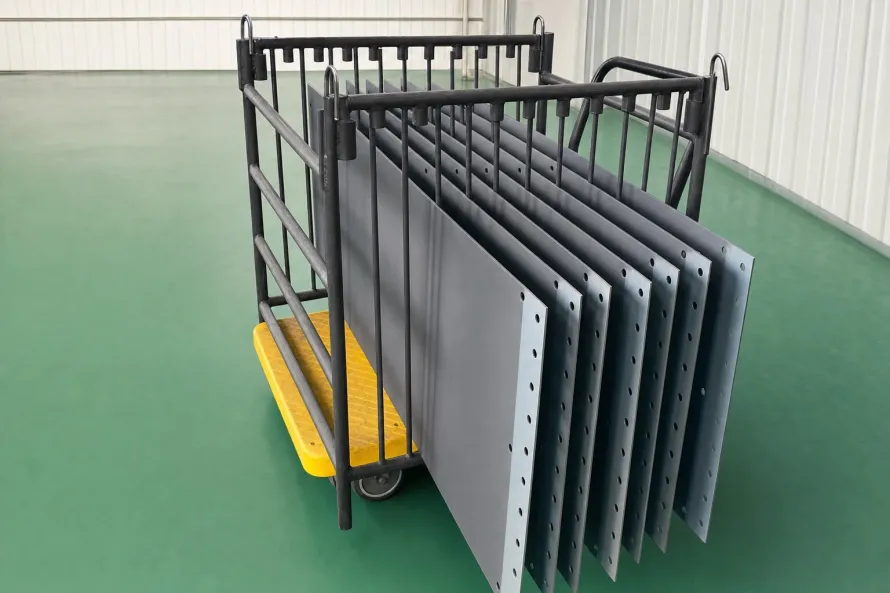
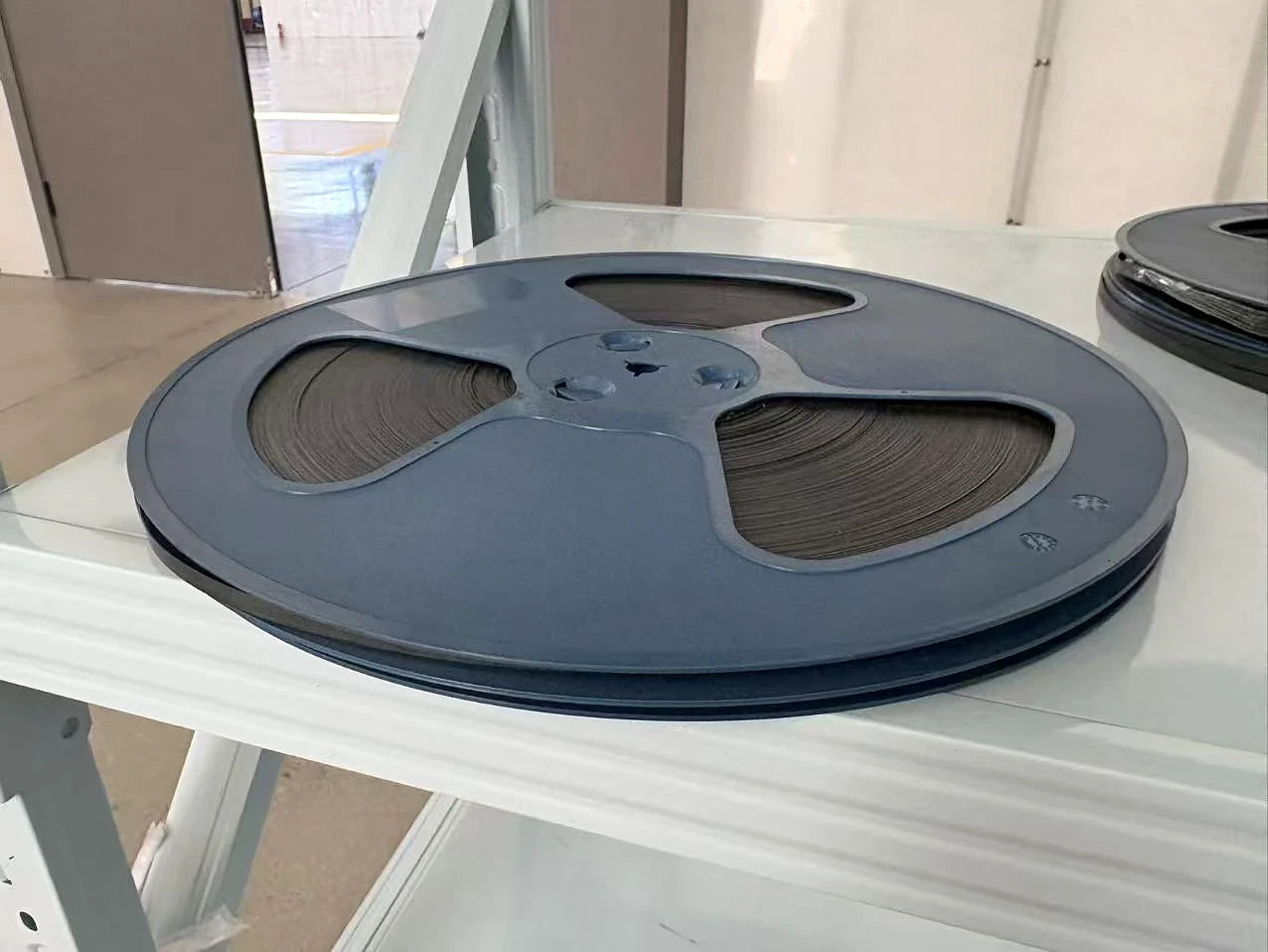 Figure 2: Bare Grade 1 titanium substrates undergo 100% surface pitting inspection and ultrasonic thickness checks following chemical stripping, prior to oxalic acid micro-etching.
Operating Chemistry: Ruthenium-Iridium vs. Iridium-Tantalum Coating Formulations
Selecting the correct catalytic formulation dictates operational lifespan and power efficiency. Formulation selection is critical. Certified partner facilities formulate two primary MMO coating chemistry families, and buyers must align chemistry with operational electrolytes:
- Ruthenium-Iridium System (RuO2-IrO2-TiO2, Chlorine-Evolving Anode):
- Target Chemistry: High-chloride media, including brine chlor-alkali membrane cells, sodium hypochlorite electro-chlorinators, seawater antifouling systems, and saline wastewater electrolysis;
- Process Envelopes: Operating pH range of 2–12, with electrolyte bath temperatures maintained at \le 60^\circ\text{C}–70^\circ\text{C};
- Procurement Caveat: If a ruthenium-iridium anode is mistakenly exposed to sulfuric acid or severe oxygen-evolving regimes, RuO2 oxidizes into volatile ruthenium tetroxide (RuO4), causing rapid coating dissolution within hundreds of operational hours. Electrolyte matching is essential.
- Iridium-Tantalum System (IrO2-Ta2O5, Oxygen-Evolving Anode):
- Target Chemistry: Strongly acidic oxygen-evolution environments, including copper/aluminum foil electrodeposition, hydrometallurgical electrowinning (copper, zinc, cobalt), continuous steel strip pickling acid recovery, and acid electroplating;
- Process Envelopes: Withstands aggressive low-\text{pH} \le 1 electrolytes, offering low oxygen-evolution overpotential and superior oxidation stability;
- Microstructural Function: Tantalum pentoxide forms a dense solid-solution network with iridium oxide, physically preventing aggressive acid penetration to the titanium substrate interface. Operational stability is exceptional.
Both systems require precision thermal decomposition brush-coating through 10 to 25 successive cycles, with each layer dried at low temperature and baked in calibrated muffle furnaces. Controlled heating guarantees quality. In commercial acceptance audits, precious metal loading density (g/m²) serves as the mandatory technical metric, rather than nominal coating thickness in micrometers (\mu\text{m}).
Commercial Sourcing & Lifecycle Economics for Anode Refurbishment
Establishing a scheduled anode stripping and recoating protocol yields compelling financial and sustainability advantages for major processing operations. Lifecycle savings are undeniable.
Refurbishment incurs costs strictly for precious metal consumption, chemical stripping, and furnace thermal processing. It eliminates raw titanium stock purchases, CNC laser cutting, and precision busbar welding. In standard market conditions, total recoating costs average 40% to 60% of replacement assemblies. Financial returns are substantial.
Refurbished anodes passing certified inspection and thermal re-sintering deliver 95% to 100% of original catalytic activity and accelerated operational life (ALT) benchmark performance. Quality control is assured.
Following cell decommissioning, maintenance teams must never use abrasive angle grinders or aggressive wire wheels, which ruin base metal tolerances. Gentle handling preserves value. Document cell operating voltage histories and historical electrolyte chemistries alongside shop drawings when requesting technical assessments.
To evaluate residual lifespan on decommissioned cells or request custom recoating specifications for MMO titanium anodes and electrodes, submit your dimensional drawings through our online quotation and technical audit portal. Technical support responds promptly. Sourcing teams can also review our certified partner facility manufacturing and inspection capabilities.