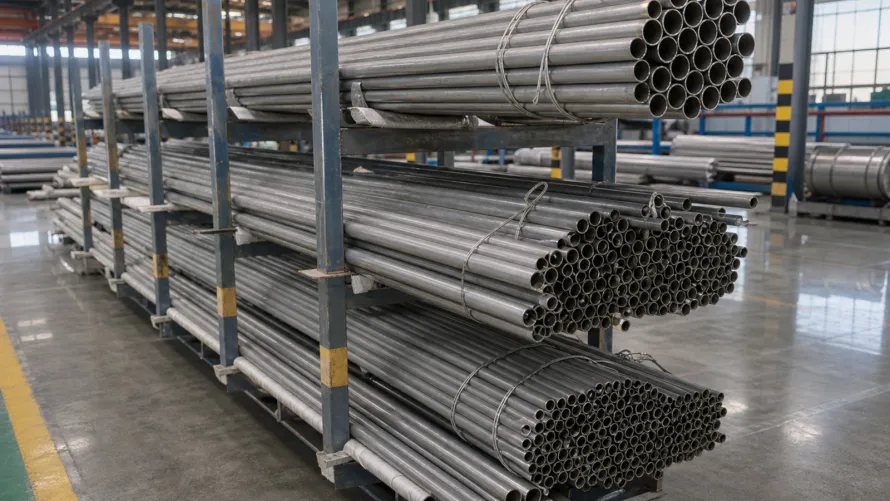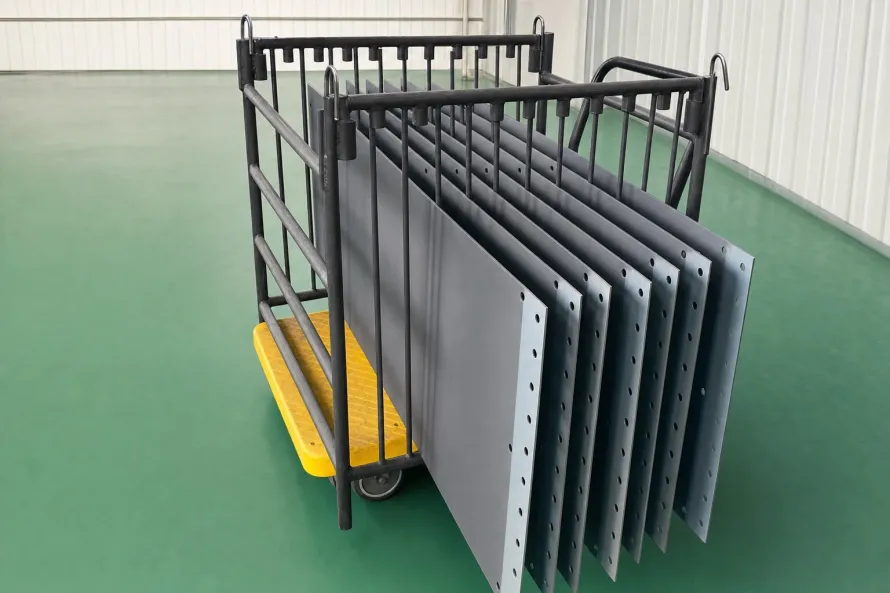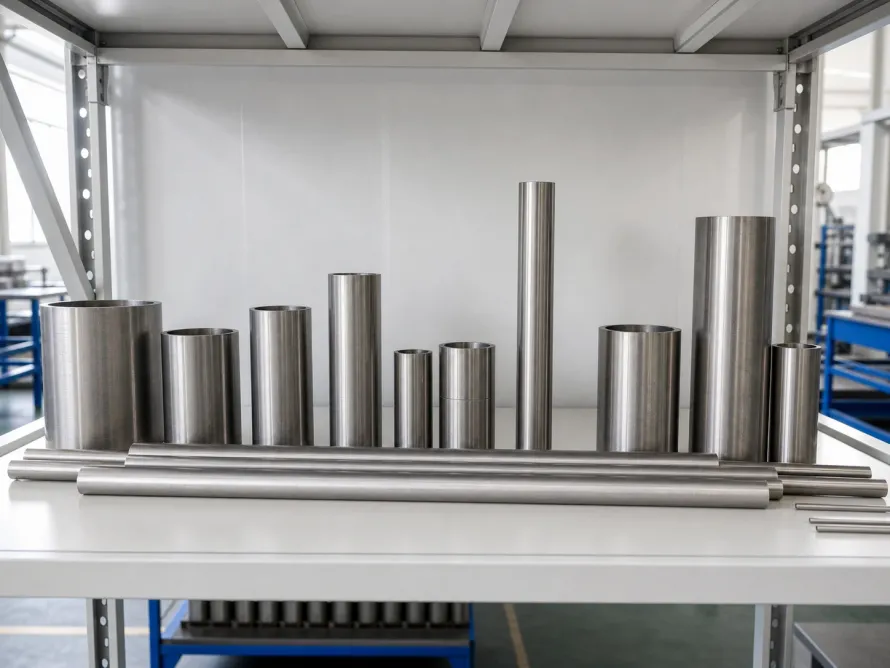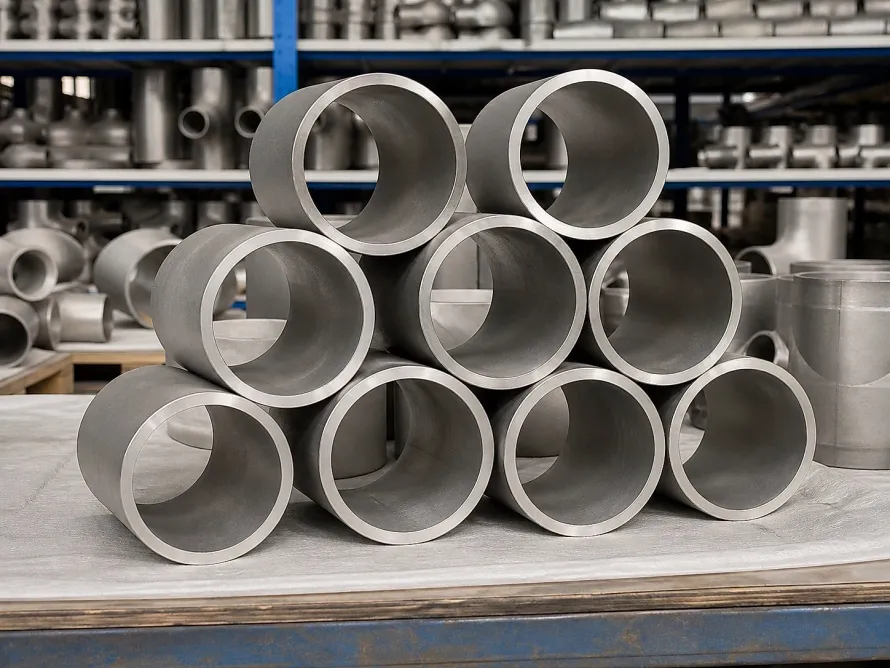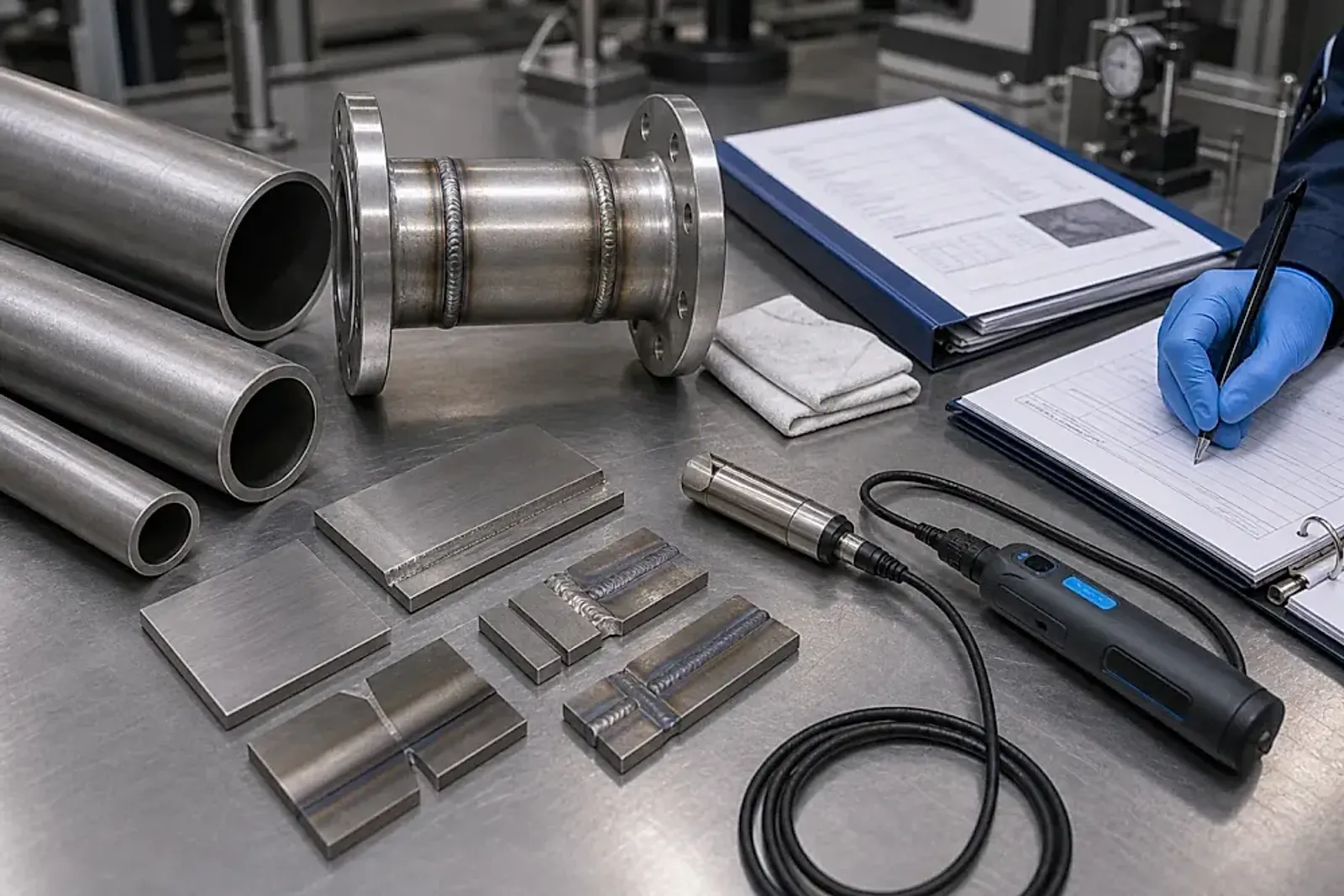
In chlor-alkali electrolyzers, thermal desalination brine heaters, and hydrometallurgical autoclaves, Grade 2 commercially pure titanium has long served as the baseline alloy for general corrosion resistance. Material selection demands precision.
Yet at gasketed joints and thermal crevices, unalloyed titanium harbors a vulnerability. Crevice corrosion strikes without warning.
When operating temperatures surpass 75 deg C to 80 deg C in brine service, unalloyed Grade 2 often suffers sudden localized crevice attack beneath flange gaskets and tube-to-tubesheet rolled expansions. Unmonitored wall thinning leads directly to unexpected plant shutdowns.
To eliminate forced downtime, corrosion engineers must select between baseline Grade 2, cost-optimized Grade 12 (Ti-0.3Mo-0.8Ni), and noble-metal-stabilized Grade 7 (Ti-0.15Pd). Boundaries are clear. Drawing on shop-floor data from certified partner facilities, this guide outlines critical crevice temperatures, micro-alloying mechanisms, MTC verification, and on-site PMI inspection protocols. Quality control remains paramount.
Crevice Corrosion Electrochemistry: Why Pure Titanium Fails in 80 deg C Chlorides
Commercially pure titanium derives its corrosion immunity from a dense, chemically inert titanium dioxide (TiO2) passive film. The protective barrier measures only nanometers thick. In open, aerated solutions, mechanical damage to this film repassivates within milliseconds. Recovery occurs rapidly.
However, inside narrow mechanical gaps spanning 0.025 mm to 0.1 mm, the localized micro-environment changes completely:
- Oxygen Depletion and Occlusion: Restricted electrolyte circulation rapidly consumes dissolved oxygen within the tight crevice. Fresh oxygen cannot diffuse inward through the constricted opening.
- Cation Hydrolysis and pH Plunge: Residual anodic dissolution releases titanium cations that hydrolyze with water molecules, generating an abundance of free hydrogen ions (H⁺). Micro-crevice pH drops steeply to 1.0 or 2.0.
- Chloride Migration and Autocatalysis: External chloride anions (Cl⁻) migrate into the crevice to maintain electrical neutrality, creating an aggressive, concentrated hydrochloric acid solution. Autocatalytic active dissolution accelerates rapidly.
- Passive Film Breakdown: Once process temperatures exceed the Critical Crevice Temperature (CCT, typically 75 deg C to 80 deg C for Grade 2), hot hydrochloric acid strips the TiO2 barrier. The small active crevice acts as an anode coupled to the expansive aerated metal exterior, perforating tube walls within weeks. Failure develops silently.
Micro-Alloying Defense: Electrochemical Protection Mechanisms in Gr12 and Gr7
To counter de-passivation inside occluded crevices, metallurgy modifies titanium surface electrochemistry through targeted alloy additions:
1. Grade 12 (Ti-0.3Mo-0.8Ni): Cost-Effective Mid-Temperature Brine Workhorse
Grade 12 titanium (UNS R53400) is a near-alpha alloy containing 0.3% molybdenum and 0.8% nickel. Alloy ratios are precisely balanced.
- Ti2Ni Micro-Cathode Depolarization: Nickel has minimal solid solubility in alpha titanium, precipitating along grain boundaries as submicron intermetallic Ti2Ni particles. Because Ti2Ni possesses an exceptionally low hydrogen overpotential, it serves as an efficient micro-cathode that accelerates hydrogen recombination, shifting the crevice corrosion potential positive and back into the passive thermodynamic zone. Passivity remains intact.
- Molybdenum Active-Dissolution Retardation: Solid-solution molybdenum enriches within early-stage corrosion films, blocking chloride ion penetration and retarding pitting propagation.
- Service Envelope: In chloride service, Grade 12 pushes the critical crevice corrosion threshold up to 170 deg C to 200 deg C under moderate acidity, while delivering approximately 30% higher tensile strength than Grade 2. Structural performance improves noticeably.
2. Grade 7 (Ti-0.15Pd): Ultimate Protection for Boiling Reducing Acids and Severe Brines
Grade 7 titanium (UNS R52400) adds 0.12% to 0.25% noble palladium to an unalloyed Grade 2 base. Resistance proves exceptional.
- Spontaneous Noble Deposition: In acidic crevice electrolytes, trace dissolved palladium cations spontaneously displace and deposit onto active titanium surfaces, forming continuous catalytic sites. Reactions proceed spontaneously.
- Vast Corrosion Margin: Critical crevice corrosion thresholds exceed 250 deg C, tolerating boiling dilute sulfuric acid or hydrochloric acid without active attack. Safety margins remain vast.
Technical Comparison Matrix: Grade 2 vs Grade 12 vs Grade 7
The matrix below compares chemical specifications, corrosion thresholds, mechanical properties, and relative costs across all three grades:
| Technical & Commercial Criteria | Grade 2 CP Titanium | Grade 12 (Ti-0.3Mo-0.8Ni) | Grade 7 (Ti-0.15Pd) |
|---|---|---|---|
| UNS Designation / Standards | UNS R50400 / ASTM B265, B338 | UNS R53400 / ASTM B265, B338 | UNS R52400 / ASTM B265, B338 |
| Key Alloying Additions | Pure Base (Ti ≥ 99.2%, Fe ≤ 0.30%) | Mo: 0.20%–0.40%, Ni: 0.60%–0.90% | Pd: 0.12%–0.25%, Fe ≤ 0.30% |
| Critical Crevice Temp (CCT) | 75 deg C to 80 deg C (Neutral Brine) | 170 deg C to 200 deg C (pH 3–12) | >250 deg C (Aggressive Acidic Brine) |
| Room Temp Tensile Strength Rm | ≥ 345 MPa | ≥ 485 MPa (~40% Strength Gain) | ≥ 345 MPa (Equivalent to Gr2) |
| Room Temp Yield Strength Rp0.2 | ≥ 275 MPa | ≥ 345 MPa (Higher Design Pressures) | ≥ 275 MPa |
| Typical Equipment Applications | Seawater cooling lines, <75 deg C reboilers | Shell and tube tubes, brine evaporators | High-temp reactor nozzle facings, flash vessels |
| Raw Material Cost Multiplier | 1.0x (Baseline) | ~1.15x to 1.25x (High Economy) | ~2.5x to 3.5x (Noble Metal Premium) |
| Mandatory MTC Release Tests | Heat/lot trace, chemistry, tensile, flare | Mo/Ni content, microstructure, flare | Pd noble chemistry, 100% PMI verification |
Parameters stand out clearly. Differences are decisive.
Certified Partner Mill Data & Procurement Pitfall Avoidance
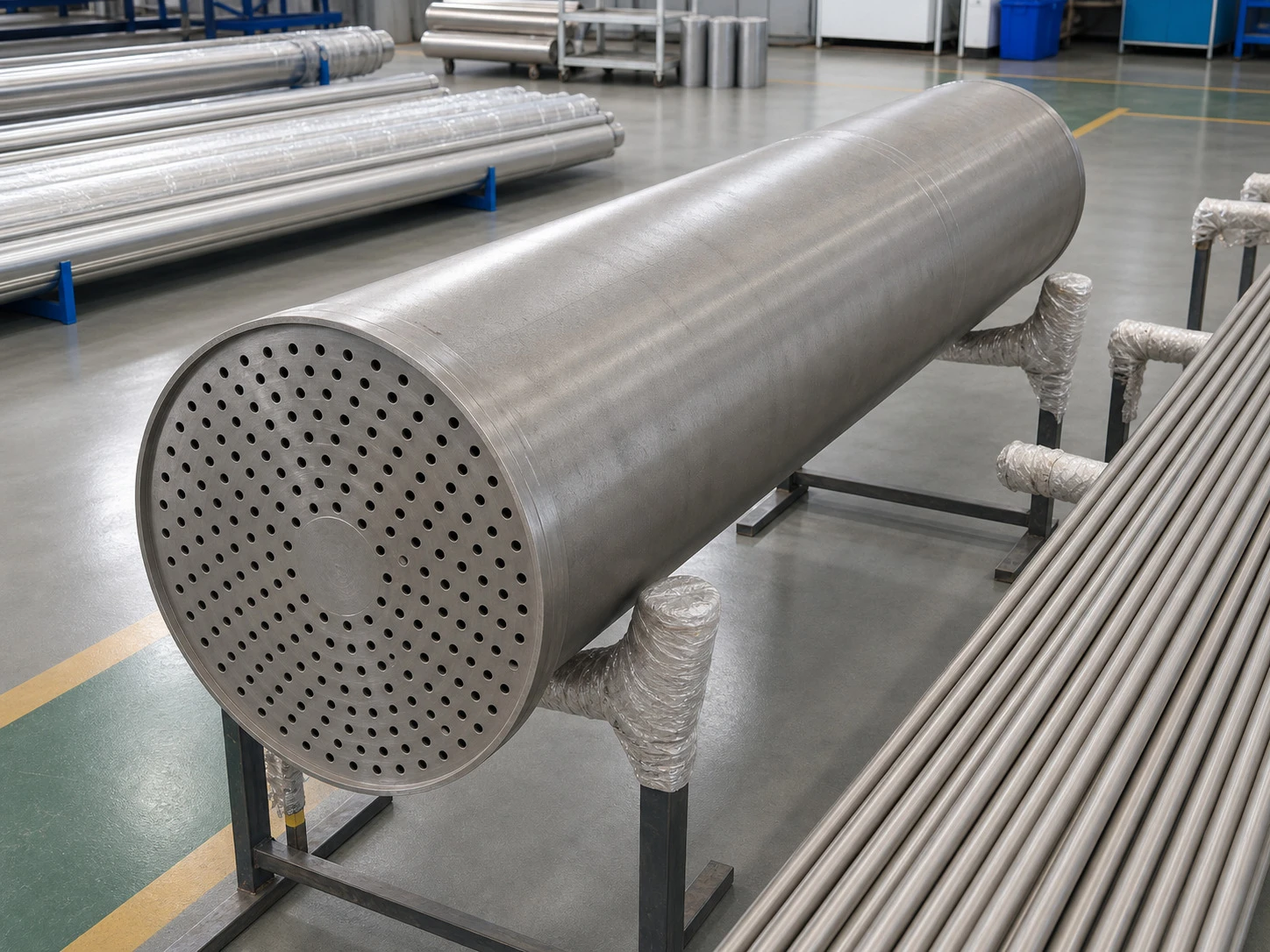
Based on operational records from certified partner facilities, custom anti-corrosion chemical equipment fabrication encompasses shell-and-tube heat exchangers (typically 50 to 1,000 m2), plate exchangers (10 to 160 m2), and reactors/evaporators up to 800 m2. Mill experience runs deep. Procurement teams should implement four actionable practices:
1. Avoid Total Grade 7 Over-Specification Across Large Exchangers
Specifying Grade 7 throughout a heat exchanger boasting hundreds of square meters multiplies capital expenditure unnecessarily. Costs escalate quickly. For mid-temperature chloride concentration systems operating between 80 deg C and 160 deg C without concentrated reducing acids, specify Grade 12 seamless tubing matched with Grade 12 tubesheets to cut material procurement expenditure by over 50%. Savings add up substantially. Deploy Grade 7 forgings exclusively at high-risk nozzle interfaces and gasket seating grooves to balance budget and plant reliability. Resource allocation stays lean.
2. Prevent Seamless Tube Cross-Contamination with 100% PMI Scanning
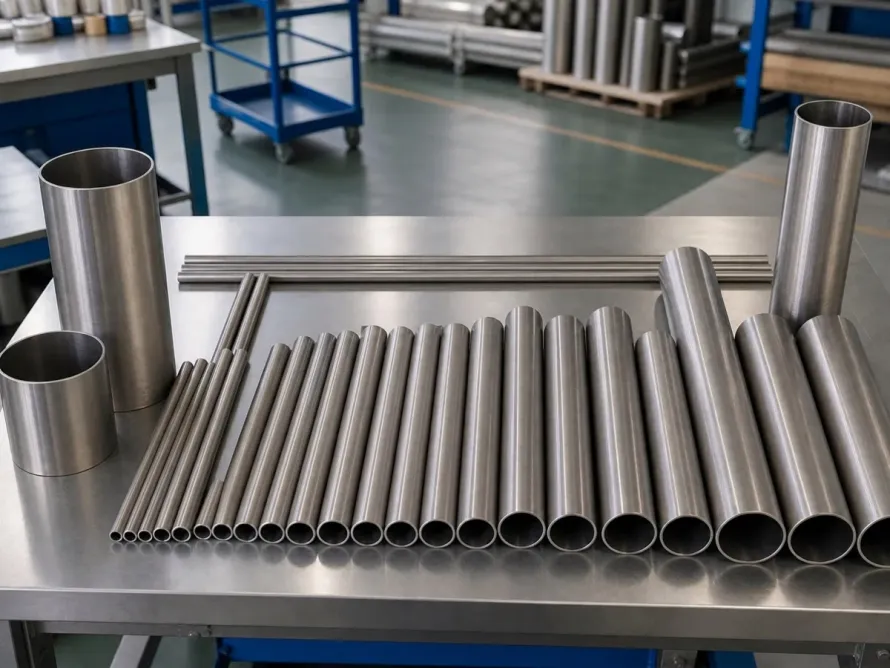
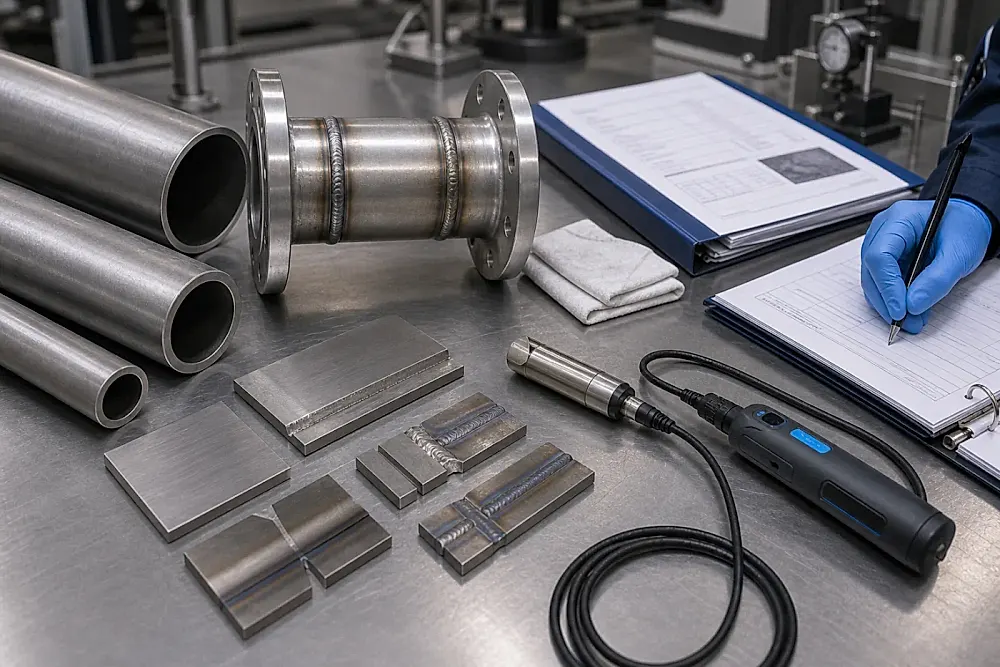
Because titanium mill products share identical metallic silver luster and density, grade mix-ups can occur during inventory transfers. Verification must be systematic. Standard operating procedures require that all Grade 7 and Grade 12 seamless tubes undergo 100% piece-by-piece Positive Material Identification (PMI) using calibrated handheld X-ray fluorescence (XRF) analyzers prior to export crating. Every tube gets inspected. Inspectors verify palladium levels (0.12% to 0.25%) or molybdenum-nickel contents, cross-checking physical heat numbers against the certified material test certificate (MTC). Traceability remains unbroken.
3. Gasket Selection Protocols to Eliminate Physical Capillary Crevices
Alloy selection cannot overcome defective mechanical gasket interfaces. Gasket compatibility matters. Avoid porous, moisture-absorbing asbestos or degradable soft non-metallic gaskets that sustain stagnant fluid retention. Instead, specify expanded PTFE or virgin PTFE-envelope metallic gaskets, machining raised-face flange serrations to a surface roughness of Ra 3.2 to 6.3 μm to prevent micro-electrolyte pocketing. Flange surfaces require careful prep.
4. Shielding Gas Protocols During Anti-Corrosion Alloy Welding
Welding Grade 7 and Grade 12 demands stringent atmospheric shielding to prevent interstitial contamination. Welds require rigorous protection. Argon shielding gas purity must register at least 99.999% with a dew point below -45 deg C. Dedicated trailing shields and root purging fixtures must bathe both weld face and heat-affected zones in inert gas until temperatures drop below 400 deg C. Protective shielding stays tight. Weld beads must emerge silver or pale straw, rejecting any blue, purple, or gray oxidized surfaces. Finished beads remain pristine.
Summary & Complimentary Drawing Review Support
In chemical process engineering, alloy selection is about precise environmental matching. Leveraging Grade 12 within its cost-effective envelope while selectively placing Grade 7 at critical vulnerability points delivers the lowest life-cycle cost. Engineering alignment ensures safety.
Before issuing procurement purchase orders for titanium seamless tubes, plates, or process vessels, contact our engineering team to request current warehouse stock lists and authentic MTC samples. You can also visit /get-quote/ to submit your equipment drawings and operating parameters for a Complimentary Pre-RFQ Drawing & Specification Audit, where certified partner metallurgists verify wall thickness calculations and environmental corrosion limits. Use our online tools to estimate titanium theoretical weights and dimensional tolerances. Technical support responds promptly.
Related Products & Services
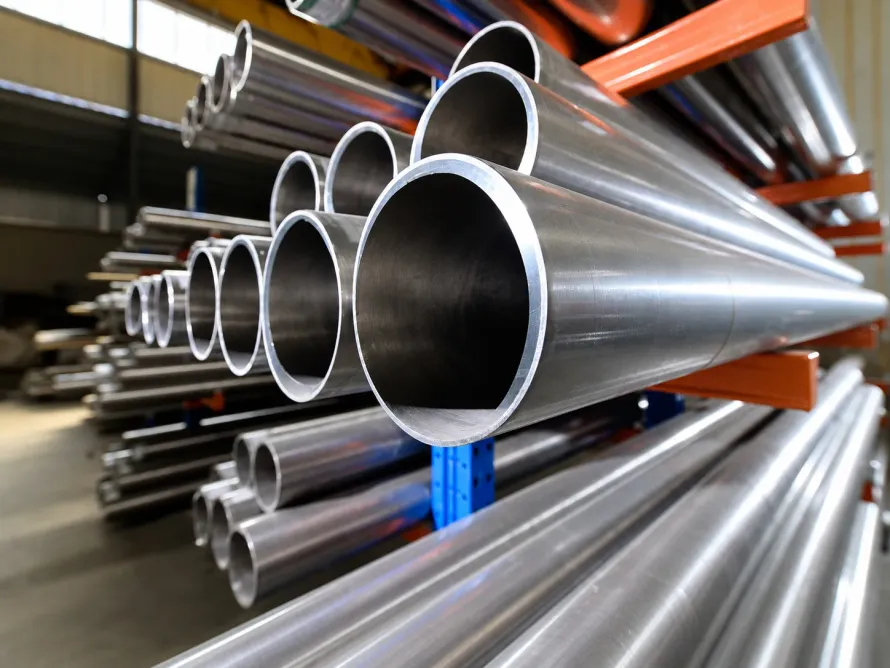
- Seamless Titanium Tubes & Heat Exchanger Tubing: Cold-pilgered precision tubing spanning 6 mm to 219 mm OD.
- Commercially Pure Grade 2 Titanium Specifications: Standard chemical processing alloy guide for oxidizing media.
- Grade 7 Corrosion-Resistant Titanium Alloy: Noble 0.15% palladium-stabilized alloy for boiling acids and severe brines.
- Grade 12 Titanium-Molybdenum-Nickel Alloy: High-strength, crevice-resistant alloy optimized for chloride equipment.
Sources
- ASTM B338: Standard Specification for Seamless and Welded Titanium and Titanium Alloy Tubes for Condensers and Heat Exchangers.
- Schutz, R. W., & Thomas, D. E. (1987). Corrosion of Titanium and Titanium Alloys. ASM Handbook, Volume 13: Corrosion.
- ASTM B265: Standard Specification for Titanium and Titanium Alloy Strip, Sheet, and Plate.