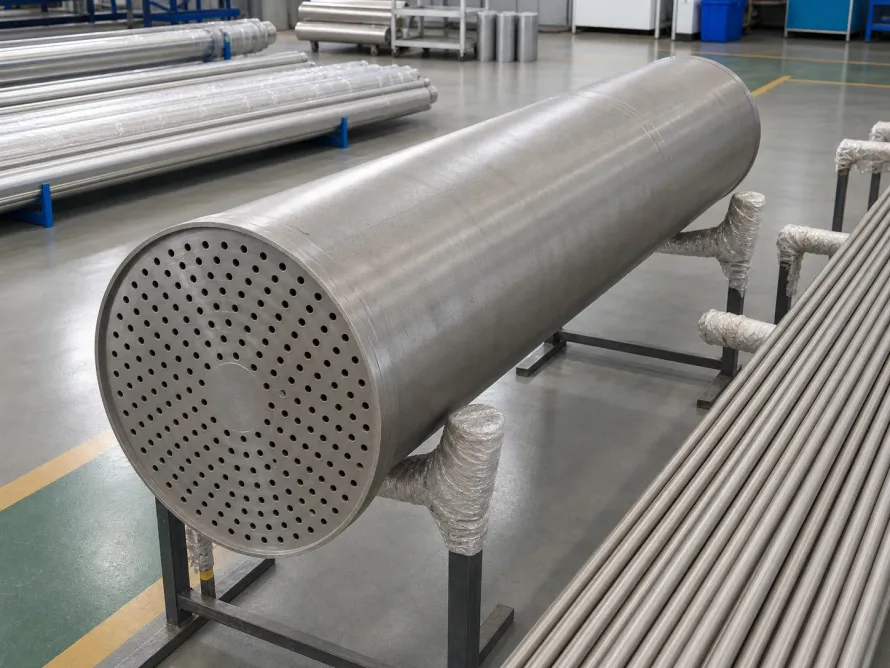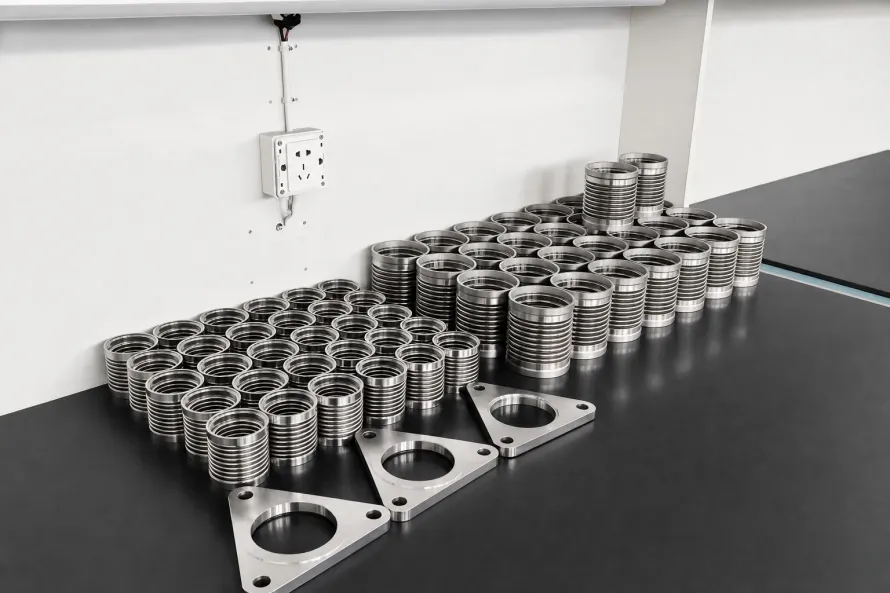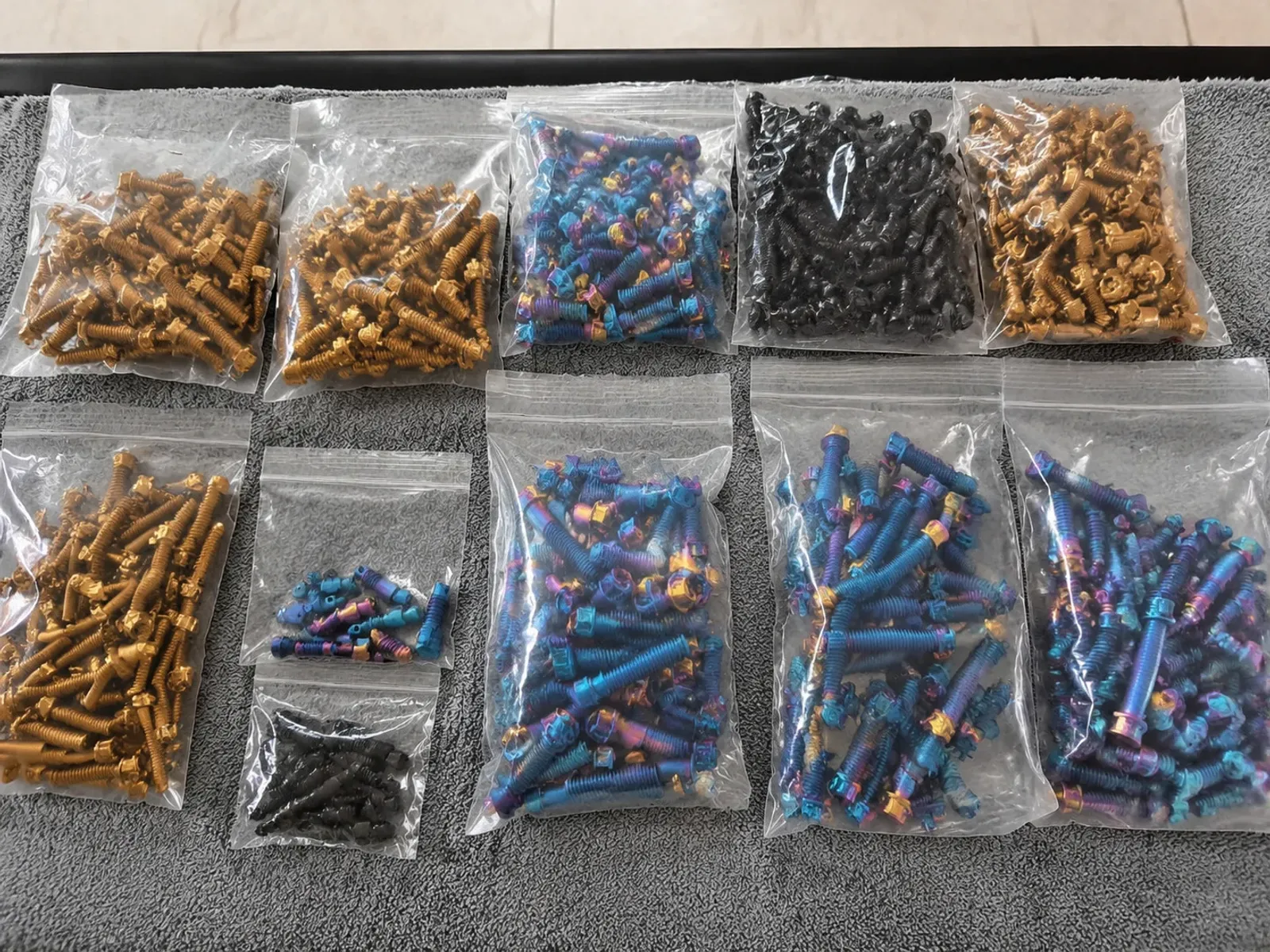
Fastener forms in a reference-edited illustration.
Not on alloy and diameter alone. If a titanium fastener’s coating, lubrication or mating nut changes, the old tightening torque needs evidence that it still produces the intended preload—the bolt tension and corresponding clamping force in the joint. The number may remain usable, but an unchanged bolt size does not establish that.
A surface change can change the clamp load
NASA-STD-5020B explains that lubricants, coatings and sealants can increase preload at a given applied torque compared with an unlubricated joint. Where the material is applied also matters: its section 4.3.2 notes different torque–preload behavior when lubrication is applied under the head alone versus under both the head and nut.
The practical distinction is between controlling the tool input and controlling the joint result. A torque wrench controls applied torque; the resulting preload also depends on the fastening system’s surface and assembly conditions. Keeping the wrench setting therefore does not, by itself, preserve the clamp load after a substitution.
For titanium-alloy fasteners, the separate MSFC-STD-557B reference also specifies lubricated mating nuts and inserts within its stated MSFC program scope.
What a useful supplier comparison should show
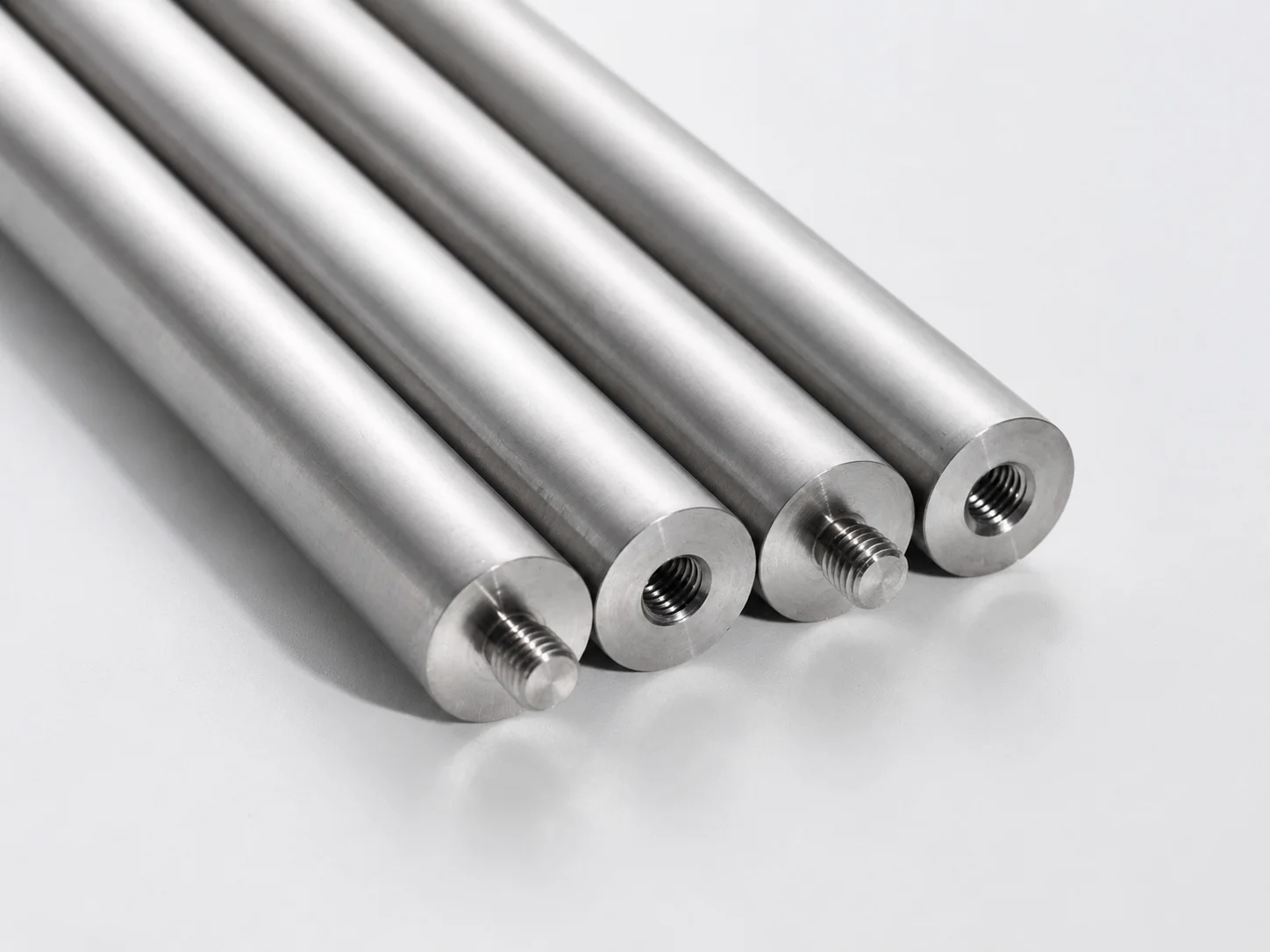
Male and female thread forms in a reference-edited illustration.
For a proposed substitution, ask for torque–tension results that identify the tested assembly and surface treatment. NASA-STD-5020B Table 2 and section 4.8.1 provide useful reference points for comparing the test with the intended installation:
| Compare | What to look for |
|---|---|
| Mating hardware | Diameter, thread form, materials, nut or insert, and washer type and number. |
| Surface preparation | Cleaning, lubricant and lubrication process, including the surfaces treated. |
| Torque application | Whether the bolt head or the nut is turned, in both the test and the intended installation. |
| Measured result | Preload at the proposed torque, including the observed variation—not just a recommended wrench setting. |
The first two rows summarize selected Table 2 controls; its exception allows the clamped part and washer next to a non-rotating head or nut to differ. The torque-application row draws on section 4.8.1: the torque–preload relationship differs depending on whether torque is applied to the head or the nut. The final row draws on sections 4.3.2–4.3.3, which address nominal preload and its variation.
If the evidence represents the proposed combination, the design team can compare its preload results with the joint’s requirements. If it covers only the original coating or nut, it leaves a specific gap: the preload produced by the replacement at that setting. Likewise, data obtained by turning the nut do not, by themselves, establish the result when the head is turned. Representative testing can address an uncovered condition; a material certificate alone cannot supply a torque–tension result.
Check what the torque number includes
A self-locking nut adds another distinction. NASA-STD-5020B defines running torque as the resistance encountered while the threads move, with the locking feature fully engaged but the fastener still unseated. Section 4.8.1 states that running torque does not generate preload and requires documentation to distinguish total torque from torque above running torque.
Consequently, a supplier’s total-torque value and a drawing’s value above running torque are not interchangeable, even if their numbers match. Check the stated basis before comparing them. Do not automatically add a locking-torque allowance to a value that already represents total torque.
These NASA documents concern spaceflight hardware and specified MSFC programs; they are not blanket requirements for every commercial titanium joint. Here they support a focused purchasing recommendation: assess the changed assembly and the meaning of its torque data before accepting the old setting. They do not supply a universal replacement torque.
Sources
- NASA, NASA-STD-5020B: Requirements for Threaded Fastening Systems in Spaceflight Hardware, approved 6 August 2021, revalidated without changes 5 January 2026. Sections 3.2.2, 4.3.2–4.3.3 and 4.8.1; Table 2. Accessed 23 September 2026.
- NASA Marshall Space Flight Center, MSFC-STD-557B: Threaded Fasteners, Titanium Alloys, Usage Criteria for Launch Vehicles and Spacecraft Applications, effective 15 February 2012. Sections 1 and 4.2–4.4. Accessed 23 September 2026.