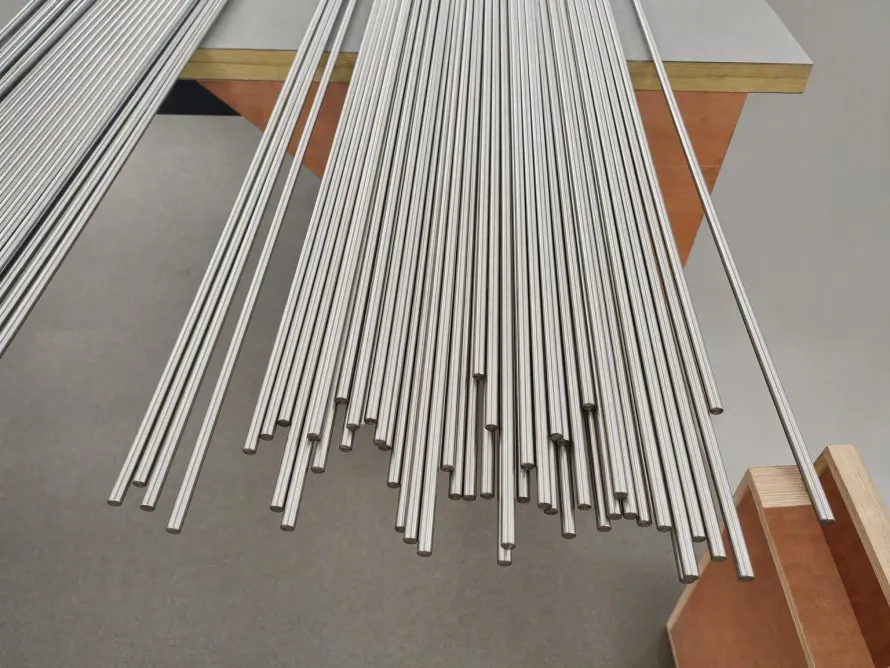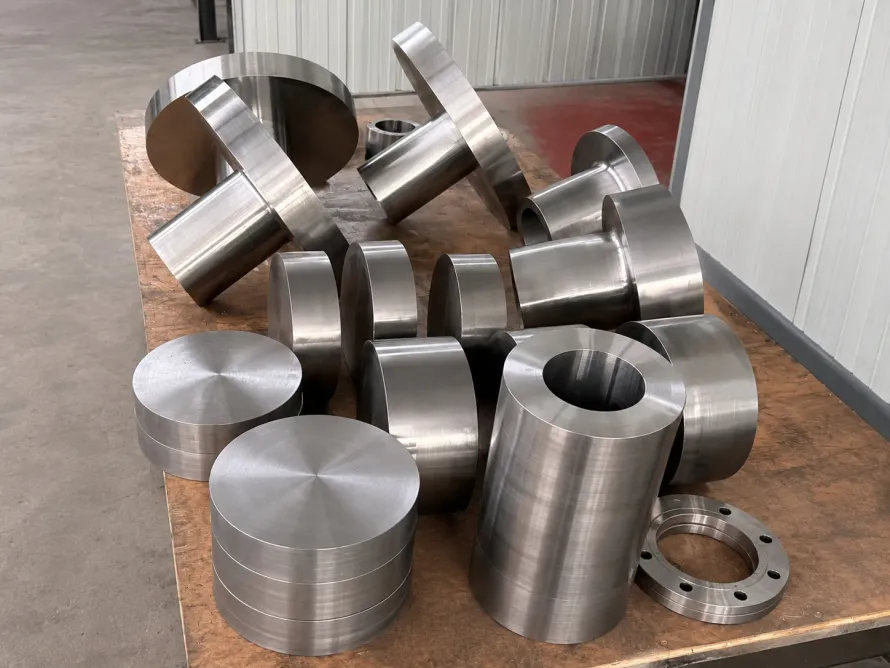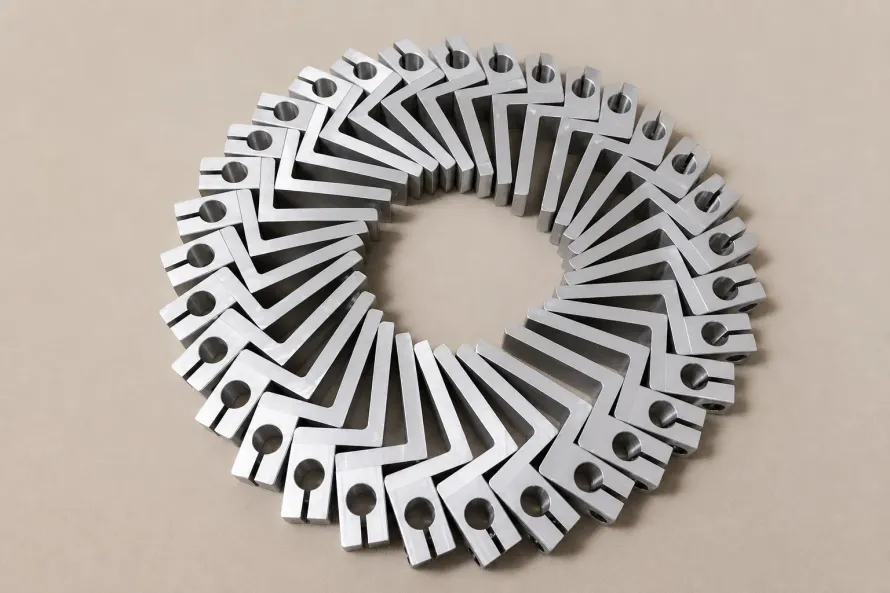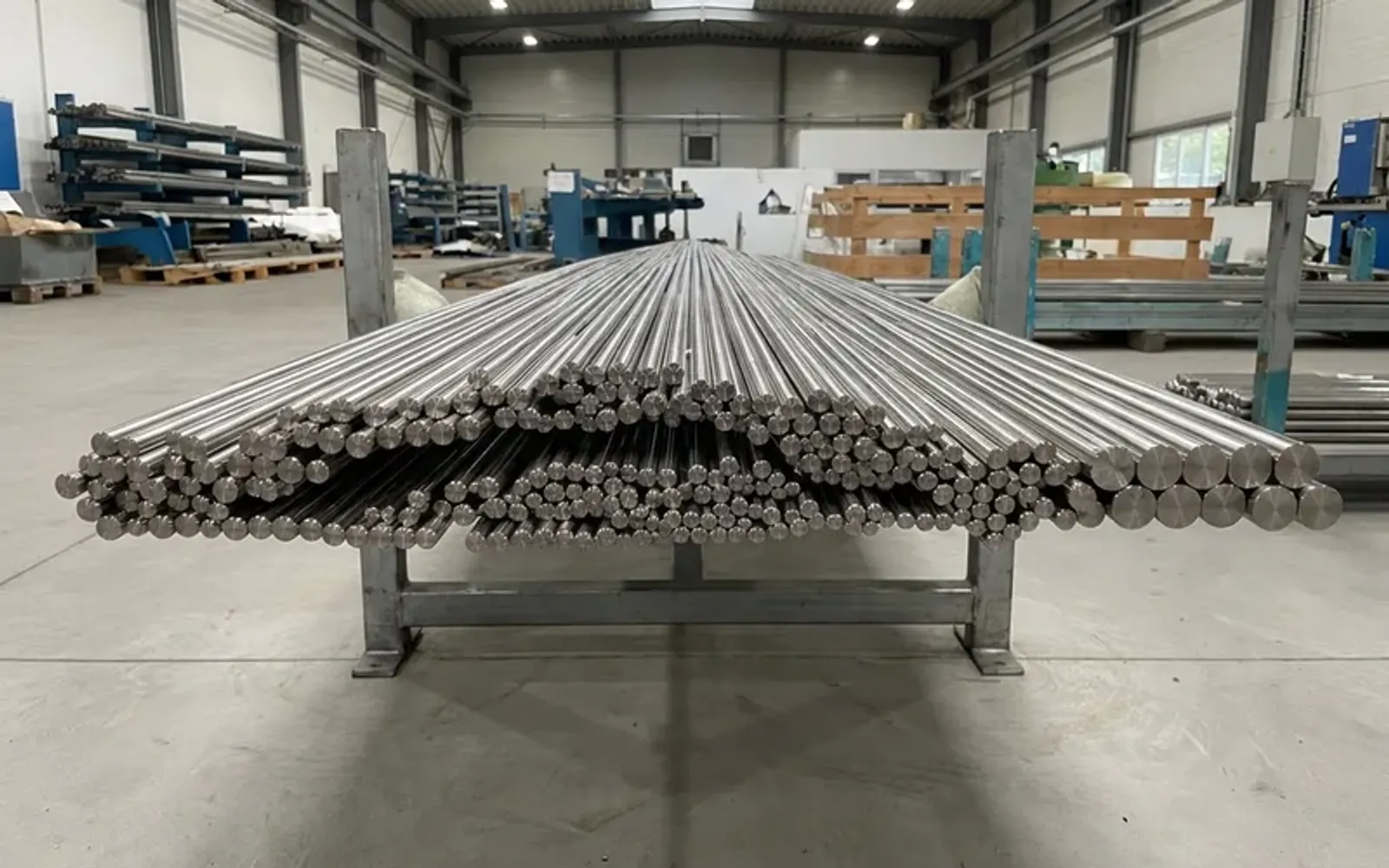
Quick Answer: For medical bone screws, dental abutments, and aerospace fasteners turned on Swiss-type CNC lathes (Citizen, Star, Tsugami, Tornos), specify centerless ground ASTM F136 Grade 23 or ASTM B348 Grade 5 bars to ISO h7 diameter tolerance (or h6 for precision non-turned OD surfaces), out-of-roundness (ovality) <= half the diameter tolerance, straightness <= 0.5 mm/m, Ra <= 0.4–0.8 µm, and 45° chamfered ends to eliminate guide-bushing seizure and bar-feeder whip.
Standard hot-rolled or lathe-peeled titanium rods carry wide diameter tolerances (±0.15–0.40 mm) and surface alpha-case that immediately ruin carbide guide bushings. Choosing the right grinding tolerance saves 15–30% over unnecessary h5/h6 over-specification while keeping unattended lights-out Swiss production running smoothly.
1. ISO 286-2 Shaft Tolerance Table for Centerless Ground Titanium Bars
All ISO h tolerances are unilateral minus (+0 / -T), ensuring the bar never exceeds nominal guide-bushing bore size:
| Nominal Bar Diameter (mm) | ISO h6 (Ultra-Precision) | ISO h7 (Swiss CNC Standard) | ISO h8 (General CNC / Chucker) | ISO h9 (Collet / Semi-Finish) |
|---|---|---|---|---|
| Ø 3.0 – 6.0 mm | +0 / -0.008 mm | +0 / -0.012 mm | +0 / -0.018 mm | +0 / -0.030 mm |
| Ø 6.0 – 10.0 mm | +0 / -0.009 mm | +0 / -0.015 mm | +0 / -0.022 mm | +0 / -0.036 mm |
| Ø 10.0 – 18.0 mm | +0 / -0.011 mm | +0 / -0.018 mm | +0 / -0.027 mm | +0 / -0.043 mm |
| Ø 18.0 – 30.0 mm | +0 / -0.013 mm | +0 / -0.021 mm | +0 / -0.033 mm | +0 / -0.052 mm |
| Ø 30.0 – 50.0 mm | +0 / -0.016 mm | +0 / -0.025 mm | +0 / -0.039 mm | +0 / -0.062 mm |
2. Beyond Diameter: Four Hidden Swiss Bar-Feeder Failure Triggers
- Out-of-Roundness (Ovality & Lobing): Specify ovality <= 50% of the ISO diameter band (e.g., <=0.007 mm on Ø10 mm h7 bar). Three-lobe triangular grinding errors pass two-point micrometer checks yet seize inside a rotary guide bushing—require V-block or roundness-tester verification on critical medical implant orders.
- Bar Straightness & High-RPM Whip: At 6,000–10,000 RPM inside an oil-filled bar feeder, even a 1.5 mm bow on a 3,000 mm bar induces severe chatter on small Ø4–12 mm titanium bone screws. Lock straightness at <= 0.5 mm/m (or <= 0.3 mm/m for Ø <= 8 mm).
- End Chamfering & Saw Burr Removal: Unchamfered cut ends snag magazine pusher fingers and scratch guide-bushing IDs. Always specify 45° × 0.5–1.0 mm double-end chamfers with zero burrs.
- Residual Grinding Burn & Surface Finish: Aggressive grinding without flood coolant creates localized thermal micro-cracks on Grade 23 ELI. Specify silicon-carbide wet centerless grinding to Ra <= 0.4–0.8 µm with 100% eddy-current surface crack inspection.
3. Sample Buyer RFQ Clause Template (Reference Only)
Buyers drafting technical purchase inquiries for Swiss-CNC bar stock can adapt the wording below as a starting checklist (actual applicable standard editions, NDT coverage, third-party inspection, and regulatory/medical quality system requirements are confirmed per order and do not represent a blanket medical-device certification claim by Titanium Seller):
“Ti-6Al-4V ELI (Grade 23) per ASTM F136 / ISO 5832-3 (specify active edition), Ø12.00 mm (ISO h7: +0 / -0.018 mm) × 3000 mm (+50/-0 mm), centerless ground Ra <= 0.6 µm, ovality <= 0.008 mm, straightness <= 0.5 mm/m, 45° chamfered both ends, requested NDT (e.g., UT per AMS 2631 Class A1 / eddy-current surface check — confirm scope on quote), EN 10204 3.1 MTC with required microstructural report.”