On November 19, 2026, the U.S. Federal Aviation Administration (FAA) published a Notice of Proposed Rulemaking (NPRM) in the Federal Register (Docket No. FAA-2026-13821, Project Identifier MCAI-2025-01619-T) proposing to supersede AD 2024-14-09 for certain Dassault Aviation Model Falcon 7X, Falcon 900EX, and Falcon 2000EX business jets, expanding mandatory replacements of specific titanium alloy screws with comments open until January 4, 2027. Small screws drive airworthiness action.
According to investigative findings cited in the Federal Register, the expanded mandate aligns directly with European Union Aviation Safety Agency (EASA) revised directive EASA AD 2025-0228R1 issued on February 6, 2026 (which superseded EASA AD 2023-0207): root-cause tracing revealed that certain batches of Decomatic titanium screws underwent an improper heat treatment process during manufacturing, and subsequent audits uncovered those suspect lots installed across additional airframe zones on previously covered jets as well as additional Falcon 7X serial numbers. Contaminated batches expanded inspection scope.
The FAA’s published compliance ledger illustrates the severe financial multiplier triggered when fastener heat treatment and lot containment break down: 52 U.S.-registered airplanes fall within scope, requiring up to 250 work-hours per aircraft for structural access and replacement (USD 21,250 in labor at USD 85 per work-hour) plus USD 524 for dedicated tooling rental on Falcon 7X serial numbers 423 through 443—pushing per-aircraft costs up to USD 21,774 and projected U.S. fleet expenditure up to USD 1,132,248, while eliminating calendar grace periods in favor of hard Flight Cycles (FC) limits. As an integrated titanium supply-chain platform working with certified partner facilities for high-reliability industrial and equipment buyers worldwide, we break down titanium fastener heat-treatment failure physics, cold thread-rolling rules, and lot-traceability controls. Upstream process discipline prevents recalls.
How One Improperly Heat-Treated Titanium Screw Escalates into a 250-Hour Airframe Teardown
Across airframes, subsea pressure manifolds, and high-RPM powertrains, a fastener costing only a few dollars carries the assembly’s most concentrated combination of tensile preload and high-frequency cyclic shear. Structural fasteners carry critical loads. Proposed directive FAA-2026-13821 requires technicians not only to pull affected screws, but also to gage mounting bore dimensions and execute oversize hole repairs wherever wear or deformation exceeds limits—because an improperly heat-treated titanium alloy bolt or structural screw that cracks or sheds its head inside a joint compromises primary load transfer immediately.
Furnace deviations destroy titanium fastener integrity. Failure analysis logs from partner vacuum heat-treating bays and metallurgical testing labs show that high-strength Grade 5 (Ti-6Al-4V) titanium fasteners are most vulnerable to two lethal thermal-processing breakdowns:
- Delayed Hydrogen Embrittlement from Vacuum Furnace Micro-Leaks: During stress-relief annealing or solution treating and aging (STA), reactive titanium fasteners are acutely sensitive to chamber vacuum integrity and trace moisture. Micro-leaks trigger delayed hydrogen fracture. Metallurgical audits confirm that finished titanium breaching the H ≤ 0.015% maximum hydrogen ceiling almost always traces back to degraded vacuum furnace door seals or high-dew-point argon quench gas; under static installation preload, excess interstitial hydrogen migrates to high-triaxial-stress zones—specifically head-to-shank fillets and the first engaged thread root—precipitating brittle hydrides that snap fastener heads without warning after weeks or hundreds of load cycles.
- Thermal Overshoot and Unsegregated Furnace Lots Forcing Fleet-Wide Teardowns: Ti-6Al-4V fasteners rely on tightly calibrated STA thermal profiles to exceed 1,100 MPa tensile strength while retaining healthy reduction of area; drifting near the beta transus temperature or missing quench transfer windows produces coarse, low-toughness Widmanstätten structures. Mixed lots multiply recall costs. Worse yet, if a fastener producer fails to isolate and bag each individual furnace Heat-Treat Lot with locked traveler tags, discovering a single off-spec screw forces OEMs to quarantine and strip every assembly built across that entire production window.
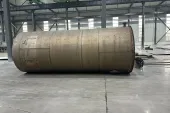
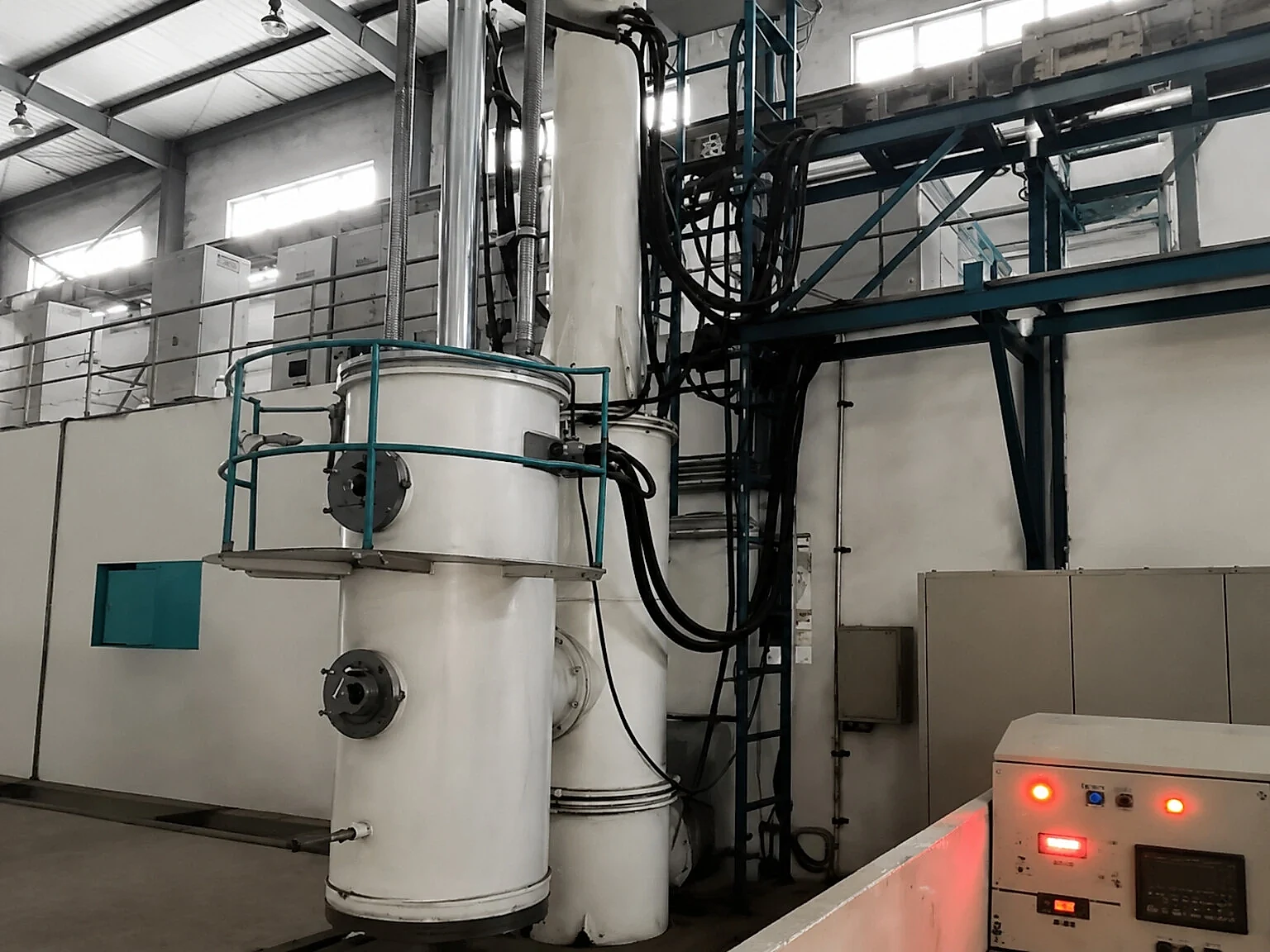 Figure 1: Vertical industrial vacuum heat-treatment furnace with digital multi-zone thermal and high-vacuum monitoring at a certified partner facility. Tight leak-up rates block hydrogen pickup. Incoming fastener audits cross-check furnace chart records against finished H ≤ 0.015% gas-fusion test data.
Manufacturing Rules for High-Fatigue Titanium Fasteners: Centerless-Ground Stock, Warm Heading, and Cold Thread Rolling
Beyond furnace discipline, industrial equipment and motorsport procurement teams sourcing non-standard high-strength titanium bolts frequently stumble into buying fully CNC-turned screws machined directly from ordinary hot-rolled bar by general job shops. Cut threads invite fatigue failure. For dynamically loaded bolted joints, certified partner fastener lines and wire mills enforce three non-negotiable manufacturing gates:
First, prohibit single-point lathe thread cutting in favor of warm heading plus cold thread rolling: single-point carbide threading shears transversely across axial titanium grain flow lines, leaving microscopic tearing burrs along thread flanks that nucleate fatigue cracks rapidly. Rolled threads preserve grain flow. High-fatigue Grade 5 (Ti-6Al-4V) fasteners start from solution-treated and aged (STA) bar stock, undergo temperature-controlled warm heading to form uninterrupted head-to-shank flow contours, and finish with precision cold thread rolling and root-radius burnishing—combining continuous plastic grain lines with deep compressive root stress to raise axial tension-tension fatigue life more than 3 times over cut threads.
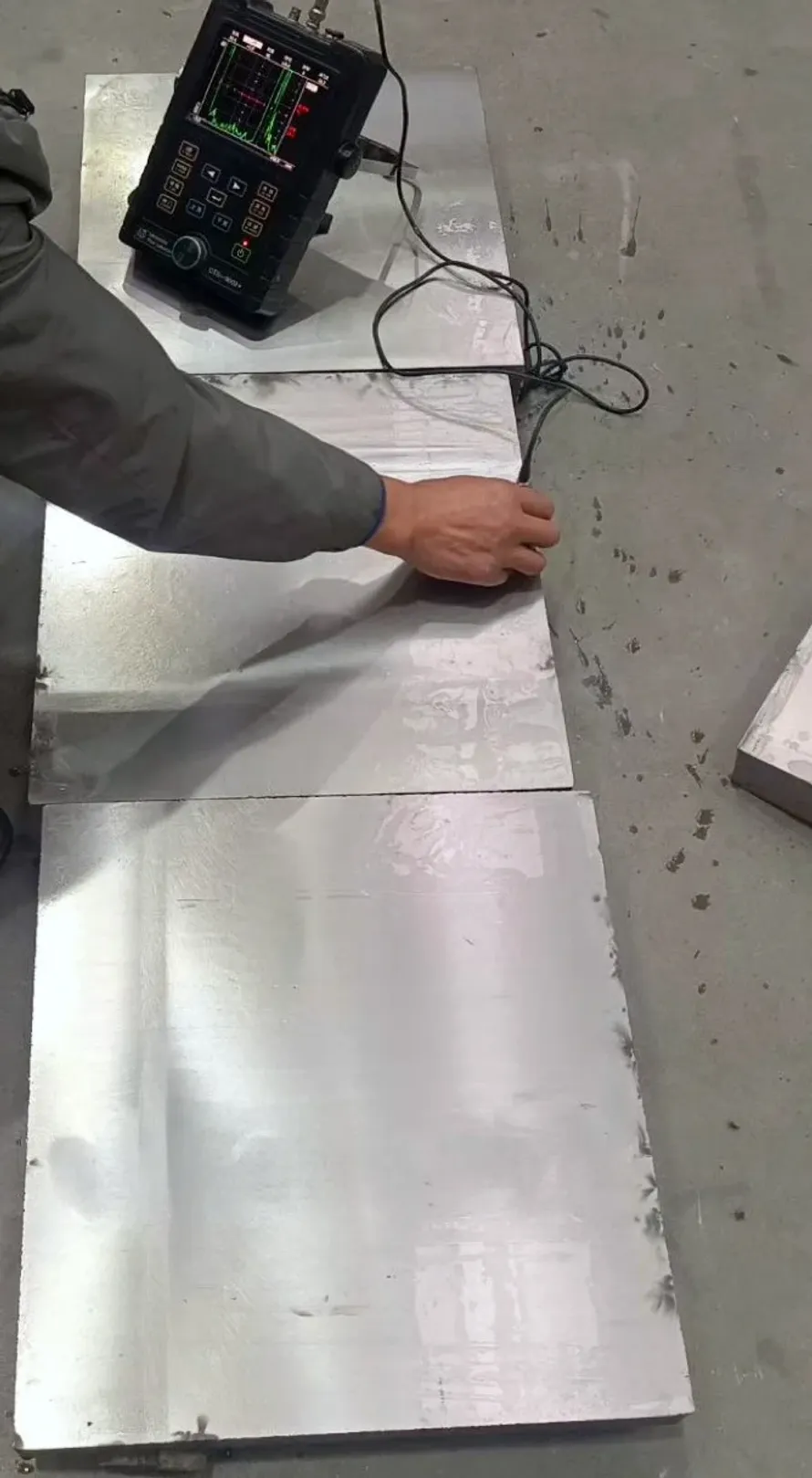
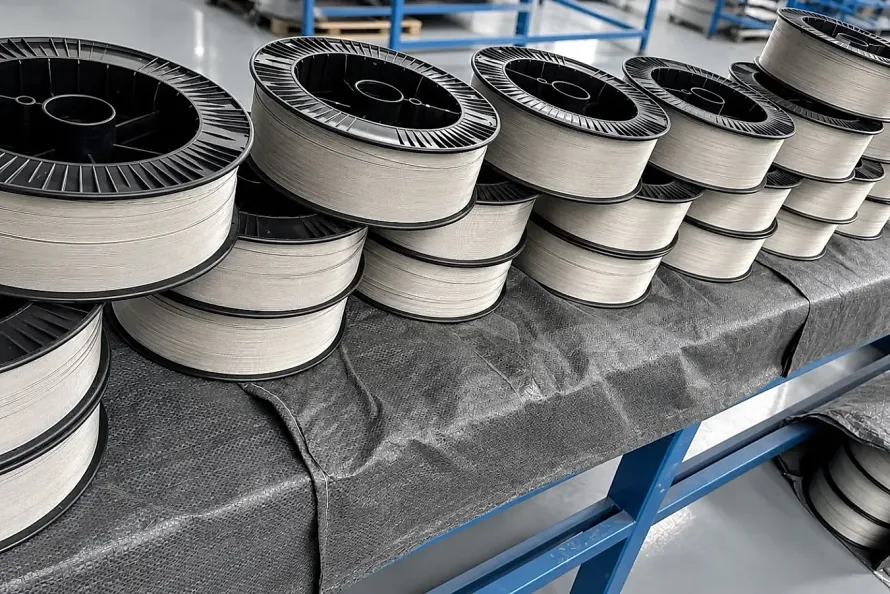
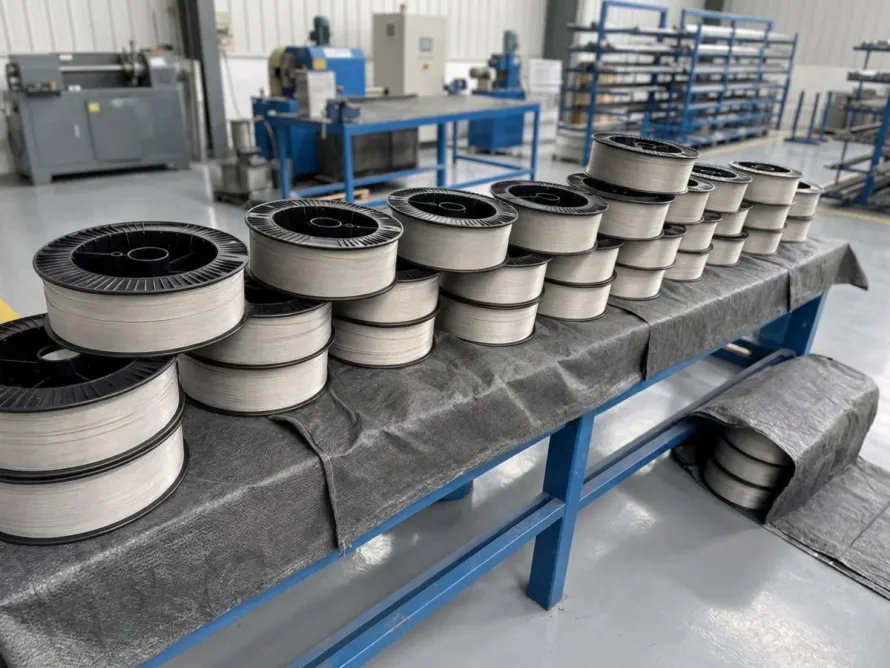
Second, strip hot-worked mill skin completely and run 100% surface non-destructive screening on heading stock: warm- and cold-heading dies fold any microscopic lap, seam, or oxide scale on incoming wire straight into the bolt flange face, initiating radial head splits. Clean bar stock prevents head splits. Consequently, dedicated fastener-grade cold-heading titanium wire and coil stock and small-diameter bar must have all alpha-enriched mill scale peeled away, shipping in precision centerless-ground or shaved bright finishes backed by 100% in-line eddy-current (ET) flaw detection to reject micron-scale longitudinal seams.
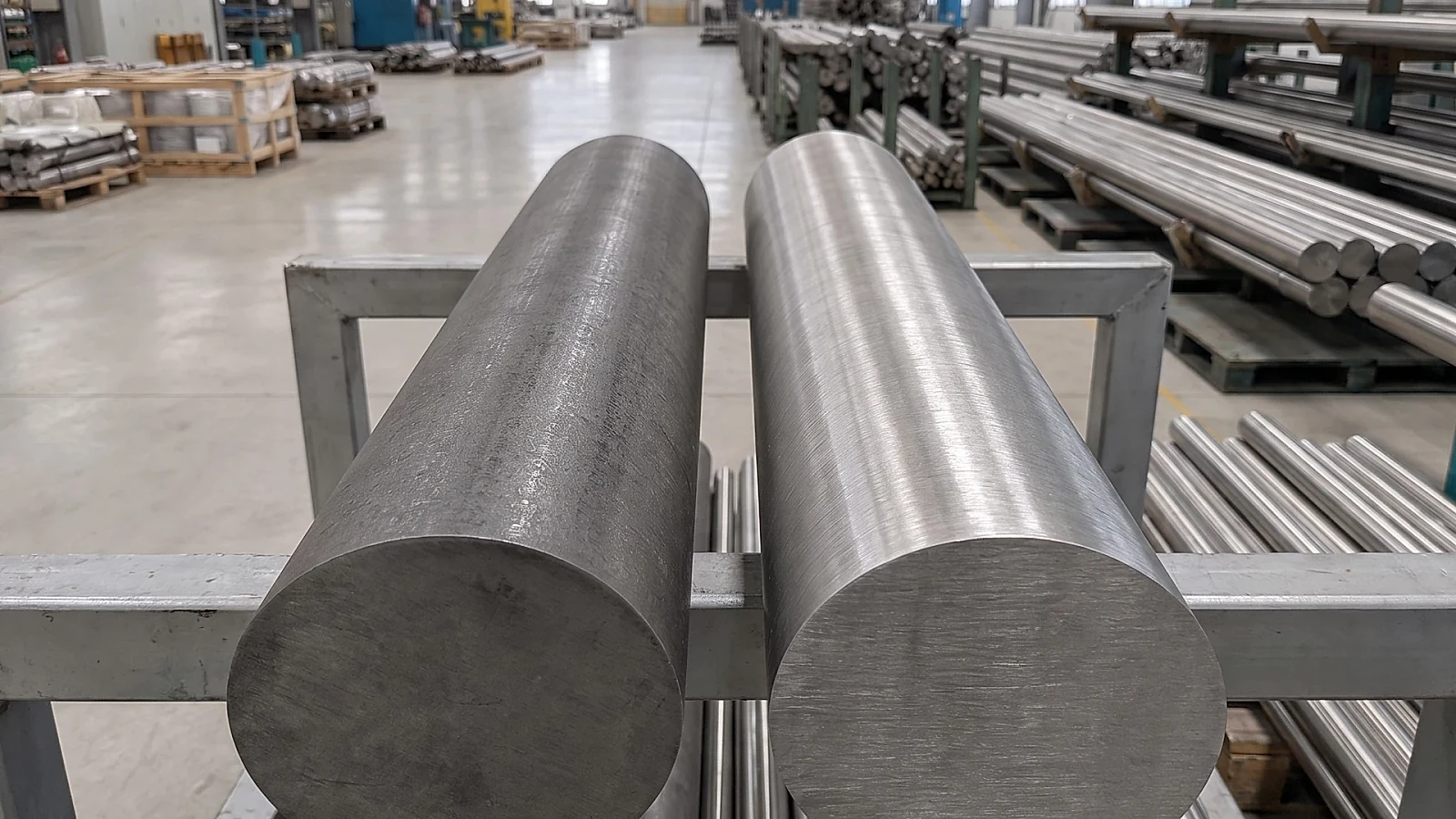 Figure 2: As-rolled black-skin titanium bar (left) contrasted with peeled and centerless-ground fastener-grade titanium stock (right) on an inspection rack. Surface defects cause heading cracks. Buyers verify bright defect-free finishes and 100% eddy-current test logs before warm heading.
| Quality Control Gate | Low-Tier Job Shop / Off-Spec Shortcut | Resulting Assembly & Field Failure Risk | Certified Partner Supply-Chain Standard | Mandatory Buyer Incoming QA Check |
|---|---|---|---|---|
| Furnace Atmosphere & Profile | Air-furnace heating, vacuum micro-leaks, or uncalibrated zones | Hydrogen > 0.015% delayed head pop-off; overheated brittle grain | High-vacuum / high-purity argon furnace with scheduled leak-rate & TUS logs | Audit furnace thermal chart + finished gas-fusion H test (H ≤ 0.015%) |
| Head & Thread Forming | CNC single-point thread turning and hex milling from raw bar | Severed grain flow causing early fatigue fracture at first thread or fillet | STA stock + warm heading + cold thread rolling + radiused root compression | Require longitudinal grain-flow macro-etch photo confirming ≥ 3x fatigue life |
| Heading Wire / Bar Surface | Heading over residual hot-rolled black oxide scale or draw laps | Radial flange head cracks and hard oxygen-enriched surface inclusions | Peeled + centerless-ground bright stock + 100% in-line eddy-current (ET) scan | Verify bar surface roughness, h7/h8 diameter tolerance & 100% ET pass log |
| Interstitial Chemistry | High-scrap-ratio remelting pushing oxygen and nitrogen near ceiling | Inflated room-temperature tensile masking poor notch toughness | 0-grade / 1-grade virgin sponge VAR melt; O ≤ 0.20%, N ≤ 0.05% | Cross-check Material Test Certificate (MTC) chemistry, tensile & double-shear |
| Melt & Heat-Lot Traceability | Multi-furnace batches dumped into bulk bins with size-only labels | One bad screw forces Falcon-style fleet-wide teardown across serials | Traveler cards + bar-end stamps + individual sealed bags per Heat-Treat Lot | Match bag lot code, packing list, furnace batch & original VAR ingot heat 1:1 |
Four Anti-Escape Inspection Clauses for Sourcing High-Reliability Titanium Fasteners
Strict RFQ clauses close traceability gaps. Drawing direct lessons from the million-dollar teardown bill projected across 52 Dassault jets in FAA-2026-13821, procurement engineers in aerospace sub-tier tooling, marine energy, defense test rigs, and professional motorsport should lock four verification clauses into fastener and heading-stock RFQs:
- Mandate “Warm Heading + Post-STA Cold Thread Rolling” on Purchase Drawings: Explicitly prohibit substituting single-point cut threads on tension- or vibration-loaded fasteners (except oversized custom diameters above rolling capacity), requiring longitudinal section metallography on first-article samples to verify continuous head-fillet and root grain flow. Locked process routes protect fatigue life.
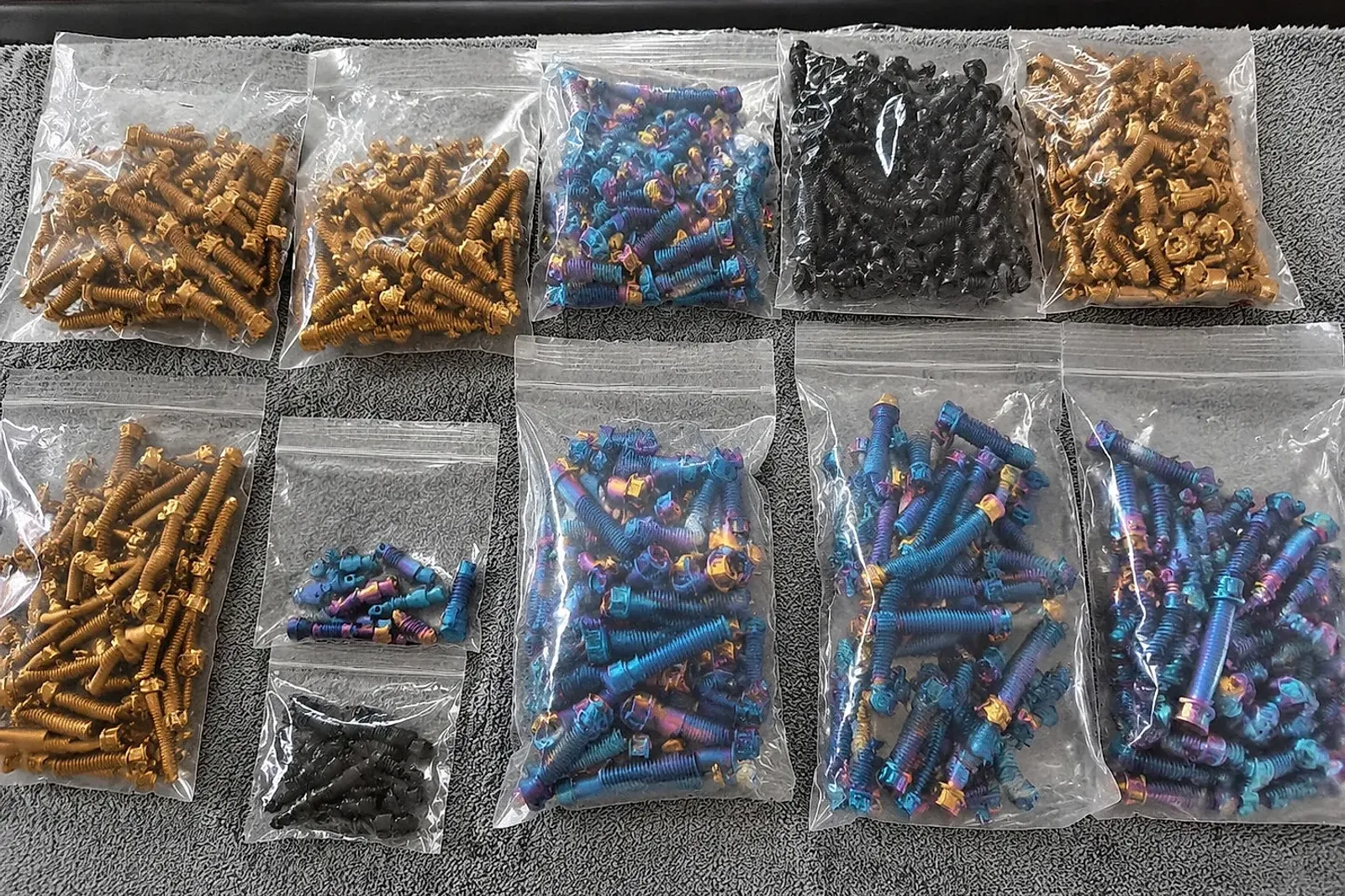
- Enforce Dual-Code Binding (“VAR Melt Heat + Heat-Treat Lot”) with Unit-Bag Segregation: Require shop-floor traveler cards, bar-end markings, and sealed unit polybag labels to link every pouch of screws simultaneously to its upstream VAR ingot melt number and its exact furnace Heat-Treat Lot, forbidding cross-lot consolidation. Dual-code bagging stops batch mixing.
- Audit Inert-Gas Fusion O/N/H Readings on Every MTC: Require a complete Material Test Certificate (MTC) with 100% heat/lot number traceability on every shipment, verifying post-heat-treatment hydrogen within H ≤ 0.015% alongside base interstitials of O ≤ 0.20% and N ≤ 0.05% (or O ≤ 0.13% max when specifying fracture-critical Grade 23 ELI). Gas-fusion testing blocks brittle lots. For safety-critical joints, buyers can schedule independent third-party laboratory witness testing for tensile, double-shear, and hydrogen content prior to dispatch FOB China main port.
- Maintain Clear Airworthiness vs. High-Spec Industrial Sourcing Boundaries: Certificated commercial aircraft AD replacement parts must be released exclusively through holders of applicable civil aviation approvals (such as FAA PMA/TSO or OEM-authorized distributor listings); meanwhile, for non-airworthiness high-load marine, energy, semiconductor, unmanned testbed, and motorsport programs, applying these exact rolled-thread and heat-lot traceability rules eliminates catastrophic bolt-shearing downtime without aerospace distribution markups. Clear compliance boundaries guide sourcing.
If your engineering team is sourcing high-fatigue Grade 5 cold-rolled titanium bolts, custom build-to-print fasteners, or zero-seam centerless-ground cold-heading titanium wire, submit your drawing standards, strength class, and lot-testing requirements through our online RFQ and fastener specification pre-audit portal to review production lead times and sample MTC traceability packages. Verified lot records protect uptime.