US Titanium Act: What It Means for Global Buyers
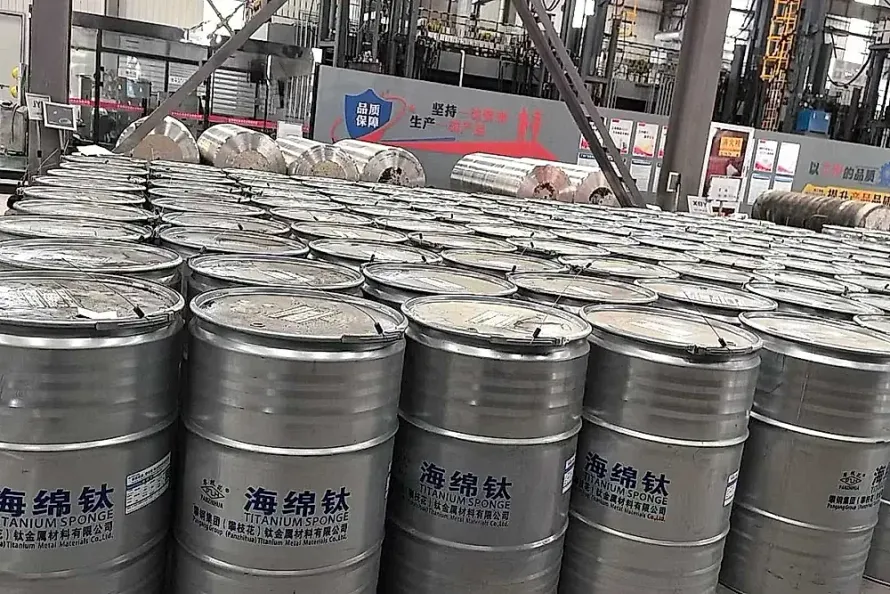
The United States produced zero titanium sponge in 2025. Not a single kilogram. The last domestic facility — in Henderson, Nevada — shut down in 2020. Now Congress is pushing the Securing America’s Titanium Manufacturing Act, and American Titanium Metal LLC has committed $868 million to build a new aerospace-grade titanium plant in North Carolina.
The plant won’t be operational until 2027. That leaves an 18-month window where the global titanium supply map is being redrawn — and most procurement teams haven’t updated their playbook.
The Titanium Trifecta: Three Forces Reshaping Supply
Three developments are converging simultaneously, and their combined effect matters more than any single headline.
Force 1: US legislative push. The proposed Act would exempt titanium sponge from Section 232 tariffs for five years while channeling Defense Production Act funding into domestic capacity. The North Carolina facility alone spans 500,000 square feet. The US Department of Defense is also soliciting supply proposals for 13 critical minerals — titanium among them. IperionX has already secured up to $47.1 million in DoD contracts for its Virginia titanium manufacturing campus.
Force 2: China’s growing dominance. China’s share of global titanium metal production jumped from roughly 40% in 2019 to over 75% in 2025. Sponge capacity is projected to reach 441,000 tonnes/year in 2026, up from 341,000 tonnes in 2025. In January 2026 alone, Chinese sponge output hit 23,800 tonnes. Meanwhile, export controls on titanium processed materials — first enacted in July 2024 — have tightened further in 2026.
Force 3: Western OEMs diversify. Airbus signed a $666 million titanium raw material agreement with Saudi Arabia. ATI extended its long-term titanium supply deal with Boeing. The pattern is clear: aerospace OEMs are locking in multi-year agreements and building alternative supply corridors.
Each of these events alone is significant. Together, they signal a structural shift. Titanium procurement is moving from a cost-driven commodity model to a geopolitically-weighted supply security model.

What This Means If You Buy Titanium Forgings
The macro picture is clear. But what does it mean on a purchase order level?
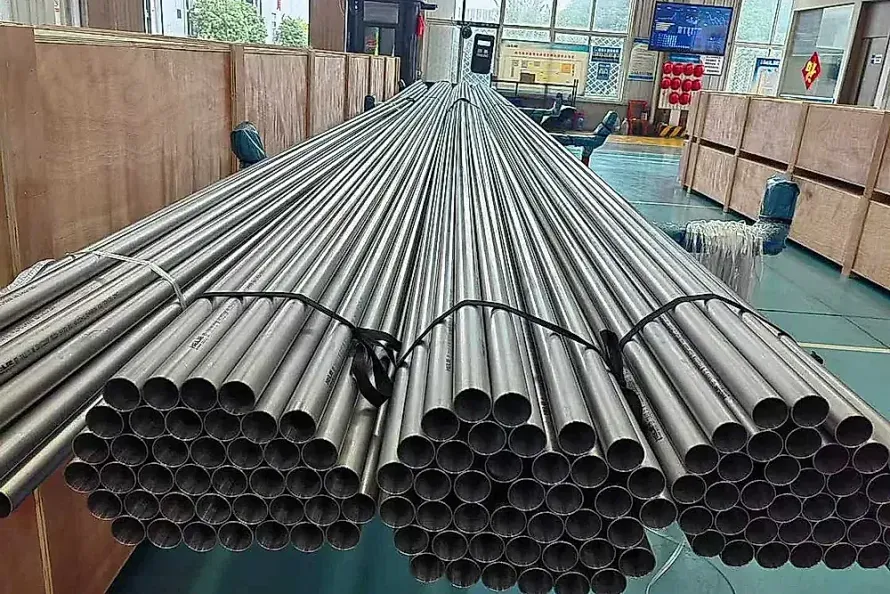
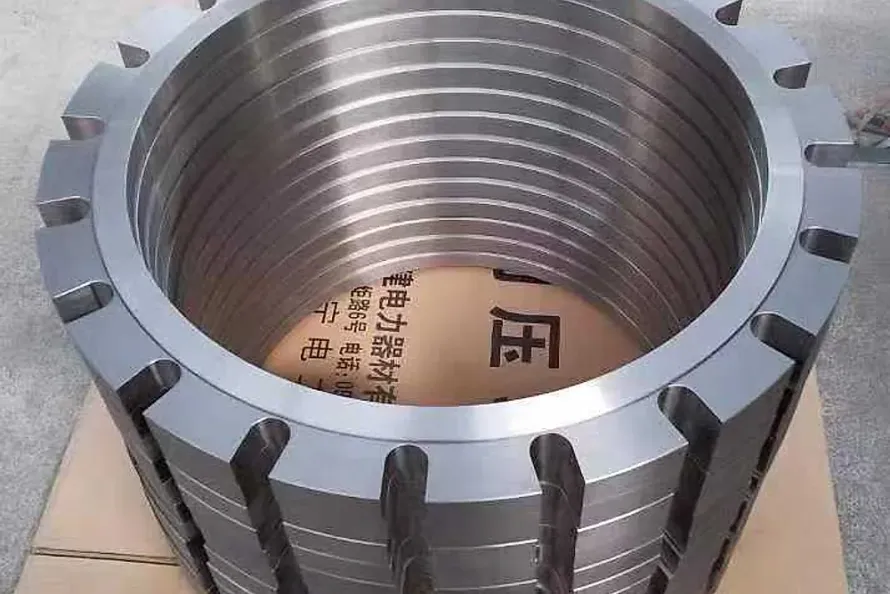
Lead times are stretching. OEM long-term agreements are absorbing mill capacity that used to serve the spot market. A Tier-2 aerospace supplier sourcing Gr.5 forgings on spot terms could see lead times move from 6 weeks to 10-12 weeks over the next year. The bottleneck isn’t melting capacity — it’s certification pipeline. Mills prioritize long-agreement customers for AMS 4928 and AMS 4967 material.
Compliance costs are rising. Buy American provisions, even if titanium sponge gets a tariff exemption, will increase documentation requirements. Buyers sourcing from China should expect more frequent audit requests — and the documentation bar is moving from basic MTCs to full heat number traceability from sponge to finished product.
Regional price spreads are widening. North American titanium sits at $6.40–7.50/kg. China’s domestic price holds steady around $6.25/kg. India is the highest-cost region at $12.50–15.00/kg. The CIF-delivered price gap between Chinese and North American material is 15–20% — but that gap means nothing if the supplier can’t deliver the compliance paperwork your customer requires.
View from Titanium Valley
Baoji, in China’s Shaanxi province, is home to over 600 titanium enterprises producing roughly 65% of China’s total titanium and titanium alloy output. We sit at the center of this cluster.
Here is what we are seeing on the ground:
The nature of European buyer inquiries has fundamentally shifted. Just twelve months ago, the initial conversation always centered on price. Today, compliance and documentation lead the dialogue. We’ve seen requests for origin certificates, full-chain heat number traceability, and third-party inspection reports triple year-over-year.
Simultaneously, audit frequencies are escalating. Several of our aerospace-adjacent customers have transitioned from annual to semi-annual supplier audits. Notably, one German OEM now mandates comprehensive video walkthroughs of the melting facility before placing an initial order—a level of scrutiny that was virtually unheard of just two years ago.
Order patterns are shifting. We’re processing more split shipments — buyers placing the same annual volume but requesting monthly deliveries instead of quarterly batches. This is inventory risk management in real time.
“The buyers who are adapting fastest are the ones treating their Chinese suppliers as strategic partners, not interchangeable vendors. They’re investing in audit relationships now, before the compliance bar gets even higher.” — Supply Chain Director Jason
Three Moves to Make Before 2027
The North Carolina plant will start producing in 2027. Until then, the supply map stays tilted toward China. Here’s how to position for both the short and long term:
1. Establish at least two geographic sources now. If 100% of your titanium comes from one country, you have a single point of failure. This doesn’t mean abandoning your primary supplier — it means qualifying a backup in a different jurisdiction. Start the audit process today; qualification cycles for aerospace-grade material run 6–12 months.
2. Demand full-chain traceability documentation. A basic mill test certificate is no longer enough. Ask your supplier to provide heat number traceability from sponge source through melting, forging, and final inspection. If they can’t produce this, they won’t survive the next round of compliance tightening.
3. Extend your lead time buffer from 2 weeks to 6 weeks. The spot market is getting thinner as OEMs lock up capacity. Build buffer into your procurement cycle now, while material is still available. Waiting until lead times spike is the most expensive form of risk management.
Looking Ahead
The $868 million bet in North Carolina is just the beginning. The EU’s Critical Raw Materials Act will add another layer of supply chain requirements. India is pushing its own titanium self-sufficiency program. The days of purely price-driven titanium procurement are ending.
The winners in this transition will be the procurement teams that treat supply chain restructuring as a strategic investment — not just a purchasing task.
Related Articles:
- Aerospace Titanium Supply Chain Is Being Reshaped
- From Ore to Precision: How Titanium Parts Are Engineered
- Titanium Forgings & Ring Rolling
About: This analysis is published by Titanium Seller, a supply chain platform based in Baoji, China’s Titanium Valley — home to 600+ titanium enterprises producing 65% of China’s titanium output.
Need this material? Get a factory-direct quote.