Type something to search...
Aerospace Titanium Supply Chain Is Being Reshaped by 3D Printing and Domestic Production

Aerospace Titanium Supply Chain Is Being Reshaped by 3D Printing and Domestic Production

The aerospace titanium supply chain is undergoing its most significant transformation in decades. Three forces are converging at once: additive manufacturing is reaching industrial scale, Western nations are racing to build domestic titanium capacity, and China’s dominance over global production continues to grow. For procurement teams and engineers sourcing titanium for flight-critical applications, understanding these shifts is no longer optional — it is essential.

As a supply chain platform rooted in Baoji, China’s “Titanium Valley” and the epicenter of the nation’s titanium production, Titanium Seller has a front-row seat to these changes. Here is what we see happening — and what it means for buyers worldwide.

The Geopolitical Backdrop: Who Controls Aerospace Titanium?

The numbers tell a stark story. China’s share of global titanium metal production has surged from approximately 40% in 2019 to over 75% in 2025, according to Project Blue and multiple industry analysts. Meanwhile, the United States has been entirely import-dependent for titanium sponge — the foundational raw material — since 2020, when the last major US production facility in Henderson, Nevada, shut down.

This concentration of supply has become a strategic concern. Project Blue projects that Western aerospace manufacturers will need more than 1.6 million tonnes of titanium by 2044 to build roughly 46,000 new commercial aircraft. The aerospace titanium market alone is expected to grow from USD 3.4 billion in 2026 to USD 7.2 billion by 2035, at a CAGR of 8.6%.

Russia, historically a primary supplier of aerospace-grade titanium to Western OEMs, remains constrained by ongoing sanctions and geopolitical tensions. This leaves China as the dominant force in global titanium production — a reality that is driving urgent action in Europe and North America.

Airbus Breaks New Ground: 7-Meter Titanium Parts via 3D Printing

Perhaps the most exciting development in aerospace titanium this year is Airbus’s industrial deployment of wire-Directed Energy Deposition (w-DED) technology. Using a multi-axis robotic arm armed with a spool of titanium wire, Airbus can now 3D-print structural titanium components up to seven meters long for the A350 program.

Why does this matter? Traditional titanium forging is notoriously wasteful. The industry’s “buy-to-fly ratio” — the amount of raw titanium purchased versus what actually ends up in the finished part — typically means 80–95% of material is machined away and recycled. W-DED creates near-net-shape parts, dramatically reducing waste at the source.

The production speed is also transformative. W-DED systems produce several kilograms of deposited titanium per hour, compared to hundreds of grams per hour for conventional powder-bed fusion systems. Tooling design timelines have shrunk from two years with traditional forging to just a few weeks through computer programming.

Airbus has already moved this technology into serial production for A350 Cargo Door Surround components, with plans to expand to wings and landing gear. This signals a fundamental shift: additive manufacturing is no longer a prototyping curiosity — it is becoming a production workhorse for large, structural titanium aerospace parts.

The Multi-Laser Revolution: LPBF Scales Up

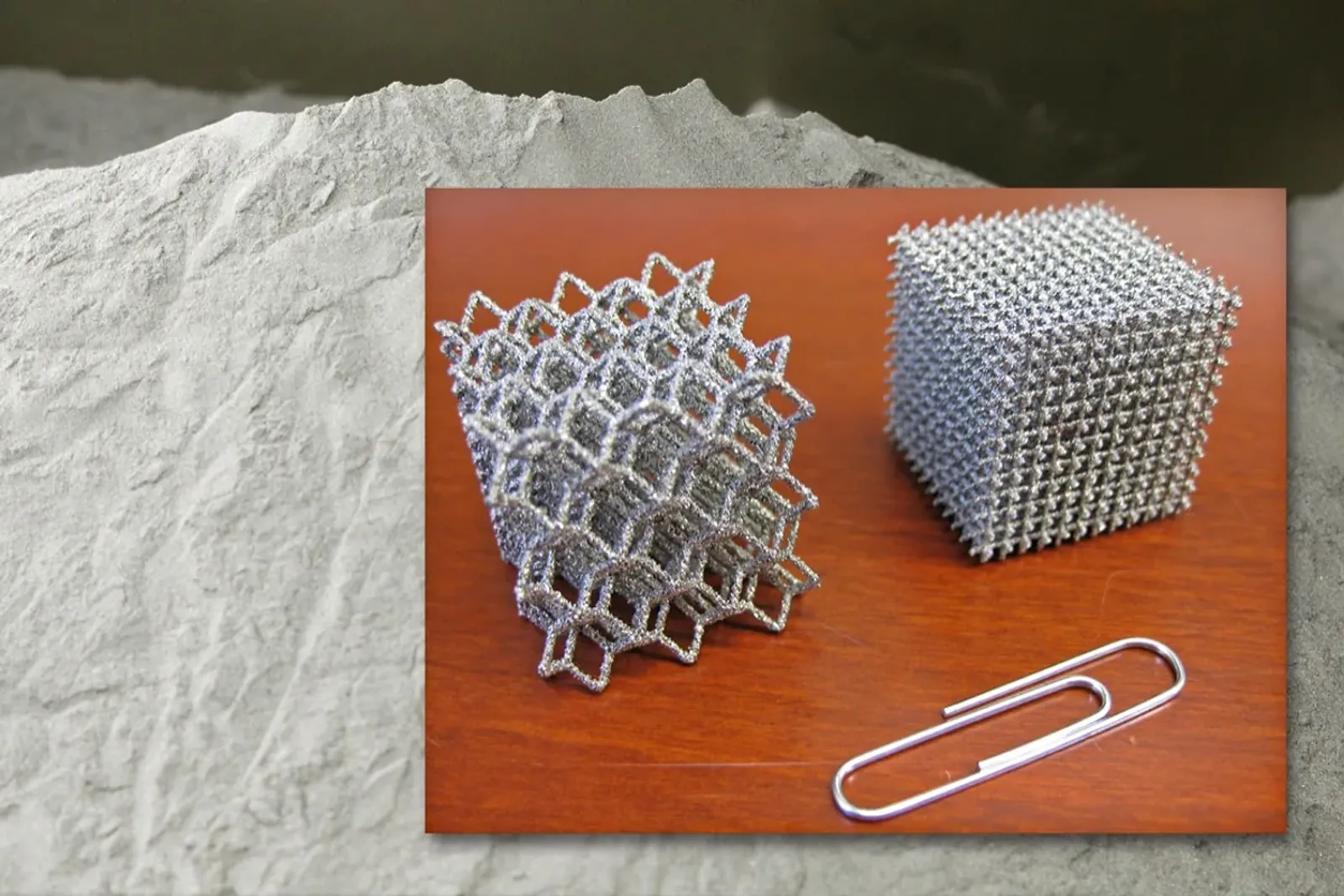
Beyond w-DED, powder-bed fusion technology is also reaching new scales. Modern Multi-Laser Powder Bed Fusion (LPBF) systems now operate with up to 12 simultaneous lasers, reducing build times by more than 60% and lowering per-unit costs through economies of scale.

Manufacturers can now mass-produce turbine blades, engine brackets, and complex internal geometries using Grade 5 Ti-6Al-4V — the workhorse alloy for aerospace applications. The aero-engine segment alone accounted for 48.6% of the aerospace titanium market in 2025, driven by titanium’s critical role in compressor blades, fan cases, and turbine disks.

For the additive manufacturing supply chain, this creates surging demand for high-quality titanium powder and wire feedstock — areas where Baoji’s integrated production ecosystem offers distinct advantages.

America’s Reshoring Race: Billions at Stake

The US government is responding to the supply chain vulnerability with significant investment. American Titanium Metal LLC announced an $868 million investment to build a new 500,000-square-foot facility in North Carolina for melting, rolling, and finishing aerospace-grade titanium, potentially operational by 2027.

Simultaneously, the Department of Defense awarded IperionX a contract worth up to $47.1 million, including the transfer of roughly 290 metric tons of high-quality titanium scrap — about 1.5 years of feedstock at IperionX’s current 200-tonne annual capacity. This contract supports IperionX’s innovative approach to producing aerospace-grade titanium from recycled scrap using patented hydrogen-assisted metallurgy.

These investments are substantial, but they will take years to reach meaningful production scale. In the interim, the global aerospace industry remains heavily dependent on established supply chains — particularly those running through China’s Titanium Valley in Baoji.

China’s Titanium Valley: Capacity, Challenges, and Opportunity

China’s titanium sponge production capacity is forecast to reach approximately 441,000 tonnes per year in 2026, up from 341,000 tonnes in 2025. January 2026 output alone was approximately 23,800 tonnes of sponge titanium.

However, this rapid capacity expansion brings its own challenges. The market faces pricing and margin pressure from overcapacity, weaker chemical-sector demand, and tightening export controls on certain titanium mill products. Export controls that took effect on July 1, 2024, have been further tightened in 2026, creating a complex regulatory landscape for international buyers.

For Titanium Seller, operating at the heart of this ecosystem provides unique advantages. Our direct relationships with over 50 mills and foundries in Baoji allow us to offer:

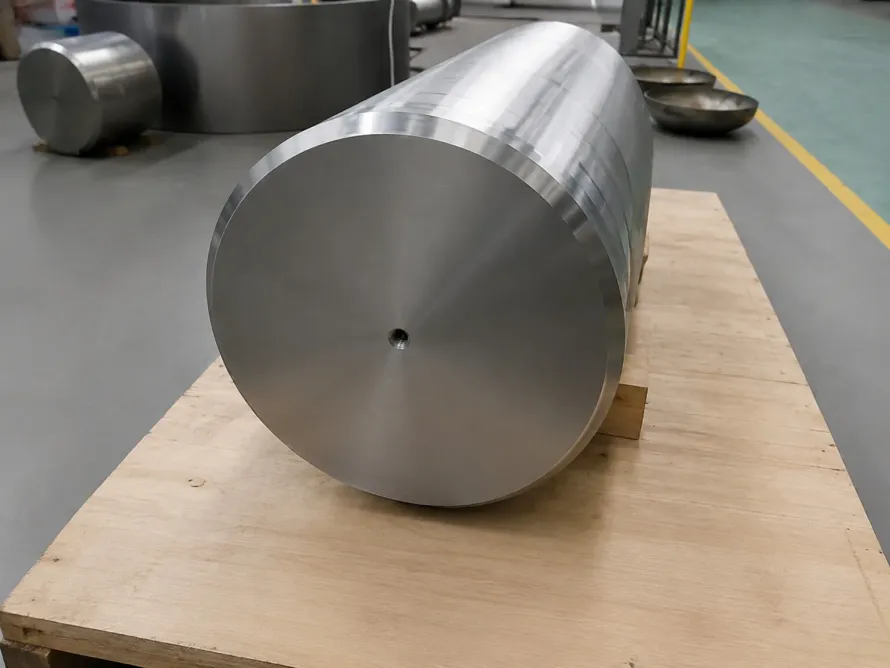
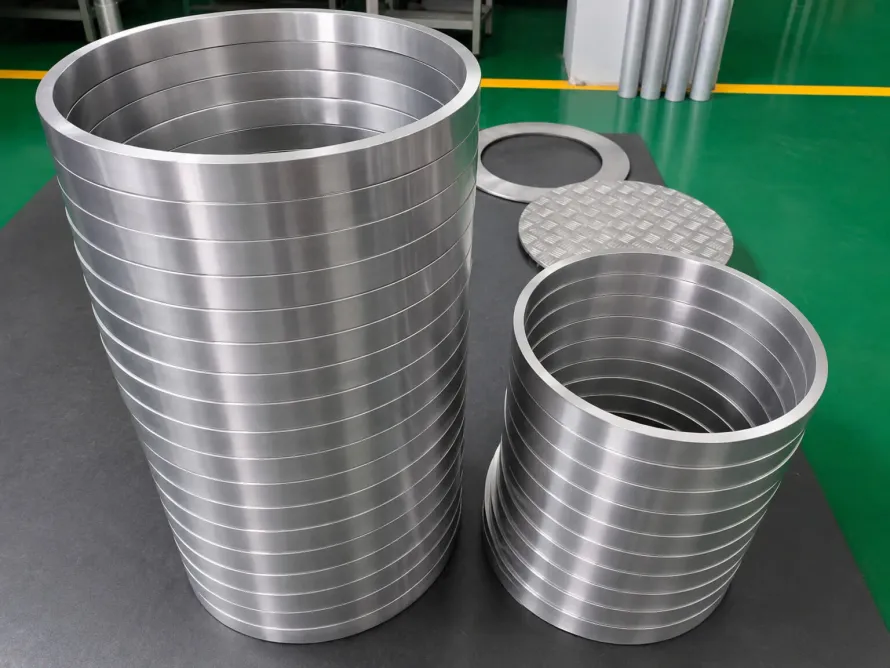
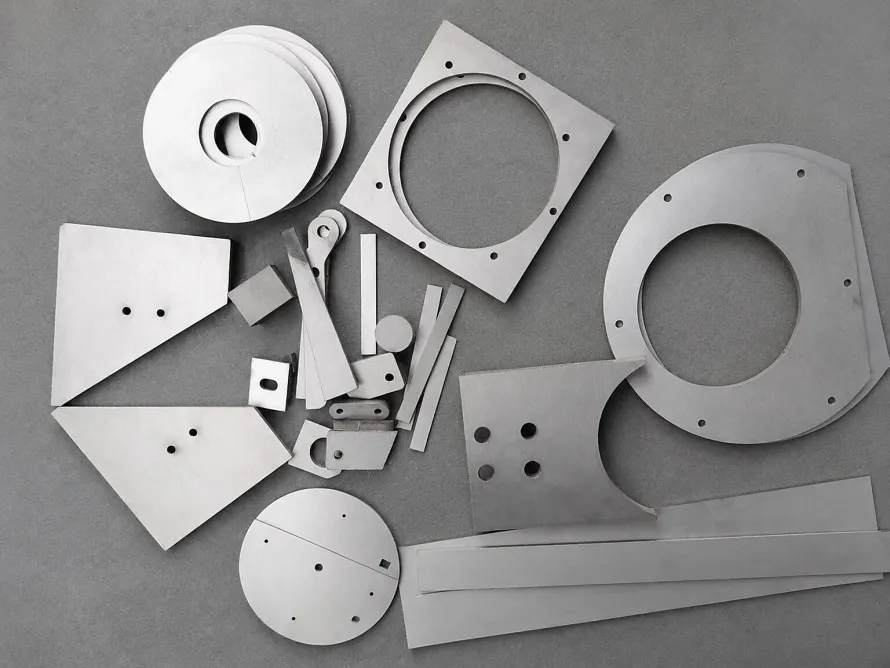
  • Grade 5 Ti-6Al-4V sheets, plates, rods, and wire meeting AMS 4911, AMS 4928, and ASTM B265 specifications
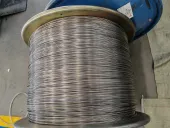
  • Titanium wire feedstock for additive manufacturing systems, available in Grade 2 CP and Grade 5 alloys
  • Centralized quality control with full material traceability, mill test reports, and third-party certification

Unlike trading intermediaries, we work directly within the factory cluster, enabling direct factory pricing without sacrificing quality assurance.

What This Means for Titanium Buyers

The reshaping of the aerospace titanium supply chain creates both risks and opportunities for procurement professionals:

1. Diversify your supply base now. With US domestic capacity still years away from scale, buyers who establish reliable Asian supply partnerships today will have more leverage and options tomorrow.

2. Evaluate additive manufacturing feedstock needs early. As OEMs like Airbus scale up titanium 3D printing, demand for certified wire and powder will grow rapidly. Securing supply agreements for AM-grade titanium feedstock is a smart strategic move.

3. Understand export control implications. China’s evolving export regulations on titanium mill products require buyers to work with knowledgeable supply chain partners who can navigate compliance requirements efficiently.

4. Demand full traceability. Whether sourcing forged billets or AM wire, aerospace-grade titanium requires complete material traceability from sponge to finished product. Insist on partners who provide mill test reports, chemical analysis certificates, and third-party inspection documentation.

Conclusion

The aerospace titanium supply chain is being rebuilt in real time — through additive manufacturing breakthroughs, government-backed reshoring programs, and the continuing evolution of China’s production ecosystem. These changes will define how the industry sources, processes, and uses titanium for the next decade.

At Titanium Seller, we bridge the world’s largest titanium production cluster in Baoji with global aerospace buyers who need reliable, certified, and competitively priced material. Whether you are sourcing Ti-6Al-4V plate for traditional machining or titanium wire for your next additive manufacturing project, contact us to discuss how our one-stop supply chain can support your program requirements.


Related Articles:

Need this material? Get a factory-direct quote.
Request a Quote
Tags

Related Posts

others
EU's 20th Sanctions Package Skips Titanium Again: The Airbus-Bureaucracy Double Lock
By Jason/ On 29 Apr, 2026

EU's 20th Sanctions Package Skips Titanium Again: The Airbus-Bureaucracy Double Lock

The EU adopted its 20th Russia sanctions package on April 23. Nickel, iron ore, unrefined and refined copper, and aluminum scrap — together more than €530M of trade — were folded into the prohibition list. Titanium was excluded again. The €213.5M annual flow of Russian titanium into the EU remains untouched. That makes four consecutive packages in which titanium has been quietly sidestepped. Pull the "why" apart and what you find is not a technical oversight — it is a double lock built from Airbus dependency and bureaucratic inertia. What four sanctions rounds of titanium evasion really tell usStart with the numbers. The EU currently imports roughly €213.5M of titanium per year from Russia, which translates at 2025 physical volumes into something on the order of 8,000-10,000 tonnes of sponge plus ingot. That is not a marginal stream — it is one of the core sources of flight-critical large-format Ti-6Al-4V forging stock feeding the Airbus airframe supply chain. VSMPO-Avisma's capability in oversized Gr.5 forgings is something no Western mill has fully replicated in the past 30 years. The 17th package (April 2025) was the round where titanium came closest to inclusion. Titanium sat in the working draft until the late stages, then was pulled with the rationale "insufficient short-term substitute supply." The 18th and 19th packages, passed in July and November 2025, both excluded titanium as well. The 20th — the package that just cleared on April 23 — sidestepped it once more. One detail worth noting: every metal that has been added to the list is one Europe can already self-supply through domestic or allied capacity. Nickel comes from Canada and Indonesia, iron ore from Brazil and Australia, copper from Chile and Peru, aluminum scrap circulates inside the EU. Titanium is not on that curve. EU-domestic primary sponge capacity is essentially zero. The largest non-Russian alternative is Japan — Toho Titanium and Osaka Titanium Technologies — but their combined annual capacity of 30,000-40,000 tonnes is already split to its limit between aerospace and semiconductor demand. There is no slack to absorb the 8,000-10,000 tonnes Russia would vacate. That is the structure of the lock: as long as Airbus treats large-format Ti-6Al-4V forgings as a platform-critical input, and as long as the Japanese mills have no near-term path to expand, the EU cannot politically absorb the airframe-line shutdown risk that cutting Russian titanium would create. The other half: bureaucratic inertia The second lock is procedural. The EU sanctions mechanism runs on unanimous member-state consent shaped by reverse industry lobbying — meaning every line item passes first through the internal modeling of national OEMs. For Germany, France, and the UK (BAE remains plugged into the European aerospace system), an Airbus production cut triggered by titanium starvation would propagate down through every Tier 2 and Tier 3 link: Rolls-Royce engine lines in the UK, Safran landing gear lines in France, Premium Aerotec airframe forging lines in Germany. All of them depend on a stable Gr.5 ingot rhythm. This is the "we know it doesn't add up but we can't unwind it short-term" deadlock. EU Commission officials have stated openly in recent months that "the titanium exemption no longer reflects market reality" — but those statements live at the rhetorical layer. Translating that consensus into actual sanctions text requires 18-24 months of stress-testing non-Russian alternatives. No European titanium producer is currently positioned to enter that pre-qualification list. Worth contrasting: the United States went the other way. The Section 232 sponge tariff exemption proposal — the "Securing America's Titanium Manufacturing Act" — is moving through Congress, propping up domestic supply through tax measures and DPA funding rather than direct prohibition of Russian material. Two paths reflect two institutional logics: the US pushes endogenous supply through industrial policy, the EU preserves the status quo through member-state bargaining. The window for Chinese, Japanese, and other Asian millsWhat does the 20th package's titanium carve-out mean for Asian mills? Short term, European Tier 1 and Tier 2 buyers have no immediate trigger to switch sources. Medium term, ESG and compliance pressure is moving down the chain quietly — many European OEMs' internal audit functions are already requiring Tier 2 forge shops to provide "non-Russian titanium" provenance documentation, even where external sanctions haven't yet bitten. What we are seeing on the ground in Baoji (China's Titanium Valley) is concrete: the mills we partner with already hold EN9100 / AS9100 aerospace quality system certifications. Direct export workflows into Europe are still being built out, but cargo flow into European end-users via Hong Kong / Singapore freight forwarder channels has been climbing steadily over the past six months. That is a more reliable progressive signal than any political statement — customers vote with their feet, ahead of the sanctions text. The qualification bottleneck is not product capability, it is EASA Form 1 and EN9100 documentary traceability. When European aerospace OEMs accept titanium they are not only checking ASTM B348 / AMS 4928 chemistry — they require an unbroken OEM-qualified audit chain at every heat number. Building that compliance vocabulary properly takes 12-18 months of system alignment. Mills that get this in place early will hold first-mover position when the EU's 21st or 22nd package finally folds titanium into the prohibition list — and that window will arrive — sometime in 2027. We currently hold roughly 50 tonnes of aerospace Ti-6Al-4V Gr.5 titanium rod and forging stock, in diameters Φ20-200 mm. Inquiry frequency from European-direction buyers (including indirect channels via intermediaries) has visibly stepped up this week. That curve doesn't need a formal EU sanctions trigger to start. It already has. Checklist for buyers and compliance officers If you are planning aerospace titanium procurement for 2026-2027, three things to do right now: First, lock "non-Russian titanium + complete heat-number traceability + EN9100/AS9100 qualification" into your RFQ template as a hard requirement. This is the compliance trajectory the EU will move from voluntary to mandatory over the next 12-24 months. Second, push your single-source share below 50%. Today, Russian + Japanese titanium combined still represents 70%+ of supply at most European Tier 2 forge shops. That is structurally fragile. Onboarding one qualified mill from each of Japan, China, and North America gives you redundancy when 2027 sanctions actually trigger — without an airframe line stoppage. Third, treat physical inventory availability as a qualification advantage. The real signal from the 20th package's titanium carve-out is "no near-term enforcement," but compliance audits will move first. Suppliers who can deliver titanium forgings from stock with full MTC documentation will clear the 2026-2027 qualification race three to six months ahead of futures-dependent suppliers. The variable worth tracking over the next 12 months is not whether the 21st sanctions package will fold titanium in. It is whether Japanese mill capacity expansions can keep pace with the rate at which European aerospace OEMs qualify non-Russian alternative sources. Where those two curves intersect is the moment the EU titanium exemption truly fails. The 20th package's "skipped again" outcome is just one tick on that countdown. Related Products & ServicesService → Stocking Programs for Aerospace-Grade Titanium — the physical-inventory route for staying ahead of European compliance timing Product → Ti-6Al-4V Titanium Rods and Forging Stock — Gr.5 aerospace bar and billet, multi-heat traceability Product → Special Titanium Alloys — backup grade options outside the Airbus-dominated specification setAbout: Titanium Seller is a supply chain platform based in Baoji, China's Titanium Valley.

Engineering
From Ore to Precision: How Titanium Parts Are Engineered for Excellence
By William Jacob/ On 10 May, 2025

From Ore to Precision: How Titanium Parts Are Engineered for Excellence

Titanium parts used in aerospace, medical, and industrial systems don’t just start on a CNC lathe—they begin as minerals deep in the Earth. The journey from raw titanium ore to a precision-engineered component involves an intricate chain of metallurgy, chemistry, and machining expertise. This article breaks down each step in the process: from extraction and refining to alloying, forming, and final finishing. Whether it’s a jet turbine blade or a spinal implant, the excellence of titanium parts lies in the science of their transformation.Step 1: Extracting the Raw Material Titanium is primarily extracted from ilmenite (FeTiO₃) and rutile (TiO₂) ores. Mining locations: Australia, South Africa, and Canada lead in titanium ore production. Once mined, the ore undergoes chlorination to produce titanium tetrachloride (TiCl₄), a volatile compound essential for purification.Step 2: Refining via the Kroll Process The Kroll Process remains the primary method for refining titanium: TiCl₄ is reduced using magnesium (Mg) in a high-temperature reactor. The result is a porous, sponge-like raw titanium—often called titanium sponge. This sponge is melted in a vacuum arc remelting furnace to produce ingots.Though energy-intensive, the Kroll process produces high-purity titanium suitable for aerospace and medical applications.Step 3: Alloying and Ingot Formation Titanium is rarely used in pure form. It’s alloyed with elements like: Aluminum (Al) and Vanadium (V) for aerospace-grade materials (e.g., Ti-6Al-4V). Molybdenum (Mo) and Iron (Fe) for enhanced machinability and corrosion resistance.These ingots are then forged or rolled into billets, slabs, or bars depending on their intended application.Step 4: Forming and Machining Precision forming techniques shape titanium into usable formats: Hot forging and extrusion shape structural parts. CNC machining refines parts down to micron-level tolerances. EDM (Electrical Discharge Machining) is used for complex geometries.Because titanium has low thermal conductivity and high hardness, cutting requires slow speeds, rigid setups, and titanium-grade tool coatings.Step 5: Surface Finishing and Inspection Final steps involve enhancing performance and ensuring integrity: Anodizing or passivation creates a corrosion-resistant surface. Ultrasonic testing, X-ray diffraction, and dye penetrant inspection detect internal and surface defects. For medical and aerospace components, each part must pass strict ISO and ASTM standards.Applications of Precision Titanium ComponentsJet turbine blades: High strength and heat resistance Dental and orthopedic implants: Bio-compatibility and non-reactivity Chemical valves and seals: Resistance to acid and salt corrosion Motorsport parts: Weight savings without compromising strengthIndustry Outlook With advancements in 3D printing, powder metallurgy, and AI-driven quality control, the engineering of titanium parts is becoming faster, cleaner, and more precise. As manufacturing pushes for lighter, stronger, and more sustainable materials, titanium’s role will only grow.

Medical
Smart Titanium Implants: Antibacterial Surfaces and 3D Printed Medical Devices
By Sam Wilson/ On 04 Apr, 2026

Smart Titanium Implants: Antibacterial Surfaces and 3D Printed Medical Devices

Titanium has been the gold standard for orthopedic and dental implants for decades, but 2026 is proving to be a landmark year for the metal's medical applications. Researchers at the University of Hong Kong have unveiled a smart titanium surface that kills 99.94% of bacterial biofilms without antibiotics, while multiple FDA clearances for 3D-printed titanium spinal implants are accelerating the shift toward patient-specific devices. These developments are not just scientific milestones — they are reshaping demand for medical-grade titanium across the entire supply chain. As a comprehensive titanium supply platform based in Baoji, China's Titanium Valley, Titanium Seller works with mills that produce ASTM F136 and ISO 5832-3 certified medical-grade alloys. Here is our perspective on what these breakthroughs mean for the industry — and for buyers sourcing titanium for medical applications. Breakthrough: A Titanium Surface That Fights Infection on Its Own Periprosthetic joint infection (PJI) remains one of the most feared complications in orthopedic surgery. When bacteria colonize an implant surface and form biofilms, they become extremely resistant to antibiotics — often requiring painful revision surgery and prolonged treatment. A team led by Professor Kelvin Yeung Wai-kwok at the University of Hong Kong's Department of Orthopedics and Traumatology has developed an elegant solution. Their approach modifies the titanium implant surface itself, creating nano-honeycomb structures with engineered oxygen vacancies through a hydrogenation process. When activated by near-infrared (NIR) light — delivered through a brief 15-minute external irradiation session — these modified surfaces generate reactive oxygen species and a mild local photothermal effect that disrupts bacterial biofilms from the inside out. The results, published as a cover story in Cell Biomaterials, are striking:In vitro: 99.94% elimination of Staphylococcus aureus biofilms after 15 minutes of NIR irradiation In vivo (rat model): 91.58% biofilm removal No antibiotics required — the mechanism is purely physical and photochemicalBeyond bacterial elimination, the surface modification shifts macrophage behavior toward tissue remodeling, actively promoting bone-implant integration. This dual functionality — fighting infection while accelerating healing — addresses two of the biggest challenges in implant surgery simultaneously. The technology is applicable across a wide range of titanium implants: joint replacements, fracture fixation devices, spinal fusion cages, dental implants, and craniofacial reconstruction hardware. FDA Clearances Accelerate 3D-Printed Titanium Implants While the HKU research represents the cutting edge of surface science, the commercial side of medical titanium is advancing just as rapidly. In January 2026, Spine Innovation received FDA 510(k) clearance for the LOGIC™ Titanium Expandable Interbody System. The device incorporates OsteoSync™ Ti, a patented pure titanium lattice structure that has been implanted in more than 250,000 patients since 2014. The expandable design allows surgeons to adjust implant height in situ, reducing the need for multiple implant sizes in the operating room. Meanwhile, IMPLANET secured FDA clearance for its Swingo anterior cervical cage range — a fully 3D-printed titanium implant designed for cervical spine fusion procedures. The 3D-printed lattice architecture enables precise control over porosity and mechanical properties, promoting better interbody fusion outcomes. These clearances reflect a broader trend: 3D-printed titanium implants are moving from niche applications to mainstream surgical practice. The ability to create patient-specific geometries, optimized porous structures for bone ingrowth, and complex internal architectures that are impossible with traditional machining gives additive manufacturing a compelling advantage in the medical device space. Why Ti-6Al-4V ELI Remains the Medical Gold Standard The alloy behind most of these innovations is Ti-6Al-4V ELI (Extra Low Interstitials) — designated as Grade 23 titanium and specified under ASTM F136 and ISO 5832-3. This alloy offers a carefully balanced combination of properties that make it uniquely suited for implant applications:Property Value Why It MattersElastic modulus ~110 GPa Closer to bone (30 GPa) than steel (200 GPa), reducing stress shieldingTensile strength 860–965 MPa Strong enough for load-bearing implantsFatigue endurance Excellent Withstands millions of loading cycles in jointsBiocompatibility Non-cytotoxic No adverse immune response; promotes osseointegrationCorrosion resistance Passive TiO₂ layer Stable in body fluids indefinitelyThe "ELI" designation means reduced oxygen, nitrogen, carbon, and iron content compared to standard Grade 5 Ti-6Al-4V. These lower interstitial levels improve fracture toughness and fatigue life — critical properties for implants that must perform reliably inside the human body for 20 years or more. For 3D printing applications, the powder and wire feedstock must meet even tighter specifications. Powder sphericity, particle size distribution, and oxygen pickup during atomization all directly affect the mechanical properties of the final printed implant. This is why medical device manufacturers demand rigorous material certification from their titanium suppliers. The Supply Chain Implications These medical breakthroughs are driving measurable shifts in titanium demand: Growing volume requirements. The global medical titanium implant market continues to outpace overall titanium market growth, driven by aging populations in developed economies and expanding access to orthopedic and dental care in emerging markets. The overall titanium market is projected to grow from 225.68 kilotons in 2025 to 238.8 kilotons in 2026, with medical applications growing even faster. Tighter quality specifications. As implant designs become more sophisticated — with nano-structured surfaces, 3D-printed lattices, and patient-specific geometries — the quality requirements for incoming titanium material intensify. Medical device manufacturers need suppliers who can consistently deliver material that meets ASTM F136, with full chemical analysis, mechanical testing, and microstructure documentation. Demand for AM-grade feedstock. The shift toward 3D-printed implants creates specific demand for titanium powder (15–45 μm for LPBF) and wire feedstock with controlled chemistry and minimal contamination. This is a growing segment that requires specialized production capabilities. How Titanium Seller Supports Medical-Grade Supply Operating from within Baoji's integrated titanium production cluster gives Titanium Seller direct access to mills that specialize in medical-grade material. Our approach to serving the medical device sector includes:ASTM F136 / ISO 5832-3 certified Ti-6Al-4V ELI in sheet, plate, rod, wire, and tube forms Grade 2 and Grade 4 commercially pure titanium for applications requiring maximum corrosion resistance and formability Full material traceability from sponge titanium through final mill product, with mill test reports and independent third-party inspection Centralized quality control that audits and verifies each supplier's production processes, heat treatment records, and testing protocolsOur one-stop supply model means medical device manufacturers can source multiple titanium product forms — plates for machined components, wire for additive manufacturing, tubes for instrumentation — from a single qualified platform, simplifying supplier management and ensuring consistent material quality. What Medical Titanium Buyers Should Watch 1. Surface modification technologies will drive material specifications. As technologies like HKU's antibacterial surface move toward commercialization, expect new requirements for surface finish, grain structure, and oxide layer characteristics in procurement specifications. 2. 3D printing adoption will accelerate. With multiple FDA clearances in hand and clinical data accumulating, 3D-printed titanium implants will capture an increasing share of the spinal, orthopedic, and dental markets. Buyers should establish AM feedstock supply chains now. 3. Regulatory scrutiny will increase. As more 3D-printed titanium devices enter the market, regulatory bodies will tighten requirements for material characterization, process validation, and post-market surveillance. Full traceability from raw material to finished device will become non-negotiable. 4. China's role in medical titanium will grow. Despite export controls on certain titanium mill products, China's medical-grade titanium production capabilities continue to expand. Buyers who build relationships with reliable Chinese supply chain partners gain access to competitive pricing without compromising quality — provided they work with platforms that enforce rigorous QC standards. Conclusion From smart antibacterial surfaces to FDA-cleared 3D-printed spinal cages, 2026 is proving that titanium's role in medicine is only growing. These innovations demand higher-quality raw materials, tighter process controls, and more sophisticated supply chain partnerships. At Titanium Seller, we combine Baoji's unmatched production scale with the quality assurance systems that medical device manufacturers require. Whether you need ASTM F136 bar stock for CNC-machined implant components or certified titanium powder for your additive manufacturing line, reach out to our team to explore how we can support your next medical titanium project.Related Articles:The Healing Framework: How Titanium Mesh Revolutionizes Medical Implants Comparing Popular Special Titanium Alloys for Industrial Use From Ore to Precision: How Titanium Parts Are Engineered for Excellence

Technology
Surprising Industries That Rely on Titanium—and Why It’s Here to Stay
By William Jacob/ On 16 Jun, 2025

Surprising Industries That Rely on Titanium—and Why It’s Here to Stay

Titanium has long been associated with high-stakes industries like aerospace and medicine, but its unique properties are now being embraced in surprising new sectors. As engineers and designers search for materials that offer strength, longevity, and biocompatibility, titanium’s role is expanding far beyond what most people expect. This article explores five unexpected industries that are leveraging titanium today—and why this metal is becoming indispensable across the board.1. Fashion and Luxury Design Yes, you read that right—titanium is trending in high-end fashion. Watches & Eyewear: Brands like TAG Heuer and Oakley use titanium for lightweight, scratch-resistant frames and casings. Jewelry: Hypoallergenic and corrosion-proof, titanium rings and bracelets are popular among people with sensitive skin.Its minimalist aesthetic and resistance to wear make titanium a staple for modern luxury products.2. Food Processing and Culinary Equipment In commercial kitchens and industrial food plants, cleanliness and corrosion resistance are critical. Titanium knives and utensils stay sharp longer and resist food acids. Food-grade titanium tanks are used for brewing beer, fermenting dairy, and handling acidic products like vinegar or citrus juices.Unlike stainless steel, titanium doesn’t leach metals under heat or acidic conditions, making it safer and longer-lasting in the food sector.3. Sports and Recreation Equipment While cycling and camping gear is already embracing titanium, other sports are catching on: Golf Clubs: Titanium driver heads offer better energy transfer and lighter swing weight. Tennis Rackets & Hockey Sticks: Titanium-reinforced frames improve strength without compromising flexibility. Diving Gear: Titanium dive knives and regulators resist saltwater corrosion better than steel.For performance-focused athletes, titanium offers a competitive edge.4. Chemical and Pharmaceutical Industries In labs and factories that process corrosive chemicals, titanium provides unmatched resistance. Titanium reactors and piping are used in the production of drugs, acids, and petrochemicals. Unlike other metals, titanium won’t contaminate sensitive chemical mixtures or break down over time.Its reliability reduces maintenance cycles, making it a cost-effective long-term choice for manufacturers.5. Architecture and Building Materials Architects are using titanium for more than just cladding: Roof panels, window frames, and structural supports made from titanium alloys are now being used in landmark buildings. The metal’s natural oxide layer forms a self-healing surface, making it weather-resistant for decades without repainting.Examples include the Guggenheim Museum Bilbao, whose shimmering titanium facade has become iconic.Why Titanium’s Popularity Will Keep GrowingRecyclability: With a recovery rate of over 90%, titanium is one of the most sustainable metals in industrial use. Innovation in Manufacturing: Advances in 3D printing, powder metallurgy, and hybrid materials are lowering production costs. Consumer Awareness: People are becoming more conscious of quality, health, and environmental impact—areas where titanium excels.Titanium’s combination of aesthetic appeal, strength, and versatility makes it not just a trend, but a foundational material for the future.

others
VSMPO Capacity Collapse: Tracking Aerospace Titanium De-Russification from 32k to 17k Tonnes
By Jason/ On 25 Apr, 2026

VSMPO Capacity Collapse: Tracking Aerospace Titanium De-Russification from 32k to 17k Tonnes

VSMPO-Avisma was added to the U.S. Entity List on September 27, 2025. Six months on, the production numbers out of Russia tell their own story: annual sponge output has fallen from a pre-war 32,000 tonnes to roughly 17,000 tonnes — close to a 50% cut. Over the same window, Airbus has trimmed its Russian titanium share from 60% down to 20%. This is no longer a tariff countdown. It's a capacity reshuffle that has already happened. The Production Numbers, Six Months InVSMPO has long been the world's largest aerospace titanium supplier, feeding Boeing, Airbus, Rolls-Royce, and Raytheon, with global market share that once cleared 30%. Pre-sanctions sponge output sat around 32,000 tpa, and peak years ran higher. Industry reporting this month puts current effective output at roughly 17,000 tpa. The shortfall stacks across three layers. Feedstock: titanium concentrate flow has tightened as ruble payment channels seize up. Process equipment: vacuum electrodes, magnesium reduction retorts, and other Western-sourced spares are no longer available. Demand: order losses have dropped utilization, and several melt lines now run at half load for extended stretches. The numbers are worth more than the sanctions notice itself. 32k tpa was the theoretical ceiling — Russia willing to ship at full tilt, the West willing to accept it all. 17k tpa is the actual intersection after both sides walked away. The 15,000-tonne gap in between can no longer be re-routed by Russian intermediaries, nor absorbed by Western inventory drawdowns. It's being picked up, in real time, by sponge producers elsewhere. How Airbus Walked from 60% to 20% Around 2014, Airbus sourced roughly 60% of its titanium from VSMPO — making it one of the most Russia-dependent aerospace primes in the West. By early 2026, that share is below 20%. Where did the 40 vacated points go? Three lanes opened in parallel. Lane one is Japan. Toho Titanium and Osaka Titanium Technologies together run 30,000–40,000 tpa of capacity and remain the high-end import source most relied on by U.S. and European aerospace. Both are adding roughly 3,000 tpa of aerospace-grade sponge in stages between 2026 and 2029. That increment is smaller than the Russian gap — but supply stability and a long track record inside aerospace qualification systems are why Japanese producers keep getting the call. Lane two is China. Pangang, Shuangrui, and Baoti each run single-plant capacity from 10,000 tpa into the tens of thousands. Chinese sponge output for January 2026 came in at 23,800 tonnes, up 0.42% month-on-month. The bottleneck for Chinese sponge entering Western aerospace is not capacity — it's the time required to clear NADCAP and AS9100 special-process audits at customer sites. De-Russification pressure is shortening that runway. Lane three is U.S. domestic. IperionX commissioned its Virginia plant with a target of 1,400 tpa by mid-2027 and has pulled in cumulative DoD funding of $47.1 million — a first restart of U.S. sponge capacity. What that volume actually means deserves its own arithmetic, which we cover in our breakdown of the IperionX 1,400 tpa math. The Real Supply Curve Behind the Replacement Story Here's a common misread. Add up the headline capacity numbers from every replacement source, and on paper VSMPO's gap looks coverable. Convert "capacity" into "aerospace-qualified deliverable ingot," and the curve gets a lot steeper. Aerospace-grade Ti-6Al-4V forged billet and bar must clear double or triple VAR (vacuum arc remelting) to hit the oxygen, nitrogen, and macrosegregation specs called out in AMS 4928 and ASTM B348. Global VAR capacity is far smaller than global sponge capacity. One of VSMPO's structural advantages at peak was furnace count and per-furnace tonnage — neither of which can be cloned in the short term. The result: deliverable flight-critical titanium forgings remain in structural shortage through 2026. Programs like the 787, A350, and F-35 demand tight grade consistency, heat-number traceability, and full MTC documentation on Grade 5 plate, bar, and ring forgings. "Switching the source" is a heavier lift than "switching the part number." Port-Level Signals from the Titanium ValleyInside our stock system in Baoji — China's Titanium Valley — peak April 2026 ready-stock for aerospace Ti-6Al-4V forged billet and bar hit 50 tonnes. The number itself is modest, but it captures a quiet shift at the buying end. Over the past six months, more inquiries have stopped opening with "what's your MOQ" or "what's your floor price." Instead, they ask: "Can ready-stock release inside four weeks?" and "Will the MTC trace back to a specific melt heat number?" That is the de-Russification compliance pressure from front-end OEMs feeding into Tier 2 forge shops and machining houses, who are now treating ready-stock not as a cost burden but as delivery insurance. The same signal is visible across our inquiry flow on titanium rod sourcing and Ti-6Al-4V forged billet: order sizes are smaller, frequency is up, and rush-delivery share has climbed from under 15% a year ago to north of 30%. Line up macro and micro: 32k → 17k is the macro collapse; 50 tonnes of ready-stock plus a surge in rush inquiries is the micro echo. The capacity reshuffle in between is far from finished. A Procurement Checklist If you're sketching titanium procurement for H2 2026 through H1 2027, three moves are worth making now. First, lead every RFQ template with "double-VAR melted with heat-number traceability" before you ask about price. In a de-Russification context, price moves within a fairly tight band — but compliant deliverability is the actual binding constraint. Second, drive single-source share from above 80% down below 60%. Bring at least one qualified supplier online from each of Japan, China, and the U.S. domestic side. Audits take time, but a qualification effort that begins under stockout pressure is the hardest one to run. Third, put ready-stock back into the procurement P&L instead of treating it as a payment-terms question. On our titanium plate and bar lines, customers holding ready-stock cleared Q1 2026 project deliveries roughly 18% better than peers who relied on long-lead orders. The aerospace titanium question over the next 12 months is not "will it tighten?" — it's "how tight before the OEMs trigger re-qualification?" That 15,000-tonne VSMPO gap is being absorbed, but the absorption itself keeps lifting lead times and pricing on Grade 5 large-section forgings. Related Products & ServicesService → Stocking Programs for Aerospace-Grade Titanium — putting ready-stock back into the procurement P&L Product → Ti-6Al-4V Titanium Bar and Forged Billet — aerospace Grade 5 bar and billet, double-VAR melted, heat-number traceable Product → Special Titanium Alloys — qualification path for VSMPO special-grade replacementsAbout: Titanium Seller is a supply chain platform based in Baoji, China's Titanium Valley.

Manufacturing
Why Titanium Is Taking Over Modern Manufacturing: Strength, Lightness, and Beyond
By William Jacob/ On 25 May, 2025

Why Titanium Is Taking Over Modern Manufacturing: Strength, Lightness, and Beyond

Titanium is no longer just a metal for fighter jets and surgical tools—it's becoming a cornerstone of modern manufacturing. As industries seek materials that are strong, lightweight, and resistant to extreme conditions, titanium’s unique properties are turning it into a go-to solution across sectors. From aerospace engineering to medical implants, this wonder metal is proving it has what it takes to meet 21st-century demands. This article takes a close look at the rise of titanium in modern manufacturing: its advantages, applications, the challenges of working with it, and where this trend is heading next.Why Titanium? The Material That’s Changing the Game 1. Strength Without the Weight Titanium has an extraordinary strength-to-weight ratio, offering the durability of steel at almost half the weight. That’s a major advantage in industries like aviation and automotive, where every kilogram matters. 2. Resists the Harshest Environments Unlike many metals, titanium doesn’t corrode easily—even when exposed to saltwater, industrial chemicals, or high heat. Ideal for chemical plants, offshore equipment, and high-performance engines. Naturally forms an oxide layer that protects it from rust and degradation.3. Compatible with the Human Body Titanium is non-toxic and biocompatible, which is why it’s used in medical implants ranging from dental screws to spinal plates. It doesn’t trigger immune reactions and integrates well with bone and tissue.Where Titanium Is Making an Impact 1. Aerospace EngineeringTitanium parts are standard in jet engines, airframes, and landing gear. Alloys like Ti-6Al-4V are used for their heat resistance and structural reliability. Leading manufacturers like Boeing and Airbus now rely heavily on titanium to reduce weight and improve fuel efficiency.2. Medical Devices and ImplantsUsed in hip replacements, pacemaker cases, and bone screws. 3D printing allows for patient-specific implants with faster recovery and better fit. Titanium’s biocompatibility ensures long-term success with minimal complications.3. Automotive and MotorsportsLuxury and electric vehicle makers are adopting titanium for suspension systems, exhausts, and even brake components. Reduces vehicle weight while improving durability and thermal stability.4. Industrial Machinery and ToolingTitanium heat exchangers, pumps, and valves are used in harsh environments like desalination plants and acid-processing facilities. In manufacturing, titanium components last longer and reduce maintenance costs.Challenges in Working with Titanium 1. Difficult to Machine Titanium is hard on tools and dissipates heat slowly. That means: Slow cutting speeds Frequent tool changes Advanced cooling and coatings needed2. Welding and Fabrication Complexities Titanium reacts quickly with oxygen at high temperatures, which can weaken welds. Requires argon shielding or vacuum chambers. Laser and electron beam welding are becoming more common solutions.3. High Material Cost Refining titanium is energy-intensive, and raw titanium costs 3–6x more than aluminum or steel. However, its durability and lower lifecycle cost make it worthwhile for critical parts.Innovation Driving Titanium Adoption 1. Additive Manufacturing (3D Printing)Titanium powders used in Direct Metal Laser Sintering (DMLS) and Electron Beam Melting (EBM). Allows complex part geometries, lightweight lattice structures, and rapid prototyping.2. Advanced AlloysNew blends improve machinability while retaining titanium’s key strengths. Ti-6Al-4V remains the most widely used, but other alloys are tailored for specific industries.3. Sustainability and RecyclingTitanium is highly recyclable with up to 95% material recovery. Manufacturers are increasingly turning to recycled titanium to reduce cost and carbon footprint.The Road Ahead for Titanium in Manufacturing 1. Growing Global DemandAerospace and medical sectors continue to drive demand. The titanium manufacturing market is expected to grow at a CAGR of 7.5% through 2030.2. Increased Use in Consumer ProductsTitanium is showing up in everything from smartphone frames to eyewear and watches, thanks to its sleek look and high durability.3. Cross-Industry CollaborationTitanium innovation is no longer siloed—automotive engineers are learning from aerospace welders, and medical researchers are leveraging 3D-printing techniques from industrial design.

Ready to Start Your Project?

Get factory-direct pricing on titanium products. No minimum order.

Get a Free Quote
Quick Inquiry