In pressure-vessel head forming shops, plate heat-exchanger stamping presses, and automated orbital TIG welding bays, the most disruptive titanium failure is rarely immediate weld porosity—it is delayed hydride cracking opening hours or days after hydrostatic proof testing. Hidden hydrogen strikes late. Welding engineers routinely tear down argon purge manifolds and filler-wire spools after a crack appears, overlooking an upstream metallurgical reality: the incoming titanium sheet or tube bundle left the pickling bath or annealing furnace already saturated near or above the 0.015% (150 ppm) hydrogen ceiling.
Because room-temperature hydrogen solubility in alpha-phase titanium sits near 20 ppm to 30 ppm, excess interstitial hydrogen migrates toward tensile-stress concentrations during weld cooling or cold bending and precipitates as brittle acicular titanium hydrides (TiH₂). Pre-weld purity prevents cracking. Once dissolved hydrogen enters the bulk crystal lattice upstream, no amount of shop-floor acetone wiping before welding can extract it.
As an integrated titanium supply-chain platform working with certified partner facilities for chemical process EPCs, heat-transfer fabricators, and precision stampers worldwide, we break down the two shop-floor mechanisms behind hydrogen pickup and establish actionable RFQ acceptance rules. Upstream process discipline protects welds.
Two Mill-Floor Hydrogen Traps: Depleted HNO₃:HF Pickling Baths and Vacuum Furnace Micro-Leaks
Why can two finished lots rolled from the same low-hydrogen VAR (Vacuum Arc Remelting) ingot exhibit drastically different final hydrogen contents? Downstream thermal processing decides hydrogen. Because high-vacuum VAR melting actively strips dissolved hydrogen from liquid titanium, off-spec hydrogen in wrought products originates almost exclusively in two finishing operations:
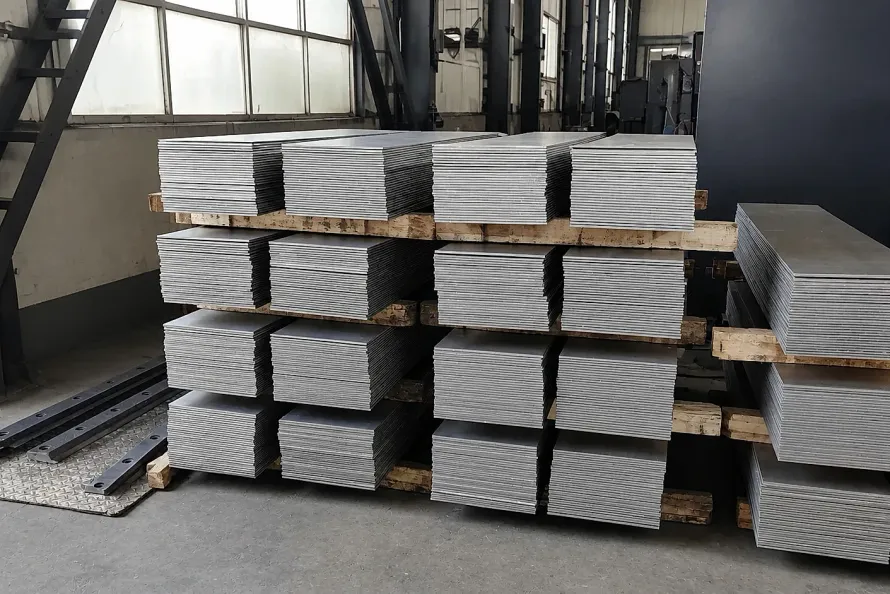
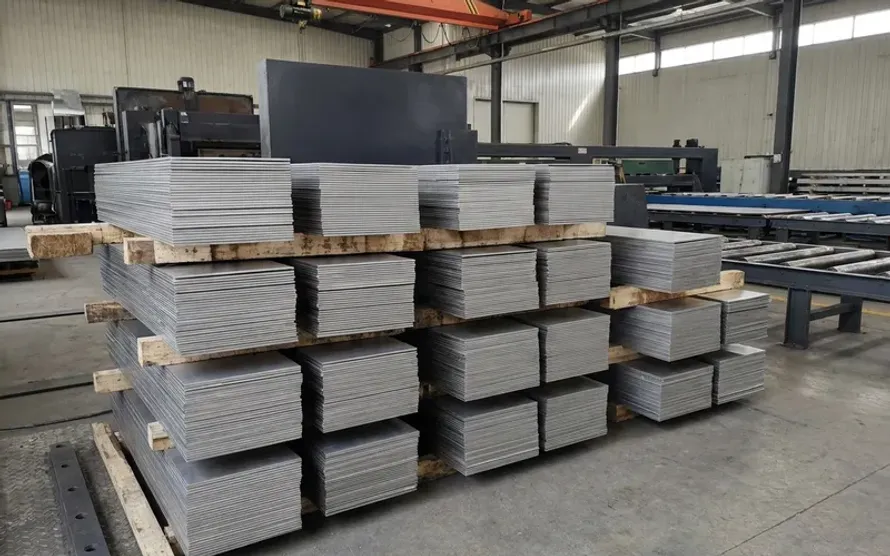
- Nitric Acid Depletion Below the HNO₃:HF ≥ 7:1 Pickling Threshold: Removing rolling oxide scale from cold-rolled sheet and tubing requires mixed hydrofluoric-nitric acid (HF–HNO₃) baths; HF attacks TiO₂ scale but generates nascent atomic hydrogen directly at the bare metal interface. Unbalanced acid pumps hydrogen inward. Across certified partner lines producing ASTM B265 annealed-and-pickled titanium sheets and plates, bath chemistry is continuously titrated to hold HNO₃:HF ≥ 7:1 followed by pressurized deionized water rinsing, oxidizing nascent hydrogen into harmless water and holding single-pass hydrogen pickup below < 10 ppm with a uniform oxide-free matte silver finish—whereas unmonitored discount baths boosted with extra HF to speed descaling can inject 50 ppm to 100 ppm of hydrogen in minutes.
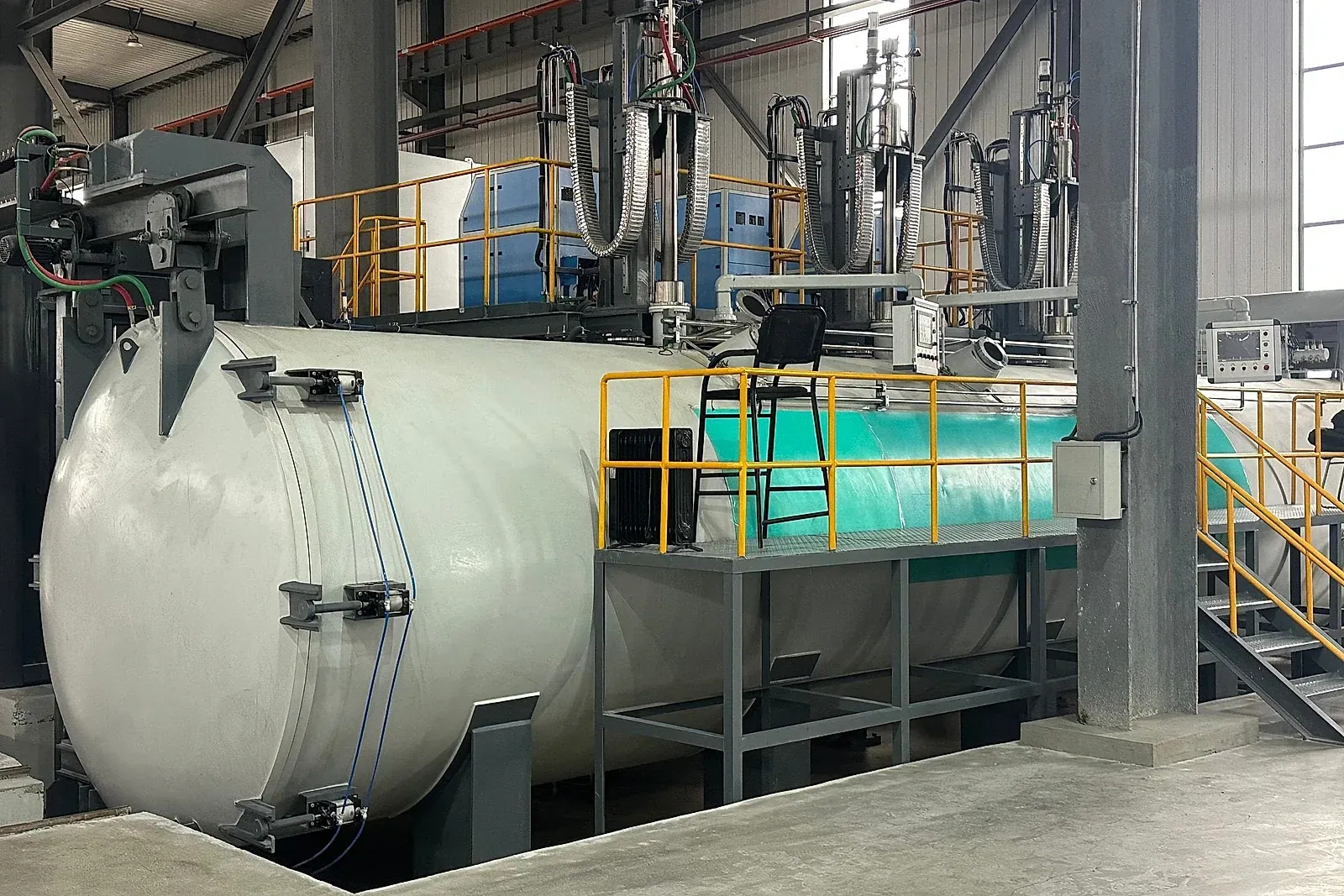
- Micro-Leaks and Moisture Ingress Inside 400°C–700°C Vacuum Annealing Furnaces: Quality failure audits across certified partner shops confirm that finished titanium exceeding 0.015% (150 ppm) hydrogen is traced most frequently to micro-leaks or moisture ingress inside vacuum annealing furnaces. Hot moisture dissociates instantly. Commercial stress-relief and recrystallization annealing runs between 400°C and 700°C in batch loads of 500 kg to 3,000 kg (with typical furnace staging queues of 1 to 3 days); inside that temperature window, titanium dissolves its protective surface oxide film, allowing trace water vapor from degraded door O-rings, cooling-jacket pinholes, or un-dried rolling emulsion to split into atomic hydrogen and diffuse deep into the charge.
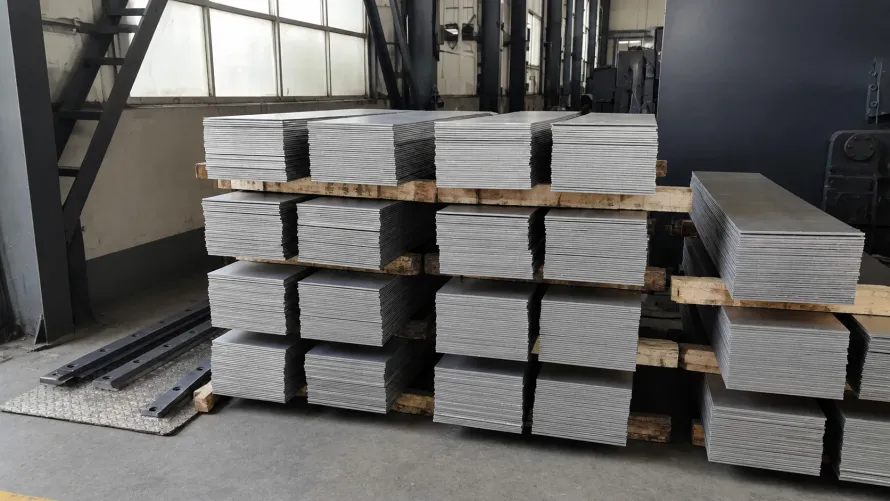
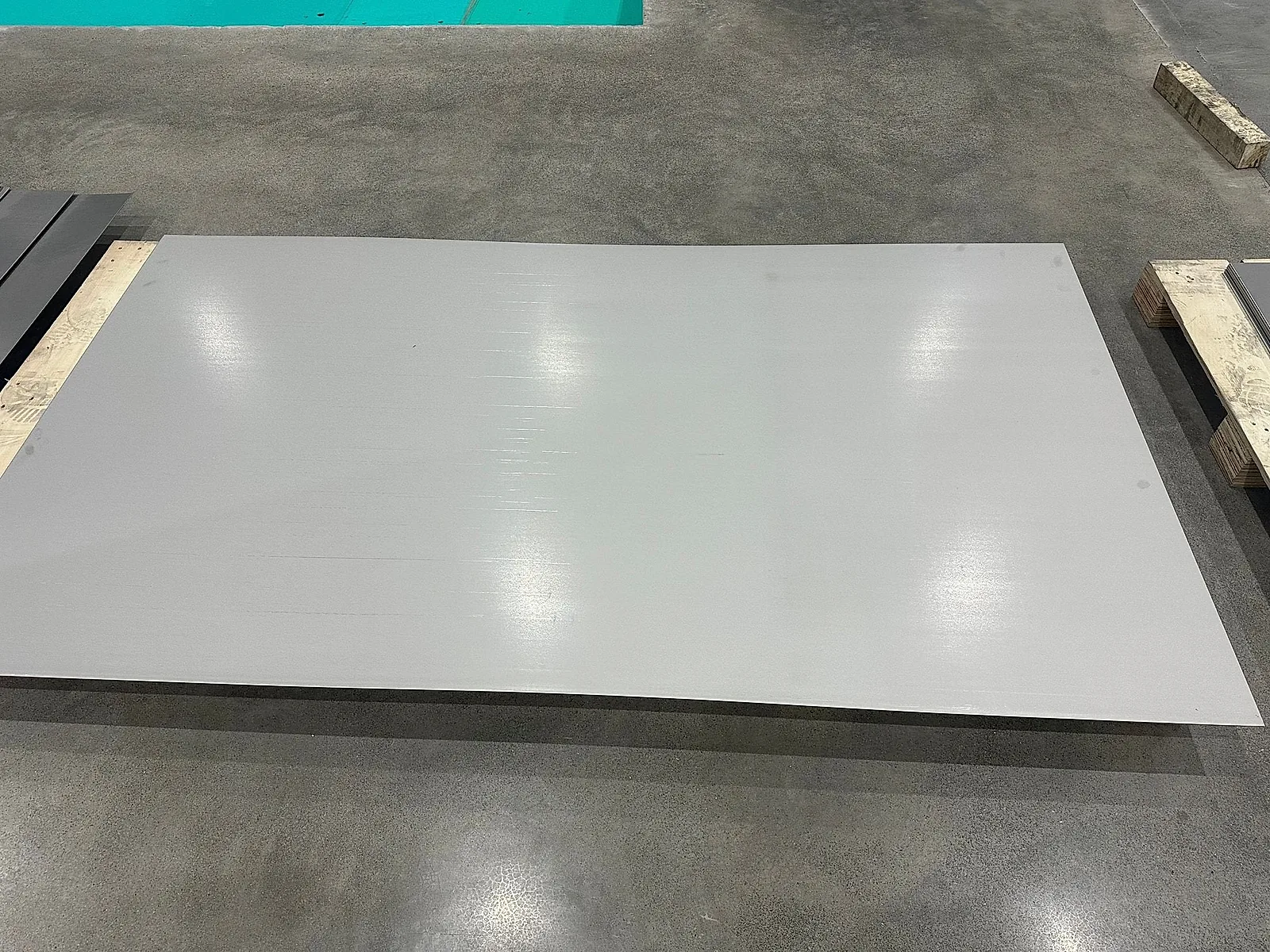 Figure 1: Oxide-free matte-silver titanium plate pickled in a strictly ratio-controlled HNO₃–HF bath (HNO₃:HF ≥ 7:1) and rinsed with deionized water at a certified partner facility. Maintaining high nitric oxidizing potential suppresses pickling hydrogen uptake below 10 ppm.
Gauge-Driven Surface Routing: Annealed-and-Pickled Matte (AP) vs. Vacuum Bright Annealing (BA)
During pre-RFQ drawing reviews, metallurgical engineers frequently catch specifications that copy heavy-plate “acid-pickled” notes onto micro-gauge foil or bellows stock. Gauge dictates surface routing. While 8 ppm of surface hydrogen diffuses harmlessly across a 6.0 mm reactor shell plate, the exact same surface uptake across ultra-thin foil saturates the entire thickness and triggers stamping splits:
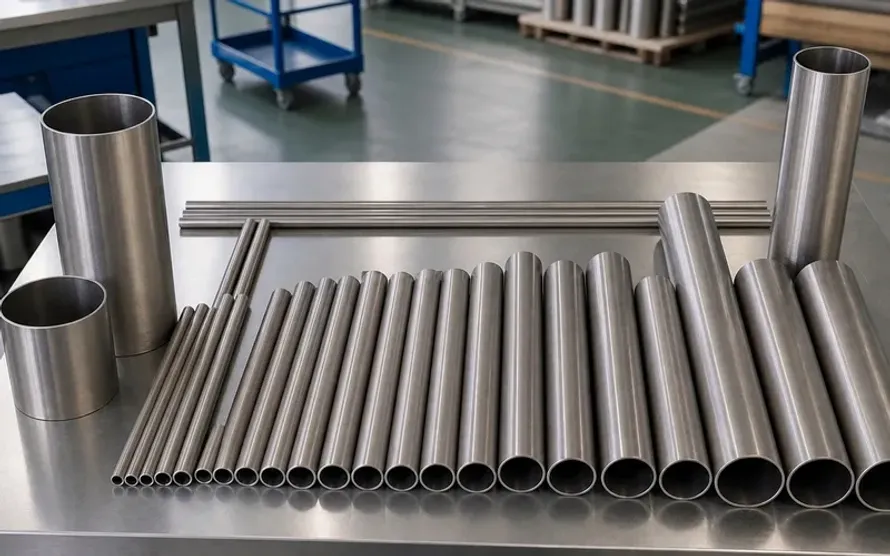
First, 0.3 mm to 3.0 mm cold-rolled sheet and ASTM B338 heat-exchanger tubing belong on the controlled Annealed-and-Pickled (AP) route. For gasketed heat-exchanger plates, chemical linings, and ASTM B338 seamless and welded titanium heat-exchanger tubes, gauges from 0.3 mm to 3.0 mm provide ample core mass; pairing leak-checked vacuum annealing with HNO₃:HF ≥ 7:1 pickling delivers a clean matte silver micro-texture that maximizes catalyst coating or adhesive interlock while holding bulk hydrogen well within H ≤ 0.015% (150 ppm). Matte texture anchors coatings.
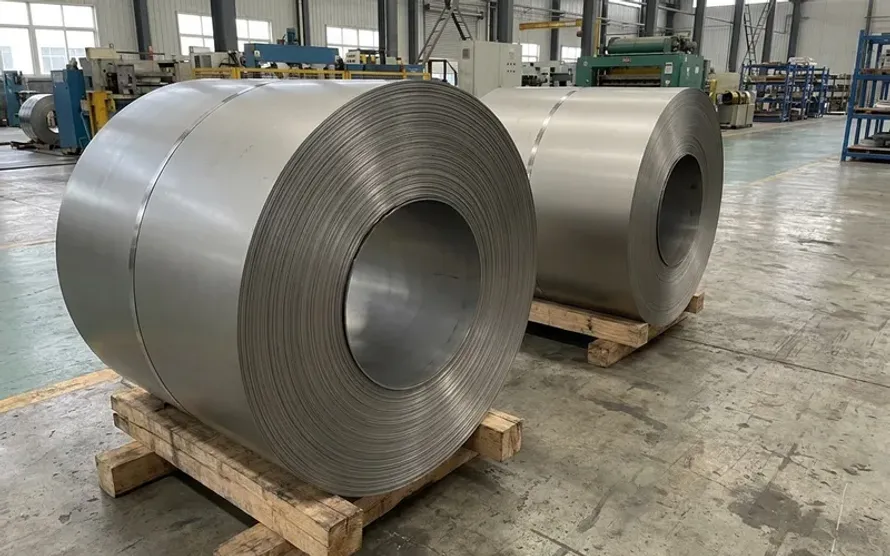
Second, 0.005 mm to 0.5 mm precision strip and ultra-thin foil must specify Vacuum Bright Annealing (BA) to eliminate acid contact. When sourcing bipolar-plate stock, acoustic diaphragms, or medical shielding in 0.005 mm to 0.5 mm 20-high rolled titanium foils and precision strips, partner facilities bypass acid tanks entirely in favor of horizontal high-vacuum bright annealing (BA)—reducing pickling hydrogen pickup to 0 ppm. Incoming inspectors should also distinguish furnace temper colors accurately: a light blue-purple tint from trace cool-down gas inside a vacuum furnace is a nanometer-thin film without subsurface hardening, whereas blue-purple scale formed in hot air masks brittle subsurface α-case that requires mechanical milling or strictly controlled HNO₃:HF ≥ 7:1 pickling rather than aggressive HF soaking. Temper color needs context.
| Product Form & Gauge Window | Engineered Thermal & Surface Route | Primary Hydrogen Pickup Hazard | Certified Partner Process Control | Buyer IQC & Pre-Weld Audit Gate |
|---|---|---|---|---|
| Heavy Plate & Forgings (> 3.0 mm – 100 mm) | 400–700°C anneal + grit blast + controlled pickling or machining | Stripping heavy air-furnace α-case via prolonged high-HF soaking | Reserve per-side milling stock or enforce HNO₃:HF ≥ 7:1 bath | Verify ASTM E1447 assay H ≤ 0.015% & dye-penetrant clean edges |
| Cold-Rolled Sheet (0.3 mm – 3.0 mm) | Annealed + HNO₃–HF pickled matte (AP) + DI water rinse | Nitric depletion below 7:1 ratio; runaway bath temperature | Titrated HNO₃:HF ≥ 7:1 bath holding uptake < 10 ppm | Inspect uniform matte silver finish; check measured ppm on MTC |
| Precision Strip & Foil (0.005 mm – 0.5 mm) | 20-high cold rolling + horizontal vacuum bright annealing (BA) | High surface-to-volume ratio causes instant acid embrittlement | Zero acid contact; 0 ppm pickling hydrogen uptake | Delete “acid pickled” notes on foil drawings; verify bend ductility |
| ASTM B338 Exchanger Tube (0.5 mm – 3.0 mm wall) | Multi-pass cold pilgering + vacuum anneal + bore pickling/rinse | Furnace O-ring micro-leaks or trapped rolling oil inside long bores | Pre-furnace ultrasonic degreasing + leak-up check; H ≤ 0.015% | Audit tube-end O/N/H before tubesheet TIG seal welding |
Four RFQ Specification Clauses That Prevent Post-Weld Hydride Cracking
Discovering elevated hydrogen after tubes are expanded into a tubesheet or vessel courses are tack-welded forces expensive vacuum outgassing rework that risks grain growth and dimensional distortion. Upstream clauses save schedules. Chemical equipment and precision sheet buyers can lock out hydrogen embrittlement with four explicit purchase-order controls:
- Split AP vs. BA Surface Callouts Explicitly at the 0.5 mm Gauge Boundary: Specify annealed-and-pickled matte finish (AP, processed in HNO₃:HF ≥ 7:1 baths) on 0.3 mm to 3.0 mm sheet, and mandate horizontal vacuum bright-annealed finish (BA, zero acid pickling) on 0.005 mm to 0.5 mm strip and foil. Clear callouts stop shop errors.
- Require Quantitative ASTM E1447 Hydrogen Assays on Every MTC: Certified partner commercial melts hold O ≤ 0.20%, N ≤ 0.05%, and H ≤ 0.015% (150 ppm) (deep-drawing or severe multi-pass weldments can contractually tighten hydrogen to H ≤ 0.010% / 100 ppm); allow 2 to 5 days after testing completes for authentic MTC issuance and verify 100% heat/lot number traceability from VAR ingot to stenciled stock. Quantitative data beats pass/fail stamps.
- Mandate Pre-Anneal Ultrasonic Degreasing and Furnace Leak-Up Verification: Require tube and sheet lots entering 400°C to 700°C vacuum furnaces (500 kg to 3,000 kg batch charges) to undergo full emulsion degreasing, deionized water rinsing, and hot-air drying alongside logged chamber leak-up rate checks before heating begins. Dry charges protect vacuum purity.
- Enforce Desiccant Barrier Crating for Ocean Freight and 25 mm Pre-Weld Edge Drying: Humid marine air during container transit (FOB China main port) condenses surface moisture onto weld bevels; specify EPE foam interleaving, desiccant-sealed moisture-barrier bags inside ISPM 15 plywood crates, and lint-free solvent wiping across 25 mm on both sides of the bevel immediately before striking an arc. Dry bevels keep welds sound.
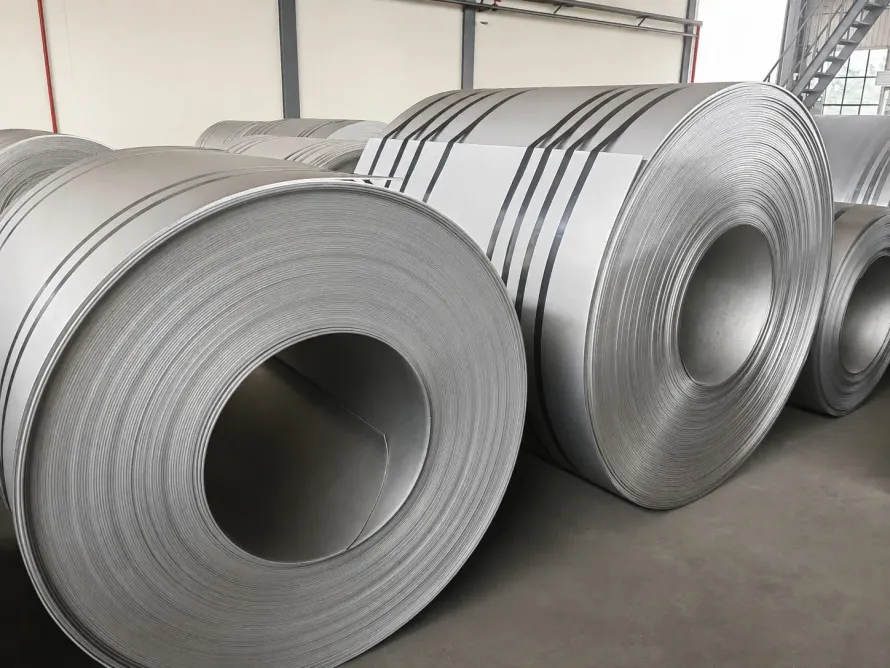
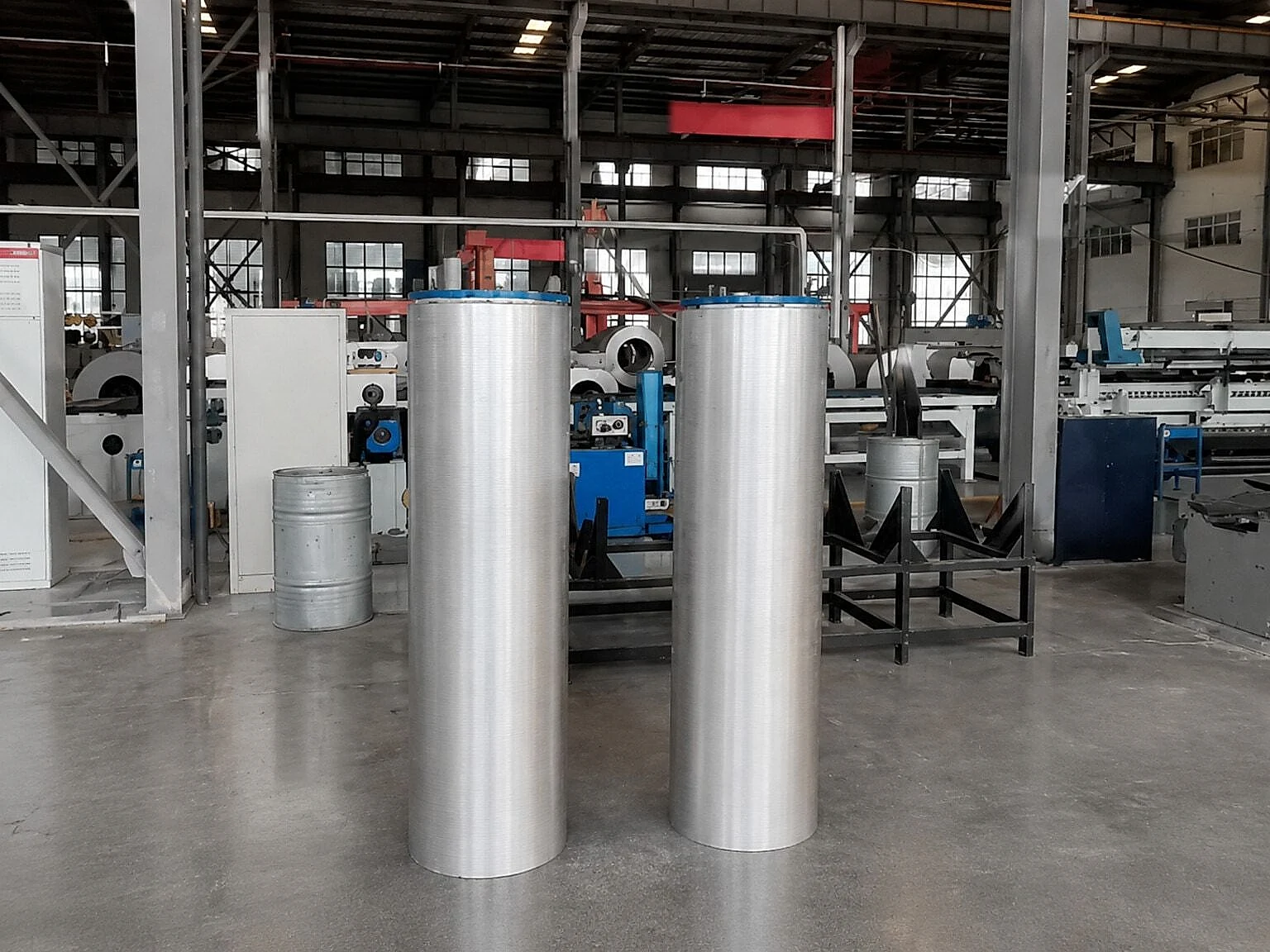 Figure 2: Precision 0.005 mm to 0.5 mm titanium strip and foil coils finished via horizontal vacuum bright annealing (BA) at a certified partner slitting bay. Eliminating mixed-acid pickling on thin gauges prevents cross-sectional hydrogen embrittlement.
If your engineering team is finalizing specifications for titanium heat-exchanger tubing, pressure-vessel plates, or deep-drawn foil components, submit your drawings and weld requirements through our online RFQ and pre-weld hydrogen specification audit portal to review surface routing and sample MTC gas-analysis reports. Pre-order checks safeguard fabrication.