During mass-production ramps for foldable smartphone waterdrop hinge backplates, micro-acoustic speaker domes, and tactile force-sensor diaphragms, mechanical and acoustic engineers rarely lose yield over bulk alloy chemistry—they lose entire lots when paper-thin titanium foil curls off fixtures right after laser micro-cutting or adhesive lamination. Poor flatness ruins automated assembly. Sourcing teams who copy generic ASTM B265 chemical-gasket sheet callouts onto foil drawings routinely receive coils exhibiting center buckles or edge waves that trigger optical-inspection rejects, adhesive delamination, and vacuum pick-and-place nozzle drops.
Once titanium crosses into the 0.005 mm to 0.10 mm (5 μm to 100 μm) ultra-thin regime, its mechanical behavior diverges sharply from millimeter-gauge sheet. Micron gauges magnify rolling flaws. Even micron-scale work-roll thermal crown drift, slitter knife burrs, or trace furnace moisture translate directly into springback distortion and hydrogen-induced micro-cracking.
As an integrated titanium supply-chain platform working with certified partner facilities for consumer electronics, acoustics, and clean-energy OEMs worldwide, we break down shop-floor process controls across 20-high cold rolling, 22-roll tension leveling, and horizontal vacuum bright-annealing lines—detailing exact I-units flatness callouts, BA versus AP surface rules, and pre-RFQ verification steps. Precise specifications protect line yield.
Why Parts Curl After Laser Micro-Cutting: ≤ 2 I-Units Flatness and 22-Roll Tension Leveling
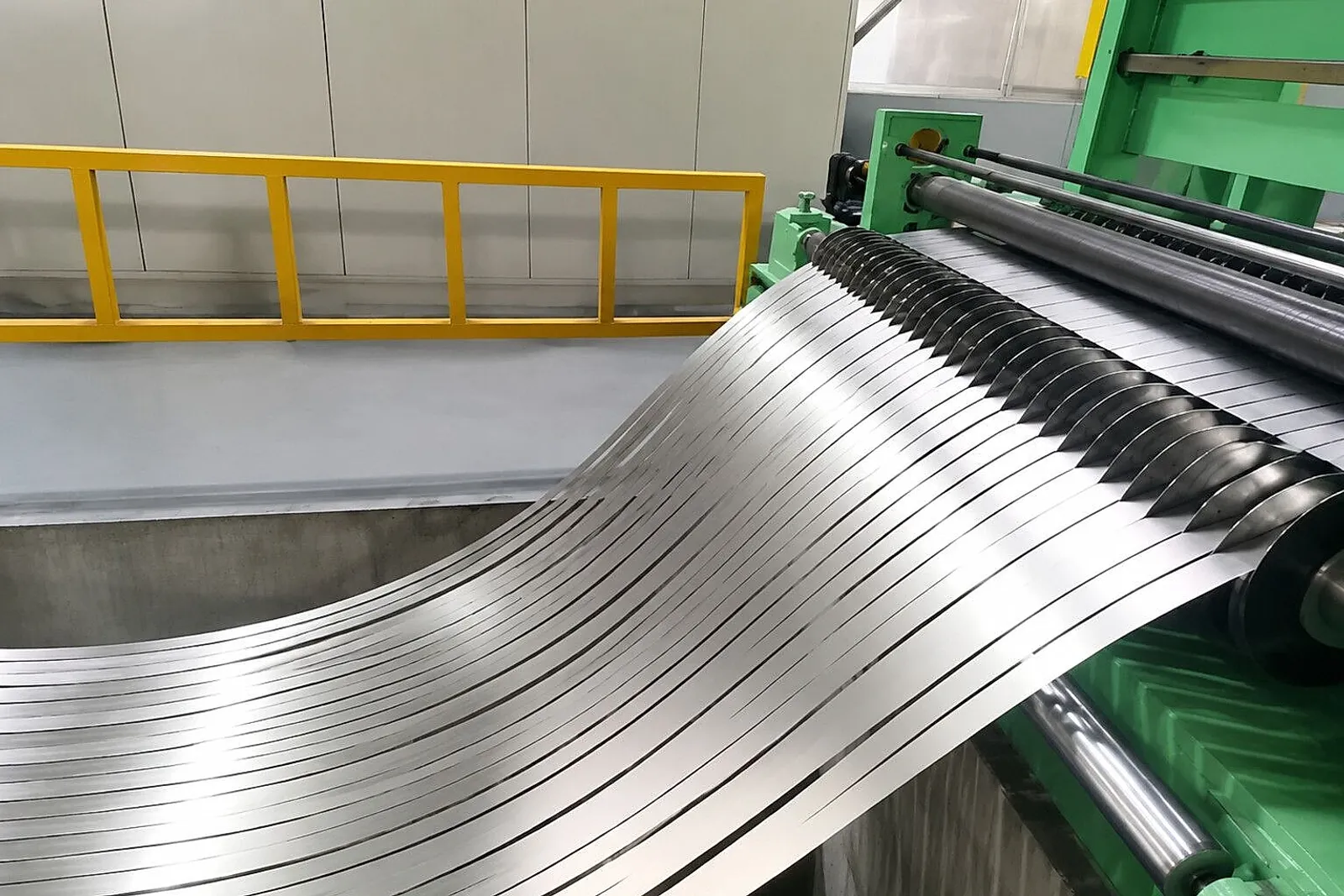
During multi-pass cold reduction, a fractional elongation differential of just a few parts per hundred thousand across the strip width forces longer longitudinal metal fibers to buckle against adjacent shorter fibers—a geometric wave defect quantified in dimensionless I-units (where 1 I-unit equals a relative length differential of 10⁻⁵). Hidden residual stress causes warpage. Commercial-grade cold-rolled titanium strip often looks flat while pulled taut on a recoiler mandrel yet harbors 10 to 25 I-units of locked-in flatness error; the instant picosecond laser micro-cutting or photochemical etching cuts intricate slots into 20-high Sendzimir ultra-thin titanium foil, that internal stress balance snaps and curls miniature hinge shims like potato chips.
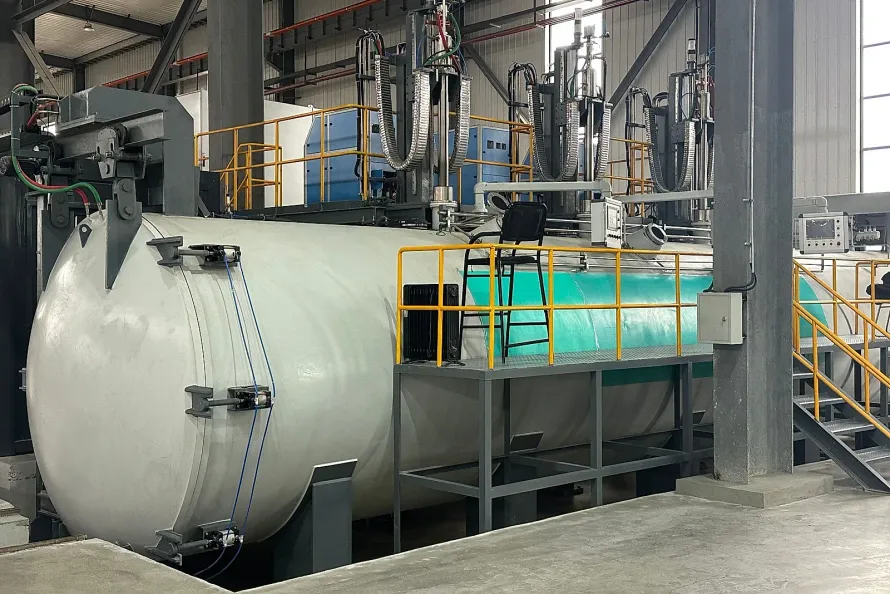
To eliminate post-etch and post-laser springback, certified partner precision strip plants pair two 750 mm 20-high Sendzimir reversing cold mills with closed-loop shapemeter rolls and dedicated downstream leveling lines. Specialized roll clusters control geometry. Two sequential mechanical gates lock down dimensional uniformity and dead-flat sheet memory:
- 750 mm 20-High Reversing Cold Rolling for ± 0.001 mm Gauge Uniformity: Backing slender work rolls with nested intermediate and support roll clusters—assisted by axial roll shifting and hydraulic crown bending—enables partner mills to roll commercially pure titanium (Grade 1 / Grade 2) down to 0.005 mm (5 μm) at widths up to 640 mm, holding full-coil longitudinal and cross-width thickness tolerance within ± 0.001 mm. Uniform thickness balances rolling stress.
- 22-Roll Precision Tension Leveling to Cap Flatness Within ≤ 2 I-Units: For 0.01 mm to 0.08 mm titanium foil destined for foldable smartphone hinge backplates, wearable chassis shims, and acoustic speaker domes, coils pass through a 22-roll precision tension-leveling and stress-relief annealing line; alternating elastic-plastic bending over small-diameter leveler rolls under controlled tension equalizes fiber lengths from edge to center, holding shipped flatness within ≤ 2 I-units so laser-cut preforms stay dead flat on automated optical inspection (AOI) stages.
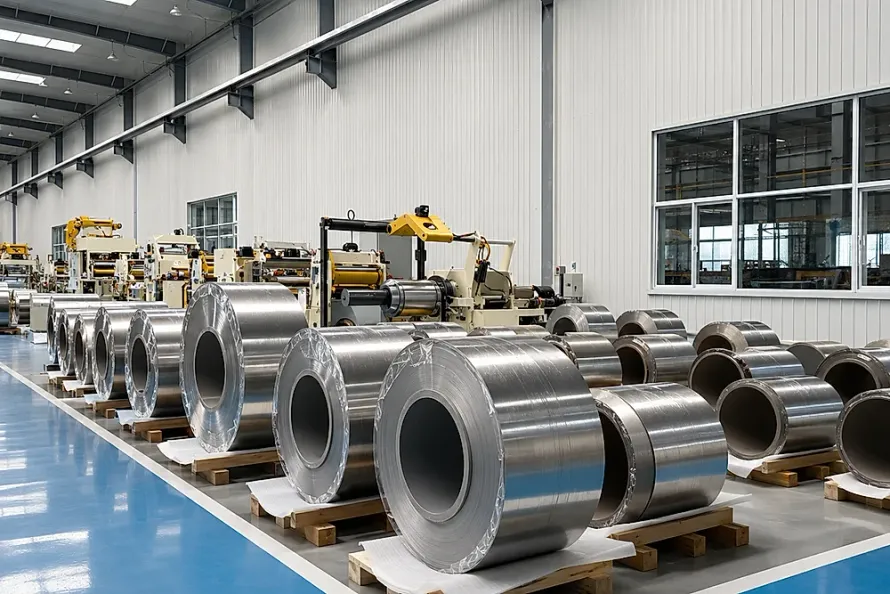
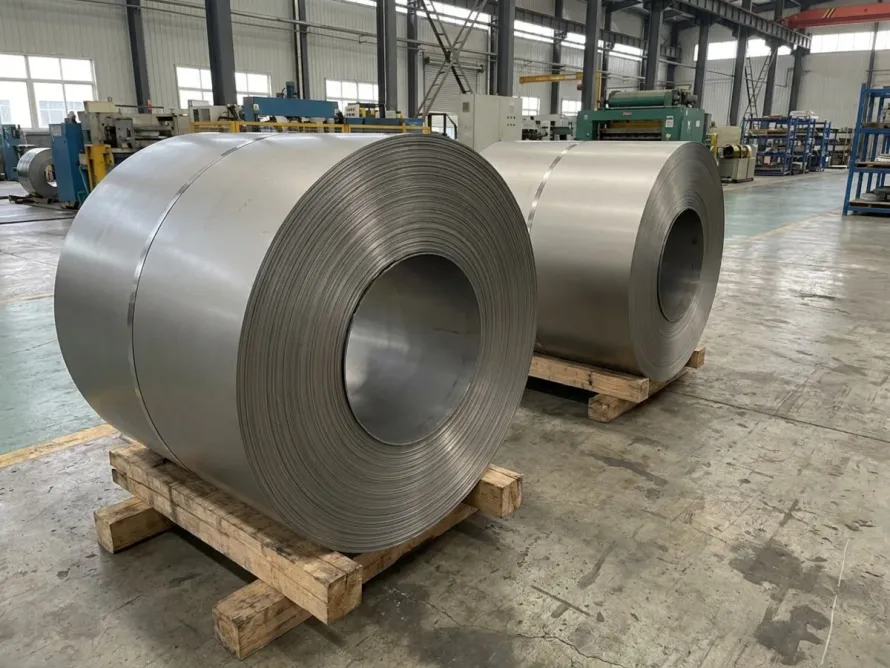
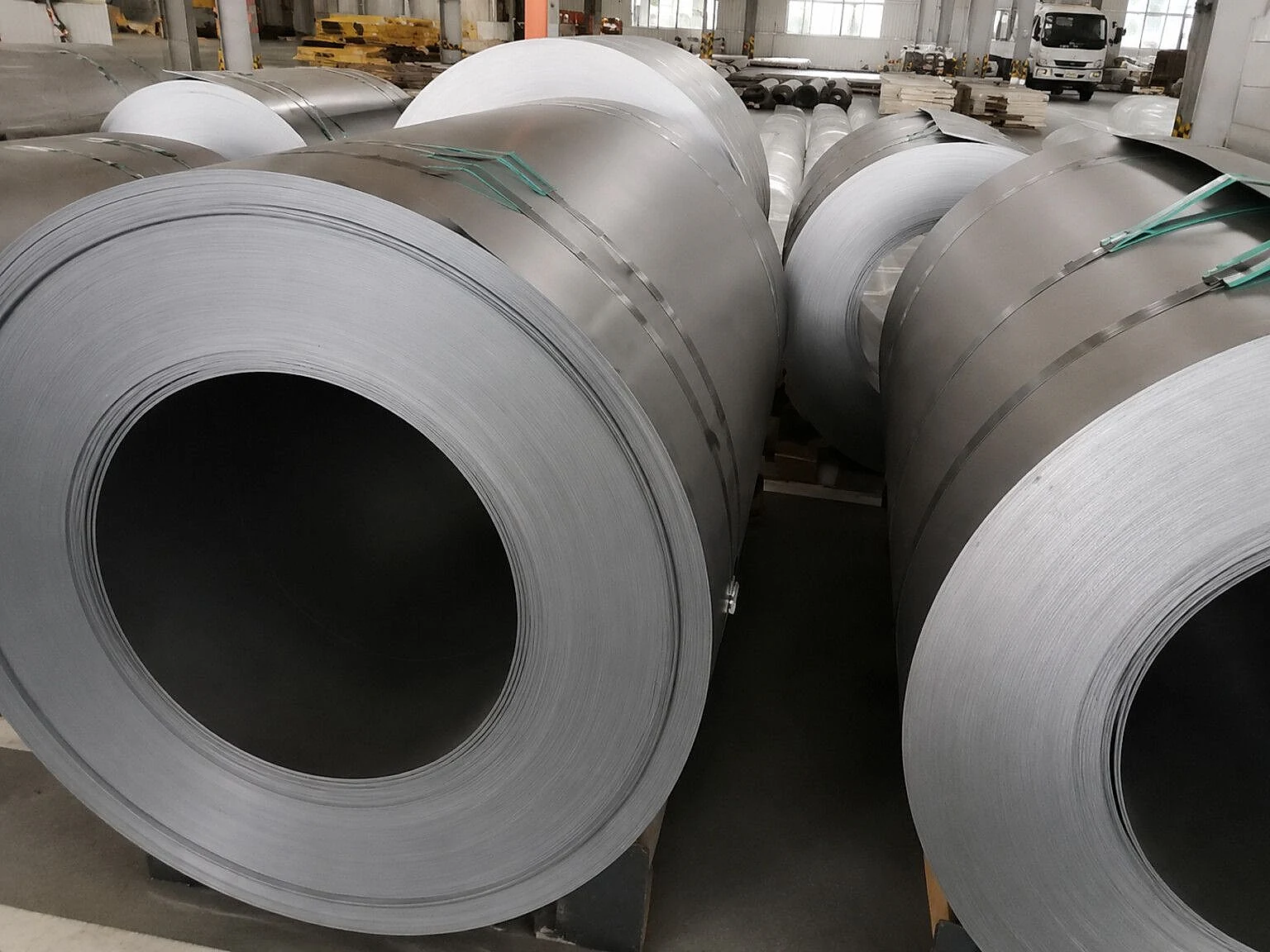 Figure 1: Wide cold-rolled titanium strip master coils (available up to 640 mm width) staged at a certified partner rolling facility. Clean coil winding prevents edge damage. Pre-shipment QA checks verify telescope-free coil edges and closed-loop laser thickness logs.
The Surface Finish Divide: Why 0.005–0.5 mm Titanium Foil Mandates Vacuum Bright Annealing (BA)
The second costly specification error occurs when electronics engineers leave a default “Annealed & Pickled” note on thin-foil prints. Acid pickling embrittles micron foil. Across partner flat-rolled titanium operations, thermal and surface conditioning splits strictly by gauge threshold into two distinct engineering finishes:
First, 0.3 mm to 3.0 mm cold-rolled sheet uses an Annealed-and-Pickled Matte Finish (AP). Sheet in this heavier gauge range carries ample cross-sectional core thickness to pass through a ratio-controlled nitric-hydrofluoric acid bath (maintaining HNO₃:HF ≥ 7:1 to cap hydrogen uptake), stripping thermal oxide scale and creating a uniform micro-matte texture that maximizes mechanical interlock for catalytic coatings or structural adhesives. Matte surfaces boost adhesive grip.
Second, 0.005 mm to 0.5 mm precision strip and ultra-thin foil enforce a Vacuum Bright-Annealed Finish (BA). When total strip thickness drops to tens of micrometers—or down to 5 μm—the two outer surfaces govern the entire cross-section: running micron foil through hydrofluoric-nitric acid risks eating straight through a ± 0.001 mm thickness budget, pitting pinholes, and driving atomic hydrogen rapidly across thin grain boundaries past the H ≤ 0.015% embrittlement limit. Vacuum bright annealing blocks hydrogen. Processing coils inside horizontal or bell-type high-vacuum bright-annealing furnaces achieves full recrystallization or stress relief in an oxygen-free, acid-free chamber, delivering a mirror-bright metallic luster with zero pickling gauge loss and zero acid-bath hydrogen pickup.
Matching Grade and Microstructure to Acoustic Domes, Hinge Shims, and Tactile Sensor Diaphragms
Even within vacuum bright-annealed foil, downstream forming and cyclic loading demand sharply different alloy grades, grain sizes, and surface roughness (Ra) targets. End-use mechanics dictate alloy temper. Deep-profiled acoustic tweeter domes and stamped fuel-cell or electrolyzer metallic bipolar plates (typically 0.05 mm to 0.15 mm) rely on ultra-ductile Grade 1 commercially pure titanium vacuum bright-annealed to an ASTM 9–11 fine equiaxed grain structure with elongation ≥ 35% and surface roughness Ra ≤ 0.15 μm, preventing orange-peel roughening or rib-crest micro-cracks during high-depth hydroforming.
Conversely, multi-link foldable hinge support leaves and humanoid robot dexterous-hand six-axis force/torque sensor diaphragms (typically 0.015 mm to 0.10 mm) prioritize high elastic limit and zero zero-point drift rather than deep drawability. Elastic diaphragms resist mechanical hysteresis. These flexure components specify cold-rolled Grade 5 (Ti-6Al-4V) ultra-thin titanium foil or controlled-temper Grade 1 foil stress-relieved to preserve maximum yield-to-tensile ratio across millions of repetitive bending or tactile load cycles.
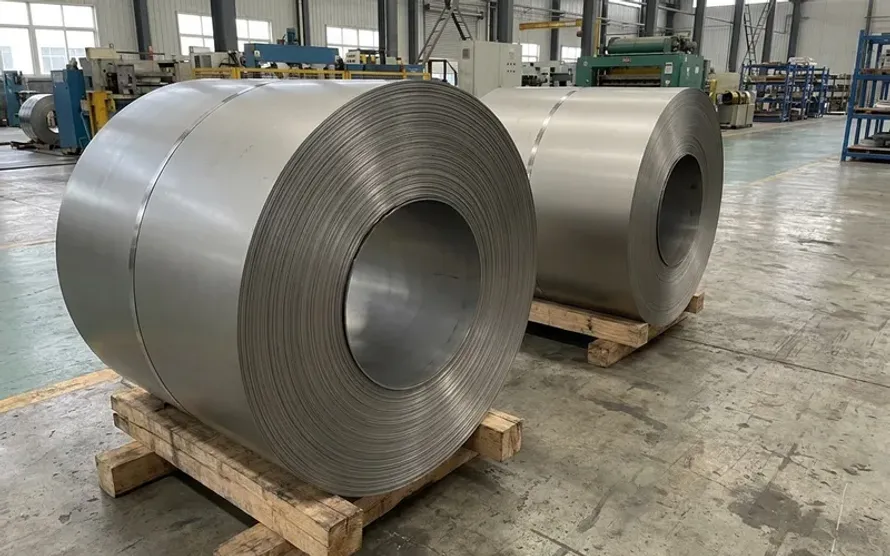
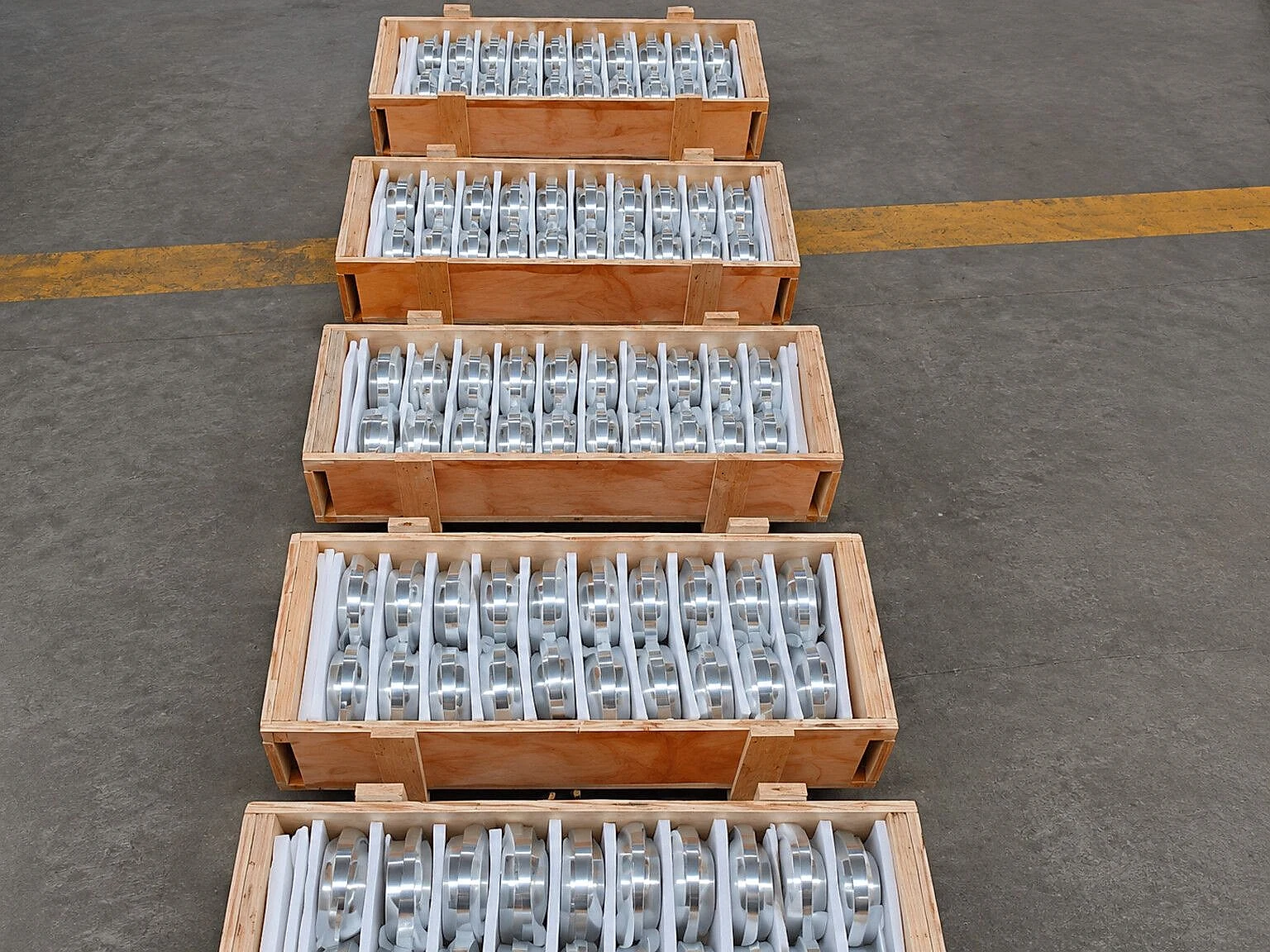 Figure 2: Slit vacuum bright-annealed (BA) ultra-thin titanium foil coils packed at a certified partner facility. White EPE foam dividers suspend each roll individually inside reinforced crates to prevent edge waves and transit impact creases.
| Application & Typical Gauge | Recommended Grade & Temper | Surface Finish & Roughness (Ra) | Flatness & Gauge Tolerance Gate | Common Sourcing Pitfall & Incoming QA Check |
|---|---|---|---|---|
| Foldable Phone Hinge Shims / Wearables (0.01 mm – 0.08 mm) | Grade 1 / Grade 2 / Grade 5; 22-roll tension-leveled + stress-relieved | Vacuum Bright-Annealed (BA); free of oil stains & etch pits | Flatness ≤ 2 I-units; thickness ± 0.001 – 0.002 mm | Unspecified I-units causing post-laser curl; verify free-lay lift height & slitter burr |
| Acoustic Speaker Domes / Transducers (0.005 mm – 0.05 mm) | Grade 1 / Grade 2; high-vacuum fully recrystallized soft (M) | Vacuum Bright-Annealed (BA); mirror-clean Ra ≤ 0.15 μm | Down to 0.005 mm (5 μm); tolerance ± 0.001 mm | Acid-pickled foil cracking on dome draw; run darkroom pinhole check & H ≤ 0.015% |
| Robot 6-Axis Force Sensor Diaphragms (0.015 mm – 0.10 mm) | Grade 5 (Ti-6Al-4V) / Grade 1; controlled elastic stress-relieved | Vacuum Bright-Annealed (BA); low Ra against fretting | Flatness ≤ 2 I-units; tight cross-strip crown control | Anisotropic modulus drift; verify longitudinal/transverse yield & hysteresis loop |
| PEM Stamped Bipolar Plate Coil (0.05 mm – 0.15 mm) | Grade 1 low-interstitial CP Ti; high-vacuum BA soft temper | Vacuum Bright-Annealed (BA); Ra ≤ 0.15 μm for PVD coating | Widths up to 640 mm; elongation ≥ 35%, ASTM 9–11 grain | Coarse grains splitting micro-channels; audit grain-size micrograph & Erichsen cup |
| Chemical Liners / Bonded Sheet (0.30 mm – 3.00 mm) | Grade 1 / Grade 2; annealed-and-pickled temper (AP) | Acid-pickled matte finish (AP, HNO₃:HF ≥ 7:1) | Standard ASTM B265 cold-rolled sheet tolerances | Applying AP pickling below 0.3 mm; verify stain-free matte surface & heat traceability |
Five-Step Pre-RFQ Specification Checklist for Micron-Gauge Titanium Foil
Clear drawings prevent line stops. To ensure trial foil performance carries smoothly into high-speed roll-to-roll laser cutting, etching, or progressive stamping, engineering buyers should lock five explicit callouts into every RFQ:
- Replace Vague “Flat Condition” Notes with ”≤ 2 I-Units” Tension-Leveled Callouts: Whenever 0.01 mm to 0.08 mm titanium foil enters picosecond laser cutting, photo-etching, or automated SMT lamination, mandate 22-roll precision tension leveling plus stress-relief annealing to hold delivered flatness within ≤ 2 I-units. Numeric flatness stops warpage disputes.
- Mandate “Vacuum Bright-Annealed (BA)” Finish on All Gauges ≤ 0.5 mm: Prohibit acid pickling on micron-gauge strip and state explicit surface roughness ceilings (such as Ra ≤ 0.15 μm for acoustic domes and PVD-coated plates) alongside oil-free surface cleanliness. Bright annealing prevents hydrogen pickup.
- Define Slit-Width Tolerance, Maximum Edge Burr Height, and Core ID: High-speed roll-to-roll feeders jam over microscopic edge burrs; specify exact slit width tolerance, micron-level burr caps, rigid aluminum or PVC core inner diameters, and maximum coil OD limits upfront. Matched coil cores streamline feeding.
- Require Suspended EPE Foam Dividers and ISPM 15 Moisture-Barrier Crating: Mandate rigid anti-collapse cores, desiccant-sealed vacuum barrier bags, individual white EPE foam suspension slots, and ISPM 15 reinforced plywood crates for damage-free ocean dispatch FOB China main port or air-freight delivery. Suspended packing protects delicate edges.
- Audit Material Test Certificates (MTC) with Full VAR-to-Coil Traceability: Require a complete Material Test Certificate (MTC) maintaining 100% heat/lot number traceability from original VAR ingot to each slit coil, verifying gas-fusion interstitials (H ≤ 0.015%, N ≤ 0.05%), tensile elongation, ASTM 9–11 grain-size micrographs, and full-coil laser gauge traces (with independent third-party re-testing available on request). Traceable data secures repeatability.
If your engineering team is qualifying 0.005 mm to 0.5 mm ultra-thin titanium foil for foldable hinge shims, acoustic transducer domes, or tactile sensor flexures, submit your target gauge, slit width, Ra finish, and downstream forming route through our online RFQ and complimentary titanium foil specification audit portal to match 20-high rolling and 22-roll leveling parameters or request sample trial coils. Early process alignment accelerates qualification.