ISO 9001:2026 Starts a Three-Year Transition; Titanium Lot Release Still Needs Separate Evidence
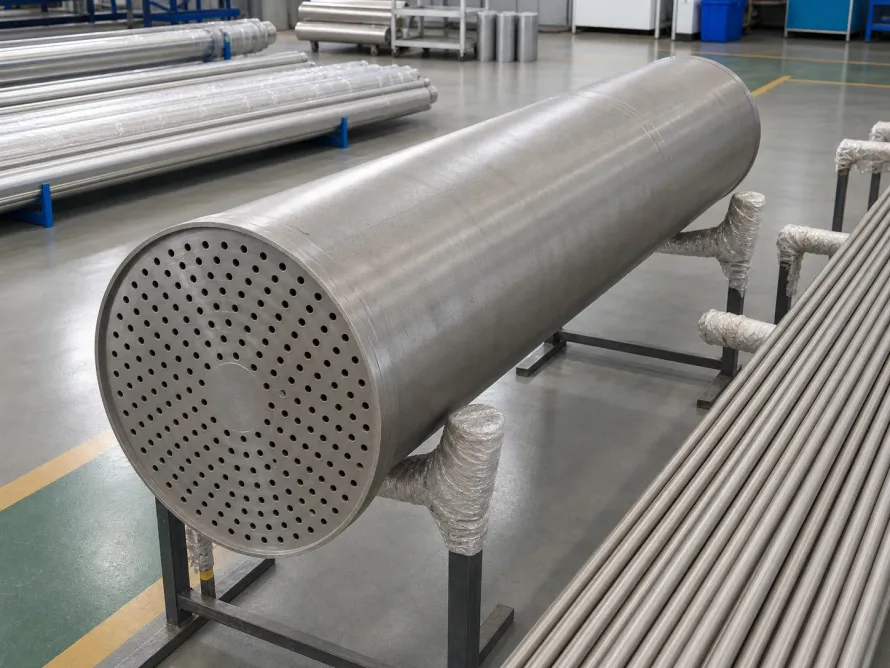
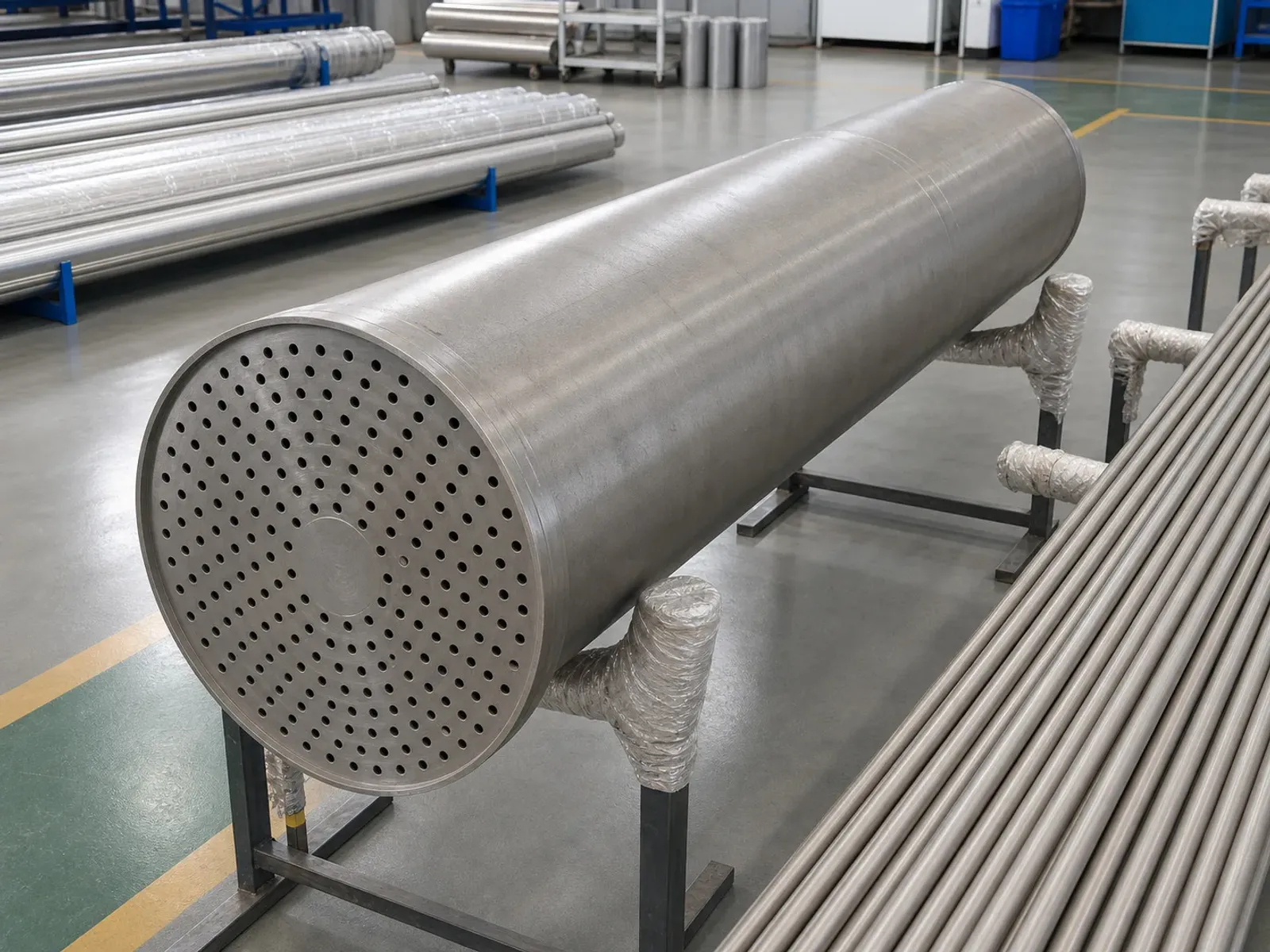
Generic titanium product context; a visible component does not establish certified scope, specification compliance, approval or lot release.
ISO published ISO 9001:2026 on 16 September 2026 and says organizations certified to the 2015 edition have three years to transition. For titanium buyers and suppliers, the immediate task is to open a site-specific QMS transition record—not to treat the new certificate as proof that a material, special process, product or lot is approved.
- Edition state: ISO 9001:2026 is now the current edition, replacing ISO 9001:2015.
- Operative timing: three years is the general transition window; the applicable certification cycle, certification body and contract may create an earlier working date.
- Release boundary: QMS transition evidence belongs in supplier surveillance, while sector approval, process accreditation, specification compliance and lot release remain separate decisions.
What changed on 16 September
ISO’s public material identifies the 2026 document as the sixth and current edition. Its high-level summary highlights stronger attention to leadership and quality culture, clearer treatment of risks and opportunities, a new Annex A explaining intent, and use of the latest Harmonized Structure.
That public summary is useful for deciding where a gap analysis should look. It is not a licensed clause-by-clause redline, so a supplier should not claim that a particular procedure already complies merely because the headline themes sound familiar.
ISO also says existing certified organizations do not need to restart certification from zero. They have a three-year transition period and should work with their certification body on the schedule and assessment route.
A titanium certificate register is already site-specific
TIMET’s public quality page shows why a group-level checkbox is too coarse. It lists ISO 9001:2015 or combined AS9100D/ISO 9001:2015 records separately for Alloy Works, Henderson, Morgantown, Savoie, Toronto and TIMET UK/Witton, with expiry dates ranging from October 2026 to November 2028 on the page reviewed on 18 September.
The same register lists Nadcap materials-testing, heat-treating and nondestructive-testing accreditations as separate records with their own dates. This does not prove how TIMET or any other supplier will transition. It demonstrates the record structure a buyer must preserve: site, scope and evidence type cannot be collapsed into one company-wide status.
Use one matrix, but keep four decisions separate
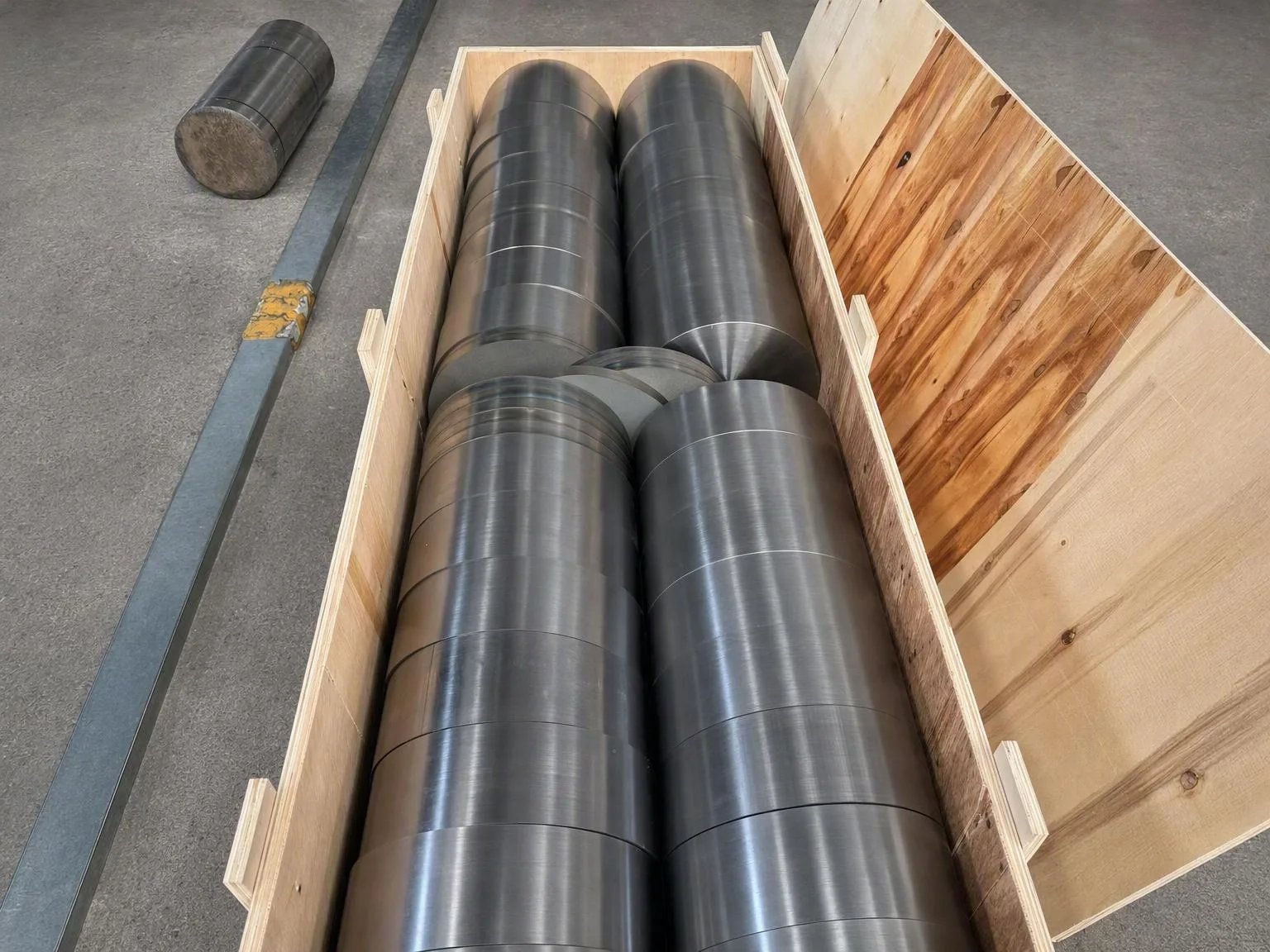
Generic packed-product context; visible components do not establish material grade, inspection result, certification, shipment or lot release.
| Evidence layer | Minimum record | Decision it can support |
|---|---|---|
| ISO 9001 transition | Legal entity, site, certificate number, scope, certification body, current expiry, gap analysis, audit plan and 2026 certificate | QMS surveillance and transition tracking |
| Sector or customer approval | AS9100 or ISO 13485 status, customer approval, applicable flowdowns and approval owner | Whether a site remains acceptable for a defined program or regulated role |
| Special process | Nadcap or other process scope, facility, process family, expiry and limitations | Whether a named process is within an accepted accreditation scope |
| Product and lot release | Material and process specification, approved route, inspection results, MTR or CoC, concessions and release signature | Whether a particular order, product or lot can ship or be accepted |
The matrix should link these layers, not merge them. ISO describes ISO 9001 certification as voluntary and distinguishes the general QMS framework from sector-specific ISO 13485. The TIMET register likewise separates QMS certificates from Nadcap records. A transitioned QMS certificate can therefore support supplier surveillance without closing the other three decisions.
Where the three-year period stops
Treat three years as the outside planning window, not as a universal order-release deadline. The working date for a particular titanium site should be the earliest binding date produced by its certification-body plan, certification cycle, customer requirement or contract flowdown.
That distinction matters when certificate expiry and transition timing do not line up. A buyer may need updated audit evidence before the end of the general window, while an open order may continue to require the exact certificate edition and scope written into its approval file. Conversely, a newly issued ISO 9001:2026 certificate does not silently revise AS9100, ISO 13485, Nadcap, a material specification or the buyer’s approved-source record.
The practical screening rule
First ask whether the correct legal entity, site and certified scope are covered by a live transition plan. Then check the sector, customer and special-process evidence that applies to the actual product route. Only after those layers are clear should the buyer review order-level conformity and lot-release records.
If any layer is missing, record that specific gap. Do not describe the supplier as wholly unqualified, and do not use QMS transition as a substitute for evidence the certificate was never designed to provide.
Sources
- International Organization for Standardization, ISO launches update to world’s most widely used quality management standard for a new era of business, published 16 September 2026; accessed 18 September 2026.
- International Organization for Standardization, ISO 9001:2026: What businesses need to know, accessed 18 September 2026.
- TIMET, Quality Documents, accessed 18 September 2026.
FAQ
# Which site, scope, certificate, certification-body, audit, expiry, and transition-plan evidence must be tracked?
# Which AS9100, ISO 13485, Nadcap, customer, material, process, and approved-source requirements remain separate?
# Which evidence can support supplier monitoring, order approval, process acceptance, product conformity, and lot release—and which cannot?
Need this material? Get a factory-direct quote.