New Spine Review Shows Why a Titanium Cage Ranking Is Not a Release Decision
A systematic review published in BMC Musculoskeletal Disorders on 2026-08-24 compares uncoated PEEK cages, titanium-coated PEEK cages and 3D-printed porous titanium cages used in lumbar interbody fusion. The network meta-analysis included 9 randomized controlled trials and 20 nonrandomized studies. It reports stronger early radiological fusion results for both titanium-bearing groups than for uncoated PEEK, and a lower reported 6-month subsidence rate for the porous titanium group (review).
The headline ranking is not the most important buyer lesson. Only 2 studies directly compared 3D-printed porous titanium cages with titanium-coated PEEK cages. Much of that comparison is therefore indirect, connected through uncoated PEEK or other evidence paths. The authors also state that the core outcomes were radiological and that radiological superiority may not equal better clinical efficacy.
A Network Can Compare Products That Rarely Met Head to Head
Network meta-analysis is useful because it can combine direct and indirect comparisons. If trials compare porous titanium with uncoated PEEK, and other trials compare titanium-coated PEEK with uncoated PEEK, the common comparator helps estimate the relationship between the two titanium-bearing groups. That increases the amount of evidence available, but it does not create a direct trial that never occurred.
The topology matters. A result supported by many direct comparisons carries a different transfer burden from a result that depends mainly on indirect paths. Differences in patient selection, surgical approach, cage geometry, surface architecture and follow-up can sit along those paths. A league table or probability ranking can hide that structure unless the reader checks which edges are direct.
For procurement and product teams, the rule is straightforward: repeat the ranking only with its evidence topology attached. The review’s caution is part of the result, not a footnote to remove from marketing copy.
“Titanium Cage” Names Two Different Product Systems
A 3D-printed porous titanium cage and a titanium-coated PEEK cage both contain titanium, but they do not use it in the same way. In one system, the printed titanium architecture contributes the body, stiffness distribution, porosity and surface. In the other, PEEK remains the structural substrate while a titanium surface layer changes the tissue-facing interface.
That distinction changes supplier evidence. Porous titanium requires control of powder or feedstock, build route, pore architecture, internal defects, cleaning and final geometry. Titanium-coated PEEK requires evidence for substrate identity, surface preparation, coating route, coverage, adhesion and the effect of sterilization or handling. A generic certificate for titanium chemistry is necessary upstream evidence in some routes, but it cannot establish the performance of either finished device system.
The review’s reported 6-month fusion odds ratios illustrate the point. Relative to uncoated PEEK, the porous titanium group had an OR of 3.08 (95% CI 1.54–6.15) and the titanium-coated PEEK group had an OR of 2.46 (95% CI 1.10–5.51). Those are pooled group estimates, not acceptance limits for titanium powder, bar, coating thickness or one cage design.
Radiological, Clinical and Release Evidence Sit on Different Levels
At one year, the review reports higher radiological fusion for 3D-printed porous titanium than for titanium-coated PEEK, with an OR of 2.02 (95% CI 1.25–3.26). It also reports a 6-month subsidence comparison between porous titanium and uncoated PEEK of OR 0.41 (95% CI 0.19–0.90). These are meaningful synthesis results within the review’s methods.
They do not answer every downstream question. Radiographic fusion and subsidence are device-relevant endpoints, but pain, function, complications, reoperation and longer-term performance occupy another clinical level. Device release adds another: the exact design, manufacturing route, inspection, sterilization, labeling and regulatory file must describe the product being supplied.
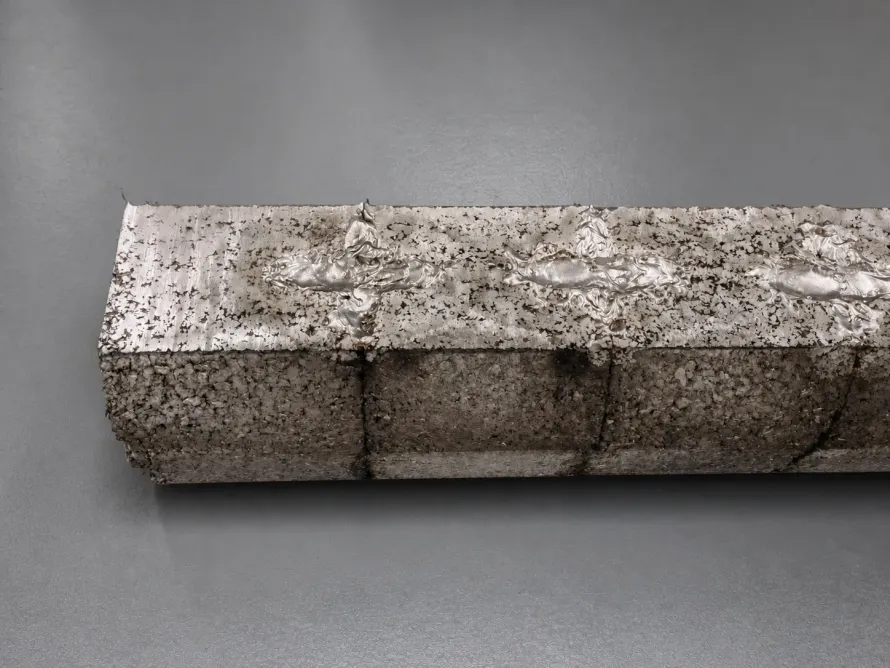
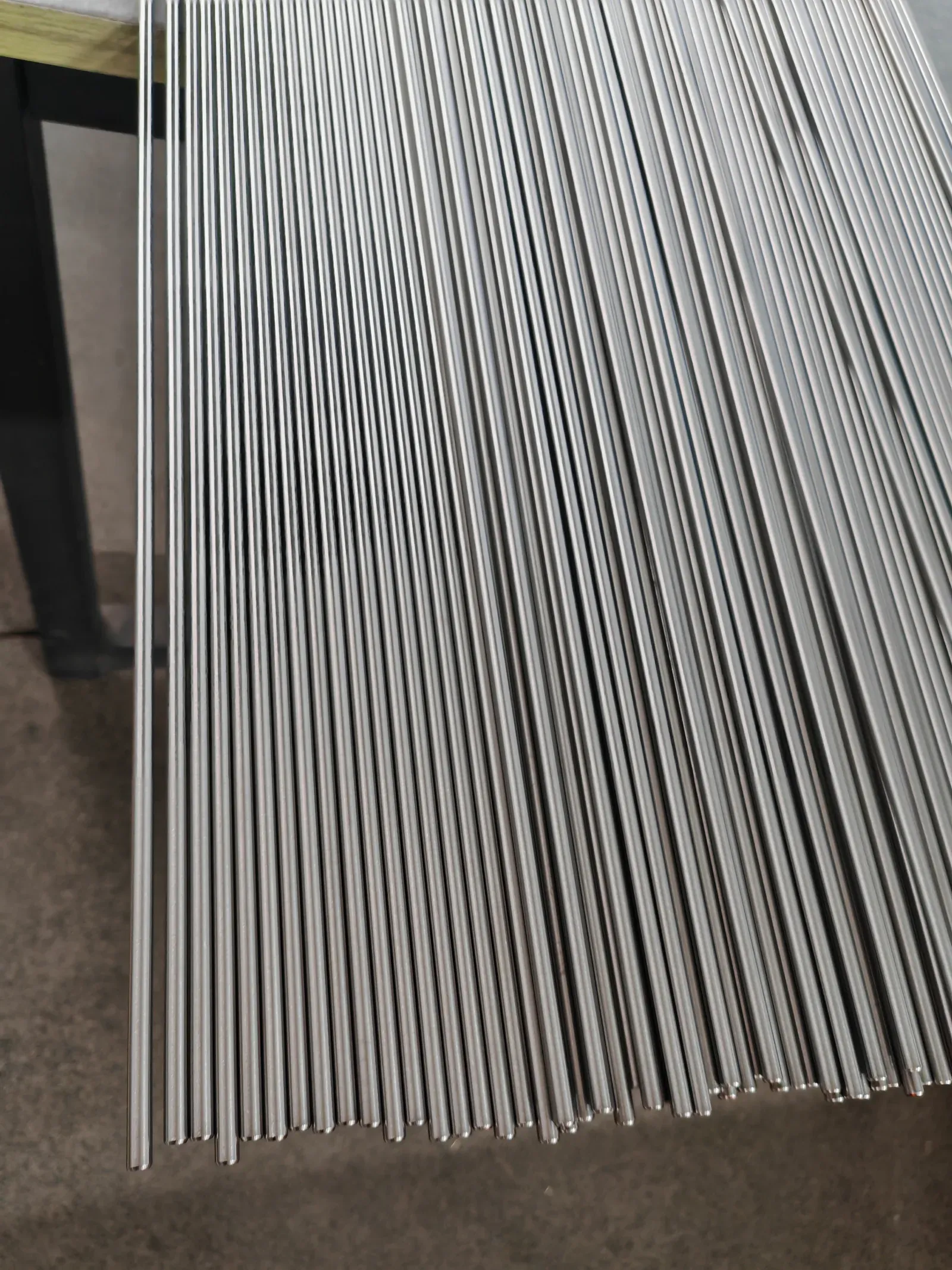
That separation also protects the material supplier from overclaiming. A supplier serving medical titanium applications can control alloy identity, lot traceability and the condition of titanium rods. It cannot convert a pooled cage-family result into a clinical claim for its material alone.
A Six-Line Evidence-Topology-to-Device Map
| Evidence line | Question to ask | What not to infer |
|---|---|---|
| Product family | Is the device porous titanium, titanium-coated PEEK or uncoated PEEK, and how consistent is that definition? | A shared family name does not make geometries or processes identical |
| Study design | How many randomized and nonrandomized studies support the result? | More studies do not erase bias or heterogeneity |
| Comparison edge | Is the claimed comparison direct or connected through another device family? | An indirect estimate is not a head-to-head trial |
| Endpoint and time | Is the outcome fusion, subsidence, pain, function, complications or reoperation, and at what follow-up? | A radiological endpoint is not automatically clinical superiority |
| Device evidence | Are geometry, porosity or coating, manufacturing, cleaning and sterilization linked to the exact device? | A pooled class result does not release one design |
| Supplier and change boundary | Which material, process and inspection records flow into the regulatory device file, and what changes trigger review? | A material certificate does not replace device validation |
The Narrow Conclusion Is the Credible One
The review supports a careful statement: titanium-bearing cage families showed stronger results on several reported radiological comparisons, while the porous titanium versus titanium-coated PEEK ranking relies heavily on indirect evidence and does not establish broad clinical superiority.
For buyers, that is useful precisely because it resists a simple winner label. Use the pooled findings to identify where evidence is promising. Then inspect the direct comparison edges, endpoint level and device-family definition before carrying the result into a specification, supplier claim or release decision. Titanium is part of both systems; it is not the whole evidence system.
FAQ
# What did the new titanium cage review compare?
# Why is the porous titanium ranking mainly indirect?
# Do stronger radiological results prove clinical superiority?
# Can a titanium material certificate release a spinal cage?
Need this material? Get a factory-direct quote.