New TC4 Study Turns Anti-Icing Into a Contact-and-Power Envelope
A study published in Aerospace on 2026-08-19 reports that femtosecond-laser microstructures changed both passive icing and active ice release on TC4 (Ti-6Al-4V). At a laser scanning speed of 250 mm/s, the surface reached a water contact angle of 157.5 ± 0.5° and a maximum freezing delay 21.5 times that of untreated TC4. Under the same electrical input, it released ice at approximately 152 s, while ice remained attached to the untreated surface after 270 s of heating—a reduction in de-icing time of at least 44% (paper).
The buyer lesson is not that one laser recipe makes titanium “ice-proof.” The study connects two controls that are often bought separately: a passive surface that limits real ice contact and an active heater that supplies the energy for release. If either side changes, the result belongs to a different system.
The Surface Changes Where the Heater Has to Work
The researchers varied laser scanning speed and found nonlinear changes in microstructure height, roughness and material redistribution. That matters because scanning speed is not merely a production-rate setting. It writes the micro/nanostructure that controls wetting and the number of places where ice can make effective contact.
At 250 mm/s, the reported surface was superhydrophobic. The static contact-angle result is useful, but the mechanism becomes more important during active de-icing. Melting started at discrete ice-substrate contact points rather than uniformly across the apparent footprint. Those local melt zones merged into a water film, while stress concentration at the interface helped cracks propagate and the ice detach.
That sequence explains why identical electrical input did not produce identical release. The untreated surface kept a larger effective bonded area; the patterned surface asked the heater to break a smaller and less continuous contact network. Laser texture therefore changes the thermal job, not only the wetting number.
Contact Angle Is a Screen, Not a Release Test
A contact angle of 157.5 ± 0.5° cannot carry the whole qualification. Static droplets do not reproduce supercooled impingement, frost growth, mixed ice, salt or particulate contamination, aerodynamic shear, curvature or erosion. Even the reported 21.5 times freezing delay is a comparison within the study’s test conditions, not a universal delay for an aircraft surface.
The electrothermal figures need the same discipline. Complete detachment at approximately 152 s versus continued adhesion after 270 s shows a meaningful relative result under identical electrical input. It does not reveal the power density, wiring architecture, heat loss through a full component, local hot spots or the energy budget available on a UAV.
For buyers, that separates screening evidence from release evidence. Contact angle and laboratory droplet freezing can rank process variants. Release requires a representative product geometry, specified ice condition, known electrical input, measured temperature distribution and a defined detachment criterion.

A Six-Line Contact-and-Power Envelope
| Control line | What to define | Evidence to retain |
|---|---|---|
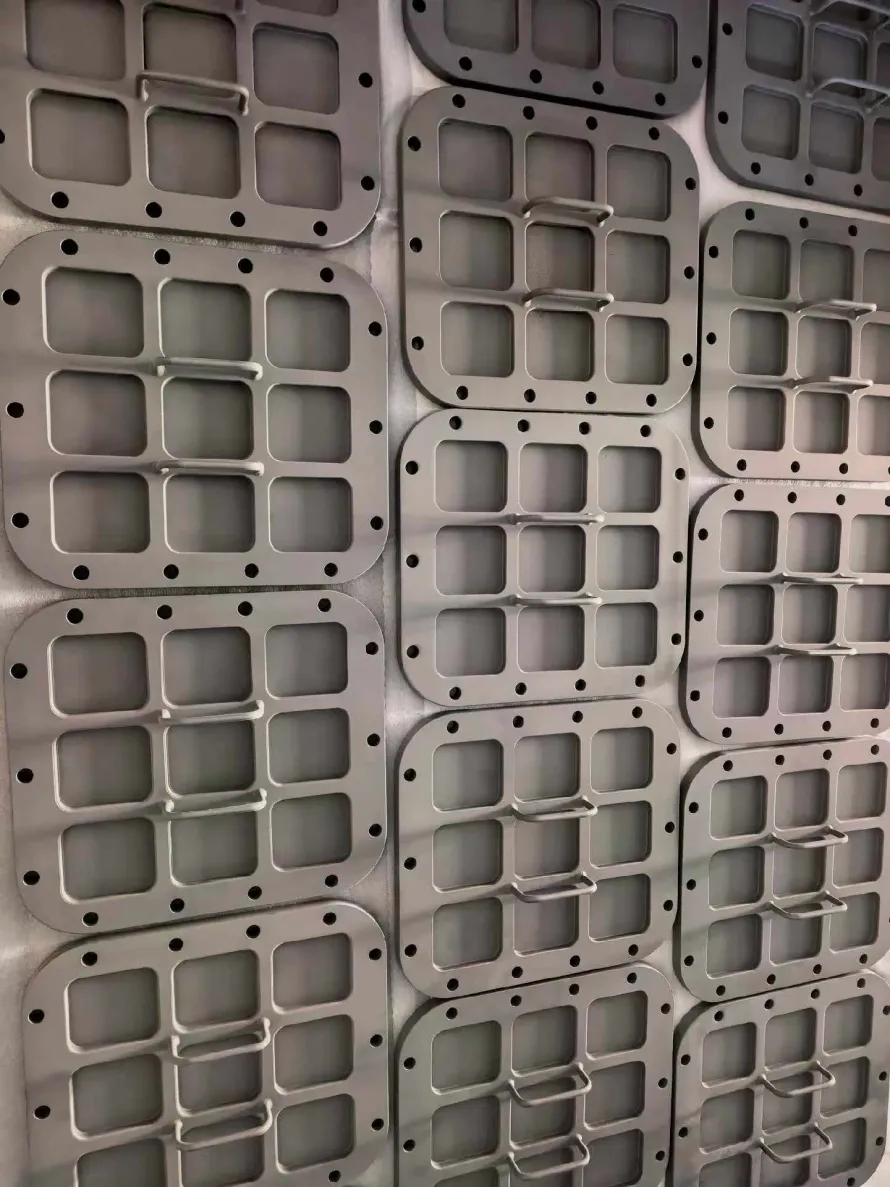
| Substrate and geometry | TC4 condition, thickness, curvature, edge details and thermal path | Material certificate, drawing and incoming surface state |
| Laser pattern | Scan speed, pulse settings, overlap, focal condition and treated area | Approved laser recipe plus surface topography evidence |
| Wetting and static freezing | Liquid, temperature, droplet volume and delay endpoint | Contact-angle method and time-to-freeze comparison |
| Dynamic icing | Droplet impact, airflow, humidity, ice type and accumulation | Representative icing test on relevant geometry |
| Electrothermal release | Power density, heater layout, temperature field and detachment criterion | Current-voltage-temperature record and release video or force data |
| Durability and change | Erosion, cleaning, contamination, cycling and repair limits | Post-exposure surface check and requalification triggers |
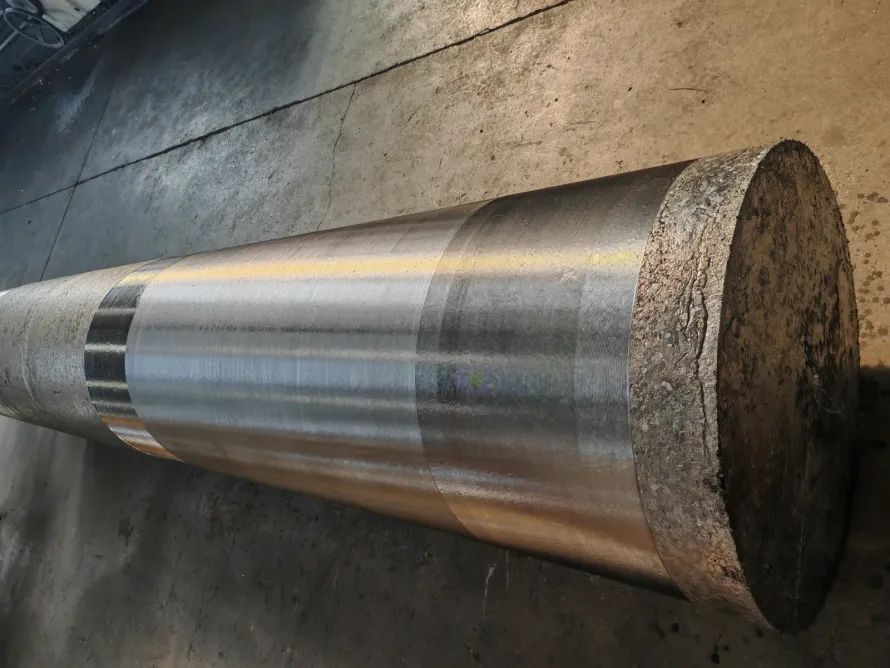
This envelope also clarifies supplier scope. A producer of Grade 5 titanium can control alloy identity and product form, but the anti-icing function belongs to the combined substrate, laser route, heater and operating environment. An aerospace application cannot accept the surface from a coupon result alone when final curvature, heat sinking or leading-edge exposure changes the contact and power balance.
The Useful Conclusion Is Narrow
The study demonstrates a credible mechanism: micro/nanostructures reduce real contact, and reduced contact lets the same electrical input detach ice faster. It also identifies 250 mm/s as the best of the tested laser conditions, not as a universal production setting.
What it does not establish is equally important. The abstract reports no erosion life, repeated icing durability, contamination tolerance, curved-component result or flight qualification. Buyers should use the reported surface as a process candidate and build a contact-and-power envelope around the real component. Treat wettability as an early screen; release the part only when icing condition, electrical input, geometry and durability are tested together.
FAQ
# Does a 157.5 ± 0.5° contact angle prove that a TC4 component will not ice in service?
# What did the 250 mm/s laser condition achieve?
# Why is the electrothermal result not just a heater specification?
# What evidence is still missing before aerospace release?
Need this material? Get a factory-direct quote.