Type something to search...
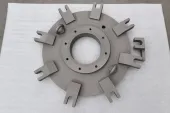
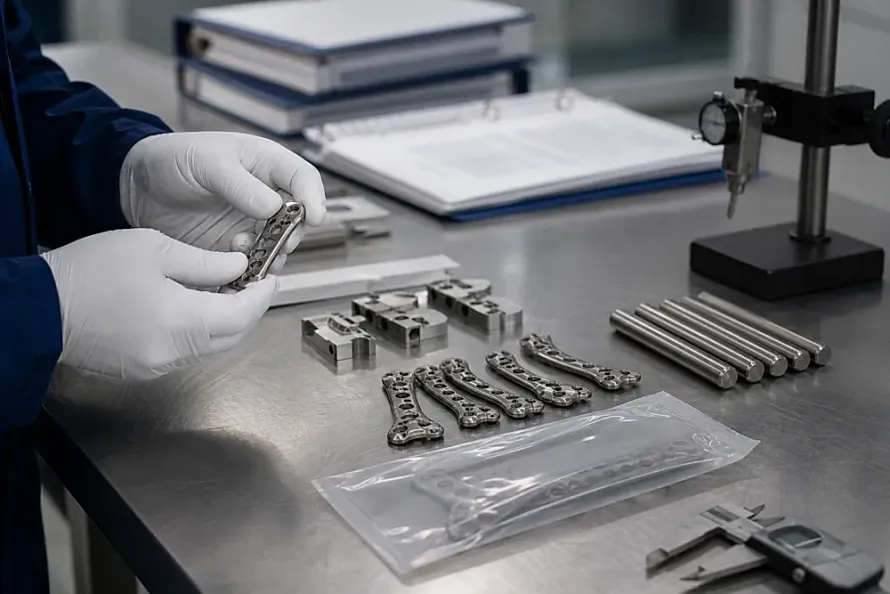
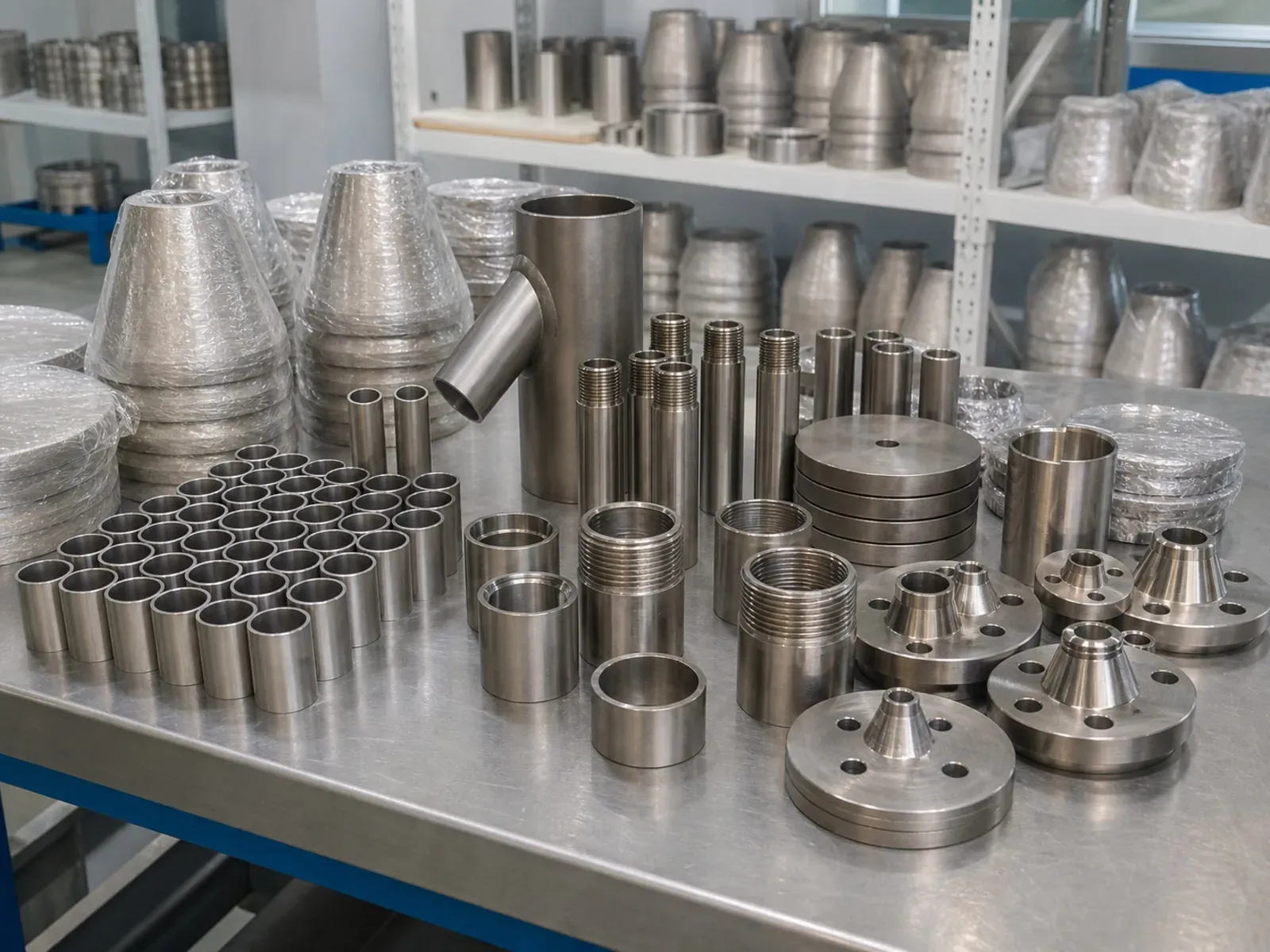
Precision machined titanium fittings, sleeves, and flanges on a clean factory bench, showing the kind of controlled components that need interface and release evidence.
  • By Jason/ On 05 Jun, 2026

ROE's Passivity Plus: Why Dental Titanium Buyers Need a Passive-Fit Evidence File

ROE Dental Laboratory’s May 2026 launch of Passivity Plus is easy to read as a dental product announcement. For titanium buyers, the more useful signal is narrower and more durable: a Grade 5 titanium certificate does not, by itself, prove that a small medical or dental component will fit, release, and remain traceable inside a full-arch workflow.
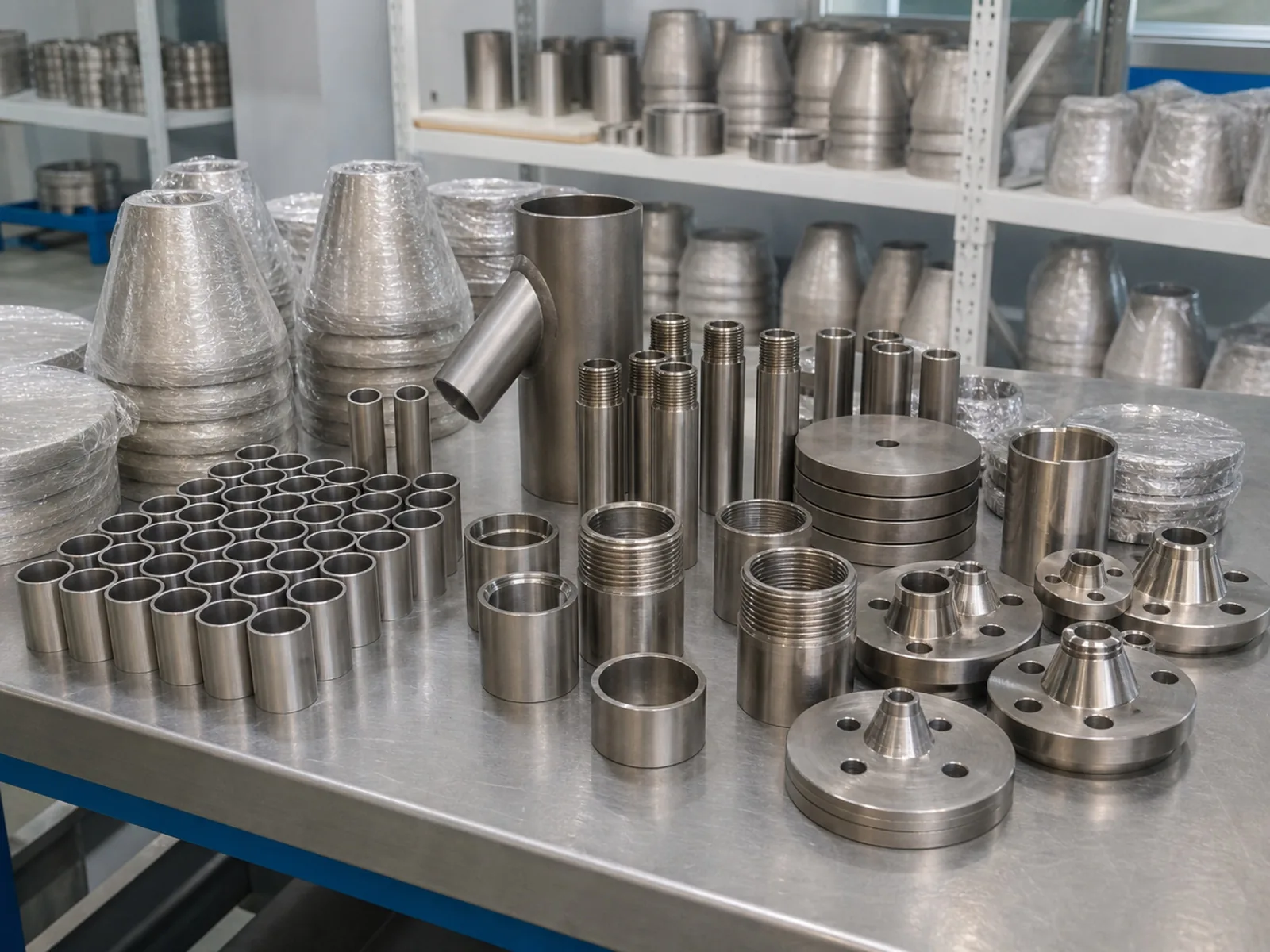
Precision machined titanium fittings, sleeves, and flanges on a clean factory bench, showing the kind of controlled components that need interface and release evidence.

ROE’s May 20 announcement describes Passivity Plus as an FDA 510(k)-cleared, self-adjusting titanium coping for full-arch implant restorations. The company says the device is manufactured from Grade 5 Titanium, Ti-6Al-4V-ELI, and is intended to address subtle fit discrepancies across digital and analog restorative workflows. The same announcement also names connection details such as a 25 N cm torque value and a 5-degree-per-side body taper.

That is not a story about bulk titanium demand. It is a reminder that medical and dental titanium procurement often fails at the interface between material identity, machining control, dimensional evidence, and regulatory documentation.

The News Is About Fit, Not Only Alloy

Titanium suppliers are used to treating alloy identity as the first serious gate. That is still true. A buyer asking for medical or dental titanium parts should not accept vague “titanium alloy” language when the finished component depends on a specific grade, heat, chemistry, mechanical property record, and quality system boundary.

But the passive-fit problem is a different layer of risk. A coping, abutment, framework, screw-retained bridge, or custom machined interface is not accepted only because the alloy is appropriate. It must connect to a known system, follow a controlled geometry, hold tolerances after machining or post-processing, and release through evidence that is specific to the intended workflow.

The distinction matters for export suppliers of titanium bars, precision blanks, and machined titanium components. A round bar or billet may be the correct input. A material test report may be authentic. Yet the buyer still has to know whether the downstream component route can preserve the interface that makes the finished case usable.
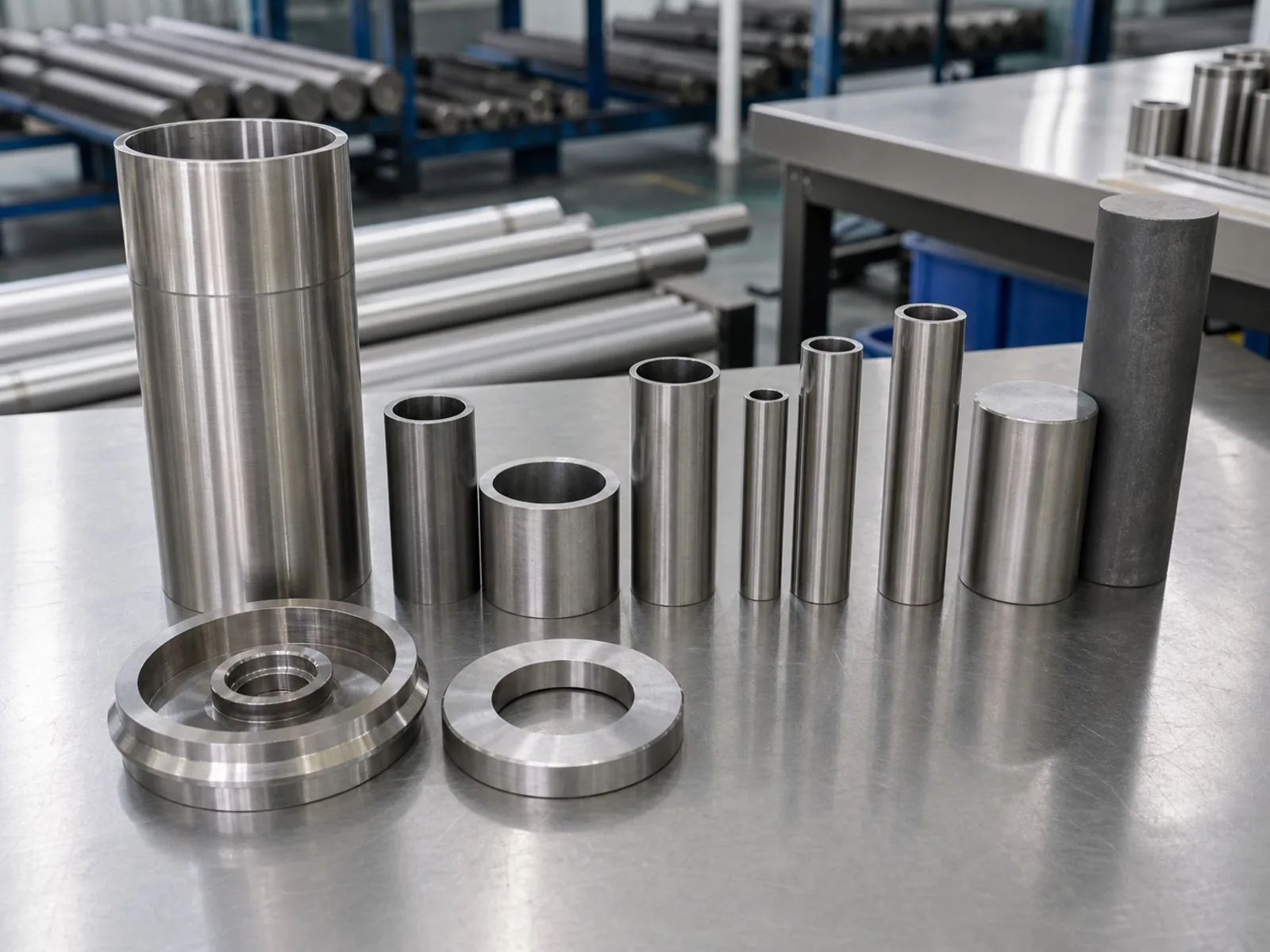
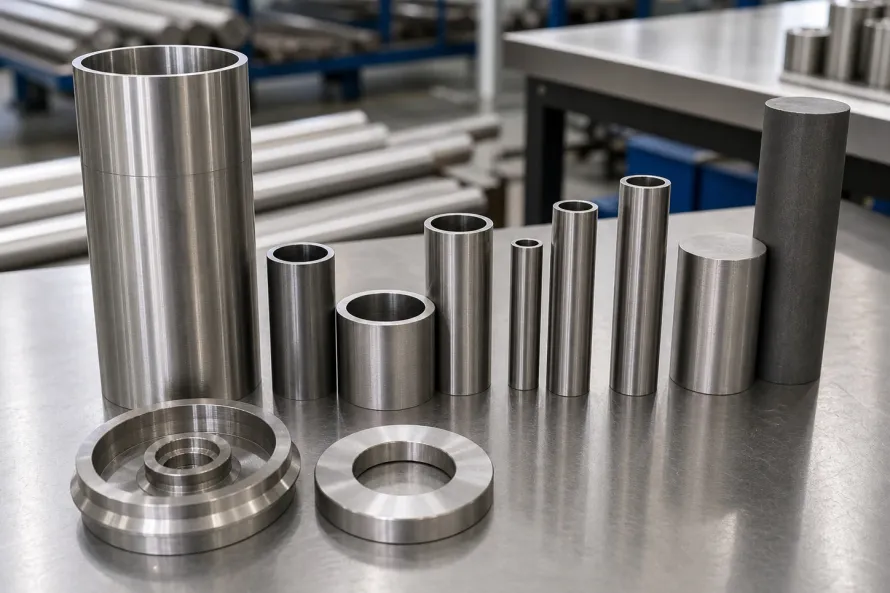
Titanium bars and tube blanks arranged on a factory bench, showing source material forms that must carry traceability into medical component machining.

Passive Fit Turns Microns Into Buyer Risk

Implant prosthesis literature treats passive fit as a practical engineering issue, not a marketing phrase. A 2026 study in the International Journal of Implant Dentistry notes that implant superstructures and implant bodies or abutments must be connected in a passive fit state, without tension on retaining screws. The same paper explains that misfit can create continuous stress and that researchers have tried to evaluate passive fit with more objective torque-based methods.

That context does not validate any one commercial product. It does explain why a titanium component buyer should not stop at alloy grade. Full-arch dental components can move through scanning, CAD design, milling, sintering, model work, finishing, cleaning, and final seating. Each step may be accurate on its own while still contributing to an accumulated interface problem.

For a titanium processor, this is the key mechanism: small medical and dental parts turn ordinary production records into fit evidence. The buyer is no longer asking only, “Is this Ti-6Al-4V-ELI?” The better question is, “Can this lot, drawing, interface, process route, inspection method, and release record prove that the part still matches the system it is supposed to join?”

A Passive-Fit Evidence File

The reusable file is not a single certificate. It is a compact chain of evidence that keeps material, process, and interface responsibility together.

Evidence layerWhat the buyer should verify
Material identityAlloy grade, heat number, chemistry, mechanical properties, material test report, and any claimed ASTM or ISO material basis.
Interface definitionImplant or abutment compatibility boundary, drawing revision, CAD library version, screw channel, seating surface, and any torque or connection requirement supplied by the device owner.
Machining routeCNC program control, fixture method, tool-wear limits, burr control, post-machining cleaning, surface finish, and segregation between prototype and production runs.
Dimensional verificationCMM, optical scan, gauge, microscope, or fit-check record tied to the exact drawing and lot. The method should match the risk of the interface, not only the convenience of the shop.
Release documentationCertificate of conformity, inspection report, nonconformance closure, subcontractor records, packaging label, and traceability from raw stock to finished component.
Change controlMaterial source change, machine change, CAD revision, surface process change, cleaning change, packaging change, or subcontractor change notice.

This framework is useful even when the buyer is not purchasing a finished dental device. If a supplier sells titanium bar stock for medical machining, the file helps define which material facts must survive into the customer’s device record. If the supplier machines titanium components, the same file helps separate commodity production from regulated-interface production.

Where Titanium Suppliers Enter The Chain

The strongest role for a titanium mill-product or machining supplier is not to claim that every Grade 5 part is device-ready. That would overstate the evidence. The stronger role is to make the upstream record easy for the medical or dental customer to carry forward.

For titanium bars, that means clean heat traceability, consistent diameter and straightness control, documented mechanical properties, surface condition clarity, and packaging that protects the material before machining. For machined titanium blanks or components, it means drawing control, dimensional inspection, burr and contamination control, and lot-level records that do not break when a part is moved to polishing, cleaning, assembly, or packaging.
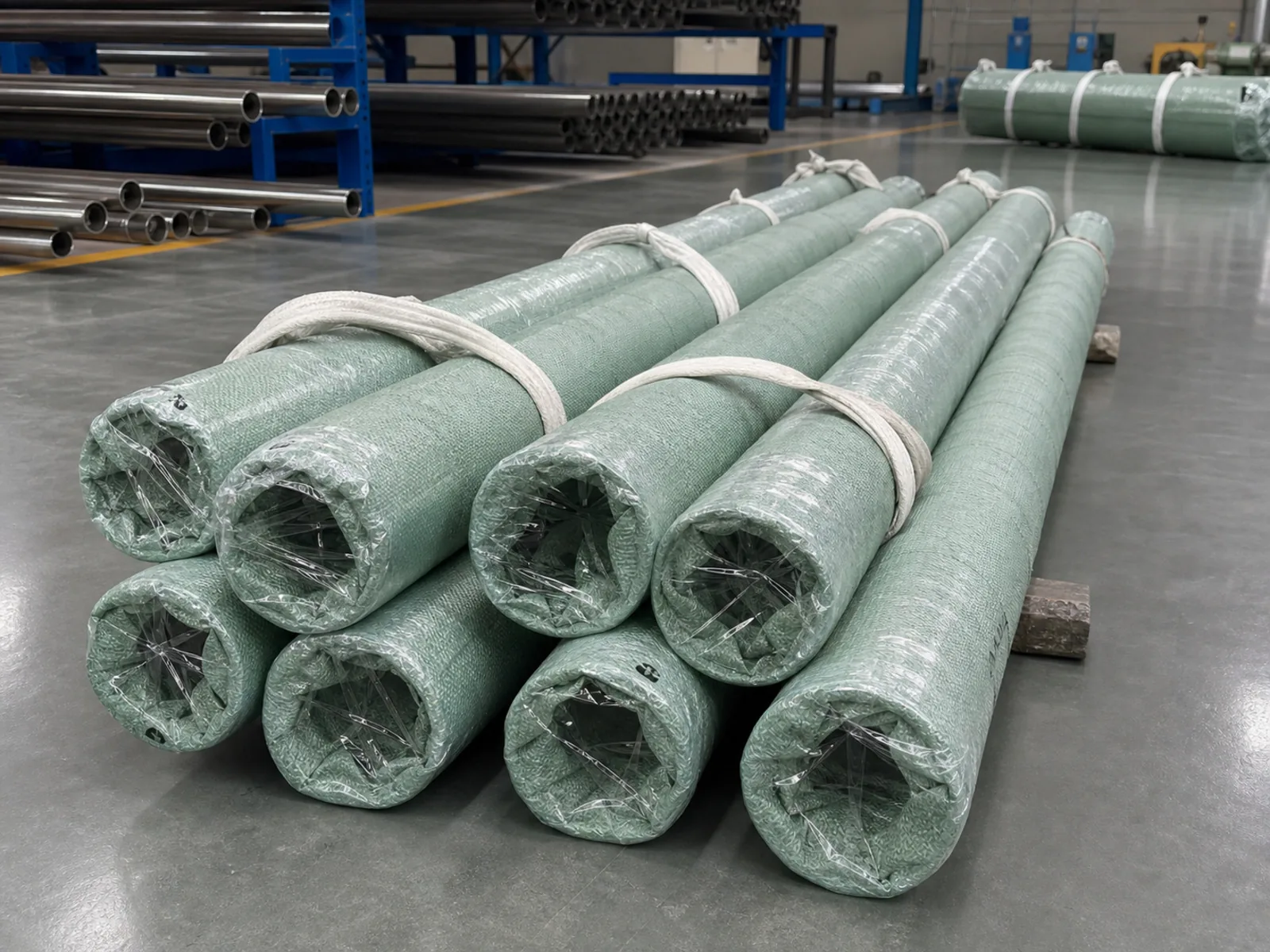
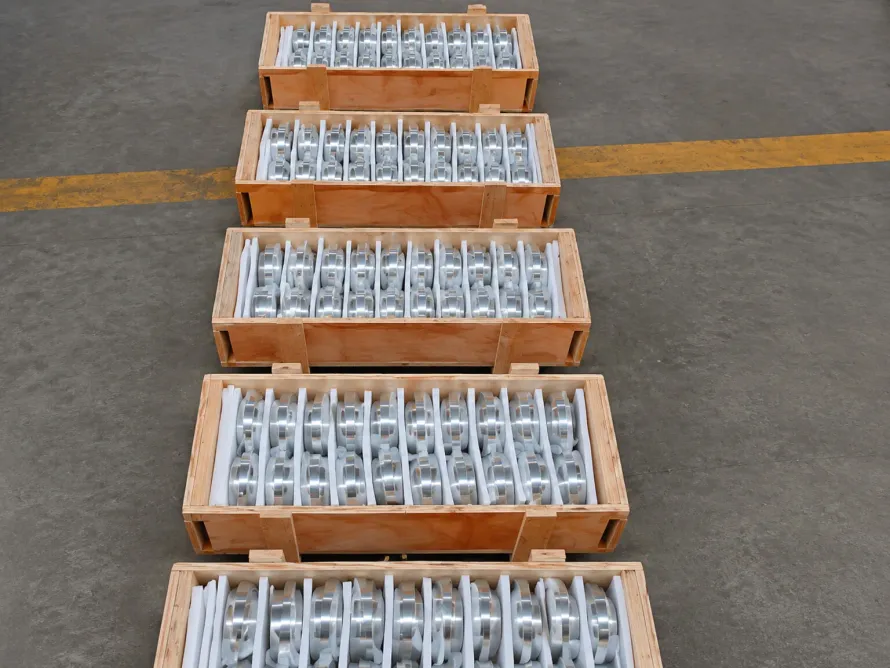
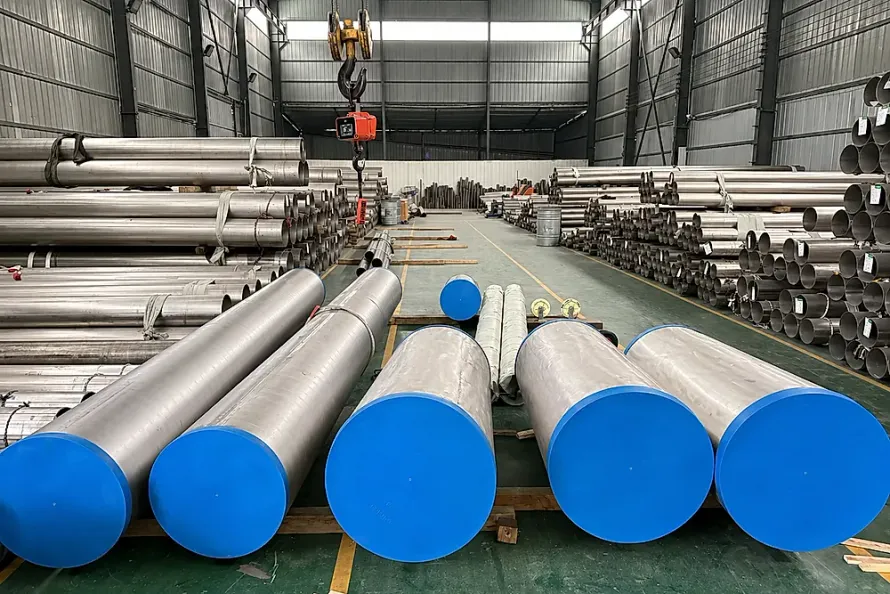
Packaged titanium tubes staged in a clean factory area, illustrating how protection and lot handling support downstream release records.

The ROE announcement also shows why compatibility language has to be handled carefully. A supplier should not casually say a part is compatible with “major systems” unless the exact interface, authorized design source, test method, and customer responsibility are known. In medical and dental work, broad compatibility claims can create more risk than value if they are not backed by a documented boundary.

What Buyers Should Not Overread

ROE’s release and knowledge-base pages describe Passivity Plus as FDA-cleared. FDA’s general 510(k) materials explain that the process allows the agency to determine whether a device is equivalent to a device already placed into a classification category, and that significant changes in design, material, chemical composition, manufacturing process, or intended use can require review.

For titanium buyers, that means two things. First, a 510(k) statement belongs to the device and its cleared scope, not automatically to every titanium input, blank, coping, or similar-looking component. Second, if a buyer changes material source, machining route, interface geometry, surface process, cleaning route, or use case, the evidence file has to be reviewed before the part is treated as equivalent in practice.

That is why regulatory wording should stay precise. A titanium supplier can provide material and process evidence. The device owner or regulated manufacturer determines how that evidence fits into the device record, labeling, clearance, validation, or customer release process.

The Practical Test

The practical test for dental and medical titanium procurement is simple: could a quality reviewer reconstruct the finished component’s responsibility without calling five people?

If the answer is no, the buyer does not yet have a passive-fit evidence file. It may have a material certificate. It may have a drawing. It may have an inspection sheet. It may even have a device claim from another party. But the buyer still lacks the connected record that explains how the titanium material became a controlled interface.

That is the broader lesson from the Passivity Plus launch. In precision medical and dental workflows, titanium value is not only corrosion resistance, strength, or biocompatibility. It is the supplier’s ability to keep alloy identity, machining discipline, fit verification, release records, and change control aligned until the part reaches the workflow where microns matter.

FAQ

# What is a passive-fit evidence file for dental titanium buyers?
It is a connected quality record for titanium components used in fit-sensitive dental or medical workflows. The file links alloy identity, interface definition, machining route, dimensional verification, release documentation and change control so the buyer can see how the titanium material became a controlled component.
# Why is Grade 5 Titanium not enough by itself?
Grade 5 Titanium or Ti-6Al-4V-ELI can be the correct material, but the article explains that fit-sensitive components also need controlled geometry, machining discipline, inspection records, release evidence and traceability. Alloy identity is the first gate, not the whole acceptance package.
# What records should a titanium supplier provide for medical or dental machining?
A supplier should support heat traceability, material test reports, drawing or CAD revision control, CNC route control, dimensional inspection, surface and burr control, packaging records, nonconformance closure and change notices when the part depends on a regulated or interface-sensitive workflow.
# How should buyers treat FDA 510(k) statements in titanium procurement?
The article advises buyers to keep regulatory wording precise. A 510(k) statement belongs to the device and its cleared scope, not automatically to every titanium input, blank or similar-looking part. Buyers should review how material, machining, use case and change-control evidence fit the device record.
# Does the passive-fit evidence file apply only to finished dental devices?
No. The framework also helps titanium bar, blank and machined-component suppliers clarify which material and process facts must survive into the customer's downstream device record. It is useful even when the supplier is not selling the finished dental device.

Need this material? Get a factory-direct quote.
Request a Quote
Tags

Related Posts

Medical and Dental
Gloved hands inspect generic titanium implant plates and test samples on a clean quality-control bench, showing how medical titanium must remain traceable through device evidence records
By Jason/ On 07 May, 2026

FDA Clearances Show Medical Titanium Is Becoming a Regulatory Evidence Chain

Two recent FDA 510(k) clearances point to a practical shift for medical titanium suppliers: the market is not only asking whether titanium can be made into an implant. It is asking whether the titanium route can be documented through design control, manufacturing validation, inspection, sterilization and regulatory clearance.The first signal is CG Bio's EASYMADE-TI. FDA's 510(k) database lists the device as a preformed, non-alterable cranioplasty plate under K252251, with a substantially equivalent decision dated April 9, 2026 and a page update on May 4 (FDA). CGBIO said the patient-specific titanium implant is designed from individual CT data for cranial and non-load-bearing craniofacial reconstruction, manufactured from medical-grade titanium alloy by Laser Powder Bed Fusion, and delivered to U.S. hospitals after design work in Korea (CGBIO via PR Newswire). The second signal is Chest Wall Innovations' PC Fix System. FDA lists K260411 as a bone fixation plate from Chest Wall Innovations with a substantially equivalent decision dated April 24, 2026 (FDA). The company said the rib fixation system offers both PEEK and titanium implants and supports intrathoracic and extrathoracic surgical approaches (Chest Wall Innovations via PR Newswire). Neither clearance should be read as a broad forecast for titanium demand. Device clearances are product-specific, and company releases do not reveal material specifications, volumes or supplier chains. The useful industry lesson is narrower but stronger: medical titanium is being evaluated as part of a regulated evidence chain, not as a generic metal category. The same pattern is visible in adjacent segments — see our reads on the aerospace titanium qualification chain and the TITAN-AM additive-manufacturing evidence frame. Why 510(k) Clearance Matters to Material Suppliers FDA's 510(k) overview says manufacturers must submit a premarket notification before introducing certain devices into commercial distribution, and before making significant changes that can affect safety or effectiveness. FDA explicitly includes changes related to design, material, chemical composition, manufacturing process and indications for use in that discussion (FDA). That wording is important for titanium processors. A supplier may think in terms of grade, shape and price: bar, plate, sheet, machined blank, implant plate, powder or finished component. A device company thinks in terms of whether that material can be defended inside a regulated product file. The same alloy label can carry very different risk depending on powder history, melt route, oxygen control, machining contamination, surface condition, inspection record, cleaning process and packaging workflow. For conventional medical titanium, the evidence chain usually starts with chemical composition and mechanical properties. For additively manufactured titanium, it expands into powder quality, reuse controls, build parameters, post-processing, dimensional inspection, surface characteristics and validation records. For patient-specific implants, it also includes design data and case-specific workflow. A material that looks acceptable in inventory can still be unsuitable if the records cannot follow it into the device history. The New Medical Titanium Evidence Chain The clearest framework for buyers is:Evidence gate What must be traceable Why it mattersMaterial specification Alloy, grade, chemistry, mechanical data and batch identity The device file needs more than a commercial material labelManufacturing route Bar, plate, machining, LPBF, porous structure, heat treatment or finishing path The route affects repeatability, surface condition and validation burdenDesign-control record Patient-specific model, implant geometry, indication and predicate logic Device clearance depends on intended use and design comparisonInspection and validation Dimensional checks, mechanical testing, process validation and nonconformance control Medical buyers need records that can withstand audit and reviewSterilization or hospital-use workflow Cleanliness, packaging, sterilization responsibility and delivery timing A finished implant is not usable until the clinical workflow can accept itRegulatory fit 510(k), predicate device, product code and indications for use Regulatory clearance is tied to the specific device and use caseThis does not mean every titanium mill product supplier must become a finished-device manufacturer. It does mean suppliers serving medical customers should understand where their material evidence enters the customer's file. A titanium bar for machining spinal or trauma components, a plate blank for cranial reconstruction, and Ti-6Al-4V ELI powder for LPBF implants all face different documentation questions. LPBF Changes the Supplier Conversation EASYMADE-TI is especially useful because it shows how additive manufacturing changes the buyer conversation. The company describes a process in which patient CT data leads to a customized design, LPBF produces the titanium implant, and the product is delivered for hospital sterilization and use. In that workflow, the titanium supplier is no longer selling only a material input. The material route touches design, geometry, process repeatability, cleaning, inspection and logistics. For titanium powder suppliers, this raises the evidence bar. Buyers may ask about particle-size distribution, chemistry, flowability, oxygen pickup, powder handling and reuse policy. For machining suppliers, the equivalent questions may involve lot traceability, coolant control, burr removal, surface finish and inspection records. For plate or bar suppliers, the focus may be grade conformity, ultrasonic inspection, mechanical tests and clean packaging. The common thread is that medical titanium must be document-ready before it is product-ready. Titanium Also Competes by Use Case The PC Fix clearance adds a second lesson: titanium is not always the only material story. Chest Wall Innovations highlights a system that includes both PEEK and titanium implants. That matters because medical-device material choice is often a trade-off between strength, stiffness, imaging behavior, surgical approach and clinical use case. For titanium suppliers, the conclusion should not be that titanium automatically wins. The better conclusion is that titanium must be supported by the right evidence for the right indication. When rigid fixation, durability or established orthopedic use matters, Gr.5 / Gr.23 Ti-6Al-4V ELI can be attractive. When imaging visibility or elasticity is a stronger design requirement, alternative materials may be considered. The supplier that can explain titanium's role within the device's use case will be more credible than the supplier that treats biocompatibility as a complete sales argument. What Export Titanium Suppliers Should Prepare Export suppliers serving medical customers should build documentation around the customer's regulated workflow, not around a generic product catalog. The useful question is not "Do we have medical-grade titanium?" It is "Can our titanium record be inserted into a device manufacturer's design, validation and regulatory system without creating gaps?" That means clear batch traceability, stable material specifications, test reports that match the requested standard, documented processing history, controlled finishing via contract machining, inspection records, contamination controls and realistic lead times. For LPBF-related supply, powder handling evidence becomes central. For machined or plate-based implants, surface condition, dimensional control and cleaning routes matter more. The recent FDA clearances do not prove a sudden boom in every medical titanium product. They do show why the high-value part of the market is moving toward evidence-rich supply. In medical devices, titanium is not just a metal that performs well in the body. It is a material that must remain traceable through design, manufacturing, validation and regulatory review. Suppliers that can support that chain will be easier for serious medical-device buyers to qualify.Related Products & ServicesSpecial titanium alloys (Gr.5 / Gr.23 / Ti-6Al-4V ELI) — ASTM F136 / ISO 5832-3 medical-grade reference Titanium bar / rod — machining stock for spinal, trauma and cranial components, ASTM B348 traceability Titanium sheet & plate — plate blanks for cranioplasty and bone fixation Titanium forgings — near-net forge stock for orthopedic and trauma applications Titanium wire — feedstock for AM and surgical-wire applications Contract machining services — finish machining, dimensional verification, controlled-finish delivery for implant blanks Titanium industry news — ongoing tracking of medical, aerospace and chemical titanium qualification chains

Medical and Dental
Smart Titanium Implants: Antibacterial Surfaces and 3D Printed Medical Devices
By Sam Wilson/ On 04 Apr, 2026

Smart Titanium Implants: Antibacterial Surfaces and 3D Printed Medical Devices

Titanium has been the gold standard for orthopedic and dental implants for decades, but 2026 is proving to be a landmark year for the metal's medical applications. Researchers at the University of Hong Kong have unveiled a smart titanium surface that kills 99.94% of bacterial biofilms without antibiotics, while multiple FDA clearances for 3D-printed titanium spinal implants are accelerating the shift toward patient-specific devices. These developments are not just scientific milestones — they are reshaping demand for medical-grade titanium across the entire supply chain. As a comprehensive titanium supply platform based in Baoji, China's Titanium Valley, Titanium Seller works with mills that produce ASTM F136 and ISO 5832-3 certified medical-grade alloys. Here is our perspective on what these breakthroughs mean for the industry — and for buyers sourcing titanium for medical applications. Breakthrough: A Titanium Surface That Fights Infection on Its Own Periprosthetic joint infection (PJI) remains one of the most feared complications in orthopedic surgery. When bacteria colonize an implant surface and form biofilms, they become extremely resistant to antibiotics — often requiring painful revision surgery and prolonged treatment. A team led by Professor Kelvin Yeung Wai-kwok at the University of Hong Kong's Department of Orthopedics and Traumatology has developed an elegant solution. Their approach modifies the titanium implant surface itself, creating nano-honeycomb structures with engineered oxygen vacancies through a hydrogenation process. When activated by near-infrared (NIR) light — delivered through a brief 15-minute external irradiation session — these modified surfaces generate reactive oxygen species and a mild local photothermal effect that disrupts bacterial biofilms from the inside out. The results, published as a cover story in Cell Biomaterials, are striking:In vitro: 99.94% elimination of Staphylococcus aureus biofilms after 15 minutes of NIR irradiation In vivo (rat model): 91.58% biofilm removal No antibiotics required — the mechanism is purely physical and photochemicalBeyond bacterial elimination, the surface modification shifts macrophage behavior toward tissue remodeling, actively promoting bone-implant integration. This dual functionality — fighting infection while accelerating healing — addresses two of the biggest challenges in implant surgery simultaneously. The technology is applicable across a wide range of titanium implants: joint replacements, fracture fixation devices, spinal fusion cages, dental implants, and craniofacial reconstruction hardware. FDA Clearances Accelerate 3D-Printed Titanium Implants While the HKU research represents the cutting edge of surface science, the commercial side of medical titanium is advancing just as rapidly. In January 2026, Spine Innovation received FDA 510(k) clearance for the LOGIC™ Titanium Expandable Interbody System. The device incorporates OsteoSync™ Ti, a patented pure titanium lattice structure that has been implanted in more than 250,000 patients since 2014. The expandable design allows surgeons to adjust implant height in situ, reducing the need for multiple implant sizes in the operating room. Meanwhile, IMPLANET secured FDA clearance for its Swingo anterior cervical cage range — a fully 3D-printed titanium implant designed for cervical spine fusion procedures. The 3D-printed lattice architecture enables precise control over porosity and mechanical properties, promoting better interbody fusion outcomes. These clearances reflect a broader trend: 3D-printed titanium implants are moving from niche applications to mainstream surgical practice. The ability to create patient-specific geometries, optimized porous structures for bone ingrowth, and complex internal architectures that are impossible with traditional machining gives additive manufacturing a compelling advantage in the medical device space. Why Ti-6Al-4V ELI Remains the Medical Gold Standard The alloy behind most of these innovations is Ti-6Al-4V ELI (Extra Low Interstitials) — designated as Grade 23 titanium and specified under ASTM F136 and ISO 5832-3. This alloy offers a carefully balanced combination of properties that make it uniquely suited for implant applications:Property Value Why It MattersElastic modulus ~110 GPa Closer to bone (30 GPa) than steel (200 GPa), reducing stress shieldingTensile strength 860–965 MPa Strong enough for load-bearing implantsFatigue endurance Excellent Withstands millions of loading cycles in jointsBiocompatibility Non-cytotoxic No adverse immune response; promotes osseointegrationCorrosion resistance Passive TiO₂ layer Stable in body fluids indefinitelyThe "ELI" designation means reduced oxygen, nitrogen, carbon, and iron content compared to standard Grade 5 Ti-6Al-4V. These lower interstitial levels improve fracture toughness and fatigue life — critical properties for implants that must perform reliably inside the human body for 20 years or more. For 3D printing applications, the powder and wire feedstock must meet even tighter specifications. Powder sphericity, particle size distribution, and oxygen pickup during atomization all directly affect the mechanical properties of the final printed implant. This is why medical device manufacturers demand rigorous material certification from their titanium suppliers. The Supply Chain Implications These medical breakthroughs are driving measurable shifts in titanium demand: Growing volume requirements. The global medical titanium implant market continues to outpace overall titanium market growth, driven by aging populations in developed economies and expanding access to orthopedic and dental care in emerging markets. The overall titanium market is projected to grow from 225.68 kilotons in 2025 to 238.8 kilotons in 2026, with medical applications growing even faster. Tighter quality specifications. As implant designs become more sophisticated — with nano-structured surfaces, 3D-printed lattices, and patient-specific geometries — the quality requirements for incoming titanium material intensify. Medical device manufacturers need suppliers who can consistently deliver material that meets ASTM F136, with full chemical analysis, mechanical testing, and microstructure documentation. Demand for AM-grade feedstock. The shift toward 3D-printed implants creates specific demand for titanium powder (15–45 μm for LPBF) and wire feedstock with controlled chemistry and minimal contamination. This is a growing segment that requires specialized production capabilities. How Titanium Seller Supports Medical-Grade Supply Operating from within Baoji's integrated titanium production cluster gives Titanium Seller direct access to mills that specialize in medical-grade material. Our approach to serving the medical device sector includes:ASTM F136 / ISO 5832-3 certified Ti-6Al-4V ELI in sheet, plate, rod, wire, and tube forms Grade 2 and Grade 4 commercially pure titanium for applications requiring maximum corrosion resistance and formability Full material traceability from sponge titanium through final mill product, with mill test reports and independent third-party inspection Centralized quality control that audits and verifies each supplier's production processes, heat treatment records, and testing protocolsOur one-stop supply model means medical device manufacturers can source multiple titanium product forms — plates for machined components, wire for additive manufacturing, tubes for instrumentation — from a single qualified platform, simplifying supplier management and ensuring consistent material quality. What Medical Titanium Buyers Should Watch 1. Surface modification technologies will drive material specifications. As technologies like HKU's antibacterial surface move toward commercialization, expect new requirements for surface finish, grain structure, and oxide layer characteristics in procurement specifications. 2. 3D printing adoption will accelerate. With multiple FDA clearances in hand and clinical data accumulating, 3D-printed titanium implants will capture an increasing share of the spinal, orthopedic, and dental markets. Buyers should establish AM feedstock supply chains now. 3. Regulatory scrutiny will increase. As more 3D-printed titanium devices enter the market, regulatory bodies will tighten requirements for material characterization, process validation, and post-market surveillance. Full traceability from raw material to finished device will become non-negotiable. 4. China's role in medical titanium will grow. Despite export controls on certain titanium mill products, China's medical-grade titanium production capabilities continue to expand. Buyers who build relationships with reliable Chinese supply chain partners gain access to competitive pricing without compromising quality — provided they work with platforms that enforce rigorous QC standards. Conclusion From smart antibacterial surfaces to FDA-cleared 3D-printed spinal cages, 2026 is proving that titanium's role in medicine is only growing. These innovations demand higher-quality raw materials, tighter process controls, and more sophisticated supply chain partnerships. At Titanium Seller, we combine Baoji's unmatched production scale with the quality assurance systems that medical device manufacturers require. Whether you need ASTM F136 bar stock for CNC-machined implant components or certified titanium powder for your additive manufacturing line, reach out to our team to explore how we can support your next medical titanium project.Related Articles:The Healing Framework: How Titanium Mesh Revolutionizes Medical Implants Comparing Popular Special Titanium Alloys for Industrial Use From Ore to Precision: How Titanium Parts Are Engineered for Excellence

Medical and Dental
Titanium Medical Implants, Spring 2026: Two FDA Clearances, a $7.72B Market, and the Real ISO 13485 Bottleneck
By Jason/ On 30 Apr, 2026

Titanium Medical Implants, Spring 2026: Two FDA Clearances, a $7.72B Market, and the Real ISO 13485 Bottleneck

January 26, 2026: Spine Innovation's LOGIC expandable titanium interbody fusion cage clears FDA 510(k). March 18: Spinal Elements' Ventana A titanium ALIF clears FDA 510(k) and completes its first procedures in Texas. Two 3D-printed titanium spinal implants through the FDA back-to-back inside two months. Pull alongside the same window's market data: the titanium dental implant market is $7.72B in 2026, with titanium taking 90.99% of dental implant share globally (93% in the US), and the spinal plus orthopedic markets together consume more titanium than dental. Lay all of that on the table and one read becomes hard to avoid: the medical titanium market is not growing slowly, it is accelerating into spring. But acceleration is not unambiguously good news on the supply side. It widens the gap between mills that can "make medical titanium" and mills that can "make compliant medical titanium." Why spring 2026 marks the inflection point for Ti medical implantsOpen up the two spring 2026 510(k) filings and the same technology path runs through both: 3D-printed (laser powder bed fusion, LPBF) porous titanium lattice structures. Spinal Elements' Ventana A is a hinged titanium ALIF with a porous zone for bone ingrowth; Spine Innovation's LOGIC uses an OsteoSync Ti pure-titanium lattice with 250,000+ patients implanted since 2014. That technology path moved from "exploration" to "mainstream" over the last five years. The US logged 650,000 cumulative spinal fusions through 2025, with 3D-printed titanium implant penetration climbing from 12% in 2020 to 38% in 2025 — and projected to hit 60% by 2028. The spring's two clearances are not isolated events. They are the cadenced output of a supply side rolling new product through a path that has already stabilized. The dental angle is even steeper. Titanium runs at 90.99% of North American dental implant share (with most of the rest being yttria-stabilized zirconia), and global aging plus expanding private dental insurance lock the market into 4–5% annual growth. The absolute size is large: $7.72B in 2026 climbing to a projected $11.03B in 2035. Third-party data shows Japan and South Korea as net importers of medical AM titanium powder — with import volumes rising every year since 2024. That is the real market picture: porous-titanium 3D printing on the spinal end + premium dental implant abutments + trauma and joint orthopedics — three tracks placing long, stable orders against medical-grade titanium powder, wire and bar simultaneously. The real supply-side bar: ISO 13485 plus Gr.23 ELI spherical powder The supply side of this curve is far narrower than the demand picture suggests. Feeding raw titanium into FDA-cleared medical devices means clearing at least three layers of qualification: Layer one is materials. Ti-6Al-4V ELI (Extra Low Interstitial) to ASTM F136 / ISO 5832-3, with oxygen ≤0.13%, iron ≤0.25%, nitrogen ≤0.05% — already a tighter spec than aerospace Ti-6Al-4V Gr.5. Gr.23 ELI powder destined for LPBF then layers on more constraints: 15–53 μm particle size, sphericity ≥98%, Hall flow ≤30 s/50g, satellite particle fraction ≤2%. Layer two is the management system. ISO 13485 medical device QMS certification — an 18-to-24-month audit cycle, annual surveillance, full lot retention and traceability. Globally, no more than 25 mills can reliably supply medical-grade Ti-6Al-4V ELI bar, and no more than 15 can reliably supply Gr.23 ELI spherical powder — the single tightest bottleneck in the chain. Layer three is documentation. FDA 21 CFR Part 820 (QSR) plus the full DMR/DHR traceability package. If the customer also files for EU registration, the EU MDR compliance chain stacks on top. None of this is a product-capability question. It is a system maturity question. Moving a titanium mill from industrial-grade to medical-compliant typically takes 36 to 48 months of system buildout. Stack the three layers and the conclusion is clean: the dividend from medical titanium expansion will not be evenly shared across all mills. It will concentrate among the few suppliers already past the bar, and pricing power for those suppliers will continue to strengthen from 2026 through 2030. What the medical supply picture looks like from Titanium ValleyOur medical titanium supply picture out of Baoji (China's Titanium Valley):ISO 13485 partner mills: 2. Both have cleared SGS third-party audit and run a full annual surveillance cycle inside our cooperative quality system Medical feedstock coverage: Ti-6Al-4V ELI (Gr.23) bar and wire, CP Ti (Gr.4) orthodontic wire, and Gr.23 ELI spherical powder Stable customer pattern: a Korean medical device customer takes monthly dental-grade titanium feedstock — a steady monthly repeat order produced by a working system, not a one-off transactionIn honest disclosure on this week's port data: medical device inquiry frequency was slightly soft. The reason is not that the market cooled — it is that medical buyers' qualification cycles do not move month-to-month, they move on a 6-to-9-month rhythm. The real inquiry wave from spring's two FDA 510(k) clearances should surface in Q3–Q4 2026. Once that rhythm is internalized, a counterintuitive reality emerges: medical titanium is a steadily growing but rarely bursty market — a customer that lands signs a 3-to-5-year contract, but the windows to land them are scarce. Mills already on the qualified supplier list compound the benefit. Mills not on the list have a hard time breaking in on short notice. A checklist for medical device buyers If you are scoping medical device feedstock procurement for 2026–2028, three items belong at the top of the list: One — make "ISO 13485 + ASTM F136 / ISO 5832-3 + complete DMR documentation chain" the hard floor of qualified-supplier status. Cost reduction has no business coming out of medical compliance. This is the kind of risk that can send an entire 510(k) submission back through the loop. Two — write Gr.23 ELI spherical powder PSD, flowability and satellite-particle fraction into the RFQ as entry-level spec. Standard Gr.5 powder is not compliant for medical LPBF — but spec-vague quotes show up in the market all the time. Putting those three numbers into the inquiry template will filter out 60% of unqualified suppliers. Three — push single-source share below 50%. Medical device supply chain instability rarely comes from materials. It comes from a single supplier losing system certification. Bringing in one qualified mill each from Japan, China and Europe is standard practice under ISO 13485. Stock availability of titanium wire (medical wire) and titanium rod (Ti-6Al-4V ELI bar) belongs in the scoring as a tiebreaker. What deserves tracking over the next 12 months is not "how many more titanium implants the FDA cleared." It is "the cadence at which 510(k) holders update their qualified powder and bar suppliers." That curve decides which titanium mills hold the entry tickets to long-term medical contracts in 2027–2030. Spring's two FDA 510(k) clearances were the signal. The list updates have already started. Related Products & ServicesService → No Minimum Order Quantity Sourcing — qualification-lot channel for medical device samples in the 200–500 kg range Product → Titanium Wires — Gr.23 ELI / Gr.4 medical-grade titanium wire for orthodontics and surgical instruments Product → Titanium Rods — Ti-6Al-4V ELI medical-grade bar to ASTM F136 / ISO 5832-3About: Titanium Seller is a supply chain platform based in Baoji, China's Titanium Valley.

Aerospace and Defense
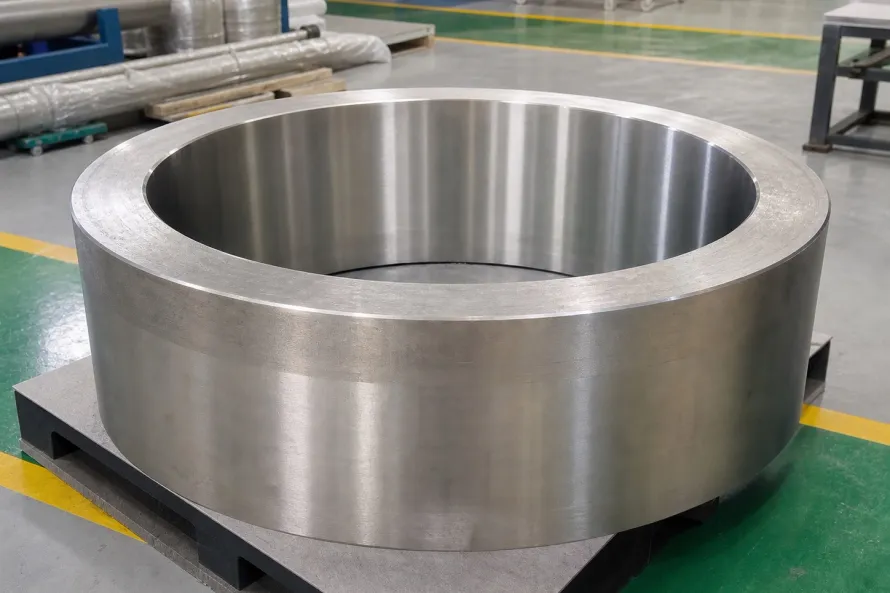
Large titanium forging ring on a clean factory pallet, showing why high-value titanium parts need item-level identity from parent material through release.
By Jason/ On 11 Jun, 2026

Theseus Shows Why Titanium Buyers Need a Material-to-Part Identity File

DUST Identity's 2026 launch of the Theseus aerospace authentication platform is not only a counterfeiting story. For titanium buyers, it is a clear signal that the industry is moving beyond paper-only traceability toward evidence that binds the physical material, the processing record and the release document to the same part identity.AIN reported that Theseus was introduced at Titanium Europe 2026 in Toulouse and combines physical diamond-particle markers with AI-assisted verification of airworthiness documents. The reported pilot tracked titanium bar stock from French specialty metals mill Aubert & Duval through distribution and machining to delivery at Airbus, with certificates of conformity and test data attached to the same digital record. That matters because titanium supply risk is no longer only about whether the alloy is available. The harder question is whether the same piece of material can be followed through cutting, machining, inspection, subcontract processing, document handoff and receiving inspection without the record becoming detached from the metal. Why Paper Alone Is No Longer Enough Titanium already carries a document burden. A buyer may request a mill test report, certificate of conformity, heat number, purchase order, packing list, inspection report and customer-specific release document. In aerospace and high-value industrial work, the packet may also include FAA 8130-3, EASA Form 1, first-article records, nonconformance closure and repair history. The weakness is not that documents are useless. The weakness is that documents can be separated from the product they describe. The 2024 FAA investigation into titanium parts with falsified quality documentation on Boeing and Airbus aircraft showed the commercial problem plainly: even when testing later indicated that the alloy itself was correct, the missing trust in the paperwork forced quarantine, removals, airworthiness review and costly supplier investigation. Theseus does not solve every case. AIN noted that the platform can authenticate enrolled parts, not components that were never marked and registered. But the direction is important. The industry's trust model is shifting from "the paper says this part is traceable" to "the part itself can prove which record belongs to it." The Titanium Mechanism Behind The News Titanium products are exposed to identity drift because one starting form can become many downstream items. A bar may be cut into blanks. A billet may be machined into rings, bushings or fastener bodies. Plate may become cut blocks, brackets, fixtures or pressure-boundary parts. Tube may be cut, bent, welded or assembled into a heat-exchanger or chemical-service component.At each split, the buyer needs more than a copied certificate. The identity chain should show which heat or lot entered the route, which piece was created, what processing occurred, which inspection records belong to that piece and what final release document follows it into the next organization. This is where Theseus is commercially useful even for buyers that do not adopt that specific platform. It names the missing layer: physical product identity must survive the handoff from raw stock to finished part. For titanium exporters, processors and distributors, that makes traceability a product feature, not an administrative afterthought. The Material-to-Part Identity File A practical buyer response is a material-to-part identity file. It is not a replacement for an MTR or a certificate of conformity. It is the bridge that proves the MTR, traveler, inspection record and shipment document still describe the exact item being released.Evidence layer Buyer question Titanium records to requestMaterial entry Which heat, lot, grade and product form started the route? MTR, heat number, alloy grade, product form, dimensions and incoming inspection statusPhysical identity How is the material or part identified after receipt? Permanent mark, tag, barcode, photo record, sealed package ID or digital identity referenceSplit record What happens when bar, billet, plate or tube is cut into multiple items? Cut plan, traveler, piece count, remnant control, new IDs and link back to the parent heatProcess route Which operations changed the material state? Machining, heat treatment, forming, welding, NDT, surface treatment and subcontractor recordsDocument link Which documents belong to this exact item? MTR, certificate of conformity, inspection report, FAA 8130-3, EASA Form 1 or customer release packet when applicableReceiving check Can the buyer verify the identity at the dock? Packing list match, label check, visual record, dimensional spot check and document cross-checkException control What happens when a mark, tag or document does not match? Quarantine rule, nonconformance report, deviation approval, replacement record and customer noticeThe file should follow the product, not only the supplier. A supplier name can stay the same while a lot changes, a subcontractor changes, a drawing revision changes or a shipment is split. The buyer's risk sits at the item level. What Buyers Should Ask Now For titanium bar, billet and forging buyers, the first question is how parent material becomes piece-level identity. If one lot becomes twenty blanks, each blank needs a visible link back to the parent material and to its own processing record. For plate, sheet and tube buyers, the risk is often in cutting, packing and document handoff. A clean package should show which sheet, cut block or tube bundle belongs to which certificate and whether any remnant or substitute material entered the shipment.For machined titanium component buyers, the strongest request is a route-level packet: material identity, drawing revision, machining traveler, special-process records, inspection evidence, release status and packaging record. If the part is aerospace, medical, pressure-service or semiconductor-related, the purchase order should state which release documents must be available before shipment. For distributors, the file is a way to avoid becoming the weak link. When material moves through storage, cutting, repacking and export documentation, the distributor should preserve the link between the physical item and the original certificate instead of relying on a generic stock label. What Not To Overread Theseus is a technology signal, not a universal mandate. Many industrial titanium orders will not need diamond-particle markers, AI document review or aerospace-grade digital thread systems. A chemical plant buyer ordering Grade 2 plate for non-flight use may need disciplined lot traceability, but not the same authentication stack as an MRO receiving flight-critical parts. The lesson is more durable than the tool. Titanium buyers should define where identity can break: at receipt, at cutting, at subcontract processing, at inspection, at packing or at final certificate issue. Then they should decide how much proof the application requires. That keeps the article away from hype. The right question is not whether every titanium part needs a new tag. The right question is whether the buyer can prove, at release time, that the part in the crate is the part described by the records. Buyer Takeaway Theseus matters because it makes a hidden titanium procurement problem visible. The alloy grade can be right while the identity system is weak. A certificate can be real while it is attached to the wrong item. A supplier can be approved while a split lot, outsourced step or repacked shipment creates a new traceability gap. For titanium product buyers, the next level of due diligence is a material-to-part identity file. It should connect material entry, physical identity, split history, process route, document link, receiving check and exception control before the product leaves the supplier. In high-value titanium work, trust is no longer only written on paper. It has to stay attached to the part.

Chemical and Energy
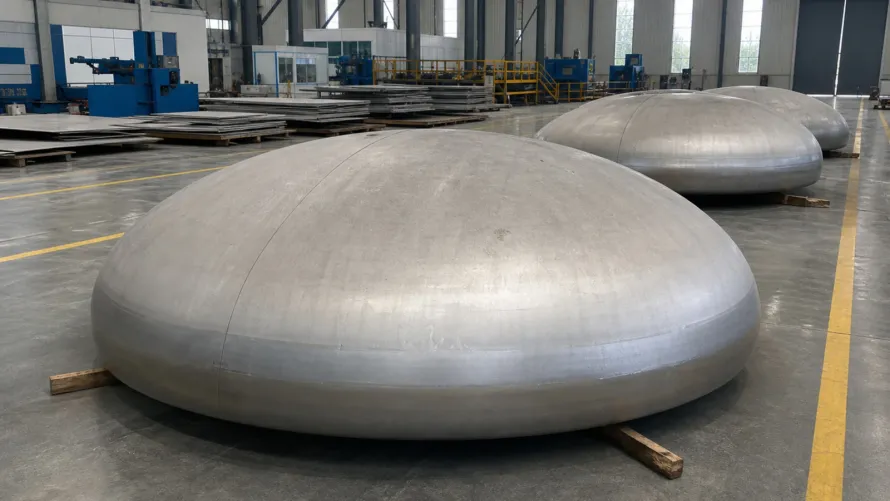
Titanium dished heads staged in a factory, illustrating why pressure-boundary parts need material, forming and pressure-retention evidence.
By Jason/ On 09 Jun, 2026

Momentus' On-Orbit Titanium Tank: Why Pressure Parts Need a Retention Evidence File

Momentus' latest mission update is not a titanium supply announcement. It is not a price signal, and it does not prove that every additively manufactured pressure tank is ready for every buyer. But it does make one point useful for titanium product procurement: pressure-boundary parts should not be judged only by alloy name, drawing shape or manufacturing route. They need a pressure-retention evidence file. On June 8, 2026, Momentus said its Vigoride 7 Orbital Service Vehicle had transitioned into hosted payload mission operations after launching on SpaceX Transporter-16. In the same update, the company said a titanium pressure tank designed by Momentus and manufactured using Velo3D's advanced 3D metal printing technology was meeting current mission objectives and demonstrating stable pressure retention throughout on-orbit operations. Momentus also said the tank is designed to carry propellant for satellite propulsion systems. An earlier Momentus release on January 5, 2026 said the tank was scheduled for flight testing aboard the Vigoride-7 mission and was produced in collaboration with Velo3D.For titanium buyers, the important word is not "space." It is "retention." A tank, tube assembly, welded shell, forged ring, flange, fitting or custom pressure component can look correct and still fail the buyer's real requirement if the pressure boundary, inspection route and release record are incomplete. The harder the application, the less useful a generic material statement becomes. A pressure part is not just a shape Titanium pressure parts carry several identities at the same time. They are material objects, usually defined by grade, chemistry, heat, batch and certificate. They are also formed or machined objects, defined by wall thickness, radius, weld edge, port geometry, surface finish and tolerance. Finally, they are service objects, defined by medium, pressure cycle, cleanliness, leakage limit, temperature, installation load and inspection acceptance. The Momentus update matters because it points to the third identity. The company did not merely say a titanium tank existed. It said the pressure tank was demonstrating stable pressure retention during on-orbit operations. That shifts the buyer question from "what is the alloy?" to "what evidence proves the pressure boundary will hold under the intended use?" That question applies well beyond spacecraft. Chemical processing vessels, heat-exchanger headers, marine systems, energy equipment, vacuum chambers, titanium pipe spools and specialty cylinders all create the same evidence problem. A buyer may order a product form, but the application buys a retained boundary.What a pressure-retention evidence file should include The useful file is not a marketing brochure and not a pile of unrelated certificates. It is a compact record that ties the part's material route to its pressure boundary and release condition.Evidence item What the buyer is trying to verifyMaterial identity Grade, heat number, chemistry, mechanical properties and certificate traceability match the order.Pressure-boundary definition Drawing, wall thickness, radius, ports, weld edges, sealing faces and allowed deviations are clear.Manufacturing route The file states whether the part is formed, welded, machined, forged, additively manufactured or built through a mixed route.Heat treatment or post-processing Stress relief, HIP, annealing, machining allowance, surface finishing or cleaning steps are recorded when relevant.Dimensional inspection Critical geometry that affects sealing, fit-up, wall margin or assembly load is measured and documented.NDE and leak evidence Ultrasonic, radiographic, dye penetrant, pressure, helium leak or other acceptance tests are aligned with the real service risk.Cleanliness and surface condition The surface and internal cleanliness are suitable for the medium, welding, assembly and downstream use.Interface control Flanges, fittings, threads, ports, gaskets, weld necks and mating parts are tied to the actual assembly boundary.Release and change control The supplier defines what changes require re-approval, including route, material source, heat treatment, pressure test or inspection plan.The key is connection. A certificate without geometry is incomplete. A pressure test without material traceability is incomplete. A drawing without inspection evidence is incomplete. For titanium pressure parts, the file should show how the material became the pressure boundary and how that boundary was released.Route claims need release evidence The Momentus example is also a useful reminder about manufacturing-route language. Buyers often hear route claims such as "printed," "forged," "welded," "seamless," "machined from billet" or "formed from plate." Those words matter, but none of them replaces release evidence. An additively manufactured tank may need build record, powder or wire traceability, post-processing, HIP status, surface controls, dimensional inspection and pressure testing. A formed titanium head may need plate heat traceability, forming route, thinning check, heat treatment and dimensional review. A welded shell may need weld procedure, welder qualification, weld map, NDE and pressure-test record. A machined fitting may need thread or sealing-face inspection and material certificate linkage. In other words, the buyer should not treat one route as automatically superior. The buyer should ask whether the chosen route has enough evidence for the actual service boundary. A simple, low-risk industrial cover does not need the same file as a flight pressure tank. But the file still needs to match the risk. What buyers should not overread There are limits to the Momentus signal. The update is a company statement about a specific hosted payload on a specific mission. It is not a general approval of all titanium 3D-printed tanks, not a standard for pressure vessels, and not a recommendation for any particular supplier. It also does not replace the buyer's own engineering review, pressure-code obligations, qualification plan or acceptance criteria. The practical lesson is narrower. When a current aerospace mission update highlights stable pressure retention, titanium buyers should translate that phrase into their own procurement checklist. What is the pressure boundary? What evidence proves it? Which route changes would reopen approval? Which inspection records must travel with the shipment? For suppliers of titanium heads, shells, tubes, fittings, flanges and custom pressure components, that is also a content opportunity. A buyer-friendly website should explain quote inputs, pressure-boundary documentation, certificate traceability, inspection options and release records before the RFQ becomes a guessing exercise. The supplier that makes the evidence easy to inspect will look more credible than the supplier that only says "Grade 2" or "Ti 6-4" and waits for the buyer to ask the hard questions. Public sources checked: Momentus June 8, 2026 mission update; Momentus January 5, 2026 Vigoride-7 tank release

Ready to Start Your Project?

Get factory-direct pricing on titanium products. No minimum order.

Get a Free Quote
Quick Inquiry