FDA Clearances Show Medical Titanium Is Becoming a Regulatory Evidence Chain
Two recent FDA 510(k) clearances point to a practical shift for medical titanium suppliers: the market is not only asking whether titanium can be made into an implant. It is asking whether the titanium route can be documented through design control, manufacturing validation, inspection, sterilization and regulatory clearance.
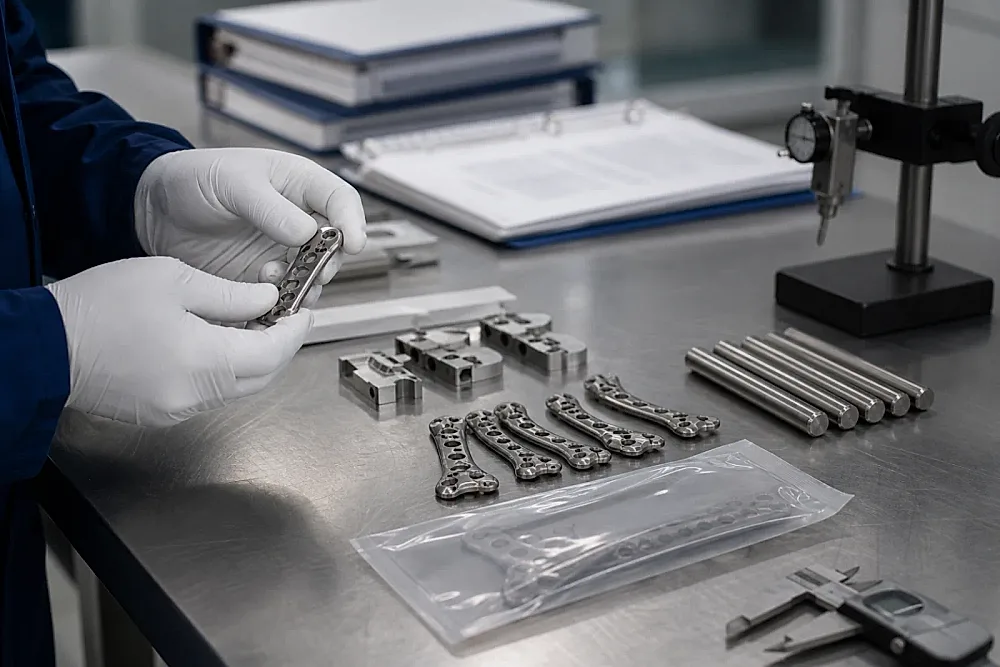
The first signal is CG Bio’s EASYMADE-TI. FDA’s 510(k) database lists the device as a preformed, non-alterable cranioplasty plate under K252251, with a substantially equivalent decision dated April 9, 2026 and a page update on May 4 (FDA). CGBIO said the patient-specific titanium implant is designed from individual CT data for cranial and non-load-bearing craniofacial reconstruction, manufactured from medical-grade titanium alloy by Laser Powder Bed Fusion, and delivered to U.S. hospitals after design work in Korea (CGBIO via PR Newswire).
The second signal is Chest Wall Innovations’ PC Fix System. FDA lists K260411 as a bone fixation plate from Chest Wall Innovations with a substantially equivalent decision dated April 24, 2026 (FDA). The company said the rib fixation system offers both PEEK and titanium implants and supports intrathoracic and extrathoracic surgical approaches (Chest Wall Innovations via PR Newswire).
Neither clearance should be read as a broad forecast for titanium demand. Device clearances are product-specific, and company releases do not reveal material specifications, volumes or supplier chains. The useful industry lesson is narrower but stronger: medical titanium is being evaluated as part of a regulated evidence chain, not as a generic metal category. The same pattern is visible in adjacent segments — see our reads on the aerospace titanium qualification chain and the TITAN-AM additive-manufacturing evidence frame.
Why 510(k) Clearance Matters to Material Suppliers
FDA’s 510(k) overview says manufacturers must submit a premarket notification before introducing certain devices into commercial distribution, and before making significant changes that can affect safety or effectiveness. FDA explicitly includes changes related to design, material, chemical composition, manufacturing process and indications for use in that discussion (FDA).
That wording is important for titanium processors. A supplier may think in terms of grade, shape and price: bar, plate, sheet, machined blank, implant plate, powder or finished component. A device company thinks in terms of whether that material can be defended inside a regulated product file. The same alloy label can carry very different risk depending on powder history, melt route, oxygen control, machining contamination, surface condition, inspection record, cleaning process and packaging workflow.
For conventional medical titanium, the evidence chain usually starts with chemical composition and mechanical properties. For additively manufactured titanium, it expands into powder quality, reuse controls, build parameters, post-processing, dimensional inspection, surface characteristics and validation records. For patient-specific implants, it also includes design data and case-specific workflow. A material that looks acceptable in inventory can still be unsuitable if the records cannot follow it into the device history.
The New Medical Titanium Evidence Chain
The clearest framework for buyers is:
| Evidence gate | What must be traceable | Why it matters |
|---|---|---|
| Material specification | Alloy, grade, chemistry, mechanical data and batch identity | The device file needs more than a commercial material label |
| Manufacturing route | Bar, plate, machining, LPBF, porous structure, heat treatment or finishing path | The route affects repeatability, surface condition and validation burden |
| Design-control record | Patient-specific model, implant geometry, indication and predicate logic | Device clearance depends on intended use and design comparison |
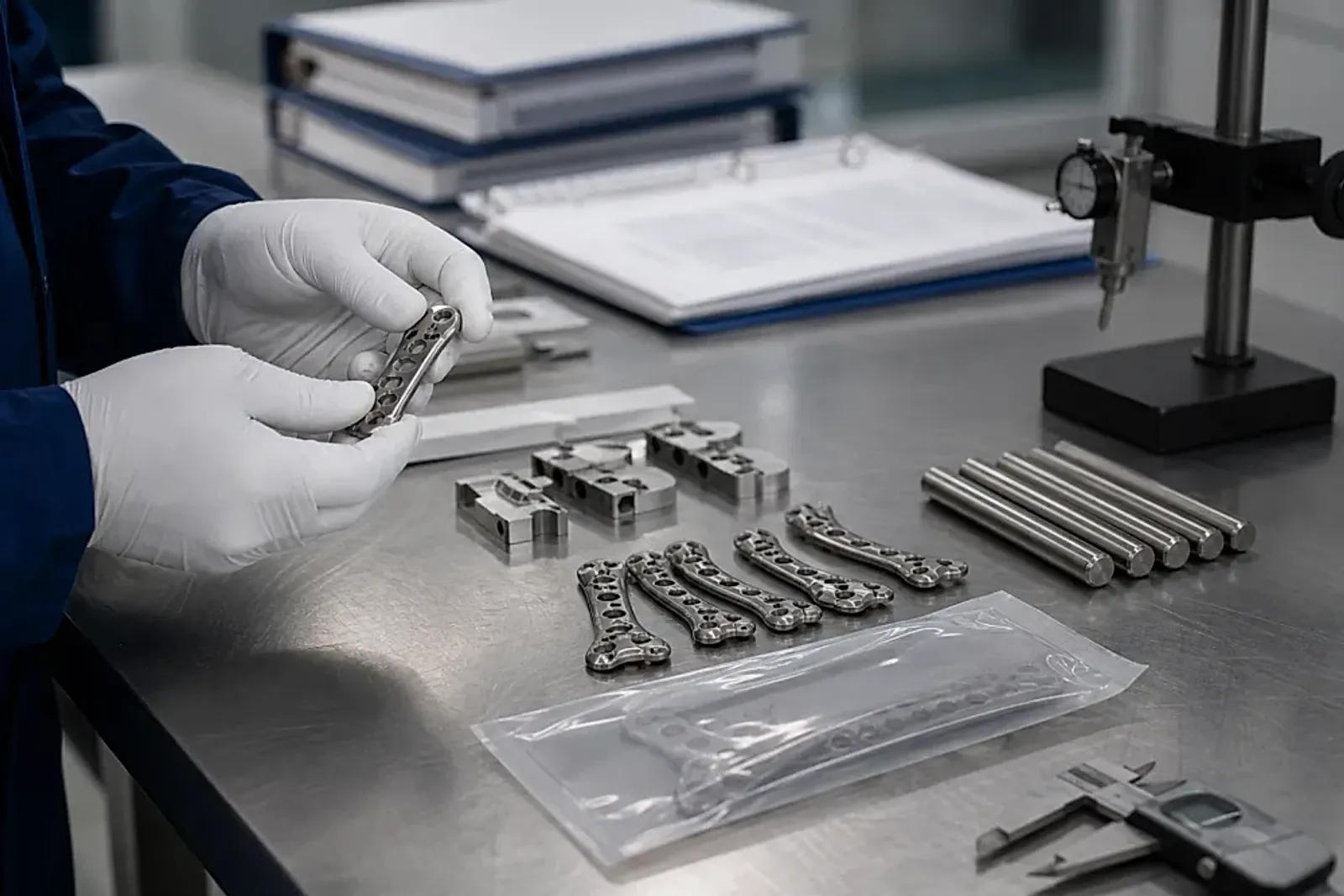
| Inspection and validation | Dimensional checks, mechanical testing, process validation and nonconformance control | Medical buyers need records that can withstand audit and review |
| Sterilization or hospital-use workflow | Cleanliness, packaging, sterilization responsibility and delivery timing | A finished implant is not usable until the clinical workflow can accept it |
| Regulatory fit | 510(k), predicate device, product code and indications for use | Regulatory clearance is tied to the specific device and use case |
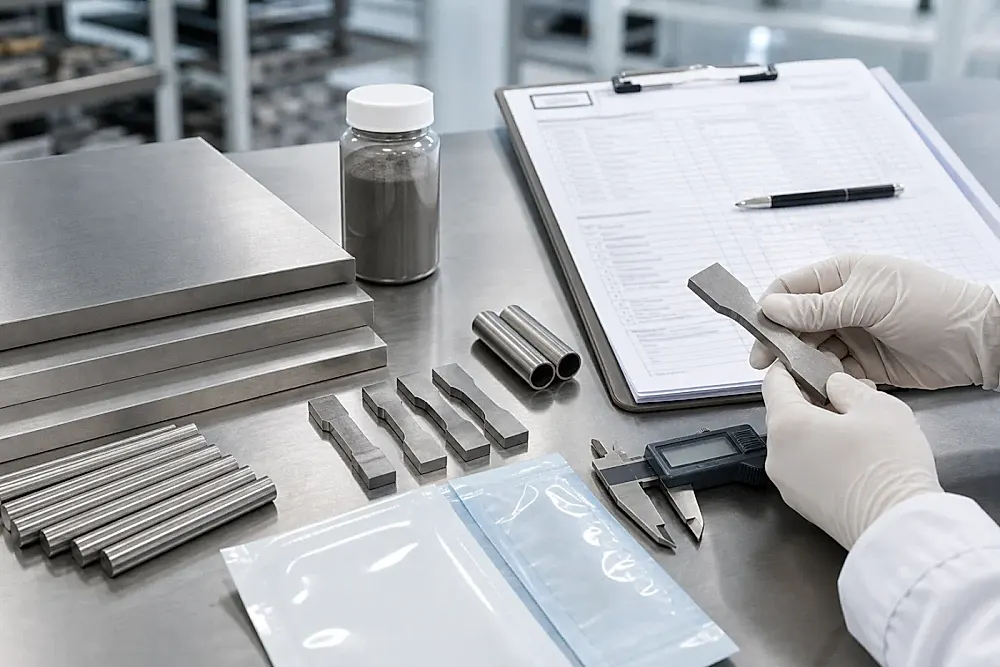
This does not mean every titanium mill product supplier must become a finished-device manufacturer. It does mean suppliers serving medical customers should understand where their material evidence enters the customer’s file. A titanium bar for machining spinal or trauma components, a plate blank for cranial reconstruction, and Ti-6Al-4V ELI powder for LPBF implants all face different documentation questions.
LPBF Changes the Supplier Conversation
EASYMADE-TI is especially useful because it shows how additive manufacturing changes the buyer conversation. The company describes a process in which patient CT data leads to a customized design, LPBF produces the titanium implant, and the product is delivered for hospital sterilization and use. In that workflow, the titanium supplier is no longer selling only a material input. The material route touches design, geometry, process repeatability, cleaning, inspection and logistics.
For titanium powder suppliers, this raises the evidence bar. Buyers may ask about particle-size distribution, chemistry, flowability, oxygen pickup, powder handling and reuse policy. For machining suppliers, the equivalent questions may involve lot traceability, coolant control, burr removal, surface finish and inspection records. For plate or bar suppliers, the focus may be grade conformity, ultrasonic inspection, mechanical tests and clean packaging.
The common thread is that medical titanium must be document-ready before it is product-ready.
Titanium Also Competes by Use Case
The PC Fix clearance adds a second lesson: titanium is not always the only material story. Chest Wall Innovations highlights a system that includes both PEEK and titanium implants. That matters because medical-device material choice is often a trade-off between strength, stiffness, imaging behavior, surgical approach and clinical use case.
For titanium suppliers, the conclusion should not be that titanium automatically wins. The better conclusion is that titanium must be supported by the right evidence for the right indication. When rigid fixation, durability or established orthopedic use matters, Gr.5 / Gr.23 Ti-6Al-4V ELI can be attractive. When imaging visibility or elasticity is a stronger design requirement, alternative materials may be considered. The supplier that can explain titanium’s role within the device’s use case will be more credible than the supplier that treats biocompatibility as a complete sales argument.
What Export Titanium Suppliers Should Prepare
Export suppliers serving medical customers should build documentation around the customer’s regulated workflow, not around a generic product catalog. The useful question is not “Do we have medical-grade titanium?” It is “Can our titanium record be inserted into a device manufacturer’s design, validation and regulatory system without creating gaps?”
That means clear batch traceability, stable material specifications, test reports that match the requested standard, documented processing history, controlled finishing via contract machining, inspection records, contamination controls and realistic lead times. For LPBF-related supply, powder handling evidence becomes central. For machined or plate-based implants, surface condition, dimensional control and cleaning routes matter more.
The recent FDA clearances do not prove a sudden boom in every medical titanium product. They do show why the high-value part of the market is moving toward evidence-rich supply. In medical devices, titanium is not just a metal that performs well in the body. It is a material that must remain traceable through design, manufacturing, validation and regulatory review. Suppliers that can support that chain will be easier for serious medical-device buyers to qualify.
Related Products & Services
- Special titanium alloys (Gr.5 / Gr.23 / Ti-6Al-4V ELI) — ASTM F136 / ISO 5832-3 medical-grade reference
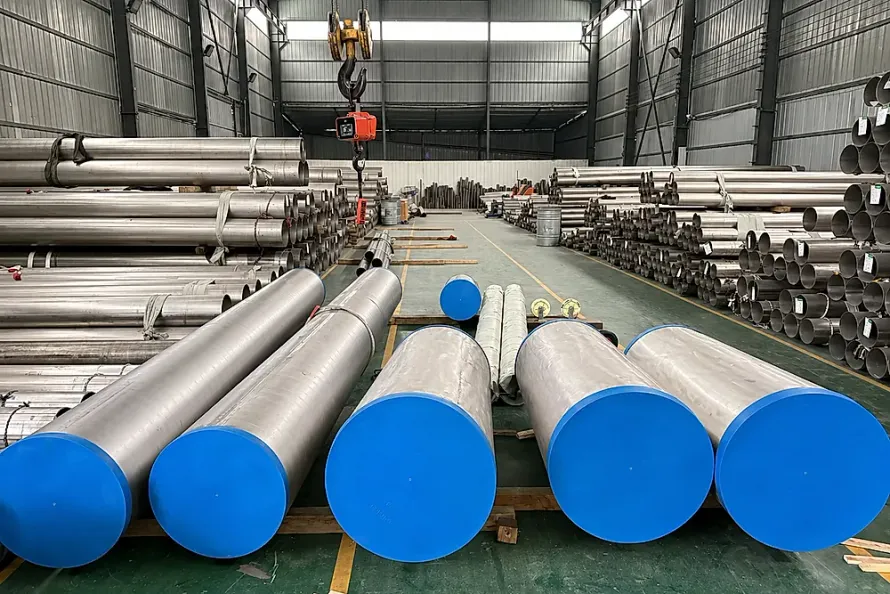
- Titanium bar / rod — machining stock for spinal, trauma and cranial components, ASTM B348 traceability
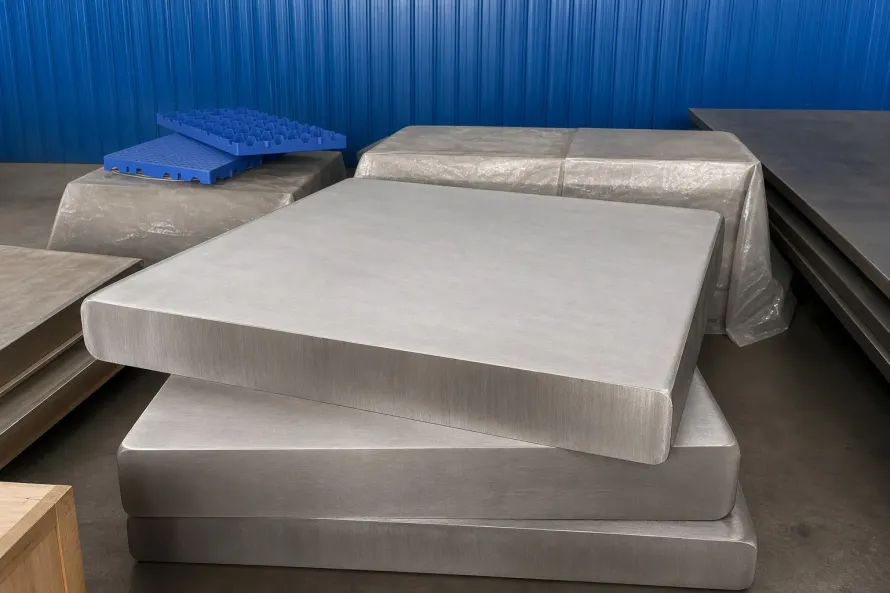
- Titanium sheet & plate — plate blanks for cranioplasty and bone fixation
- Titanium forgings — near-net forge stock for orthopedic and trauma applications
- Titanium wire — feedstock for AM and surgical-wire applications
- Contract machining services — finish machining, dimensional verification, controlled-finish delivery for implant blanks
- Titanium industry news — ongoing tracking of medical, aerospace and chemical titanium qualification chains
FAQ
# Why does medical titanium need more than alloy-grade documentation?
# What is a medical titanium evidence chain?
# How does LPBF change titanium implant supplier requirements?
# Does FDA 510(k) clearance prove a titanium implant is clinically superior?
# What should export titanium suppliers prepare for medical-device buyers?
Need this material? Get a factory-direct quote.