Titanium Medical Implants, Spring 2026: Two FDA Clearances, a $7.72B Market, and the Real ISO 13485 Bottleneck
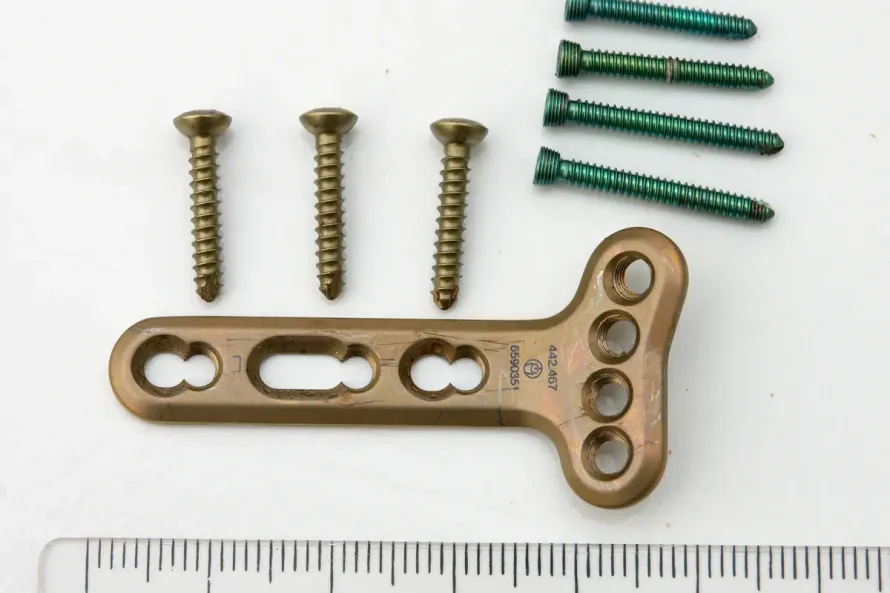
January 26, 2026: Spine Innovation’s LOGIC expandable titanium interbody fusion cage clears FDA 510(k). March 18: Spinal Elements’ Ventana A titanium ALIF clears FDA 510(k) and completes its first procedures in Texas. Two 3D-printed titanium spinal implants through the FDA back-to-back inside two months. Pull alongside the same window’s market data: the titanium dental implant market is $7.72B in 2026, with titanium taking 90.99% of dental implant share globally (93% in the US), and the spinal plus orthopedic markets together consume more titanium than dental.
Lay all of that on the table and one read becomes hard to avoid: the medical titanium market is not growing slowly, it is accelerating into spring. But acceleration is not unambiguously good news on the supply side. It widens the gap between mills that can “make medical titanium” and mills that can “make compliant medical titanium.”
Why spring 2026 marks the inflection point for Ti medical implants
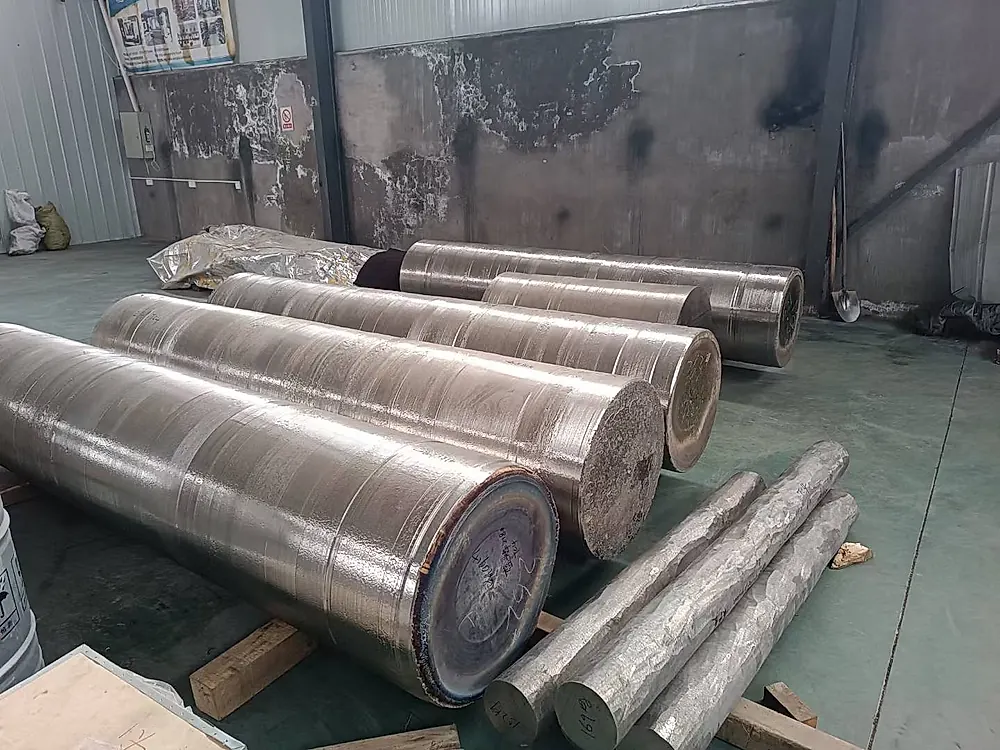
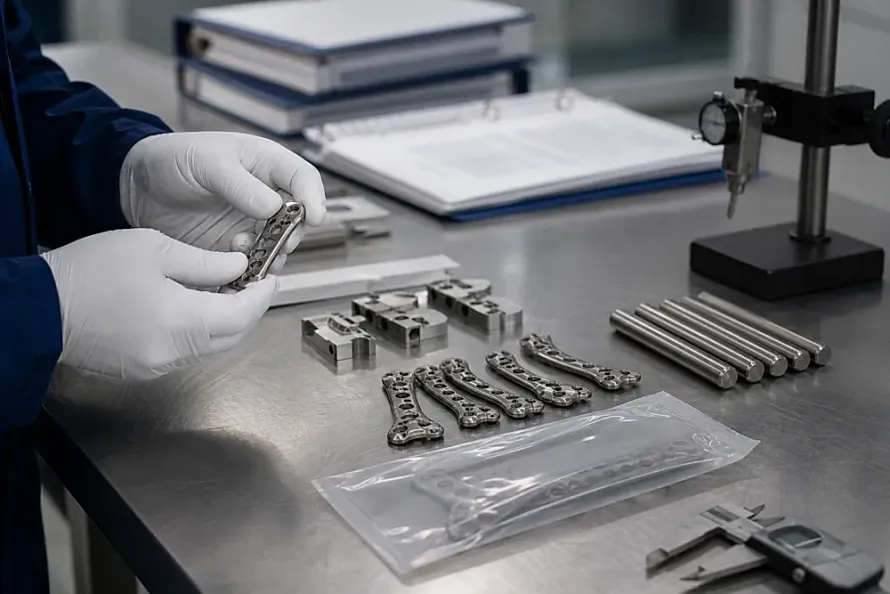
Open up the two spring 2026 510(k) filings and the same technology path runs through both: 3D-printed (laser powder bed fusion, LPBF) porous titanium lattice structures. Spinal Elements’ Ventana A is a hinged titanium ALIF with a porous zone for bone ingrowth; Spine Innovation’s LOGIC uses an OsteoSync Ti pure-titanium lattice with 250,000+ patients implanted since 2014.
That technology path moved from “exploration” to “mainstream” over the last five years. The US logged 650,000 cumulative spinal fusions through 2025, with 3D-printed titanium implant penetration climbing from 12% in 2020 to 38% in 2025 — and projected to hit 60% by 2028. The spring’s two clearances are not isolated events. They are the cadenced output of a supply side rolling new product through a path that has already stabilized.
The dental angle is even steeper. Titanium runs at 90.99% of North American dental implant share (with most of the rest being yttria-stabilized zirconia), and global aging plus expanding private dental insurance lock the market into 4–5% annual growth. The absolute size is large: $7.72B in 2026 climbing to a projected $11.03B in 2035. Third-party data shows Japan and South Korea as net importers of medical AM titanium powder — with import volumes rising every year since 2024.
That is the real market picture: porous-titanium 3D printing on the spinal end + premium dental implant abutments + trauma and joint orthopedics — three tracks placing long, stable orders against medical-grade titanium powder, wire and bar simultaneously.
The real supply-side bar: ISO 13485 plus Gr.23 ELI spherical powder
The supply side of this curve is far narrower than the demand picture suggests. Feeding raw titanium into FDA-cleared medical devices means clearing at least three layers of qualification:
Layer one is materials. Ti-6Al-4V ELI (Extra Low Interstitial) to ASTM F136 / ISO 5832-3, with oxygen ≤0.13%, iron ≤0.25%, nitrogen ≤0.05% — already a tighter spec than aerospace Ti-6Al-4V Gr.5. Gr.23 ELI powder destined for LPBF then layers on more constraints: 15–53 μm particle size, sphericity ≥98%, Hall flow ≤30 s/50g, satellite particle fraction ≤2%.
Layer two is the management system. ISO 13485 medical device QMS certification — an 18-to-24-month audit cycle, annual surveillance, full lot retention and traceability. Globally, no more than 25 mills can reliably supply medical-grade Ti-6Al-4V ELI bar, and no more than 15 can reliably supply Gr.23 ELI spherical powder — the single tightest bottleneck in the chain.
Layer three is documentation. FDA 21 CFR Part 820 (QSR) plus the full DMR/DHR traceability package. If the customer also files for EU registration, the EU MDR compliance chain stacks on top. None of this is a product-capability question. It is a system maturity question. Moving a titanium mill from industrial-grade to medical-compliant typically takes 36 to 48 months of system buildout.
Stack the three layers and the conclusion is clean: the dividend from medical titanium expansion will not be evenly shared across all mills. It will concentrate among the few suppliers already past the bar, and pricing power for those suppliers will continue to strengthen from 2026 through 2030.
What the medical supply picture looks like from Titanium Valley
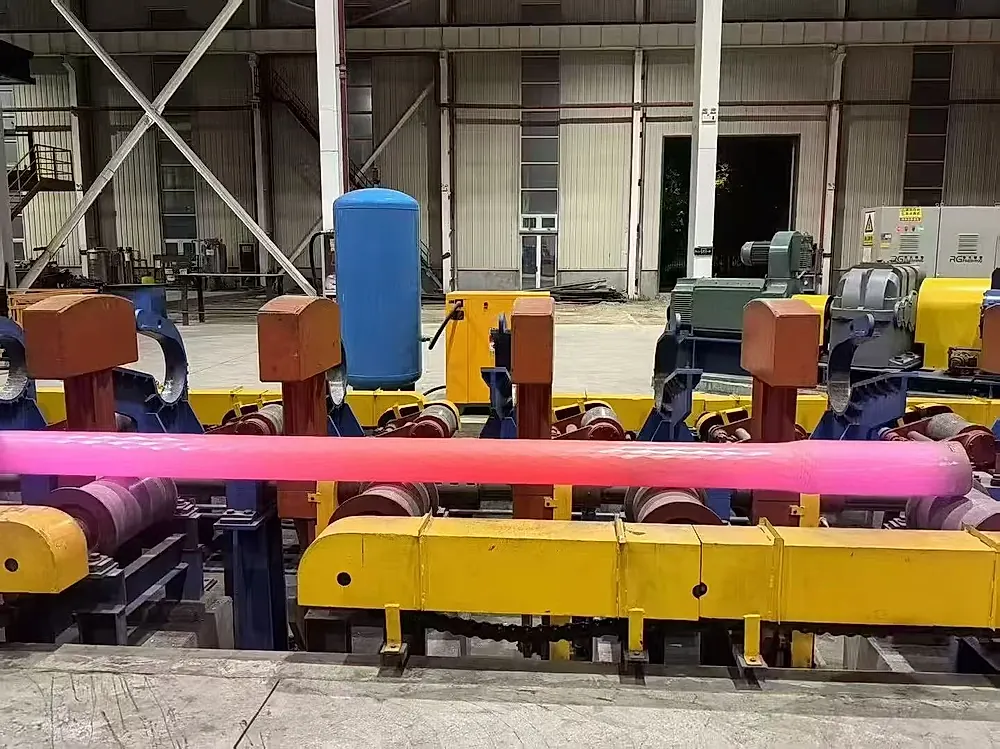
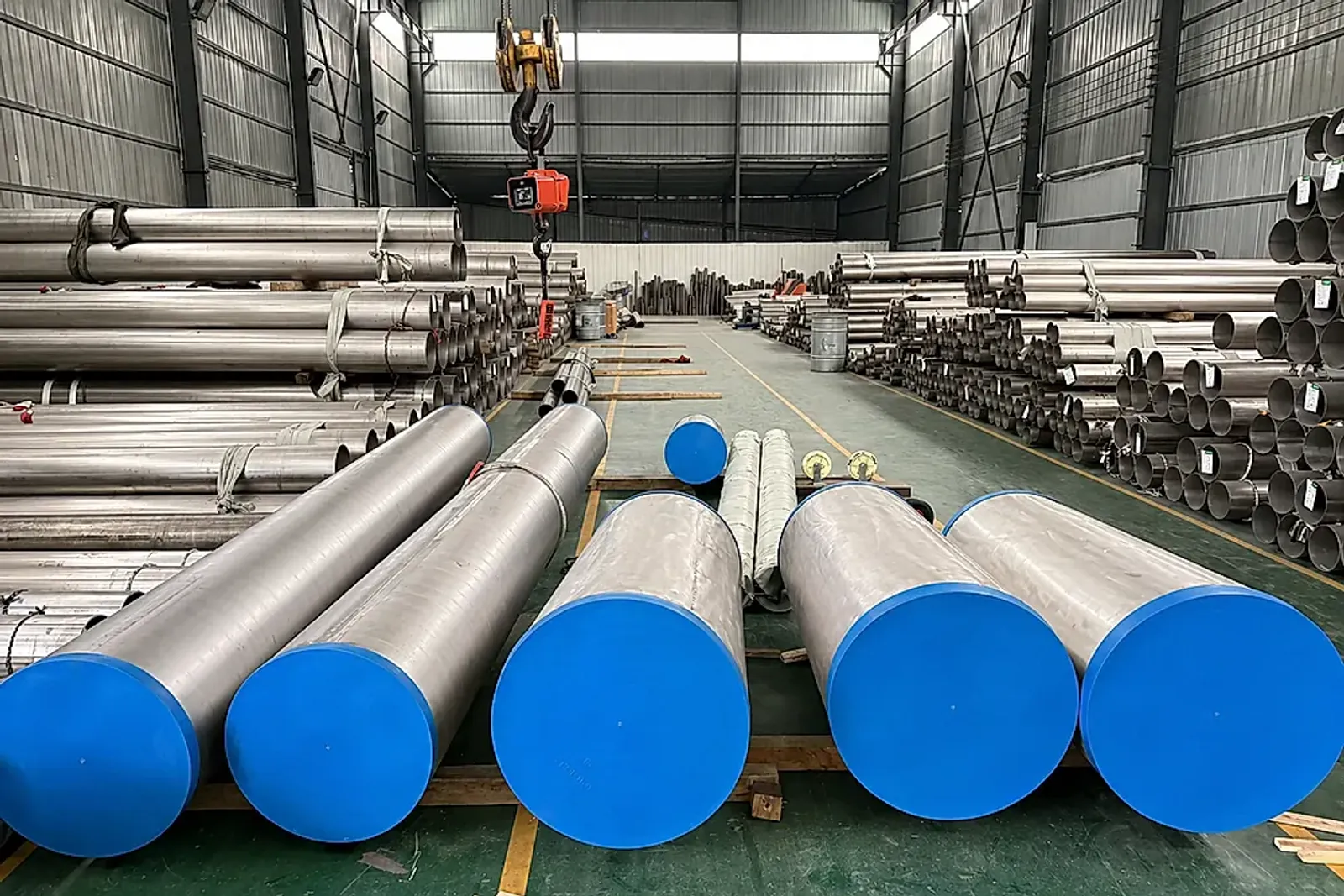
Our medical titanium supply picture out of Baoji (China’s Titanium Valley):
- ISO 13485 partner mills: 2. Both have cleared SGS third-party audit and run a full annual surveillance cycle inside our cooperative quality system
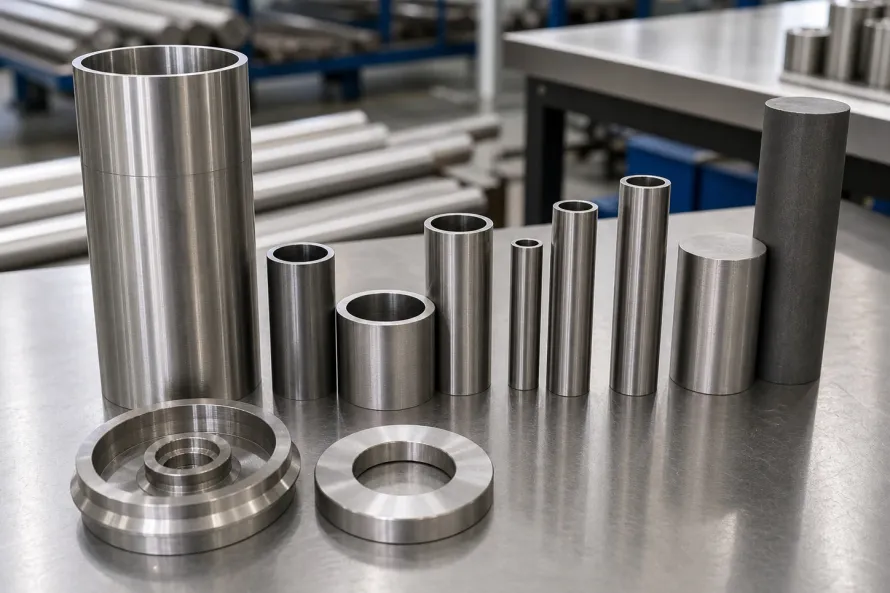
- Medical feedstock coverage: Ti-6Al-4V ELI (Gr.23) bar and wire, CP Ti (Gr.4) orthodontic wire, and Gr.23 ELI spherical powder
- Stable customer pattern: a Korean medical device customer takes monthly dental-grade titanium feedstock — a steady monthly repeat order produced by a working system, not a one-off transaction
In honest disclosure on this week’s port data: medical device inquiry frequency was slightly soft. The reason is not that the market cooled — it is that medical buyers’ qualification cycles do not move month-to-month, they move on a 6-to-9-month rhythm. The real inquiry wave from spring’s two FDA 510(k) clearances should surface in Q3–Q4 2026.
Once that rhythm is internalized, a counterintuitive reality emerges: medical titanium is a steadily growing but rarely bursty market — a customer that lands signs a 3-to-5-year contract, but the windows to land them are scarce. Mills already on the qualified supplier list compound the benefit. Mills not on the list have a hard time breaking in on short notice.
A checklist for medical device buyers
If you are scoping medical device feedstock procurement for 2026–2028, three items belong at the top of the list:
One — make “ISO 13485 + ASTM F136 / ISO 5832-3 + complete DMR documentation chain” the hard floor of qualified-supplier status. Cost reduction has no business coming out of medical compliance. This is the kind of risk that can send an entire 510(k) submission back through the loop.
Two — write Gr.23 ELI spherical powder PSD, flowability and satellite-particle fraction into the RFQ as entry-level spec. Standard Gr.5 powder is not compliant for medical LPBF — but spec-vague quotes show up in the market all the time. Putting those three numbers into the inquiry template will filter out 60% of unqualified suppliers.
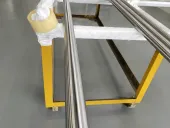
Three — push single-source share below 50%. Medical device supply chain instability rarely comes from materials. It comes from a single supplier losing system certification. Bringing in one qualified mill each from Japan, China and Europe is standard practice under ISO 13485. Stock availability of titanium wire (medical wire) and titanium rod (Ti-6Al-4V ELI bar) belongs in the scoring as a tiebreaker.
What deserves tracking over the next 12 months is not “how many more titanium implants the FDA cleared.” It is “the cadence at which 510(k) holders update their qualified powder and bar suppliers.” That curve decides which titanium mills hold the entry tickets to long-term medical contracts in 2027–2030. Spring’s two FDA 510(k) clearances were the signal. The list updates have already started.
Related Products & Services
- Service → No Minimum Order Quantity Sourcing — qualification-lot channel for medical device samples in the 200–500 kg range
- Product → Titanium Wires — Gr.23 ELI / Gr.4 medical-grade titanium wire for orthodontics and surgical instruments
- Product → Titanium Rods — Ti-6Al-4V ELI medical-grade bar to ASTM F136 / ISO 5832-3
About: Titanium Seller is a supply chain platform based in Baoji, China’s Titanium Valley.
Need this material? Get a factory-direct quote.