DLA Titanium RFI: Building a Surge Buffer Map
The Defense Logistics Agency’s current Titanium Warstopper Request for Information is more useful to titanium buyers than a broad critical-minerals announcement because it asks where a buffer would actually sit. The notice, identified as SP8000_Titanium_RFI, was active on SAM.gov after a July 14, 2026 posting update and requests responses by August 31, 2026. It is market research, not a purchase commitment.
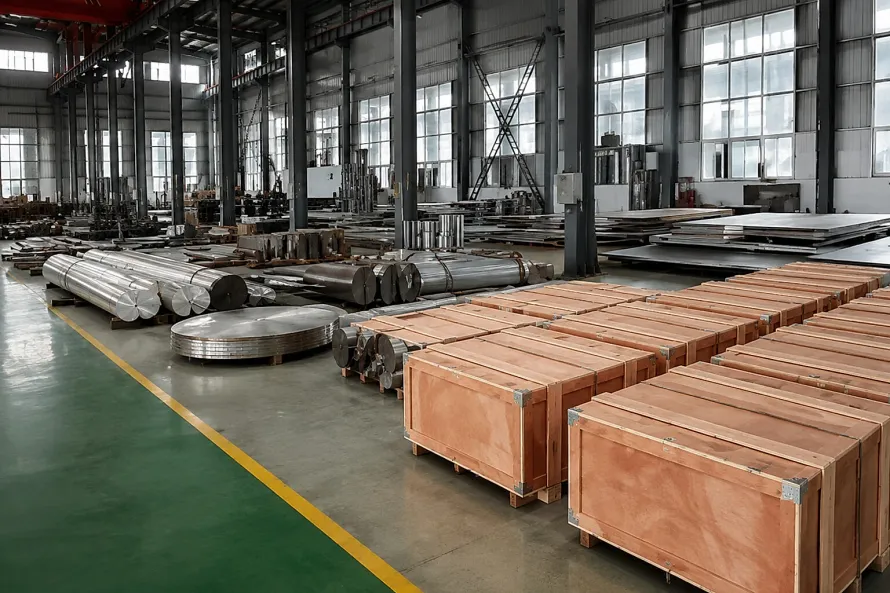
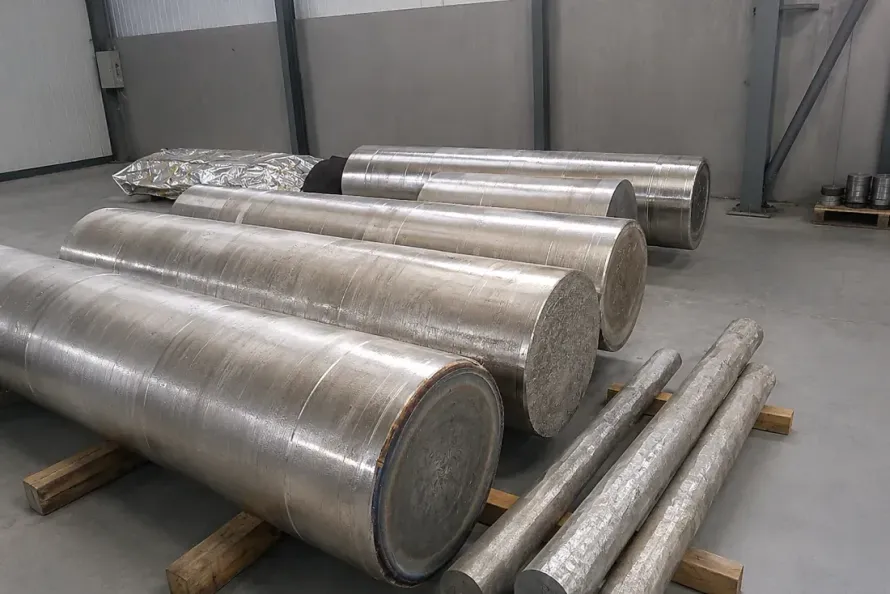
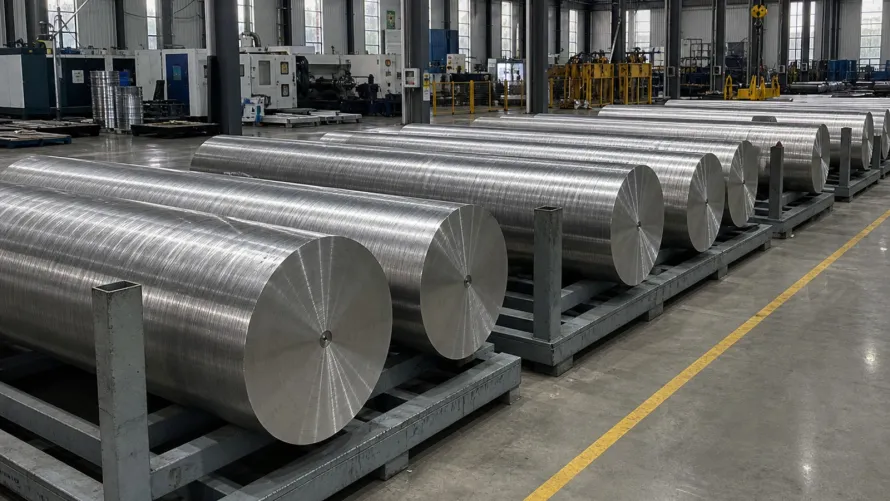
The questions are unusually concrete. DLA asks companies supporting Defense Priorities and Allocations System (DPAS)-rated orders to identify titanium grades and specifications, annual needs, commonly purchased intermediaries such as bar, plate, rounds and sheet, current lead times, five-year demand, internal buffers, manufacturing waste, minimum-buy constraints and products with known surge requirements. That list reveals the mechanism behind industrial readiness: a useful titanium buffer is not a pile of generic metal. It is a map connecting specification, form, time and demand shock.
For suppliers and procurement teams outside U.S. defense, the lesson travels well. Aerospace, energy, medical and chemical-equipment buyers also lose time when inventory exists at the wrong point in the conversion chain. A mill may have ingot while the order needs thin sheet. A distributor may have Grade 5 bar while the drawing requires a different specification, diameter, heat-treatment condition or approval route. A buyer may count finished stock that cannot be reassigned because the certificate, customer approval or dimensional envelope is too narrow.
The RFI Changes the Meaning of “Available”
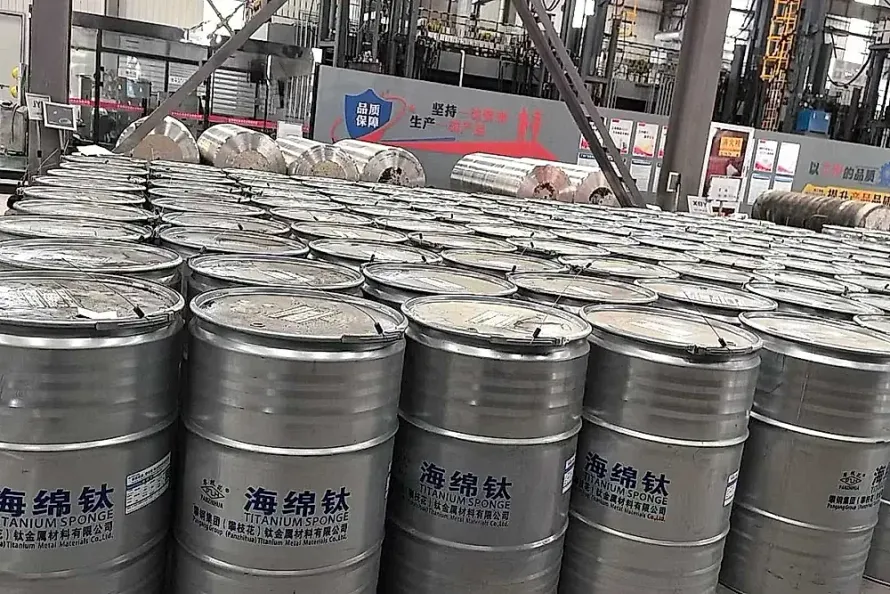
DLA’s own description of the Warstopper Program says it supports consumable surge and sustainment needs where peacetime demand differs sharply from wartime demand and industrial lead times are long. An earlier DLA explanation of the program describes raw-material buffers as a way to preserve flexible upstream material rather than pre-positioning only one finished item, a logic close to a stockpile-to-release evidence view of inventory. The logic is important: moving a buffer farther upstream can serve more end items, but every upstream step adds conversion time and qualification risk.
That creates a three-part availability test.
First, material availability asks whether the alloy and specification are physically present. Second, conversion availability asks whether rolling, forging, tube making, heat treatment, machining and inspection capacity can turn that material into the required form within the surge window. Third, release availability asks whether the resulting lot can carry the test records, material-to-part traceability, certificate language and customer approvals needed for acceptance.
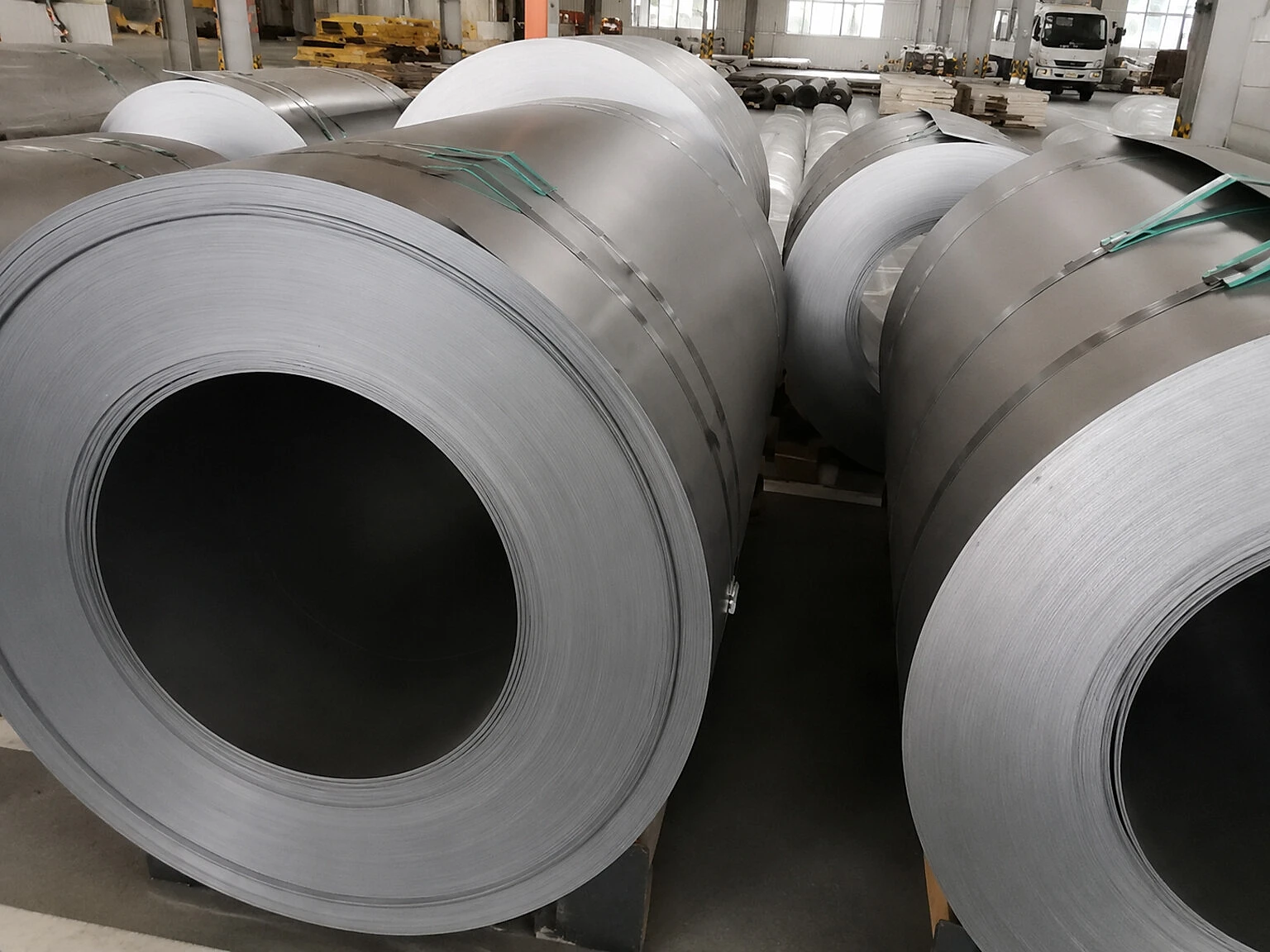
A buffer fails if any one layer is missing. Stocking sponge or ingot does not solve a tube-mill bottleneck. Stocking plate does not solve an unavailable heat-treatment route. Holding finished components does not create flexibility if demand shifts to another drawing or platform. The RFI’s questions about intermediaries, lead times and minimum buys show that buffer design must capture these boundaries before a disruption occurs.
A Demand-to-Buffer Map for Titanium Products
The reusable buyer framework is a demand-to-buffer map. It should be maintained by product family and reviewed whenever demand, route approval or lead time changes.
| Map layer | Evidence to maintain | Decision it supports |
|---|---|---|
| Demand signal | Normal annual use, surge quantity, required response time and priority status | Separates routine inventory from true contingency exposure |
| Specification boundary | Alloy, governing standard, customer specification, delivery condition and approved sources | Prevents a broad grade label from masking a non-interchangeable requirement |
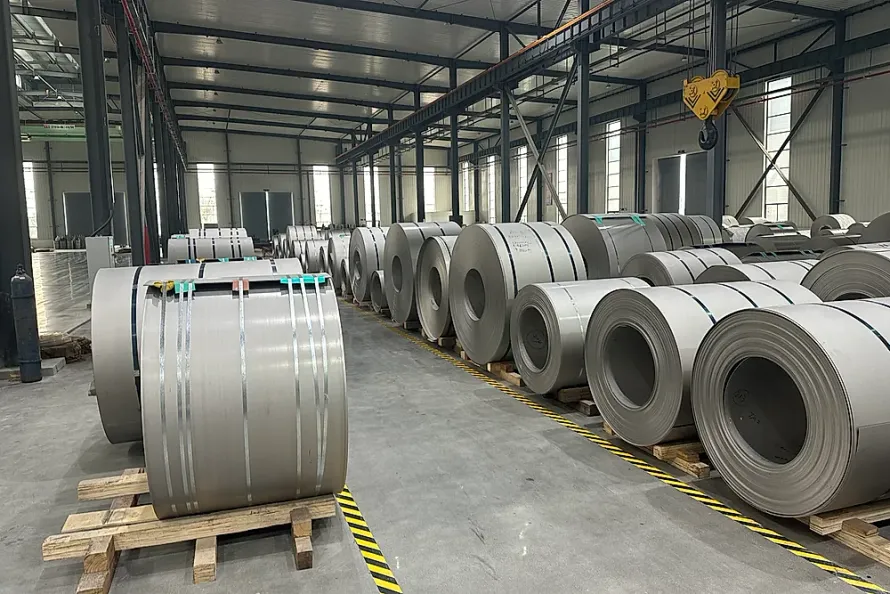
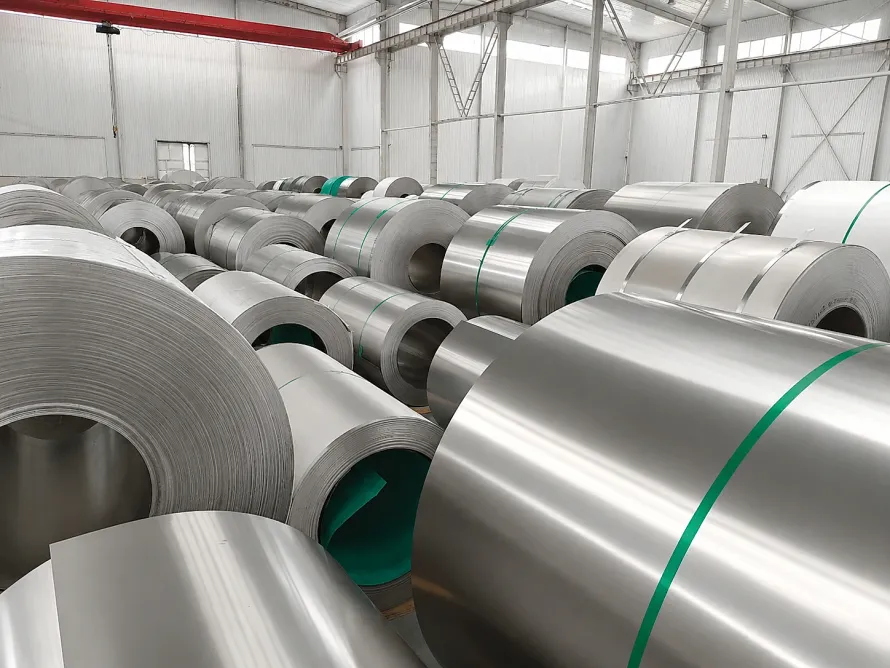
| Intermediary form | Sponge, ingot, billet, slab, bar, round, plate, sheet, coil, tube hollow or near-net preform | Identifies the earliest practical point where flexible stock can be held |
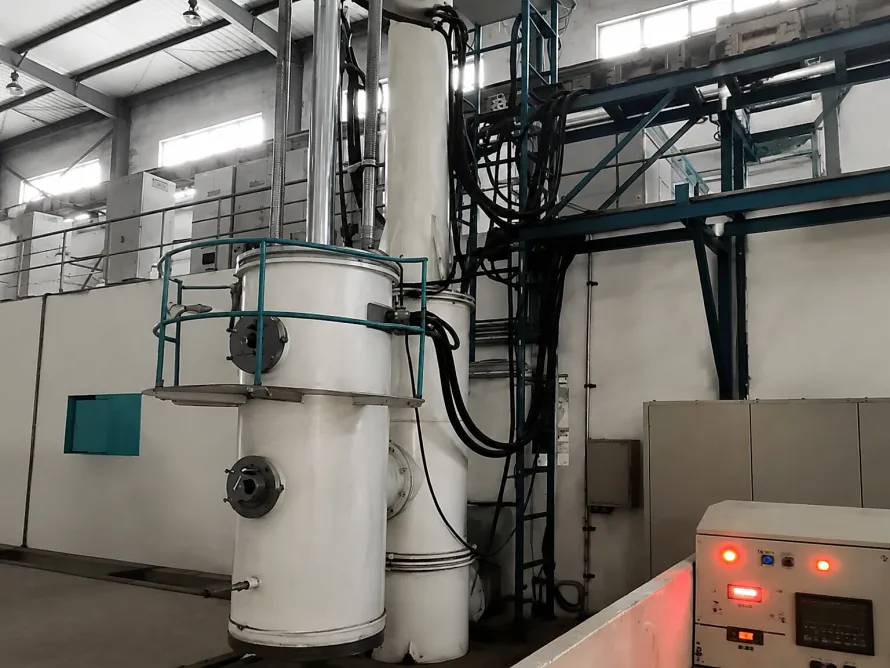
| Conversion path | Melt/remelt, rolling, extrusion, forging, tube making, heat treatment, machining and NDT | Shows which capacity must remain available after the material is released from the buffer |
| Time profile | Replenishment lead time, queue time, test turnaround, transport time and release time | Tests whether the buffer can meet the actual response window |
| Commercial constraint | Minimum buy, economic batch, scrap yield, shelf or condition limit and ownership of excess | Exposes inventory that looks available but cannot be replenished economically |
| Release packet | Heat/lot identity, chemistry, mechanical results, NDT, dimensions, MTR/MTC or CoA and deviations | Confirms that buffered material can become an acceptable shipment |
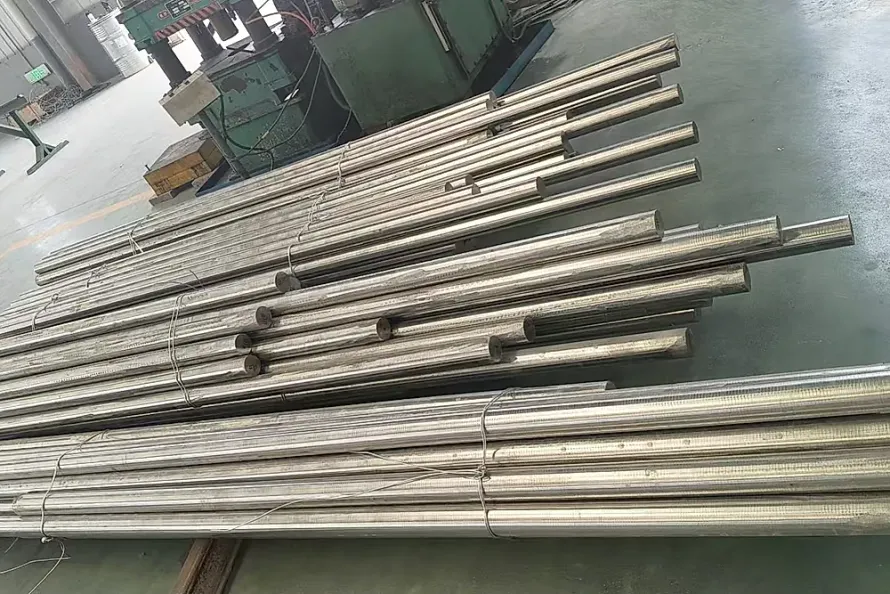
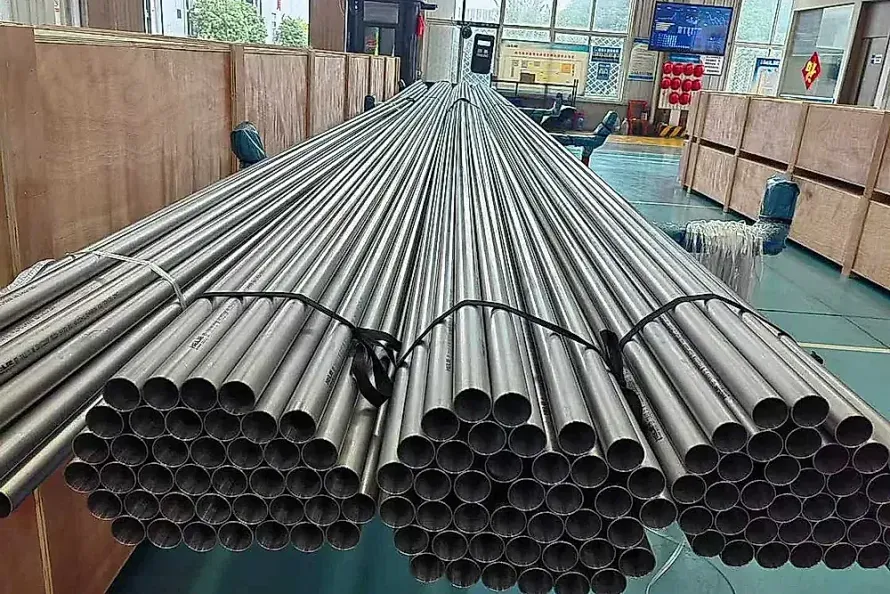
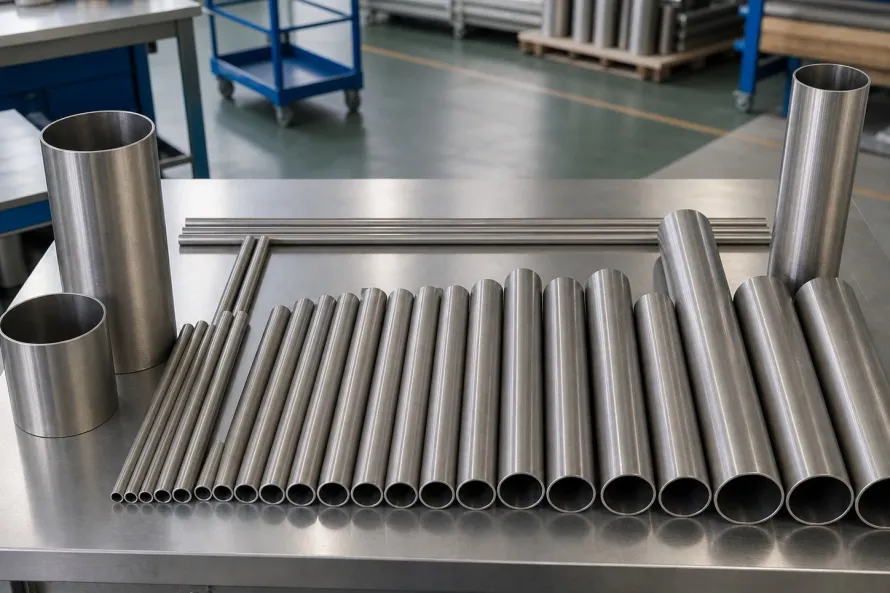
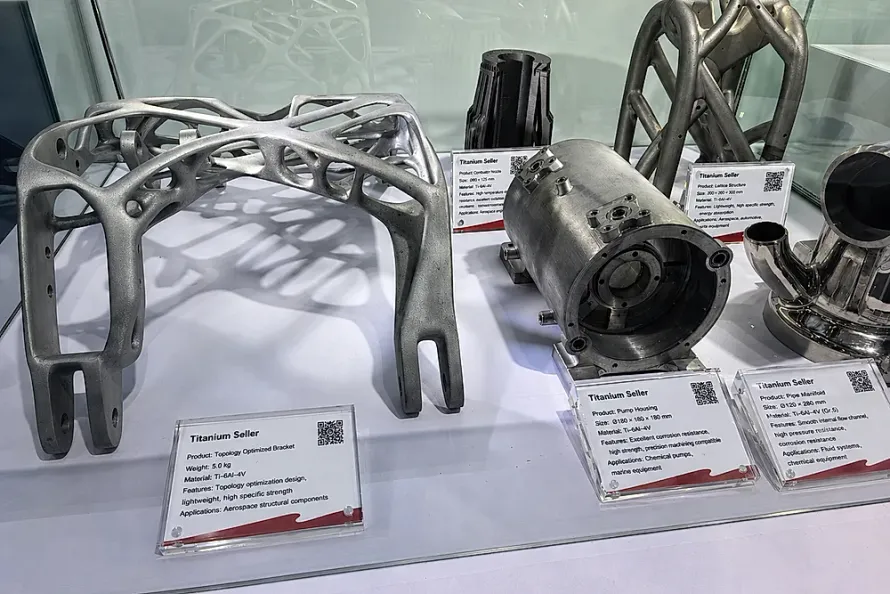
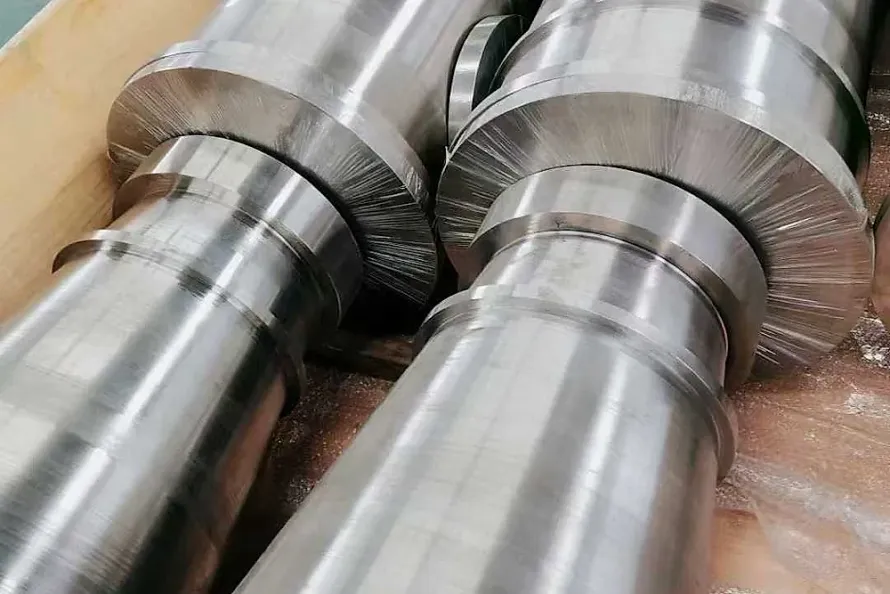
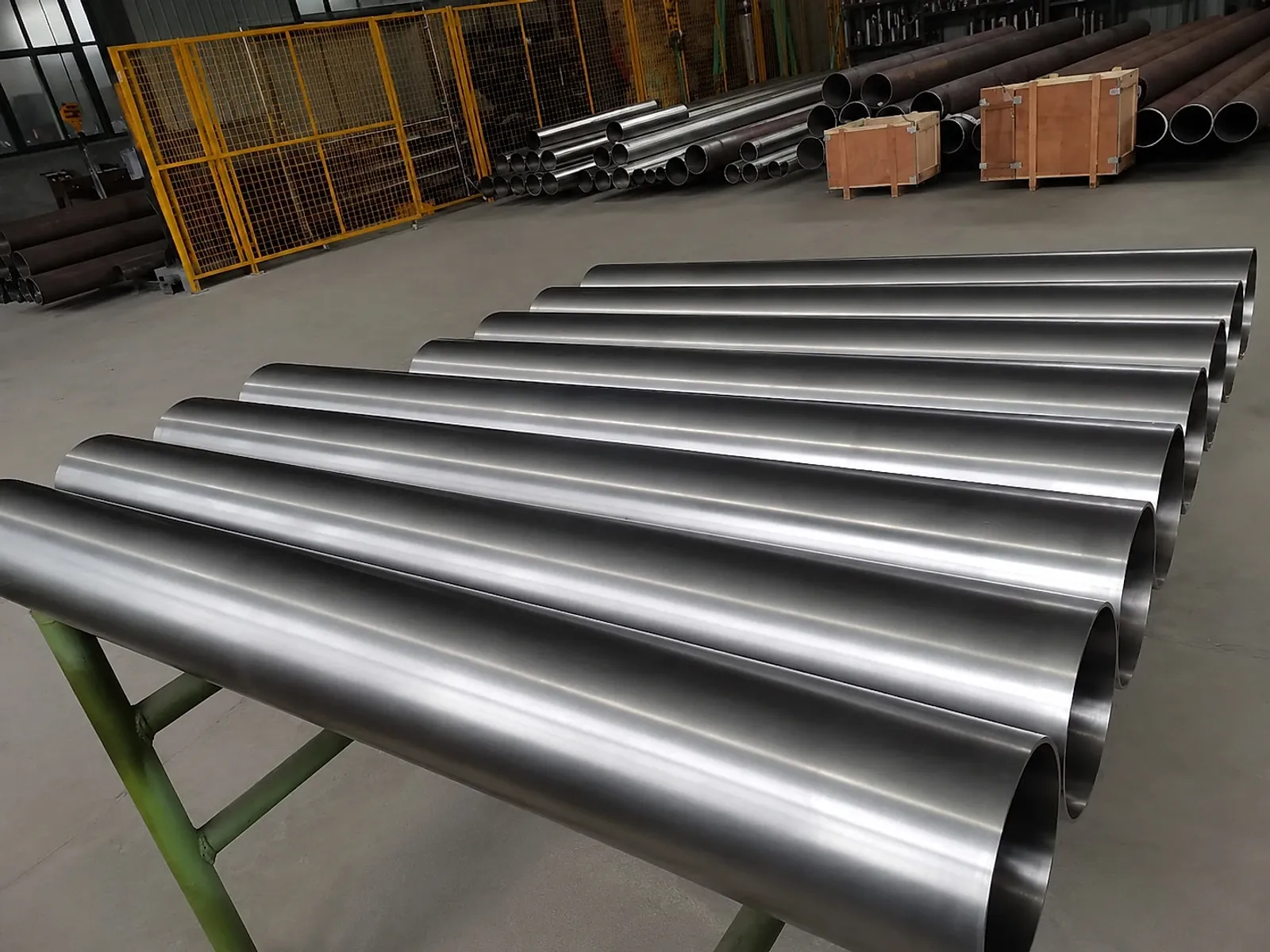
This is different from a stock count. It tells the buyer which form absorbs the most lead time without destroying flexibility. For a family of machined parts, billet or forged blanks may be the right buffer if machining and inspection can surge, provided downstream titanium capacity reservation holds. For thin sheet parts, coil or sheet may be safer if rolling capacity is the long pole. For tubing, hollow, mother tube or finished tube may each produce a different response time and qualification burden.
Minimum Buys and Scrap Are Readiness Variables
The RFI also asks about minimum-buy quantities and manufacturing waste. Those details are often treated as commercial housekeeping, but they affect whether a buffer can be maintained.
A minimum melt, rolling lot or mill order may exceed normal annual demand. If no party owns the excess or agrees how it can be reassigned, the buffer will decay into stranded inventory. Titanium yield also changes by route: heavy machining, forging flash, trimming and offcuts may create recoverable scrap, but the return path depends on segregation, contamination control, chemistry and approved remelt arrangements. Scrap value does not automatically replace certified input at the required time.
Suppliers therefore need two linked records: a material balance showing input, usable output, recoverable scrap and losses; and a replenishment rule showing who triggers the next buy, at what threshold, under which specification and with what lead time. Without those records, a surge buffer can look healthy immediately after purchase and become unusable after the first large release.
What Procurement Teams Should Ask Now
The RFI does not prove that DLA will buy a new quantity of titanium, select a particular buffer location or award a future contract. It does, however, provide a precise checklist for any buyer reviewing resilience claims.
Ask suppliers which specifications and forms they actually buffer; whether that stock is dedicated, shared or subject to another customer’s priority; what downstream processes become the next bottleneck; how quickly certificates and inspection results can be produced; how minimum buys are financed; how scrap is segregated and returned; and what event triggers replenishment. For international purchases, add origin, export-control, tariff-classification and customer-approval boundaries.
The defensible conclusion is narrow. Titanium resilience cannot be measured only in tonnes. It has to be measured in releasable product-form coverage over time. DLA’s RFI makes that logic visible by asking the industrial base to connect grades, specifications, forms, lead times and surge requirements. Buyers who build the same demand-to-buffer map will be better able to distinguish inventory that merely exists from inventory that can still reach an approved product before the required date.
FAQ
# What is the DLA Titanium Warstopper RFI?
# Why is titanium availability more than a stock count?
# Which titanium form should be buffered?
# Why do minimum buys and scrap matter to surge readiness?
Need this material? Get a factory-direct quote.