Titanium Wire Is the Quiet Winner in Additive Manufacturing — From Aerospace WAAM to Dental Orthodontics
Last month, a buyer inquired about Ti-6Al-4V wire. Not for welding. Not for springs. For orthodontic archwires.
That inquiry gave me pause — because the same week, GKN Aerospace announced an $8.4 million joint program with the U.S. Air Force Research Laboratory called TITAN-AM, focused on industrializing laser wire deposition (LMD-w). Meanwhile, Airbus is already series-producing titanium parts for A350 cargo door frame structures using plasma wire-directed energy deposition (w-DED).
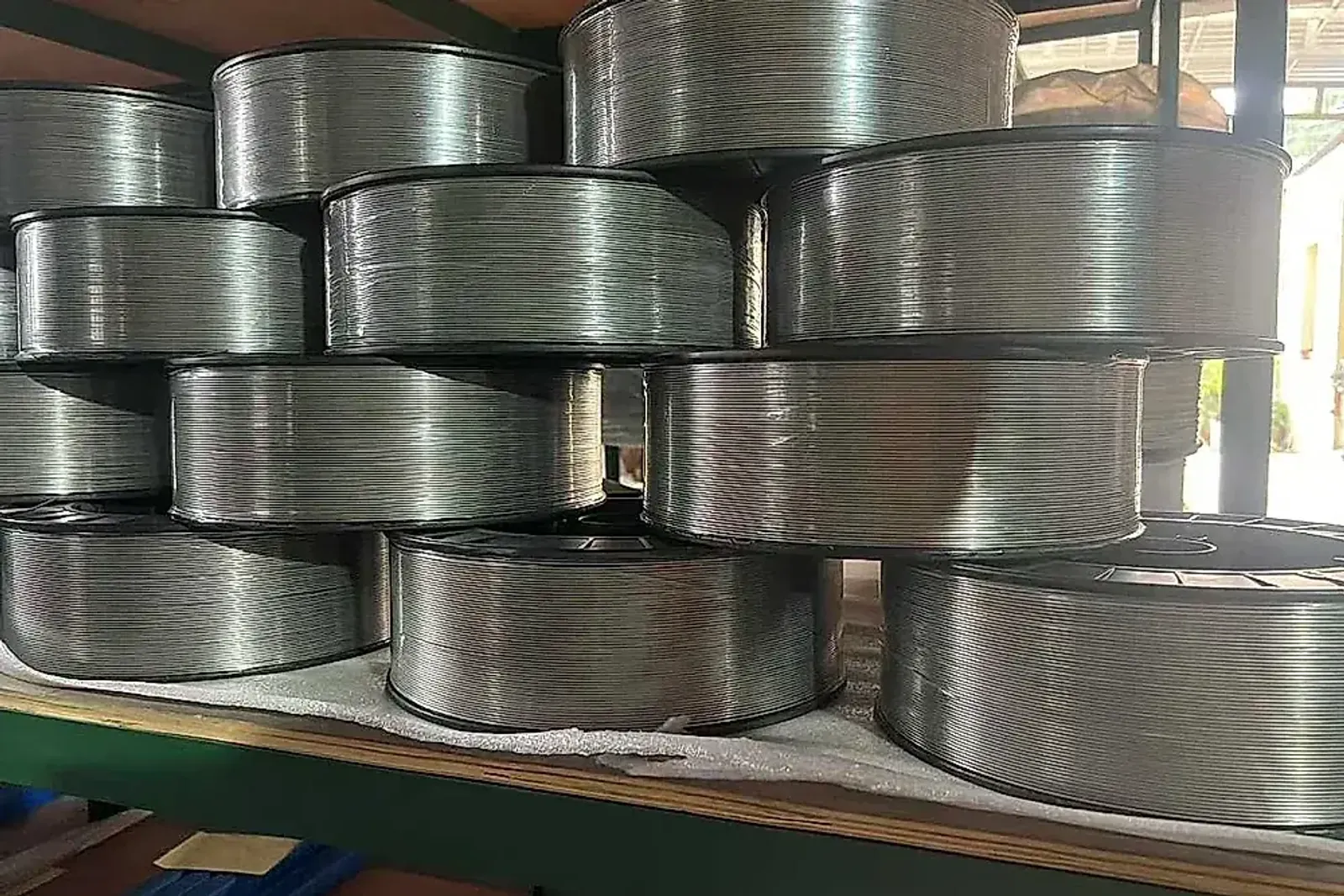
Aerospace giants are consuming wire feedstock. Dental orthodontics is consuming wire feedstock. The material connecting both ends is the same Ti-6Al-4V spool.
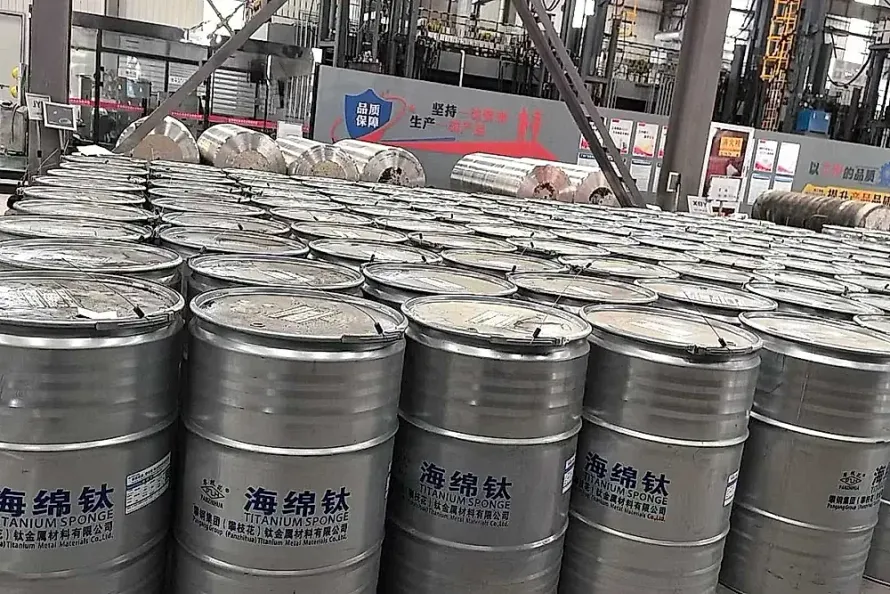
The difference? Diameter tolerance, surface finish, and certification framework are worlds apart. But the upstream supply chain — titanium ingot, bar stock, wire drawing — overlaps almost entirely.
Why Wire, Not Powder
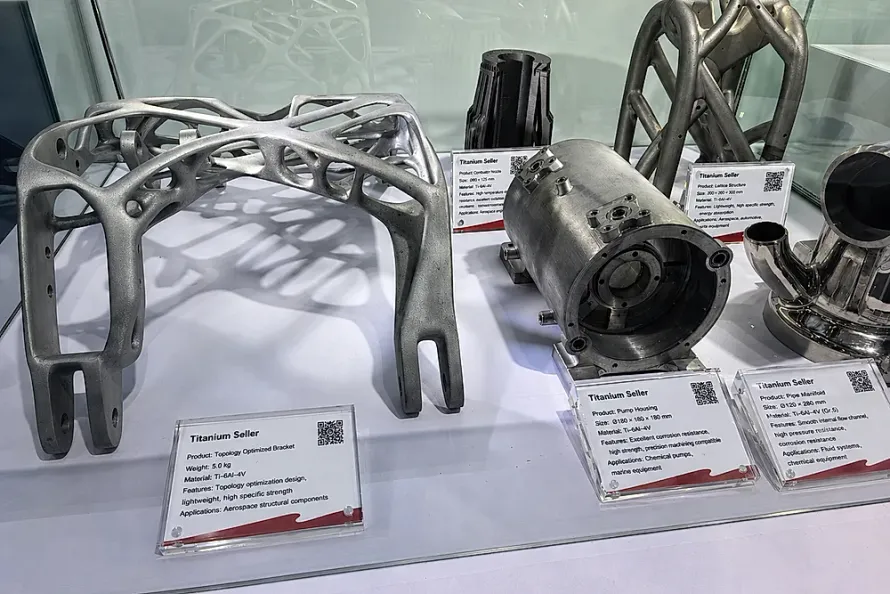
Titanium additive manufacturing runs on two tracks: powder bed fusion (PBF) and wire-based deposition (DED/WAAM). Powder dominated the last decade. By 2026, wire is closing the gap fast.
The reasons are straightforward.
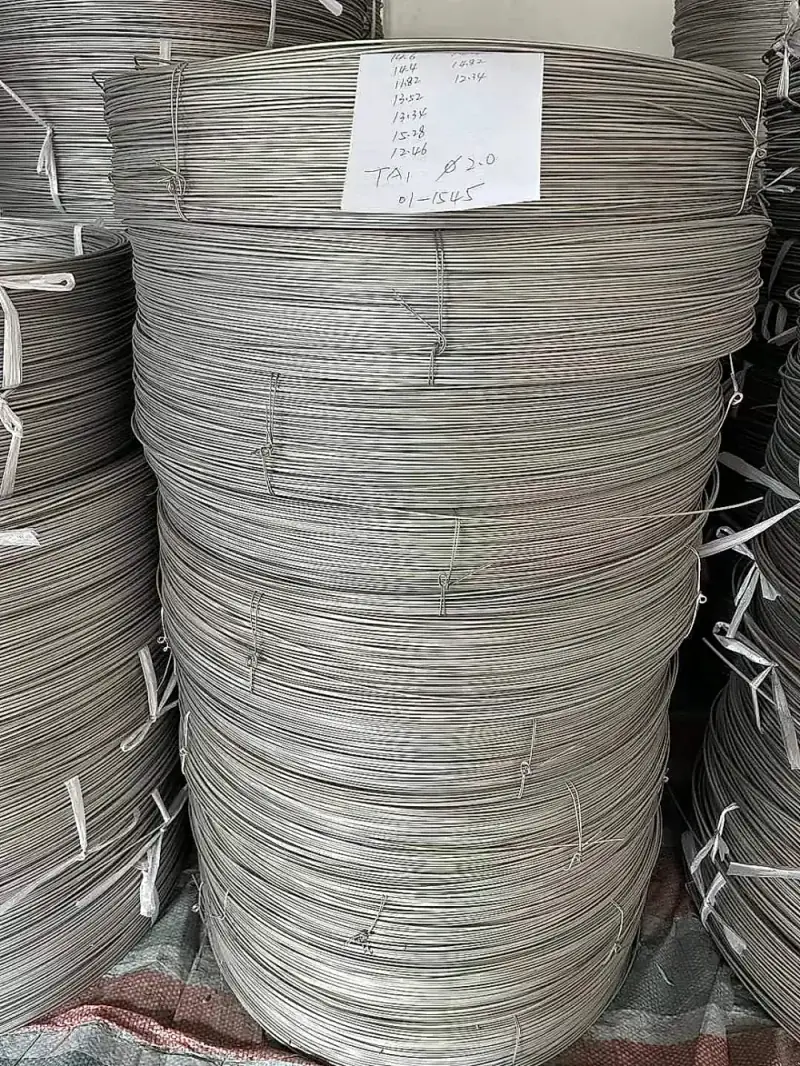
Cost. Spherical, gas-atomized Ti-6Al-4V powder runs $300–500/kg. The same alloy in wire form costs $80–150/kg — a 3–5x difference. For large structural components, powder economics simply don’t work.
Build volume. Powder bed printers are limited by their chamber size, typically under 500 mm. WAAM with wire feedstock can deposit structures several meters long. GKN’s TITAN-AM program explicitly targets “large titanium aerospace structures.”
Material utilization. Conventional forging carries a buy-to-fly ratio as high as 12:1 — twelve kilograms of titanium purchased for every kilogram that actually flies. WAAM wire deposition can push that down to 3:1 or lower. Powder bed sits around 5:1.
The logic is clear: as additive manufacturing moves from small components to large structural parts, wire feedstock becomes the only economically viable option.
What Airbus and GKN Are Actually Doing
Two benchmark developments are worth tracking:
Airbus A350: Titanium parts in the cargo door surround frame area are now manufactured via w-DED in series production — not prototypes, not qualification lots. Airbus has stated publicly that this process produces “significantly less material waste than conventional subtractive machining.” This marks the point where additive moves from R&D into the production line.
GKN TITAN-AM: An $8.4M joint program focused on LMD-w industrialization. The core question is no longer “can we deposit titanium with wire?” — it is “can we deposit it repeatably, certifiably, and at volume?” GKN’s objective is a complete quality framework from wire spool to finished part, including in-situ monitoring and post-processing heat treatment specifications.
WAAM (Wire Arc Additive Manufacturing) represents a third pathway. Material utilization climbs from 5–10% (traditional machining) to 15–20%, with applications in large brackets, landing gear components, and tooling.
All three programs point in the same direction: structural, sustained growth in demand for aerospace-grade Ti-6Al-4V wire. Not because wire is inherently superior, but because its economics crush powder and forging on large parts.
Dental Uses a Different Wire — Same Alloy
Back to that orthodontic inquiry.
The Ti-6Al-4V wire used in dental applications shares the same chemistry as aerospace feedstock, but the processing requirements diverge completely:
| Parameter | Aerospace (WAAM/DED) | Medical (Orthodontics) |
|---|---|---|
| Diameter | 0.8–3.2 mm | 0.2–0.8 mm |
| Surface | Low roughness tolerance | Bright annealed, zero burrs |
| Standard | AMS 4954 | ASTM F136 / ISO 5832-3 |
| Certification | NADCAP | FDA 510(k) framework |
| Lead time tolerance | 12–24 weeks acceptable | 4–6 weeks mandatory |
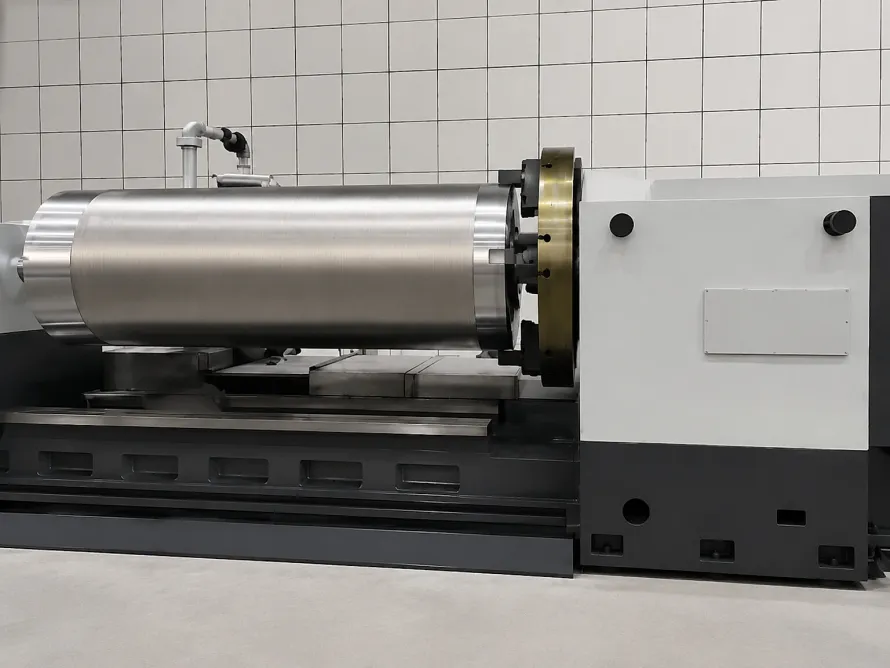
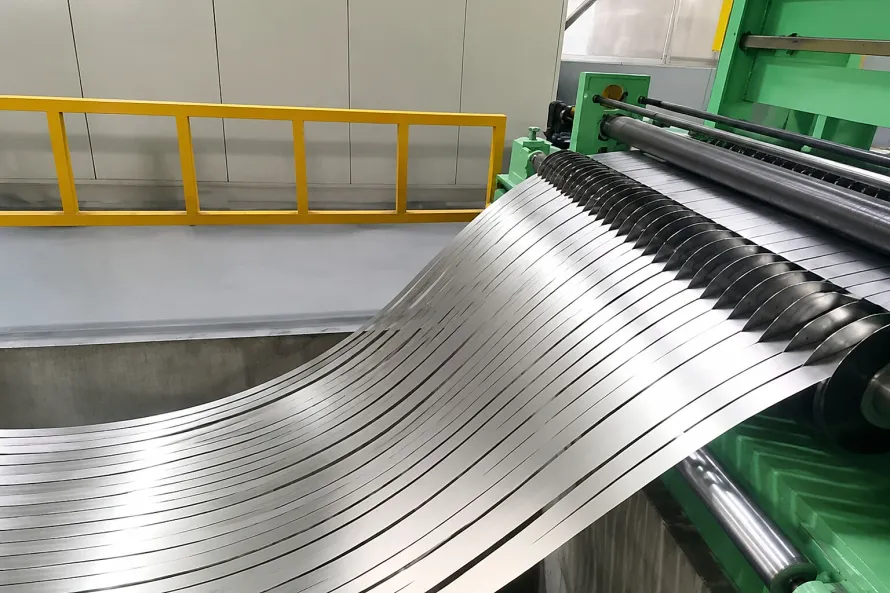
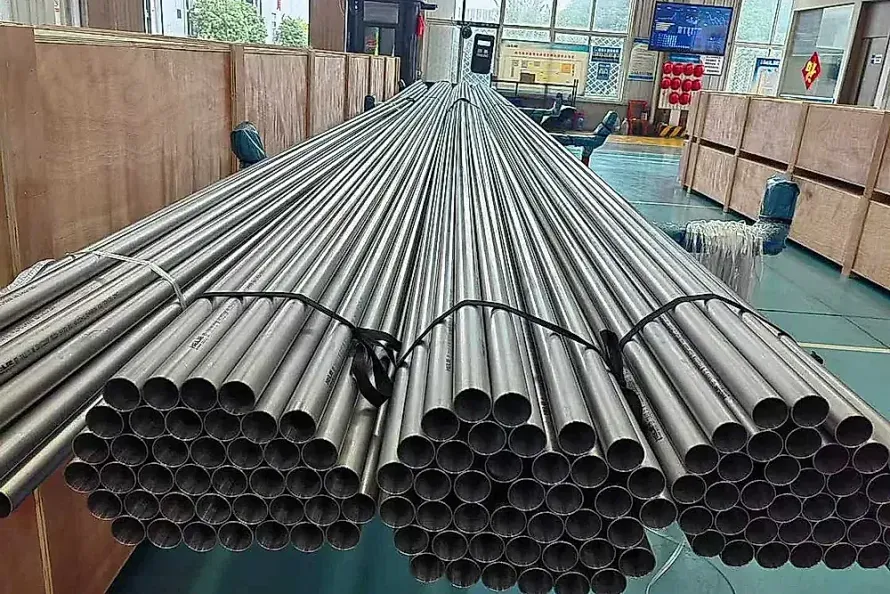
The critical difference is lead time and lot size. Aerospace means large orders on long cycles. Medical means small lots with fast turnaround. A supplier capable of serving both ends needs: large-gauge drawing equipment (aerospace) + precision fine-wire drawing lines (medical) + dual-track quality systems.
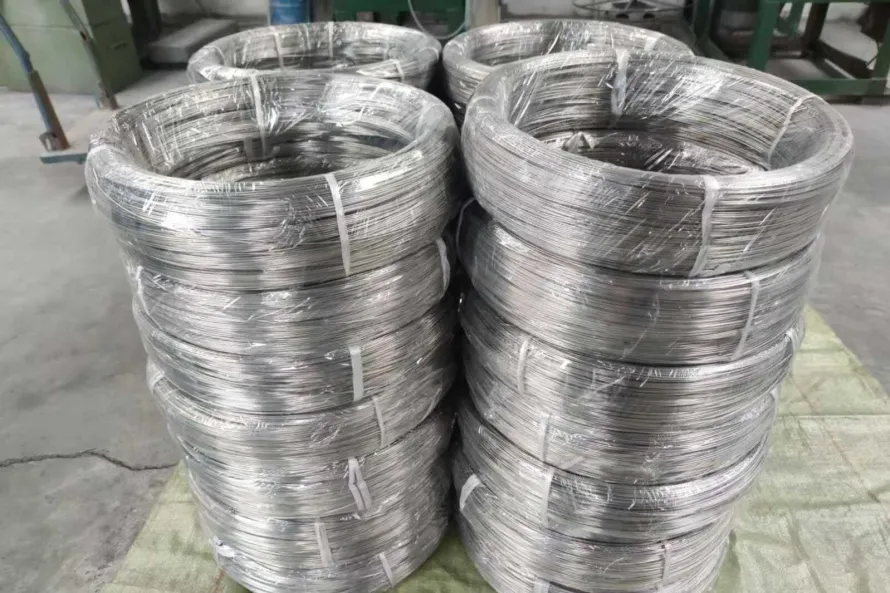
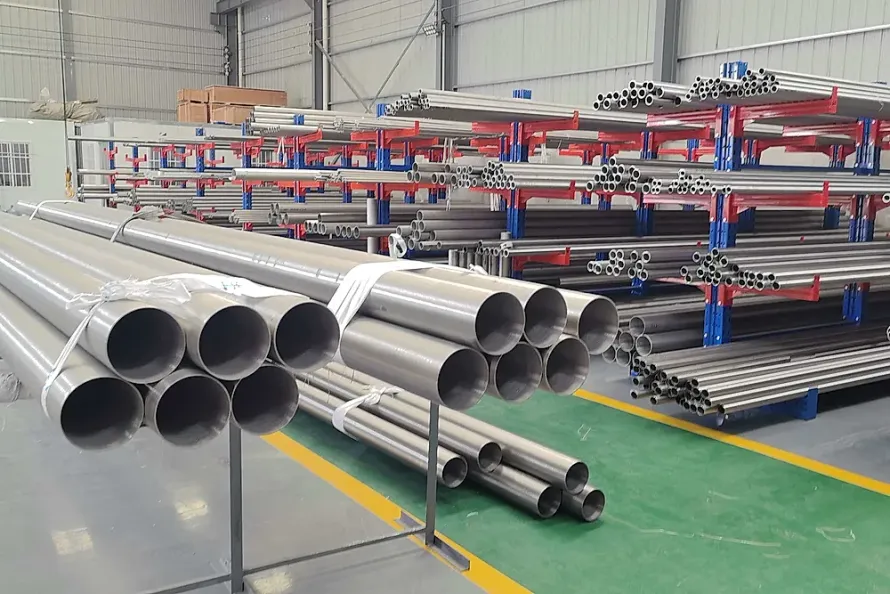
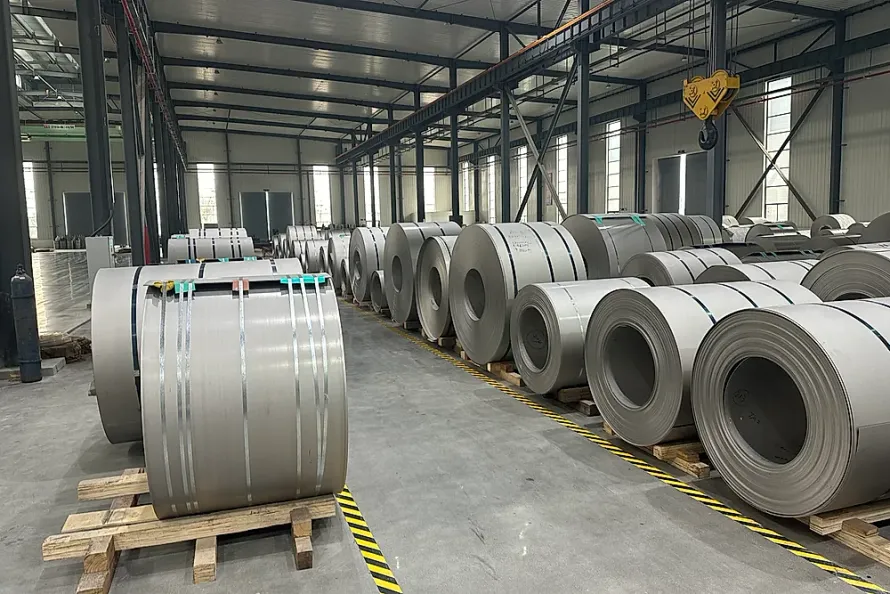
Most suppliers cannot do this. Traditional titanium wire producers either run heavy gauge only (1.0 mm and above, welding wire) or fine wire only (0.5 mm and below, medical grade). The capacity to span both ends is concentrated in a handful of facilities in Baoji.
Industry Reality: Two Bottlenecks in the Wire Supply Chain
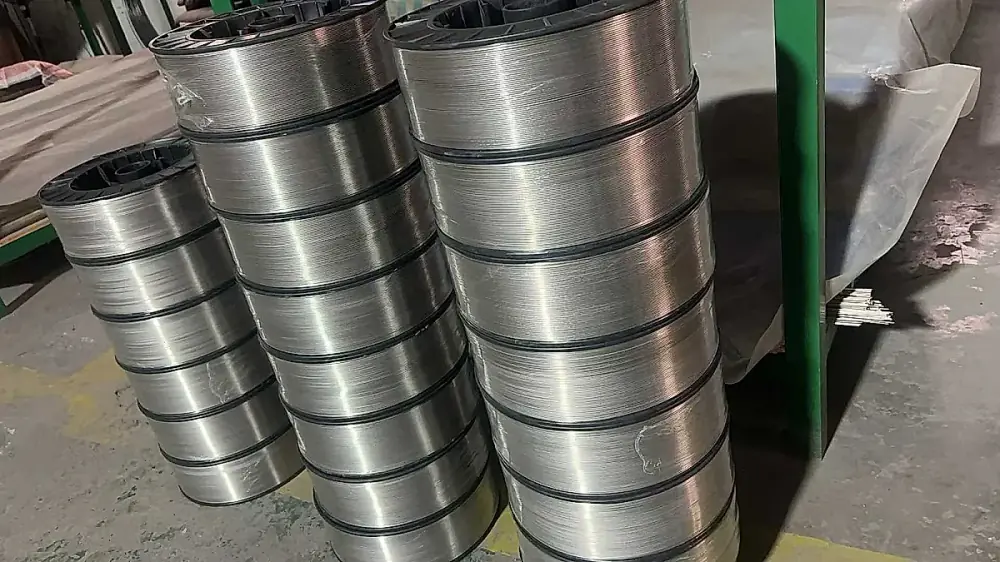
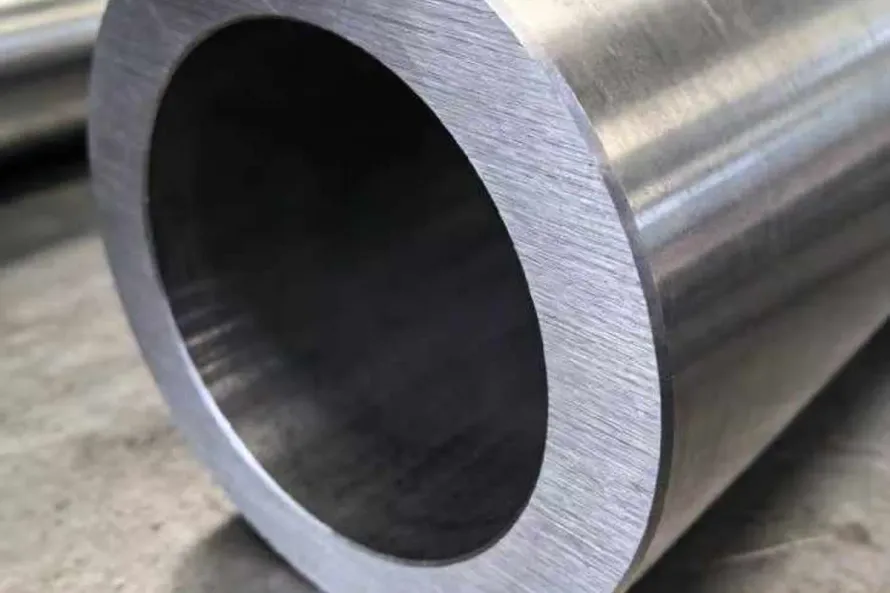
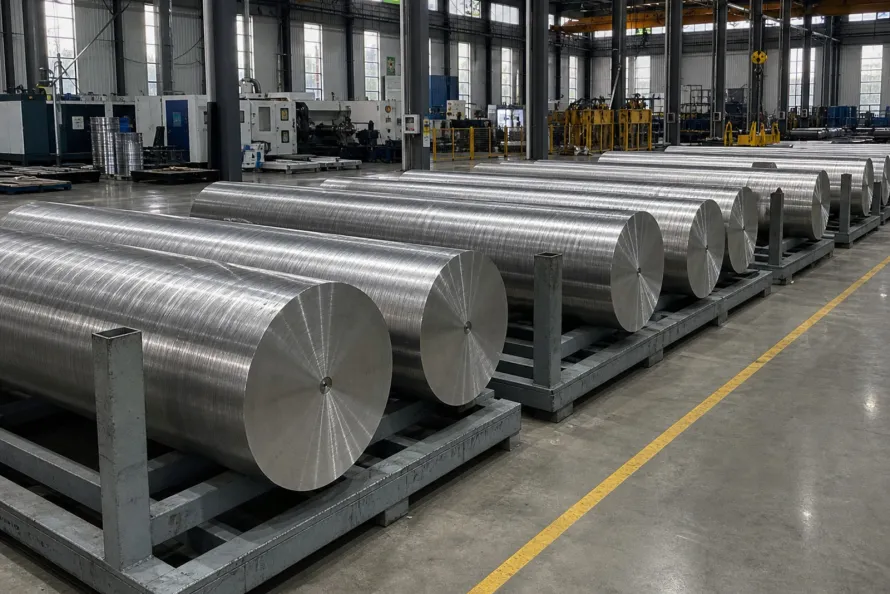
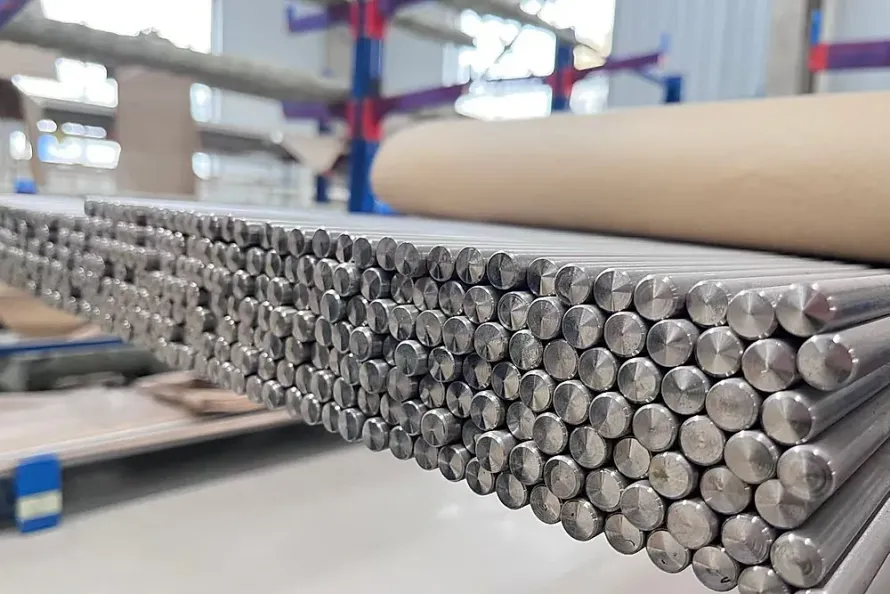
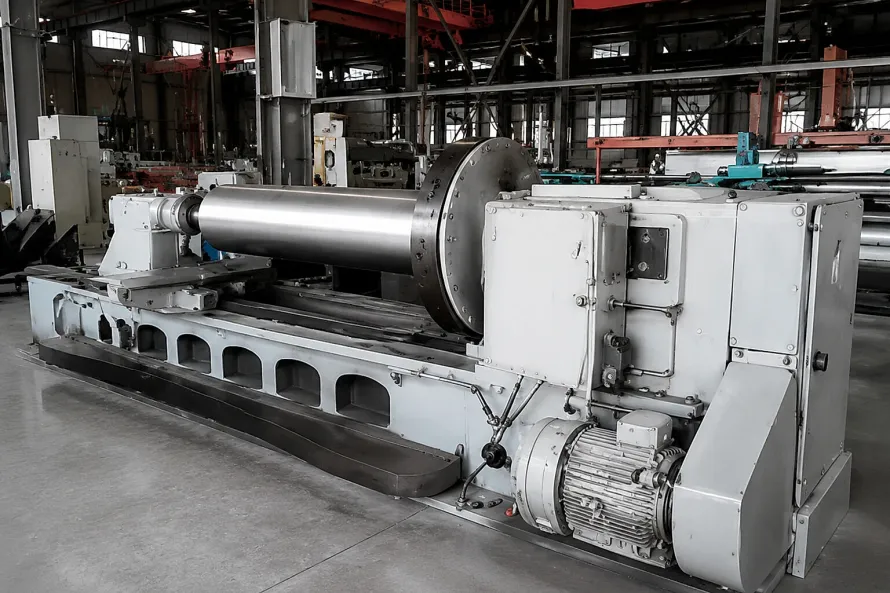
Bottleneck 1: Bar stock consistency. Wire is drawn from bar. Aerospace-grade wire demands feedstock bar with oxygen content at or below 0.13% (ASTM F136) and hydrogen at or below 0.012%. Most bar suppliers test at the heat level only, not bar-by-bar. But wire drawing scrap rates are acutely sensitive to feedstock uniformity. A single bar running high on oxygen can triple the breakage rate during drawing.
Bottleneck 2: Annealing process control. Orthodontic wire requires vacuum bright annealing to achieve superelasticity and surface smoothness. Temperature control in this step — typically 680–720 C held for 2–4 hours — directly determines elastic modulus and corrosion resistance in the oral environment. Most welding wire producers run annealing furnaces designed for heavy gauge. Fine wire uniformity in those furnaces is poor.
“We recently dialed in the annealing parameters for a 0.3 mm Ti-6Al-4V ELI wire line. Temperature variation within plus or minus 5 degrees C, surface roughness Ra of 0.4 micrometers or better. That precision is physically impossible on a welding wire furnace. It requires a dedicated fine-wire annealing system.” — Mr. Zhang, Technical Engineer
Your Checklist
If you are an additive manufacturing director:
- When evaluating WAAM/DED wire, demand spool-by-spool chemistry reports — not just the heat certificate
- Pay close attention to diameter tolerance (typically plus or minus 0.01 mm) and surface cleanliness — both directly affect wire feeding stability and deposition quality
If you are a medical device procurement manager:
- Ti-6Al-4V ELI (Grade 23) wire must comply with ASTM F136. Standard Grade 5 is not an acceptable substitute
- Request the supplier’s annealing process records (temperature curves, vacuum levels) — not just the final inspection report
- Small-lot capability (50 kg or less) with fast delivery is essential — suppliers with no minimum order quantity reduce your inventory risk
If you are an aerospace Tier-2 quality engineer:
- AMS 4954 certification for WAAM wire is quickly becoming a barrier to entry
- Evaluate whether the wire supplier has vertically integrated capability from bar to finished spool — outsourcing bar stock and drawing externally lengthens the quality control chain and increases risk
Conclusion
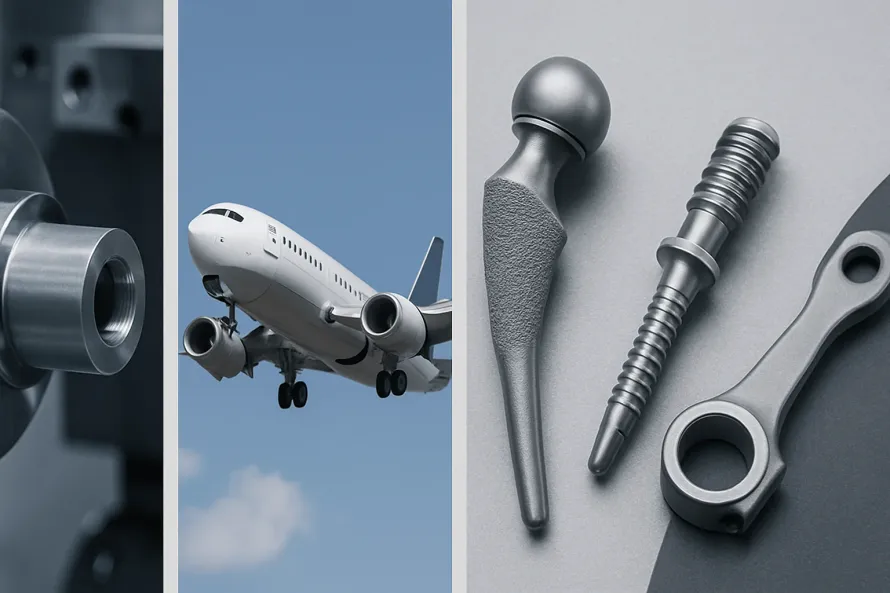
Titanium wire used to be welding consumable, nothing more. Today it is a primary feedstock for aerospace additive manufacturing and a foundation material for precision medical devices. These two markets appear to have zero overlap, yet they compete for the same segment of the supply chain: high-purity Ti-6Al-4V bar stock, precision drawing, and differentiated post-processing.
GKN’s $8.4 million investment and that single orthodontic inquiry are telling the same story: demand for titanium wire has outgrown the “welding” category. Suppliers who can respond to both aerospace heavy-gauge and medical fine-wire requirements are gaining disproportionate pricing power.
Need a specific diameter of Ti-6Al-4V wire — samples or mill test certificates? Reach out to us directly.
Related Products & Services
- Service → No Minimum Order Quantity — Medical-grade small-lot wire, available from 50 kg
- Product → Titanium Wire — GR5/GR23 (ELI), full range from 0.1 to 7.0 mm
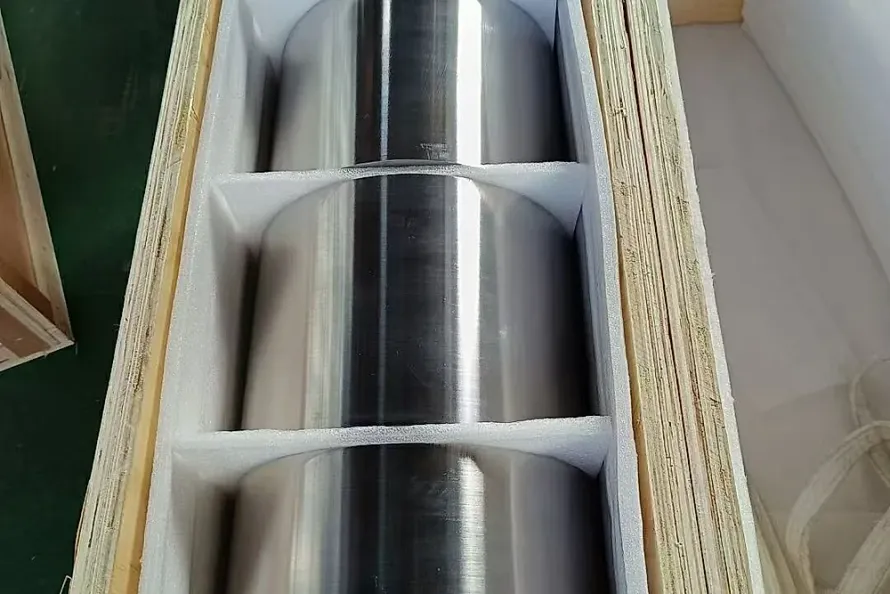
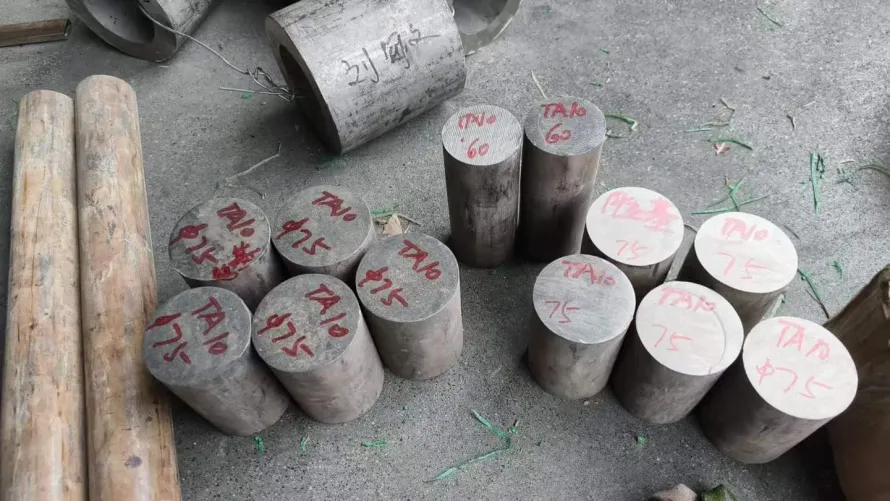
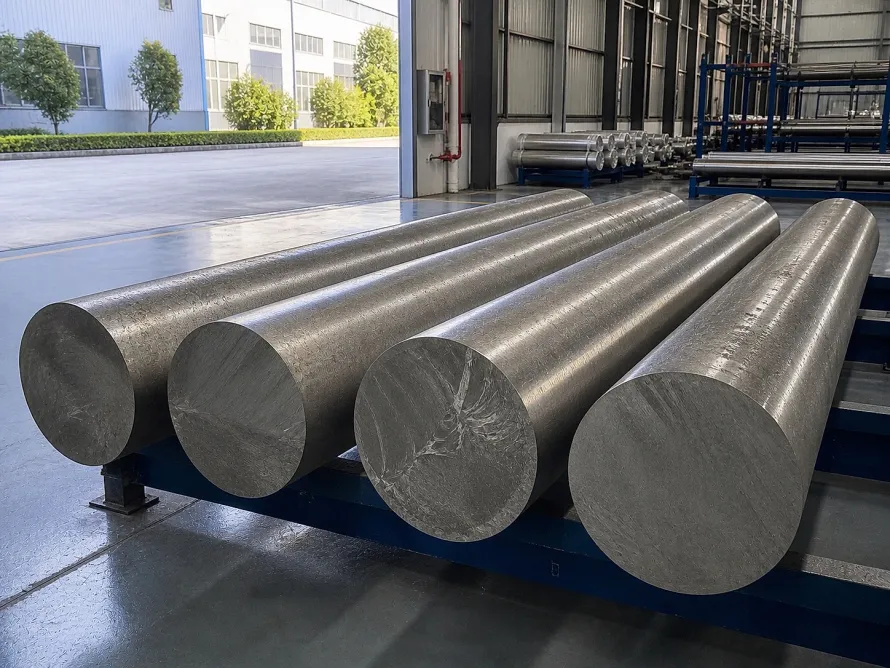
- Product → Titanium Rods — Wire feedstock bar, oxygen controlled to 0.13% or below
Related Articles:
- Aerospace Titanium Supply Chain Is Being Reshaped by 3D Printing
- Smart Titanium Implants: Antibacterial Surfaces and 3D Printed Medical Devices
- From Ore to Precision: How Titanium Parts Are Engineered
About: Titanium Seller is a supply chain platform based in Baoji, China’s Titanium Valley.
Need this material? Get a factory-direct quote.