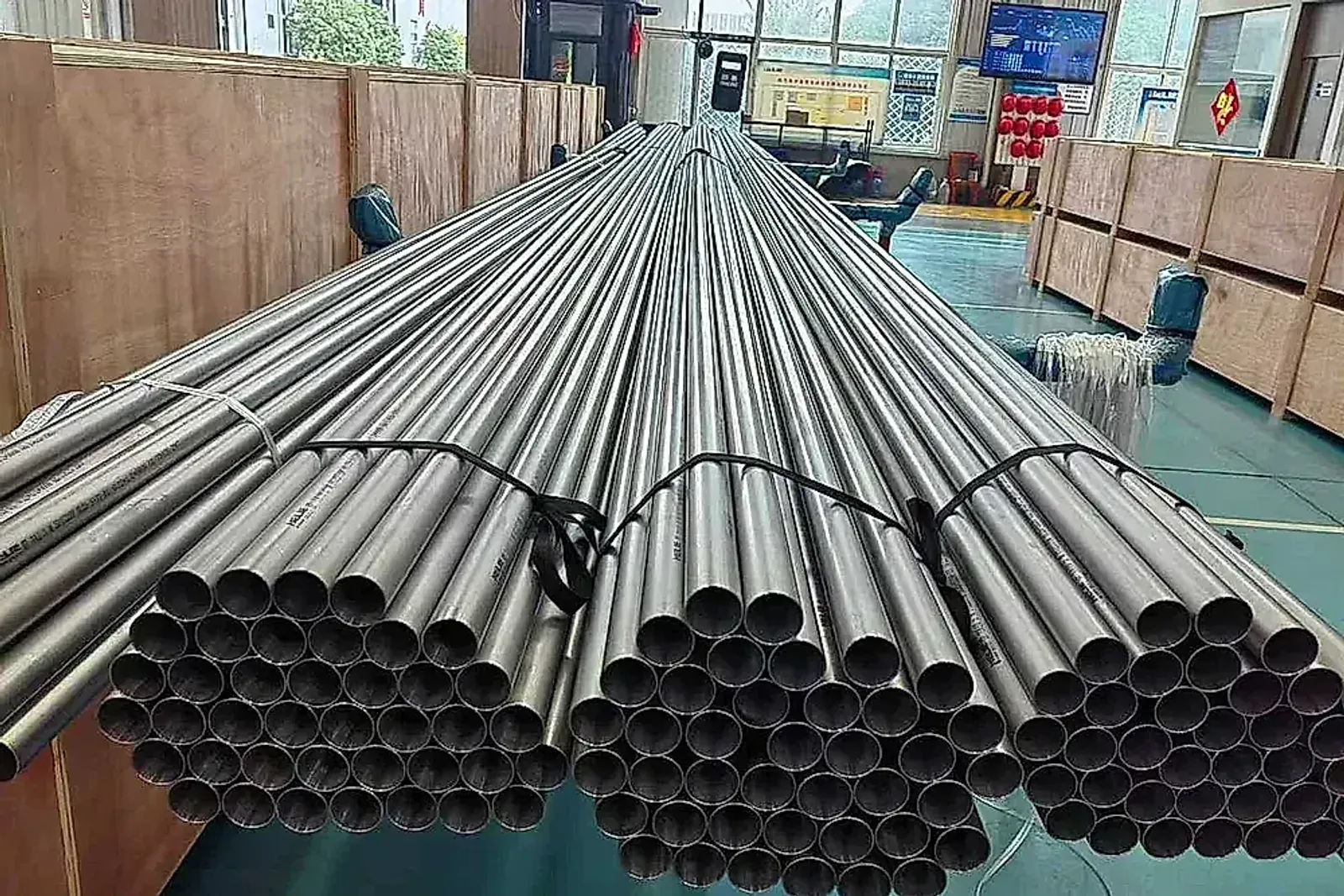
Section 232 Titanium Tariffs: 85 Days Left
On January 14, 2026, President Trump signed a presidential proclamation on critical minerals, placing titanium among 50 designated materials. No tariffs took effect immediately. Instead, the order opened a 180-day negotiation window. Deadline: July 13. That’s 85 days from now.
Running on the same timeline is a second variable. Putin is reportedly studying export restrictions on titanium and nickel as a countermeasure against Western sanctions.
Both lines converge at Q3 2026. The question is straightforward: what happens to your procurement costs?
Section 232: Mechanism, Direction, Timeline
Start with the mechanism. Section 232 is not a standard tariff instrument. It is a national security–based trade investigation tool that gives the president unilateral authority to impose duties — no congressional approval required. The 2018 steel and aluminum tariffs were enacted through this same authority.
The current critical minerals investigation covers 50 materials. Titanium is on the list. The status right now is “negotiation phase” — the U.S. is in bilateral talks with major supplier countries over trade terms. China, the world’s largest exporter of titanium mill products, is among the negotiating parties.
Policy recommendations from the Titanium Sponge Working Group already point in a clear direction:
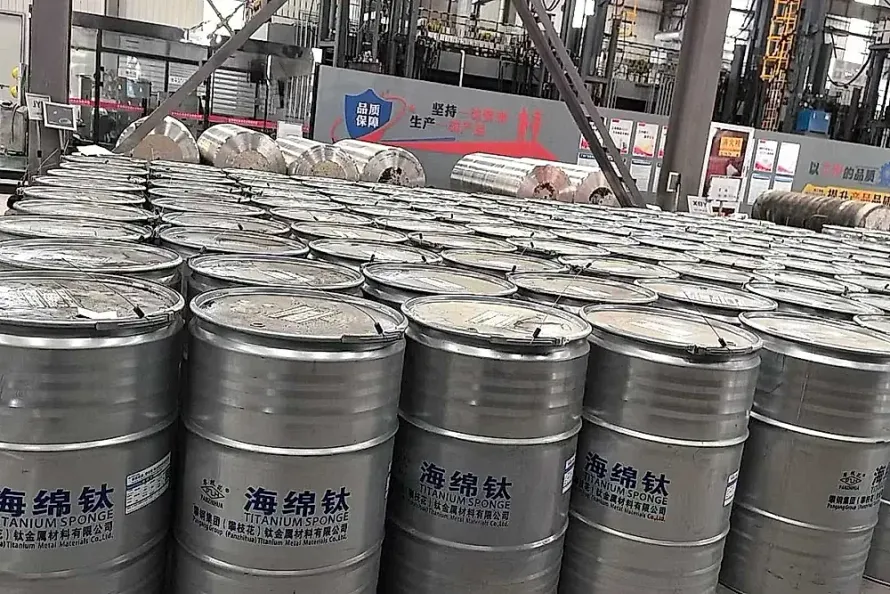
- Reduce import duties on titanium sponge — to offset domestic raw material capacity that has effectively hit zero
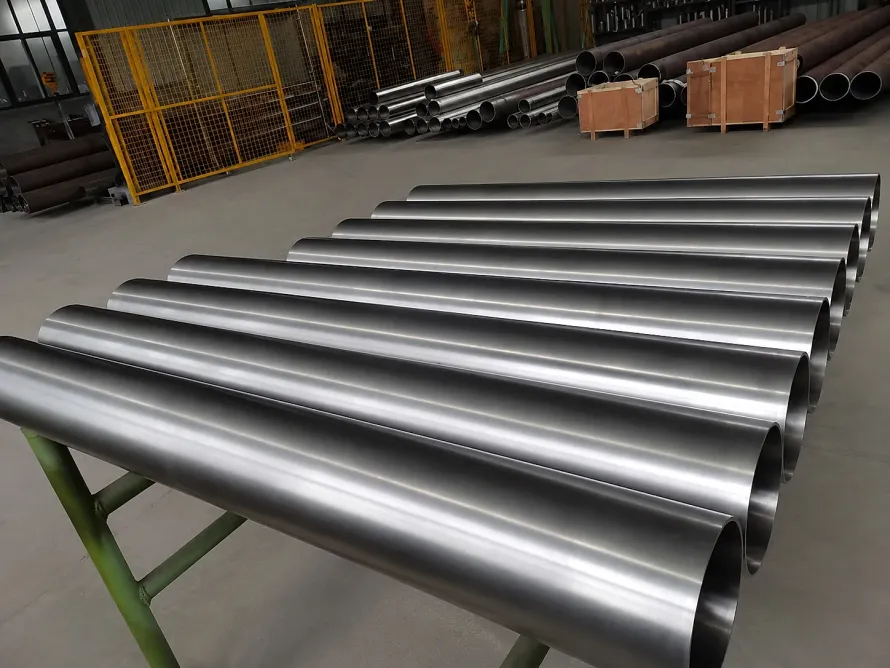
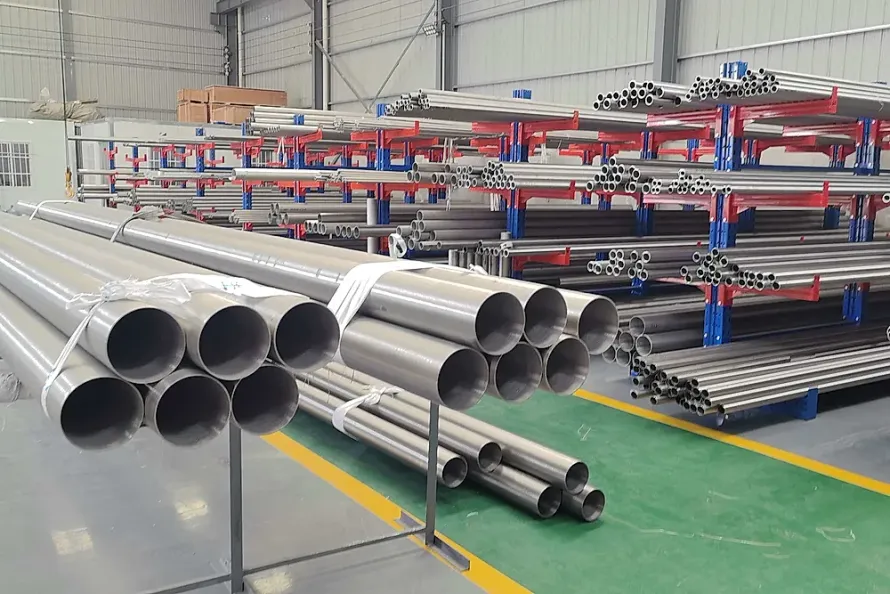
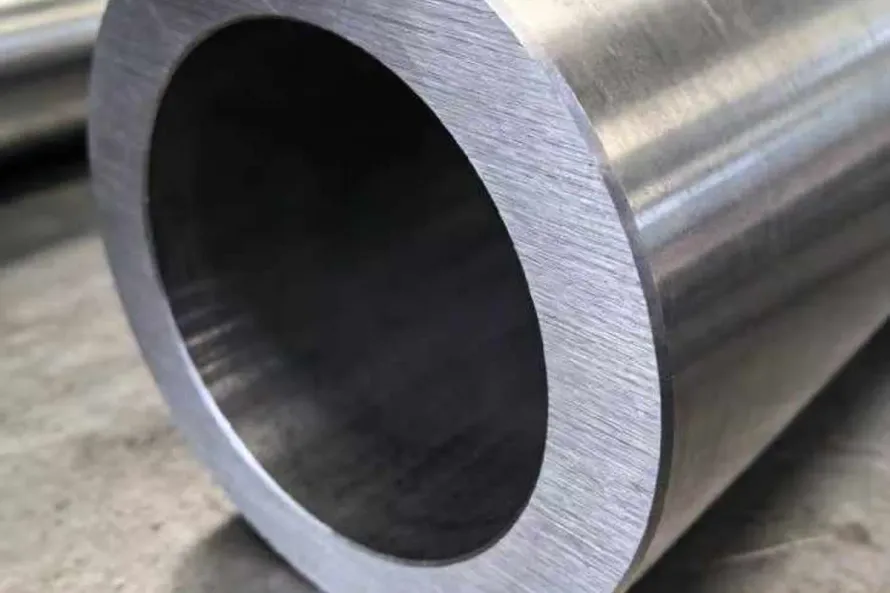
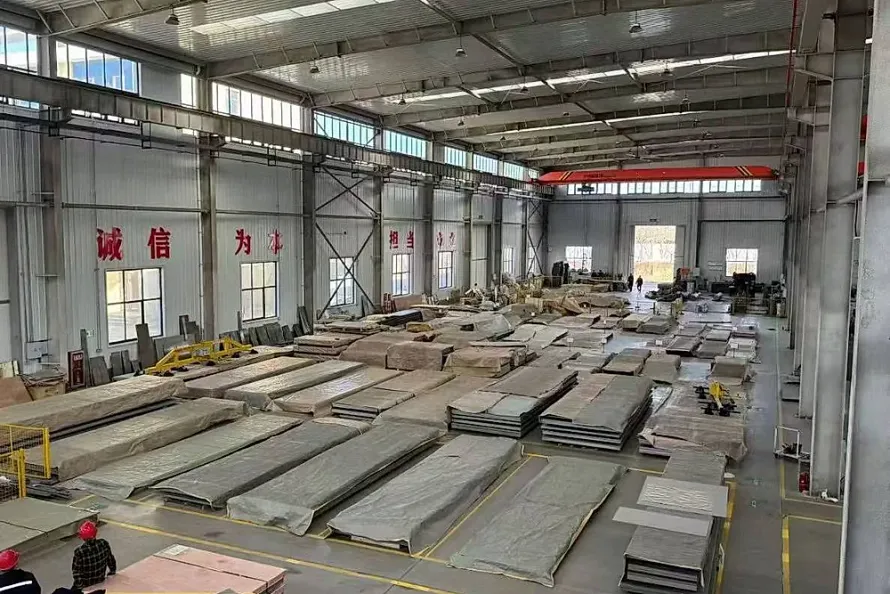
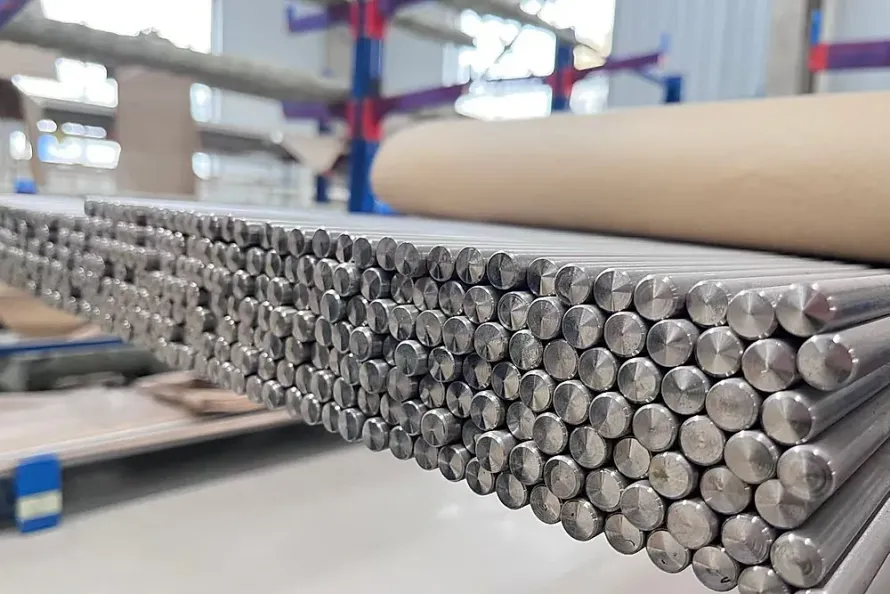
- Raise tariffs on finished titanium products from “adversarial producers” — targeting Chinese rods, plates, and forgings
If this framework lands after July 13, the impact splits two ways. Finished titanium goods imported from China face a cost increase of 10–25% (consistent with the 2018 Section 232 rates on steel and aluminum). Titanium sponge import costs may actually fall, benefiting U.S.-based processors.
For Chinese suppliers, the structure creates a scissor effect: cheaper inputs, more expensive outputs.
The Russia Variable: 15,000 Tonnes of Aerospace-Grade Sponge
Section 232 is a predictable policy risk. Russia is not.
VSMPO-AVISMA is the world’s largest producer of aerospace-grade titanium. Before the war, annual sponge output ran at 32,000 tonnes. That figure has since dropped to roughly 17,000 tonnes, with more production redirected to domestic consumption. Airbus has cut its Russian titanium share from 65% to around 20%.
But even 20% means approximately 3,400 tonnes of aerospace-grade titanium still flowing into European supply chains each year. If Putin enforces an export ban, that supply disappears entirely. Add the 15,000 tonnes already lost, and Western aerospace supply chains face a cumulative shortfall approaching 18,000 tonnes per year.
To put that in context: global titanium production in 2026 is projected at 238,800 tonnes. Aerospace accounts for 51.6% of demand. Those 18,000 tonnes represent roughly 14.6% of the aerospace segment alone.
New capacity cannot close that gap in time. The two U.S. rebuilding projects — IperionX ($99M DoD contract, target capacity 1,400 tonnes/year) and American Titanium Metal ($868M greenfield plant in North Carolina) — will not produce material before 2027 at the earliest. The EU Critical Raw Materials Act lists titanium as a strategic material, but EU officials have openly stated the bloc “can never be self-sufficient.”
The conclusion is plain. There is no Plan B in 2026.
Signals from the Field: U.S. Inquiry Volume Is Already Shifting
The policy has not been finalized. The market has already moved.
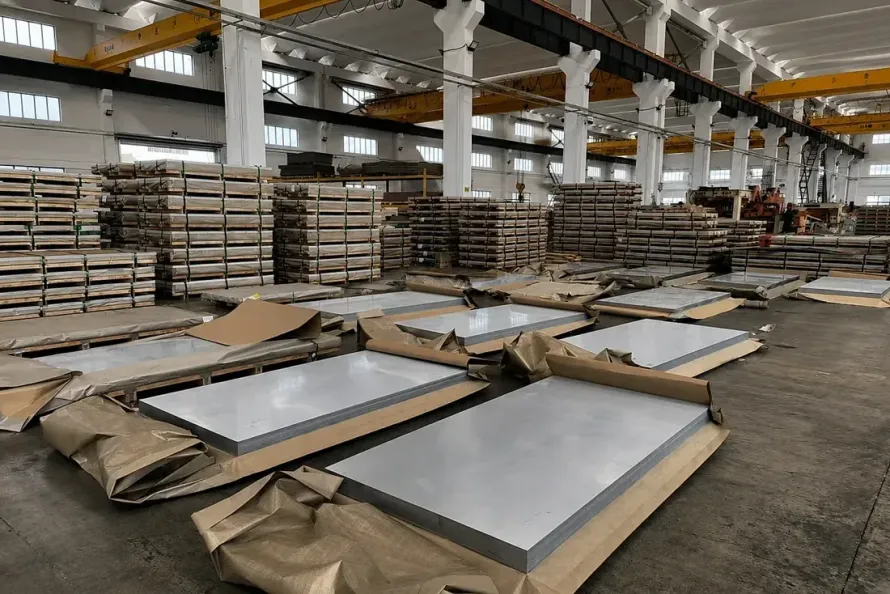
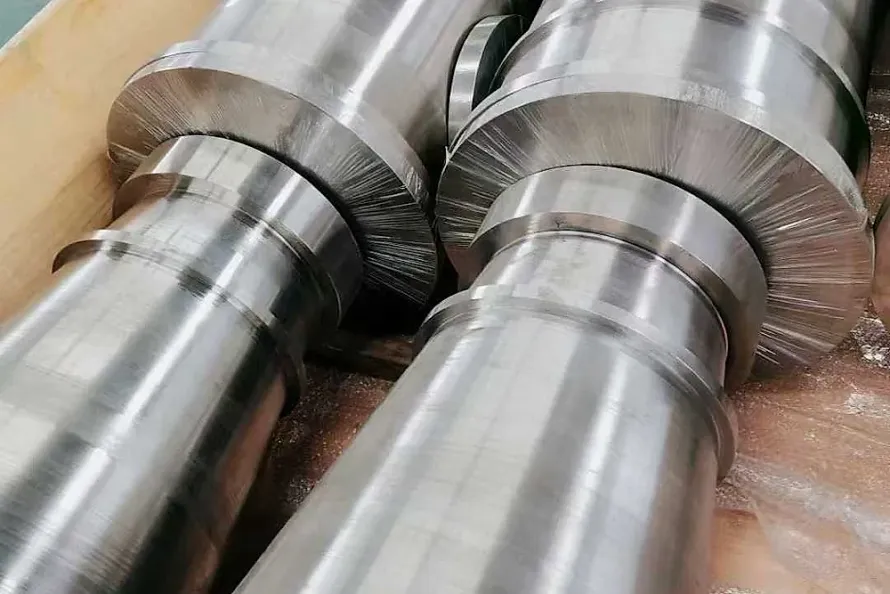
Since the January Section 232 proclamation, inquiries from U.S.-based customers have grown roughly 15%. The increase is not spread evenly — it concentrates in two product lines: Gr.5 forgings and Gr.2 sheet and plate.
The nature of the inquiries has changed, too. Three months ago, a typical U.S. inquiry asked for price and lead time. Now the questions are different: “If tariffs hit in July, can you ship by end of June?” “Can we include a tariff adjustment clause in the contract?” “Do you have a Japanese-origin alternative?”
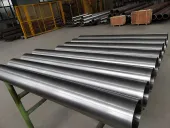
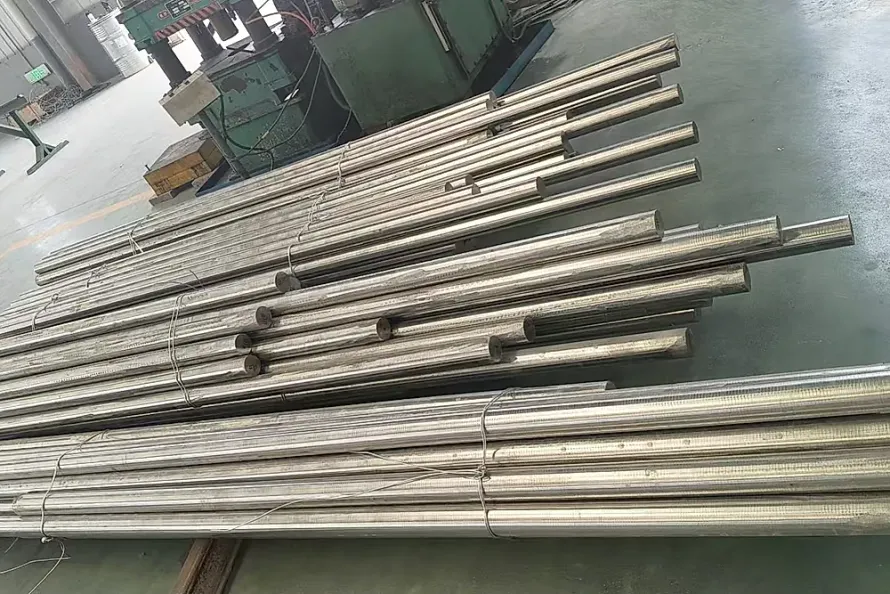
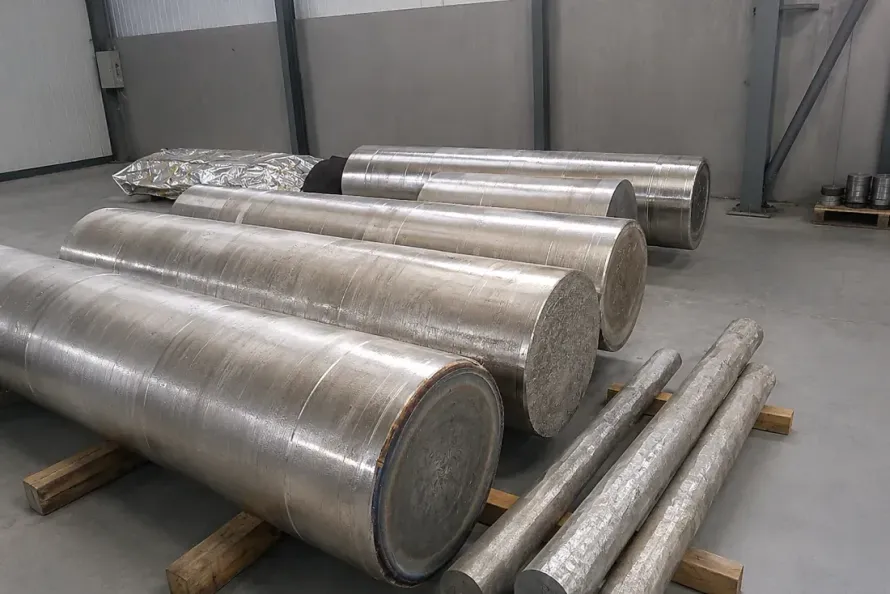
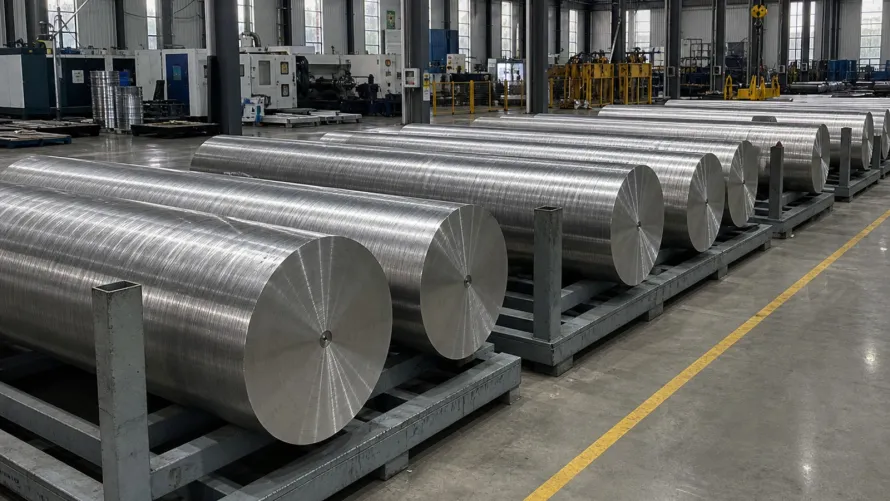
“In March, we received an urgent order from a U.S. aerospace customer requiring shipment of Φ200mm Ti-6Al-4V forged bar stock before end of June. The customer was explicit — they needed to clear customs before Section 232 potentially takes effect. Policy-driven orders like this used to come once or twice a year. We’ve had three in Q1 alone.”
— Sales Director Liu
Titanium exporters around Baoji are reading the same rhythm. Export orders in March and April show a front-loading effect — customers are pulling forward deliveries originally scheduled for Q3 into Q2. Short-term small-batch urgent orders have surged, and logistics slots are tight.
The 85-Day Decision Tree
With Section 232 and the Russia variable running in parallel, three decisions need to be made before the window closes.
Decision 1: Lock Q3 orders now or wait?
Lock now. July 13 is a hard deadline. Even if negotiations extend — which is unlikely — market expectations are already lifting near-term demand. Booking in Q2 locks in current costs and guarantees pre-July customs clearance. Wait until July, and lead times stretch 4–6 weeks regardless of whether tariffs actually land, simply because buyers flood the market at the same time.
Decision 2: Add a tariff clause to contracts?
Yes. Any long-cycle contract covering Q4 and beyond should include a tariff adjustment clause specifying how Section 232 duties would be split between buyer and seller. Without that clause, the full tariff burden lands on one side — which turns a trade policy event into a contract dispute.
Decision 3: Build a multi-origin supply chain?
If your titanium sourcing is 100% China today, Section 232 is a direct exposure. China plus Japan is currently the most cost-efficient risk hedge available. Japanese sponge producers — Toho Titanium, Osaka Titanium — are not on any adversarial-nation list, so finished products derived from Japanese sponge avoid the Section 232 finished-goods exposure. Japanese capacity is limited, though. The window is open now. By Q3, production slots may be gone.
Start evaluating a multi-origin stocking plan now. In 85 days, early movers will have options. Late movers will have prices.
Titanium Seller is a titanium supply chain platform headquartered in Baoji, China — the center of global titanium production.
Related Products & Services
- Service → Stocking Programs — Multi-origin inventory lock-in to hedge Section 232 tariff uncertainty
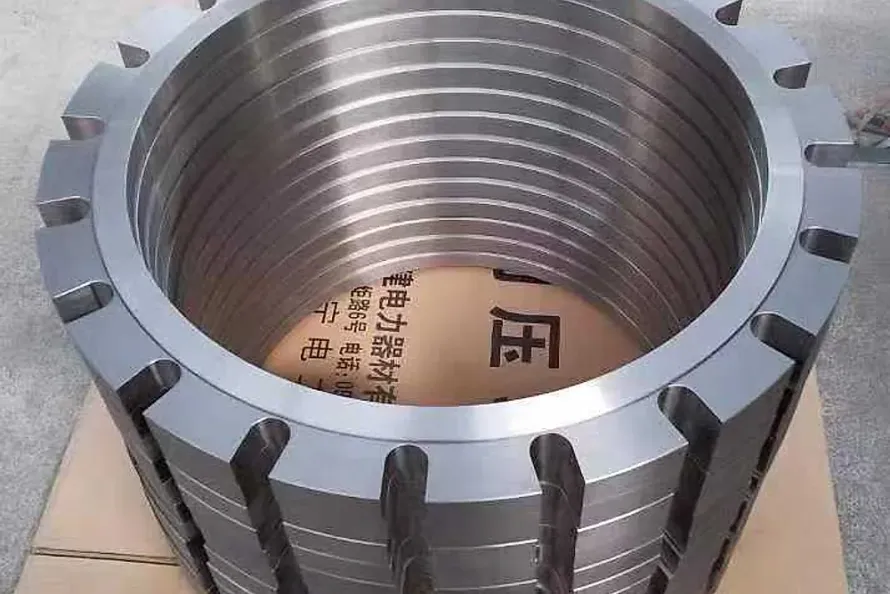
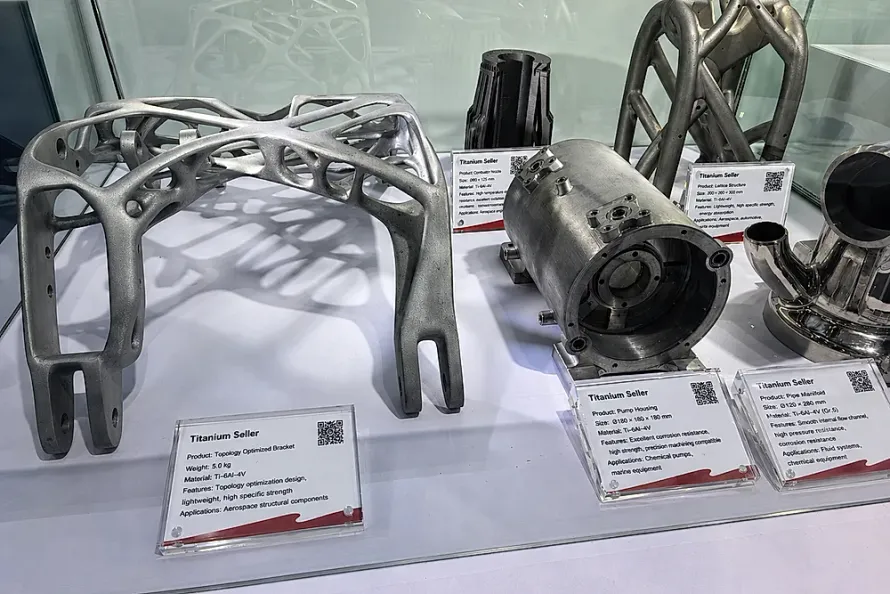
- Product → Titanium Forgings — Ti-6Al-4V forgings, the fastest-growing U.S. inquiry category
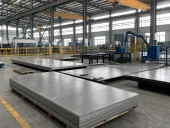
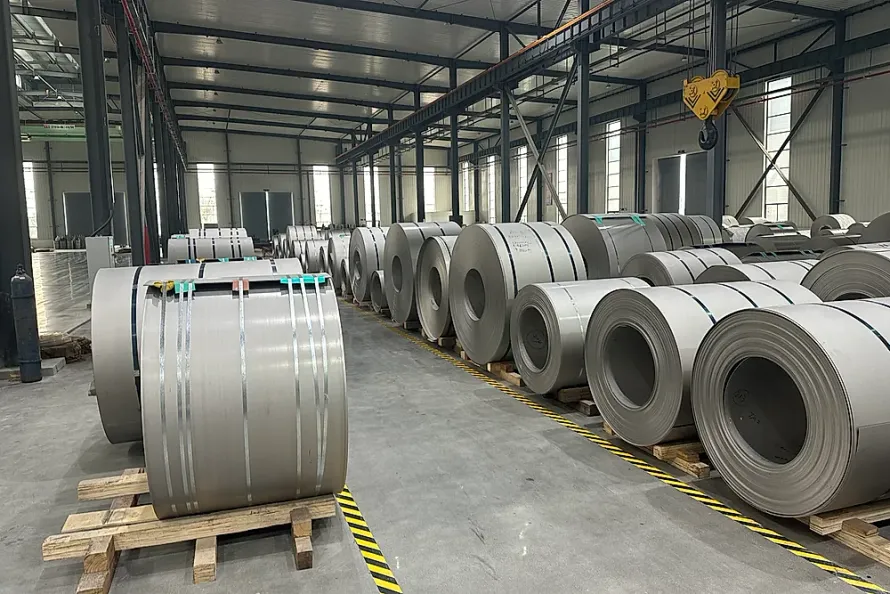
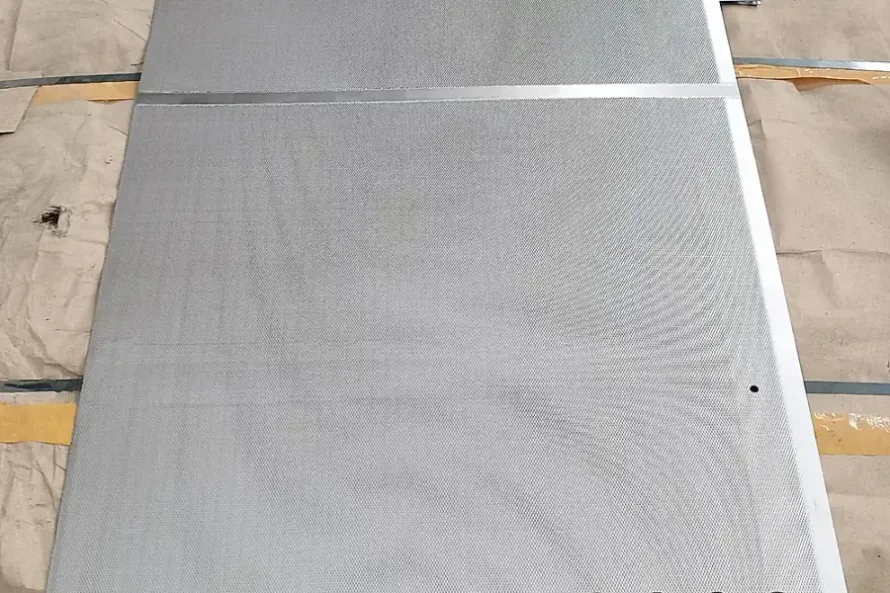
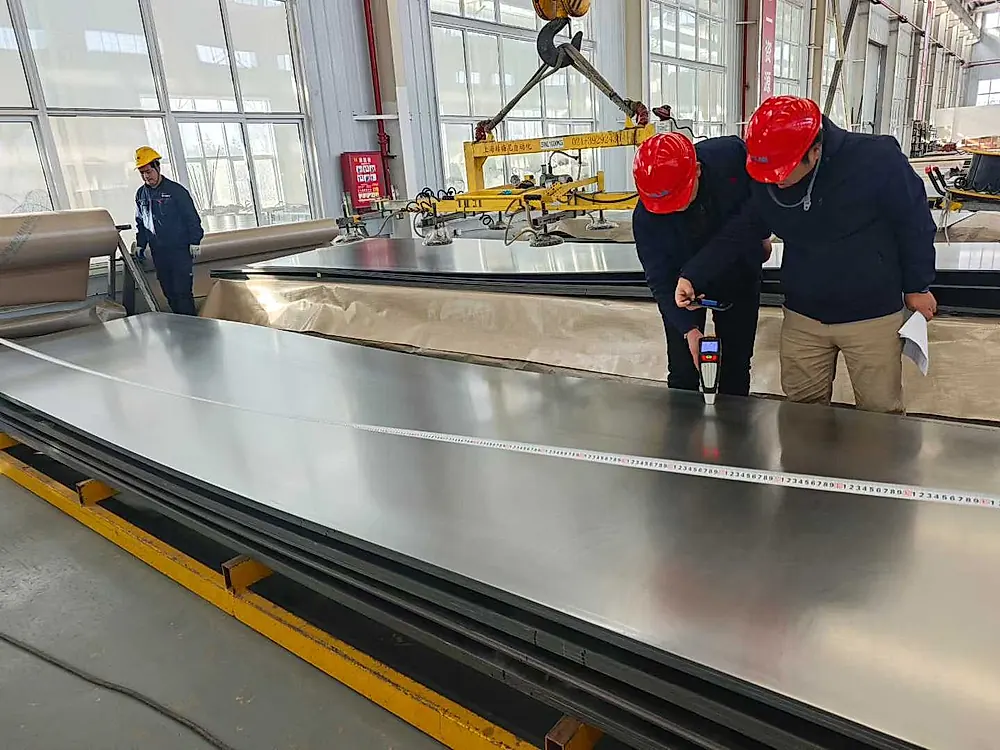
- Product → Titanium Sheets & Plates — Gr.2 plate, high demand amid export front-loading
Related Articles:
Need this material? Get a factory-direct quote.