Titanium in Smartphones: The Split Between Retreat and Advance
Two headlines landed in the same week. Apple confirmed the iPhone 17 Pro will drop its titanium frame and return to aluminum. Samsung leaked identical plans for the Galaxy S26 Ultra. Then, on the other side of the Pacific, OPPO unveiled the Find N6 — featuring a 3D-printed titanium hinge manufactured by BLT (Bright Laser Technologies) that consolidates 92 discrete parts into just 4.
Titanium in consumer electronics is not retreating. It is splitting.
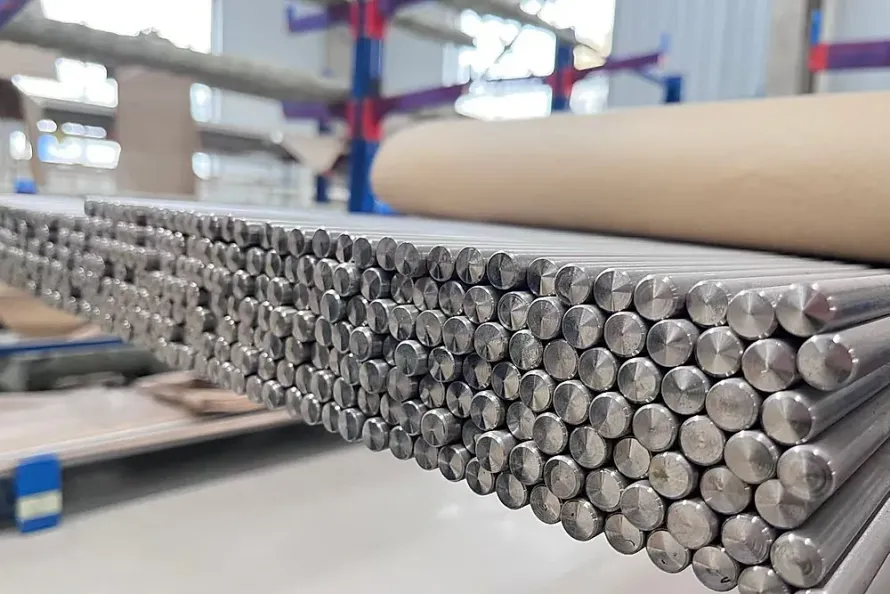
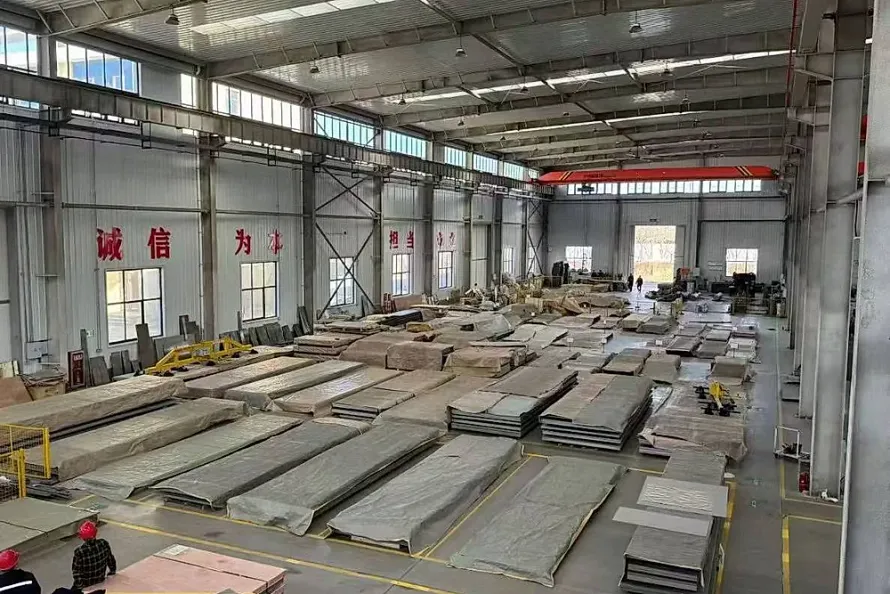
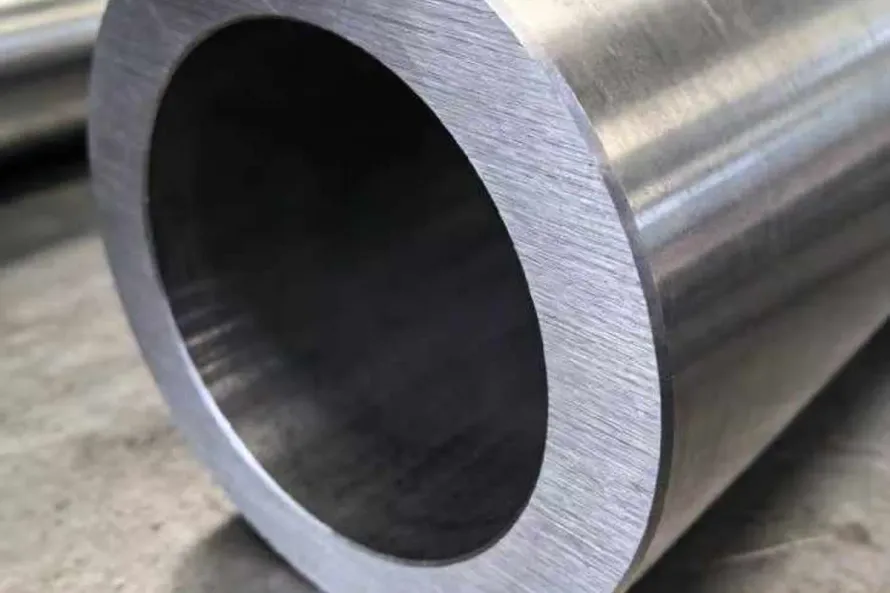
The divergence signals a structural shift in how the smartphone industry values titanium — and it carries direct implications for titanium supply chains, powder metallurgy markets, and procurement strategies worldwide. If you source titanium sheets & plates, titanium rods, or spherical titanium powder for additive manufacturing, this split matters.
The Retreat: Why Flagship Phones Are Abandoning Titanium Frames
Apple introduced titanium frames with the iPhone 15 Pro in September 2023. Samsung followed with the Galaxy S25 Ultra in January 2025. Both moves were marketed as premium differentiators — lighter, stronger, more corrosion-resistant than stainless steel or aluminum.
The experiment lasted two product cycles. Here is why it ended.
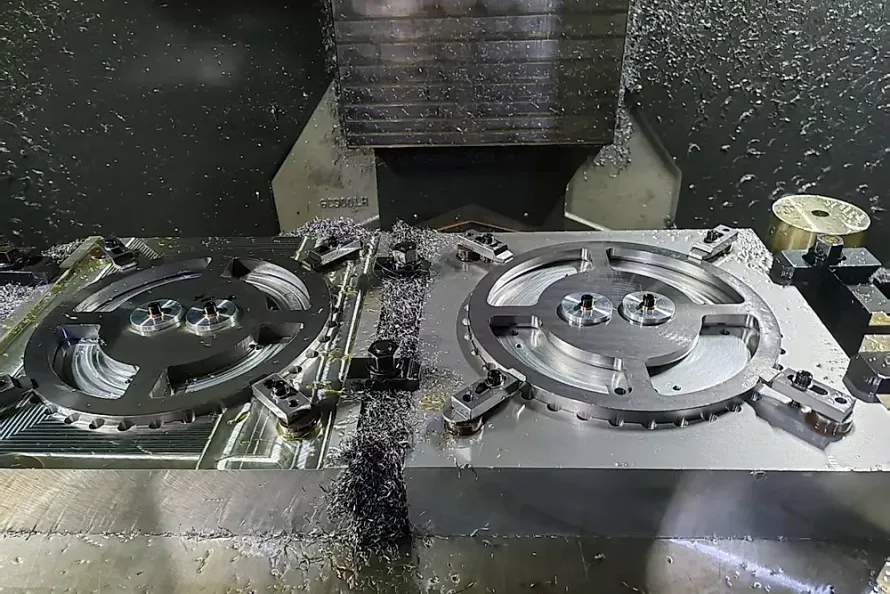
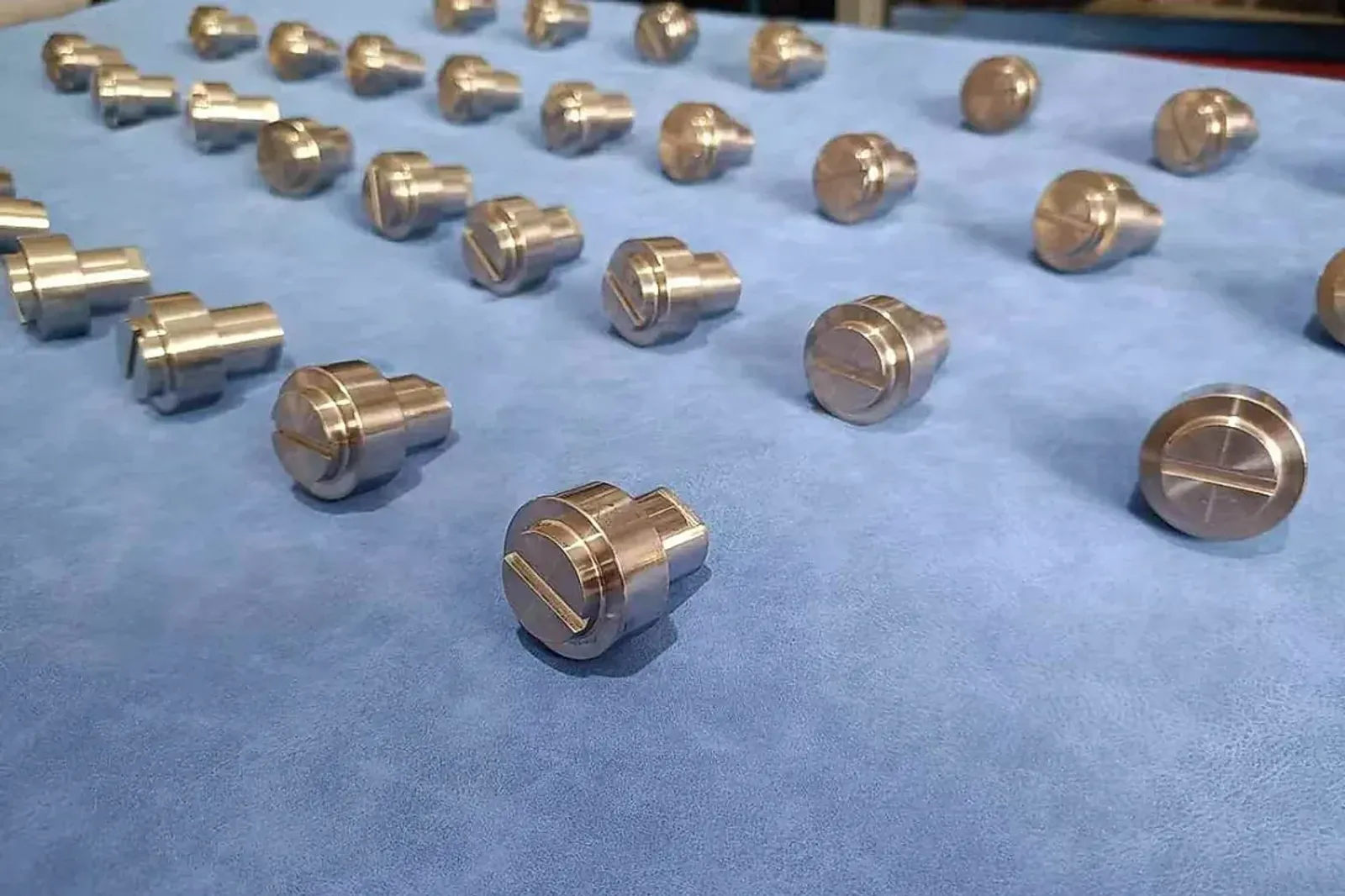
Cost pressure is relentless. Titanium frame production requires multi-step CNC machining of thin-wall Grade 5 (Ti-6Al-4V) or Grade 2 CP billets. Material removal rates are slow. Tool wear is aggressive. Apple reportedly spent 3–4× more per frame compared to equivalent aluminum parts, and the yield losses on thin-wall titanium phone shells pushed effective costs even higher.
Consumer perception fell short. Internal market research at both companies — corroborated by third-party teardown analysts at iFixit and TechInsights — indicated that most buyers could not distinguish the feel of a titanium frame from anodized aluminum once a case was applied. The “titanium premium” that justified a $100+ BOM increase simply did not translate into measurable purchase intent or retention lift.
Recyclability became a boardroom issue. Apple’s 2025 Environmental Progress Report set aggressive closed-loop recycling targets. Aluminum is infinitely recyclable in existing streams. Titanium recycling infrastructure for consumer-scale thin-wall scrap remains fragmented and expensive. The sustainability math favored aluminum.
Manufacturing complexity provided no moat. Titanium’s difficulty-to-machine reputation was initially seen as a competitive barrier — a reason why only Apple and Samsung could afford to use it. In practice, the Shenzhen supply chain commoditized titanium frame machining within 18 months. Chinese CNC contract manufacturers offered titanium frame production at 60% of the cost Apple’s original partners charged. The exclusivity premium evaporated faster than anyone predicted.
The numbers confirm the trend. The iPhone 17 Pro line, expected in September 2026, will use a 7000-series aluminum alloy frame with a micro-arc oxidation surface treatment. Samsung’s Galaxy S26 Ultra, slated for January 2027, will reportedly adopt Armor Aluminum 3.0 — a proprietary hardened alloy. Combined, these two product lines represented an estimated 120–150 million units per year of potential titanium frame demand. That demand is now gone.
The Advance: OPPO’s 3D-Printed Titanium Hinge Rewrites the Playbook
The same week Apple confirmed its aluminum pivot, OPPO launched the Find N6 with a hinge mechanism that may be the most advanced titanium component ever mass-produced for a consumer device.
The numbers are striking.
BLT, one of China’s largest metal additive manufacturing companies, used Laser Powder Bed Fusion (LPBF) to print the hinge assembly from Ti-6Al-4V powder. The results: 92 parts consolidated into 4. Total hinge weight dropped by 62%. Thickness shrank from 0.3 mm to 0.15 mm. Bending rigidity increased by 36%. The hinge passed TÜV Rheinland certification for 600,000 fold cycles — roughly 5 years of heavy use at 300+ folds per day.
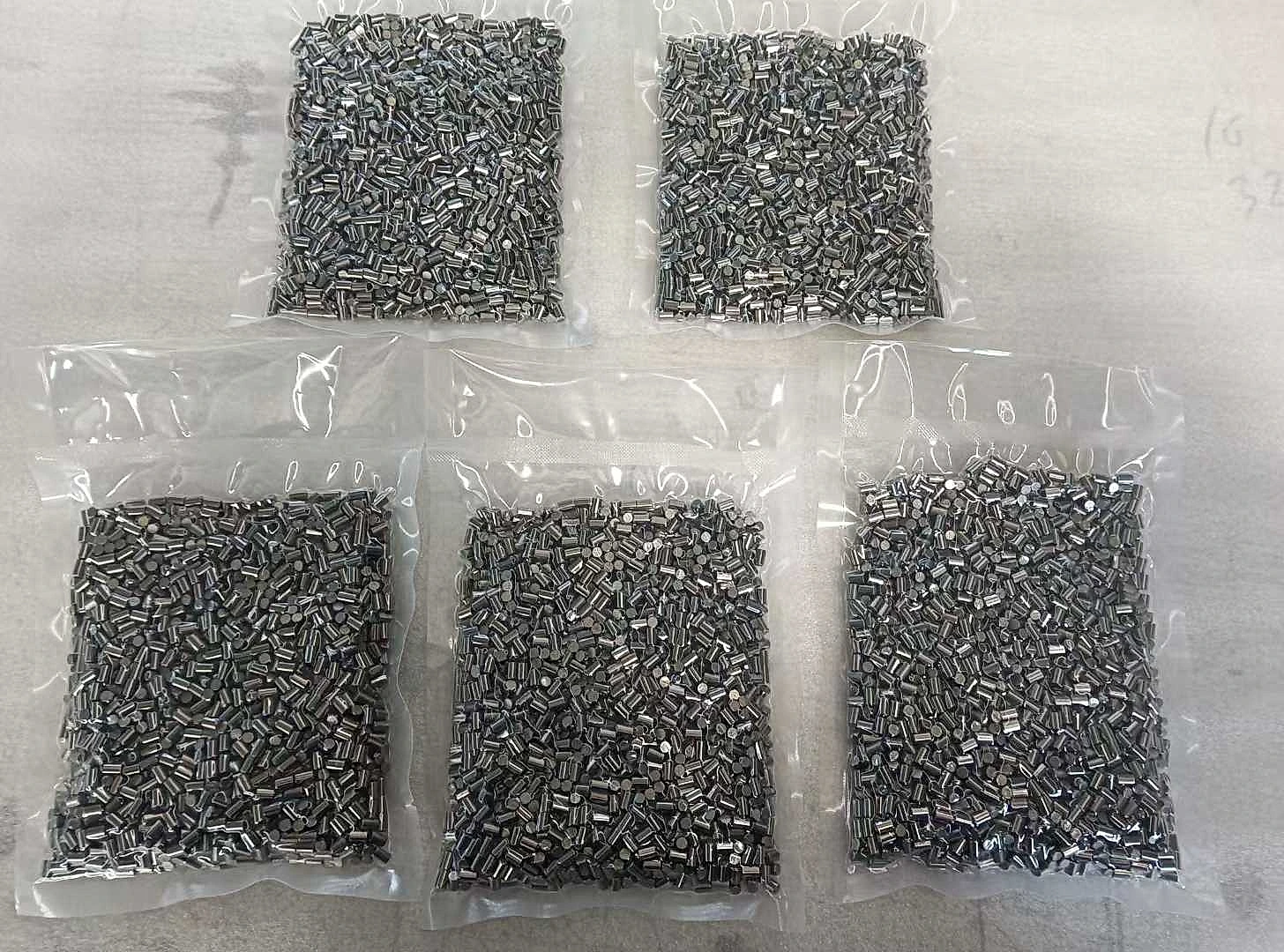
How? The answer lies in topology-optimized lattice structures that are impossible to manufacture with traditional stamping, forging, or multi-part assembly. LPBF builds the geometry layer by layer from 15–53 μm spherical titanium powder, enabling internal lattice cells that deliver stiffness where it is needed while eliminating material everywhere else. The result is a part that is simultaneously thinner, lighter, stronger, and cheaper to assemble.
The feedstock matters. BLT’s process uses gas-atomized spherical Ti-6Al-4V powder with strict particle size distribution (PSD) control — typically D10 of 18 μm, D50 of 35 μm, D90 of 50 μm. Powder flowability, oxygen content (< 0.13%), and recycling protocols are critical to part density and fatigue life. This is not commodity titanium. It is precision-grade AM powder produced under aerospace-adjacent quality systems.
The assembly cost reduction is equally important. Traditional foldable hinges require dozens of stamped steel and MIM (metal injection molded) parts, each needing individual tolerancing, surface treatment, and mechanical fastening. OPPO’s 4-part titanium hinge eliminates most of that assembly labor. Fewer parts mean fewer failure modes, tighter tolerances on the final assembly, and a shorter production line. BLT reportedly delivers the printed hinge components with post-machining tolerances under ±0.02 mm — competitive with the best MIM parts but in a material with twice the specific strength.
And OPPO is not alone. Persistent supply chain leaks — most recently from analyst Ming-Chi Kuo and corroborated by Korean component suppliers — suggest Apple’s foldable iPhone prototype uses a titanium-and-liquidmetal (Zr-based BMG) composite frame for the hinge section. If Apple ships a foldable device in 2027 or 2028, titanium will be back in Cupertino — not as a decorative frame, but as a load-bearing structural element in the fold mechanism.
What This Means for Titanium Supply Chains
The retreat and the advance pull titanium demand in opposite directions. The net effect is not simply “less titanium in phones.” It is a fundamental rebalancing of volume, form factor, and value.
Large-batch thin-wall titanium shell demand disappears. Apple and Samsung’s titanium frames consumed Grade 2 and Grade 5 sheet and billet stock in high volumes — estimated at 800–1,200 tonnes per year combined, processed through CNC milling and multi-axis machining. That demand evaporates over the next 12 months. For titanium sponge producers, this removes a marginal demand driver that had supported pricing in 2024–2025. Expect short-term softness in CP Grade 2 sheet pricing, particularly in the 0.5–2.0 mm thickness range favored by consumer electronics.
Small-batch, high-precision titanium powder demand accelerates. OPPO’s hinge uses grams of titanium per unit, not the tens of grams required for a full frame. But the per-gram value is vastly higher. AM-grade spherical Ti-6Al-4V powder (15–53 μm) commands $180–$350/kg depending on purity and PSD spec, compared to $25–$45/kg for equivalent wrought mill products. If foldable phones reach 80–100 million units annually by 2028 — a figure consistent with IDC and Counterpoint projections — powder demand from this segment alone could reach 400–600 tonnes per year.
The net math: volume shrinks, but value per kilogram climbs. Consumer electronics titanium demand shifts from a high-volume, low-margin milling operation to a low-volume, high-margin powder metallurgy operation. Producers positioned in wrought products face headwinds. Producers positioned in gas-atomized spherical powder face tailwinds.
Quality systems tighten. Foldable hinge components are fatigue-critical. Powder suppliers must demonstrate lot-to-lot consistency in PSD, flowability (Hall flow < 25 s/50g), oxygen content, and satellite particle fraction. This favors established atomization operations with statistical process control — and creates barriers to entry for lower-tier producers.
Geographic concentration intensifies. Both the wrought titanium supply chain and the AM powder supply chain run through Baoji. But the customer profiles are diverging. Wrought product buyers tend to be large-volume, price-sensitive OEM contract manufacturers. AM powder buyers tend to be smaller-volume, spec-driven technology companies willing to pay premiums for documented quality. Suppliers who can serve both profiles — offering cut-to-length mill products alongside qualified AM powder — will capture the broadest share of the consumer electronics titanium wallet.
View from Titanium Valley
From Baoji — the heart of China’s titanium production cluster — the shift is already visible on the ground.
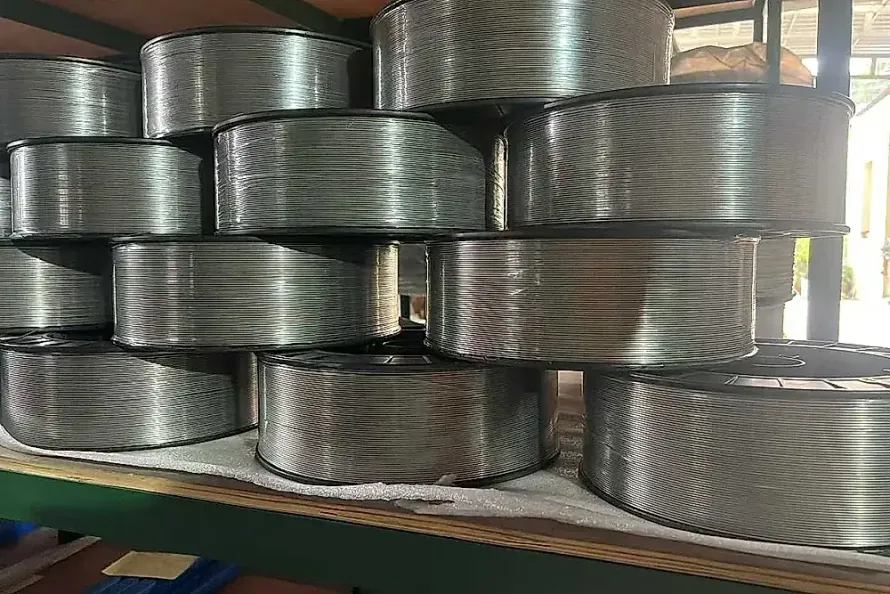
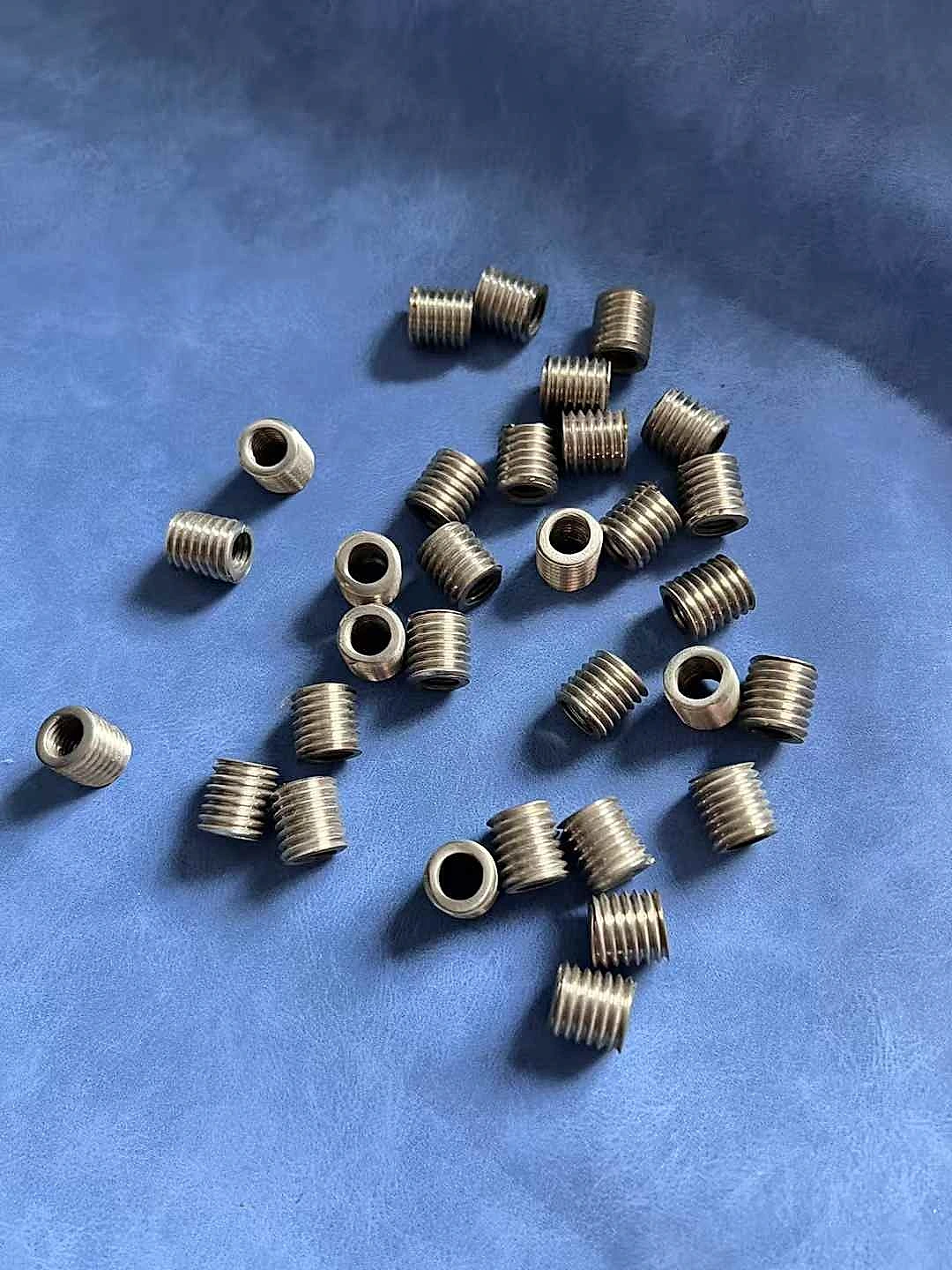
Consumer electronics procurement inquiries have changed character over the past two quarters. Through 2024 and early 2025, buyer RFQs centered on thin-wall titanium sheet and precision-machined billets for phone frames. Since Q3 2025, the mix has rotated toward spherical Ti-6Al-4V powder in the 15–53 μm range, small-lot titanium wire for wire-DED prototyping, and micro-component fabrication for hinge sub-assemblies. This shift is expected to accelerate through 2026 as foldable designs proliferate.
Powder pricing inquiries have increased notably. Multiple Baoji-based atomization facilities report growing quote requests from Shenzhen and Dongguan electronics supply chain integrators who previously had zero titanium exposure. This shift is expected to accelerate through 2026 as foldable designs proliferate.
This transition mirrors what happened in aerospace 3–5 years ago, when additive manufacturing moved from R&D curiosity to serial production. The consumer electronics sector is following the same adoption curve — compressed into a shorter timeline because the parts are smaller and the iteration cycles are faster.
What This Means for You
The titanium-in-smartphones divergence is not an abstract industry trend. It creates concrete planning requirements depending on where you sit in the value chain.
If you are a titanium mill product supplier: Rebalance your product mix expectations. The consumer electronics segment that drove incremental sheet and billet demand in 2023–2025 is contracting. Offset strategies include deepening your position in aerospace, marine, and chemical processing — sectors where demand for titanium pipes, titanium equipment, and heavy-wall forgings remains structurally strong.
If you are a powder producer or atomizer: This is your growth vector. Invest in PSD control, oxygen management, and qualification documentation. Consumer electronics OEMs and their Tier 1 hinge suppliers will demand the same rigor that aerospace primes require — and they will pay for it.
If you are a product designer or mechanical engineer: Evaluate whether your titanium applications are “frame-type” (decorative, substitutable) or “hinge-type” (structural, geometry-dependent, non-substitutable). Frame-type applications will face continuous cost-down pressure from aluminum and stainless alternatives. Hinge-type applications — where titanium’s specific strength and fatigue life create designs that no other material can achieve — will expand.
If you are a procurement manager: Map your titanium spend against this framework. Wrought titanium for consumer casings is becoming a spot-market commodity. AM-grade titanium powder for precision components is becoming a strategic material with qualified-source constraints. Plan accordingly. Use tools like our weight calculator to model material requirements across both scenarios.
The smartphone industry’s relationship with titanium is not ending. It is growing up. The days of using titanium as a marketing badge on a phone frame are over. The era of using titanium as an enabling material for mechanisms that would otherwise be impossible — thinner hinges, lighter folds, longer fatigue life — is just beginning.
For suppliers, engineers, and procurement teams alike, the question is no longer whether titanium belongs in your phone. It is which form of titanium belongs in which part of your phone.
Jason is an industry analyst and titanium supply chain specialist at Titanium Seller, based in Baoji, China’s Titanium Valley.
Related Products & Services:
- Titanium Wires — Feedstock for Additive Manufacturing & Precision Applications
- Titanium Sheets & Plates — Mill Products for Industrial & Consumer Applications
- CNC Milling Services — Precision Machining for Titanium Components
Related Articles:
Need this material? Get a factory-direct quote.