Grade 5 Titanium Forgings 2026: Why Lead Times Won't Shrink
IATA projects commercial aircraft deliveries will grow 8–12% in 2026. Boeing and Airbus backlogs are finally moving. But if you are a procurement engineer at an aerospace Tier-2, here is the reality you are working in: Ti-6Al-4V (Grade 5) forging lead times are still five times what they were before 2020. Demand is climbing. Supply has not caught up. Why?
The answer is not capacity shortfall. It is structural mismatch.
Why a Familiar Problem Has Become a 2026 Crisis
Three supply lines tightened simultaneously.
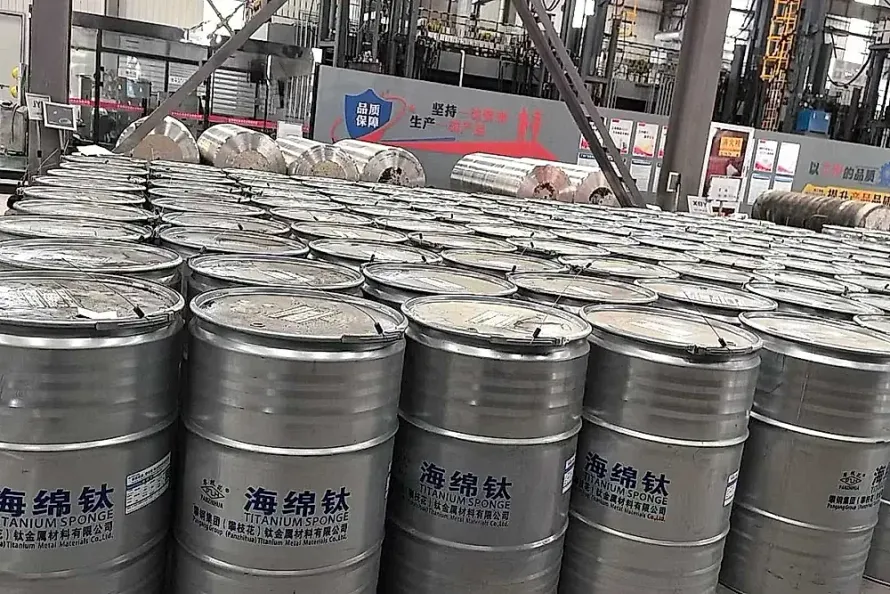
First: Russian titanium continues to exit Western supply chains. Airbus has cut its Russian titanium sourcing from roughly 65% of procurement (pre-war) to approximately 20%, with further reductions planned. There are reports that the Kremlin is considering export restrictions on titanium and nickel as a counter-sanctions instrument. VSMPO-AVISMA’s annual sponge output has dropped from 32,000 tonnes to around 17,000 tonnes, with more volume redirected to domestic consumption. The net effect: approximately 15,000 tonnes of aerospace-grade sponge per year have disappeared from Western supply chains.
Second: US domestic sponge capacity is at zero. The Henderson, Nevada facility closed in 2020. The United States now imports every kilogram of titanium sponge it consumes. IperionX’s $99M DoD contract and American Titanium Metal’s $868M North Carolina greenfield are medium-term projects — neither delivers product before 2027. There is no domestic capacity to fill the gap in 2026.
Third: scrap supply cannot keep pace with scrap-melting expansion. ATI, Perryman, and Timet together added close to 30,000 tonnes/year of combined new ingot capacity, with an anticipated 22% increase in scrap utilization. But the sources of that scrap — aerospace MRO shops and manufacturing floor cutoffs — generate material at a fixed rate. More melting capacity chasing the same scrap volume means higher scrap prices and upward pressure on rod and bar costs.
The sum: lower sponge availability, no domestic capacity buffer, intensifying scrap competition. Grade 5 forging lead times will not compress. This is not a cyclical condition. It is structural.
The Silent Crisis: UT Inspection Pass Rates
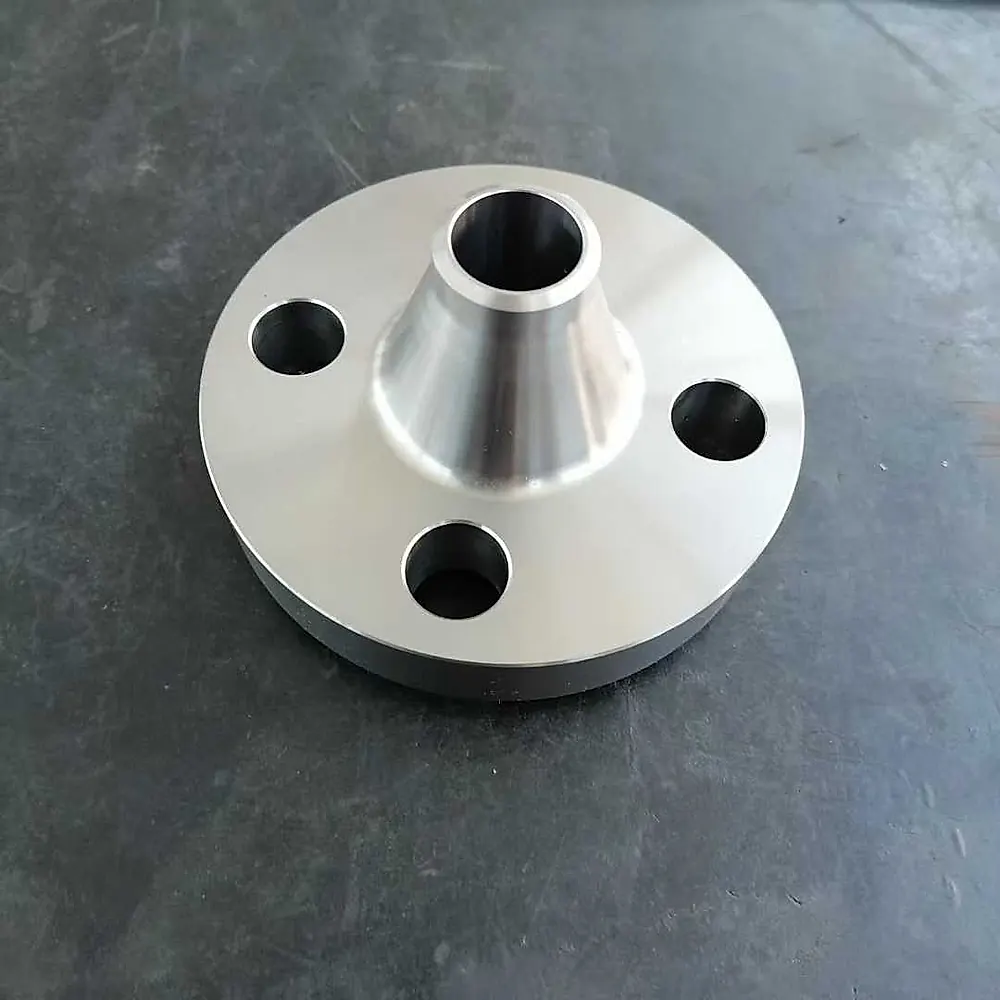
Long lead times are the visible problem. Quality variance is the one that catches buyers off guard.
When supply is tight, end customers are pushed toward alternative suppliers. Alternative suppliers vary widely in process consistency. Our observation across the industry: first-pass ultrasonic testing (UT inspection) pass rates for Ti-6Al-4V forgings run above 90% at top-tier producers. At a number of mid-size forging houses, that figure drops below 80%.
What does a low pass rate cost you? Rejections, rework, re-scheduling. A batch that fails UT adds four to six weeks to actual delivery. The “20-week lead time” in the quote becomes a 26-week lead time after one rejection cycle.
Two misconceptions drive most of the pain.
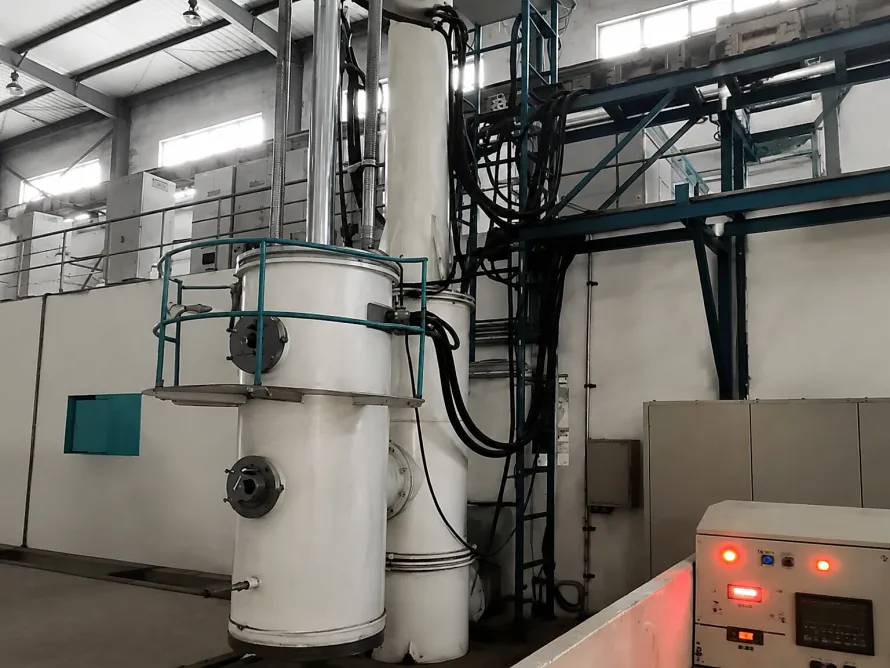
Misconception one: “As long as the alloy grade is right.” Grade 5 is an alloy designation, not a quality guarantee. Two Ti-6Al-4V forgings can share the same chemistry and yet behave completely differently under ultrasonic inspection — depending on sponge grade (Grade 0 vs. Grade 1), number of VAR melting passes (double VAR vs. triple VAR), and forging temperature control precision. Microstructure determines UT response. The alloy label does not.
Misconception two: “A passing MTC is enough.” A mill test certificate (MTC) documents chemical composition and mechanical properties. It says nothing about internal discontinuities — porosity, inclusions, piping. A clean MTC attached to a UT-failing forging is not a rare occurrence in this industry.
How We Get to 92%: Process Over Luck
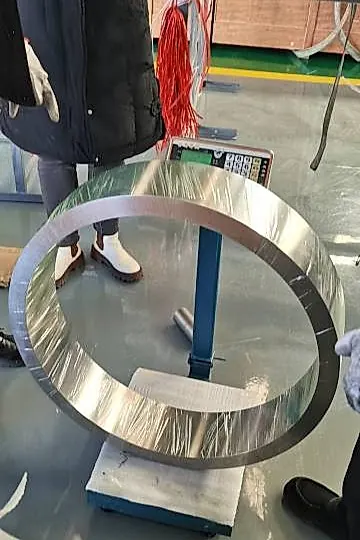
Last month, our first-pass UT inspection rate for Ti-6Al-4V forgings was 92% — roughly 15 percentage points above industry average. That number is not random.
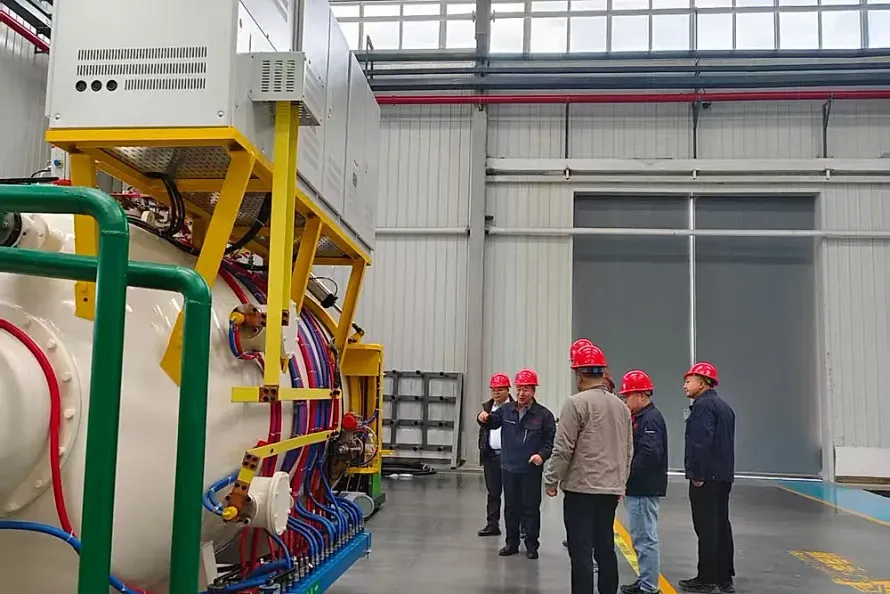
Process control starts at the raw material stage. We specify Grade 0 sponge with oxygen content held below 0.10% — well under the 0.20% ceiling in ASTM B381. Every forging heat is fully traceable — sponge lot, heat number, melt parameters, and forging temperature are documented across the full chain, from raw feed to finished part.
“UT pass rate is not something you inspect your way to — it’s controlled in the melting and forging stages. Last year we made one key process change: we tightened the initial forging temperature window from ±25°C to ±15°C. That single adjustment reduced detected beta-fleck defects by 40%.” — Quality Director Hu
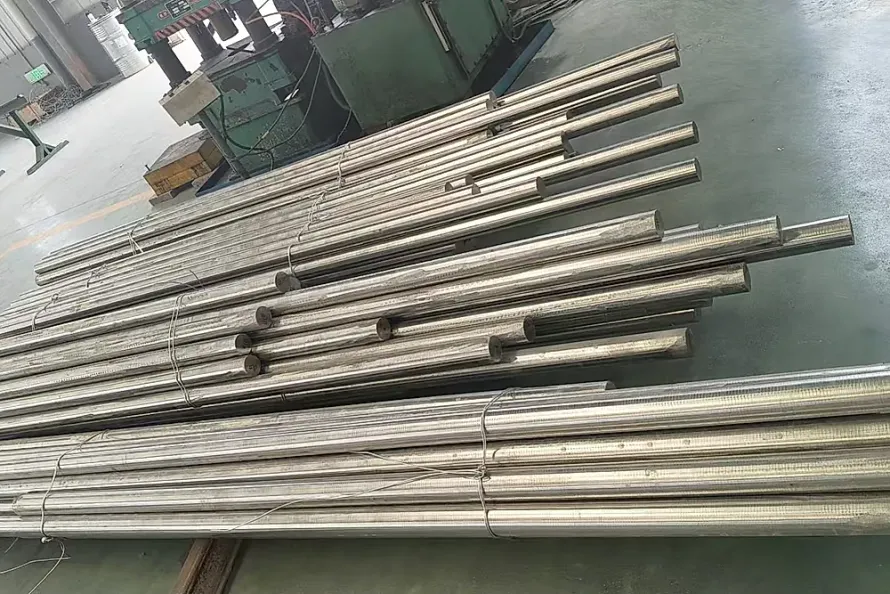
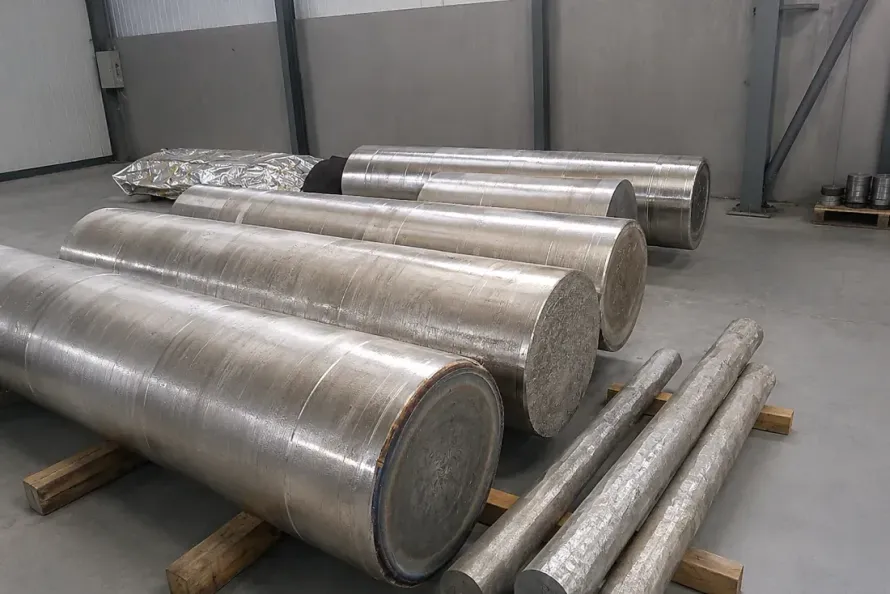
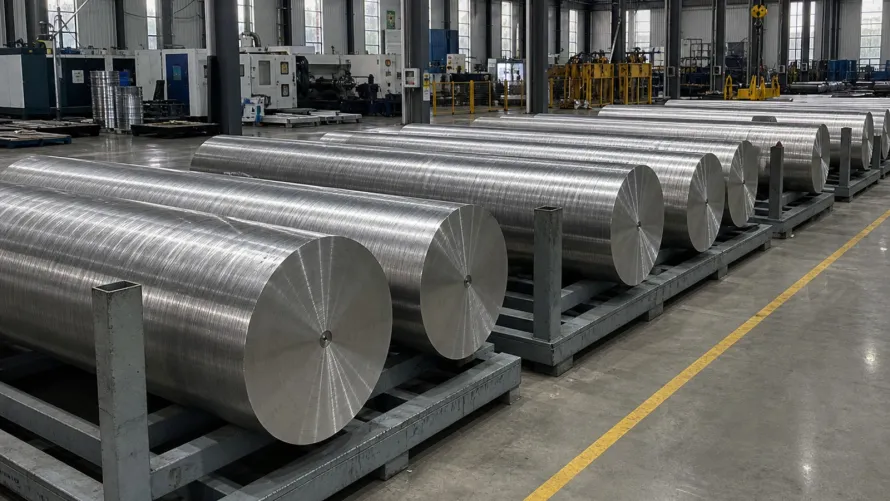
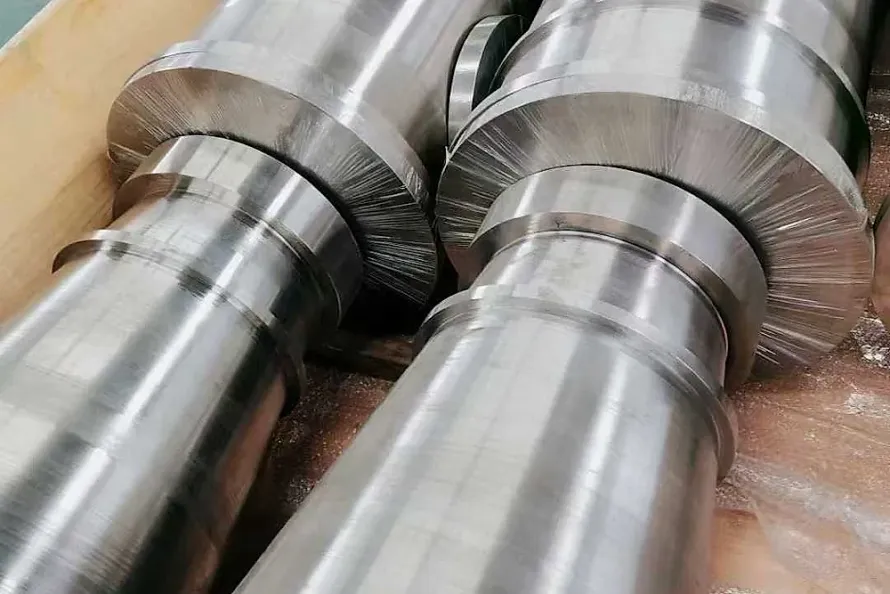
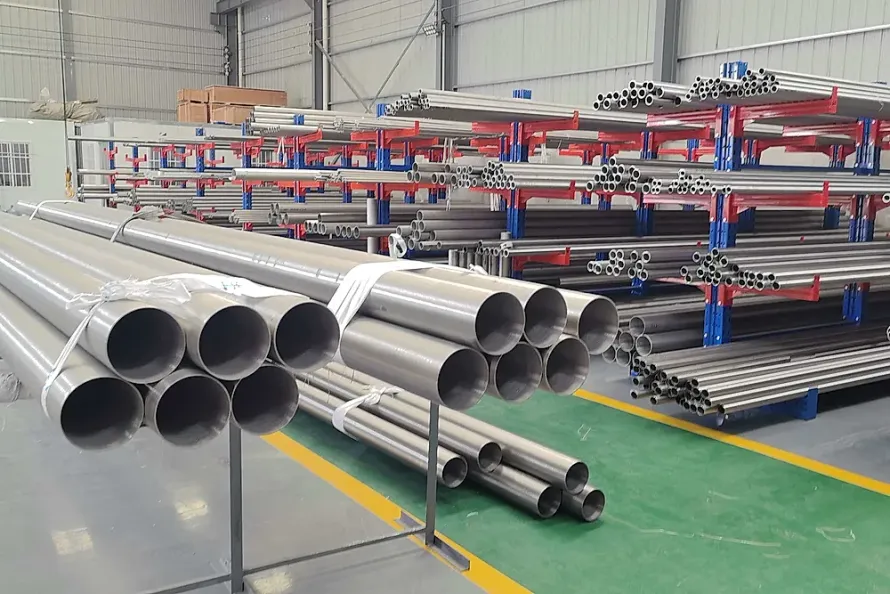
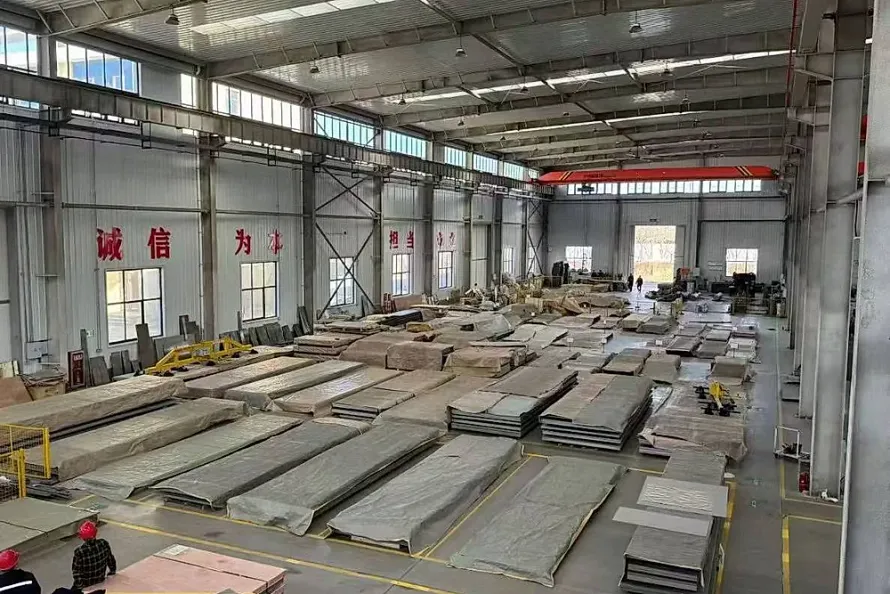
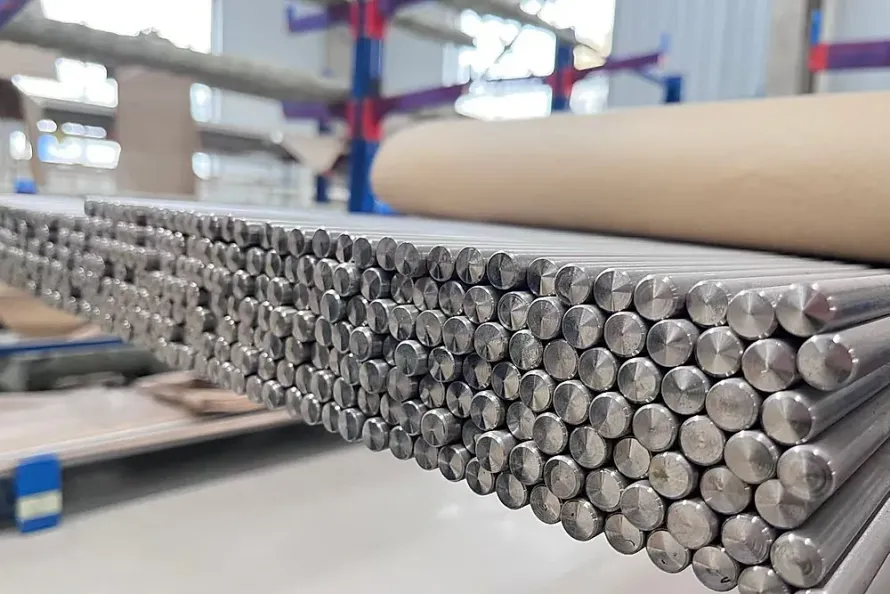
Inventory strategy is also part of lead time control. We maintain approximately 50 tonnes of Ti-6Al-4V stock covering the most common size range, Φ20–300mm. When a customer needs 10 pieces of Φ80mm × 1000mm Gr.5 bar, we do not start from sponge — we cut to length from inventory and ship. Lead time drops from 20 weeks to 3.
A recent example: a European aerospace component manufacturer needed Φ150mm Ti-6Al-4V forged billet to AMS 4928 and ASTM B381 dual certification. Their regular suppliers quoted 18–22 weeks. We matched inventory to spec, supplied full heat number traceability and a third-party UT report, and delivered in 3 weeks.
Your Procurement Decision Checklist
Four actionable steps for buying Grade 5 forgings in 2026:
1. Ask for UT pass rate data, not just the MTC. Any supplier running below 85% first-pass UT should have four to six weeks added to their quoted lead time before you commit.
2. Verify the full heat number traceability chain. Sponge lot through finished forging — every step with heat number, melt records, and forging parameters on file. Traceability is not just a compliance checkbox. It is the leading indicator of process consistency.
3. Evaluate a small-lot inventory backup source. Large forging shops typically require a 500kg minimum run. If your project needs 50–200kg of Grade 5 forgings, qualifying a supplier with small-lot in-stock capability gives you a Plan B that can turn emergency orders in 3–4 weeks instead of 20.
4. Watch the Section 232 clock. The negotiation deadline is July 13. If tariffs on Chinese titanium finished products land, Grade 5 forging procurement costs could step up in Q4. Lock critical Q3–Q4 material in Q2.
Need a sample Gr.5 forging MTC or UT report template? Contact us to request one.
Related Products & Services
- Service → No Minimum Order Quantity — 50kg minimum, solving the lead time problem for small aerospace Grade 5 forging orders
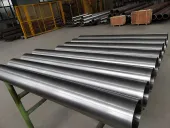
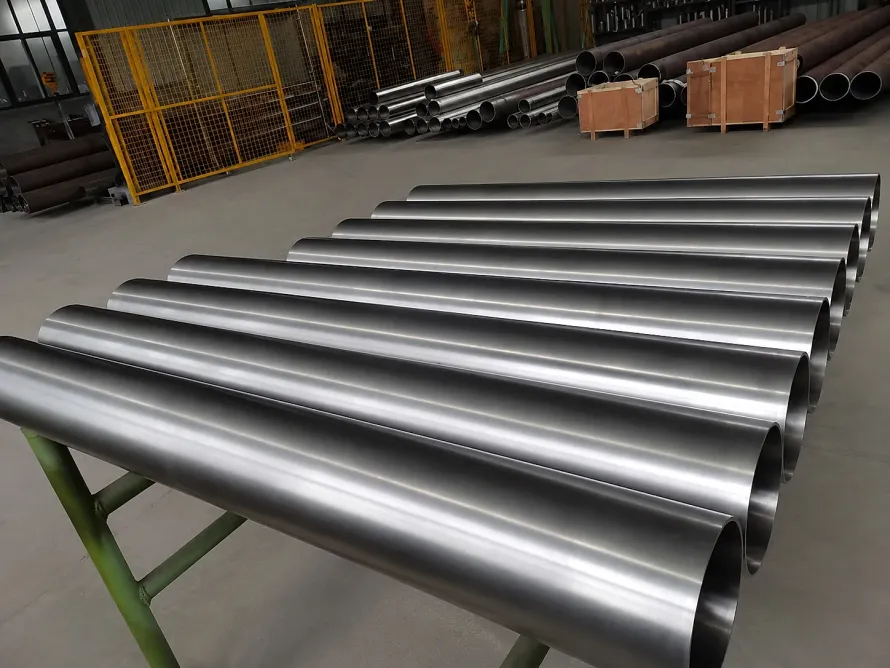
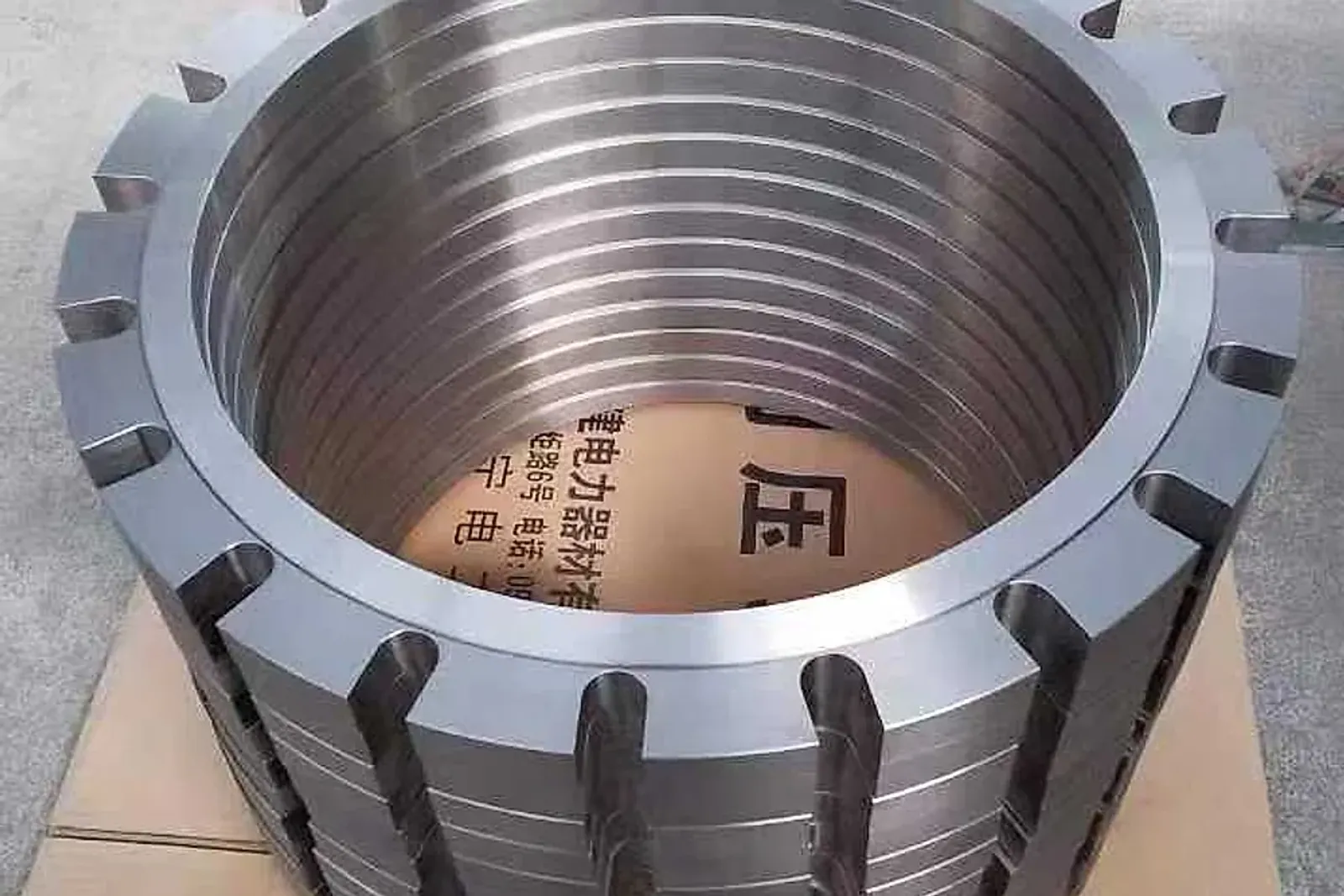
- Product → Titanium Forgings — Ti-6Al-4V forgings, Φ20–300mm in-stock
- Product → Titanium Rods — Gr.5 bar stock, AMS 4928 certified, cut-to-length available
Related Articles:
Need this material? Get a factory-direct quote.