Titanium Price 2026: Why Regional Gaps Keep Widening
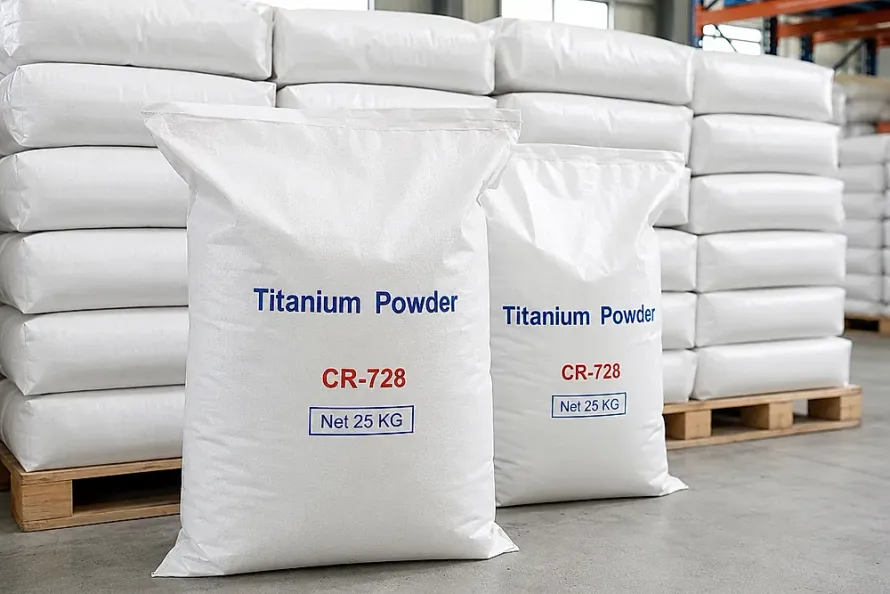
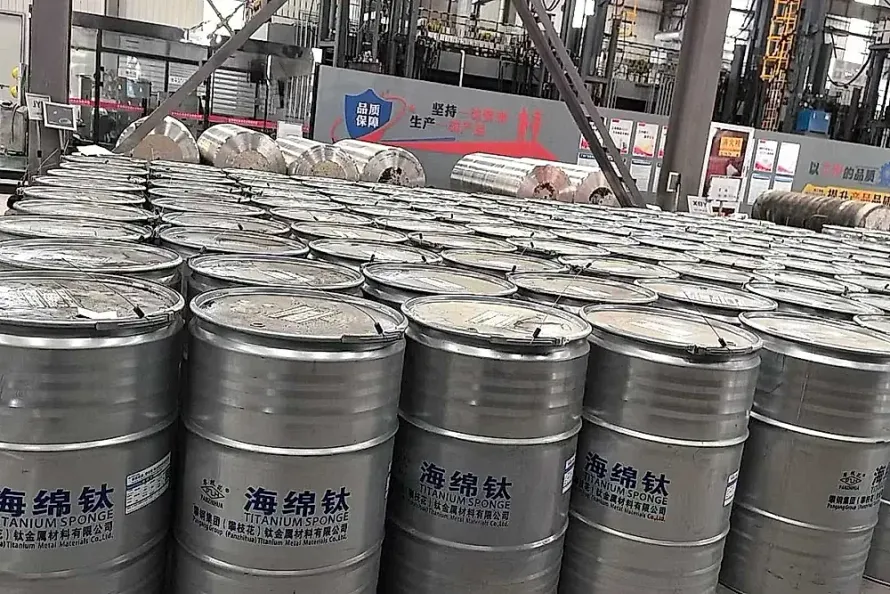
North American titanium spot prices came in at $6.71/kg in March — down 3.5% from February’s $6.92. China’s 99.6% titanium sponge (titanium sponge) averaged about $6.40/kg over the same period. India? Somewhere between $12.50 and $15.00/kg — nearly double what buyers pay in the US. Three numbers. One metal. Three completely different pricing realities in 2026.
Price gaps aren’t new. What is new is the structure behind them. China’s capacity surplus is suppressing raw material costs even as Beijing pulled export VAT rebates on 249 product lines effective April 1. The US Section 232 critical minerals negotiation window closes July 13 — 180 days after the January executive order. India continues to absorb the world’s highest per-kilogram prices due to a structural supply deficit with no near-term fix. Three separate policy forces converging in the same quarter. The compounding effect on cross-border procurement decisions is real.
The Structural Drivers: Capacity, Policy, and Raw Material Costs
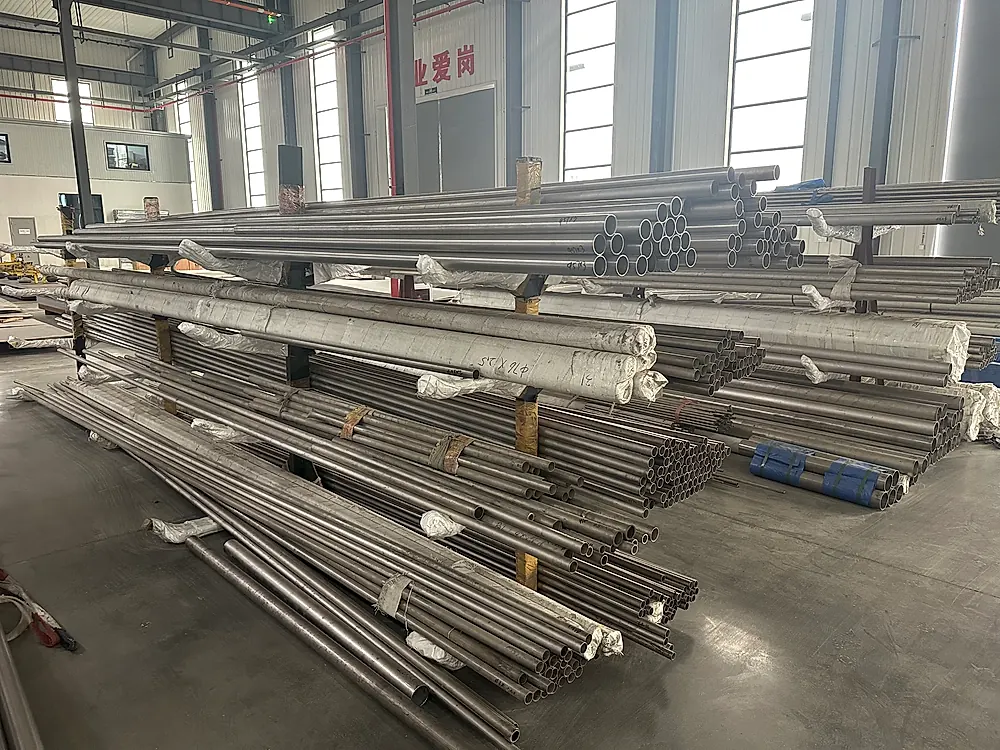
Start with supply. The numbers are clear.
China’s titanium sponge capacity has reached roughly 220,000 tonnes per year — 58–66% of global output. The Baoji cluster alone accounts for more than 600 titanium enterprises producing 65% of national volume. That much capacity means sustained downward pressure on domestic sponge prices. The ~$6.40/kg average has held for months, and there is little upward momentum.
The US picture is the opposite. Henderson, Nevada — the country’s last aerospace-grade sponge facility — closed in 2020. The US now imports 100% of its titanium sponge. DoD is working to rebuild domestic supply through IperionX (a combined $47.1M in awards plus 290 tonnes of government scrap inventory) and American Titanium Metal ($868M greenfield plant in North Carolina), but neither delivers product before 2027 at the earliest. The 2026 supply gap has no domestic solution.
India is more extreme still. Domestic sponge capacity is essentially zero. Near-total import dependence, stacked with tariffs and freight, pushes end-market prices to $12.50–15.00/kg. A recently signed EU–India critical minerals MOU lists titanium among 30 priority materials, but operationalizing that will take years.
These three data points point to one conclusion: titanium prices in 2026 are not simply rising or falling — they are stratifying by geopolitical structure.
How the VAT Reversal and Section 232 Hit Your BOM
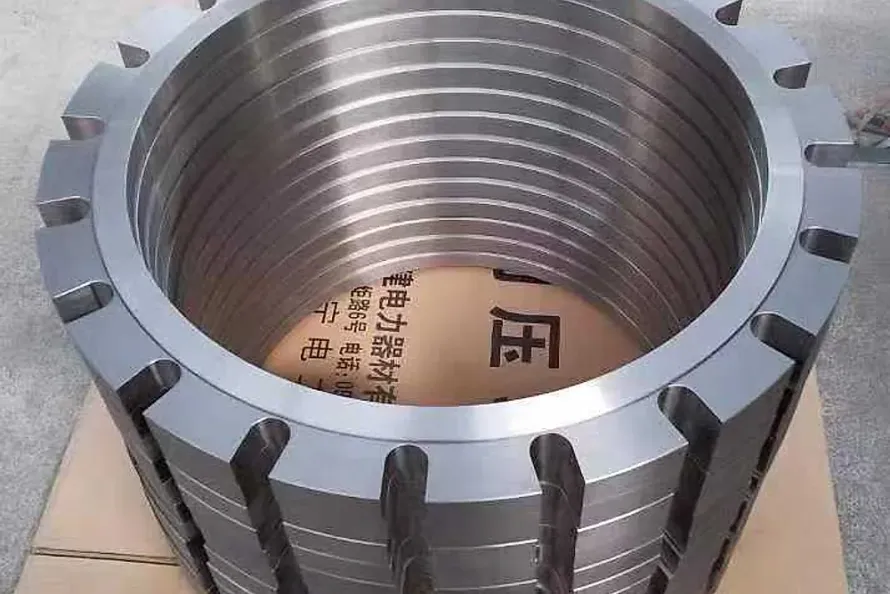
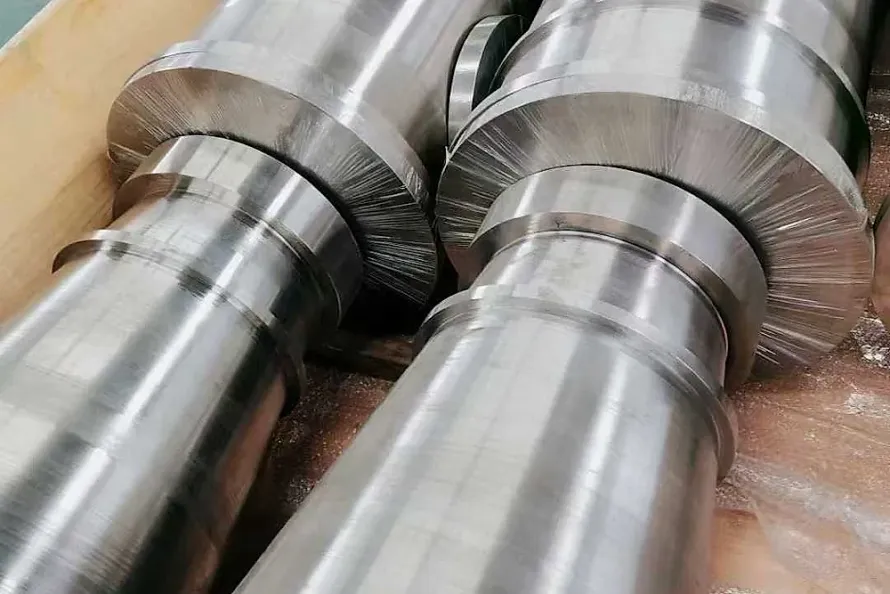
China’s removal of export VAT rebates on 249 lines took effect April 1. Not all titanium products are directly affected, but the adjustments across chemicals and materials categories have already worked through the supply chain. Our direct observation: Ti-6Al-4V forging FOB prices are up roughly 7%.
Seven percent sounds modest. For a mid-size aerospace Tier-2 buying 20 tonnes per year, that’s an extra $9,000–$12,000 in annual BOM cost. Add a potential Section 232 tariff triggered by failed negotiations in July, and the cost impact doubles.
The Section 232 timeline deserves attention. On January 14, 2026, the executive order on critical minerals named titanium among 50 designated materials. No tariffs were imposed immediately — instead, a 180-day window opened for negotiations, with China as the primary counterpart (the world’s largest titanium exporter by a wide margin).
The titanium sponge working group’s reported position: lower import duties on raw sponge (to supplement feedstock supply) while increasing tariffs on finished titanium products from “adversarial-nation producers.” If that direction holds, the effect chain looks like this:
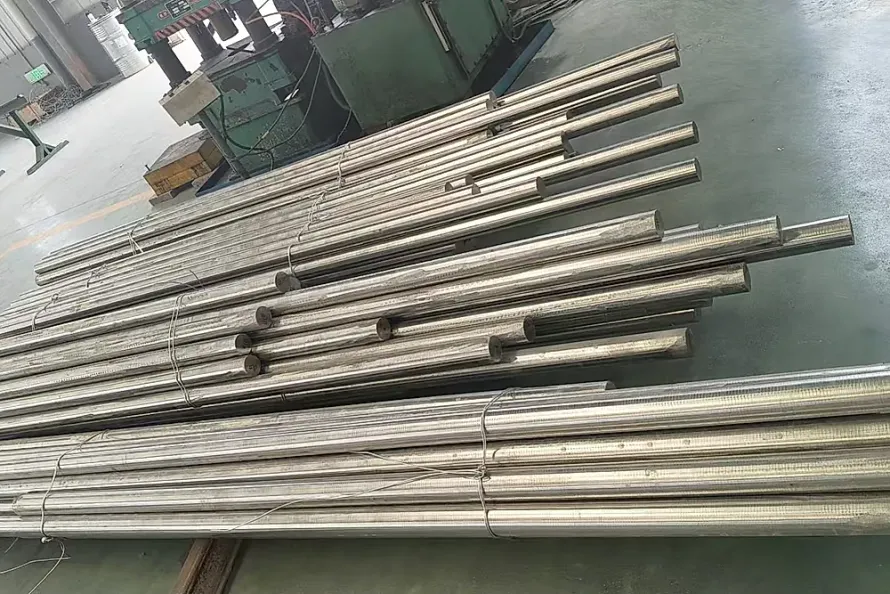
- Import costs for semi-finished products like rods and plates from China increase
- Raw sponge imports could actually get cheaper, helping US domestic processors
- Distributors with multi-origin supply chains gain pricing flexibility
Practical implication for buyers: orders locked before Q3 are unaffected. Long-cycle orders delivering in Q4 need a 5–10% tariff buffer built into quotes now.
Ground-Level Signals from the Titanium Valley
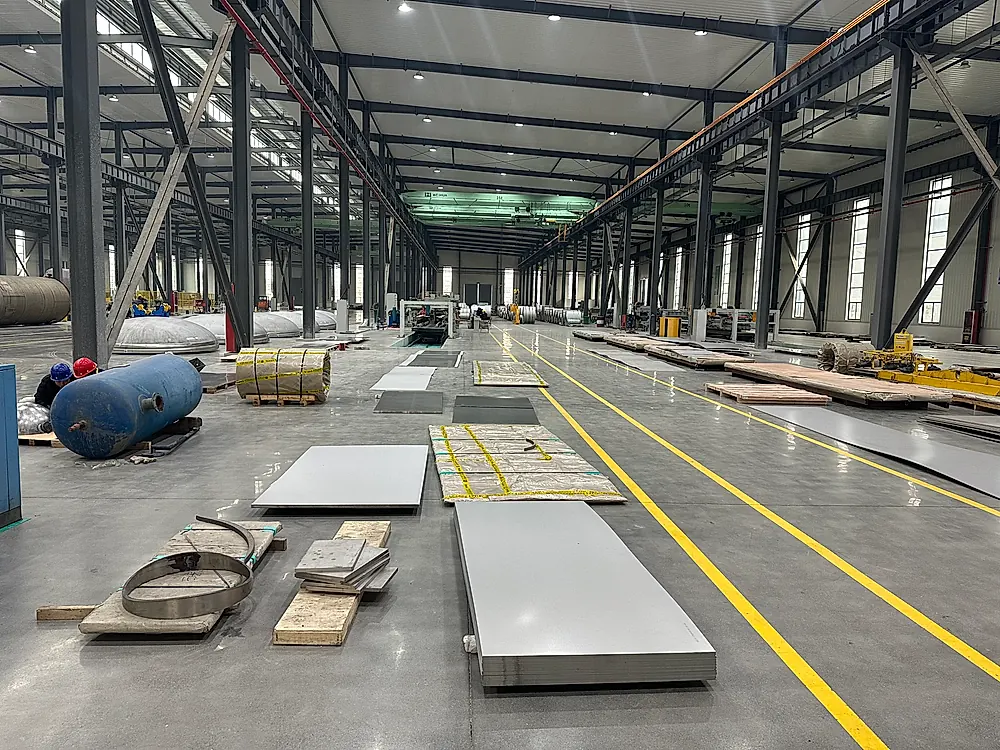
Based in Baoji, we see things that outside analysts don’t.
Over the past 30 days, RFQ volume for Gr.5 forgings destined for North America rose roughly 25% month-over-month. This is not a demand surge — it’s customers pulling forward orders ahead of the Section 232 window. The language of inquiries has changed too. It used to be “please quote.” Now it’s “can you hold pricing for 90 days.”
“From mid-March, the push for price locks picked up noticeably. One German aerospace Tier-2 asked us to fix the entire Q3 Ti-6Al-4V plate volume at current sponge-based cost. That kind of request was rare before.” — Sales Director Liu
Meanwhile, utilization rates among smaller Baoji-area sponge producers diverged in March. Operations above 5,000 tonnes/year capacity are running at full tilt. Two to three smaller facilities under 3,000 tonnes/year have gone offline for maintenance — spot prices fell below their cost floors. Capacity consolidation signals are there, but the pace is slower than expected.
One more downstream effect from the VAT reversal: a concentrated rush to ship in the last two weeks of March tightened trucking schedules between Baoji and Tianjin port. By early April that pressure had eased — and short-lead-time small-lot orders are actually better positioned now. The bulk cargo cleared out. The spot freight lanes opened up.
Procurement Recommendations
Three actionable steps based on the above:
1. Lock Q3 pricing now, structure Q4 with a tariff clause. Locking Q3 delivery today gives maximum cost certainty. For Q4 and beyond, write a tariff adjustment clause (tariff adjustment clause) into your contracts — agree in advance on how Section 232 cost increases get shared if and when they land.
2. Watch sponge prices, not finished product prices. Finished goods prices lag sponge by four to six weeks. If Chinese sponge breaks below ~$5.90/kg, capacity consolidation is underperforming and finished prices have room to drop. If sponge climbs back above ~$7.00/kg, smaller facilities have shut, and the window to build inventory is closing.
3. Build a second-source option. If you are currently 100% single-origin, Section 232 uncertainty alone justifies a Plan B. China plus Japan dual-sourcing remains the most cost-efficient combination available today.
Titanium Seller is a titanium supply chain platform headquartered in Baoji, China’s titanium valley, covering the full product range from sponge to finished mill products.
Related Products & Services
- Service → Stocking Programs — Price-lock inventory programs to hedge against market volatility
- Product → Titanium Forgings — Ti-6Al-4V forgings with FOB pricing directly affected by export policy changes
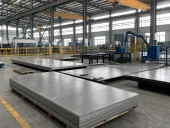
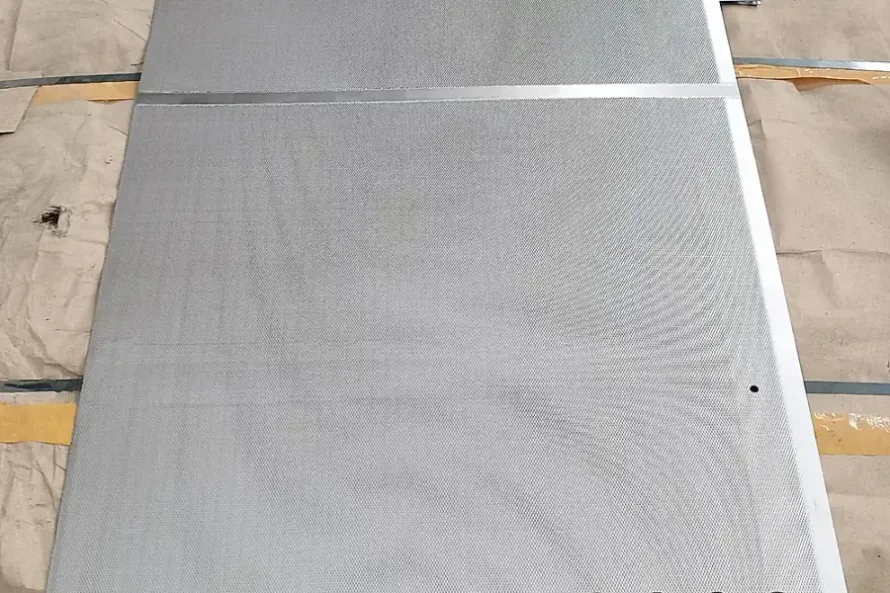
- Product → Titanium Sheets & Plates — Plate and sheet: among the most price-sensitive product lines across supply regions
Related Articles:
Need this material? Get a factory-direct quote.