Titanium Plate Grade Selection: Gr.2 vs Gr.5
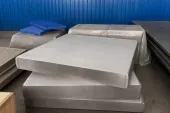
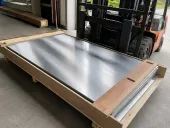
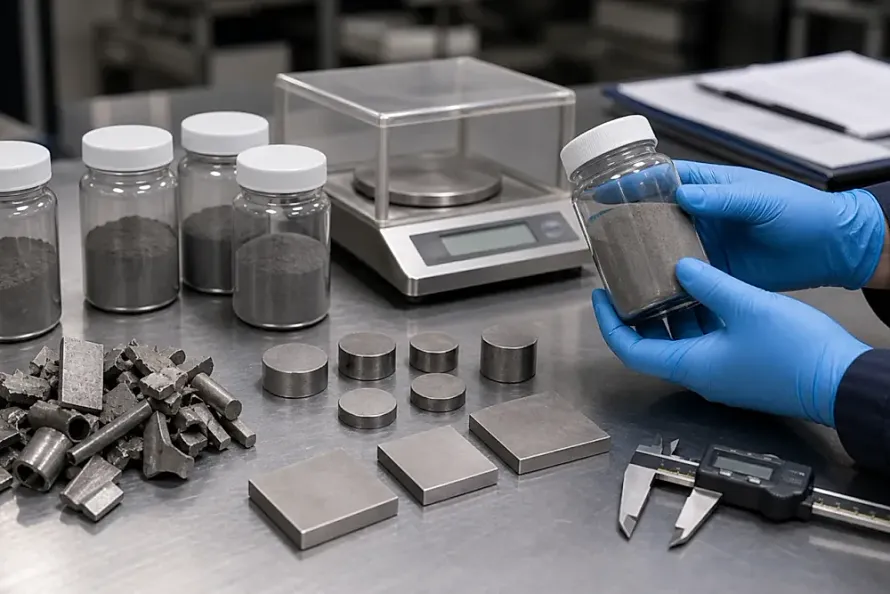
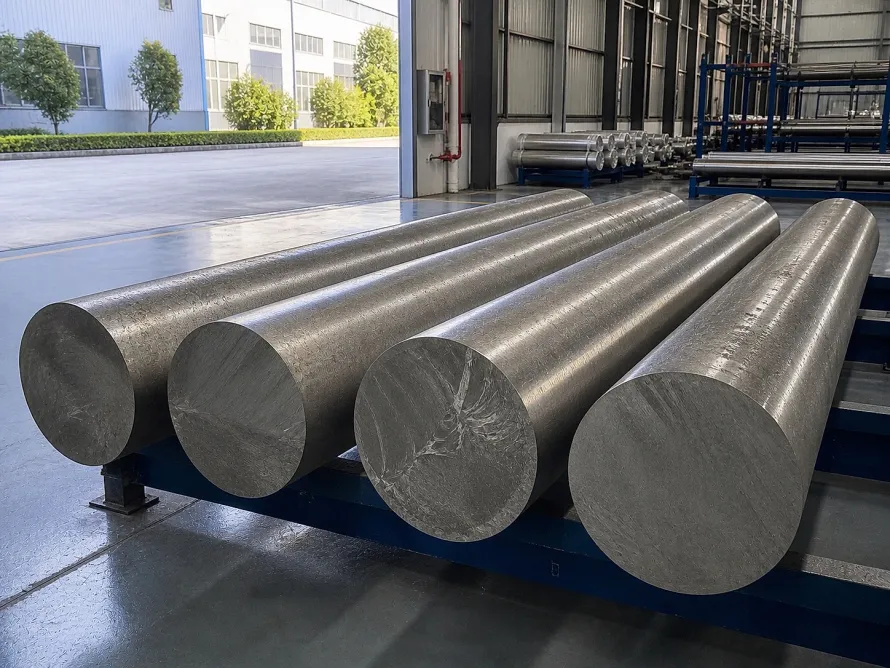
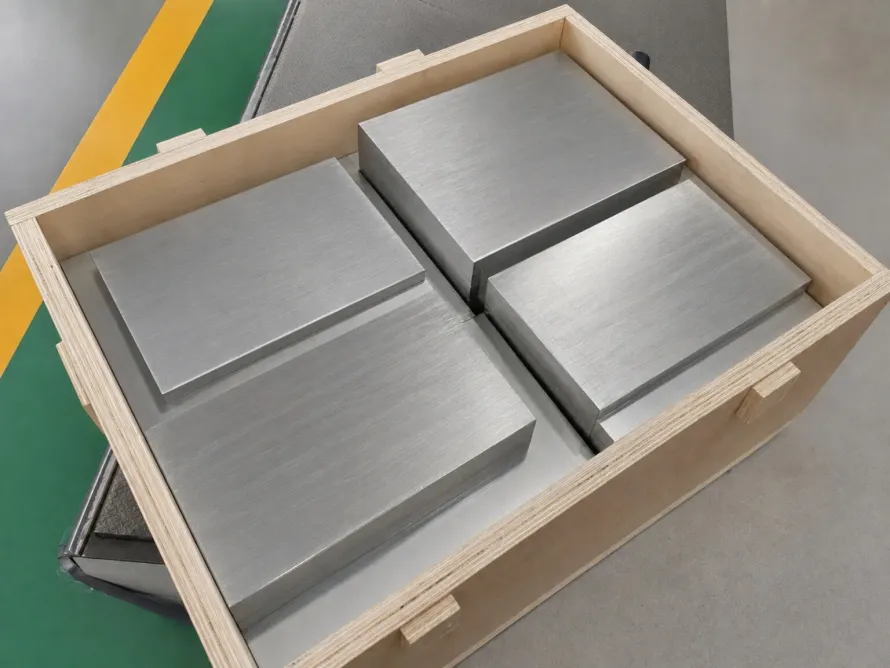
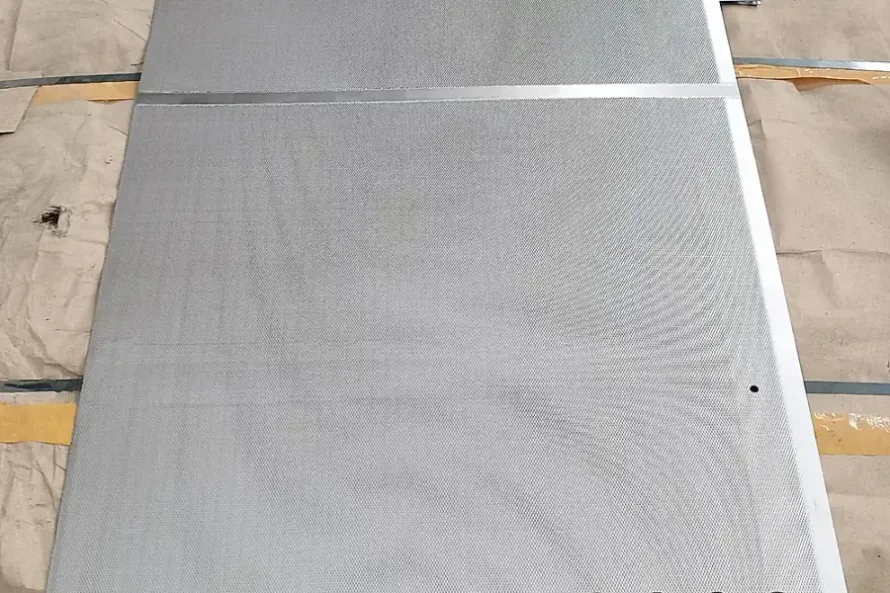
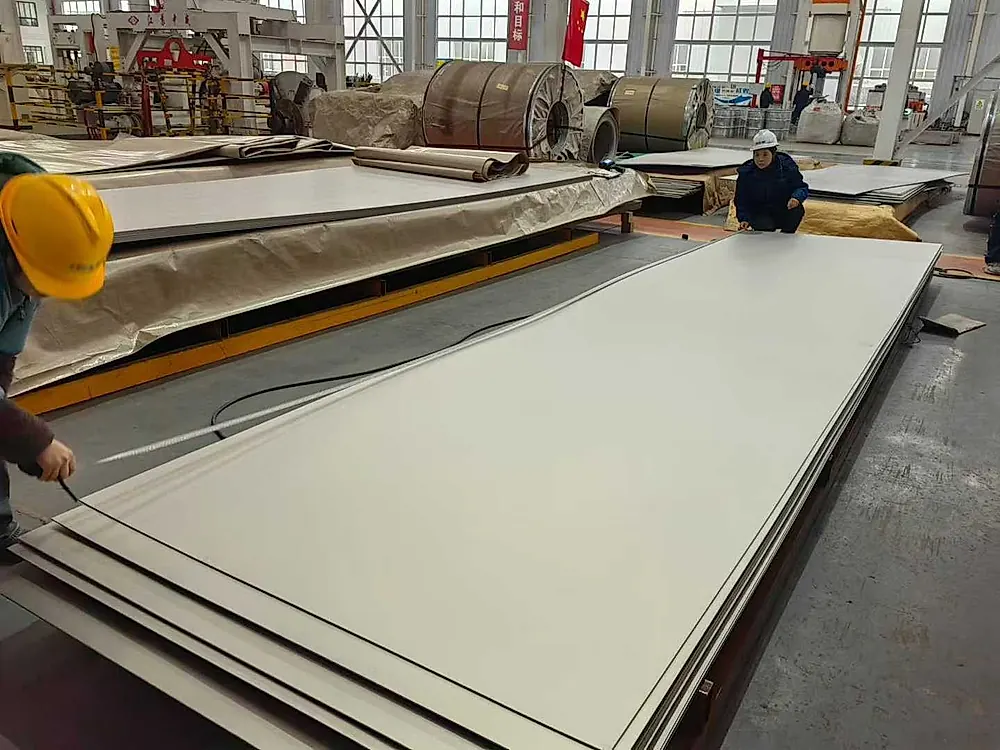
A titanium plate sits in front of you. Same silver-gray metallic finish. Same dimensions. Price difference: 40–60%. Gr.2 or Gr.5?
The wrong choice doesn’t mean “slightly underperforming.” It means equipment failure.
Two Industry Failures
Two real scenarios worth examining.
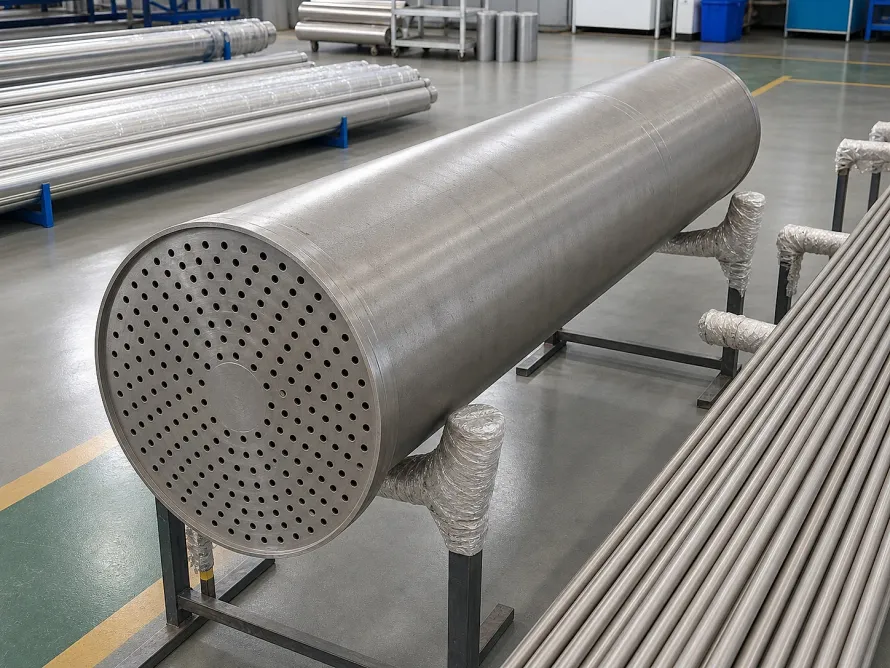
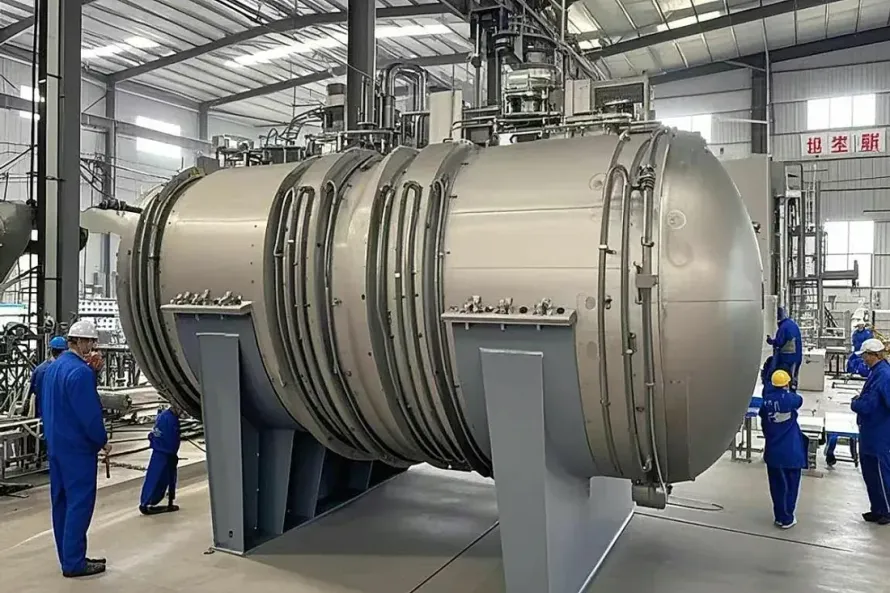
Case 1: A chemical heat exchanger specified Gr.5 — crevice corrosion perforated it 18 months later. A chlor-alkali plant commissioned new titanium heat exchangers. The design spec called for “titanium alloy plate.” Procurement followed a high-strength logic and ordered Ti-6Al-4V (Gr.5). Eighteen months into service, crevice corrosion perforated the tube-sheet joints.
The cause is straightforward. Gr.5 is less corrosion-resistant than Gr.2. That sounds wrong — shouldn’t an alloy outperform commercially pure titanium? Not here. The 6% aluminum and 4% vanadium in Ti-6Al-4V raise strength, but degrade resistance in high-chloride environments. Gr.2 CP titanium forms a more stable TiO₂ passive film in wet chlorine and hydrochloric acid service. High temperature, high chloride, crevice geometry — that combination is precisely where Gr.5 is weakest.
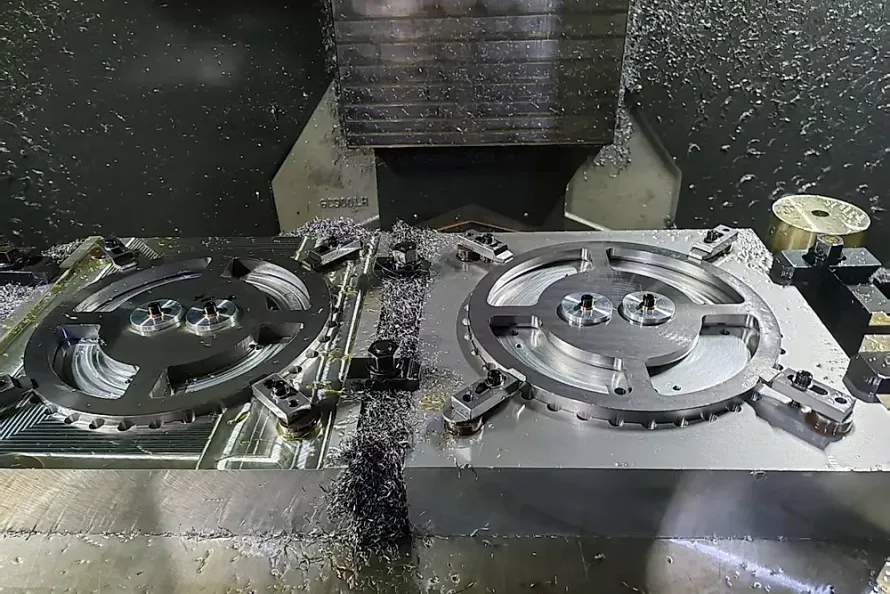
Case 2: An aerospace structural part specified Gr.2 — the strength requirement wasn’t close, the whole batch was scrapped. An aerospace components fabricator received customer drawings for wing rib plates machined from titanium plate material. Procurement cut costs by ordering Gr.2 sheet. Post-machining inspection recorded tensile strength at 345 MPa — far below the design requirement of 895 MPa. The entire batch was scrapped.
Again, the cause is direct. Gr.2 is commercially pure titanium with a yield strength around 275 MPa. Gr.5 is an α+β dual-phase alloy with yield strength above 830 MPa. That’s a 3× difference. Gr.2 physically cannot meet the load requirements of aerospace structures.
Two cases. Two opposite errors. Both ended in total loss.
The Core Decision: Corrosion vs Strength
The selection logic isn’t complicated. One question drives everything: Is your application corrosion-dominated or strength-dominated?
Corrosion-dominated → Gr.2 (CP titanium):
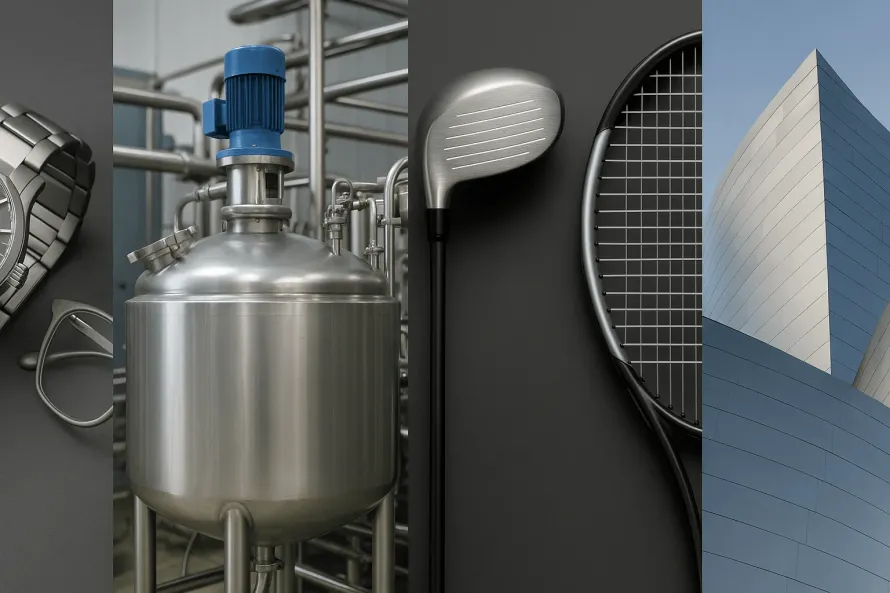
- Chemical reactors, heat exchangers, pipelines
- Seawater desalination equipment
- Electrolyzer anodes
- Hydrometallurgy, chlor-alkali industry
These applications share one trait: aggressive media (high-concentration Cl⁻, HCl, wet Cl₂) with moderate structural loads. Gr.2’s TiO₂ passive film self-repairs better in these environments. The aluminum and vanadium alloying elements in Gr.5 become corrosion-sensitive sites rather than assets.
Strength-dominated → Gr.5 (Ti-6Al-4V):
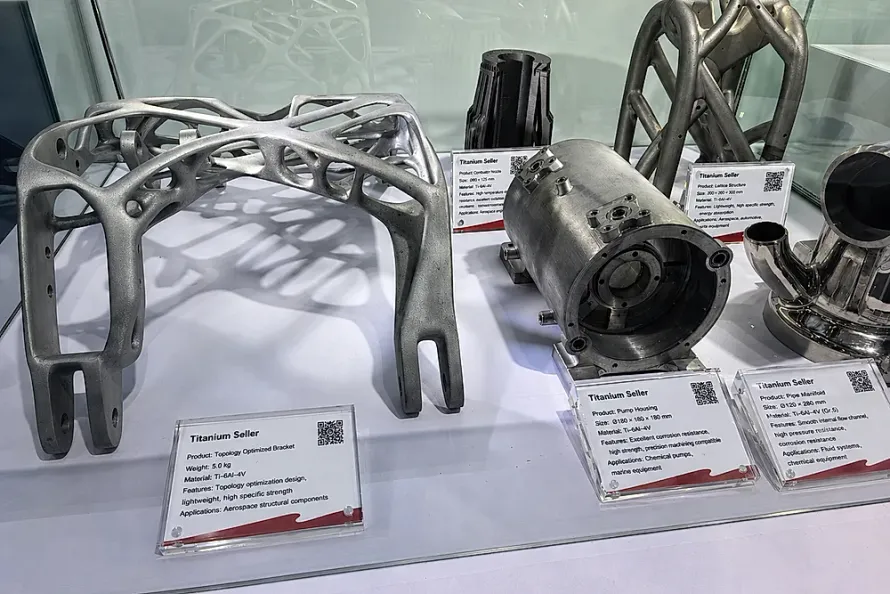
- Aerospace structures (frames, ribs, skin panels)
- Aerospace fasteners
- High-pressure vessels
- Motorsport and high-performance sporting equipment
These applications prioritize structural load-bearing, fatigue life, and strength-to-weight ratio. Corrosion is not the primary concern — aerospace service environments don’t involve strong acids or alkalis. Gr.5 ranks among the highest specific strength of any metallic material.
The two paths are clear. The difficulty sits in the middle.
The Gray Zone: Marine, Medical, and Pressure Vessels
Some applications demand both corrosion resistance and strength. Grade selection stops being a binary choice.
Marine equipment: Seawater service (19,000 ppm Cl⁻) combined with pressure-bearing requirements. Pure Gr.2 handles corrosion but lacks strength. Pure Gr.5 meets strength requirements but carries crevice corrosion risk. The industry standard answer is Gr.12 (Ti-0.3Mo-0.8Ni) — trace molybdenum and nickel additions to a Gr.2 base, giving 10× better crevice corrosion resistance while retaining CP titanium-level weldability. If you’re working on a marine project, Gr.12 bar stock and plate are worth evaluating first.
Medical implants: The human body is corrosive (body fluids contain Cl⁻) and load-bearing. ASTM F136 mandates medical-grade titanium use Ti-6Al-4V ELI (Extra Low Interstitials) — the low-interstitial variant of Gr.5, with oxygen content capped at 0.13% instead of 0.20%. Better fatigue performance and higher biocompatibility. Standard Gr.5 is non-compliant.
Pressure vessels: ASME code explicitly restricts which titanium grades are permitted in pressure vessel construction. Most cases call for Gr.2 or Gr.12, not Gr.5 — Gr.5 carries stress corrosion cracking (SCC) risk in certain temperature ranges, and ASME sets an upper temperature limit on its use.
“Many customers open with ‘I need titanium plate’ and don’t say what environment it’s going into. The first thing we do is not quote — it’s ask about the service conditions: what’s the medium? What temperature? Any crevice geometry? What’s the design pressure? Those four answers lock in the grade.” — Technical Engineer Hu
Grade Selection Decision Tree
Based on the logic above, here is an actionable selection process:
Step 1: Identify the primary failure mode
- Corrosion failure (medium contains Cl⁻, HCl, H₂SO₄, wet Cl₂) → go to the Corrosion Path
- Mechanical failure (fatigue, yielding, impact) → go to the Strength Path
- Both → go to the Gray Zone
Step 2: Corrosion Path
- Standard corrosion environments (seawater, dilute acid) → Gr.2
- High-temperature severe corrosion + crevice geometry → Gr.12
- Reducing acids (HCl >3%, H₂SO₄ >1%) → Gr.7 (Ti-0.15Pd) or Gr.16
Step 3: Strength Path
- Ambient-temperature structural parts (aerospace, motorsport) → Gr.5
- Medical implants → Gr.5 ELI (ASTM F136)
- High-temperature service 300–600°C → Gr.5 or Ti-6242S
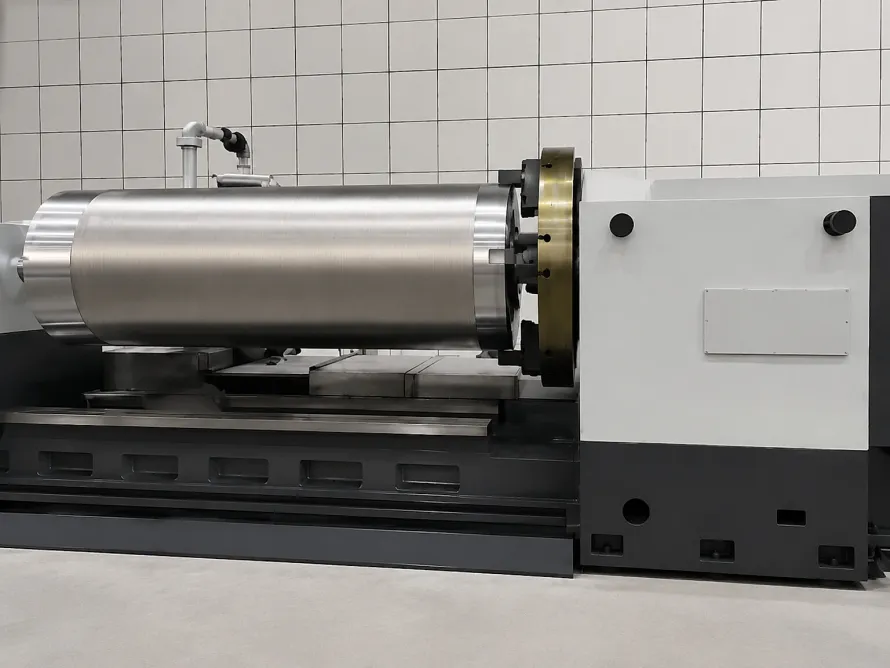
- CNC machining of complex structures → Gr.5 (better machinability than CP titanium)
Step 4: Gray Zone
- Marine pressure-bearing → Gr.12
- Chemical pressure vessels → Gr.2 (ASME code takes precedence)
- Contact the supplier’s technical team with four parameters: medium composition, temperature, crevice geometry, design pressure
Need a grade assessment for your specific service conditions? Bring those four parameters and contact us — we’ll return a grade recommendation and cutting plan within 24 hours.
Related Products & Services
- Service → Cut to Length — Plate cut to project dimensions, ready to ship
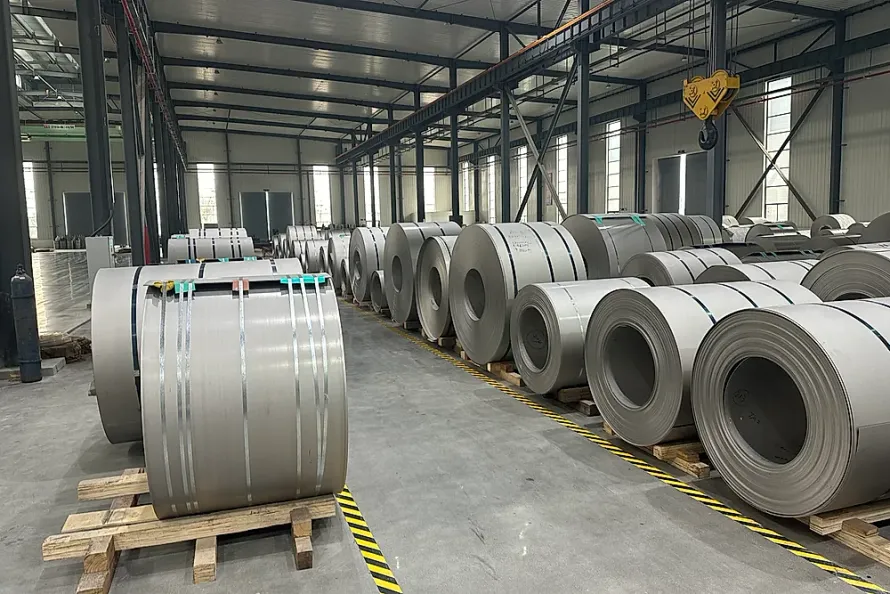
- Product → Titanium Sheets & Plates — Gr.2/Gr.5/Gr.12 plate, multiple specs in stock
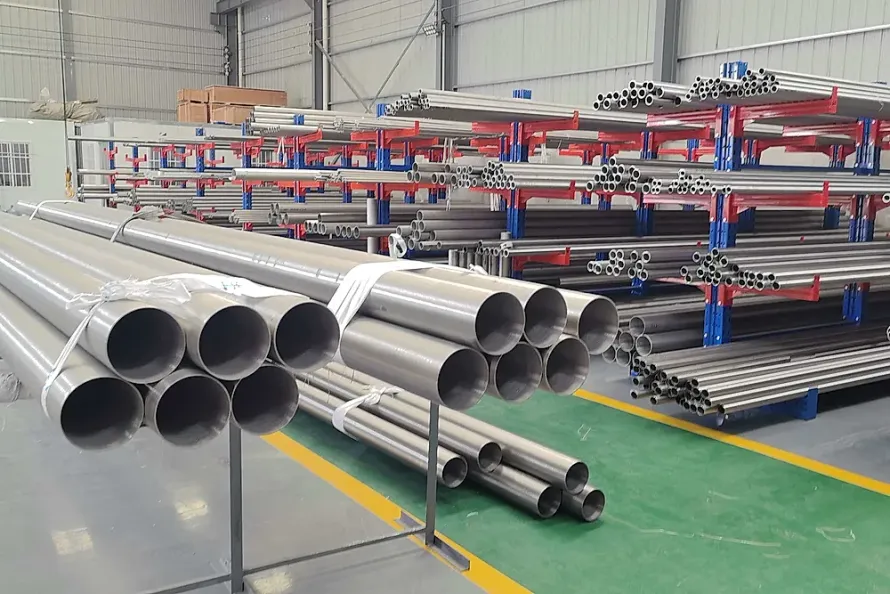
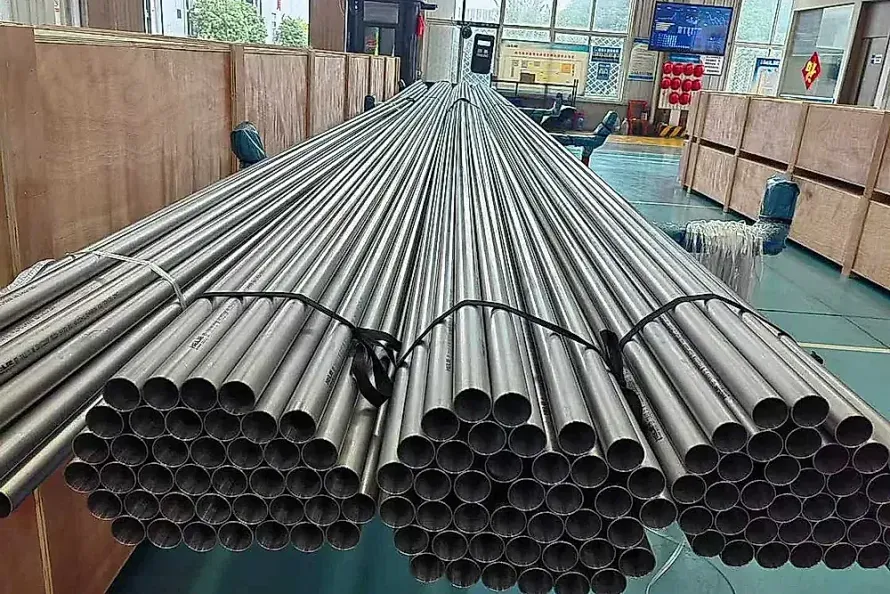
- Product → Titanium Pipes — Gr.2/Gr.12 pipe for chemical process lines
Related Articles:
Need this material? Get a factory-direct quote.