Floating-Titanium Study Makes Skeletal Density the First Buoyancy Check for Open Lattices
RMIT University reported on 2026-09-03 that an open, 3D-printed titanium lattice made from hollow interconnected struts can float when those struts are filled with polyurethane foam. The useful result is not a ready-made marine product. It is a change in the first design question: for an open lattice, apparent overall density does not by itself establish buoyancy (RMIT University).
The mechanism is selective water exclusion
An open metallic lattice can be extremely light, yet its connected voids admit water. Counting all geometric volume as displacement therefore overstates what keeps it afloat. RMIT calls the relevant measure skeletal density: the density of the titanium walls and sealed foam-filled channels that exclude water.
That definition separates two volumes that a conventional density number can blur. Water may pass through the lattice’s large external openings, while the foam-filled channels inside the hollow struts continue to exclude it. Titanium carries load; the polymer supplies distributed sealed cells. The architecture is therefore different from a hollow buoy whose flotation depends on one continuous watertight shell.
RMIT says samples remained afloat in fresh water for more than two months. The university also reports buoyancy after cracking, failure at important connection points and fracture of an entire lattice layer. It attributes that damage tolerance to tiny sealed foam cells that trap gas and limit flooding of the struts. This supports a distributed-barrier explanation for the reported specimens. It does not prove that any foam-filled titanium lattice will survive an undefined impact, fatigue cycle or service life.
The seawater numbers are screening evidence
After two weeks in natural seawater, RMIT reported 0.15% mass loss and a strength decline of less than 1%. It also reported that the structure was 70% stronger than stainless steel or high-density polyethylene at the same overall density, while a prototype remained stable in a turbulent seawater tank rotated up to 45 degrees.
Every comparison needs its denominator attached. “At the same overall density” is not the same as equal wall thickness, cost, external dimensions or service life. A two-week immersion is not evidence for years of chloride exposure, biofouling, galvanic contact, polymer ageing, cyclic loading or pressure at depth. RMIT says longer testing in realistic marine and deep-sea conditions is still needed.
The result therefore justifies a more specific test plan, not substitution into an approved product from a news release alone. The underlying Advanced Materials paper, DOI 10.1002/adma.74641, should be reviewed with its methods and datasets before anyone sets acceptance thresholds.
A four-part transfer check for buyers
| Check | Buyer question | Release evidence |
|---|---|---|
| Density definition | Are overall and skeletal density both recorded, including foam uptake and manufacturing variation? | A calculation tied to the actual material, geometry and surrounding fluid |
| Barrier topology | Do sealed cells remain intact after printing, machining, joining and repair? | Process records plus an inspection method capable of finding breached channels |
| Damage case | Is the claim about cracks, failed nodes, layer loss, impact or crushing? | A measurable damage state and residual structural requirement |
| Environment and duration | Which water chemistry, temperature, pressure, cyclic motion and galvanic partners apply? | Exposure and mechanical tests matching the intended duty |
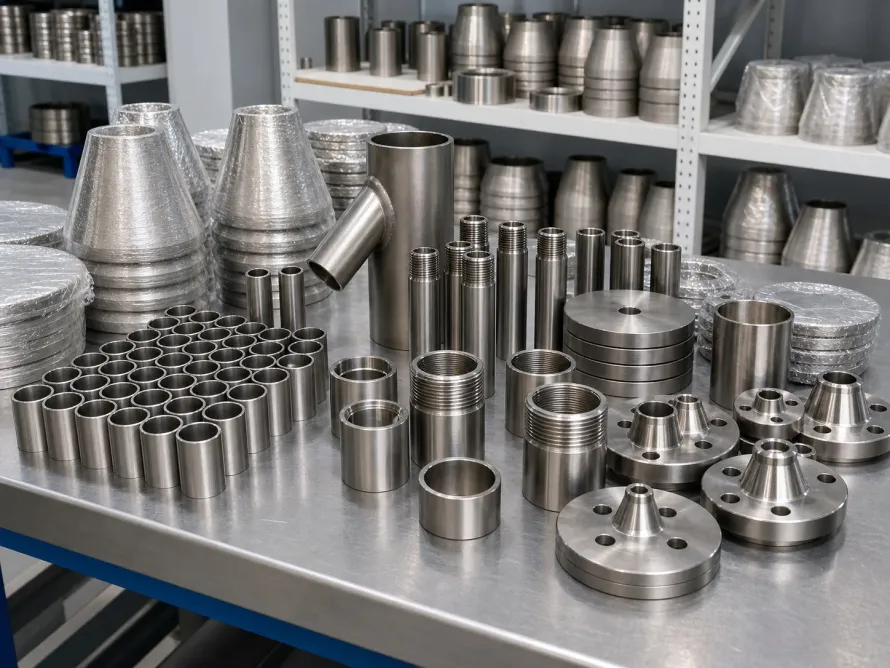
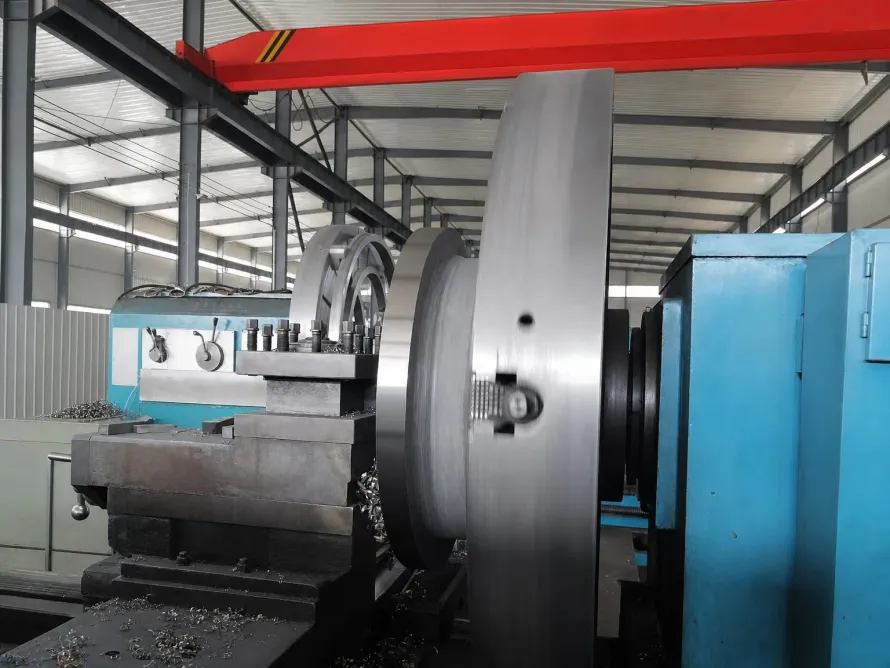
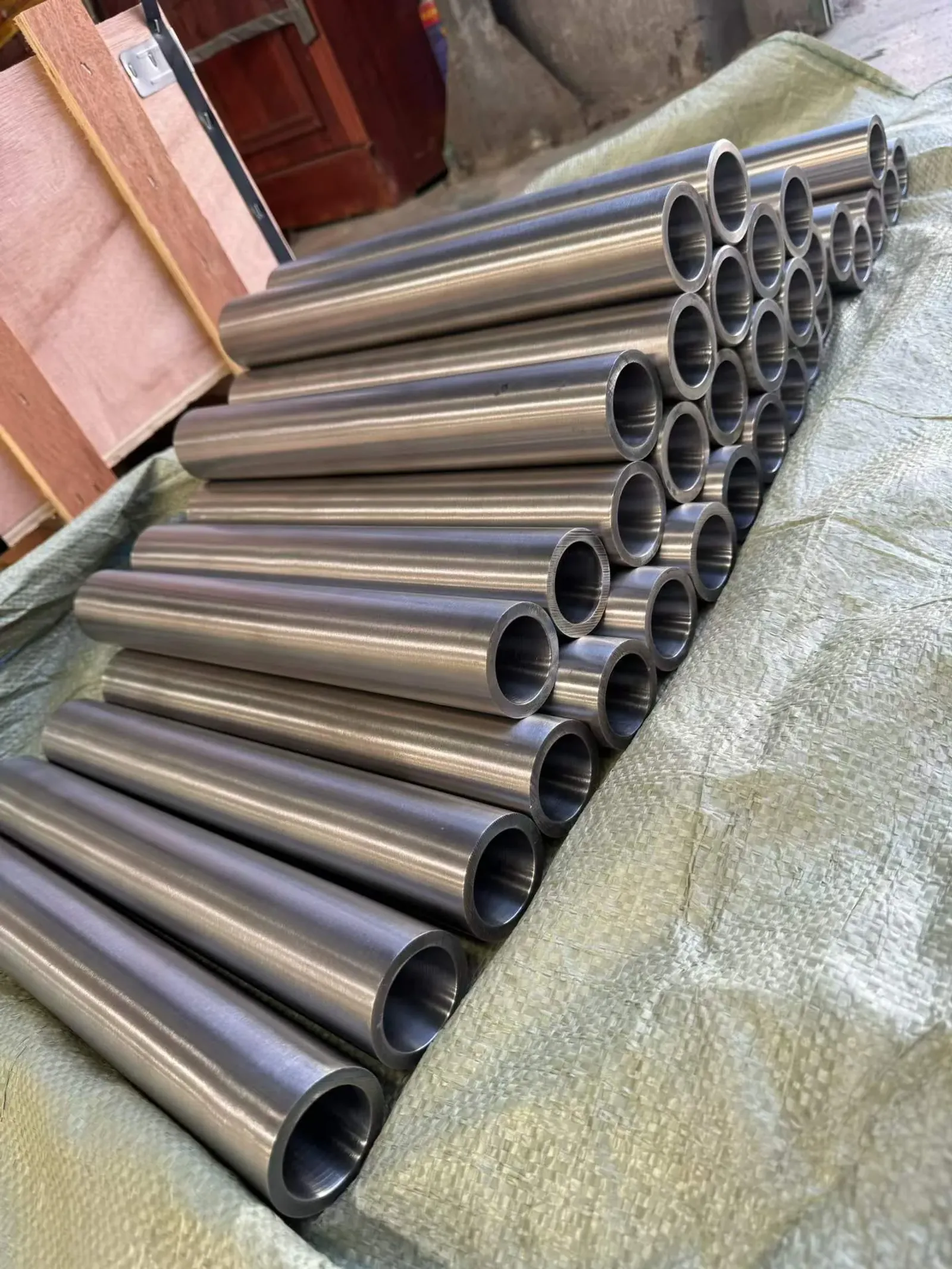
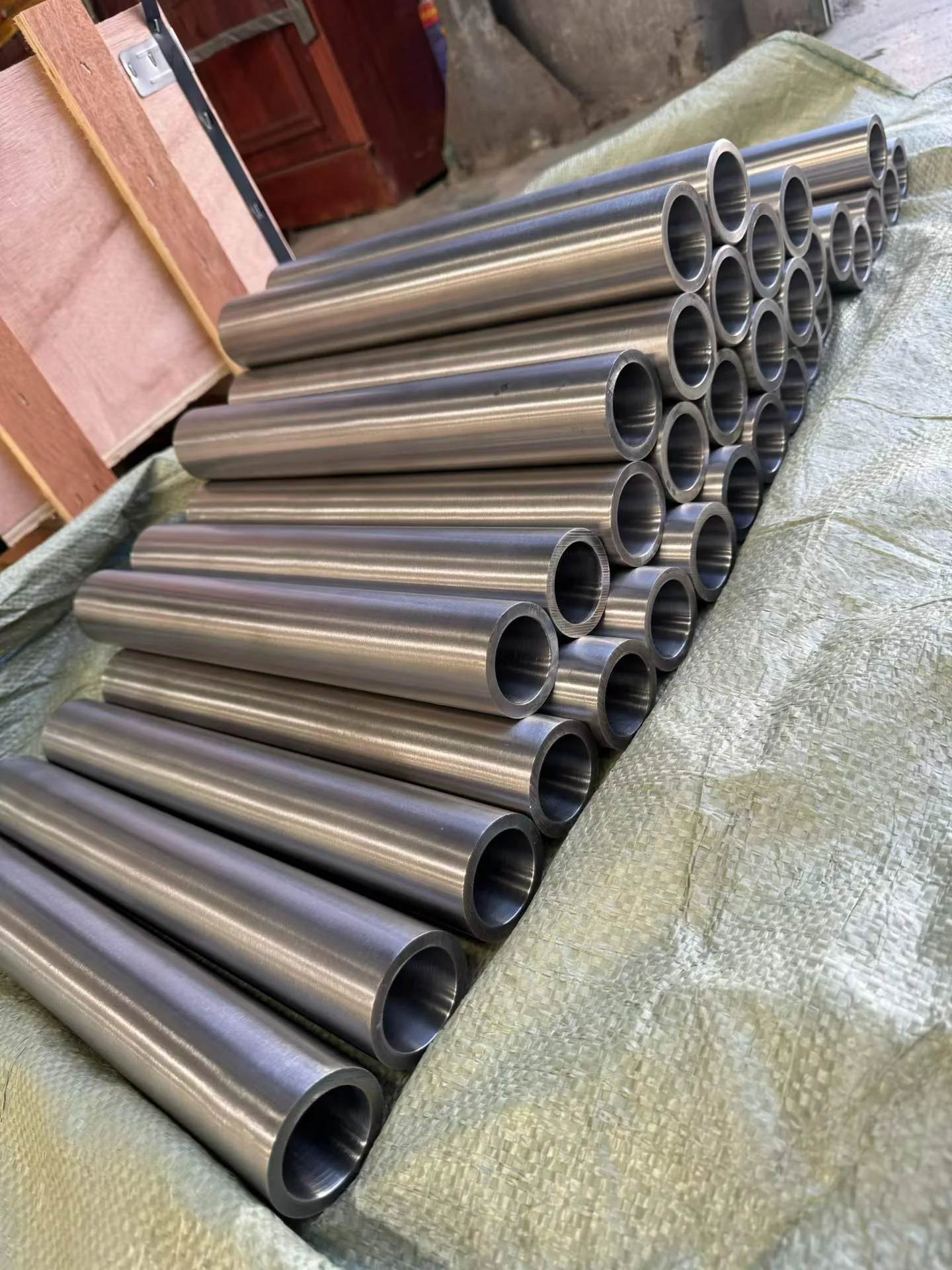
This framework matters to buyers because product form does not transfer the mechanism. Commercial titanium tubes can illustrate a hollow channel, but they are not additively manufactured lattice struts. Likewise, a supplier’s ability to perform titanium CNC machining says nothing by itself about sealed-cell integrity after printing and foam filling.
What the study changes now
The immediate contribution is a causal chain that engineers can test: an open lattice admits water; sealed foam-filled struts preserve water-excluding volume; skeletal density compares that protected structure with the surrounding fluid; distributed cells may preserve buoyancy after local damage.
For a buyer, the next step is a controlled feasibility program that keeps structure, polymer, manufacturing route, exposure and damage criteria together. Missing evidence should place the concept on hold, while conflicting or out-of-specification results should be escalated or rejected. The RMIT result is credible design evidence, but it is not sufficient product qualification.
Source boundary: This analysis uses RMIT University’s full technical announcement dated 2026-09-03 and its description of the study published in Advanced Materials. It does not infer specimen statistics, fatigue life or a marine certification that the source does not report.
FAQ
# What is skeletal density in the RMIT floating-titanium study?
# Does the study prove a commercial titanium buoy is qualified?
# Why can the lattice remain buoyant after local damage?
# What should a titanium buyer verify before transferring the concept?
Need this material? Get a factory-direct quote.