Superelastic Titanium Needs a Temperature–Function Envelope, Not a Room-Temperature Datasheet
A titanium alloy that combines high strength, recoverable deformation and stable elastic response across a wide temperature range would be attractive for precision springs, actuators, medical devices and aerospace mechanisms. A Nature Communications accelerated article preview published on 2026-08-14 reports an experimental Ti50.5Zr40Nb6Sn2O1.5 alloy with recovery strain εr >4.5%, superelastic stress σc >700 MPa, a low temperature coefficient dσc/dT ≈0.59 MPa·K⁻¹, and stable elastic modulus from 123 K–298 K (paper).
Those figures are important research results, but they are not a purchase specification. The preview does not establish a commercially available grade, standard product form, batch-scale reproducibility, cyclic durability or qualification status. For buyers, the practical lesson is not to search immediately for this exact chemistry. It is to replace room-temperature, single-point property checks with a temperature–function qualification envelope.
Temperature Stability Changes the Buying Question
Conventional alloy comparisons often reduce performance to room-temperature tensile strength, elongation and elastic modulus. That can miss what controls a superelastic component: the stress needed to activate recovery, the strain recovered after unloading, the variation of that response with temperature, and its stability after repeated cycles.
The reported 123 K–298 K modulus range matters because a spring, coupling, implant feature or deployable mechanism may experience temperatures far from a laboratory’s standard ambient condition. Even high room-temperature recovery can be operationally weak if triggering stress shifts sharply with temperature, permanent strain accumulates, or functional stroke decays with cycling.
The reported εr >4.5% and σc >700 MPa describe a promising combination of recoverability and load-bearing capability. The small dσc/dT ≈0.59 MPa·K⁻¹ indicates comparatively low temperature sensitivity of the characteristic superelastic stress. Procurement still needs the curves and conditions behind those headline values: loading mode, strain rate, specimen orientation, temperature dwell, unloading endpoint and cycle number.
What the LCO Mechanism Means—and Does Not Mean—for Supply
The authors attribute the behavior to Zr/O co-doping, which promotes oxygen-rich local chemical orders, or LCOs. Their proposed mechanism is that elastic confinement from the LCOs resists dislocation slip and suppresses martensitic transformation. At the same time, LCO modulus hardening compensates for softening of the surrounding matrix as temperature changes.
That is more specific than saying oxygen simply strengthens titanium. Oxygen content, its local distribution and its interaction with Zr are part of a designed microstructural state. A supplier cannot demonstrate equivalence by matching nominal chemistry alone. Melting practice, interstitial control, homogenization, thermomechanical history and final heat treatment may all affect whether the intended LCO population and matrix response are reproduced.
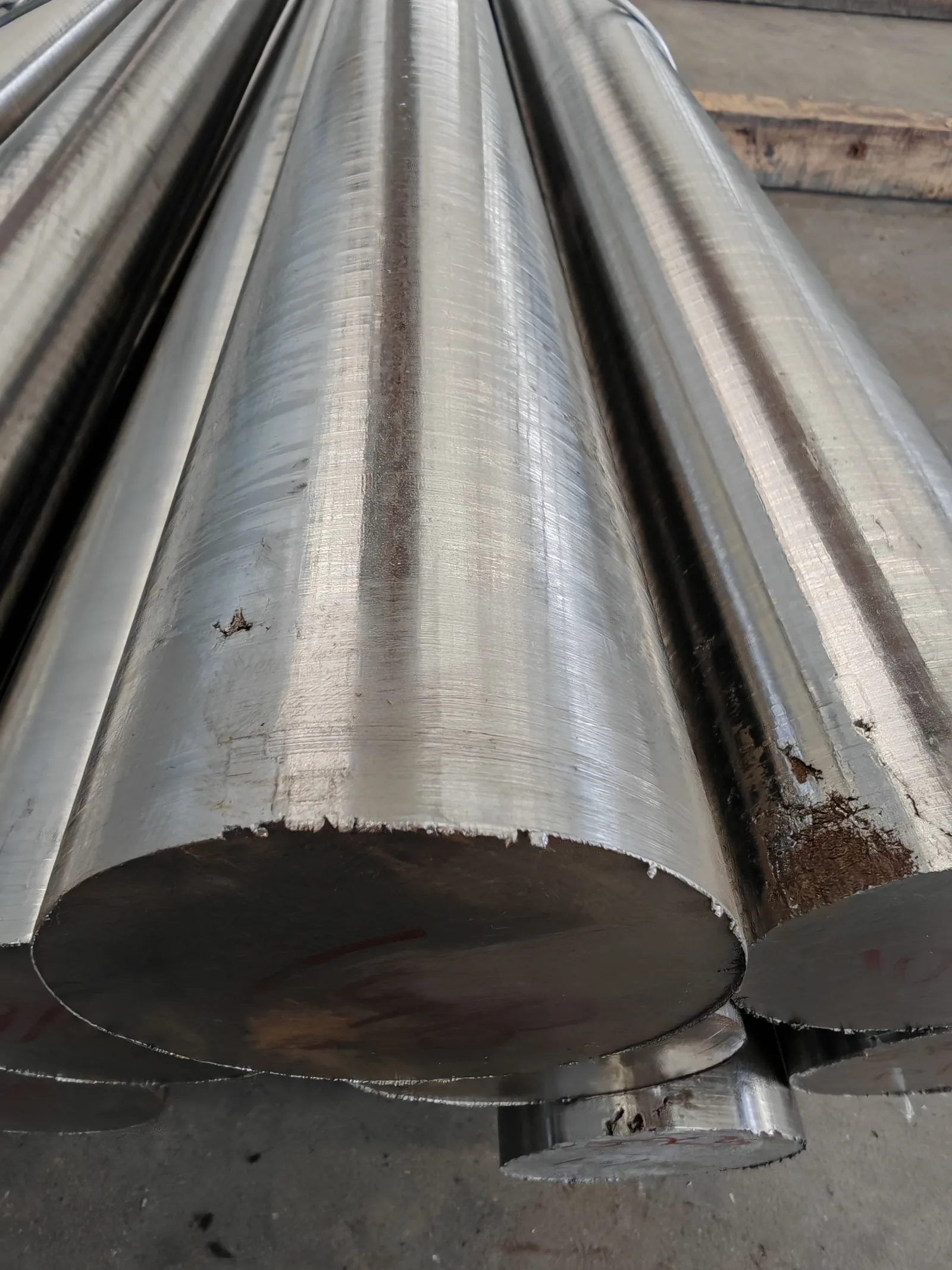
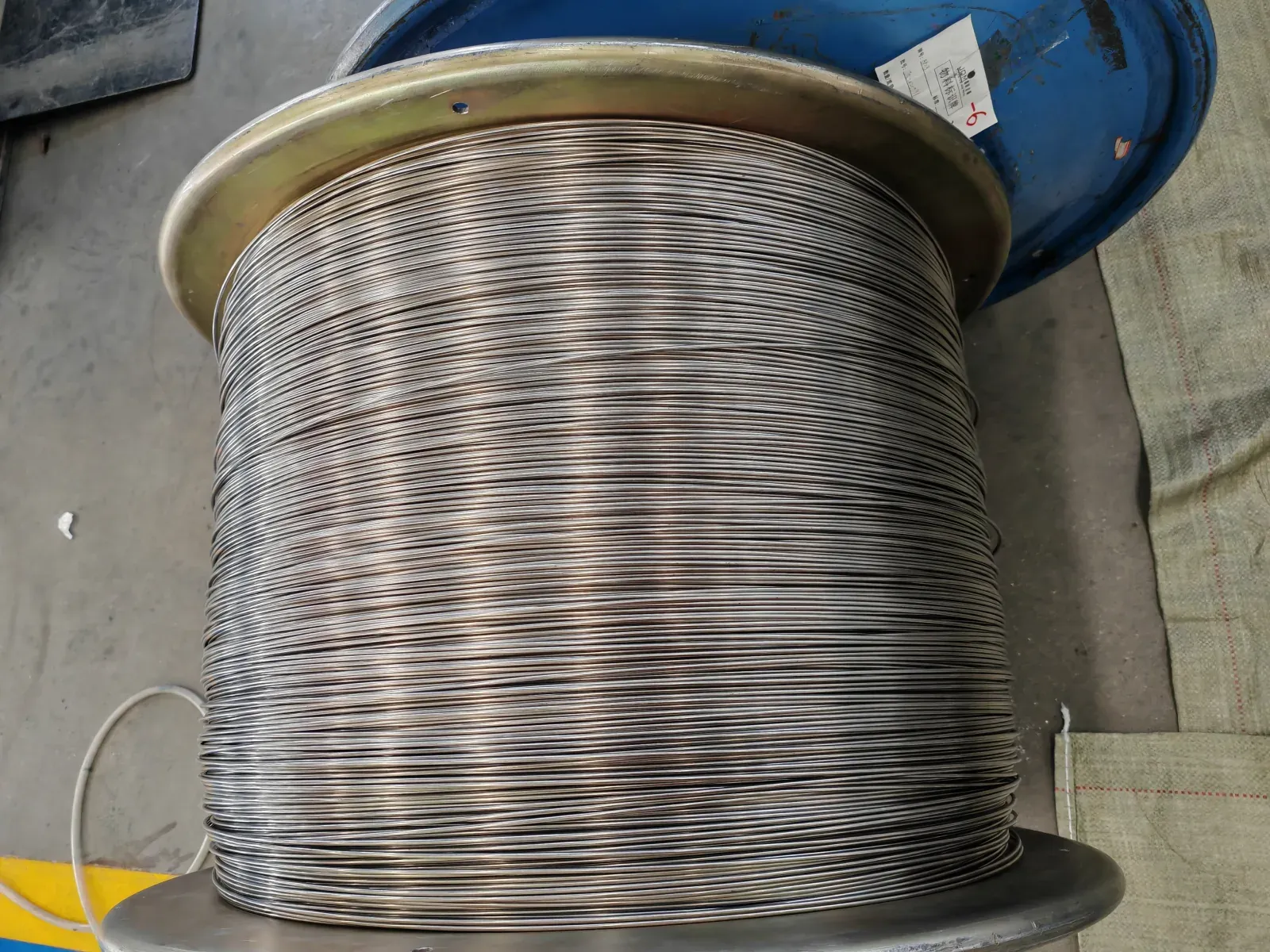
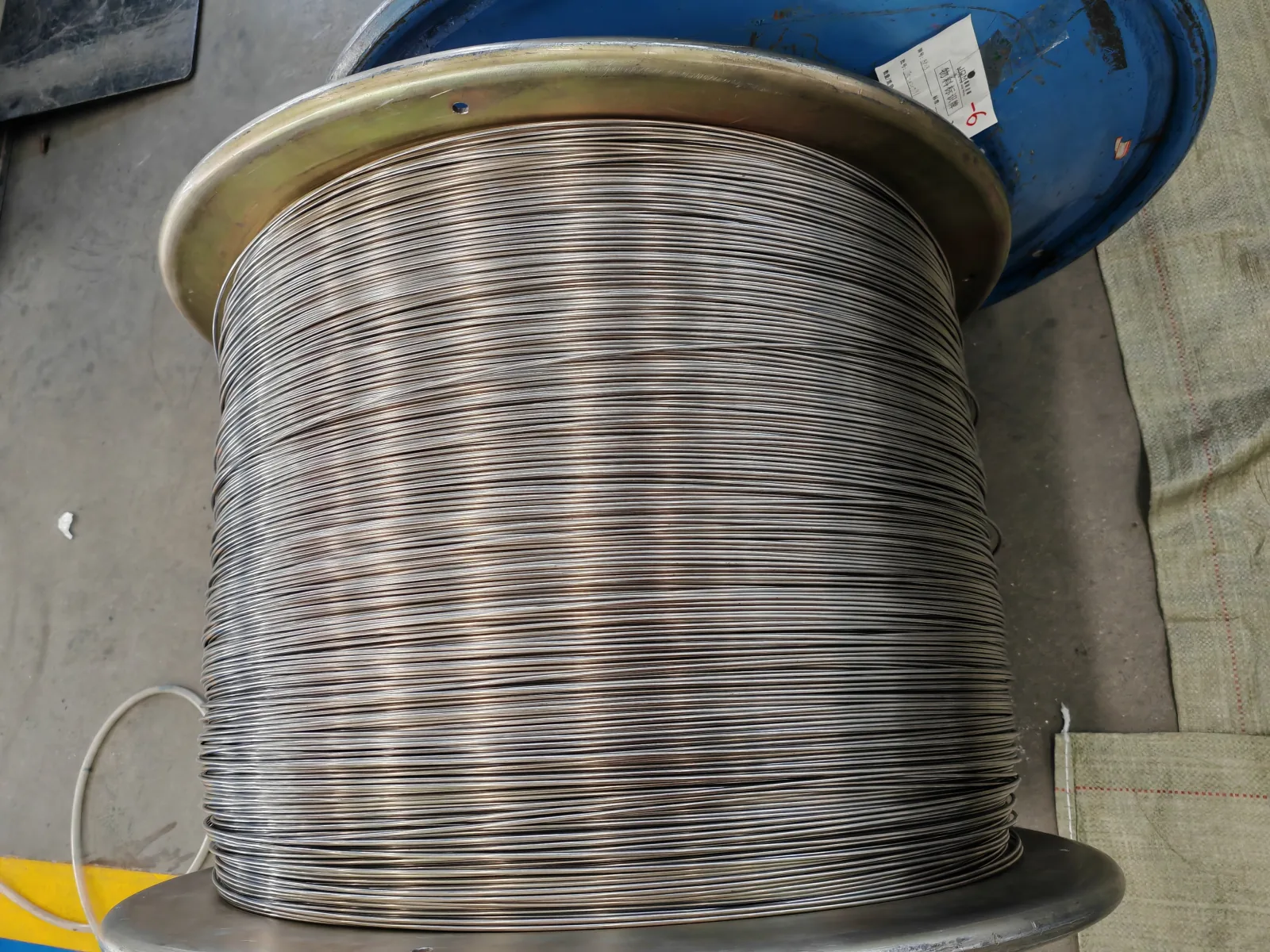
The preview also leaves major industrial questions open. It does not demonstrate supply as titanium bar, wire, sheet, tube or near-net-shape components. It does not report production-scale heat-to-heat variation, joining behavior, machinability, surface-treatment compatibility, long-cycle stability or an accepted material standard. Those gaps do not invalidate the result; they define the work required before a research composition becomes a controlled product.
Build the RFQ Around a Temperature–Function Envelope
| Qualification line | What the buyer should define | Evidence to request |
|---|---|---|
| Temperature and function | Operating, storage and transient limits; required stroke or recovery | Stress–strain curves and recovered-strain data across the specified range |
| Chemistry and microstructure | Composition tolerances, O/N/H limits and required structural state | Heat analysis, interstitial testing and validated microstructural characterization |
| Product form and process | Bar, wire, sheet or component geometry; melting and heat-treatment route | Process route, sampling plan and property uniformity by location |
| Cyclic durability | Working strain, preload, frequency, environment and target life | Functional cycling, residual-strain trend and failure-mode data |
| Release and qualification | Lot definition, change control, inspection and sector approval | Lot-level certificate, traceability record and agreed acceptance criteria |
The release plan should distinguish screening from qualification. A room-temperature loading cycle can help with sorting, but cannot substitute for temperature-conditioned functional cycling. Likewise, a chemistry certificate does not prove the LCO-mediated state proposed by the researchers.
The commercial opportunity is real but early. Ti50.5Zr40Nb6Sn2O1.5 should currently be treated as an experimental alloy system, not an off-the-shelf titanium grade. Buyers who need temperature-stable superelasticity should specify the function first, then qualify chemistry, microstructure, product form and cyclic response as one connected evidence package.
FAQ
# Can buyers order Ti50.5Zr40Nb6Sn2O1.5 as a standard titanium grade?
# Do εr >4.5% and σc >700 MPa apply automatically to a finished component?
# Why is dσc/dT ≈0.59 MPa·K⁻¹ relevant to procurement?
# What has not yet been demonstrated?
Need this material? Get a factory-direct quote.