New TA18 Study Shows Why Lubrication Alone Cannot Equalize Tube Corners
A study published in the journal’s 2026 August issue of the International Journal of Mechanical Sciences changes a familiar assumption in titanium tube forming. In hydro-pressing, uneven corner filling is not simply a sign that the lubricant failed or the internal pressure was too high. Friction changes the way circumferential force travels around the tube, so two corners in the same die can experience different material flow.
The distinction matters for buyers of thin-walled titanium hollow components. A drawing can specify four equal corner radii, yet a supplier may still produce a part with acceptable average dimensions and an unacceptable corner-to-corner spread. The new work on TA18 tubes shows why the process route and loading sequence belong in the qualification file, not only the finished dimensional report.
Friction Creates a Force-Path Problem
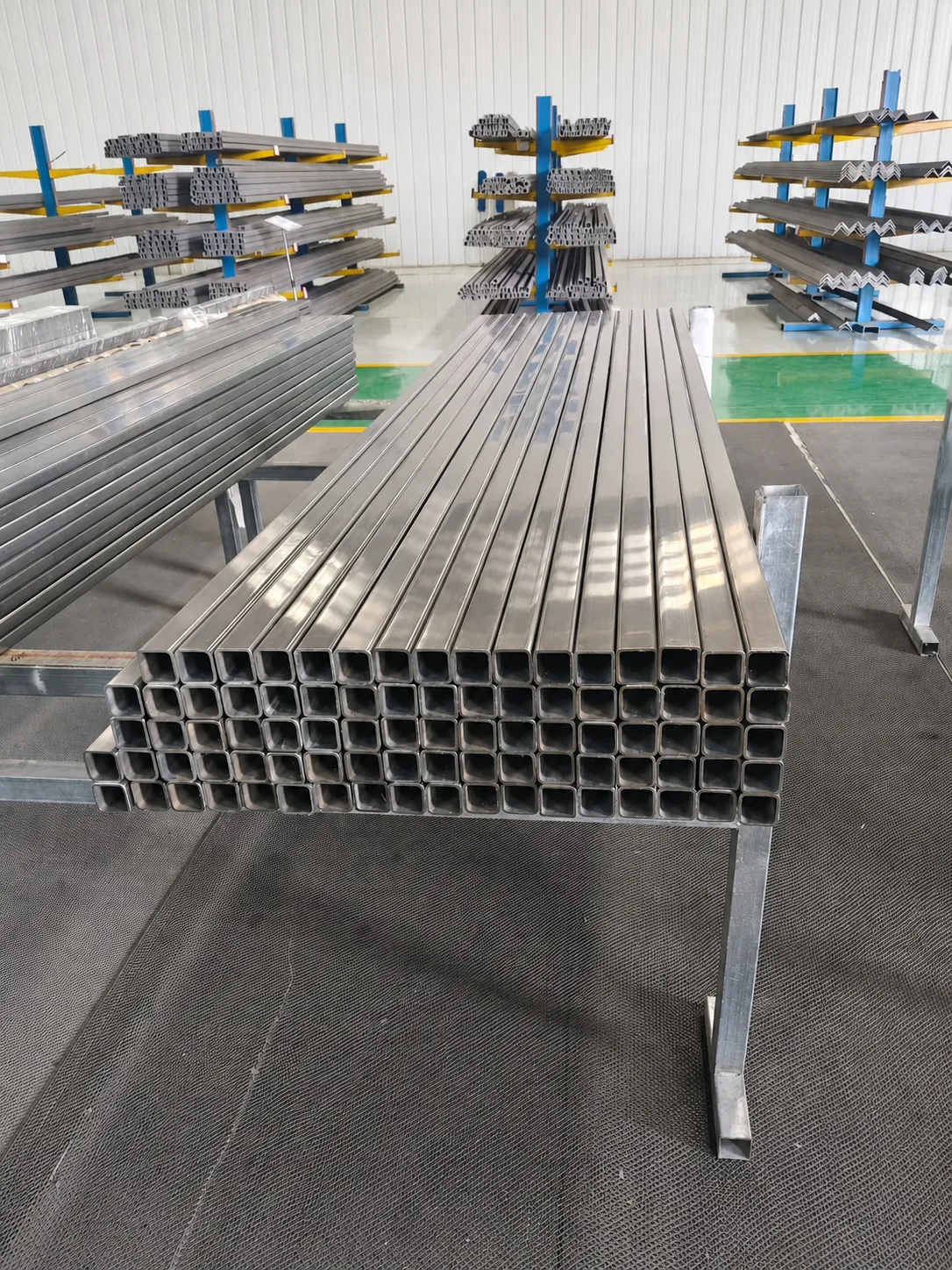
Tube hydro-pressing uses die closure to bend and compress a supported tube into a shaped cavity. It differs from conventional high-pressure hydroforming, where local expansion is the main driver. In hydro-pressing, material must flow around the perimeter while the die surfaces resist that motion.
The researchers combined mechanical analysis, finite-element simulation and experiments on TA18 titanium alloy tubes. Their model showed that friction creates an imbalance in circumferential internal force between upper and lower corner regions. Lubrication and lower internal pressure reduce the imbalance, but they do not reverse the direction of friction or fully equalize the force path (research paper).
The reported results make that distinction measurable. In single-step forming without lubrication, corner-radius nonuniformity reached 9.8% at 7 MPa. With MoS2 lubrication at 3 MPa, it fell to 2.9%. Better lubrication and lower pressure helped, but a residual difference remained.
The authors then used a two-step loading strategy that changed the relative direction of material flow and friction. Compared with single-step forming at 3 MPa without lubrication, the two-step route reduced corner-radius nonuniformity from 6.3% to 0.8%. The important mechanism is active force rebalancing, not a universal claim that two steps will produce the same result for every tube, die or alloy.
Why an Average Radius Can Hide the Risk
A dimensional certificate may list one nominal corner radius or a small set of section measurements. That can miss a systematic difference between the corners that filled early and those that filled late. Local thickening, springback and the approach to buckling also depend on the loading history.
For procurement, the consequence is straightforward: a tube-forming capability cannot be described by maximum pressure and lubricant name alone. The evidence needs to show how blank size, die closure, pressure, lubrication and step sequence act together. Changing any one of them can move the force balance even when the material certificate and final nominal size are unchanged.
The paper does not provide a production recipe for every TA18 component. It does not establish fatigue, corrosion, leak-tightness or service allowables for a finished aerospace or marine part. It isolates a forming mechanism and validates it on the tested geometry. A buyer should use that mechanism to ask better questions, then require part-specific evidence.
A Five-Link Corner-Uniformity Map
| Link | Control question | Evidence worth retaining |
|---|---|---|
| Tube blank | Are diameter, wall thickness, temper and anisotropy represented by the qualified blank? | Incoming lot record, dimensions and material state |
| Contact condition | Where is lubricant applied, and how are die condition and friction variation controlled? | Lubrication instruction, die-maintenance record and surface check |
| Support pressure | Does internal pressure prevent instability without locking material flow? | Calibrated pressure trace and alarm limits |
| Loading path | Does the closing sequence rebalance force around the perimeter? | Step positions, force/displacement trace and recipe revision |
| Part result | Are all corners and wall regions measured, not only an average? | Corner-by-corner radius map, wall-thickness map and springback result |
This framework separates a consumable control from a mechanics control. Lubricant changes friction magnitude. Loading path changes how friction and material flow interact over time. Both affect the part, but they are not interchangeable corrections.
What Buyers Should Put in the RFQ
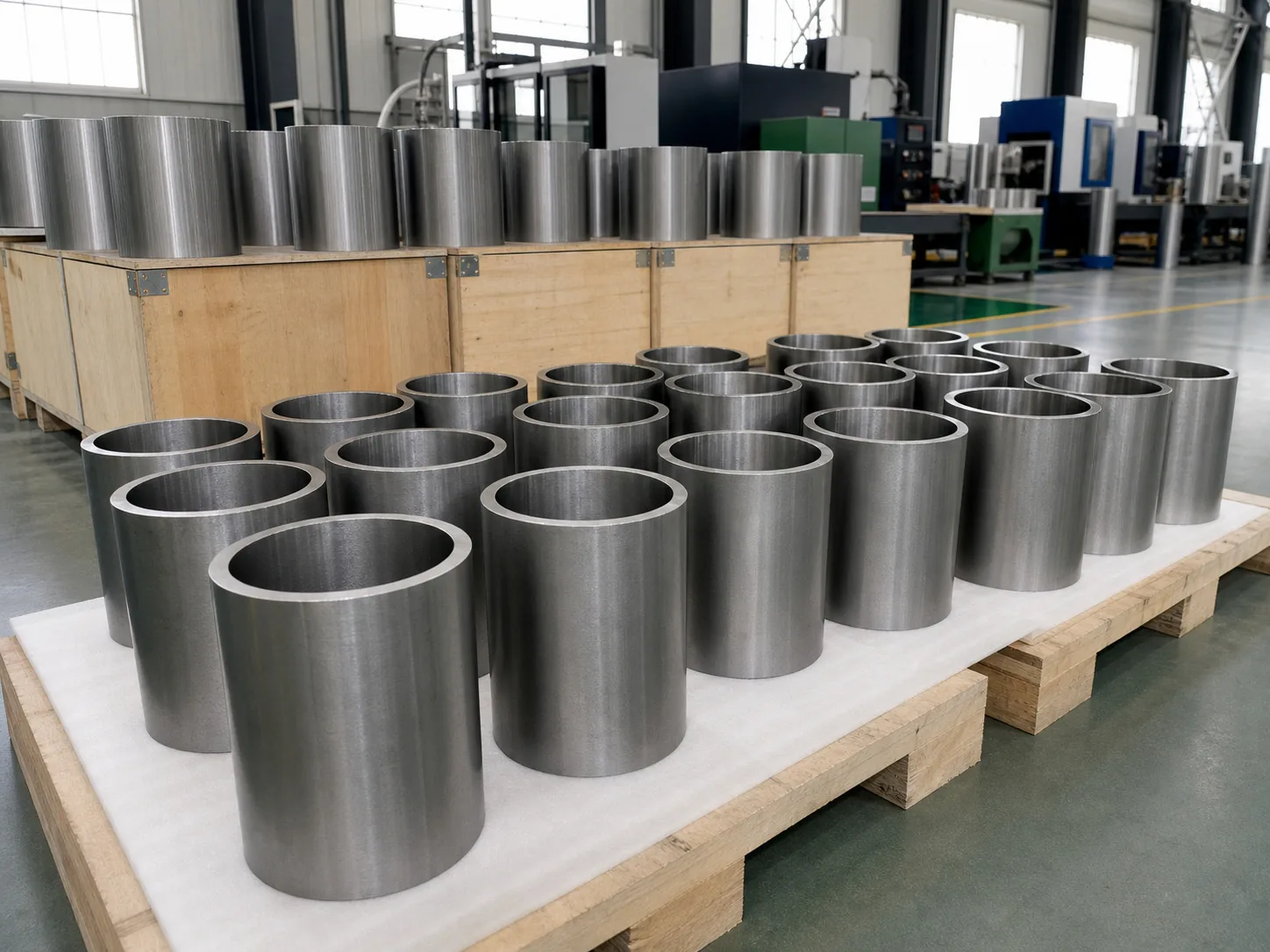
For a shaped titanium tube, the RFQ should define the section locations and corner-by-corner acceptance method. A single radius tolerance without a measurement convention invites disagreement. Specify whether the supplier must report each corner, wall-thickness distribution, springback after unloading and any trimmed or calibrated state.
Ask whether the route is single-step or multi-step, how the sequence is frozen and what changes trigger revalidation. A new tube lot, lubricant, die refurbishment, pressure schedule or blank-to-die clearance can alter contact and force transmission. If the supplier relies on simulation, request the material model and the physical measurements used to validate it.
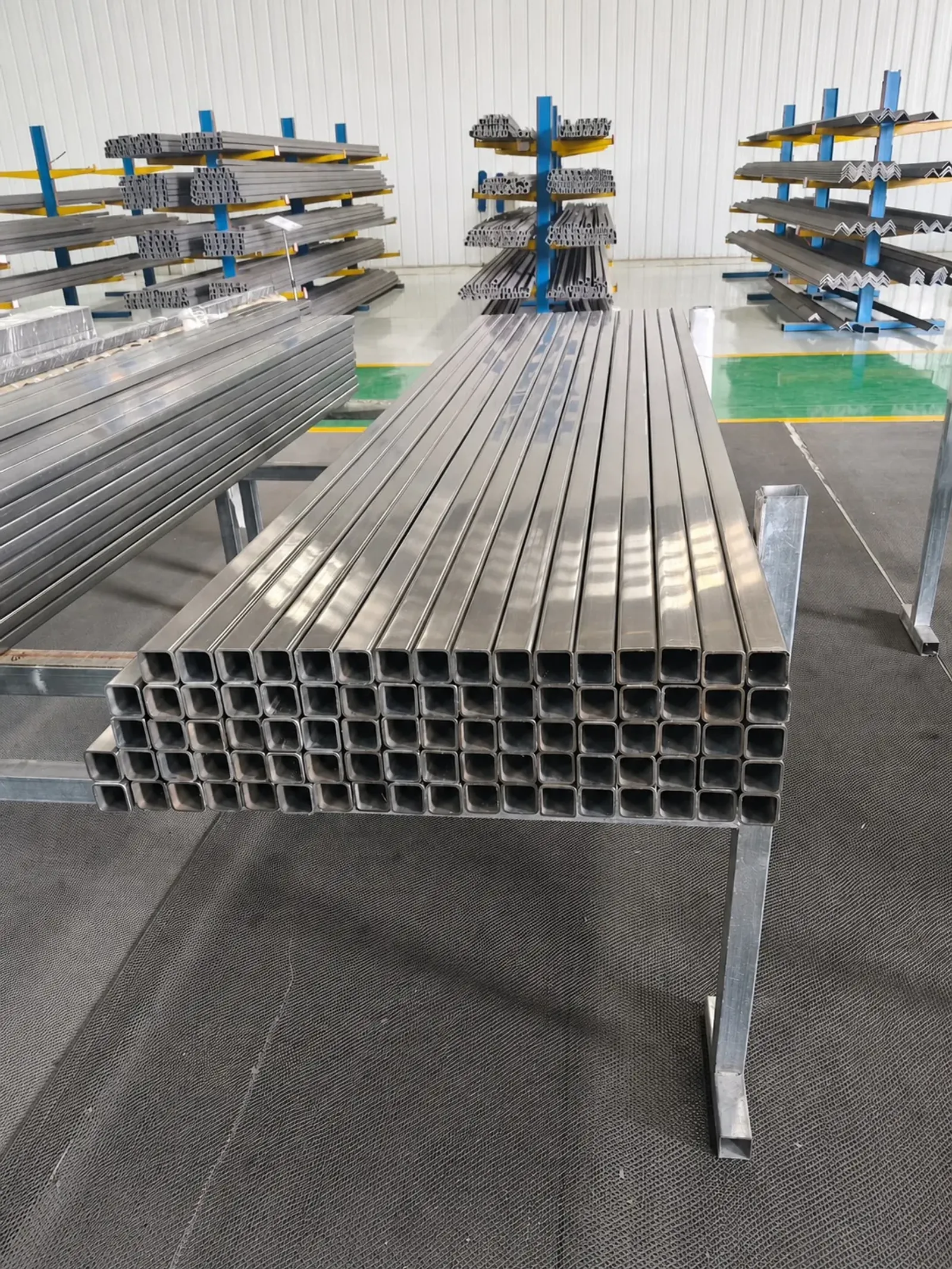
The same logic applies before ordering titanium tubes for downstream forming. Mill compliance establishes chemistry and baseline properties; it does not demonstrate that a particular rectangular or small-radius section can be formed uniformly. The tube lot and the forming route need a connected record.
The restrained conclusion is useful: better lubrication can reduce nonuniformity, but it cannot by itself prove equal corner filling. A releasable titanium hollow component needs evidence that connects the blank, contact condition, support pressure, loading path and full-section dimensional result.
FAQ
# Why can lubrication not fully equalize hydro-pressed TA18 tube corners?
# What result did the two-step loading strategy achieve?
# Why is an average corner radius insufficient?
# What should a titanium tube forming RFQ request?
Need this material? Get a factory-direct quote.