New Ti-Ta Study Turns Corrosion Resistance Into a Damage-Recovery Test
A study in the journal’s 2026 August issue of Corrosion Science adds a practical boundary to titanium alloy selection for strongly oxidizing nitric acid. The useful question is not only how slowly an intact surface corrodes. It is how the surface responds after scratching, wear, fabrication damage or another event breaks the passive film.
The researchers compared commercially pure titanium, identified as TA2, with a Ti-6Ta alloy identified as Ti35 in 6 mol/L HNO3 at 100 °C. Ti35 showed better corrosion resistance, a lower defect density in its passive film and faster repassivation. For chemical-equipment buyers, that points to a damage-recovery mechanism that an alloy name or steady-state corrosion number cannot describe by itself.
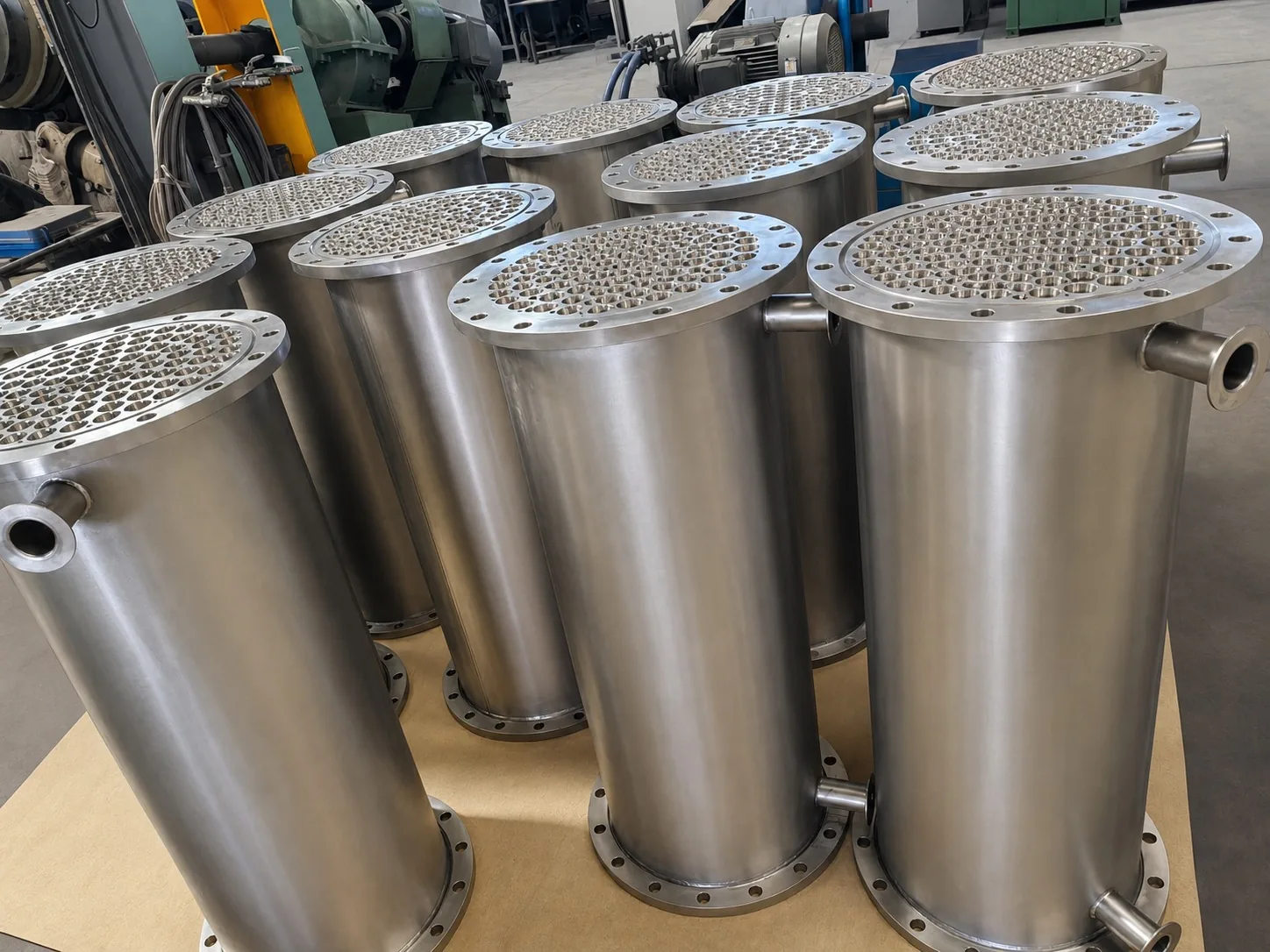
Tantalum Changes More Than the Bulk Composition
Titanium’s corrosion resistance depends on a thin oxide film. When that film is intact, a conventional exposure test can characterize a stable condition. Real equipment, however, contains welds, bends, machined edges, deposits, contact points and maintenance scars. Those locations can disturb the film and force the surface to rebuild protection while the process medium is still present.
The paper combined electrochemical tests, scratch-repassivation experiments, passive-film characterization and first-principles calculations (research paper). The authors propose several connected effects. Tantalum may suppress cathodic kinetics, strengthen adhesion at the titanium/oxide interface, enrich in the passive layer and form Ta2O5 alongside TiO2. Their calculations also associate Ta2O5 with higher oxygen-vacancy formation and migration energies, a plausible reason for fewer film defects.
The language matters. Some atomistic steps are calculated mechanisms consistent with the observations, not universal proof for every Ti-Ta composition or nitric-acid process. The tested material, acid concentration, temperature and surface condition define the evidence boundary.
Why a Coupon Corrosion Rate Is Not Enough
A low mass-loss or current-density result on a polished coupon answers one part of a buyer’s question. It does not show whether a weld heat-affected zone, scratched surface or mechanically finished edge restores protection at the required rate. Nor does it show how repeated damage, contaminants or changing acid chemistry affect that recovery.
This creates a two-stage qualification problem. The first stage asks whether the intact surface is stable in the specified medium. The second asks what happens after the protection is locally interrupted. A material can perform well in the first test while remaining poorly characterized in the second.
The study does not qualify Ti35 for a specific vessel, heat exchanger or nuclear-reprocessing component. It does not replace design-code requirements, welding procedure qualification, contamination control or application-specific corrosion testing. It identifies why damage and repassivation should be represented in the test plan when the service depends on a self-healing oxide film.
A Five-Layer Damage-Recovery Map
| Layer | Buyer question | Evidence to connect |
|---|---|---|
| Alloy identity | Is the tantalum-bearing composition and product form the same as the tested or qualified material? | Heat chemistry, product specification and lot traceability |
| Fabricated surface | Which weld, bend, machining and cleaning states will enter service? | Route card, weld map, finish condition and cleaning record |
| Service chemistry | Are acid concentration, temperature, impurities and flow within the test envelope? | Process-medium specification and upset limits |
| Film disruption | What credible scratch, wear, fretting or maintenance damage is represented? | Damage protocol, location map and inspection basis |
| Recovery and release | How quickly and consistently does protection return, and what residual attack remains? | Repassivation trace, surface analysis and acceptance criteria |
The framework prevents a common category error. A bulk alloy certificate confirms composition. A passive-film recovery file explains whether the fabricated surface can restore its protective state after a defined interruption. Both are necessary evidence, but they answer different questions.
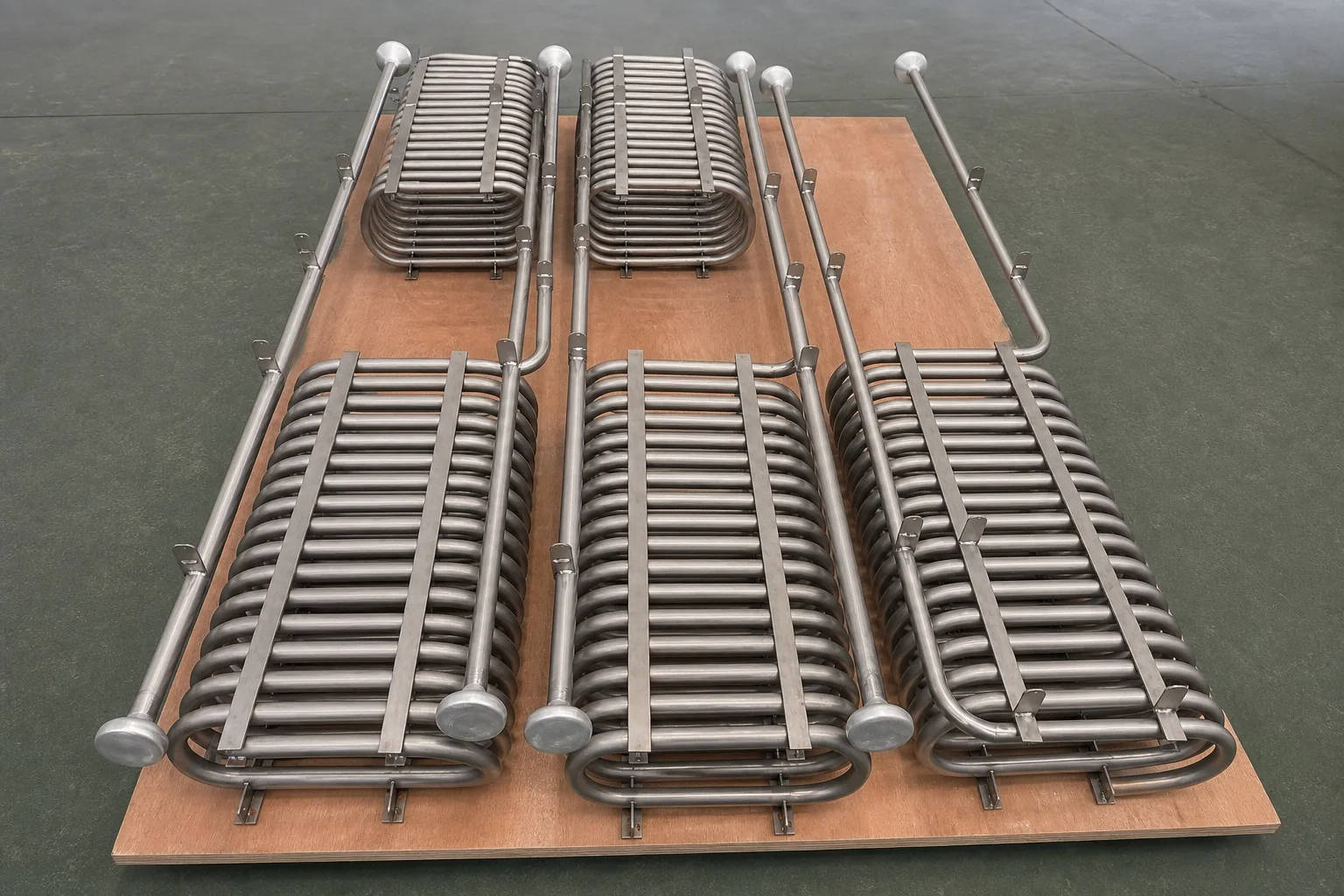
What Procurement and Engineering Can Use Now
An RFQ for nitric-acid titanium equipment should define medium concentration, operating temperature, expected impurities, cleaning agents and credible upset conditions. If a Ti-Ta route is proposed, request evidence for the actual product form and fabricated condition rather than accepting data from an unspecified laboratory alloy.
Ask where repassivation testing sits in the qualification plan. The test method should state the starting finish, damage method, exposure chemistry, temperature, monitoring signal and acceptance rule. It should also distinguish a one-time recovery demonstration from durability under repeated mechanical or chemical disruption.
For suppliers of titanium tubes and fabricated corrosion-resistant equipment, change control is equally important. A new melt route, tantalum range, weld filler, heat treatment, pickling practice or final surface finish can alter the film or the substrate beneath it. Those changes should be assessed against the validated damage-recovery envelope, not hidden inside a generic material designation.
The defensible conclusion is narrow. The study does not make Ti-6Ta universally superior to commercially pure titanium. It shows that in the tested strongly oxidizing nitric-acid condition, tantalum changed both passive-film quality and recovery after disruption. Buyers should therefore evaluate corrosion resistance as a sequence—surface formation, damage and repassivation—not as one steady-state number.
FAQ
# What did the Ti-Ta nitric-acid study compare?
# Why is an intact-coupon corrosion rate insufficient?
# How may tantalum improve the passive film?
# What should a Ti-Ta equipment RFQ request?
Need this material? Get a factory-direct quote.